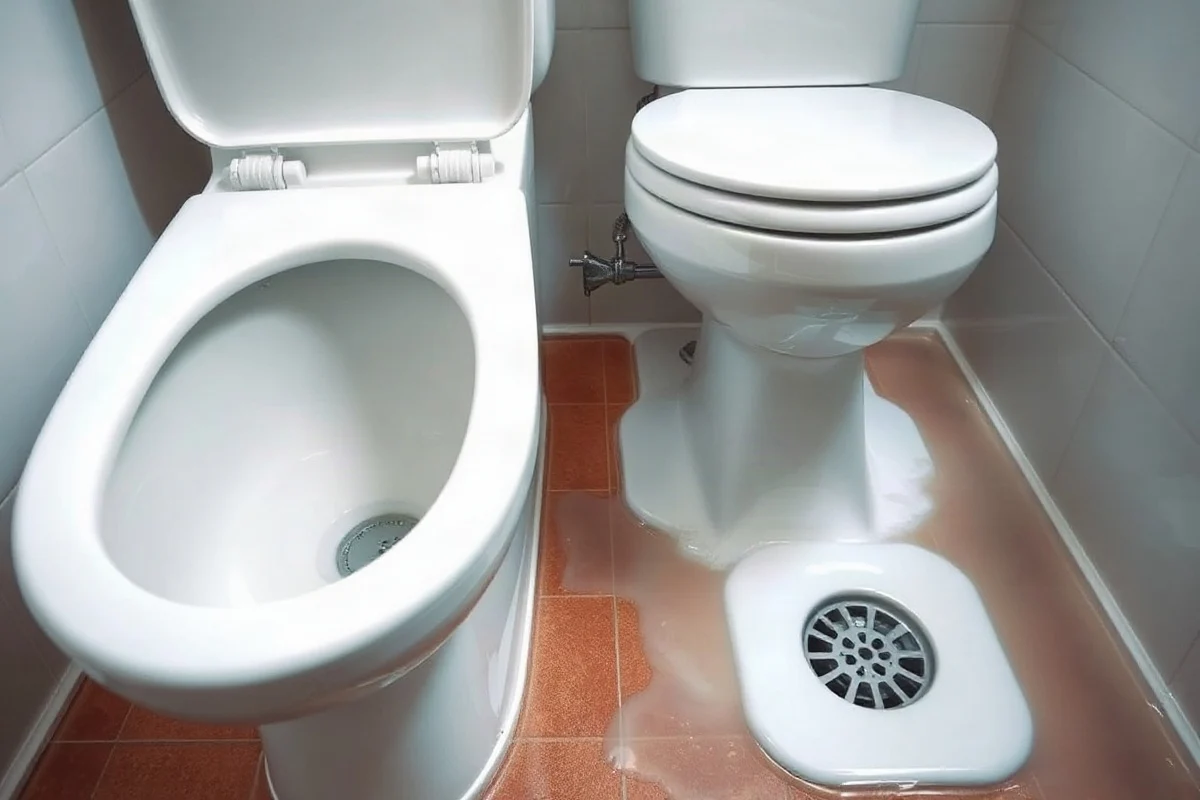
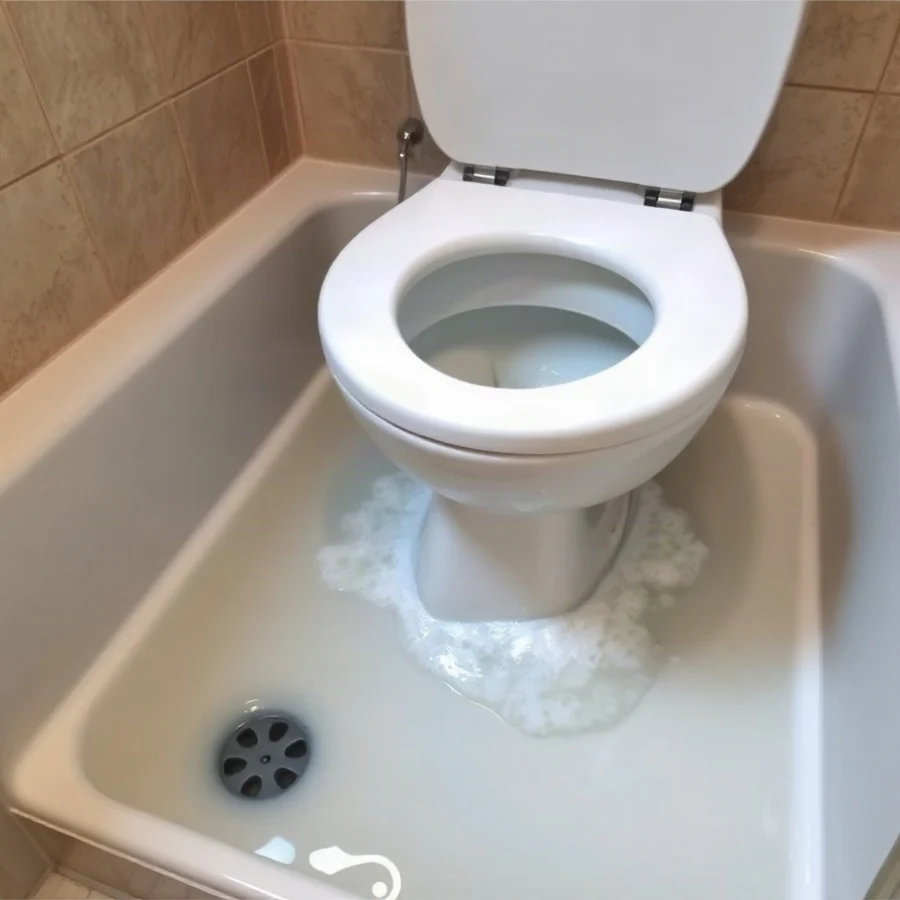
Yes, a blocked sewer line can cause a toilet to overflow. When wastewater cannot move through the main drain or sewer pipe, it may back up into the lowest available fixture, often a toilet, shower, bathtub, or floor drain. A toilet that overflows along with other slow or backed-up fixtures is more likely to indicate a main sewer blockage than an isolated toilet clog.
However, not every overflowing toilet has a sewer-line problem. A local clog in the toilet trap, a blocked branch drain, or a faulty tank component can also cause an overflow. The pattern of symptoms matters. Understanding that pattern can help you take safe steps without making a messy or potentially hazardous problem worse.
How a sewer blockage causes a toilet to overflow
Your home's drain system carries wastewater away through a series of branch drains that connect to a larger building drain and, eventually, a sewer line or private septic system. A toilet is connected to this drainage network through its own waste pipe. Under normal conditions, water and waste flow away by gravity.
If the main sewer line becomes blocked, wastewater from toilets, sinks, showers, washing machines, and other fixtures may have nowhere to go. Continued use of any plumbing fixture adds more water to the restricted system. That water can rise in a toilet bowl or emerge from another low point in the plumbing.
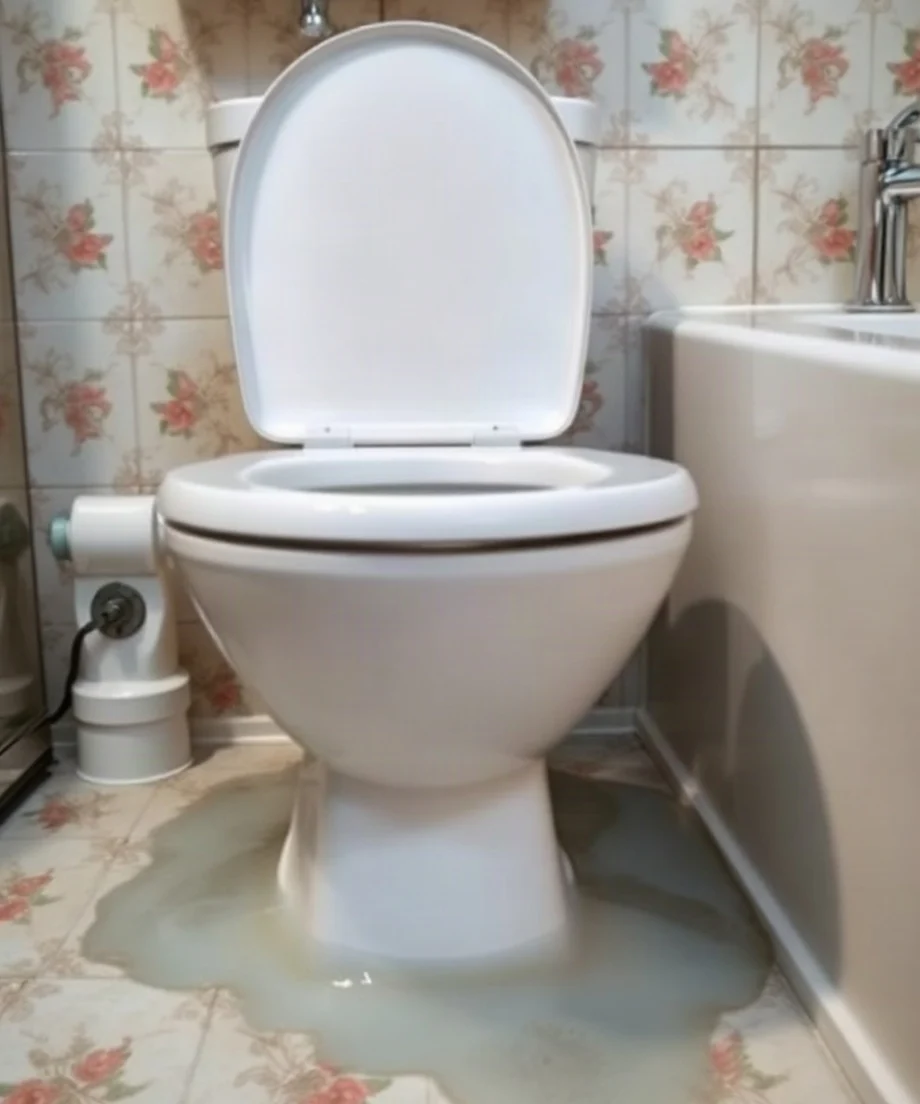
A blockage may result from accumulated debris, grease, invasive tree roots, a damaged or collapsed pipe, settled soil, or an object that entered the line. The exact cause cannot be confirmed reliably from the toilet alone. A professional may need to inspect the sewer line with specialized equipment.
Signs the problem may be in the main sewer line
An isolated toilet clog usually affects one fixture. A main sewer blockage tends to affect several fixtures or causes recurring symptoms throughout the home. Watch for these warning signs:
- The toilet overflows when a sink, shower, washing machine, or dishwasher drains.
- Several toilets or drains become slow at about the same time.
- Water rises in a bathtub or shower when you flush a toilet.
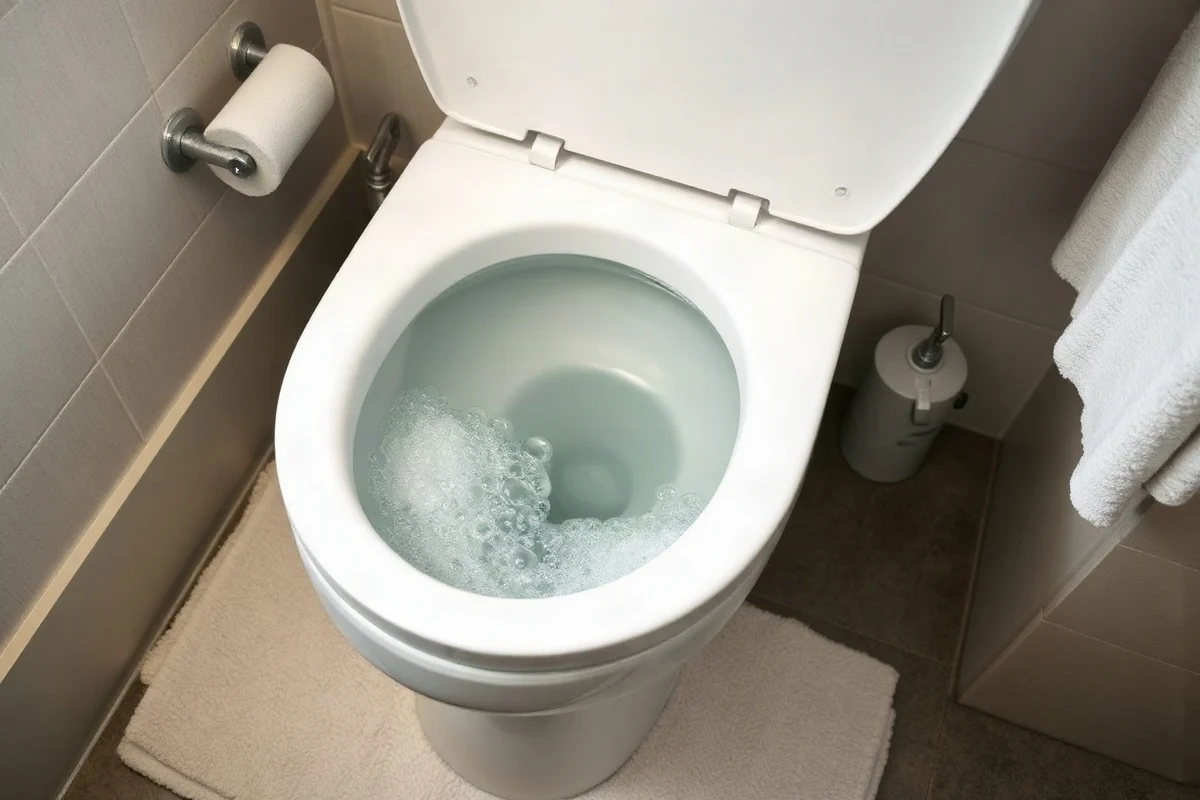
- You hear gurgling or bubbling from toilets, sinks, or floor drains.
- Wastewater or foul-smelling water appears at a floor drain or other low fixture.
- The toilet works briefly after plunging but backs up again soon afterward.
- There is sewage around a cleanout, basement drain, crawl space, or exterior area near the sewer line.
These symptoms do not prove that the public sewer or private sewer lateral is blocked. The obstruction could be in the home's main building drain or another section of the drainage system. A qualified local plumber can help locate the affected section before recommending a repair.
When the toilet itself is more likely to be clogged
If only one toilet is affected and nearby sinks, showers, and tubs drain normally, the problem may be limited to that toilet. Common causes include excessive toilet paper, a dropped object, or material lodged in the toilet's internal trap.
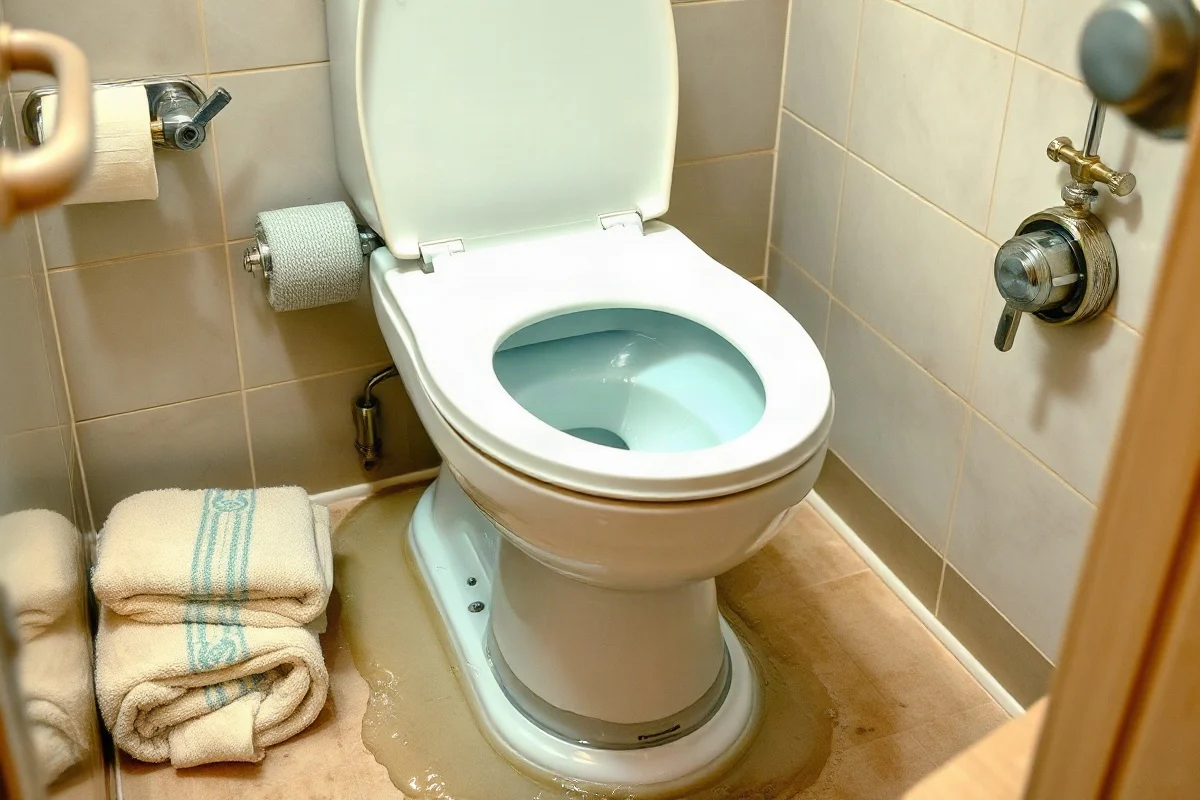
A toilet can also overflow because its tank continues sending water into the bowl after the bowl is already full. A stuck flapper, misadjusted fill valve, or float problem may allow the tank to keep refilling. This is different from a sewer-line backup because the water entering the bowl is clean supply water rather than wastewater coming back through the drain.
Even when the problem appears local, repeated clogs deserve attention. A partial obstruction farther down the branch drain can allow the toilet to work intermittently before backing up again.
Safe steps to take when a toilet begins to overflow
Act quickly, but avoid adding more water to the drainage system. These low-risk steps can reduce damage:
Stop the water supply
Turn the shutoff valve behind or beside the toilet clockwise. If the toilet is actively filling, this is usually the fastest way to stop additional supply water. Do not force a corroded valve. If it will not turn safely, shut off the home's main water supply if you know where it is and can operate it without entering an unsafe area.
Do not flush again
A second flush can send more water into an already restricted drain. Ask everyone in the home to stop using toilets, sinks, showers, tubs, washing machines, and dishwashers until you know whether the problem is isolated or affects the main drain.
Use a plunger only for a suspected toilet clog
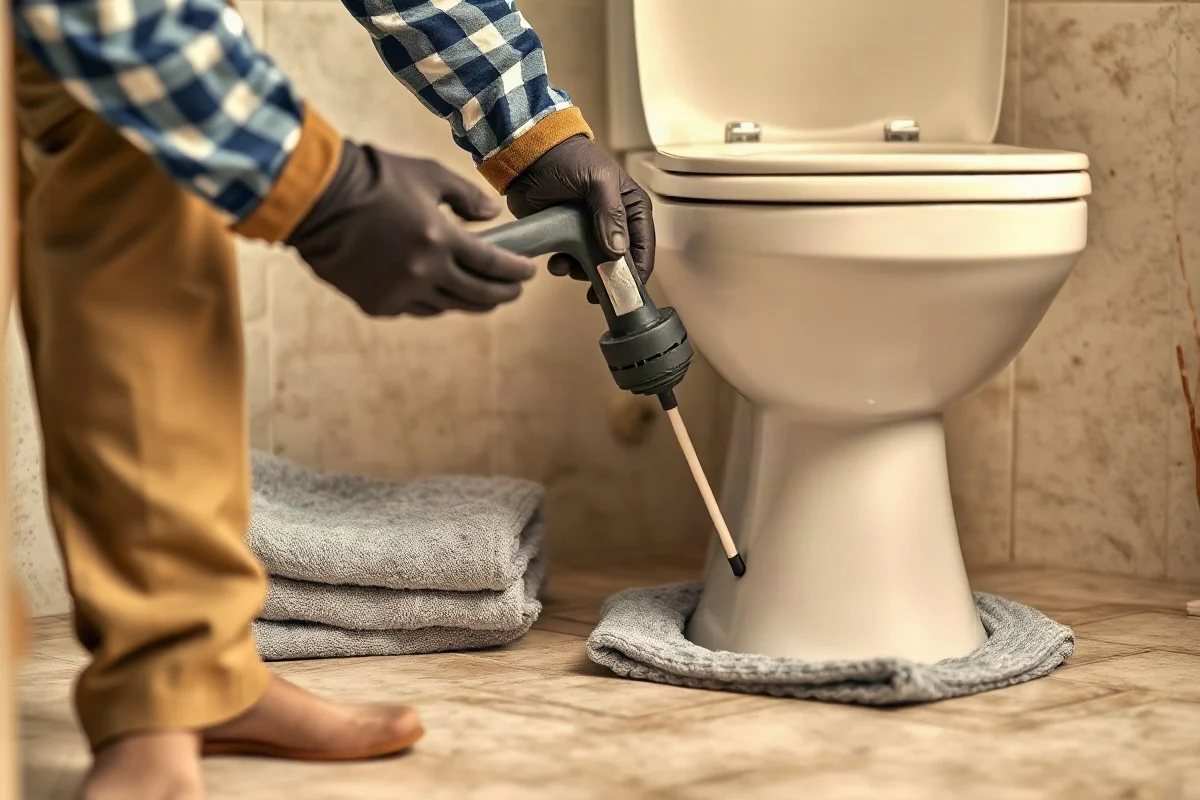
If one toilet is affected and no other fixture is backing up, a flange-style toilet plunger may be reasonable to try. Create a seal over the drain opening and use controlled plunging rather than violent force. Stop if water begins rising elsewhere or if plunging does not improve the problem.
Do not use chemical drain cleaners in an overflowing toilet. They may not clear the obstruction, can damage some plumbing components, and may leave caustic liquid in the bowl, creating a hazard for anyone who later plunges or opens the line.
Protect people and surfaces
Treat water that may contain sewage as contaminated. Keep children and pets away, wear appropriate gloves when cleaning small amounts, and avoid touching your face. Remove nearby rugs and porous items if you can do so without stepping through contaminated water. If sewage has spread widely, entered living areas, or reached electrical equipment, use qualified local help instead of attempting extensive cleanup yourself.
What not to do with a suspected sewer blockage
Do not keep testing the system by flushing toilets or running large amounts of water. Do not pour boiling water, solvents, or chemical products into the toilet. Do not open a sewer cleanout if wastewater is standing around it or if you are unsure how pressure may be released. Opening a blocked line can expose you to sewage and sudden discharge.
Homeowners should also avoid digging up a sewer line, cutting into a pipe, removing a toilet to reach a hidden obstruction, or using powered drain equipment without the necessary training. These tasks can cause injury, damage buried utilities or plumbing, and turn a blockage into a larger repair.
How a professional diagnoses the problem
A plumber will usually begin by asking which fixtures are affected, when the backup occurs, whether the issue is recurring, and whether any recent plumbing work or landscaping has taken place. They may inspect accessible cleanouts and test how fixtures drain.
For a suspected main-line obstruction, the plumber may use a drain machine to clear the line. If the blockage returns, a camera inspection can help identify roots, cracks, offsets, collapsed sections, or heavy buildup. A camera inspection is especially useful when symptoms are recurring or when excavation would otherwise be based on guesswork. You can learn more about drain camera inspections and when they may be recommended.
In some situations, the plumber may discuss high-pressure water cleaning, commonly called hydro jetting. This is not appropriate for every pipe or blockage, and the plumbing's condition should be considered before using it. Ask the professional to explain the proposed method, its limitations, and how they will protect the home's plumbing.
Repair or replacement: what determines the right option?
A simple, accessible blockage may be resolved with professional drain cleaning. If roots or hardened buildup are involved, the line may require more extensive cleaning and follow-up inspection. A damaged or collapsed pipe cannot be permanently fixed by clearing the obstruction alone.
Replacement or rehabilitation may be considered when the sewer line has repeated failures, structural damage, severe corrosion, or a section that no longer maintains proper alignment. The best solution depends on the pipe material, location, depth, access, surrounding structures, and the nature of the damage.
Do not assume that replacing the toilet will solve a main sewer problem. A new toilet may improve an unrelated fixture issue, but it will not restore flow through a blocked or damaged sewer line. For information about main-line diagnosis and repair, see the sewer line service guide.
Cost factors to discuss before work begins
The cost of resolving an overflowing toilet varies by the location and cause of the blockage. Important factors can include:
- Whether the obstruction is in the toilet, a branch drain, or the main sewer line.
- How difficult the affected pipe is to access.
- Whether drain cleaning, camera inspection, root removal, or specialized equipment is needed.
- The condition, material, and configuration of the existing sewer pipe.
- Whether excavation, pipe repair, or replacement is necessary.
- Whether contaminated areas require professional cleanup in addition to plumbing work.
Ask for a clear explanation of the diagnosis, the recommended work, what is included, and which additional conditions could change the final charge. Be cautious of any proposal that recommends major excavation or replacement without explaining how the problem was located. General background on plumbing cost factors can help you prepare questions, but local conditions determine the actual price.
When to call a plumber immediately
Contact a qualified local plumber promptly when multiple fixtures back up, sewage enters the home, the toilet repeatedly overflows, or a suspected blockage affects the main drain. Treat the situation as urgent if wastewater is spreading, the home is at risk of significant water damage, or you cannot stop the flow safely.
Use professional help for any work involving sewage exposure, buried sewer lines, concealed leaks, structural pipe damage, electrical equipment near water, or repairs that may require compliance with local requirements. If wastewater has reached outlets, appliances, or electrical panels, keep away from the area and seek appropriate local assistance rather than taking risks.
How to choose the right plumber
Look for a plumber or plumbing company that regularly handles sewer-line backups, not only routine toilet repairs. Ask whether they can distinguish a toilet clog from a main-line blockage and whether they can provide camera inspection when the cause is uncertain.
Before authorizing work, request a written description of the diagnosis and proposed repair. Ask whether the plumber expects to clear the line only or investigate why the blockage occurred. You should also ask about access, cleanup, possible follow-up work, and any applicable service terms without assuming that a particular warranty or response time is included.
Clear communication matters because an overflowing toilet may be a small fixture problem or the first visible sign of a serious sewer-line issue. If you need help comparing service options, the guide to hiring a plumber offers practical questions to ask before work begins.
A blocked sewer line can definitely overflow a toilet, but the surrounding symptoms help separate a main-line backup from an isolated toilet clog. Shut off the water, stop using the home's drains, avoid chemical products, and protect people from possible sewage. When more than one fixture is affected or the backup returns, have a qualified local professional diagnose the line before attempting a larger repair.
Comments
0No comments yet. Be the first to share a helpful note or question.
Leave a Comment
Your email address will not be published. Comments are reviewed before appearing on the site.