Kitchen Plumbing
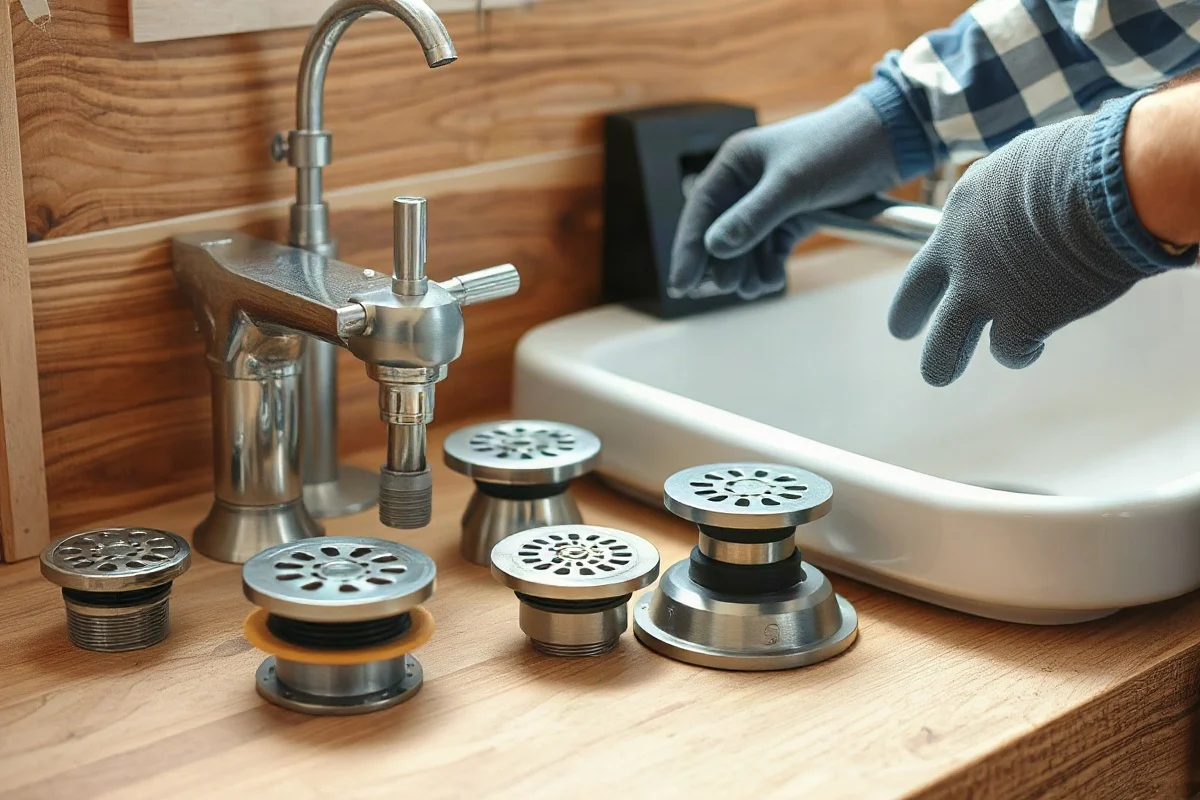
What Are the Common Types of Sink Drains?
Learn how basket strainers, pop-up drains, grid drains, disposal flanges, and specialty sink drains work, plus how to choose, check, or replace one safely.
Kitchen plumbing problems can affect faucets, sinks, drains, supply lines, and other fixtures used every day. This category offers practical guidance for understanding common kitchen plumbing issues, identifying possible causes, and deciding what to check before arranging professional help. Explore clear information about faucet and sink repair, drainage concerns, leaks, clogs, maintenance, and related service questions. Articles are written to help homeowners compare repair options, understand the work that may be involved, and prepare useful details when discussing a problem with a plumber. Whether you are dealing with a dripping faucet, a slow kitchen sink, or an unfamiliar plumbing concern, these resources provide straightforward explanations without unnecessary jargon. Use the guides to narrow down the issue, learn about potential next steps, and make more informed decisions about kitchen plumbing repairs and service.
Learn how basket strainers, pop-up drains, grid drains, disposal flanges, and specialty sink drains work, plus how to choose, check, or replace one safely.
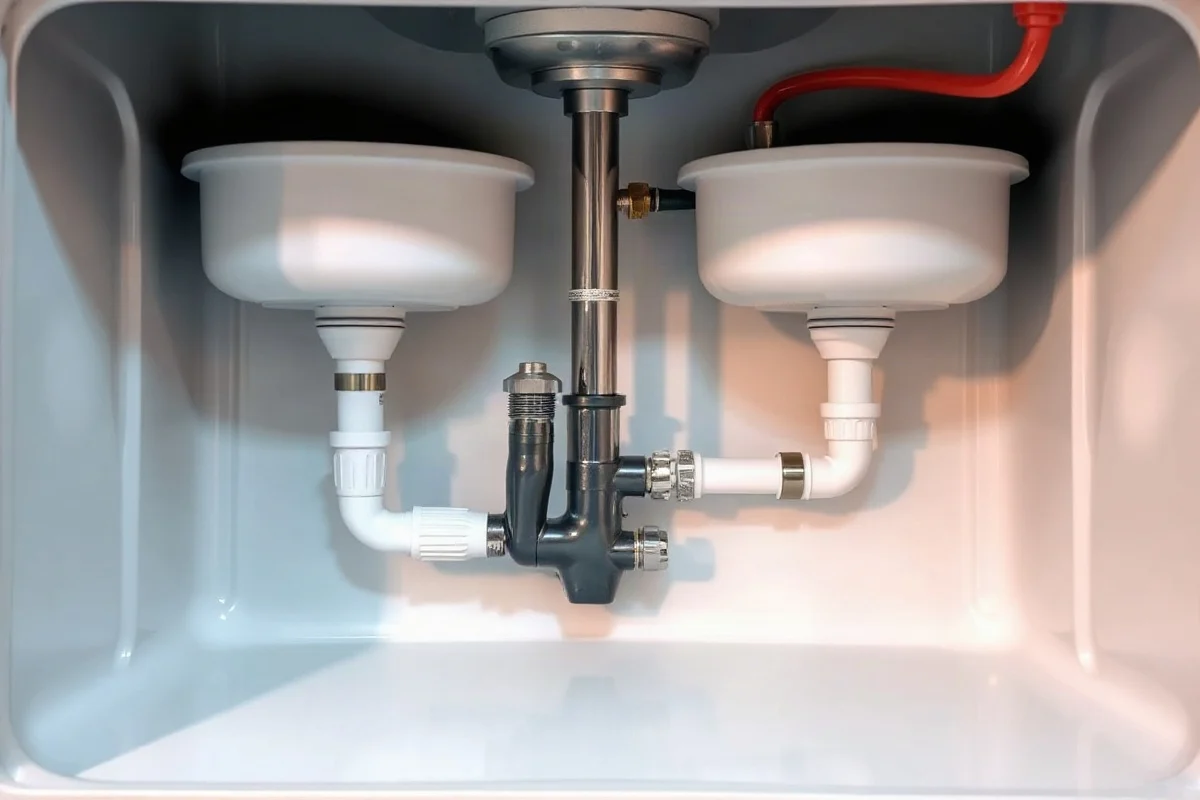
Learn the names and functions of the pipes beneath a kitchen sink, including the tailpiece, P-trap, trap arm, drain tee, and vent connection.
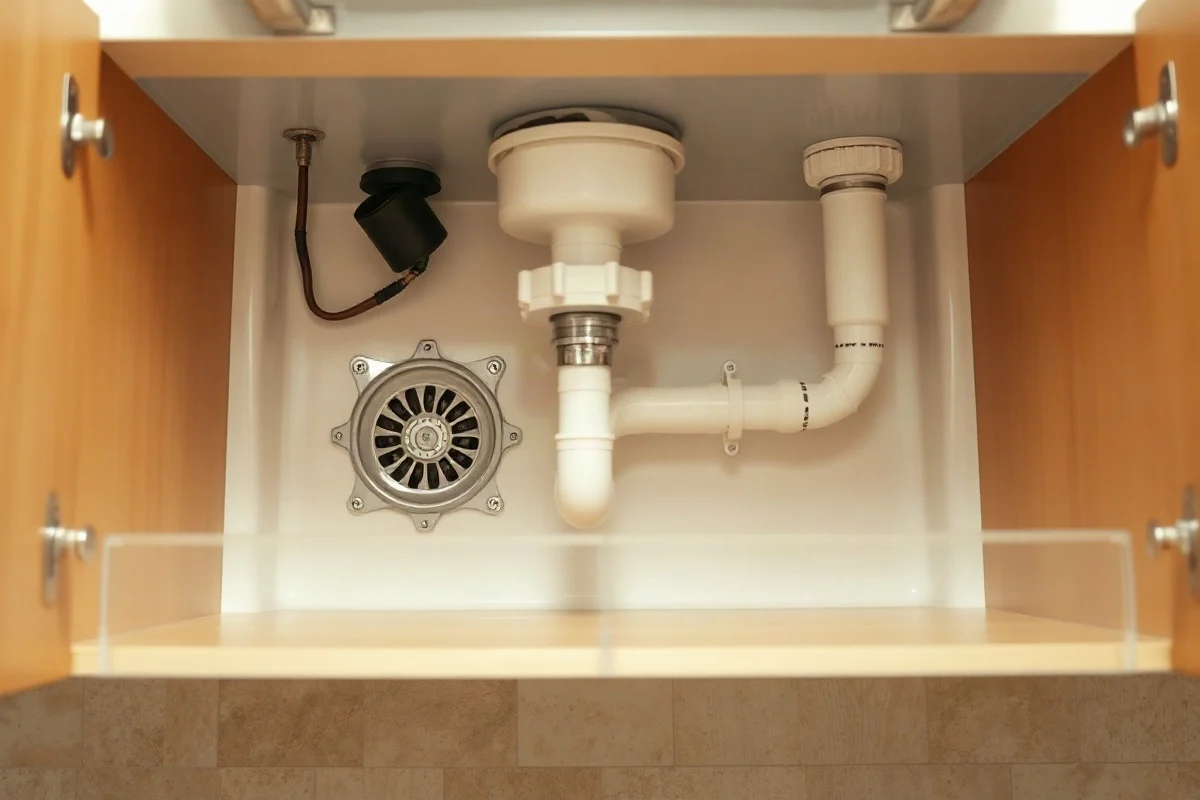
The kitchen drain is usually called the sink drain or drain opening, but the complete drain assembly includes several connected parts beneath the sink.
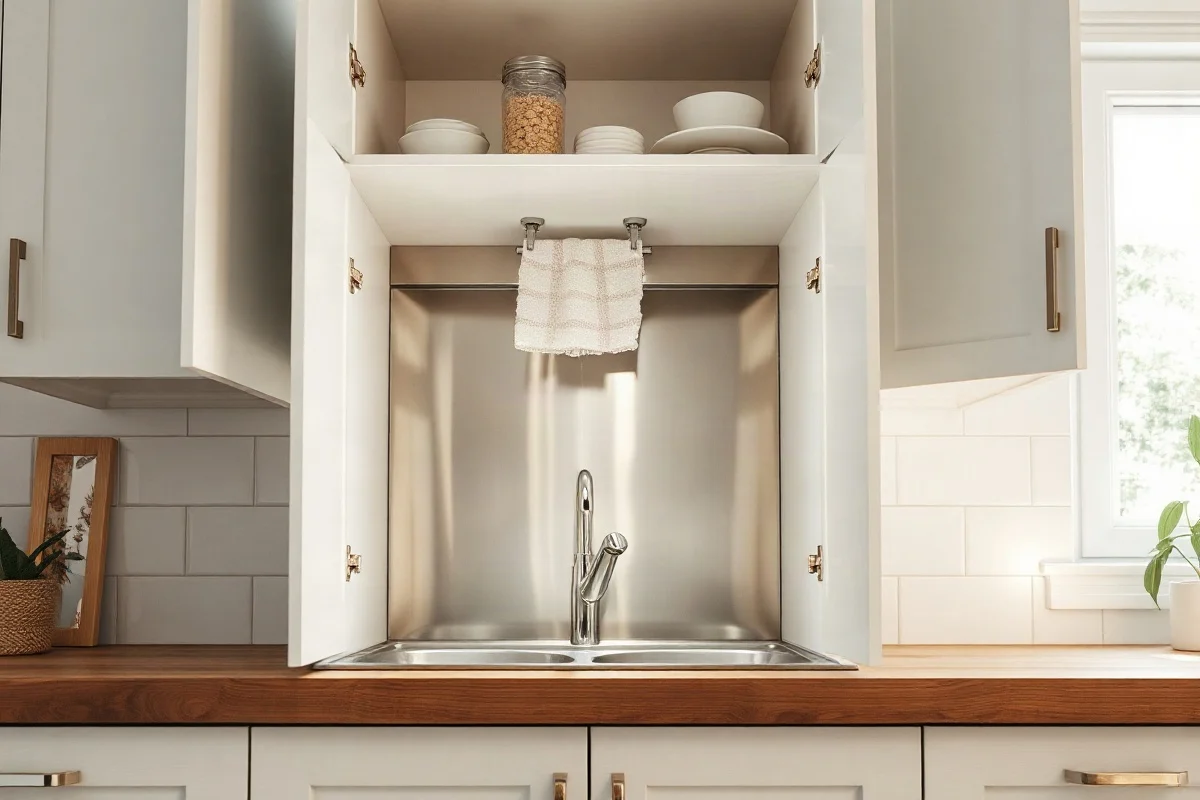
Kitchen sink drain problems often come from grease, food debris, clogs, leaks, or a failing garbage disposal. Learn the warning signs, safe checks, repair options, and when to call a professional.
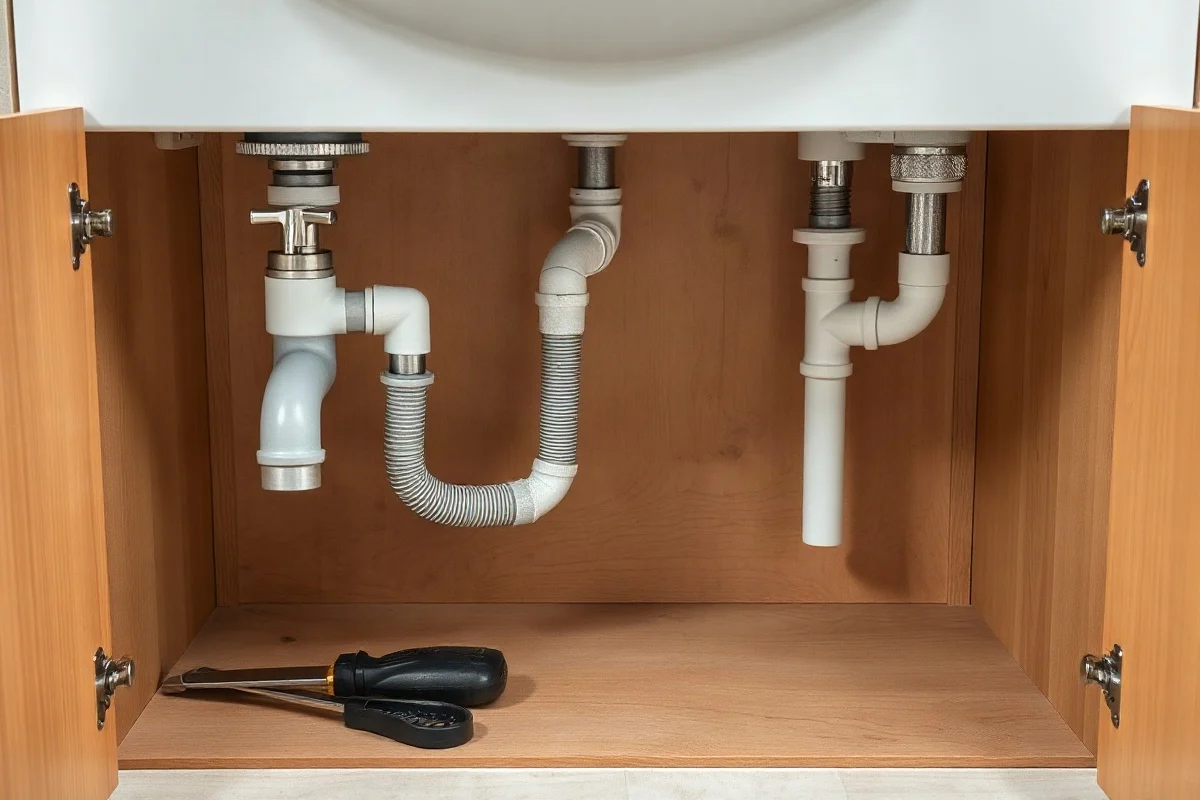
The three main types of plumbing are water supply, drain-waste, and vent systems. Learn how each works, what problems look like, and when to call a professional.
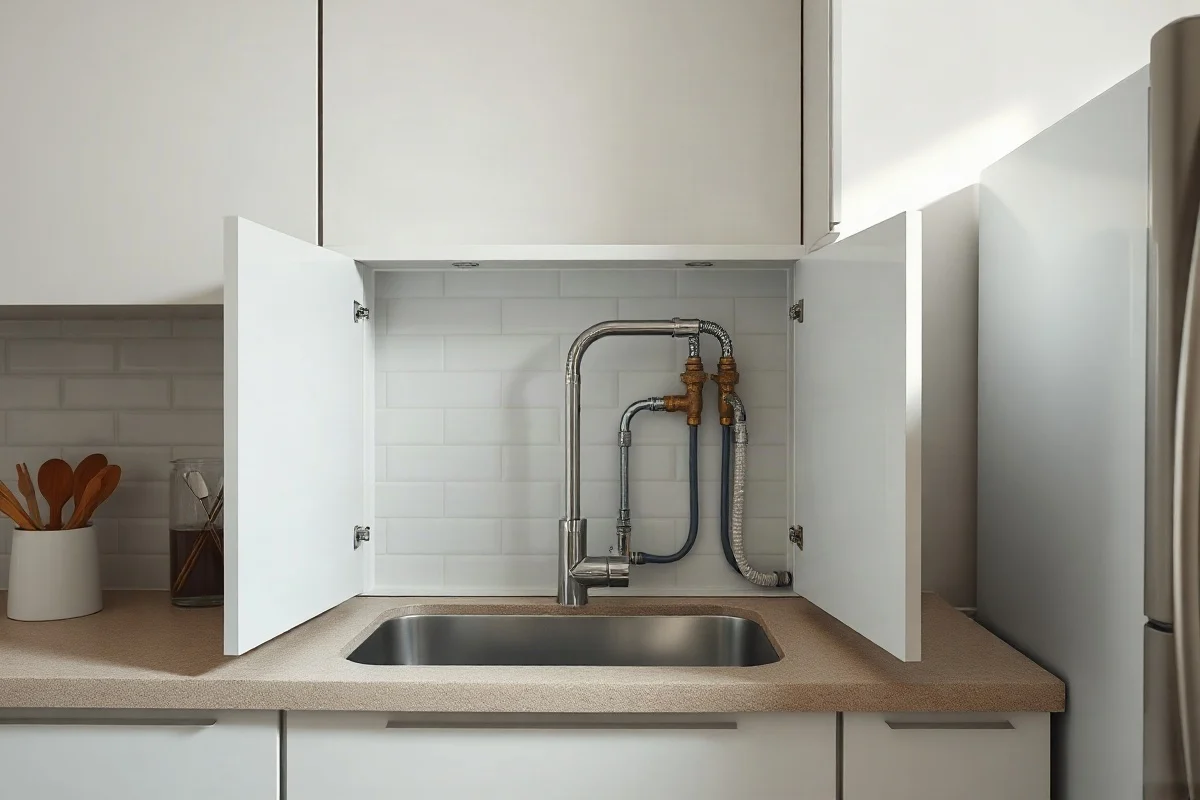
A kitchen typically needs hot and cold water supply lines, a drain, a vent, and connections for fixtures such as the sink, dishwasher, refrigerator, and garbage disposal.
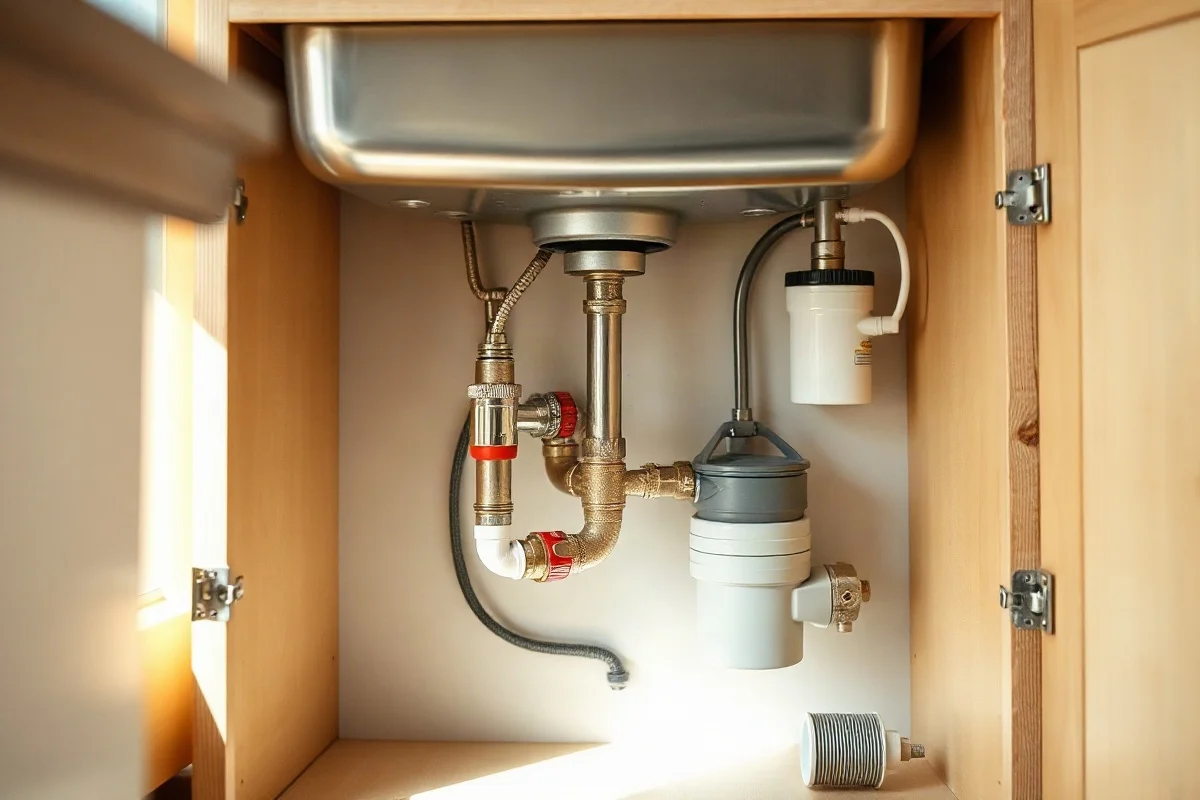
A properly plumbed kitchen sink connects the faucet and supply lines to a drain trap, then carries wastewater through a vented drain line. Learn how the parts work, what homeowners can safely check, and when to call a plumber.