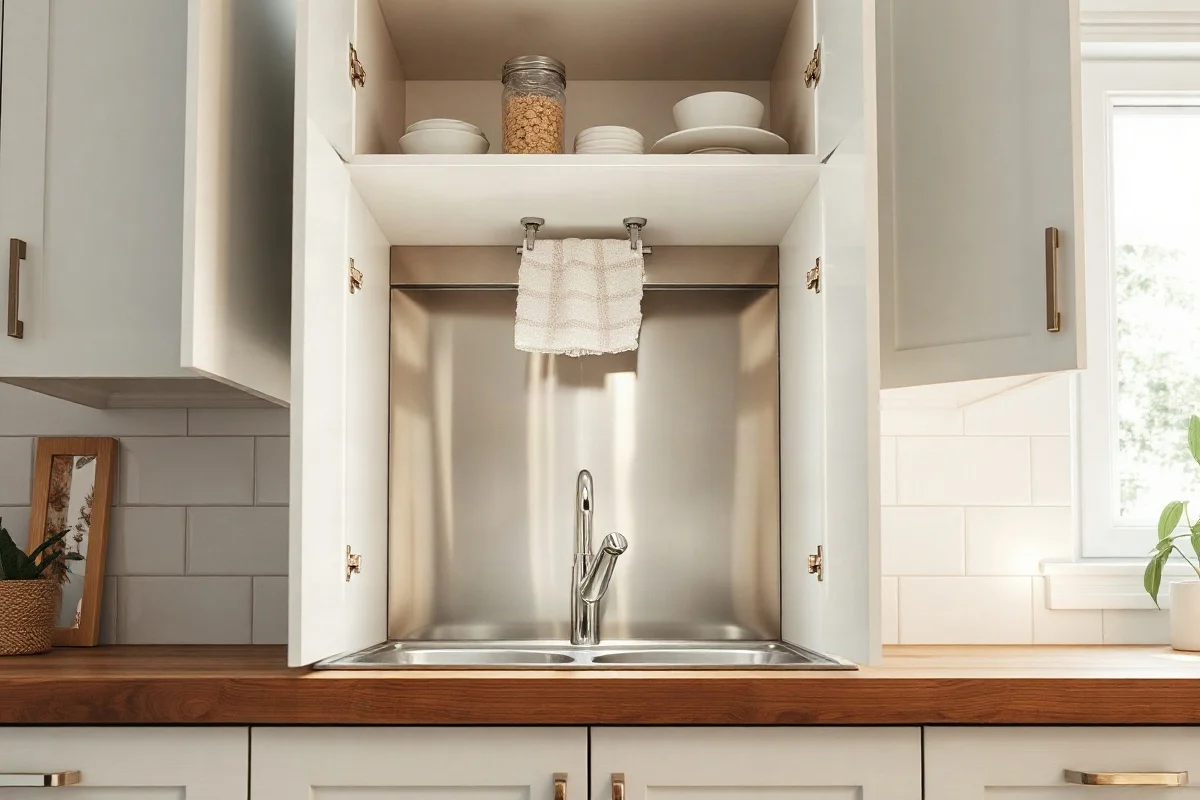
Common kitchen sink drain problems include slow drainage, complete clogs, unpleasant odors, gurgling, standing water, leaks under the sink, and drainage issues related to a garbage disposal or dishwasher connection. Grease, food particles, soap residue, foreign objects, damaged pipes, and poor venting can all contribute. Some minor blockages can be checked safely at home, but leaks inside walls, sewage exposure, extensive flooding, and work involving electrical or concealed plumbing should be handled by a qualified local professional.
Common kitchen sink drain problems and what they mean
Slow drainage
A sink that drains slowly usually has a partial blockage. Grease and cooking oils can collect inside the drainpipe, while food particles, coffee grounds, and soap residue may stick to that buildup. A partial obstruction can allow water to pass at first, but the sink may become slower over time.
If only one basin drains slowly and nearby fixtures work normally, the problem is likely close to the sink. If several fixtures drain slowly, the restriction may be farther along the branch drain or building drain. That broader pattern deserves professional evaluation rather than repeated attempts to clear the sink.
Standing water or a completely clogged drain
Standing water indicates that water cannot move through the drain at a normal rate. The obstruction may be in the sink strainer, trap, branch line, or, in some cases, the garbage disposal. Do not keep adding water to a full sink because it can overflow and damage cabinets or flooring.
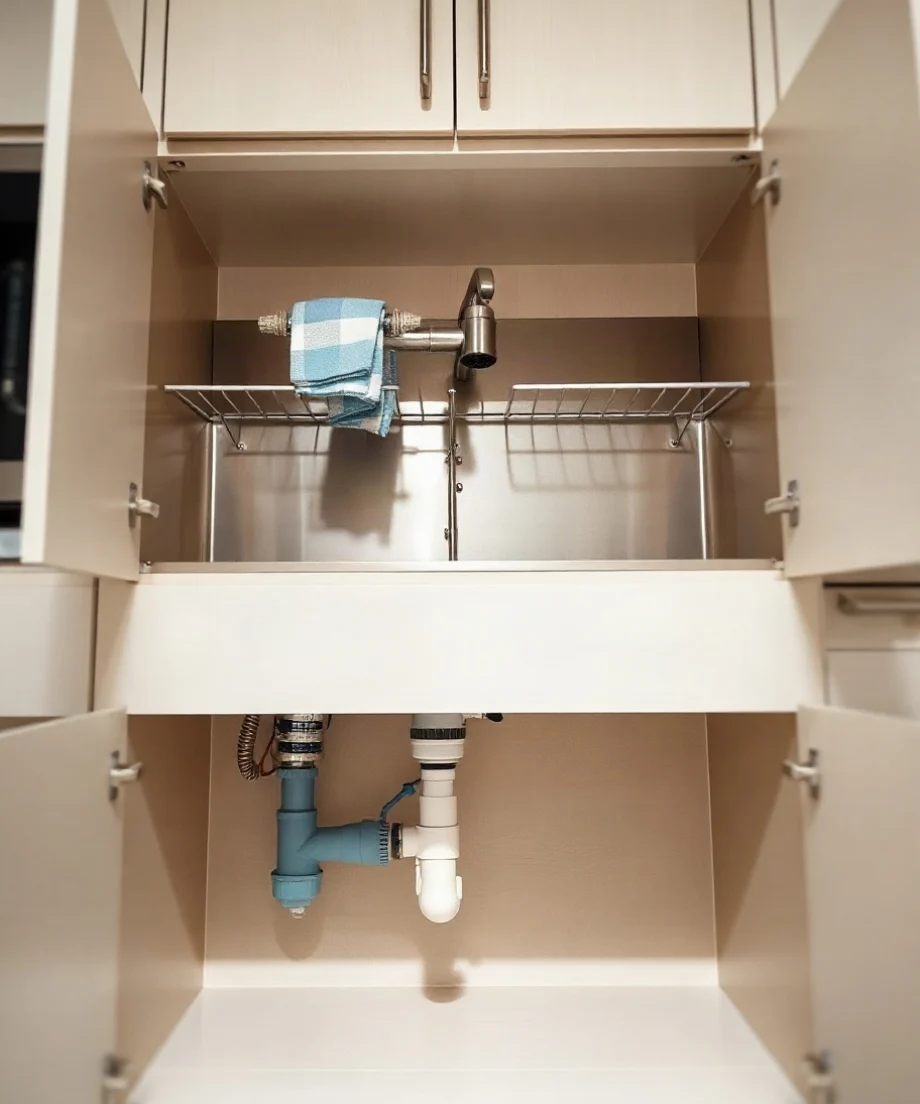
You can remove visible debris from the drain opening while wearing gloves. A sink plunger may help with a simple clog, but a double-basin sink often needs the second opening covered so pressure is directed toward the blockage. Use care around a garbage disposal, and never put your hand into the disposal chamber.
For additional guidance about blockages, see our resource on clogged drains.
Bad smells from the drain
Odors can come from decomposing food, grease, residue on the drain walls, or a dirty garbage disposal. A trap that has lost its water seal can also allow sewer gas to enter the room. Infrequent sink use, improper drainage, a damaged trap, or a venting problem may contribute.
Rinsing the drain with hot tap water and cleaning the sink strainer may help remove surface residue. However, avoid mixing chemical drain cleaners or combining cleaners with bleach, ammonia, acids, or other products. Chemical reactions can create dangerous fumes, and residue left in the pipe can injure anyone who later opens the trap.
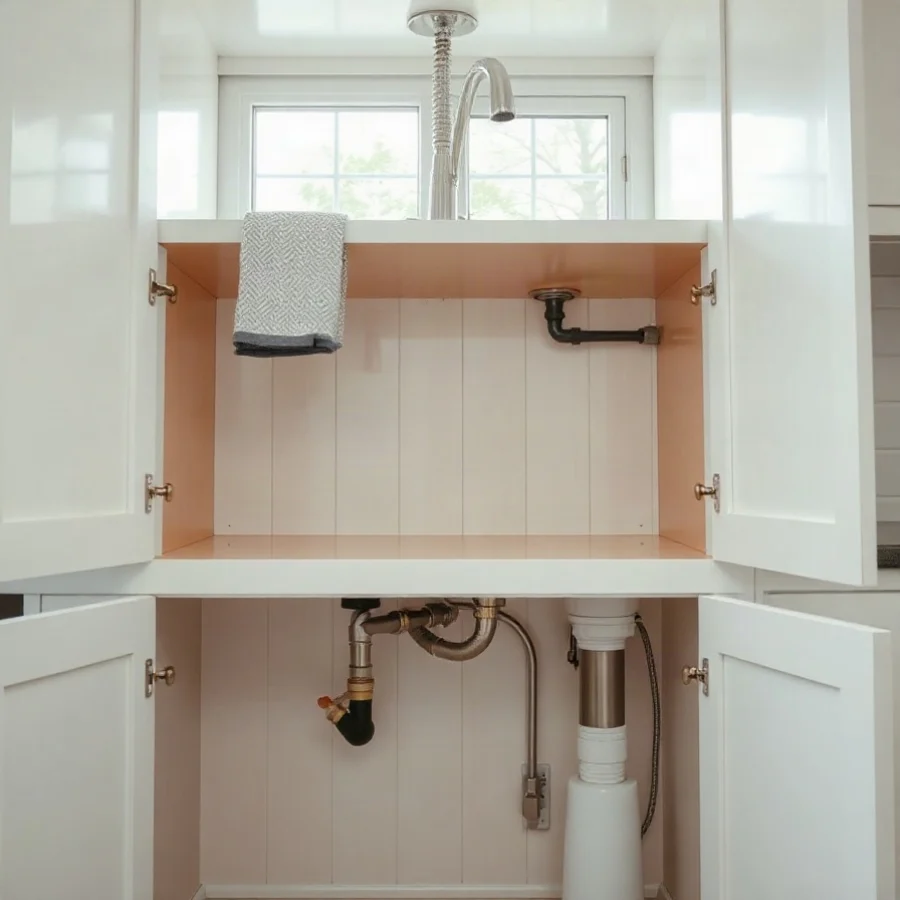
A persistent sewage-like smell, especially when other fixtures are involved, should be checked by a qualified plumber. If you notice strong fumes, leave the area, ventilate it if you can do so safely, and seek professional advice.
Gurgling, bubbling, or unusual drain sounds
Gurgling may occur when air is forced through water because a drain is partially blocked or a vent is not working properly. Bubbling in one sink when another fixture drains can indicate a shared drain restriction. In a home with a garbage disposal, unusual sounds may also result from an object caught in the unit.
Do not assume that pouring a chemical cleaner into the sink will fix a venting or deeper-line issue. If the sound continues after a basic, safe cleaning, a plumber may need to inspect the drain and determine whether the obstruction is local or farther downstream.
Leaks under the kitchen sink
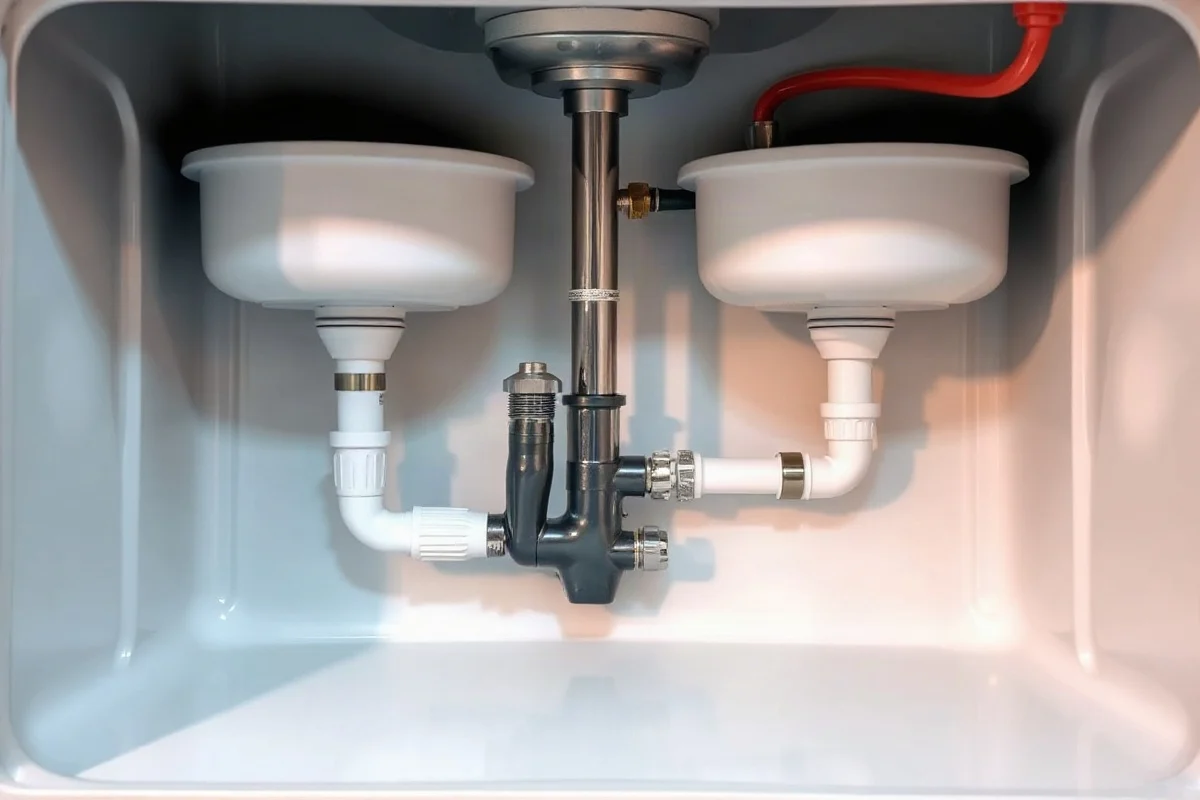
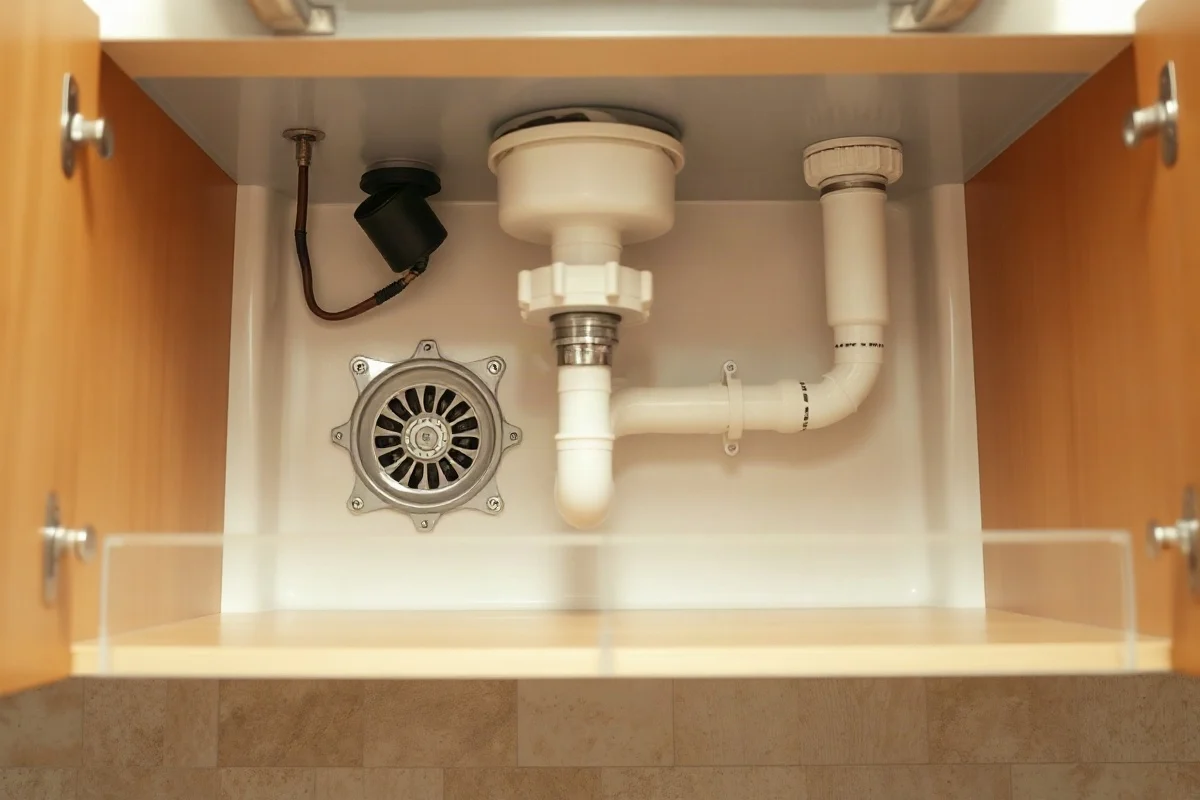
Water under the sink can come from a loose strainer, drain connection, trap joint, dishwasher hose, garbage disposal, supply connection, or cracked pipe. The location of the water may not match the source because it can travel along the cabinet floor or the outside of a pipe.
Place a dry towel under the plumbing and run a small amount of water while watching the connections. This low-risk check can help identify an active leak. Do not overtighten plastic fittings; excessive force can damage threads or deform seals. If a connection is actively spraying, close the appropriate shutoff valve if it is accessible and working. If water continues to spread, shut off the home’s main water supply and call for help.
Cabinet swelling, stained flooring, mold-like growth, or water appearing from a wall or ceiling can indicate a concealed leak. Hidden leaks should be evaluated promptly by a qualified professional because drying the visible water does not address damage inside the structure.
Garbage disposal drain problems
A garbage disposal can contribute to kitchen sink drainage problems when food waste is packed into the unit, the outlet pipe is restricted, or the disposal has stopped working. A humming motor, no response, repeated tripping, leaks from the unit, or a disposal that drains poorly may point to different issues.
Before inspecting the disposal, turn it off and disconnect power according to the manufacturer’s safety instructions. Never reach inside with your hand. Do not attempt electrical repairs unless you are qualified to do so. If the disposal leaks from its body, makes grinding noises, or repeatedly trips a breaker, professional service or replacement may be safer than continued use.
More detailed information is available in our guide to garbage disposal problems.
Dishwasher backing up into the sink
Water or food residue flowing into the sink when the dishwasher runs may indicate a blocked drain connection, an improperly arranged or restricted dishwasher hose, or a problem near the garbage disposal connection. The dishwasher and sink commonly share part of the drainage path, so a restriction can affect both appliances.
Check for obvious kinks in the accessible dishwasher drain hose and look for standing water in the sink. Do not disconnect hoses if water may spill into the cabinet or if you are unsure how the connection is arranged. A plumber or appliance professional can determine whether the issue is with the drain plumbing, the hose, or the dishwasher itself.
Safe homeowner checks
Low-risk checks are appropriate when there is no major flooding, sewage exposure, electrical hazard, or concealed leak. You can remove visible debris from the strainer, clean the sink surface, test a small amount of water, inspect accessible connections with a flashlight, and place a container under the trap to catch minor drips. A sink plunger may be reasonable for a simple clog when used carefully.
Stop and call a qualified local professional if water is spreading into flooring or cabinets, the clog affects multiple fixtures, the drain backs up with sewage, a pipe is broken, the disposal has an electrical fault, or the source of a leak cannot be identified. Do not use a drain snake aggressively if you do not know the pipe layout, especially in an older home or where fragile piping may be present.
Repair or replacement: how to decide
A cleaning, plunging, or localized drain clearing may solve a one-time blockage caused by ordinary food residue. A loose slip-joint connection, worn washer, or accessible trap may also be repairable without replacing the entire drain assembly. The correct repair depends on the component, its condition, and whether the leak or clog is recurring.
Replacement may make more sense when a disposal is cracked, a trap is damaged, a drain fitting has badly deteriorated, or repeated repairs have not resolved the problem. If the sink, disposal, dishwasher, and drain line are all connected in a confined cabinet, an incorrect adjustment can create leaks or drainage problems elsewhere. A professional can identify the failed component before recommending replacement.
What affects kitchen sink drain repair cost?
The final cost can vary substantially because the visible symptom does not always reveal the full scope of the work. Important factors include:
- Location of the blockage: A clog near the strainer may require less work than one deep in a branch drain.
- Access: Crowded cabinets, built-in appliances, finished walls, or difficult-to-reach piping can increase labor time.
- Type of repair: Drain clearing, leak repair, pipe replacement, disposal service, and hidden-leak investigation involve different tools and steps.
- Condition of the plumbing: Corrosion, brittle materials, previous repairs, or damaged fittings may require additional replacement.
- Extent of water damage: Wet cabinets, flooring, drywall, or insulation may require separate cleanup and restoration.
- Timing and service arrangements: Availability, travel, diagnostic work, and after-hours service policies vary by provider and location.
Ask for a clear explanation of the diagnosis, proposed work, parts, labor, and any conditions that could change the estimate. A reliable provider should distinguish between confirmed findings and possibilities rather than promising a fixed result without inspecting the plumbing.
You can also review our general information about plumbing costs before requesting service.
How to choose the right plumber
Choose a qualified local plumber with experience in residential drain problems, kitchen plumbing, leak detection, and garbage disposal connections. Before work begins, ask whether the plumber has assessed the actual source of the problem, what repair options are available, and whether the proposed work includes cleanup or only the plumbing repair.
For a recurring clog, ask what caused it and how the plumber plans to confirm that the line is clear. If the problem may extend beyond the sink, the plumber may recommend appropriate diagnostic methods, such as inspecting accessible piping or using a drain camera when justified. Do not accept unnecessary work based only on a generic claim that the entire system needs replacement.
Use a qualified local professional for sewage backups, major flooding, hidden leaks, electrical disposal issues, damaged structural areas, and any work that may involve local code or permit requirements. Because requirements differ by location and project, verify applicable credentials and requirements with the provider and the relevant local authority rather than relying on assumptions.
Preventing future sink drain problems
Use a sink strainer to catch food particles, wipe greasy cookware before washing it, and avoid pouring cooking oil or grease down the drain. Do not treat the disposal as a substitute for a trash or compost system. Follow the disposal manufacturer’s care instructions, and avoid forcing fibrous, hard, or non-food objects into the unit.
Pay attention to early signs such as slower drainage, recurring odors, cabinet dampness, or gurgling. Addressing these signs before a complete blockage or active leak can reduce the chance of water damage. If a problem keeps returning after basic cleaning, the underlying restriction, venting issue, damaged pipe, or disposal fault needs a proper diagnosis rather than repeated chemical treatments.
Comments
0No comments yet. Be the first to share a helpful note or question.
Leave a Comment
Your email address will not be published. Comments are reviewed before appearing on the site.