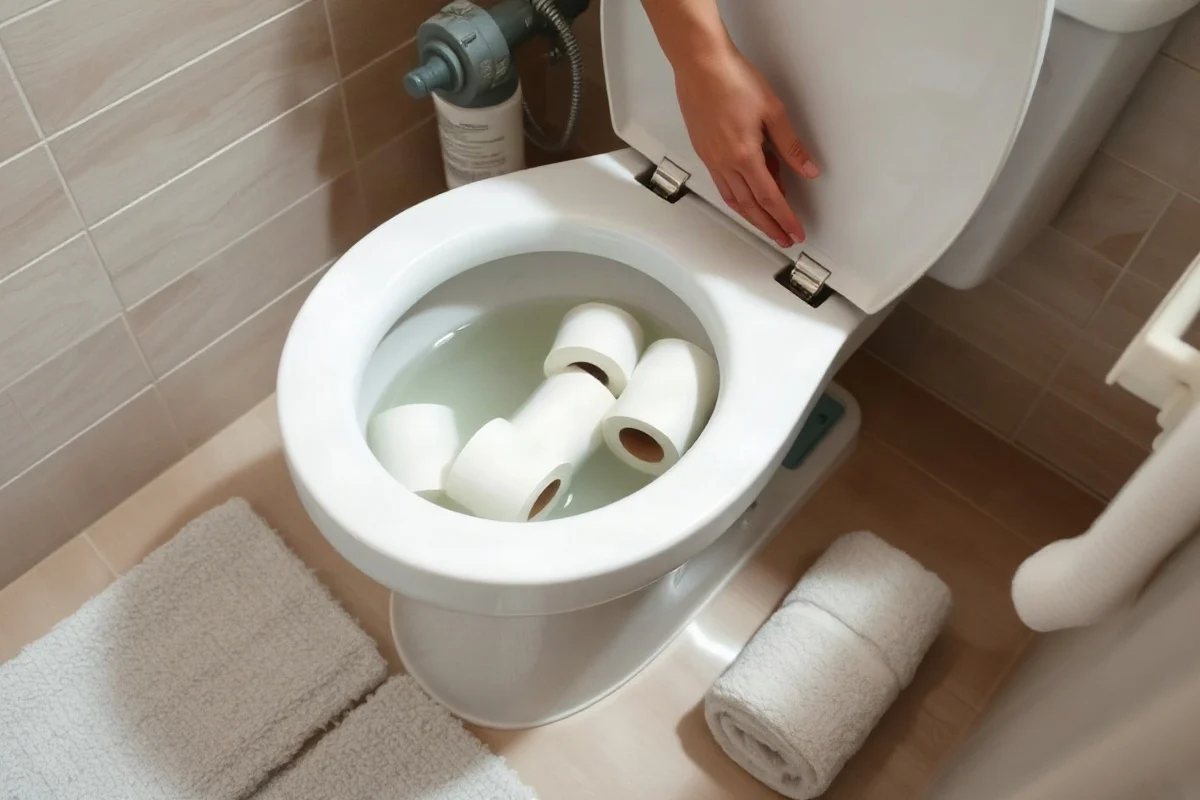
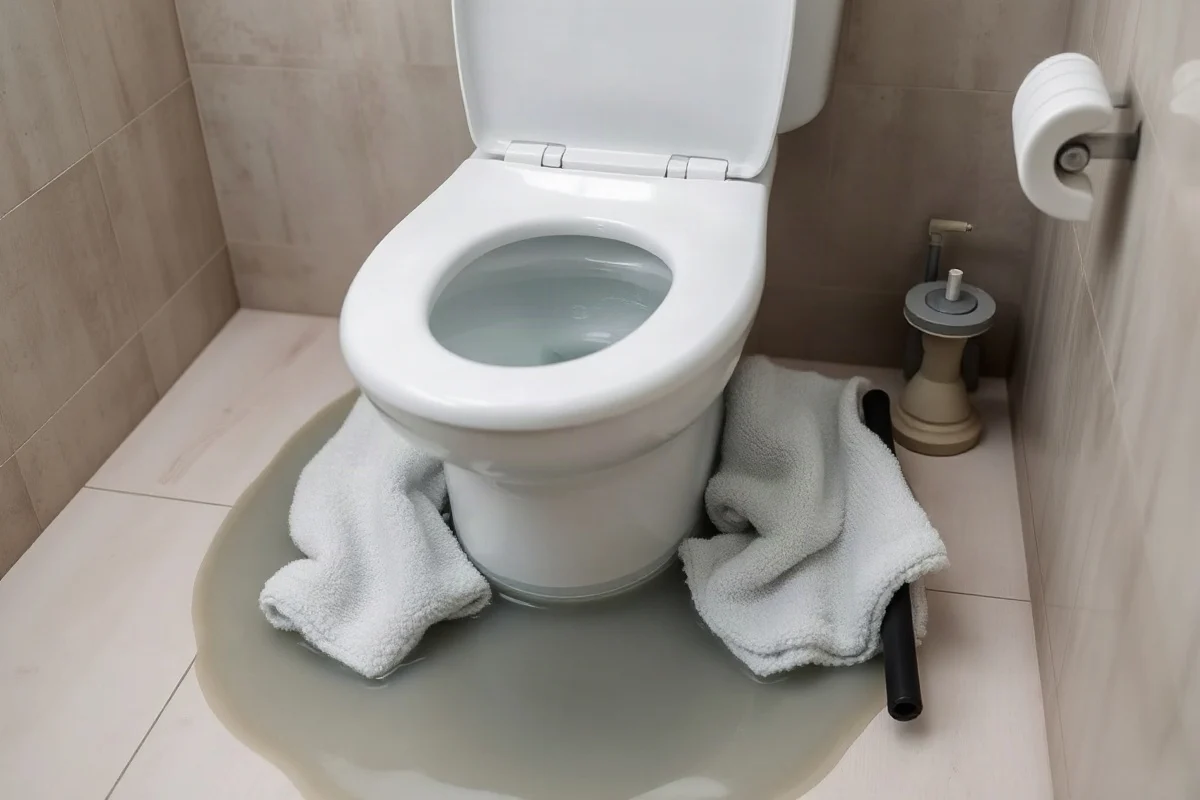
Yes, too much toilet paper can cause a toilet to overflow, but it is often only part of the problem. A large amount of paper may restrict the trap or drain enough to slow the flush, while an existing clog, weak toilet, blocked vent, or plumbing issue prevents the water from draining normally. If the bowl is rising, stop the flow immediately, avoid flushing again, and use safe steps to contain the water before deciding whether professional help is needed.
What to Do When the Toilet Starts Overflowing
Act quickly, but do not reach into the bowl or pour drain cleaner into it. The first goal is to stop more water from entering the toilet.
Stop the water supply
Look behind or beside the toilet for the small shutoff valve connected to the supply line. Turn it clockwise until it stops. Do not force a valve that is stuck, leaking, or corroded. If the toilet continues filling and the shutoff valve does not work, remove the tank lid and gently lift the float or hold the flapper closed while someone turns off the home’s main water supply.
Once the water stops, keep the toilet out of service. A second flush can turn a minor paper blockage into a contaminated bathroom floor.
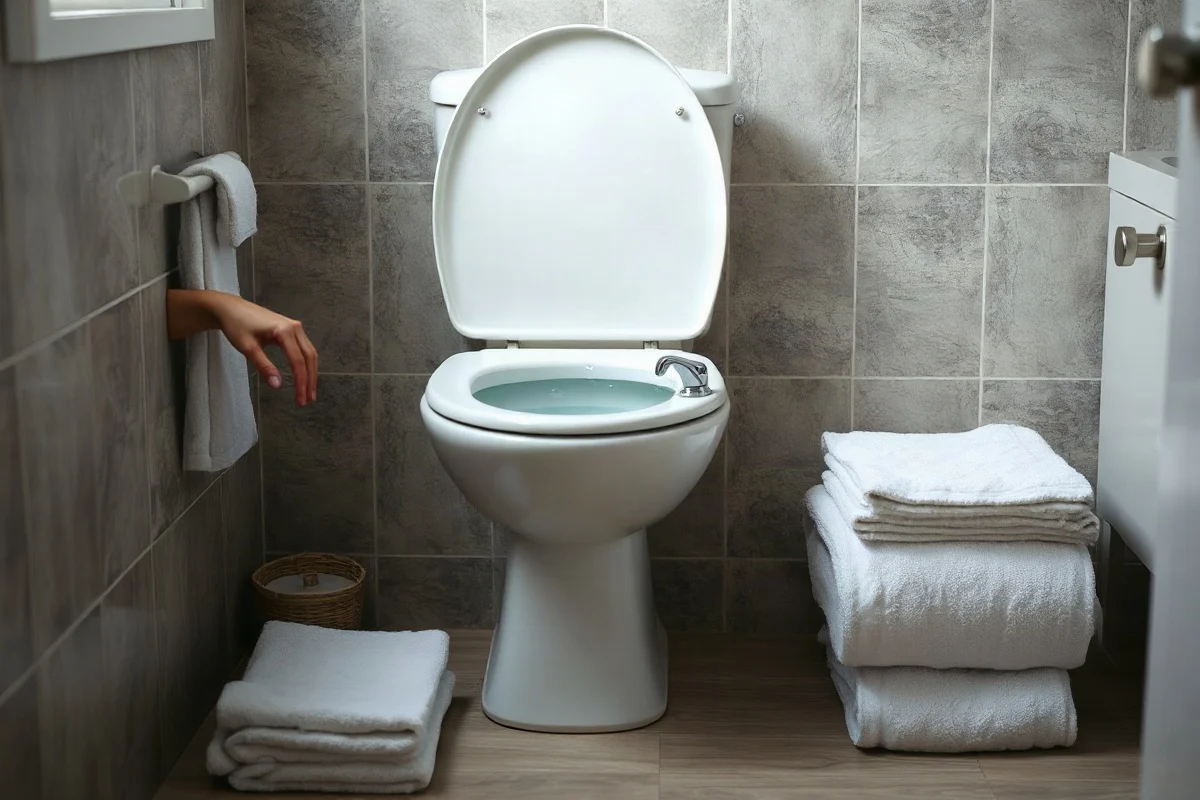
Protect the floor
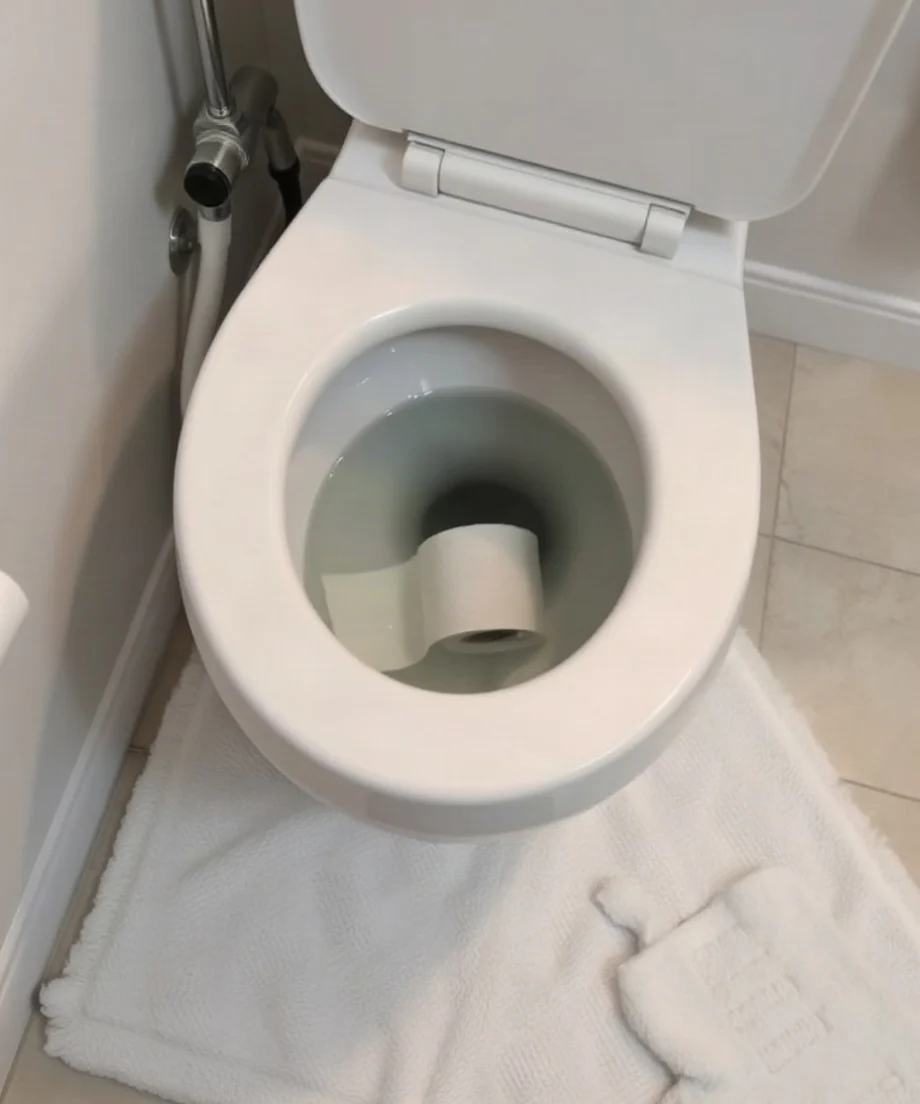
Move rugs, baskets, and other items away from the toilet. Use towels to contain a small amount of clean water, but treat water that has come out of the bowl as contaminated. Wear disposable gloves, disinfect hard surfaces, and wash your hands thoroughly afterward. If sewage has spread into porous flooring, cabinets, drywall, or other rooms, contact a qualified local professional rather than attempting extensive cleanup without proper protective equipment.
How Too Much Toilet Paper Creates a Clog
Toilet paper is designed to break apart in water, but a large bundle can still form a temporary blockage. The paper may lodge in the toilet’s internal trap, particularly when it is compressed during a flush. If the drain is already narrowed by buildup or another object, the extra paper can be enough to stop normal flow.
In many cases, the paper itself is not the underlying cause. A toilet that overflows repeatedly after ordinary use may have a partial drain clog, a flushing problem, or a restriction farther down the branch drain. Paper can expose a weakness that was already developing.
Common Reasons a Toilet Overflows
Partial clog in the toilet trap
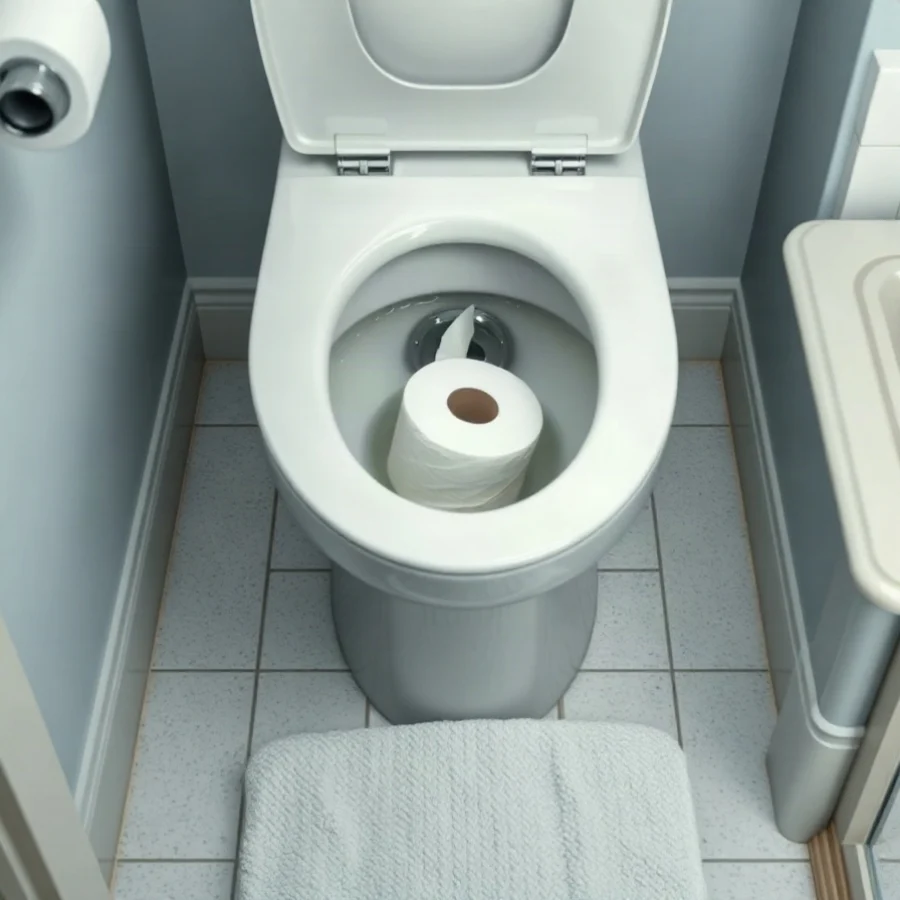
The built-in trap inside the toilet can catch excessive paper, wipes, tissues, or objects that should not be flushed. A partial clog may allow water to drain slowly at first, then cause an overflow when the next flush adds more water than the restricted passage can handle.
Blocked or restricted drain line
If the toilet drain or a nearby branch line is partially blocked, you may notice slow draining, bubbling, or water rising in a nearby shower or bathtub. Multiple fixtures backing up at the same time suggest a larger drainage problem rather than a simple paper blockage. In that situation, repeated plunging may not solve the cause.
Weak or incomplete flush
A toilet may not clear the bowl properly if the tank does not fill to its normal level, the flapper closes too soon, the flush valve has a problem, or mineral deposits restrict the rim openings. A weak flush leaves waste and paper behind, increasing the chance of another blockage.
Non-flushable items
“Flushable” wipes can still contribute to clogs, especially in older or restricted plumbing systems. Paper towels, facial tissues, feminine hygiene products, diapers, cotton swabs, dental floss, and cleaning wipes should not be flushed. They do not break apart in the same way as toilet paper and can become lodged in the trap or drain.
Vent or sewer-line problems
A plumbing vent helps air move through the drainage system. If it is blocked, fixtures may drain slowly or make gurgling sounds. A problem in the building drain or sewer line can produce repeated backups, several affected fixtures, or sewage returning through the lowest drain. These conditions require a qualified local plumber to diagnose safely.
Safe Homeowner Checks
After shutting off the water, you can try a limited, low-risk check if the bowl level has dropped and there is no sewage backup elsewhere.
Use the right plunger
A flange plunger is generally better suited to a toilet than a flat sink plunger because its extended rubber flange helps form a seal in the bowl opening. Add enough water to cover the plunger’s rubber cup, if necessary, but do not add water if the bowl is already nearly full.
Place the flange over the opening and begin with a gentle push to remove trapped air. Then use firm, controlled strokes while keeping the seal in place. After several attempts, pause and observe whether the water drains. Do not plunge aggressively if the toilet is loose, cracked, or leaking at its base.
Try a closet auger
A toilet auger, sometimes called a closet auger, is designed to reach through the toilet trap with less risk of scratching the porcelain than a standard drain snake. Follow the tool instructions and stop if the cable will not advance or retract normally. Do not use improvised metal objects, coat hangers, or harsh chemical drain openers.
If plunging or a closet auger does not restore normal drainage, the blockage may be beyond the toilet or may involve an object that needs to be removed professionally. For related guidance, see our toilet repair resources.
When to Stop DIY Work
Call a qualified local plumber when the toilet overflows again after a careful attempt to clear it, when more than one fixture is backing up, or when you hear persistent gurgling from drains. Professional help is also appropriate if the toilet is leaking around its base, the porcelain is cracked, the shutoff valve is damaged, or the clog may involve a toy, tool, or other solid object.
Do not attempt to open a sewer cleanout, remove a toilet, or work on concealed plumbing if you are not comfortable identifying the source of the problem. Sewage exposure, major flooding, hidden leaks, and work that may involve local code requirements should be handled by a qualified professional. If wastewater is spreading or the backup threatens finished flooring, use the emergency plumber guidance to determine your next step.
Repair or Replacement: Which Makes Sense?
A one-time paper clog usually calls for clearing the blockage, not replacing the toilet. A plumber may recommend a repair when the issue involves a worn flapper, a faulty fill valve, a weak flush mechanism, or an incorrect water level. These parts can often be serviced without replacing the bowl.
Replacement may be worth discussing when the toilet has a cracked bowl or tank, repeated internal failures, persistent poor flushing, or damage that makes a reliable repair unlikely. A professional should confirm the cause before you buy a new fixture. Replacing a toilet will not solve a blocked branch drain or sewer line.
What Affects the Cost of Fixing an Overflow
The total cost depends on what is blocked, where the blockage is located, how accessible the plumbing is, and whether parts or fixture removal are required. A simple toilet clog is a different job from a backup affecting several fixtures. Additional factors may include the condition of the shutoff valve, the need to remove and reset the toilet, the age of connected components, and whether a camera inspection is useful.
Because local labor rates and service conditions vary, request a clear explanation of the diagnosis and proposed work before authorizing repairs. Ask whether the estimate covers labor, materials, testing, cleanup, and any likely additional steps. Avoid choosing a provider solely on the lowest initial quote if the scope of work is unclear. You can review general plumbing cost factors for more context.
How to Choose the Right Plumber
Look for a local plumbing company that regularly handles clogged toilets, drain backups, and sewer-related problems. Ask who will perform the work, what the inspection includes, and how the company documents the cause of the overflow. A reputable provider should be willing to explain the repair in plain language and identify work that requires specialized equipment.
Before scheduling, confirm the company’s current qualifications, insurance, service area, and written policies directly with the provider. Licensing and permit requirements vary by location, so check with the appropriate local authority when the job involves structural changes, major drain work, or other regulated work. Get important details in writing, including the expected scope, payment terms, and any applicable warranty information.
How to Prevent Future Toilet Overflows
- Flush only human waste and toilet paper.
- Use a reasonable amount of toilet paper, especially if the toilet has a weak flush or a history of clogging.
- Keep wipes, paper towels, cotton products, and hygiene products out of the toilet.
- Address slow flushing, bubbling, and repeated plunging before a full overflow occurs.
- Do not flush repeatedly when the bowl is draining slowly.
- Make sure everyone in the household knows where the toilet shutoff valve is located.
Too much toilet paper can absolutely trigger an overflow, but recurring problems usually deserve a closer look. Stop the water, protect the area, try only low-risk clearing methods, and call a qualified local plumber when the blockage returns, affects other fixtures, or involves sewage, hidden plumbing, or damaged components.
Comments
0No comments yet. Be the first to share a helpful note or question.
Leave a Comment
Your email address will not be published. Comments are reviewed before appearing on the site.