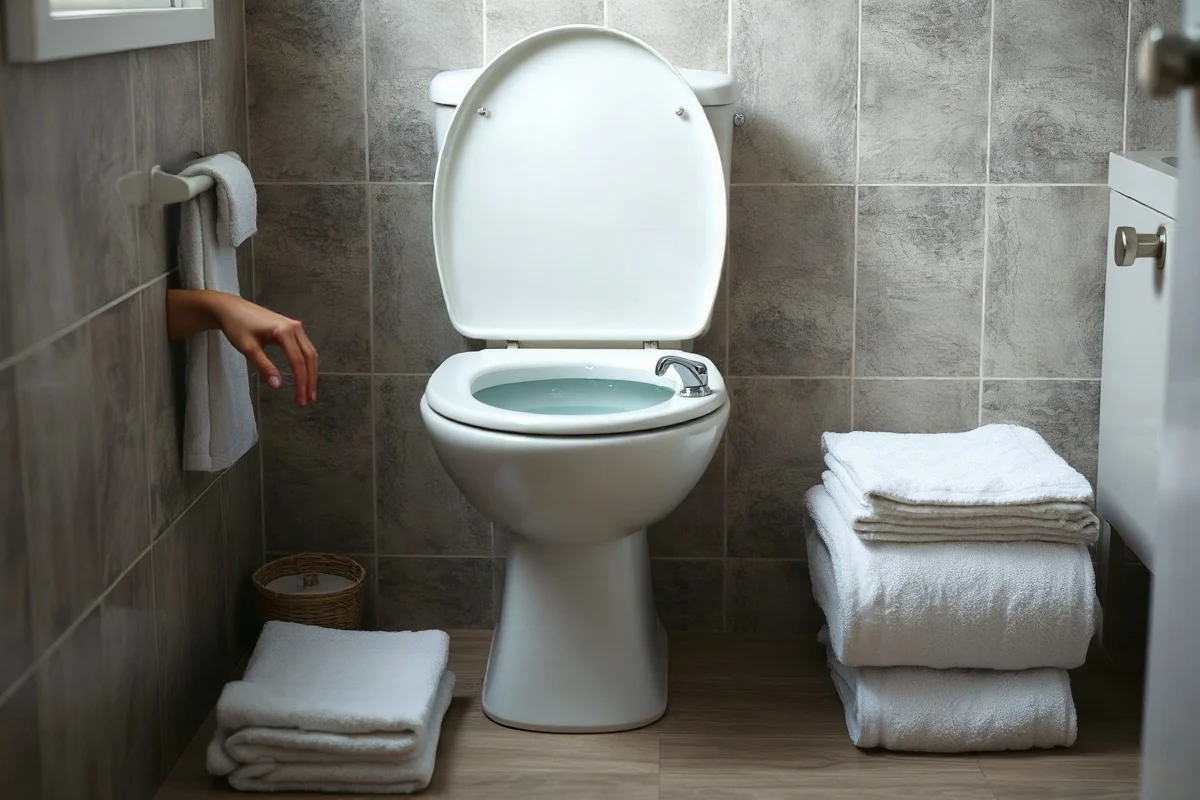
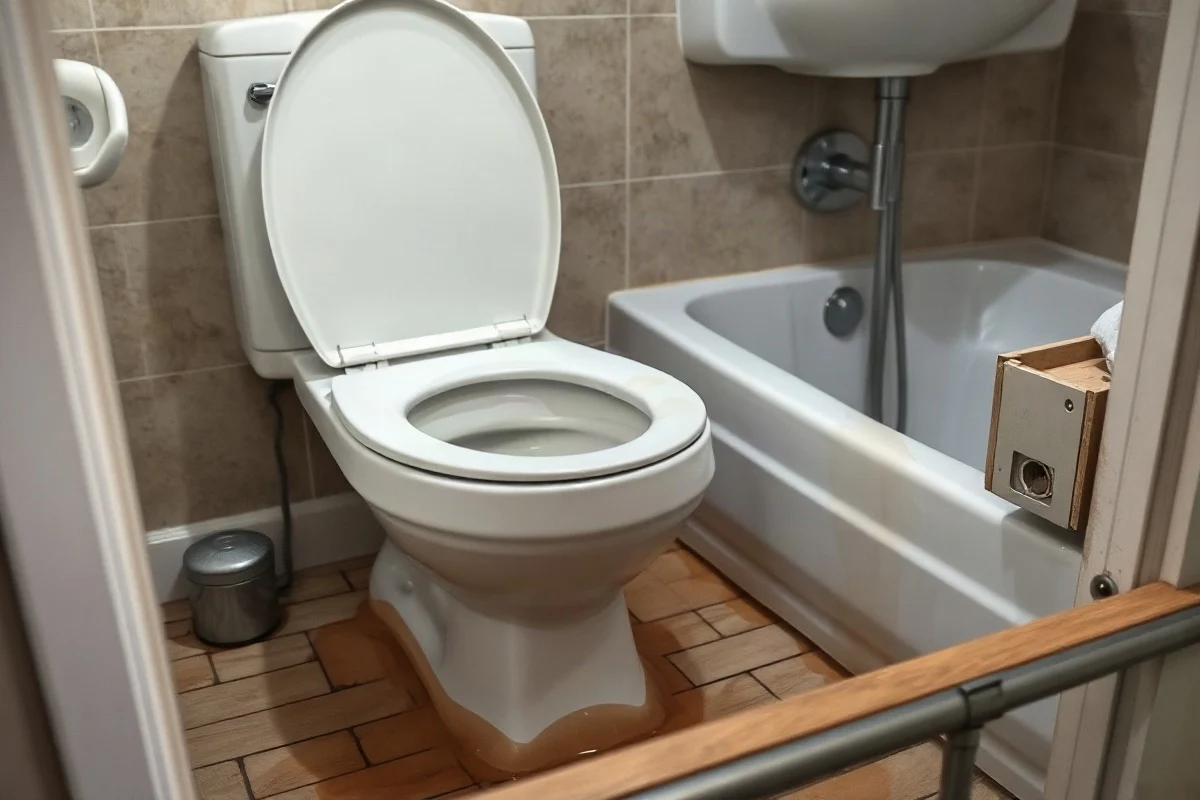
If your toilet overflows when you flush, the most likely reason is a blockage in the toilet trap, the drainpipe, or a connected sewer line. The flush sends water into the bowl, but the obstruction prevents that water from leaving quickly enough. Stop the flow first, then try a safe plunging technique. If the toilet keeps backing up, other drains are affected, or wastewater is present, contact a qualified local plumber.
What to do immediately when the toilet starts overflowing
Act quickly to limit water damage and reduce contact with contaminated water. Do not flush again, even if the bowl appears to drain partially.
- Stop the water supply. Turn the shutoff valve behind or beside the toilet clockwise. If the valve is difficult to turn, do not force it, because an old valve can leak or break.
- Stop the tank from refilling. If water is still entering the bowl, remove the tank lid and gently lift the float high enough to stop the fill valve. You can also press the rubber flapper closed if it is stuck open.
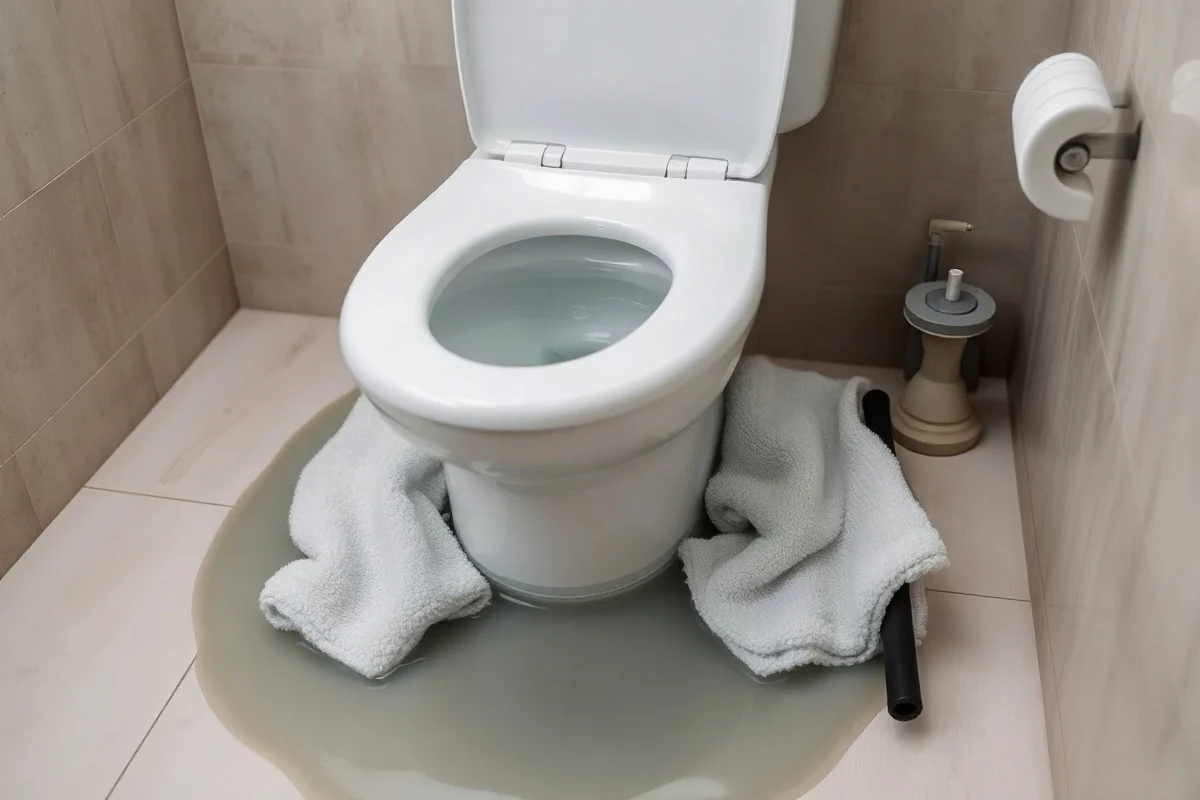
- Protect the floor. Move rugs and nearby items away from the toilet. Use towels or a shallow container to catch clean water, but avoid handling sewage without suitable protection.
- Keep people and pets away. Toilet overflow water may contain harmful microorganisms, especially when it includes wastewater from a drain or sewer backup.
After the water stops rising, wait a few minutes to see whether the bowl level falls. Do not add chemical drain cleaner. These products may not clear a toilet blockage, can damage some plumbing components, and may create a splash hazard when you plunge or open the line.
Common reasons a toilet overflows after flushing
A clog in the toilet trap
The built-in trap inside the toilet keeps water in the bowl and helps block sewer gases. It also has a curved passage that can catch too much toilet paper, wipes, paper towels, feminine hygiene products, children’s toys, or other objects. A partial clog may allow the bowl to drain slowly, while a complete blockage can cause an immediate overflow.
“Flushable” wipes can still contribute to blockages because they may not break apart as readily as toilet paper in a household drain system. Never flush wipes, paper towels, cotton products, diapers, or other items unless the product and your local plumbing professional specifically indicate that they are appropriate for your system. Even then, toilet paper and human waste are the safest materials to flush.
A blocked branch drain
Sometimes the obstruction is farther downstream in the bathroom drain. You may notice a toilet that bubbles when a sink drains, a tub that fills with dirty water, or a toilet that backs up whenever another fixture is used. These signs suggest the problem may extend beyond the toilet itself.
A blockage in a shared branch drain can affect multiple fixtures. Repeated plunging may temporarily change the water level without removing the underlying obstruction. If more than one bathroom fixture drains slowly or backs up, stop using the affected plumbing and arrange for professional diagnosis.
A sewer line blockage
If several toilets, sinks, tubs, or floor drains back up at the same time, the main sewer line may be restricted. Gurgling sounds, sewage odors, water rising in a floor drain, and wastewater appearing in a lower-level fixture are additional warning signs.
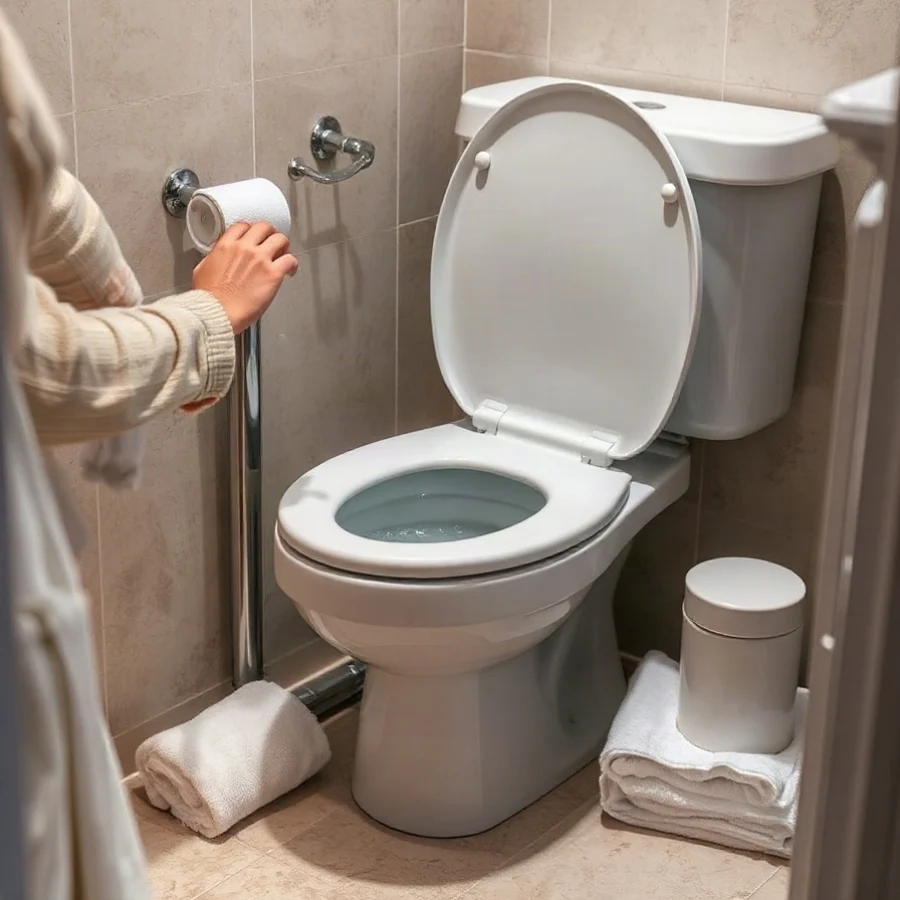
A sewer backup is not a good do-it-yourself project. The blockage may involve roots, damaged piping, heavy buildup, or a problem outside the home. Because sewage exposure and contaminated cleanup can create health hazards, use a qualified local professional. A plumber may recommend a drain inspection or camera inspection before choosing a repair method. You can learn more about possible service options through sewer line plumbing.
A problem with the flush valve or tank components
Not every overflow is caused by a drain clog. If the tank sends too much water into the bowl, or if the flapper remains open, the bowl can rise higher than normal. A toilet may also overflow if its internal parts are incorrectly adjusted or worn.
In a properly functioning toilet, the bowl and tank are designed to manage a normal flush volume. However, a valve problem usually causes continuous filling, weak flushing, or water running into the bowl between flushes rather than a sudden backup that drains slowly. If the toilet overflows only when flushed and the bowl drains poorly afterward, suspect a blockage first.
Safe homeowner checks
Once the water supply is off and the bowl is no longer rising, you can perform a few low-risk checks.
Check nearby fixtures
Run a small amount of water in the bathroom sink and observe the tub or shower drain. Do not test with a large volume of water. If the sink drains normally and the tub remains clear, the blockage may be limited to the toilet. If another fixture gurgles, fills, or drains slowly, stop testing and call a plumber.
Use a flange plunger
A toilet plunger with an extended flange is more appropriate than a flat sink plunger because it can form a better seal in the bowl opening. If the bowl is nearly full, remove some water with a container so plunging does not cause another spill. If the bowl is nearly empty, add enough water to cover the plunger cup.
Place the flange directly over the opening and press down gently at first to remove trapped air. Then use firm, controlled strokes while keeping the seal in place. After several strokes, pull the plunger up and wait to see whether the water drains. You may repeat the process, but stop if the bowl rises rapidly, the toilet rocks, or water appears elsewhere.
Wear gloves and eye protection, and disinfect hard surfaces after cleanup. Do not plunge if the bowl contains chemical drain cleaner or if you suspect broken glass, metal, or another sharp object is lodged inside.
Consider a toilet auger only if you know how to use it
A toilet auger, sometimes called a closet auger, is designed to reach through the toilet trap while reducing the chance of scratching the porcelain. It may help with a localized soft blockage. Follow the tool instructions and stop if the cable will not advance or retract normally.
Do not use a standard long drain snake aggressively through the toilet. It can damage the fixture, become stuck, or push the obstruction farther into the drain. When a plunger and suitable toilet auger do not solve the problem, professional service is the safer next step.
When an overflowing toilet needs a plumber
Call a qualified local plumber if any of the following conditions apply:
- The toilet overflows again after plunging.
- More than one fixture is backing up or draining slowly.
- Water rises in a tub, shower, floor drain, or another toilet.
- You see sewage, persistent wastewater, or a strong sewer odor.
- A foreign object may be lodged in the toilet.
- The toilet is loose, cracked, leaking at its base, or rocking on the floor.
- The blockage may be in a concealed wall, under-floor drain, or main sewer line.
- You cannot shut off the water safely.
For severe flooding, sewage exposure, a concealed leak, or damage to electrical equipment, keep clear of unsafe areas and get qualified local help. If water is near electrical outlets or appliances, do not enter standing water to reach a switch or plug. Follow appropriate emergency guidance for your home and area.
Repair or replacement: what is usually appropriate?
A single clogged toilet often needs cleaning rather than replacement. If a professional can clear the blockage and the fixture flushes normally afterward, replacing the toilet may not be necessary.
Replacement may make more sense when the toilet is cracked, repeatedly clogs despite a clear drain, has damaged internal passages, rocks because of a deteriorated connection, or uses worn parts that no longer justify repeated repairs. A professional should check whether the problem is actually the toilet or a downstream drain before recommending a new fixture. Installing a new toilet will not solve a blocked branch drain or sewer line.
For related fixture issues, see this guide to toilet repair. If the fixture has a persistent leak around the base or tank, the cause may require a different diagnosis than an overflow.
What affects the cost of fixing an overflowing toilet?
The final cost depends on the cause and the work required, so a reliable estimate requires an inspection or clear information about the symptoms. Factors can include:
- Whether the blockage is in the toilet, a branch drain, or the main sewer line.
- How difficult the obstruction is to reach.
- Whether specialized equipment is needed to clear or inspect the line.
- Whether the toilet must be removed to access the drain.
- Damage to the toilet, shutoff valve, flooring, or nearby materials.
- Cleanup requirements when sewage has overflowed.
- The timing and urgency of the service, if the plumbing cannot be used safely.
Ask for a written explanation of the diagnosis, the recommended repair, what is included, and what could change the estimate if concealed damage is found. Avoid choosing a service solely on the lowest initial quote. A low quote that excludes inspection, cleanup, removal, or necessary follow-up work may not represent the actual cost.
How to choose the right local plumber
Look for a plumbing professional with relevant experience in toilet blockages, drain cleaning, and sewer backups. Before work begins, ask:
- What do you believe is causing the overflow?
- How will you confirm whether the blockage is limited to the toilet?
- What repair method do you recommend, and why?
- Will you explain any additional work before performing it?
- How will contaminated water and affected materials be handled?
- What payment terms and documentation will you provide?
Use a qualified local professional for sewage, concealed plumbing, major flooding, code-related work, or any repair that requires specialized equipment. For urgent situations, the emergency plumber category can help you identify the type of service to seek.
How to help prevent future toilet overflows
Flush only toilet paper and human waste. Keep wipes, paper towels, cleaning cloths, hygiene products, grease, and small objects out of the toilet. Teach children not to treat the bowl as a place to dispose of toys or household items.
Pay attention to early warnings such as a weak flush, rising water, bubbling, slow drainage, or repeated clogs. Addressing those signs before the toilet overflows can reduce water damage and help reveal a developing drain problem. If the same toilet clogs repeatedly, do not keep forcing it with a plunger without finding the cause. A professional inspection may determine whether the fixture, drain, or sewer line needs attention.
In most cases, an overflowing toilet is a blockage—not a mystery. Shut off the water, protect the area, try a careful flange-plunger check if conditions are safe, and stop using the plumbing when other fixtures are involved. Prompt, properly targeted service can prevent a localized clog from becoming a larger water or sewage problem.
Comments
0No comments yet. Be the first to share a helpful note or question.
Leave a Comment
Your email address will not be published. Comments are reviewed before appearing on the site.