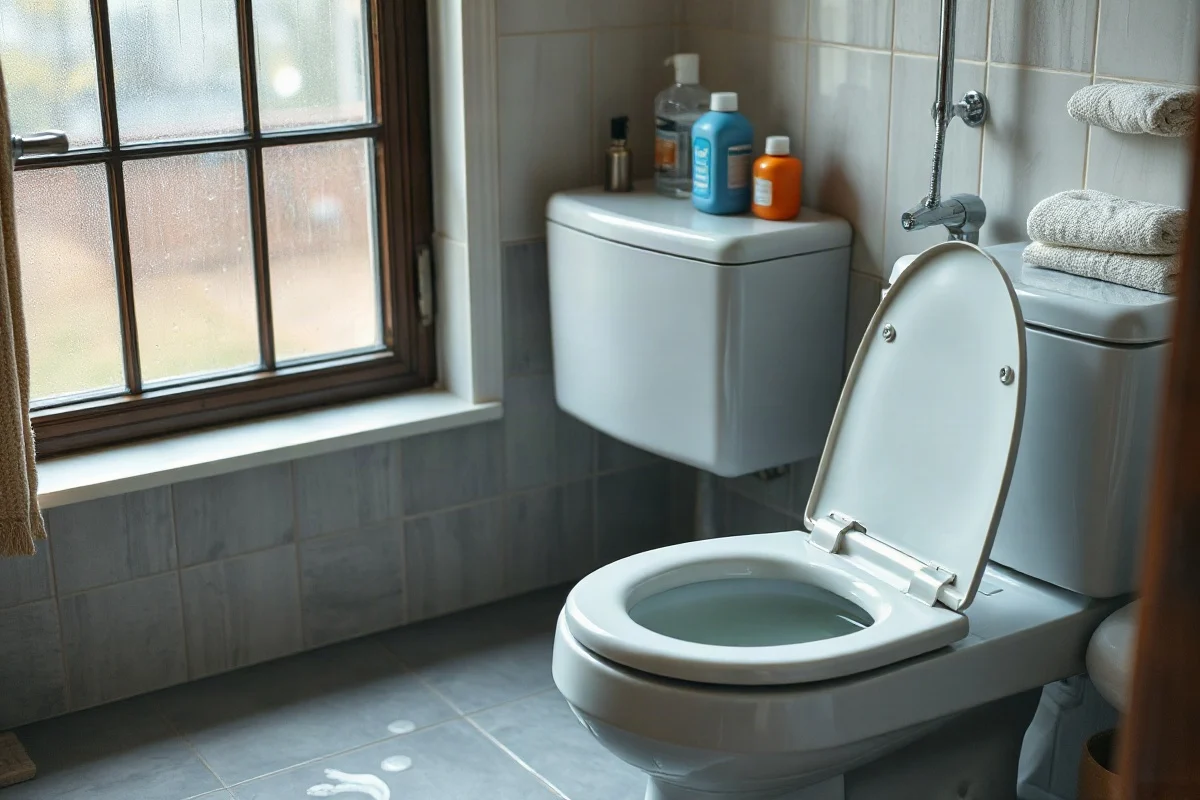
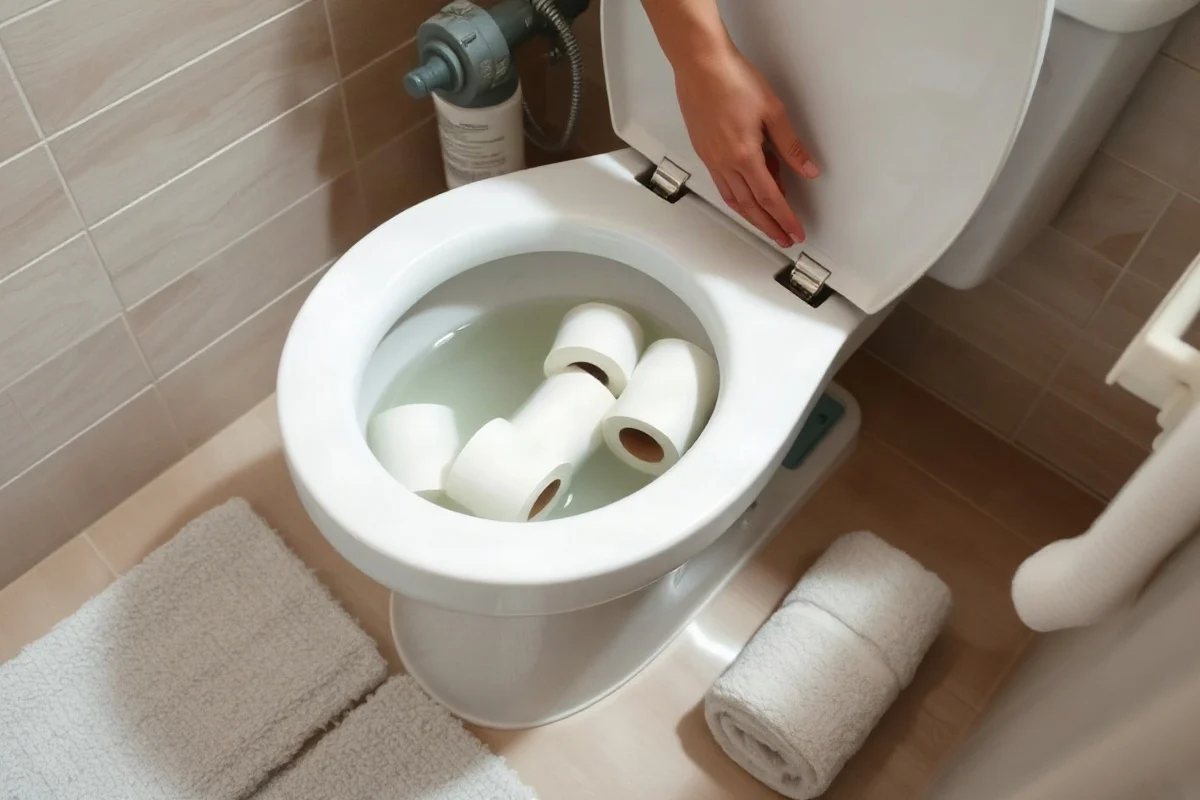
If your toilet overflows during heavy rain, the most likely reason is that wastewater cannot move normally through the sewer or drainage system. Heavy rainfall can overload a municipal sewer, saturate the ground around a private sewer line, expose a damaged pipe, or reveal a failed backwater valve. The toilet may be the lowest or most convenient opening for wastewater to push back into the home. A simple toilet clog is also possible, but an overflow that repeatedly coincides with storms deserves attention beyond plunging.
What Heavy Rain Has to Do With a Toilet Overflow
Your toilet is connected to a drain system that carries wastewater away from the house. During ordinary weather, wastewater should flow through the building drain and into either a municipal sewer or a private septic system. Heavy rain adds a large amount of water to the surrounding drainage network in a short period of time.
If that network becomes restricted or overwhelmed, pressure can build in the sewer line. Wastewater may then move backward toward the home. Toilets are common points for this backup because they have a direct connection to the drain system and are often located near the lowest plumbing fixtures in the house.
Storm-related overflow does not automatically mean the toilet itself is defective. The toilet may simply be showing you that a larger drainage problem is developing.
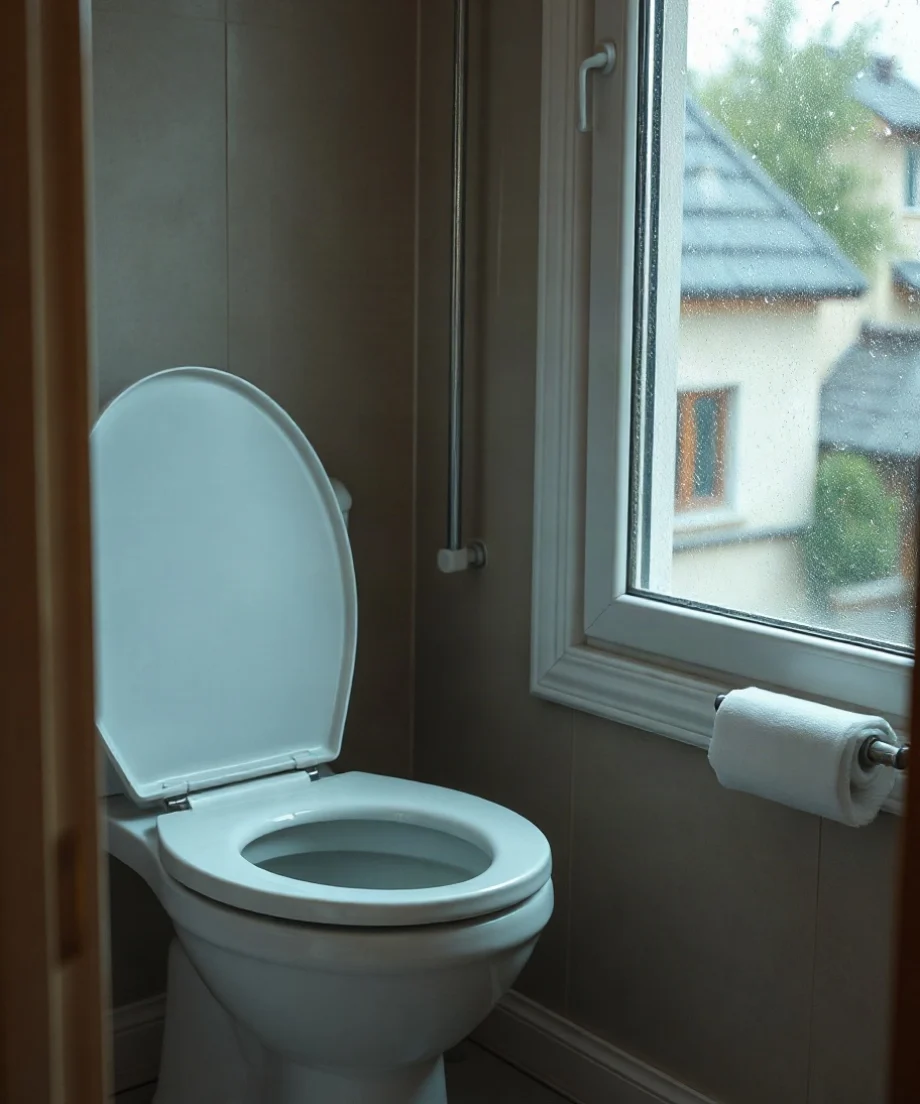
Common Causes of a Rain-Related Toilet Backup
A blocked or partially blocked sewer line
A blockage in the building sewer can allow normal household wastewater to pass slowly, while heavy rain pushes the system beyond its limited capacity. Grease, excess paper, foreign objects, roots, scale, or damaged pipe sections can restrict the line. A partial blockage often causes warning signs before a complete backup occurs.
Look for several fixtures draining slowly at the same time, bubbling or gurgling toilets, water rising in a shower when another fixture is used, or repeated toilet backups after flushing. These symptoms suggest a shared drain or sewer problem rather than an isolated toilet trap clog.
An overloaded municipal sewer
In some areas, intense rainfall can overwhelm public sewer infrastructure. When the public line is full or flowing under pressure, wastewater may have difficulty leaving your property. Homeowners generally cannot correct this condition from inside the bathroom, although a qualified plumber can help determine whether the restriction is on private property or farther downstream.
Contacting the local sewer authority may also be appropriate when nearby homes experience similar backups. A plumber can help document the symptoms and identify the location of the problem.
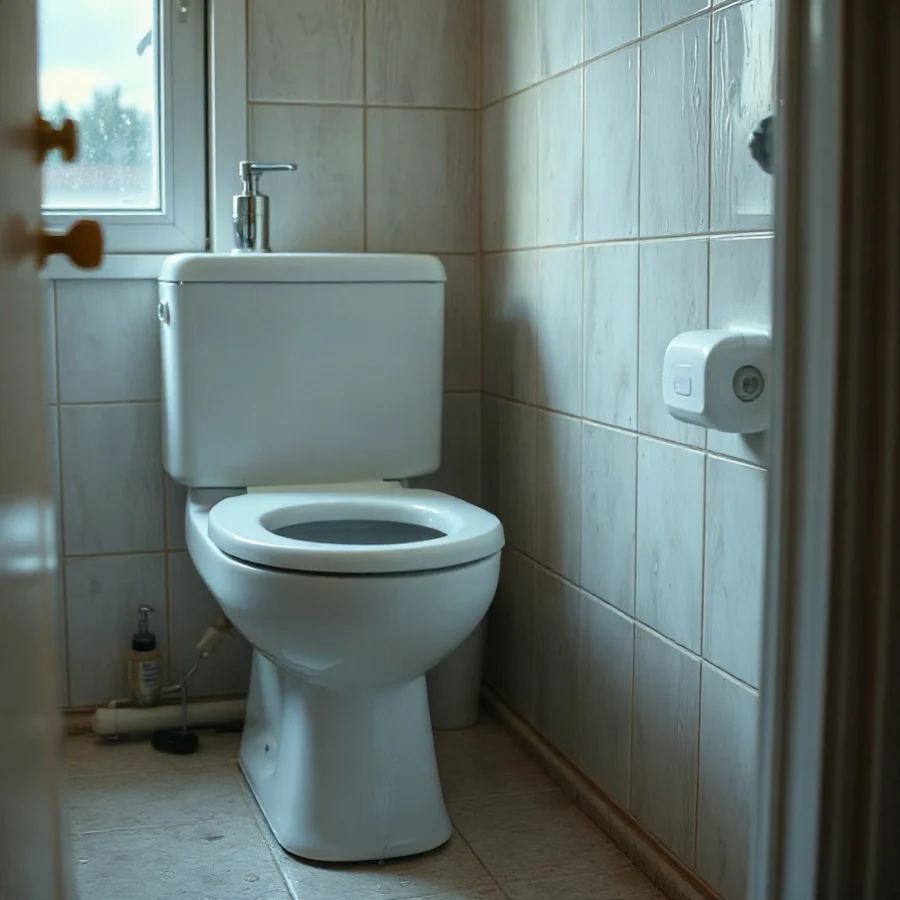
A damaged sewer line or invasive tree roots
Cracks, shifted joints, collapsed sections, or root intrusion can reduce the usable opening inside a sewer pipe. During dry weather, enough flow may still pass through the damaged section. Heavy rain can increase the volume and pressure enough to trigger a backup.
These conditions are not reliably diagnosed by flushing chemicals or repeatedly plunging the toilet. A professional may recommend a drain camera inspection or another method of locating the restriction before selecting a repair.
A failed or missing backwater valve
A backwater valve is designed to help prevent wastewater from flowing backward into a building drainage system. If the valve is stuck open, obstructed, damaged, poorly maintained, or not present where one is appropriate, storm-related sewer surcharges may reach the home.
Because access and installation details vary, do not remove or modify a backwater valve unless you understand the system and can work safely. A qualified local plumber should inspect the valve and explain whether cleaning, repair, replacement, or a different protective approach is suitable.
Groundwater entering a private sewer line
Heavy rain can expose leaks in an older or damaged underground sewer pipe. Groundwater may enter through cracks or separated joints, adding volume to a line that already carries household wastewater. In other cases, saturated soil can shift or stress a buried pipe.
This problem may appear as a backup only during wet weather and may require locating the line, inspecting it, and repairing or replacing the damaged section. Since the pipe is concealed, this is professional work rather than a safe do-it-yourself repair.
Problems with a septic system
Homes connected to septic systems can experience sewage backups after prolonged or intense rain. Saturated drainfield soil may be unable to accept wastewater efficiently, or the tank may be full, damaged, or affected by another system problem. Slow drains, sewage odors, unusually wet ground near the drainfield, and repeated backups are reasons to stop using excess water and contact a qualified septic professional or plumber familiar with septic systems.
Safe Checks You Can Make First
Take these steps only if the area is stable and you can avoid contact with wastewater:
- Stop flushing the affected toilet and limit water use throughout the home until you understand the cause.
- Remove the toilet tank lid and press the rubber flapper closed if water is still flowing into the bowl. You can also lift the float or close the toilet's shutoff valve if it operates normally.
- Check whether sinks, tubs, showers, floor drains, or other toilets are slow or backing up.
- Note whether the problem occurs only during heavy rain or also during dry weather.
- Look for obvious signs of a simple toilet clog, such as a recent large flush or a bowl that drains slowly while other fixtures work normally.
- Keep children and pets away from overflow water, particularly if it may contain sewage.
A flange plunger may help with a single, ordinary toilet clog when no other fixture is affected. Use steady plunging rather than forceful repeated pumping. Do not use chemical drain cleaners in a toilet. They may not clear the obstruction and can create a splash or chemical hazard for anyone who later works on the fixture.
When to Stop DIY Efforts
Stop troubleshooting and arrange qualified local help when more than one fixture backs up, wastewater rises from a floor drain, the toilet overflows with sewage, the problem returns during storms, or plunging does not restore normal drainage. Sewage exposure is a health concern, and contaminated water should be handled and cleaned according to appropriate safety guidance.
Call for urgent help if water is spreading into electrical areas, damaging floors or walls, or entering living spaces. Do not enter standing water near electrical equipment. If the property has major flooding, concealed leaks, structural concerns, or any unsafe condition, leave the area and use qualified local professionals.
For a severe or recurring backup, a plumber may need to clear the line, inspect the sewer with a camera, test or service a backwater valve, or determine whether the municipal sewer or a septic system is involved. You can learn more about signs that require immediate attention through this emergency plumber guide.
Repair or Replacement: What May Be Needed?
The correct solution depends on where the restriction or failure is located. A localized toilet clog may need only careful clearing. A deeper blockage may require professional drain cleaning, mechanical cabling, or another suitable method. If roots or heavy buildup are involved, the plumber should explain both the immediate clearing method and the steps needed to reduce recurrence. More information about these options is available in this guide to professional drain cleaning.
A damaged sewer pipe may be repairable in one section, but extensive collapse, repeated root intrusion, or multiple failed joints can lead to a larger replacement decision. Ask the plumber to identify the affected section and explain why a repair or replacement is recommended. A camera inspection can be useful when the cause is not visible or when you want evidence before approving major work.
If a backwater valve is present, it may need cleaning, adjustment, repair, or replacement. If the system lacks effective protection, a professional can discuss available options for your property's layout. Do not assume that installing a valve alone will solve every sewer backup; the underlying line condition and drainage design still matter.
Factors That Affect Plumbing Costs
The cost of resolving a rain-related toilet overflow depends on the cause and the amount of work required. Important factors can include whether the issue is limited to the toilet or affects the main sewer line, how accessible the pipe is, the severity and location of the blockage, the need for camera inspection, the condition of underground piping, and whether excavation or restoration is necessary.
Emergency timing, difficult access, specialized equipment, cleanup, and disposal may also affect an estimate. Because local conditions and service pricing vary, avoid relying on a generic number. Ask for a written description of the proposed work, the immediate repair, any recommended follow-up, and charges that could change if the plumber discovers concealed damage.
If sewage has entered the home, ask separately what cleanup and disinfection work is included. Plumbing repairs and contamination cleanup may involve different skills and procedures.
How to Choose the Right Plumber
Look for a qualified local plumber with experience in sewer backups, storm-related drainage problems, and underground sewer lines—not only routine toilet repairs. Before work begins, ask:
- Do the symptoms suggest a toilet clog, a building drain problem, or a sewer-line backup?
- Will you inspect the line with a camera if the cause is unclear?
- How will you distinguish a private-line problem from a public sewer issue?
- What immediate steps should we take to prevent another overflow?
- Is the recommendation to clear, repair, or replace supported by the inspection findings?
- What work is included in the estimate, and what conditions could change it?
Use the appropriate local licensing and insurance information for your area when evaluating a contractor, and confirm that the company is prepared to handle sewage exposure or coordinate specialized cleanup when necessary. A reputable professional should be willing to explain the diagnosis in plain language rather than recommend extensive work without identifying the problem.
How to Reduce the Risk of Future Overflow
Do not flush wipes, paper towels, feminine hygiene products, grease, or other items that are not designed to pass through household plumbing. Keep tree roots, standing water, and unusually wet areas around the sewer route in mind when monitoring the property. If your toilet has overflowed during more than one storm, schedule an inspection before the next major weather event rather than waiting for a complete backup.
Keep records of when the overflow occurs, which fixtures are affected, how long the rain lasted, and whether the problem resolves as the weather dries. These details can help a plumber distinguish between an isolated clog, a damaged private sewer line, a septic limitation, and a broader public sewer issue. Recurring storm-related backups should be treated as a drainage warning, not just a toilet inconvenience.
Comments
0No comments yet. Be the first to share a helpful note or question.
Leave a Comment
Your email address will not be published. Comments are reviewed before appearing on the site.