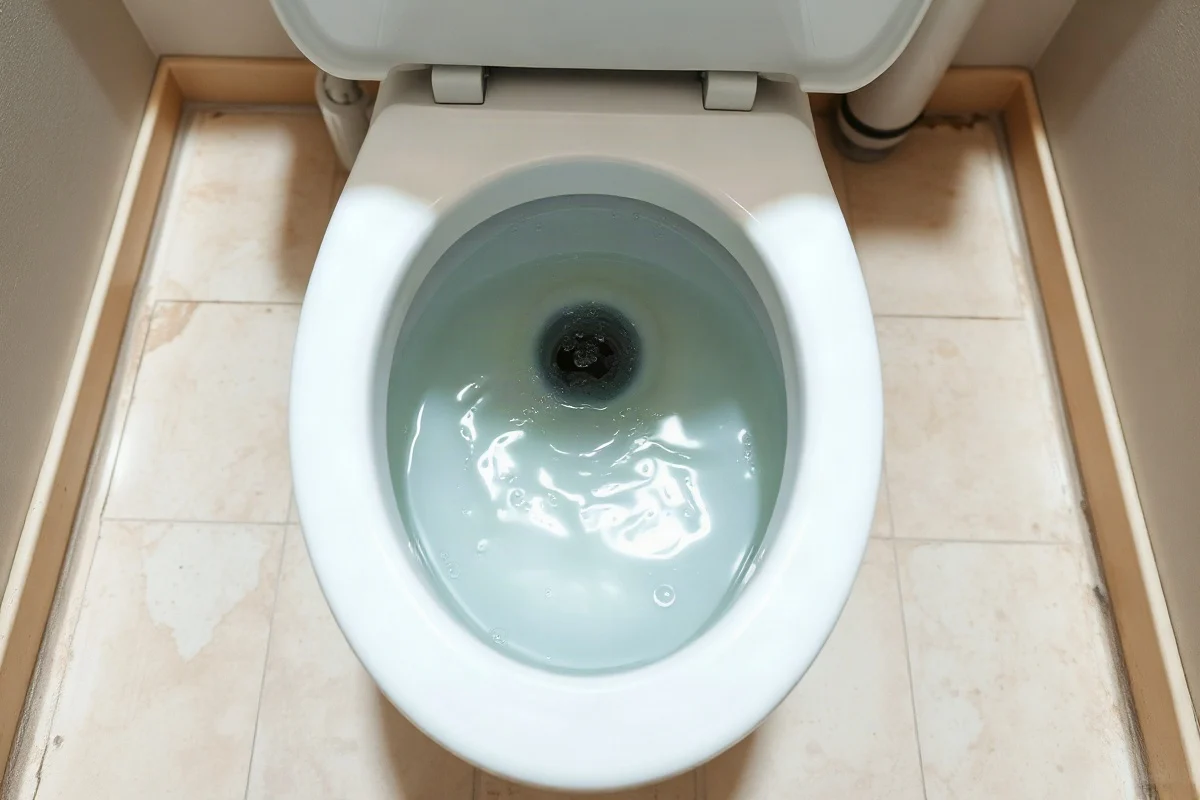
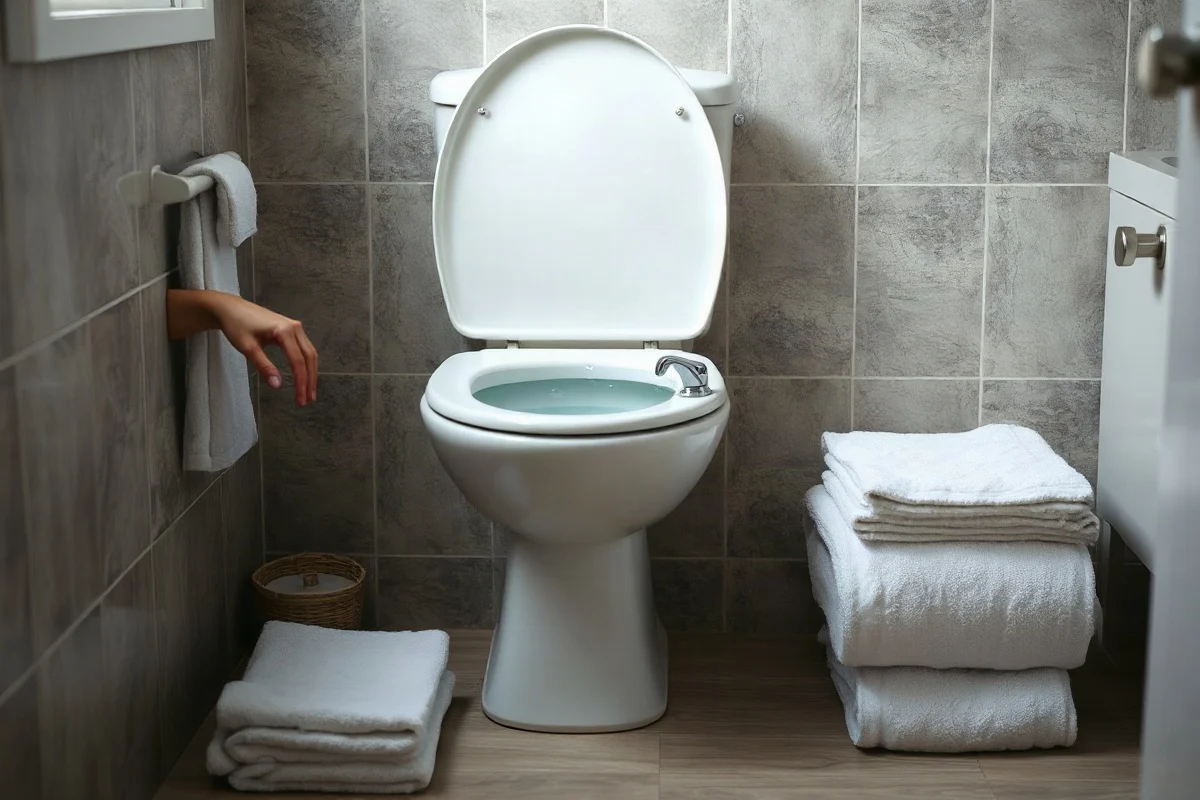
A toilet can back up even when nothing was flushed because wastewater is being blocked or forced backward somewhere in the drain system. The restriction may be in the toilet trap, a nearby branch drain, the main sewer line, or—less commonly—a failing backwater valve or damaged pipe. If the water is rising, close the toilet’s shutoff valve, avoid using nearby fixtures, and keep people and pets away from contaminated water.
What an Unprompted Toilet Backup Usually Means
A toilet bowl normally receives water only when the fixture is flushed or when its tank refills. If the bowl rises on its own, water is usually entering from the drain side rather than from the tank. That points to a drainage problem, not simply a toilet that was recently used.
For example, water from a shower, washing machine, sink, or another toilet may be trying to travel through a partially blocked drain. When the flow cannot pass, it may move toward the lowest available fixture. In many homes, that fixture is a toilet on the lowest level. A backup can also occur when wastewater from another part of the building enters a shared drain and encounters a blockage farther downstream.
The timing and pattern of the problem provide useful clues. A bowl that rises only when another fixture runs may indicate a branch or main drain restriction. A bowl that slowly fills with cloudy or foul-smelling water while the home is quiet may suggest a larger blockage or sewer-related problem. Either way, repeated backups should not be treated as a minor toilet clog.
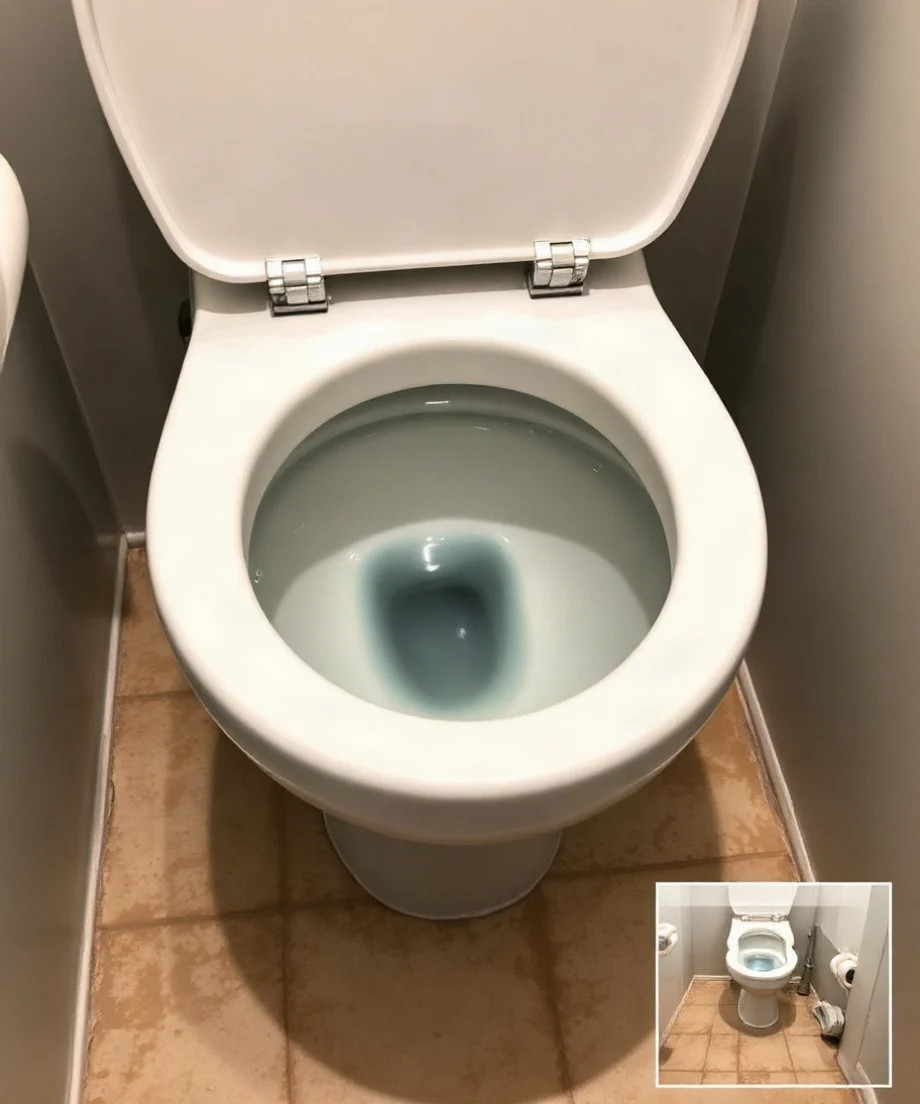
Common Causes of a Toilet Backing Up by Itself
A Partial Clog in the Toilet Trap
An object or heavy buildup can remain inside the toilet’s internal trap even if the toilet appears to flush normally. The next discharge from another fixture may disturb the standing water and cause the bowl level to change. Paper products, wipes, small objects, and mineral buildup can all contribute to restricted flow.
A partial clog may produce gurgling, slow draining, or a bowl that rises and then settles. It can worsen over time, especially if more material continues to collect at the restriction.
A Blocked Bathroom or Branch Drain
The toilet may be connected to a branch drain shared with a tub, shower, or sink. A blockage in that section can cause several fixtures to drain slowly or cause water to appear in one fixture when another is used. You may notice the shower draining slowly, bubbles in the toilet bowl, or a sink that causes the toilet water to move when it drains.
A Main Sewer Line Restriction
A blockage in the main building drain can affect multiple fixtures at once. Tree-root intrusion, accumulated grease, damaged pipe sections, sediment, or unsuitable materials may restrict the line. In older systems, a shifted joint or collapsed section can also interrupt flow.
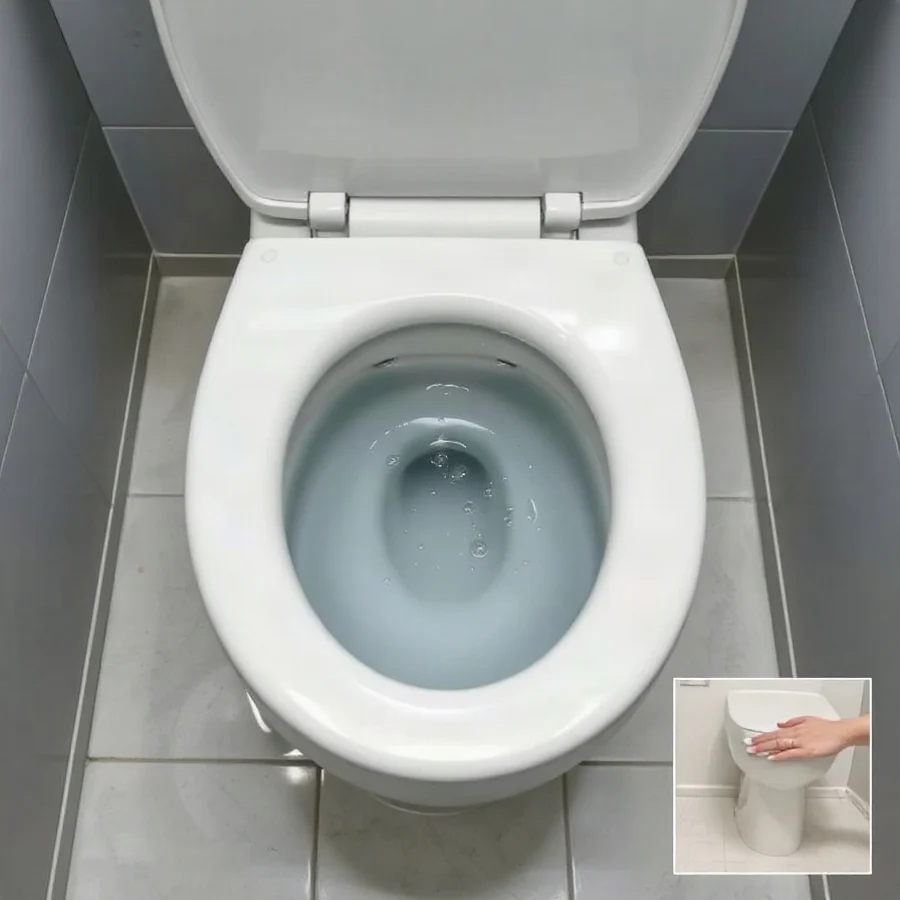
Several affected fixtures are an important warning sign. If toilets, tubs, floor drains, and sinks are backing up or draining slowly, the problem may be beyond the toilet itself. A main-line problem requires proper diagnosis and equipment rather than repeated plunging.
A Backwater or Check Valve Problem
Some plumbing systems use a backwater valve or similar device to reduce the risk of wastewater flowing backward. If the valve is stuck, obstructed, damaged, or not closing properly, wastewater may move toward interior fixtures during a drainage event. Because these components are part of the drainage system, inspection and repair are usually better handled by a qualified plumber.
A Damaged or Misaligned Drain Pipe
Underground or concealed drain piping can develop cracks, separations, root intrusion, or a collapsed section. These issues may cause intermittent backups that seem unrelated to toilet use. If the problem returns after drain cleaning, a professional may recommend a camera inspection to identify the location and condition of the pipe.
Safe Checks You Can Make First
Homeowners can perform a few low-risk observations without opening walls, entering a crawl space, or working on the sewer line.
- Stop water use: Do not flush the toilet or run sinks, showers, dishwashers, or washing machines until you understand whether the backup is isolated.
- Close the toilet shutoff valve: Turn the small valve on the supply line clockwise by hand if water continues entering the tank. Do not force a stuck valve.
- Check the water level: Note whether the bowl is rising, slowly falling, or staying at an unusually high level.
- Look at nearby fixtures: Check whether a shower, tub, sink, floor drain, or second toilet is slow, gurgling, or holding wastewater.
- Ask whether another fixture caused the change: If the bowl moves when a washing machine drains or a shower runs, record that detail for the plumber.
- Protect the area: Keep children and pets away. Wear disposable gloves when dealing with wastewater, and disinfect hard surfaces after the source has been addressed.
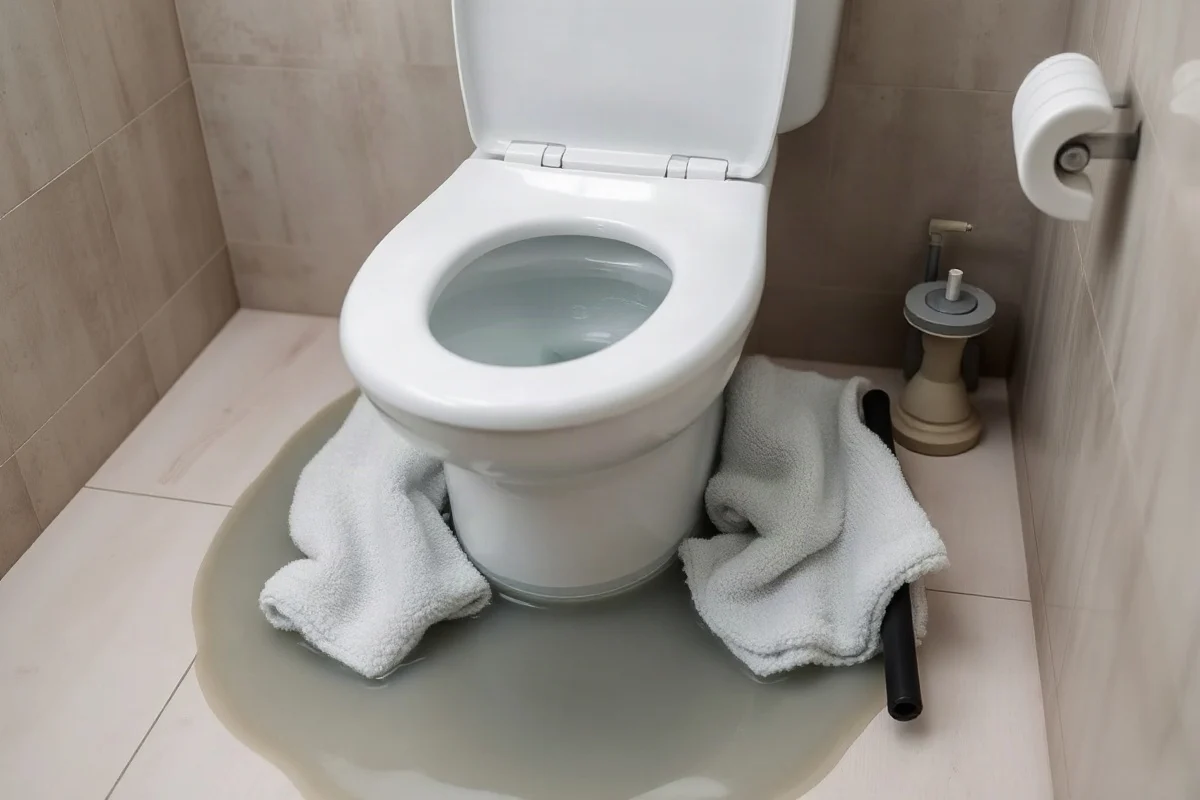
If the bowl contains sewage or wastewater has reached the floor, treat it as contaminated. Avoid contact with your eyes, mouth, and open skin. Do not mix cleaning chemicals, and do not use a household wet vacuum unless it is designed for the situation and can be safely disinfected.
Should You Try a Plunger?
A flange-style toilet plunger can be reasonable for a suspected, isolated toilet clog when the bowl contains clean water and no other fixture is backing up. Use controlled plunging rather than forceful, repeated pumping. Stop if the water level rises toward the rim or if the problem does not improve.
Do not keep plunging when several fixtures are affected, wastewater is present, or the toilet backs up again shortly afterward. A plunger cannot clear a distant main-line obstruction and may make an already messy situation worse. Avoid chemical drain openers in a toilet. They may damage components, create dangerous splashes, and expose anyone who later works on the drain to caustic chemicals.
For related guidance on blocked fixtures and drain symptoms, see the clogged drain information from Plumber Near Me Service.
When a Professional Should Diagnose the Problem
Call a qualified local plumber when the toilet backs up without flushing, more than one fixture is involved, the problem returns, or sewage is present. A professional can determine whether the restriction is in the toilet, a branch drain, the main sewer line, or a damaged section of pipe.
Drain work may involve a closet auger, a larger drain machine, inspection through a cleanout, or a drain camera. The appropriate method depends on the location and cause of the blockage. If roots, a collapsed pipe, or a broken connection are suspected, clearing the immediate obstruction may provide only temporary relief. Ask the plumber to explain what was found and whether the proposed work addresses the underlying condition.
Sewage exposure, major flooding, hidden leaks, structural damage, or work near electrical equipment should be handled by qualified professionals. If standing water is close to outlets, appliances, panels, or wiring, stay out of the area and contact an appropriate professional. For urgent wastewater or flooding situations, review the emergency plumber category for guidance on finding local help.
Repair, Replacement, or Further Investigation?
The right solution depends on what the inspection shows. An isolated toilet obstruction may need simple clearing. A branch drain blockage may require access through a cleanout or another service point. A main sewer restriction may require professional drain cleaning, and a damaged pipe may need repair or replacement.
Replacing the toilet is not automatically the answer. A new toilet will not solve a blocked building drain, damaged sewer line, or failed backwater valve. Replacement may make sense when the fixture is cracked, unstable, repeatedly malfunctioning, or difficult to repair, but the drain system should be checked first if the symptom is an unprompted backup.
If the backup occurs only during heavy rain, tell the plumber. That pattern may help distinguish a private drainage problem from an issue involving the property’s sewer connection, stormwater conditions, or backflow protection. The exact cause depends on the local system and site conditions, so it should be confirmed rather than assumed.
What Affects the Cost of Repair?
Plumbing costs vary because the work can range from a localized fixture clog to excavation or extensive pipe repair. Important factors include:
- Whether the blockage is in the toilet, a branch drain, or the main sewer line
- How accessible the affected pipe or cleanout is
- Whether specialized equipment, such as a drain camera, is needed
- Whether roots, a collapsed pipe, heavy buildup, or a foreign object caused the restriction
- Whether contaminated water damaged flooring, drywall, cabinets, or personal belongings
- Whether the repair requires opening finished surfaces or restoring landscaping
- Whether a temporary clearing or a long-term pipe repair is appropriate
Before work begins, ask what the service includes, what the plumber believes is causing the backup, and whether additional diagnosis could change the recommendation. Request a written estimate or clearly explained scope when practical. Avoid choosing a provider solely on the lowest initial quote if the proposal does not explain how the cause will be verified.
How to Choose the Right Local Plumber
Look for a plumbing company with experience in toilet backups, drain cleaning, sewer-line diagnosis, and camera inspections when appropriate. Ask whether the person responding has the training and equipment needed for the suspected problem. You should also confirm that the company can explain its service terms, limitations, and any applicable local requirements without making unsupported promises.
Useful questions include:
- Do you think the blockage is isolated to the toilet or located farther down the drain?
- What symptoms would make a camera inspection useful?
- Will you protect the work area and explain how contaminated water should be handled?
- What is included in the estimate, and what conditions could add work?
- Is the recommendation intended as a temporary clearing or a permanent repair?
Choose a qualified local professional for sewer-line work, sewage exposure, concealed plumbing, major flooding, or repairs that may involve structural surfaces. More information about evaluating service providers is available in the hiring a plumber guide.
How to Reduce the Risk of Future Backups
Use toilets only for human waste and toilet paper, and keep wipes, paper towels, hygiene products, cotton items, and cleaning materials out of the bowl unless the product and local system clearly support disposal. Avoid pouring grease or thick food waste into drains. Pay attention to slow drains, gurgling, recurring odors, and water movement in the toilet because these can be early signs of a developing restriction.
If a plumber clears the line, ask what caused the obstruction and whether follow-up inspection is recommended. Repeated backups are a reason to investigate the drain system rather than repeatedly treating the symptom. Acting when the first warning signs appear can help limit water damage and reduce exposure to sewage.
A toilet that backs up with no flush is usually signaling a drainage problem somewhere beyond the bowl. Stop using water, perform only safe visual checks, and arrange qualified local help when multiple fixtures, wastewater, recurring backups, or hidden pipes are involved.
Comments
0No comments yet. Be the first to share a helpful note or question.
Leave a Comment
Your email address will not be published. Comments are reviewed before appearing on the site.