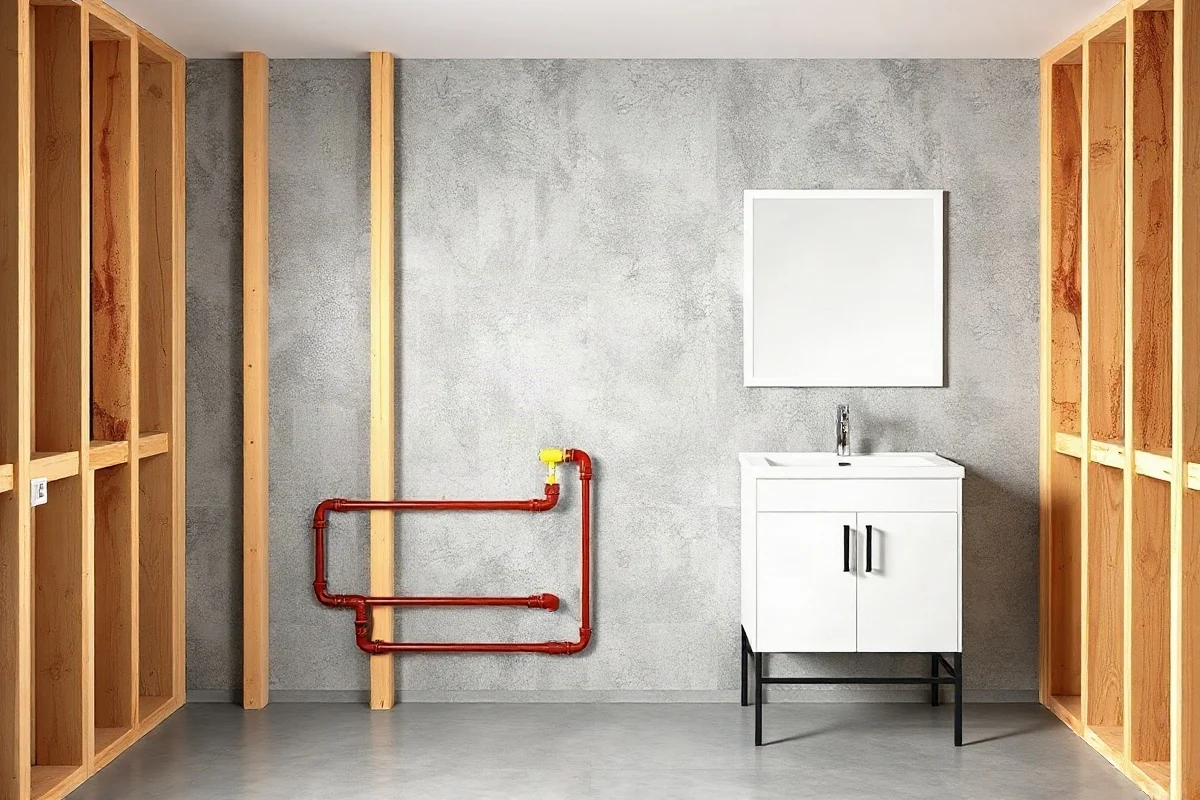
Bathroom Plumbing
Rough-In Plumbing for a Bathroom Vanity: A Practical Guide
Learn how bathroom vanity plumbing is rough-in installed, what dimensions matter, which checks are safe for homeowners, and when to call a qualified plumber.
Bathroom plumbing affects some of the most frequently used fixtures in a home, from toilets and sinks to showers, tubs, and drains. This category focuses on practical information for understanding common bathroom plumbing problems, recognizing possible causes, and thinking through appropriate next steps. Whether you’re researching a toilet issue, noticing a slow drain, or trying to make sense of a repair estimate, the guides here are designed to make the topic easier to follow. Topics can include toilet repair, leak awareness, fixture maintenance, drainage concerns, and questions to consider before contacting a qualified professional. You’ll also find plain-language explanations of bathroom plumbing terms and planning considerations that may help you describe a problem clearly. Use this resource to organize your research, compare possible approaches, and prepare informed questions about work in your bathroom. It can also help you distinguish routine upkeep from problems that may need prompt attention.
Learn how bathroom vanity plumbing is rough-in installed, what dimensions matter, which checks are safe for homeowners, and when to call a qualified plumber.
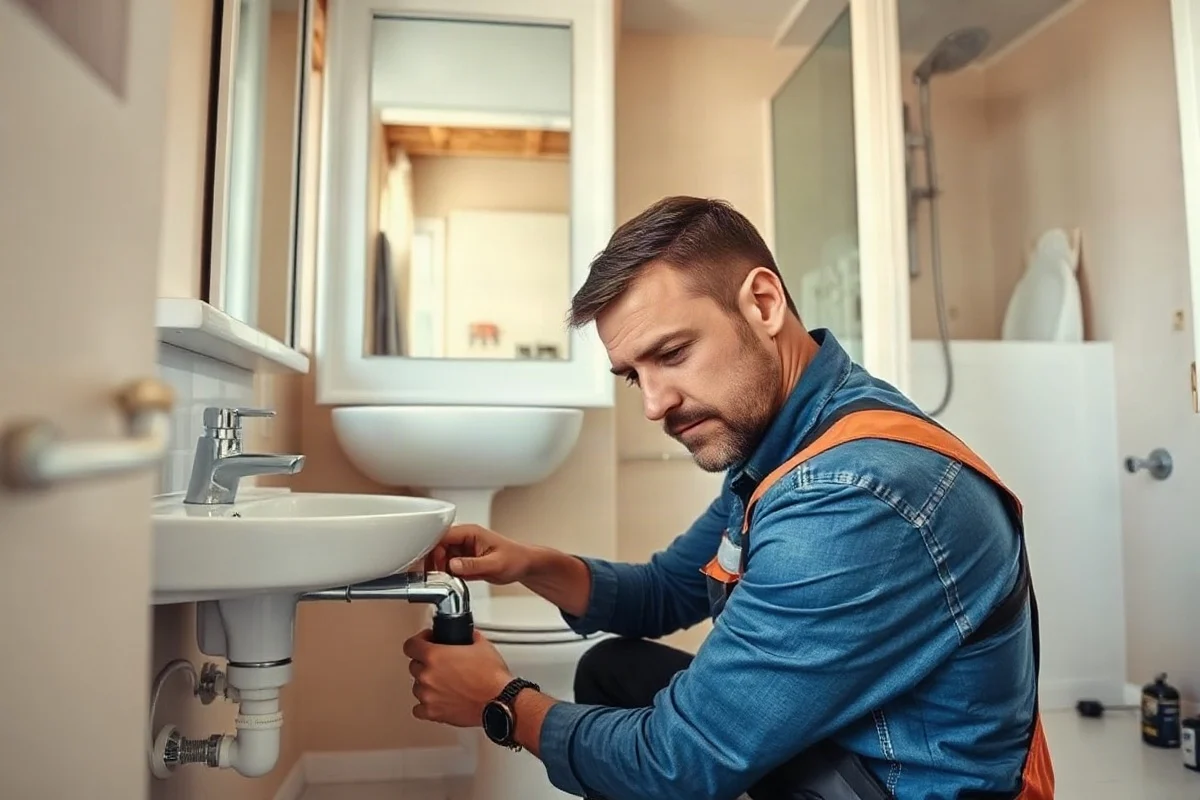
Learn how bathroom plumbing is planned, installed, tested, and maintained, including which checks homeowners can handle and which jobs require a qualified plumber.
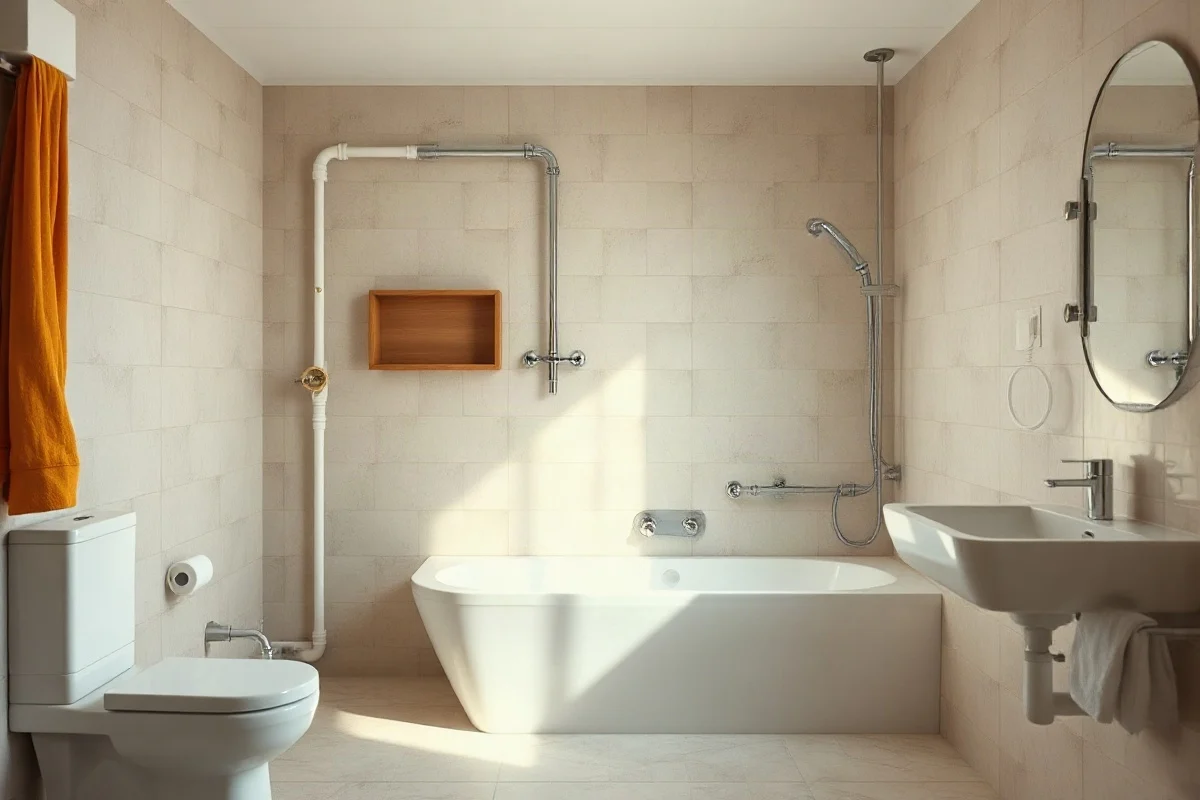
A bathroom needs hot and cold water supply lines, fixture shutoff valves, properly trapped drains, a vent system, and safe connections for the toilet, sink, tub, and shower.
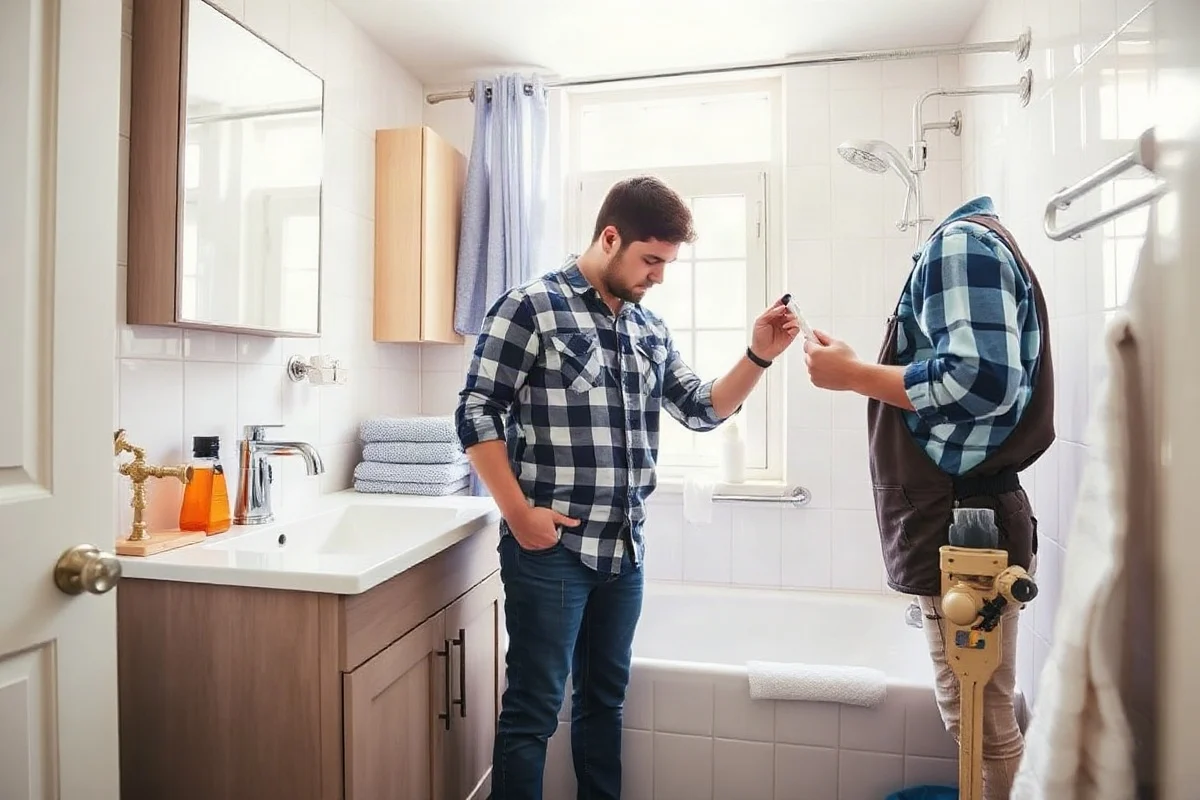
You may be able to handle a few bathroom plumbing tasks yourself, but new supply lines, drain changes, concealed pipes, and code-sensitive work are better left to a qualified professional.
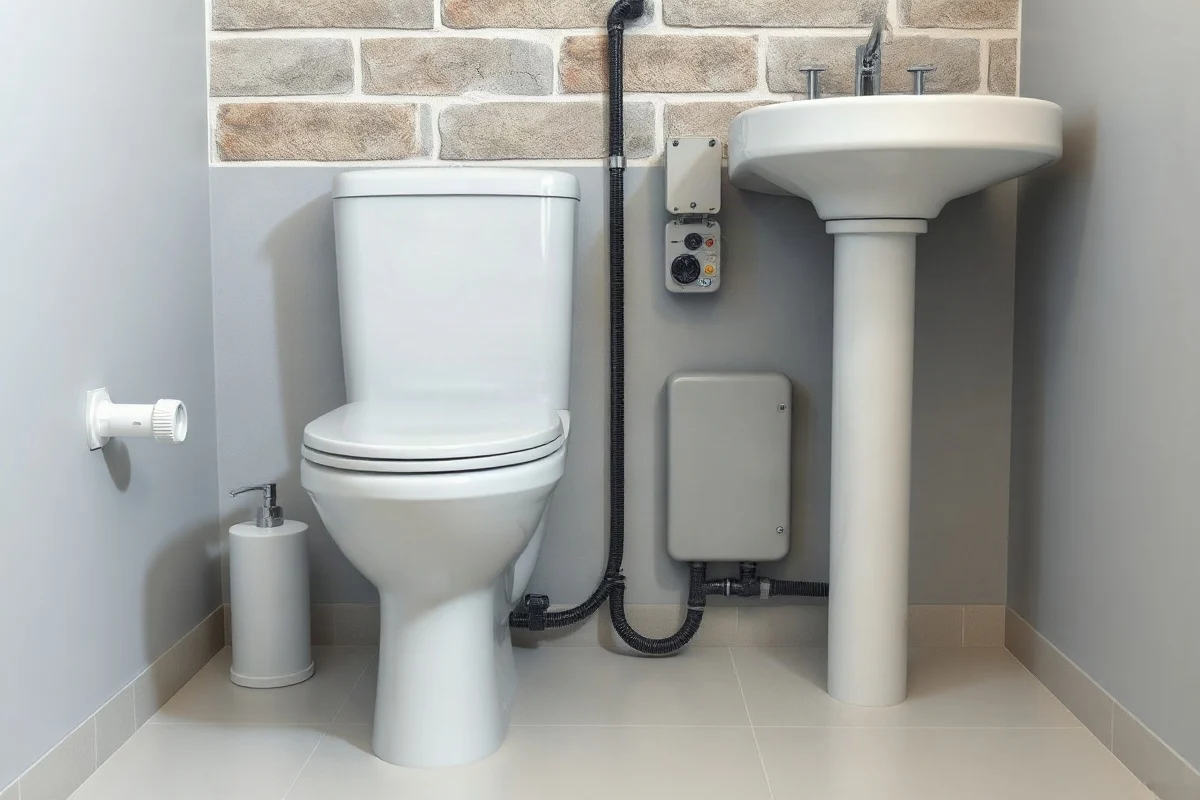
Learn how basement bathroom ejector pumps move wastewater uphill, which problems you can safely check, and when a qualified plumber should handle repairs.
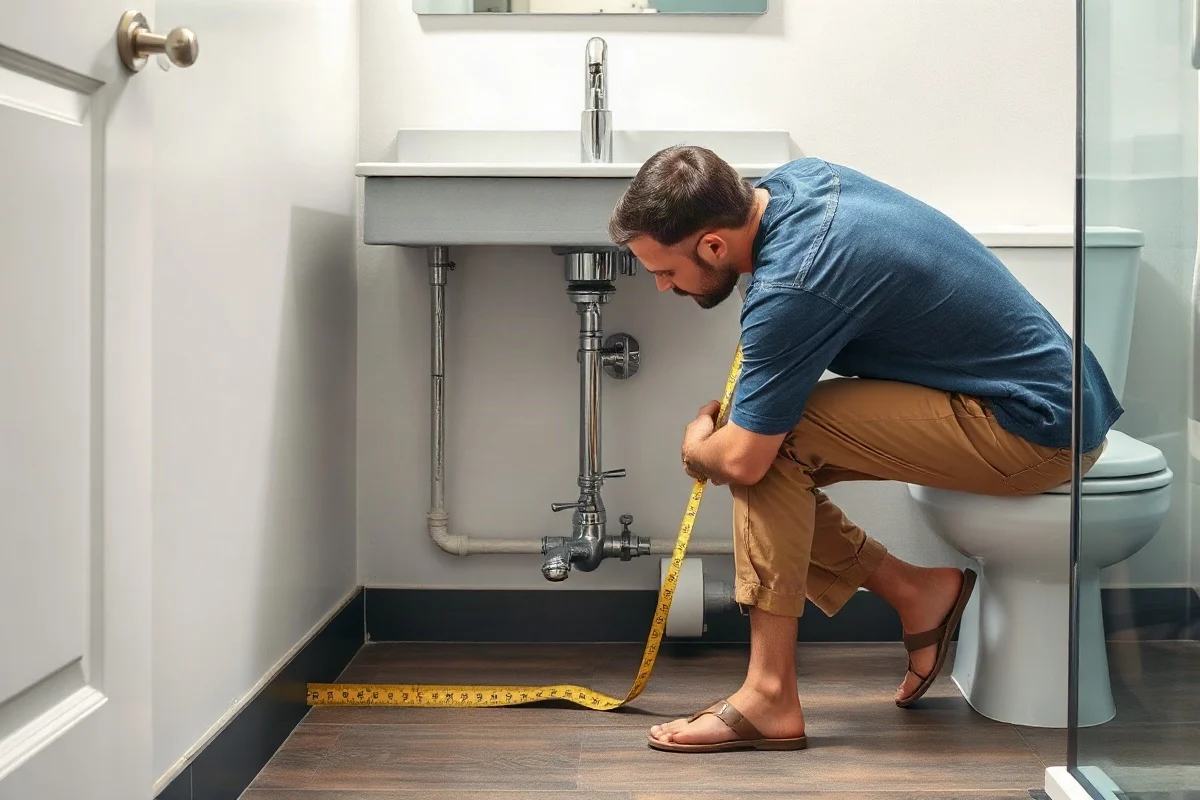
Accurate bathroom plumbing measurements help you plan fixture replacements, identify fit problems, and give a plumber useful information before work begins.
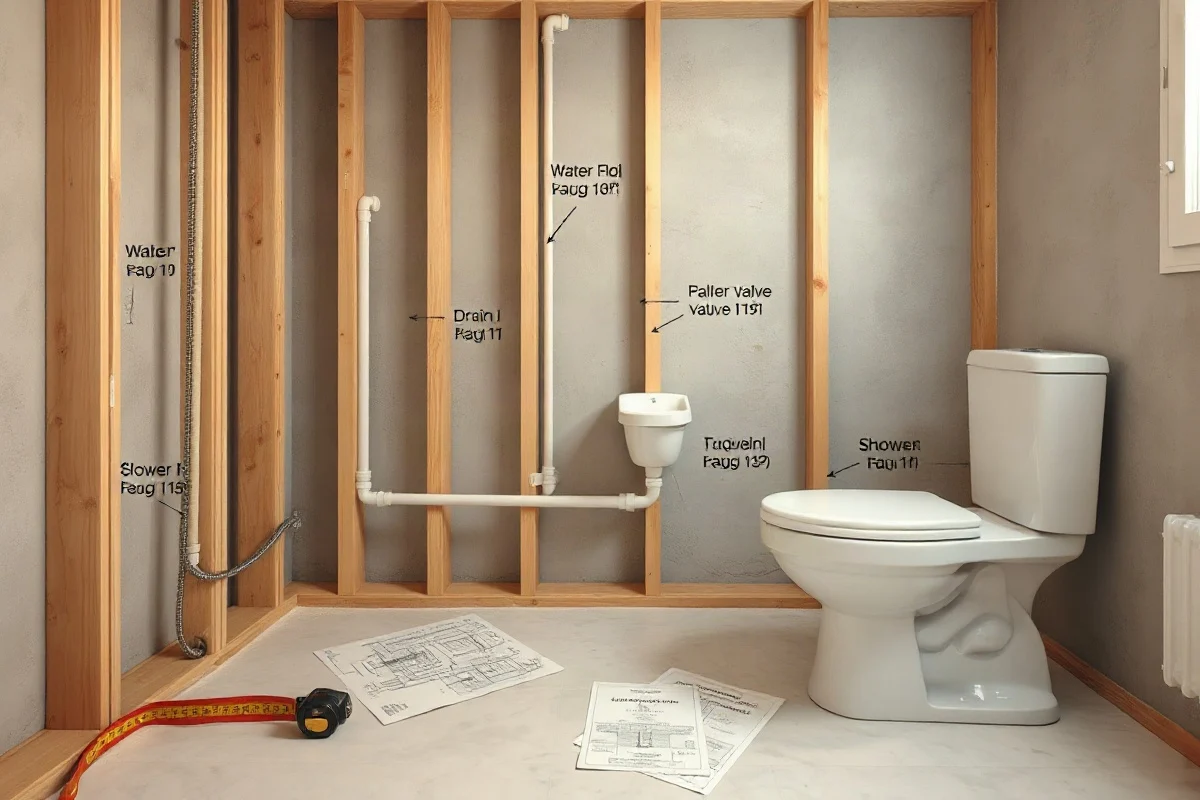
Learn how bathroom plumbing rough-in dimensions work for toilets, sinks, showers, and tubs, including measurement tips, safe checks, and when to hire a professional.
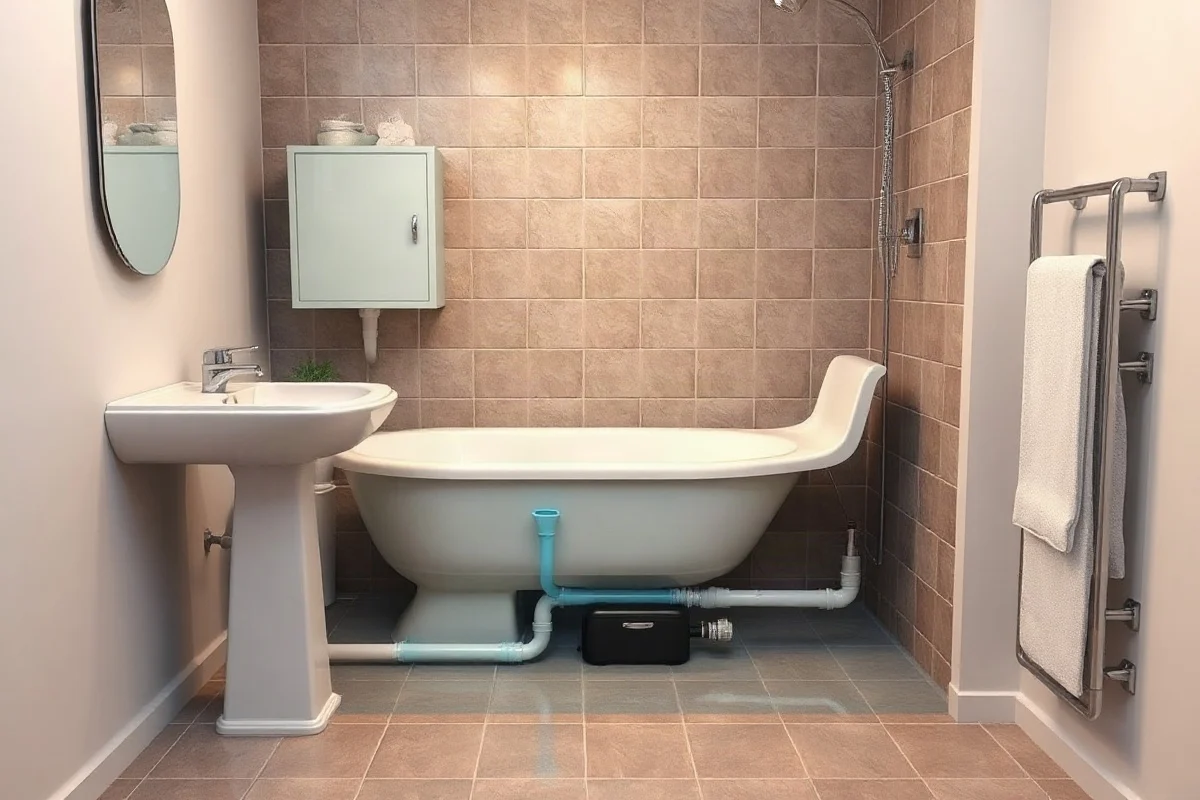
Bathroom plumbing uses pressurized supply lines to deliver clean water and drainpipes to carry wastewater away. Learn how each fixture works, what you can safely check, and when to call a professional.
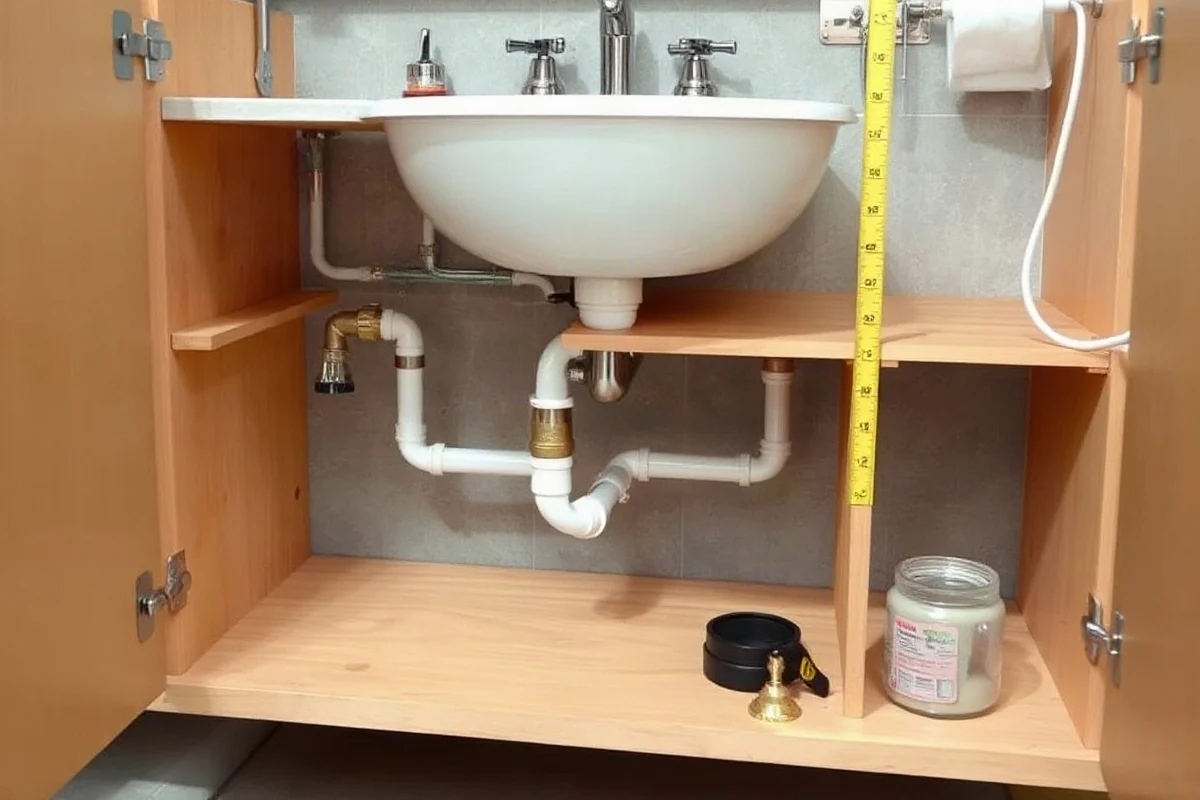
Learn the common bathroom vanity plumbing rough-in dimensions, how to measure safely, and when a professional should handle changes behind the wall.