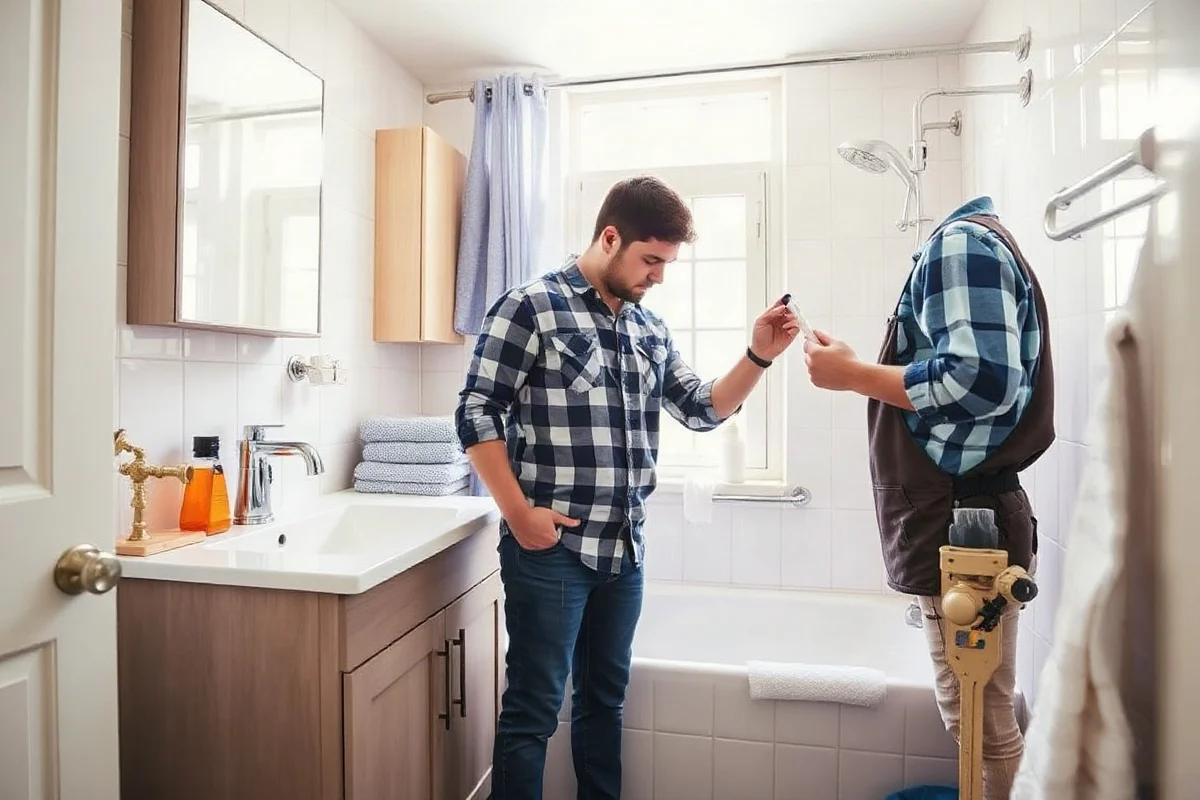
Yes, you can plumb your own bathroom in some situations, but the safe answer depends on the scope of the project, your experience, and the condition of the existing plumbing. Replacing a faucet, installing a toilet, or reconnecting a visible trap may be reasonable DIY work. Moving a drain, adding a shower, changing water-supply lines inside a wall, connecting a water heater, or correcting sewage and vent piping usually requires a qualified local professional.
Bathroom plumbing combines water, drainage, venting, fixtures, waterproofing, and sometimes electrical systems in a small space. A mistake that seems minor can cause a slow leak behind a wall, damage flooring and subflooring, allow sewer gases into the home, or create an unsafe condition. Before you begin, separate tasks that involve simple fixture connections from work that changes the plumbing system itself.
What bathroom plumbing can a homeowner handle?
Low-risk work is generally limited to visible, accessible components that can be shut off and tested without opening walls or changing the layout. Depending on your tools and experience, you may be able to:
- Replace a faucet, showerhead, or flexible supply hose
- Install or replace a toilet using the existing connection
- Replace a sink drain assembly or bathroom sink trap
- Clear a simple sink or tub clog with a plunger or appropriate hand tool
- Replace a toilet flapper, fill valve, handle, or supply line
- Install an accessible shutoff valve when the existing pipe and connections are suitable
- Replace a damaged escutcheon or trim plate around a visible pipe
Even these tasks require care. Turn off the water before disconnecting a supply line, protect finished surfaces, keep a bucket and towels nearby, and open the valve slowly after the repair. Watch every connection for several minutes, then check again later. A connection that stays dry during a quick test can still seep under pressure or after the fixture is used repeatedly.
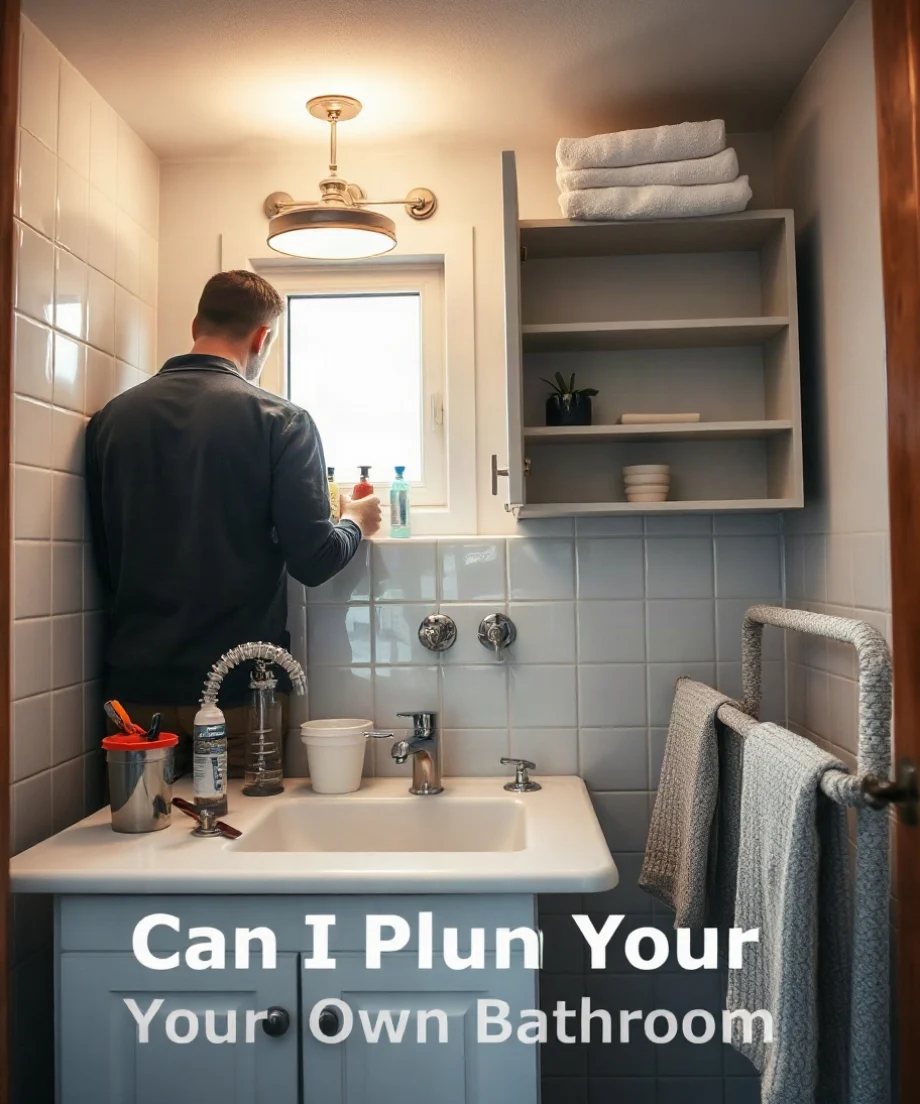
If you are unsure whether a fixture connection is sound, review the relevant DIY plumbing guidance or contact a qualified plumber before proceeding.
When bathroom plumbing should be left to a professional
Call a qualified local plumber when the project involves concealed piping, structural changes, sewage, major leaks, or uncertain existing work. Professional help is especially appropriate for:
- Moving a toilet, sink, tub, or shower to a new location
- Adding a new bathroom or installing new supply and drain lines
- Changing drain, vent, or branch piping inside walls, floors, or ceilings
- Repairing a leak that cannot be located or accessed safely
- Working with sewage backups, contaminated water, or a damaged sewer line
- Connecting gas appliances or working near gas piping
- Making electrical connections for pumps, heated fixtures, or other equipment
- Repairing water damage, mold, or a weakened subfloor
- Correcting work that may not meet applicable local requirements
Local rules and inspection requirements vary by location and project. Do not assume that a repair is acceptable simply because it appears to work. Ask the local building or plumbing authority what applies to your project, or have a qualified professional evaluate the plan before work begins.
Understand the main parts of a bathroom plumbing system
Water-supply lines
Supply lines carry pressurized hot and cold water to faucets, toilets, showers, and other fixtures. A visible flexible connector may be straightforward to replace, but pipes inside a wall are different. Cutting into them can release pressurized water and may require proper support, compatible materials, accessible shutoffs, and careful testing.
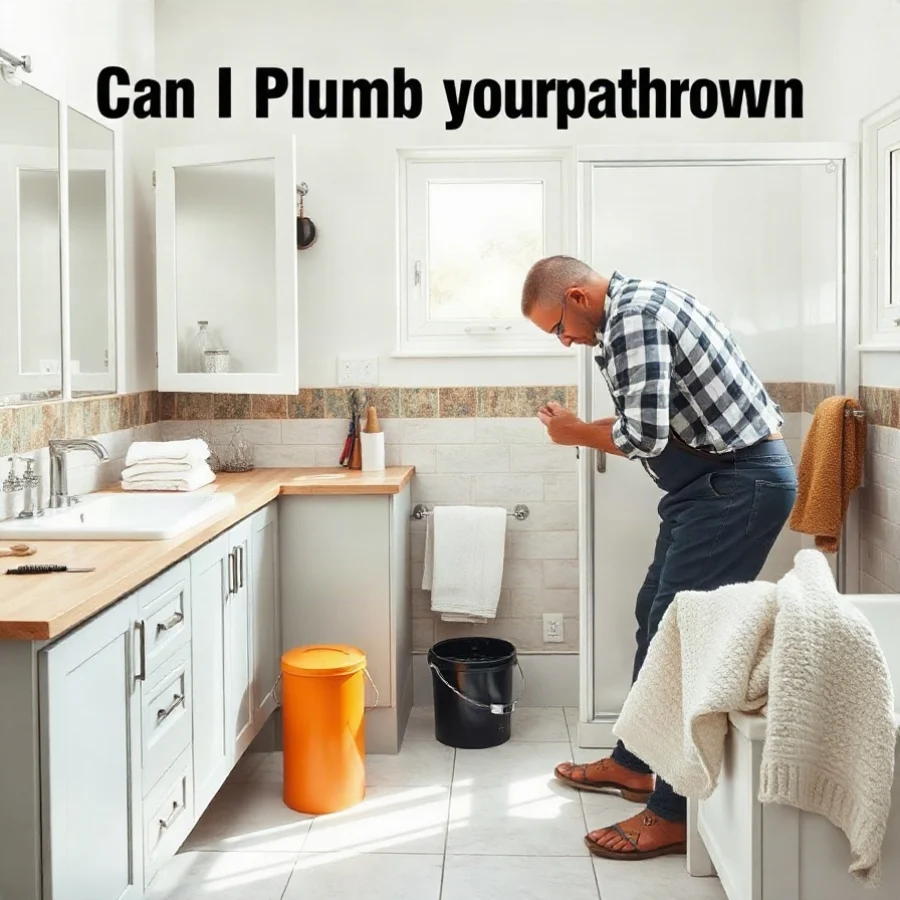
A supply leak may appear as a wet cabinet, damp wall, peeling paint, swollen flooring, or a water meter that moves when all fixtures are off. If the leak is active, close the nearest shutoff if it works. If you cannot stop the water, use the main shutoff if you know its location and call for professional help. For concealed or recurring leaks, see leak repair information.
Drain and trap assemblies
Drains carry used water away from fixtures. Under a sink, the curved trap holds water that helps block sewer gases. A loose slip nut, damaged washer, cracked trap, or misaligned drain can cause a leak whenever the sink drains.
You can often inspect and clean an accessible trap, but do not use force if the connections are corroded or the pipe begins to twist inside the wall. A drain that repeatedly clogs may have a deeper obstruction, poor slope, a damaged pipe, or a venting problem. Repeated chemical drain cleaner use can also damage some materials and create a hazard for anyone who later opens the line. For persistent problems, review clogged drain troubleshooting and arrange an evaluation.
Vents and sewer connections
Drain vents help the system flow properly and help prevent pressure problems. They are often concealed in walls or connected to a roof vent, which makes them difficult to diagnose and modify safely. Gurgling drains, slow drainage in multiple fixtures, sewer odors, and water moving in a nearby toilet can indicate a vent or main drain problem.
Never treat sewage exposure as a routine DIY cleanup. Keep people and pets away from contaminated water, avoid contact with bare skin, and contact a qualified professional. A widespread backup, sewage odor that will not go away, or multiple slow fixtures may require sewer-line investigation rather than another attempt to clear one drain.
Safe checks before you start
Before attempting a minor bathroom repair, take a few low-risk steps:
- Identify the fixture shutoff and confirm that it actually stops the water.
- Locate the home’s main water shutoff in case the local valve fails.
- Photograph the existing connections before disconnecting anything.
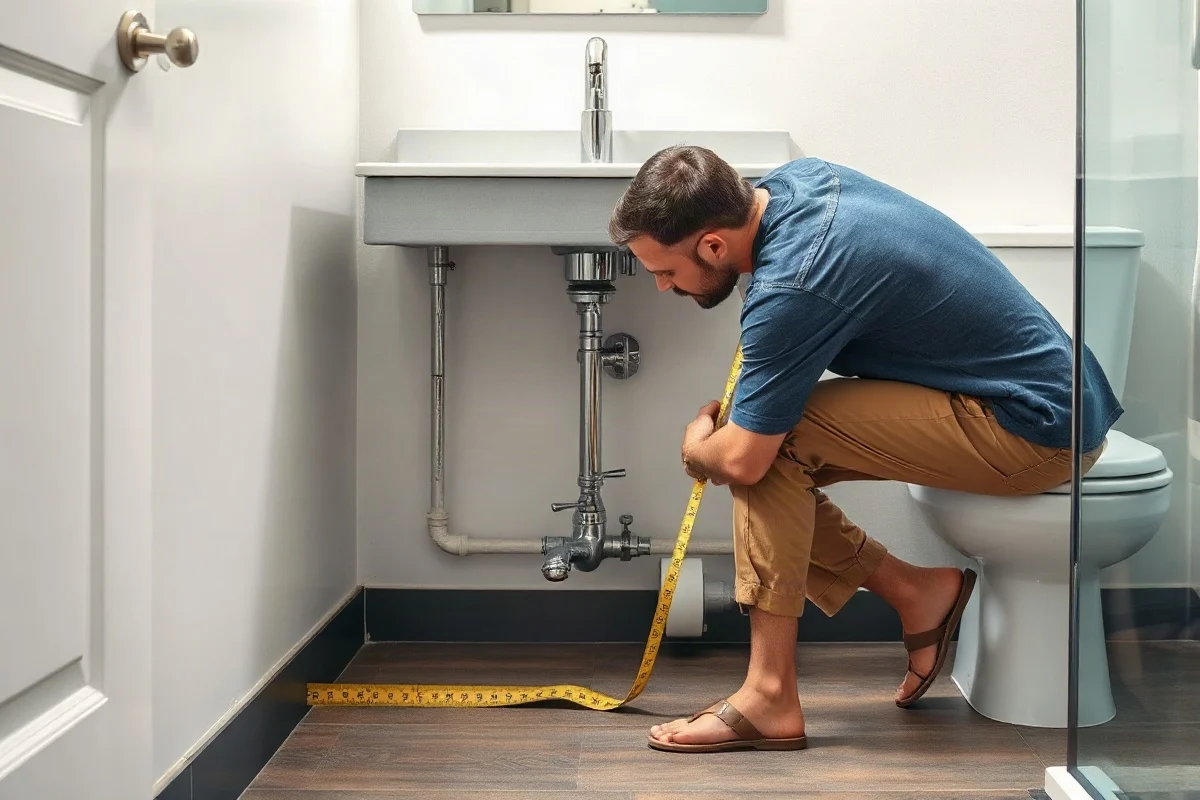
- Measure the old part and compare connection types before buying a replacement.
- Check for corrosion, cracked fittings, movement, staining, or previous patching.
- Protect the floor and cabinet, and keep the work area dry and well lit.
- Use parts intended for the application and follow the fixture manufacturer’s instructions.
- Restore water slowly and inspect every joint under normal use.
Stop immediately if a valve will not close, a pipe bends inside the wall, a fitting is seized, water enters a wall or ceiling, or you discover an unfamiliar material or previous repair. Do not open a wall simply to continue experimenting if you do not have a plan for isolating and testing the system.
Repair or replace the bathroom fixture?
A repair is often sensible when the fixture is otherwise sound and the problem is limited to a replaceable component, such as a worn washer, flapper, cartridge, gasket, or supply hose. Replacement may make more sense when the fixture is cracked, heavily corroded, repeatedly leaking, difficult to find parts for, or incompatible with the existing connections.
For toilets, look for cracks in the porcelain, rocking at the floor, water around the base, and repeated clogs. A loose toilet may need more than a new seal because the floor or flange could be damaged. For sinks and faucets, inspect the body, handles, cartridge, drain, and cabinet below. For tubs and showers, be alert to soft flooring, stained ceilings below, loose trim, or water that appears only during use. These signs can point to a concealed leak rather than a simple trim problem.
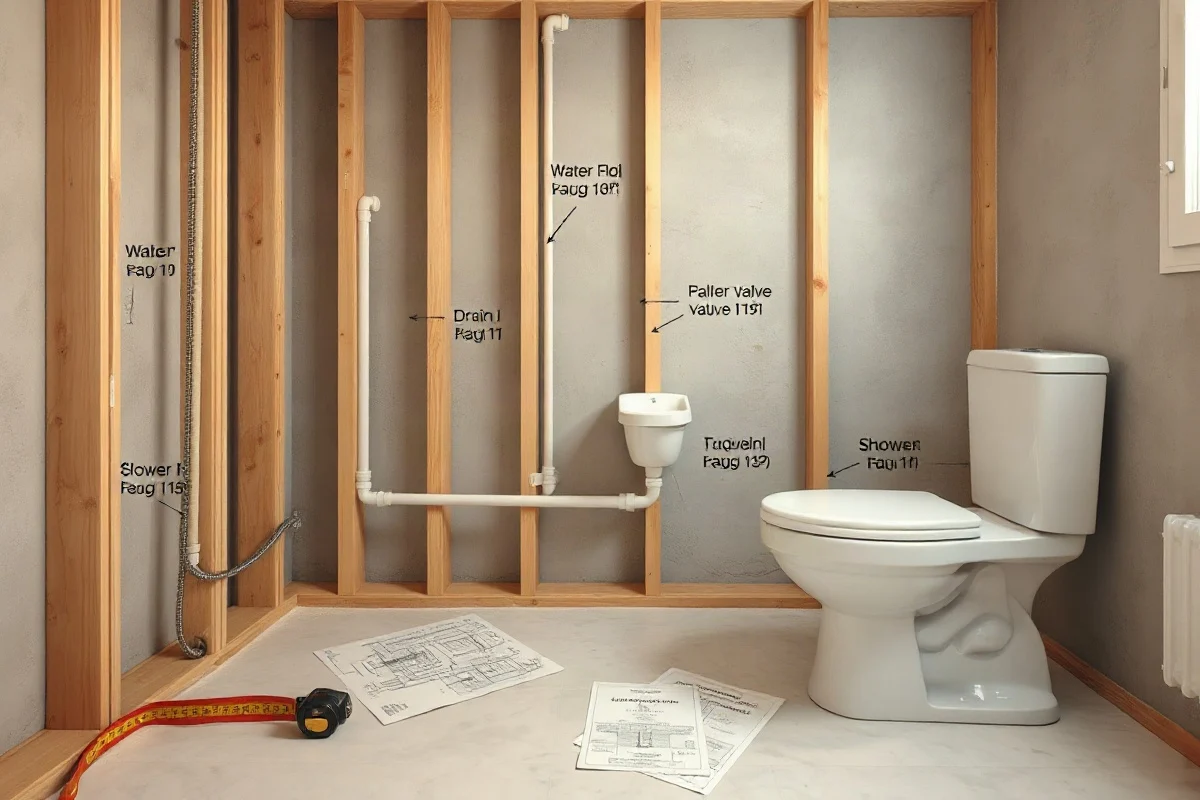
If you are installing a new fixture, confirm that the rough-in location, drain position, water connections, access, and surrounding waterproofing are suitable before removing the old one. A fixture can fit the room while still failing to connect correctly to the existing plumbing.
What affects the cost of a bathroom plumbing project?
The cost cannot be estimated accurately without knowing the location, access, materials, fixture type, and condition of the existing system. Important factors include:
- Whether the job is a visible fixture repair or a concealed pipe replacement
- How much wall, ceiling, flooring, or cabinetry must be opened
- Whether the layout stays the same or drains and supplies must be relocated
- The age, corrosion, and compatibility of existing pipes and valves
- Whether water damage, subfloor damage, or mold also needs attention
- Fixture quality, replacement parts, and finish choices
- Access difficulty and the time needed to test the completed work
- Whether an urgent leak requires immediate service
Ask for a written description of the work, the parts included, labor charges, possible additional conditions, and payment terms. Avoid choosing a bid based only on the lowest number. An unusually low estimate may exclude wall repair, disposal, testing, or replacement of damaged components that become visible during the job. For broader planning guidance, see the plumbing costs resource.
How to choose the right plumber
When professional work is needed, look for a plumber or plumbing company that is properly qualified for the type of job and familiar with local requirements. Ask whether the person handling the work has experience with bathroom remodels, concealed leaks, drain and vent changes, or the specific fixture involved.
Before hiring, explain the symptoms or project scope clearly and provide photographs if possible. Ask what will be inspected, how water will be isolated, whether access openings may be needed, and how the finished work will be tested. Request documentation for the work and ask what follow-up support is provided, without assuming that every company offers the same warranty or guarantee.
For urgent flooding, an uncontrolled leak, sewage exposure, or water entering electrical areas, prioritize safety. Shut off water only if you can do so safely, avoid electrical contact, keep away from contaminated water, and contact a qualified local professional or appropriate emergency service. A bathroom plumbing project can be a manageable DIY task when limited to a simple, accessible fixture, but system changes and hidden problems deserve expert attention before they become expensive damage.
Comments
0No comments yet. Be the first to share a helpful note or question.
Leave a Comment
Your email address will not be published. Comments are reviewed before appearing on the site.