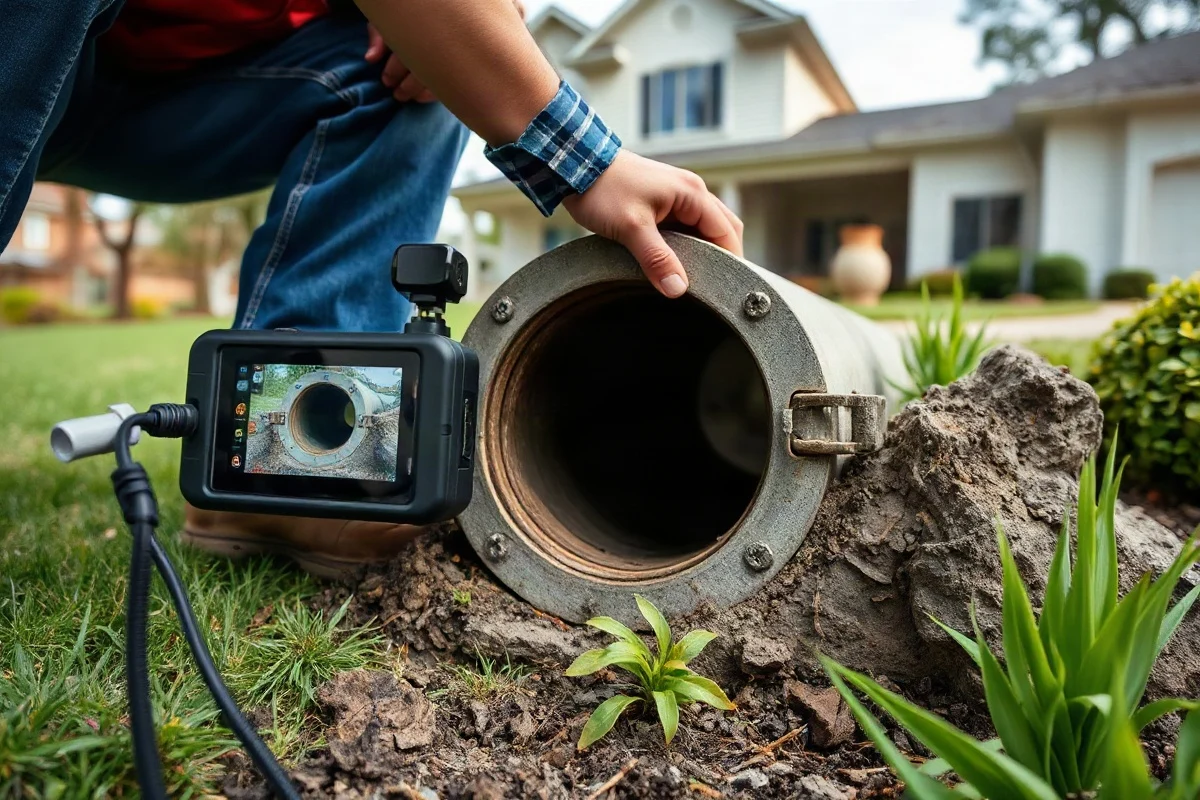
Drain Camera Inspection
Sewer Camera Inspection Before Buying a Home
A sewer camera inspection can reveal cracked, collapsed, shifted, or heavily clogged underground piping before you commit to a home purchase.
Drain camera inspection guides help you understand how a small camera can be used to look inside drain lines and investigate recurring or difficult-to-explain problems. Explore what an inspection may reveal, including blockages, buildup, cracks, root intrusion, separated pipe sections, or other conditions that are not visible from outside the plumbing system. This category also explains what to expect before, during, and after a camera inspection, along with questions to consider when discussing findings with a plumbing professional. Whether you are researching a slow drain, repeated backups, or a possible underground pipe issue, these resources can help you make sense of the inspection process and the next steps that may be recommended. Use the information here to compare possible causes, understand inspection terminology, and prepare for a more informed conversation about drain cleaning or repair.
A sewer camera inspection can reveal cracked, collapsed, shifted, or heavily clogged underground piping before you commit to a home purchase.
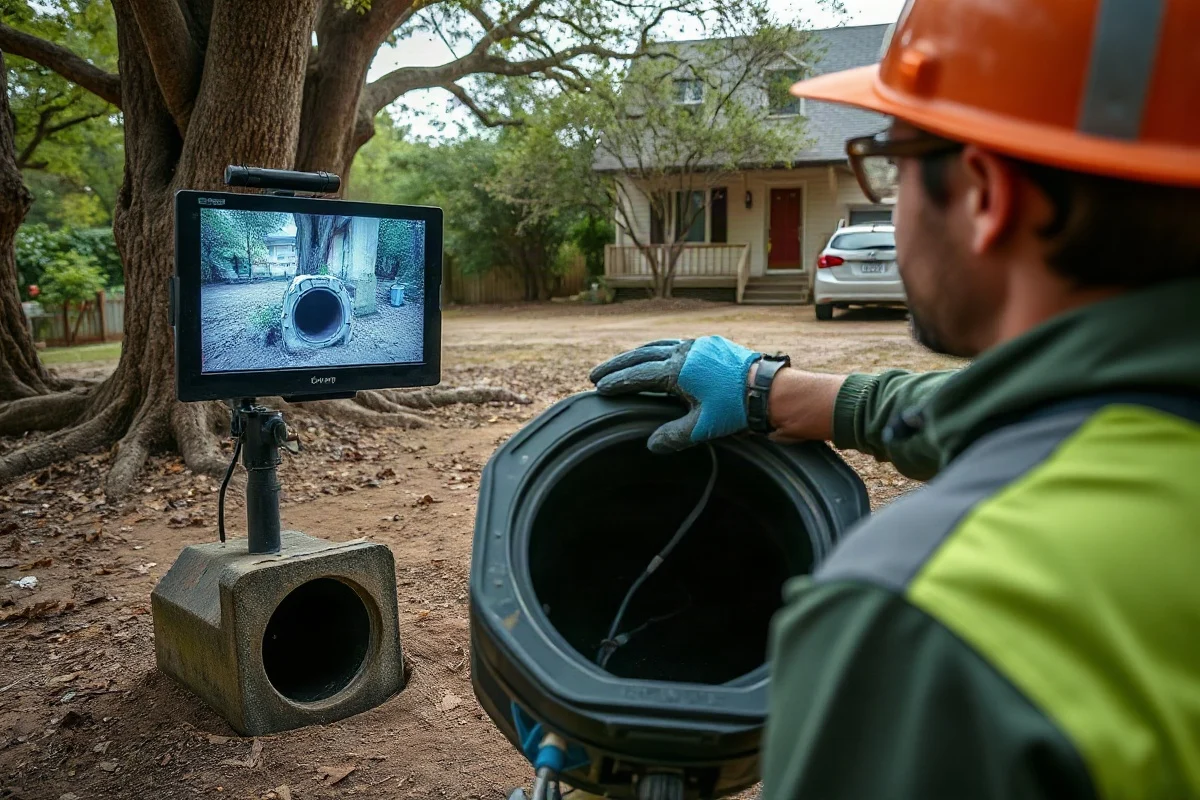
A sewer camera can reveal root intrusion, cracked clay, offsets, buildup, and other problems hidden below a mid-century home. Learn what the findings mean and what to do next.
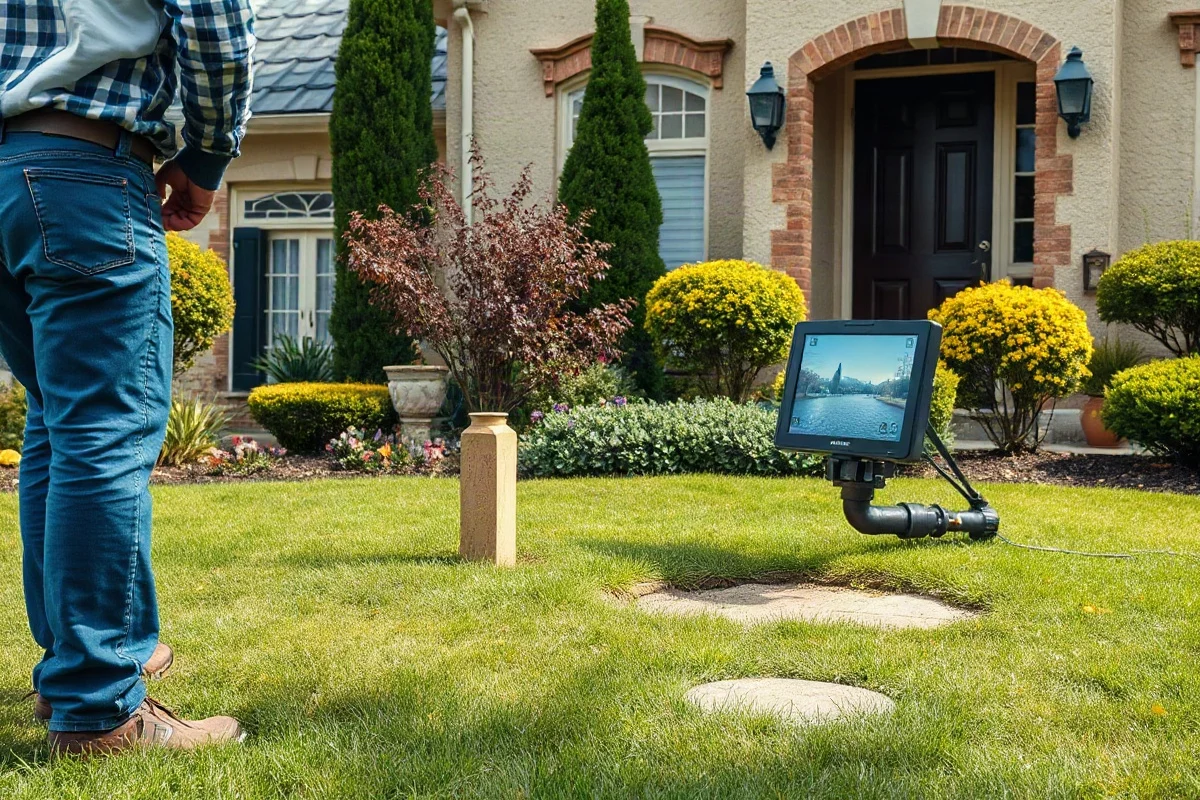
A sewer camera inspection can locate the exact cause of a blockage or backup before excavation begins, helping homeowners avoid unnecessary damage to lawns, walkways, and landscaping.
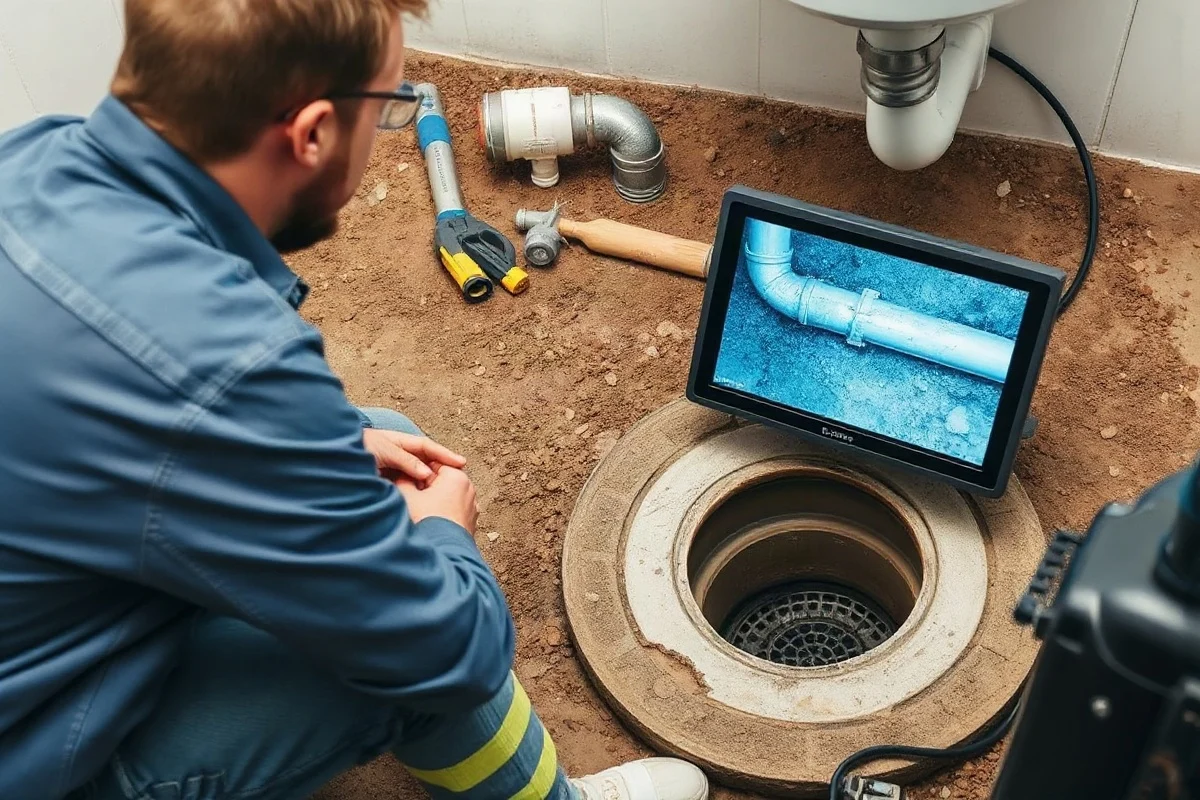
A drain camera may stop at a pipe offset because of a sharp misalignment, collapsed section, heavy blockage, or a damaged connection. Learn what the finding means and what to do next.
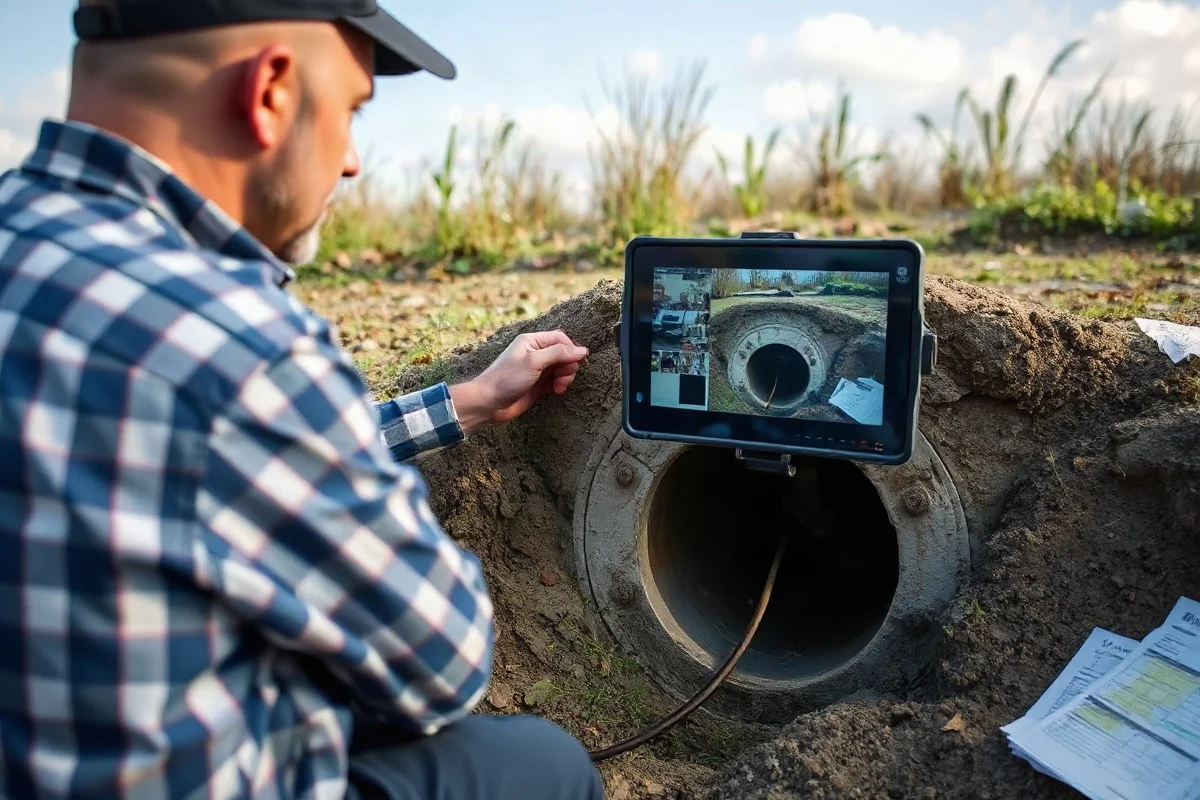
A sewer camera inspection report turns underground video into useful evidence about blockages, damaged pipes, root intrusion, and repair options. Learn how to read the findings and decide what to do next.
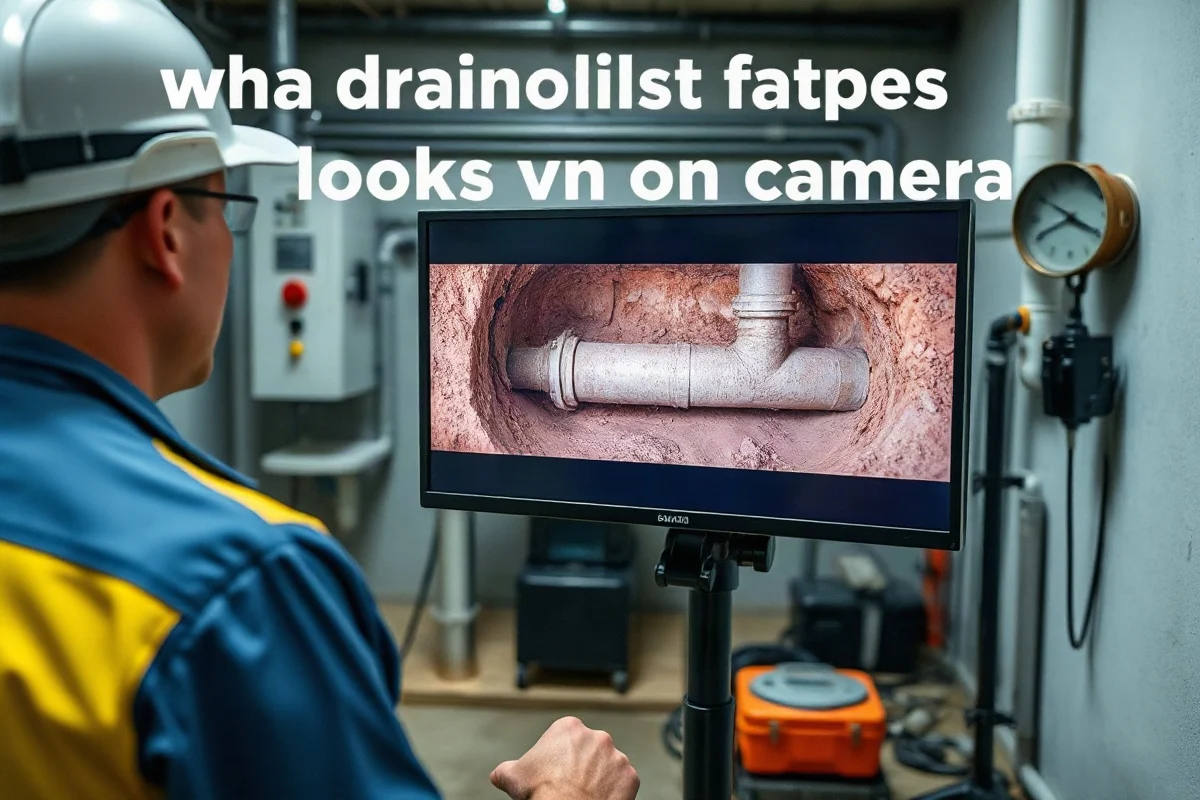
Learn how a pipe offset appears during a drain camera inspection, what causes it, which symptoms it can create, and when repair or replacement may be necessary.
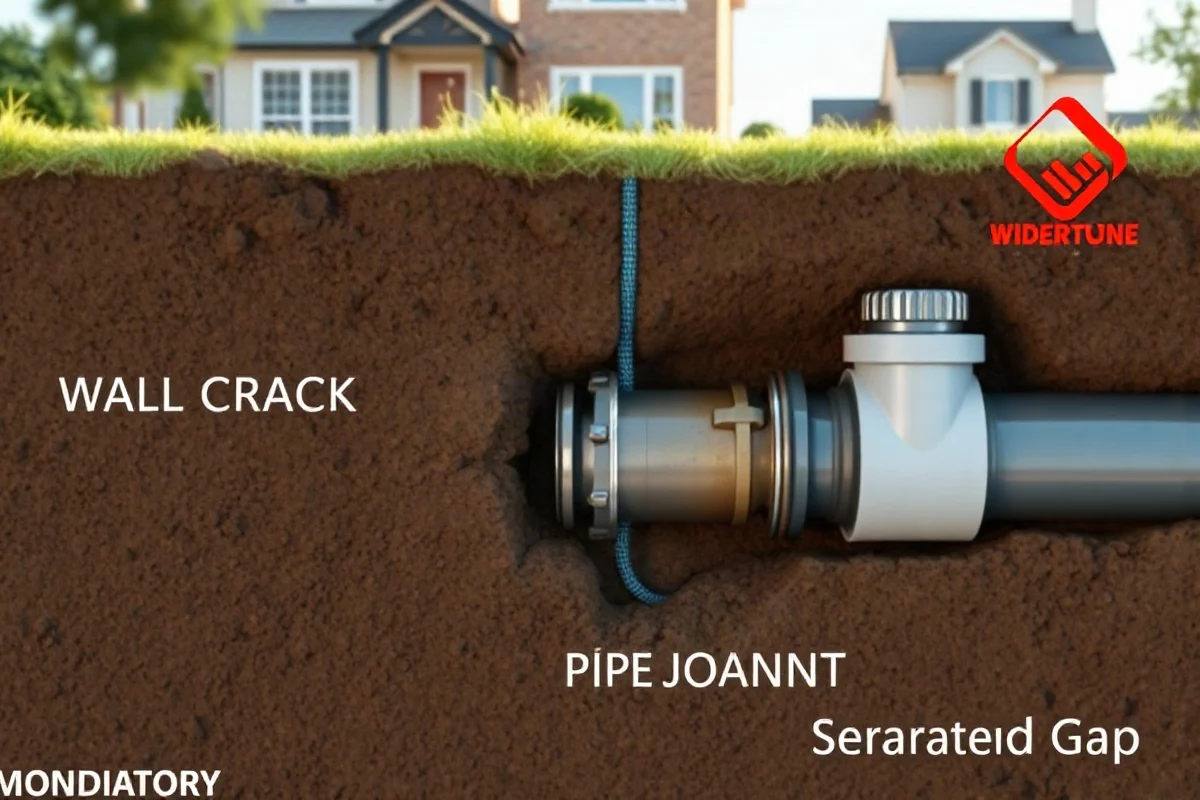
A pipe crack damages the pipe wall itself, while a joint gap separates connected sections. Learn how symptoms, camera inspections, and repair choices differ.
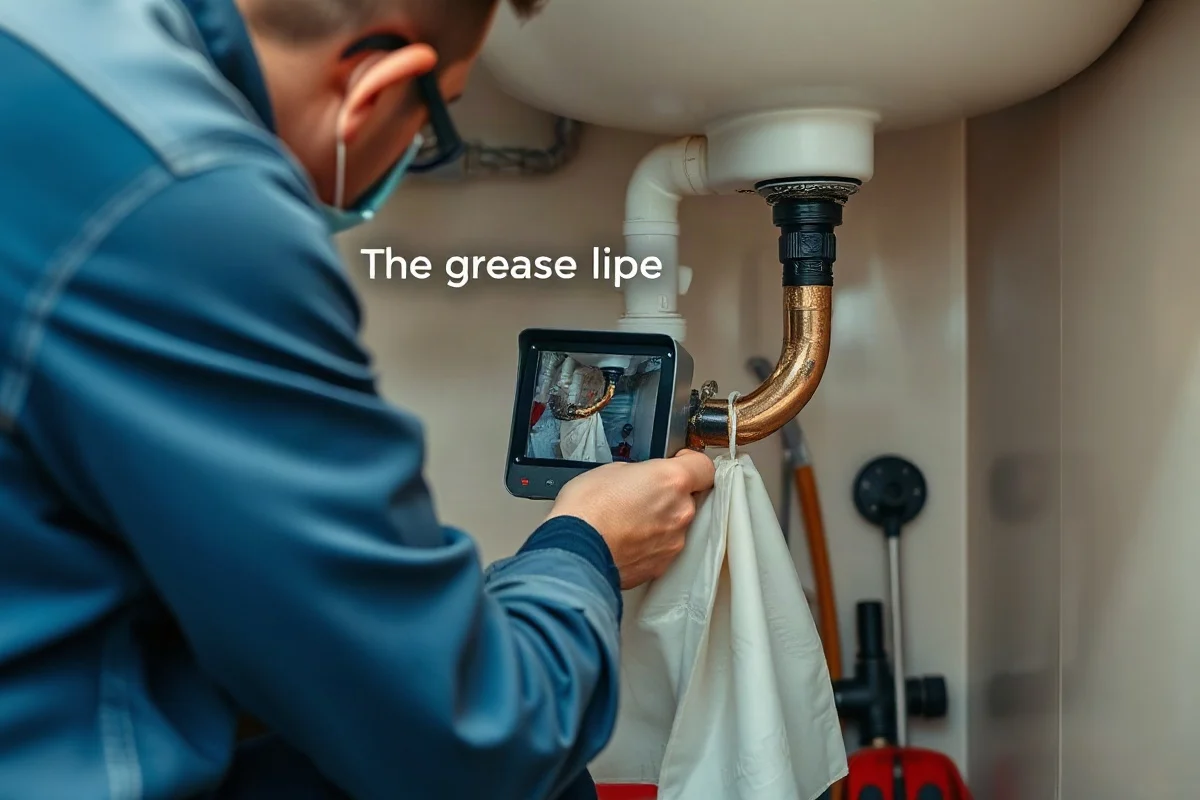
A drain camera showing grease buildup usually means the next step is targeted cleaning, not immediate pipe replacement. Learn what the finding means, what you can safely check, and when to call a professional.
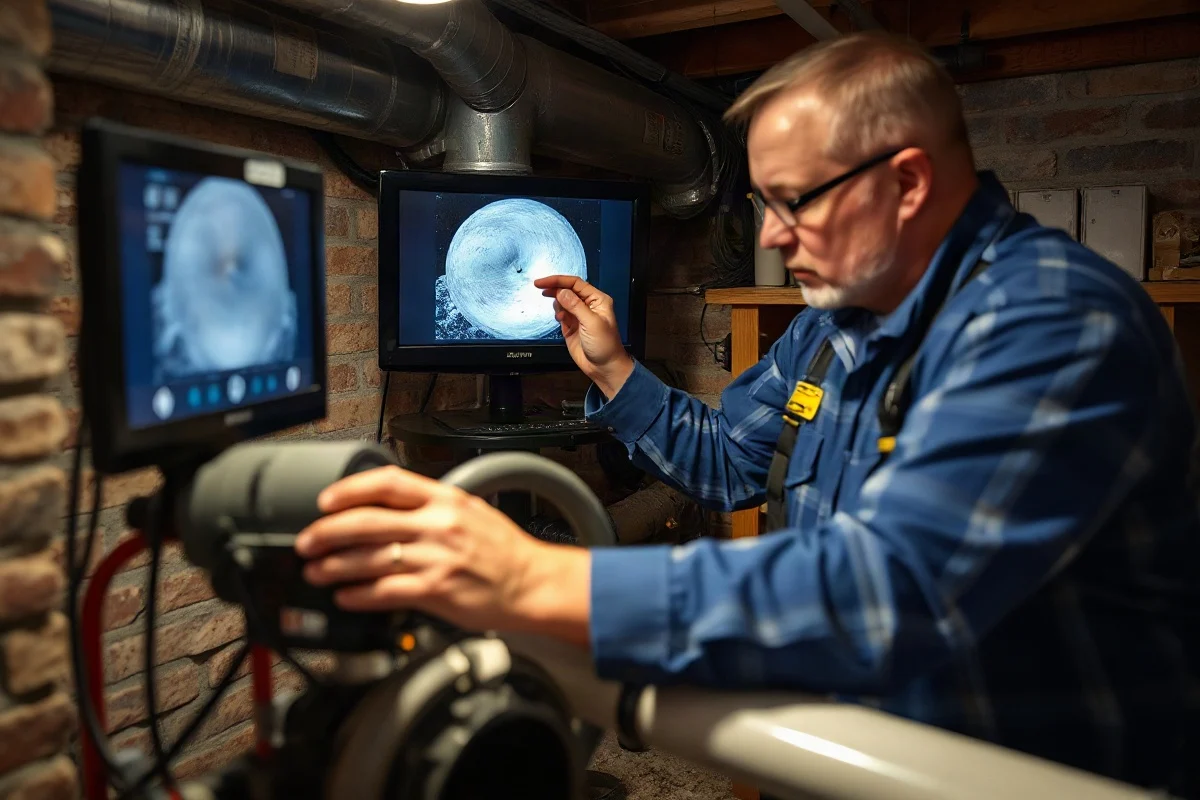
A sewer camera can reveal cracks, roots, and major defects, but a small leak may remain hidden. Learn what limits camera inspections and what to do next.