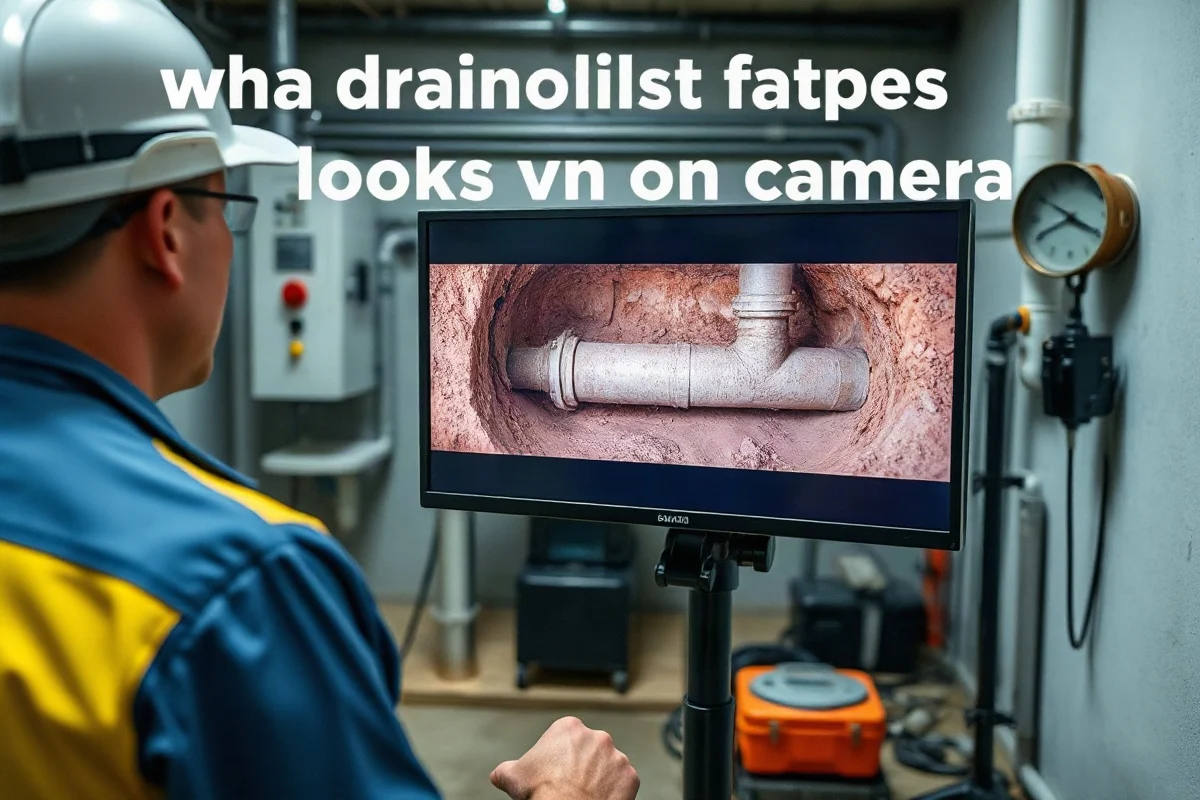
A pipe offset appears on a drain camera as a visible misalignment where two sections of pipe no longer meet in a smooth, continuous line. Instead of showing a centered, round passage, the camera may reveal a step, ledge, shifted joint, or partial opening between pipe sections. Small offsets can allow water and waste to pass, while larger ones may catch paper, grease, roots, and debris and lead to repeated clogs. The image alone does not always determine the right repair, so a qualified plumber usually evaluates the offset’s size, location, cause, and effect on drainage.
What the camera view usually shows
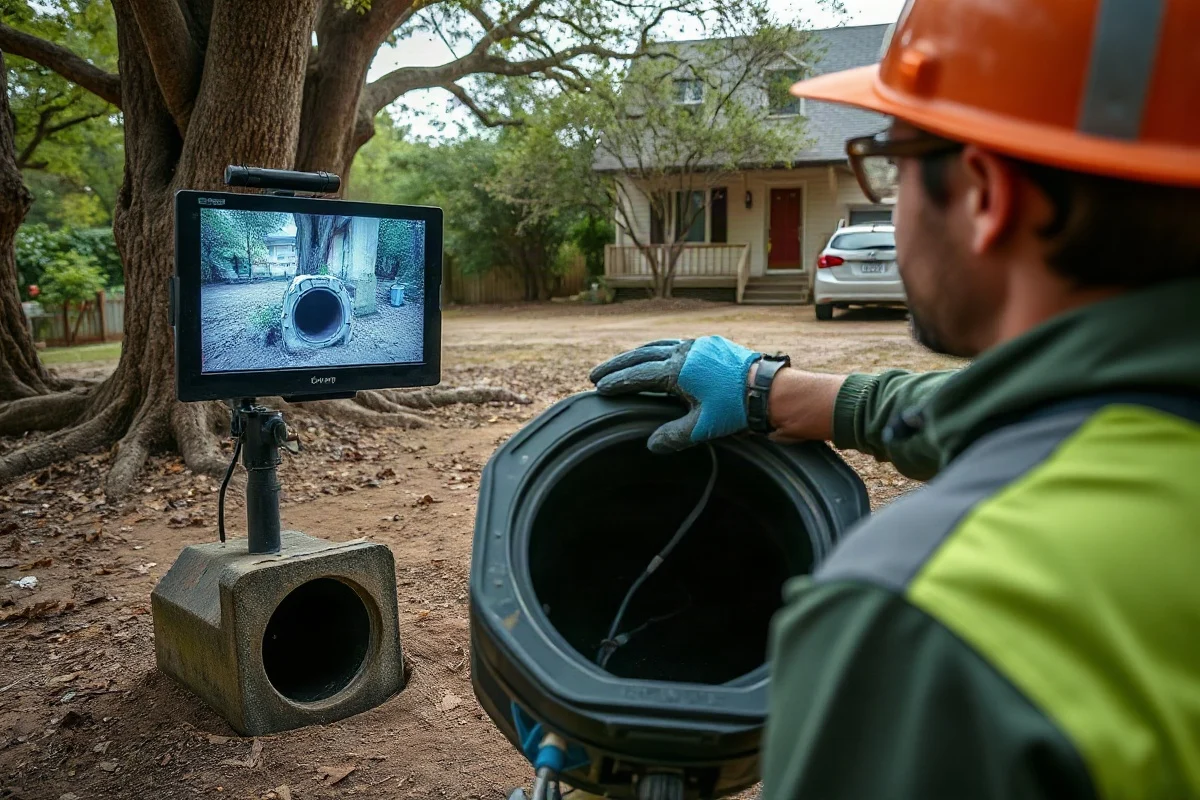
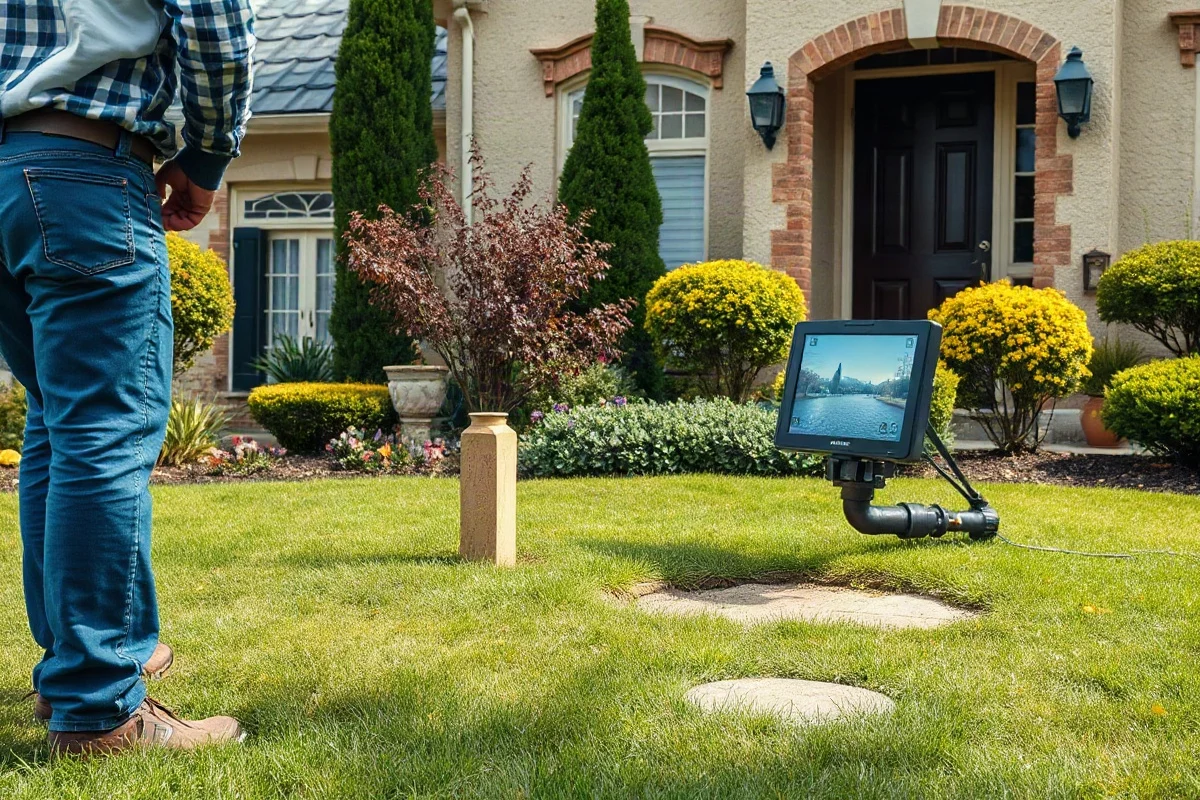
A drain inspection camera travels through the inside of a pipe and sends video to a monitor. When the pipe is properly aligned, the view generally looks like a continuous circular tunnel. The wall appears relatively even, and the camera can move through the joint without a noticeable change in direction.
At an offset, the view changes. The camera may approach a joint and show one pipe section sitting higher, lower, or to one side of the next section. Depending on the angle, you may see:
- A sharp ledge across part of the pipe opening
- A seam that is wider on one side than the other
- A pipe wall that appears to overlap the next section
- A narrowed or irregular passage
- The camera bumping against a joint or struggling to pass it
- Standing water collecting near the low side of the misalignment
Video quality, pipe material, lighting, and camera position can change how an offset looks. A joint may appear more severe when the camera is close to the lower section or looking directly at a raised edge. For that reason, a plumber may move the camera backward and forward, rotate the lens, or document the location from more than one angle.
How a pipe offset develops
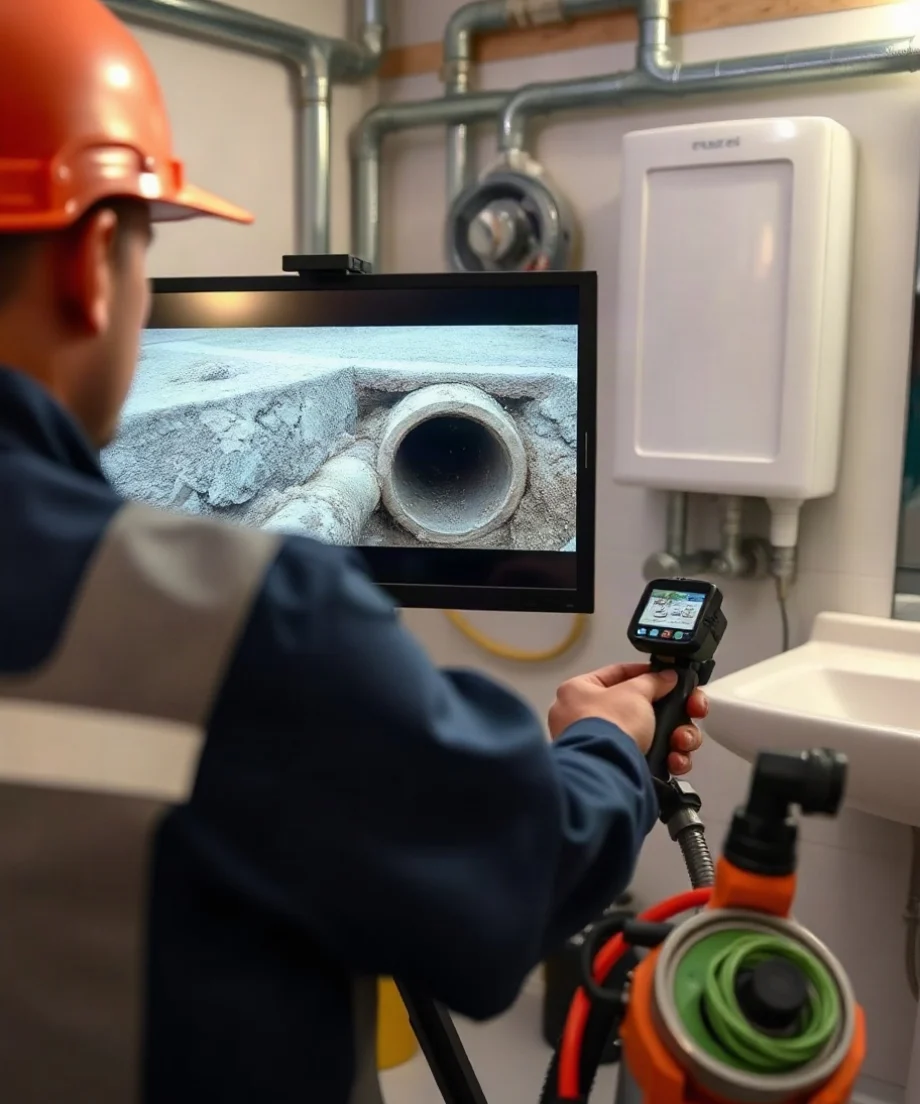
An offset is a condition, not a single type of failure. Several problems can cause pipe sections to shift out of alignment.
Settlement or soil movement
Underground drain lines can move when the soil around them settles, expands, contracts, or erodes. A joint may separate slightly, or one section may drop relative to the next. This is a common reason for an offset in buried piping, but the camera cannot always identify the exact ground movement by itself.
Loose or failed joints
Older drain systems may have joints that loosen, deteriorate, or no longer hold the pipe sections in their original position. A failed connection can create both an offset and a path for soil or groundwater to enter the line.
Crushed, cracked, or deformed pipe
Heavy loads above the line, aggressive root growth, corrosion, or age-related deterioration can deform a pipe. If the pipe wall loses its shape, the camera may show a flattened area, a jagged break, or a section that narrows into the next pipe.
Improper installation
A line may have been installed with an uneven connection, insufficient support, or an abrupt transition. An installation-related offset may remain unnoticed for years until normal debris begins collecting at the irregular joint.
Symptoms that may point to an offset
A pipe offset does not always produce immediate symptoms. Some offsets pass wastewater normally for a long time. Problems become more likely when the offset creates a shelf or low spot where material can collect.
- Repeated clogs in the same drain or group of fixtures
- Slow drainage that returns after snaking
- Multiple fixtures backing up at once
- Gurgling sounds from toilets or drains
- Wastewater odors near floor drains, cleanouts, or the yard
- Water pooling in a cleanout or rising during fixture use
- Unexplained wet or unusually soft areas above a buried sewer line
These symptoms can also result from tree roots, grease, scale, collapsed pipe, poor venting, or a simple blockage. A drain camera inspection helps separate those possibilities instead of assuming that every recurring clog is an offset.
Safe checks a homeowner can make
Homeowners can gather useful information without entering the drain line or attempting structural repairs. Note which fixtures are affected, when the problem occurs, and whether several drains back up at the same time. If there is an accessible cleanout, look for obvious water backing up around the cap, but do not force a stuck cap open. Pressure inside the line can release wastewater unexpectedly.
You can also avoid sending grease, wipes, paper towels, and other nonflushable materials into the system. If a single sink or tub is slow, a basic strainer cleaning may be reasonable. Stop if water begins backing up, if sewage is present, or if a chemical drain opener has already been used. Tell the plumber about any chemicals in the line before service.
These checks cannot confirm or measure an offset. Do not dig up the yard, remove a buried cleanout, cut into flooring, or attempt to realign underground pipe without professional guidance. Excavation can damage utilities, release contaminated water, and create a larger repair.
What a professional camera inspection should document
A useful inspection does more than show a quick image of an irregular joint. Ask the plumber to identify the approximate location of the finding, the pipe section involved, and whether the camera passed beyond it. The report or video should distinguish an offset from a crack, root intrusion, belly, blockage, or collapse when the evidence allows.
Location information may be estimated using the camera’s distance counter and visible reference points. Some plumbers also trace the camera’s position from above ground. The result is still an estimate unless the line is exposed or located with specialized equipment, but it can help limit unnecessary excavation.
Ask whether the offset is restricting flow now, whether debris is collecting at the joint, and whether there are additional defects farther along the line. A single visible offset may not be the only problem. Reviewing the complete inspection is more useful than making a decision from one still image.
Repair or replacement: how the decision is made
The appropriate solution depends on the pipe’s condition and the practical access options. A minor offset with no meaningful restriction may be monitored, especially if the line is functioning and the plumber does not see active soil intrusion or ongoing structural damage. Monitoring should include a plan for responding if backups return.
Cleaning before repair
If the offset is still passable but debris has collected around it, drain cleaning may restore flow temporarily. Cleaning does not realign a pipe. It also may not be appropriate if the pipe is fragile, badly cracked, or severely collapsed. A professional should select a method that fits the pipe’s condition.
Spot repair
A localized repair may be considered when the defect is limited to one accessible section. The plumber may expose the affected area, remove damaged material, and install a compatible replacement section. The exact approach depends on pipe material, depth, access, surrounding structures, and local requirements. A spot repair may not solve problems elsewhere in the line.
Trenchless or sectional options
In some situations, a plumber may discuss a lining or other less-invasive method. These approaches are not suitable for every offset. A severe displacement, missing section, extensive collapse, or condition that prevents proper preparation may require excavation or replacement. A contractor should explain what the proposed method can and cannot correct.
Full line replacement
Replacement becomes more likely when the pipe has multiple offsets, extensive cracking, repeated failures, major root intrusion, or a collapsed section. It may also be considered when a localized repair would leave too much deteriorated pipe in service. The inspection video should support the recommendation, and you should request an explanation of the repair area and expected limitations.
Cost factors without relying on a guess
The cost of addressing an offset varies because the difficult part is often access rather than the pipe joint alone. Important factors include:
- Whether the affected line is inside the building, under a slab, beneath a driveway, or in the yard
- The depth and length of the damaged section
- Pipe material, diameter, age, and overall condition
- Whether sewage cleanup, excavation, pavement removal, or landscape restoration is involved
- Whether the line needs cleaning before inspection or repair
- How much additional pipe is defective beyond the visible offset
- Whether temporary access or specialized equipment is needed
- Local labor, disposal, restoration, and utility-location requirements
Ask for a written scope that separates inspection, cleaning, repair, replacement, restoration, and any optional work. Compare the proposed solution with the inspection evidence rather than choosing solely by the lowest initial quote. For broader information, review this guide to plumbing costs.
When the situation needs prompt professional help
Stop using affected fixtures and contact a qualified local plumber if sewage backs up, several fixtures stop draining, wastewater enters the home, or a drain problem is accompanied by flooding or a strong sewer odor. Keep people and pets away from sewage and avoid direct contact. Sewage exposure requires appropriate cleanup and protective procedures.
Use a qualified professional for buried sewer work, concealed leaks, major excavation, structural pipe repairs, and any work that may involve electrical systems, gas lines, contaminated water, or local code requirements. A homeowner should not attempt to force an offset back into place or operate heavy equipment around buried utilities.
Choosing the right plumber for an offset
Look for a plumber who regularly performs drain camera inspections and sewer-line repairs, not only routine drain clearing. Before authorizing work, ask:
- Will I receive the inspection video or clear images?
- Where is the offset located, and how was that location estimated?
- Did the camera pass the defect and inspect the remaining line?
- What other causes of the symptoms were considered?
- Is cleaning being recommended as a temporary measure or a complete solution?
- What access, excavation, restoration, and disposal work is included?
- What risks or limitations apply to the proposed repair?
A second opinion can be sensible when replacement is recommended but the explanation is unclear, when the inspection video is unavailable, or when the proposed work extends well beyond the documented defect. You can start with a drain camera inspection provider and use the findings to discuss repair options with a qualified local plumber.
On camera, a pipe offset is usually recognizable as a step, uneven joint, or shifted pipe opening rather than a smooth circular passage. The important question is not simply whether an offset exists, but whether it restricts flow, collects debris, allows soil or water intrusion, or appears alongside broader pipe damage. Careful documentation and a repair recommendation based on the full inspection can help you avoid repeated temporary fixes and unnecessary excavation.
Comments
0No comments yet. Be the first to share a helpful note or question.
Leave a Comment
Your email address will not be published. Comments are reviewed before appearing on the site.