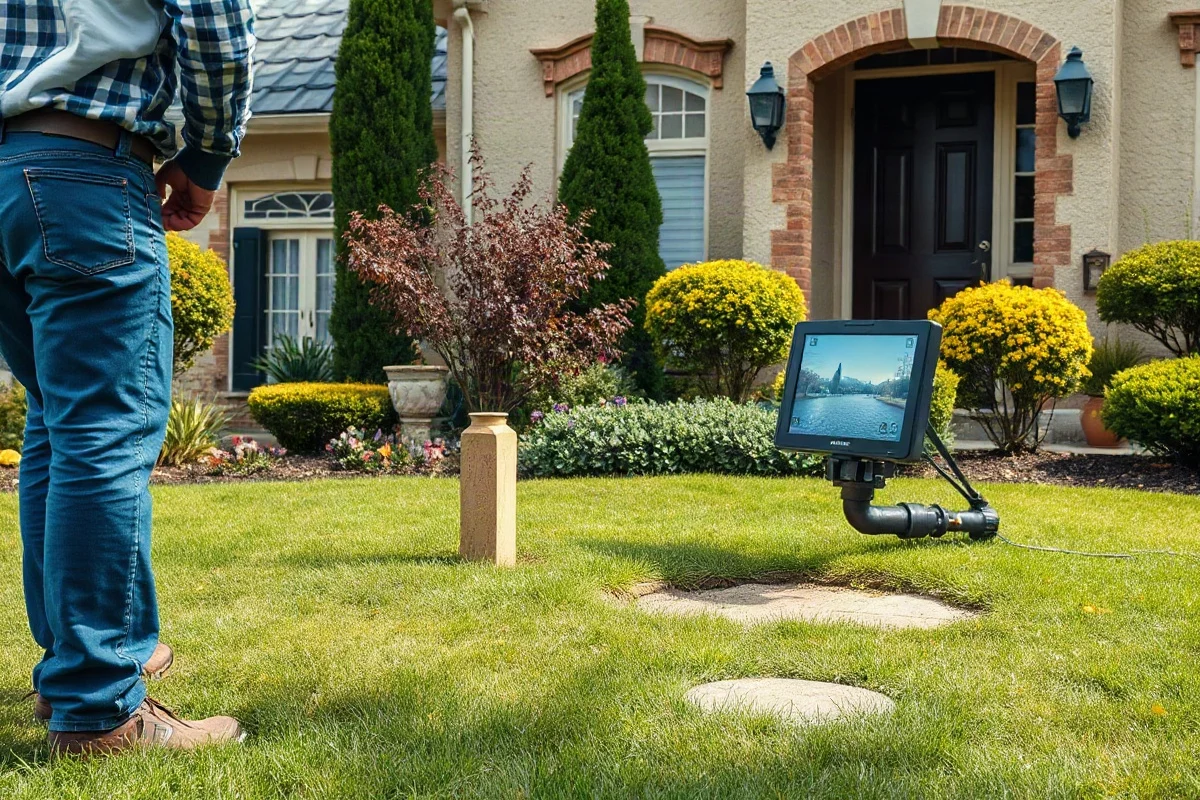
A sewer camera inspection can save a front yard by showing exactly where a buried drain problem is located before anyone starts digging. Instead of excavating the entire suspected path, a qualified plumber can guide a small camera through the sewer line, identify the damaged section, and plan the least disruptive repair that fits the evidence.
Why the front yard looked like the problem
The warning signs often begin inside the house. Toilets may bubble when a sink or washing machine drains, several fixtures may empty slowly, or wastewater may return through a floor drain. Sometimes the only visible outdoor symptom is a soggy strip of lawn, an unusually green patch, a depression in the soil, or a foul odor near the route of the sewer line.
Those symptoms can point to a blockage, a cracked pipe, a separated joint, root intrusion, or a section of pipe that has shifted or collapsed. However, symptoms alone do not show the location or severity of the defect. A blockage close to the house can feel similar to one farther out in the yard. A wet area may come from a sewer leak, a water-supply leak, poor drainage, or irrigation.
That uncertainty is why digging based only on guesswork can be costly and unnecessarily destructive. A camera inspection adds visual evidence before a repair crew removes soil, cuts concrete, or disturbs established plants.
What a sewer camera inspection can reveal
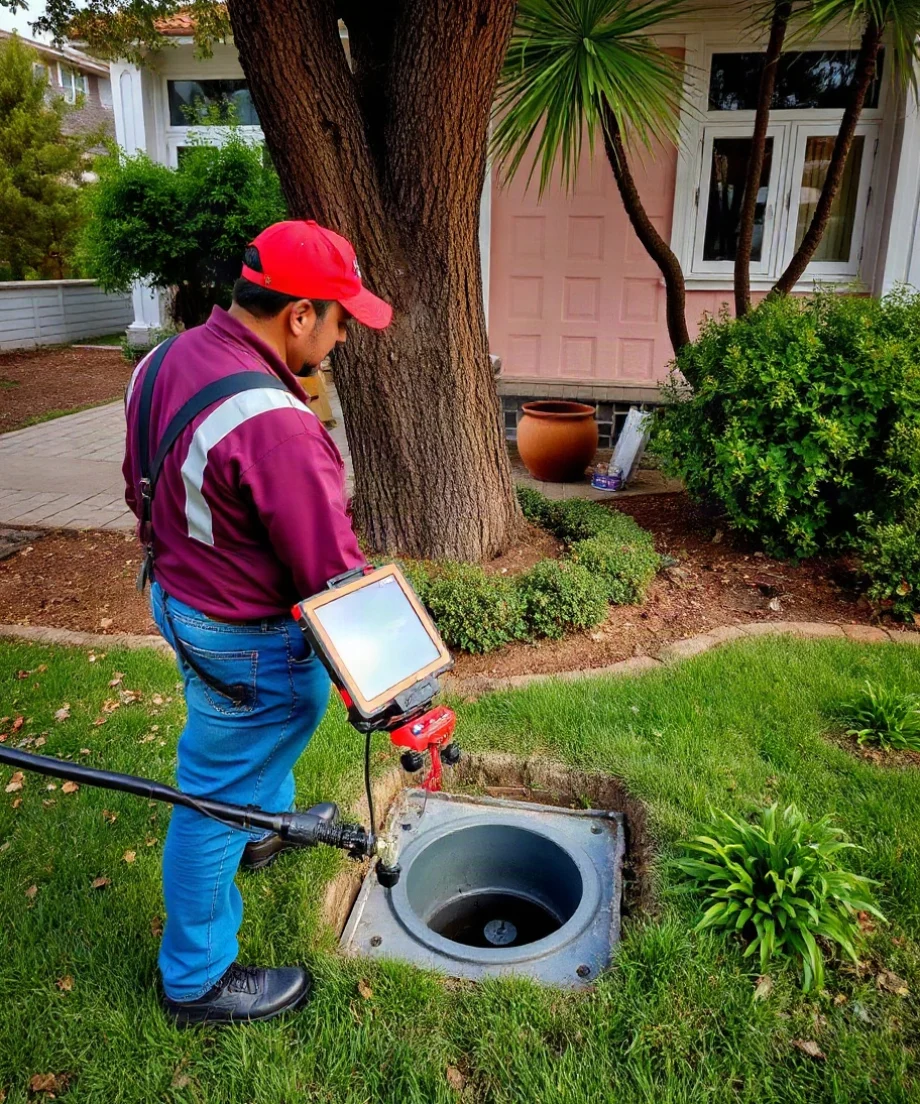
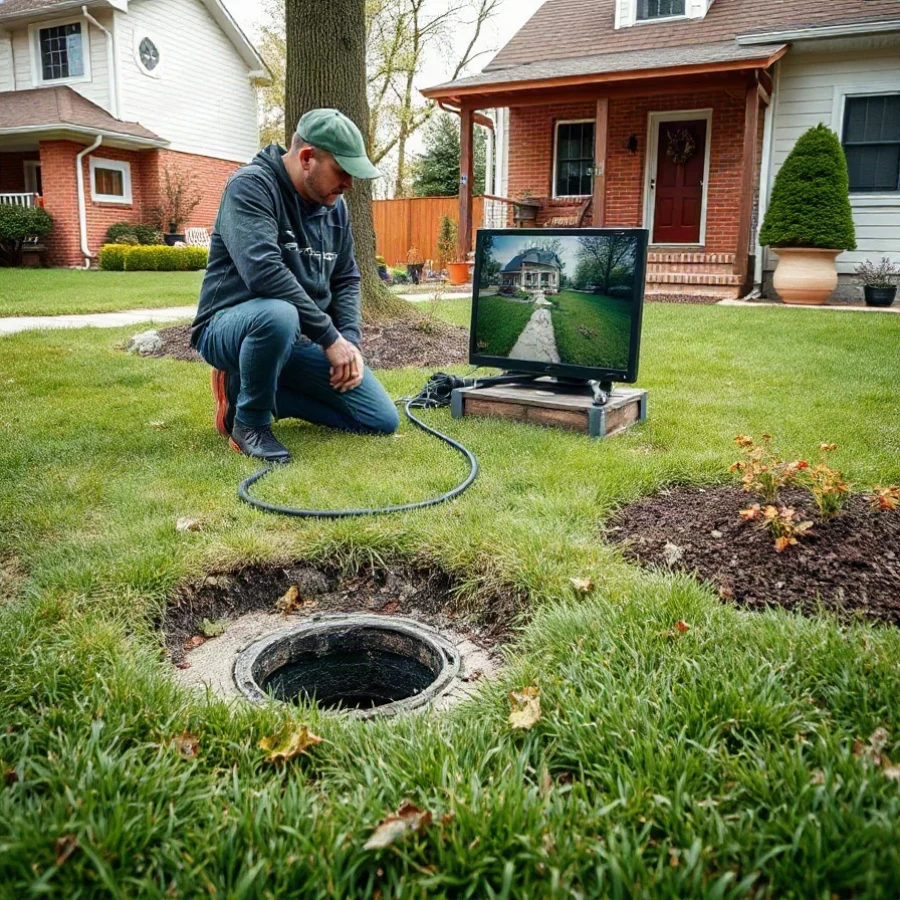
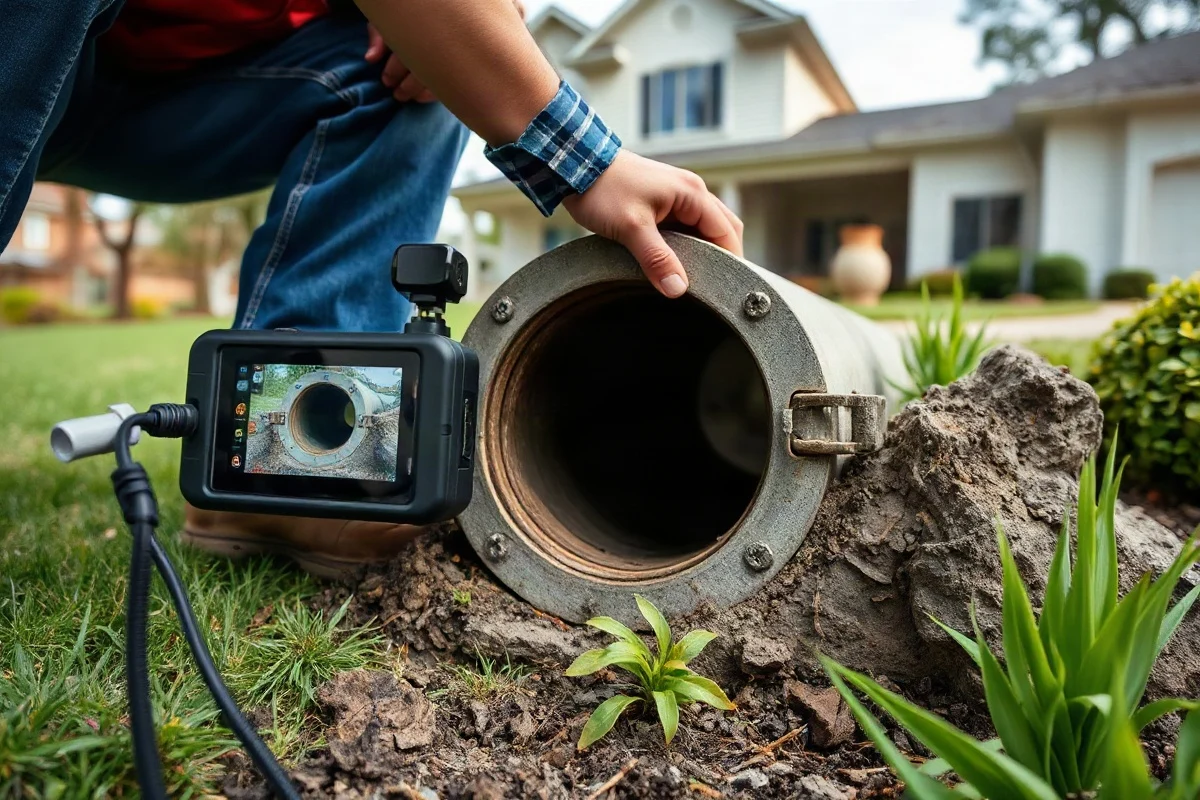
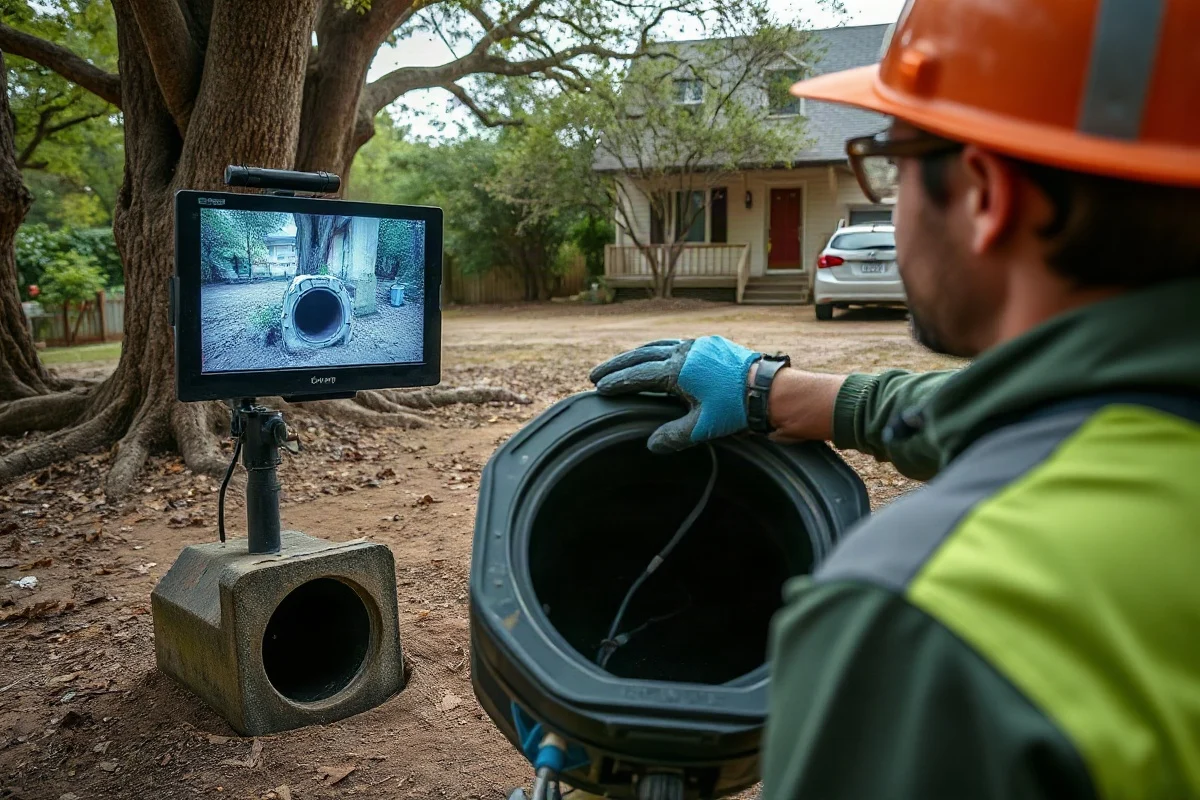
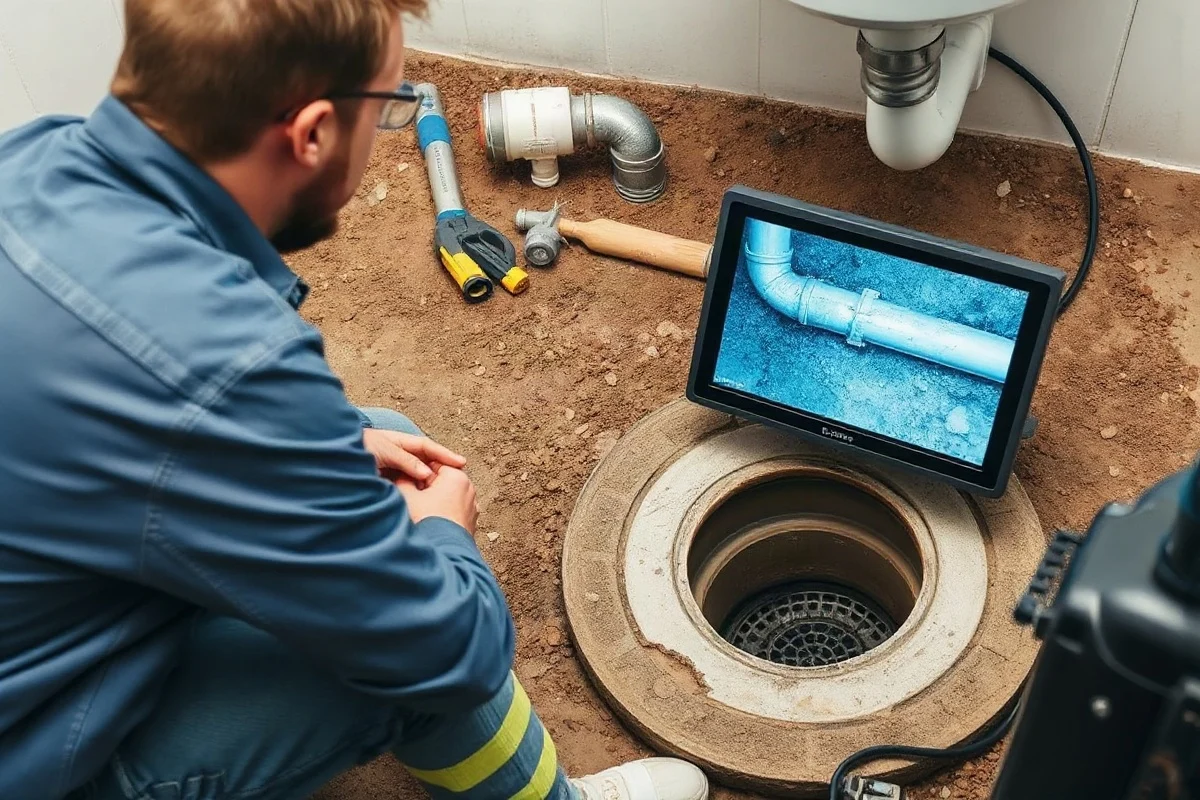
A plumber typically accesses the building sewer through a suitable cleanout or another available entry point. The flexible camera travels through the pipe while transmitting video to a monitor. A locating device may also help the technician estimate the camera head's position from above ground, allowing the problem area to be marked on the surface.
The inspection may identify:
- Tree or shrub roots growing through joints or cracks
- Grease, paper, scale, or other material restricting the pipe
- A collapsed, crushed, or badly deformed section
- Separated joints or offsets where pipe sections no longer line up
- Low spots where wastewater and debris collect
- Construction debris or an object lodged in the line
- A pipe route or connection that differs from the homeowner's assumptions
The camera cannot always answer every question. Heavy standing water, dense debris, a narrow or severely damaged pipe, or an inaccessible entry point may limit the view. A responsible plumber should explain those limitations rather than present an uncertain image as a definite diagnosis.
Safe homeowner checks before calling
Homeowners can gather useful information without entering a sewer, opening buried piping, or using aggressive equipment. Keep the checks observational and stop if wastewater is backing up or a safety concern develops.
Track which fixtures are affected
Note whether the problem affects one sink, one toilet, or several fixtures. A single slow drain may be a localized fixture or branch-line issue. Multiple fixtures draining slowly at the same time are more concerning for a larger blockage or a building sewer problem.
Watch for timing and patterns
Write down when the symptoms occur and whether they follow laundry, showers, heavy rain, or irrigation. Ask whether toilets gurgle, whether water appears in a basement floor drain, or whether odors are strongest outdoors. These details can help a plumber decide where to begin.
Look without disturbing the ground
Check for standing water, sinkholes, unusually soft soil, or persistent odors, but do not dig to “find” the pipe. Avoid walking through suspected sewage, especially if wastewater is visible. Keep children and pets away from contaminated areas and contact a qualified local professional for cleanup and repair guidance.
Do not remove a cleanout cap if the line may be under pressure or backed up. Wastewater can discharge unexpectedly. If you are unsure whether a fitting is a cleanout, leave it alone.
When professional help is necessary
A sewer line carries contaminated wastewater, and buried piping can involve excavation, heavy equipment, structural risks, and work near utilities. A qualified local plumber should handle camera inspections, sewer repairs, excavation decisions, and any work involving sewage exposure or concealed piping.
Call promptly when several drains back up, wastewater enters the home, a sewer odor persists, or a yard becomes wet without an obvious cause. If sewage has entered living areas, limit contact, keep people and pets away, and ask a qualified professional about safe cleanup. Do not rely on chemical drain cleaners to solve a suspected sewer-line defect; they may not reach the problem and can create hazards for anyone opening the line later.
For an active backup or rapidly worsening condition, an emergency plumber may be appropriate. For a nonurgent but recurring problem, a dedicated drain camera inspection can provide the evidence needed before selecting a repair.
Repair options after the camera identifies the problem
The right repair depends on the pipe material, location, accessibility, severity of damage, and local site conditions. A camera video should support a repair plan, not automatically dictate one particular method.
Cleaning and root removal
If the pipe is structurally sound but blocked by roots, grease, or accumulated debris, mechanical cleaning or another approved method may restore flow. Cleaning removes the obstruction, but it does not necessarily repair a cracked joint or prevent future root growth. The plumber should explain whether the line appears sound after cleaning and whether a follow-up inspection is useful.
Spot repair
A localized break, separated joint, or collapsed section may allow a targeted repair. This can reduce the amount of lawn disturbed when the damaged area is clearly located and the surrounding pipe remains serviceable. Access, depth, soil stability, and nearby utilities affect how practical this option is.
Trenchless rehabilitation
In some situations, a contractor may recommend a trenchless method that repairs or replaces a pipe through limited access points. Suitability depends on the existing pipe's condition, its route, connections, diameter, and the equipment available. It is not appropriate for every sewer problem, so ask what the inspection shows and how connections will be addressed.
Full replacement
Replacement may make sense when damage is extensive, the line has repeated failures, or several sections are no longer reliable. Although a larger excavation can disturb more of the yard, a properly planned replacement may be more dependable than repeated temporary clearing. Ask the plumber to identify the evidence supporting replacement rather than accepting a broad recommendation without an explanation.
More information about common sewer-line issues is available in this sewer line guide.
What affects the cost
There is no single reliable price for a sewer camera inspection or repair because site conditions vary widely. Cost factors can include the inspection itself, access to a cleanout, the length and depth of the line, pipe material, blockage severity, locating requirements, excavation conditions, disposal, restoration, and the selected repair method.
Landscaping may add complexity even when the damaged pipe is easy to locate. Mature trees, retaining walls, irrigation lines, fences, driveways, and other buried utilities can affect access and restoration. A quote should separate diagnostic work from cleaning, excavation, repair, replacement, and surface restoration whenever possible.
Before authorizing major work, request a written description of the suspected defect, the proposed repair, what is included, and what could change the price if hidden conditions are discovered. Ask whether the camera footage or still images will be available to you. Documentation can help you compare proposals and keep a record of the pipe's condition.
For broader planning information, review this practical guide to plumbing costs, while remembering that general ranges cannot replace a site-specific assessment.
How to choose the right plumber
Look for a local plumbing professional with experience in sewer diagnostics and buried-line repairs, not only indoor drain clearing. Ask how the technician will access the line, whether the camera includes location information, and how the findings will be documented.
A reliable professional should be willing to:
- Explain the symptoms and the limits of an initial diagnosis
- Show or describe the camera findings clearly
- Distinguish a blockage from structural pipe damage
- Discuss more than one suitable repair path when options exist
- Identify excavation and surface-restoration responsibilities
- Provide a written scope before major work begins
Verify applicable qualifications and insurance for the work in your area, and ask who will perform excavation or specialized sewer repair if subcontractors are involved. Be cautious of anyone who recommends digging up the entire yard without first explaining why a camera inspection, locating, or another diagnostic step is unsuitable.
Why the inspection was worth doing
The greatest value of a sewer camera is not simply seeing a blockage. It is reducing uncertainty. By locating the defect and separating a cleanable obstruction from a structural failure, the inspection can prevent unnecessary excavation, protect established landscaping, and make the repair conversation more specific.
Homeowners can safely document symptoms and protect people from sewage exposure, but diagnosis and buried sewer work belong to a qualified local professional. When the inspection findings, repair scope, and restoration plan are clear, the front yard has a better chance of remaining intact while the actual plumbing problem gets the attention it needs.
Comments
0No comments yet. Be the first to share a helpful note or question.
Leave a Comment
Your email address will not be published. Comments are reviewed before appearing on the site.