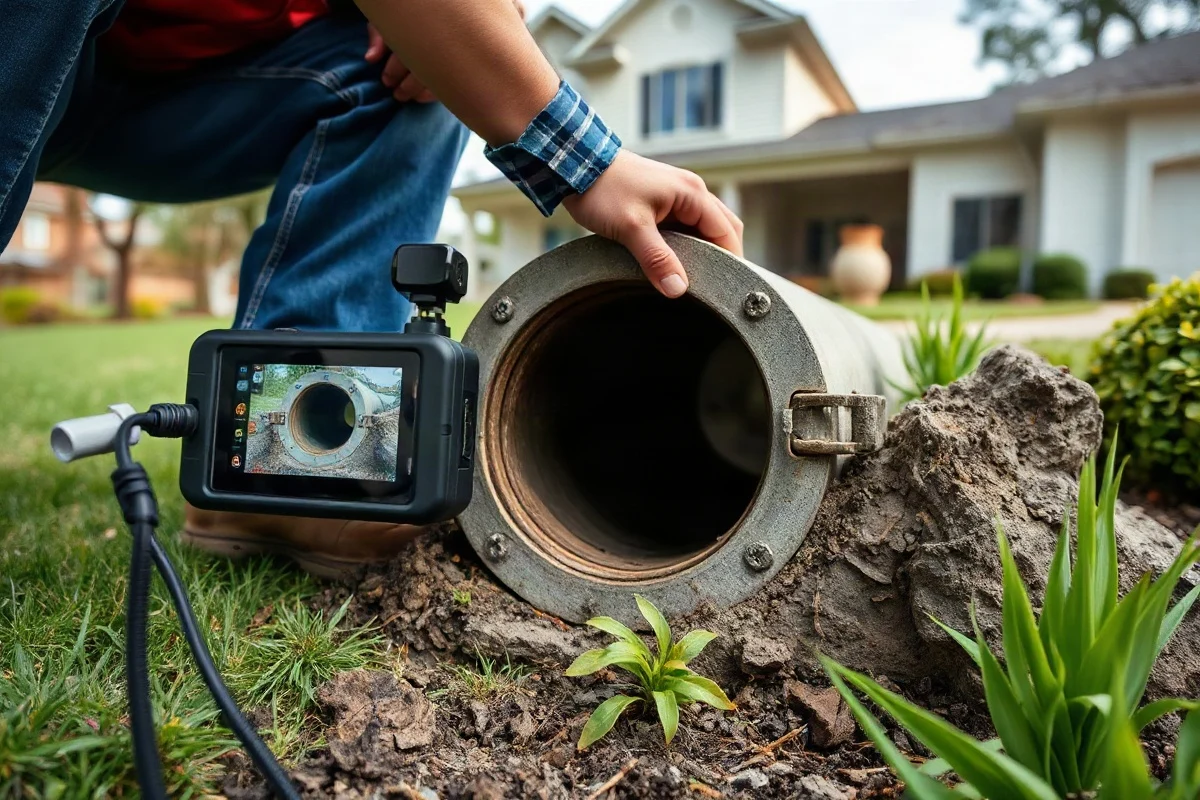
Yes, a sewer camera inspection is often worth arranging before buying a home, especially when the property is older, has mature trees, shows drainage symptoms, or has an unknown sewer-line history. A standard home inspection may identify plumbing fixtures and visible pipes, but it usually cannot see the full underground line between the house and the municipal connection or private septic system. A camera inspection can reveal defects that may otherwise remain hidden until sewage backs up or the line fails.
Because sewer repairs can involve excavation, access problems, or extensive replacement work, the inspection is most useful before closing. It gives you information for negotiating repairs, requesting additional evaluation, or deciding whether the property fits your budget and risk tolerance.
What a Sewer Camera Inspection Shows
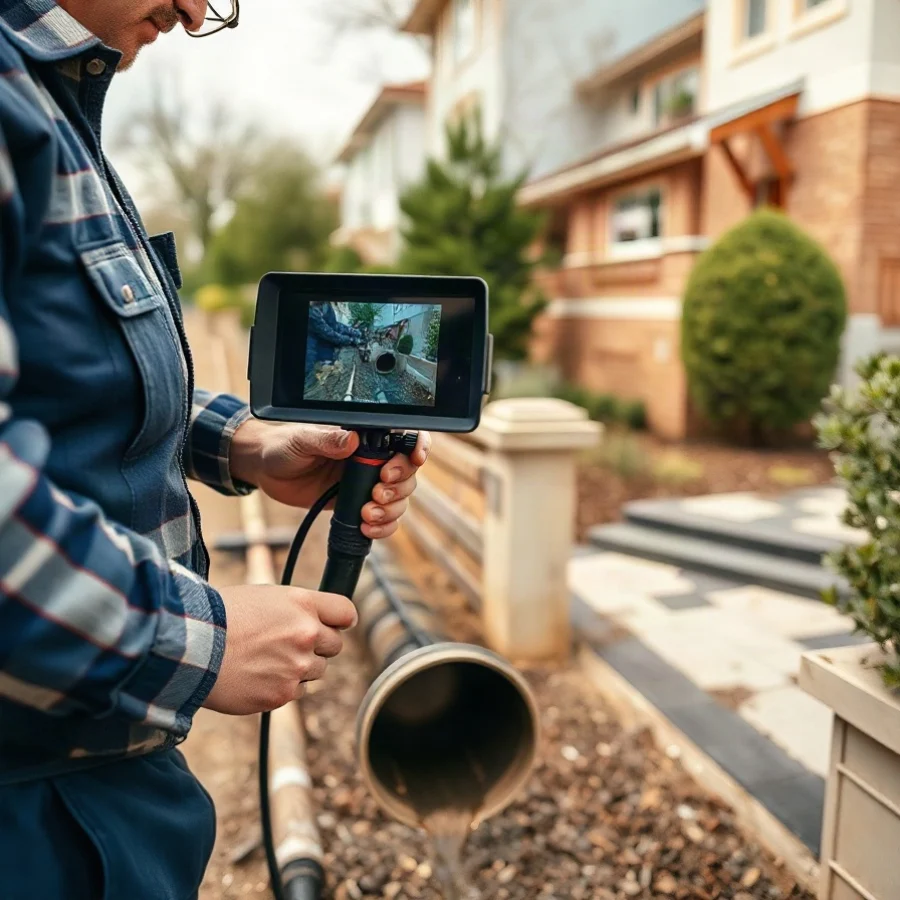
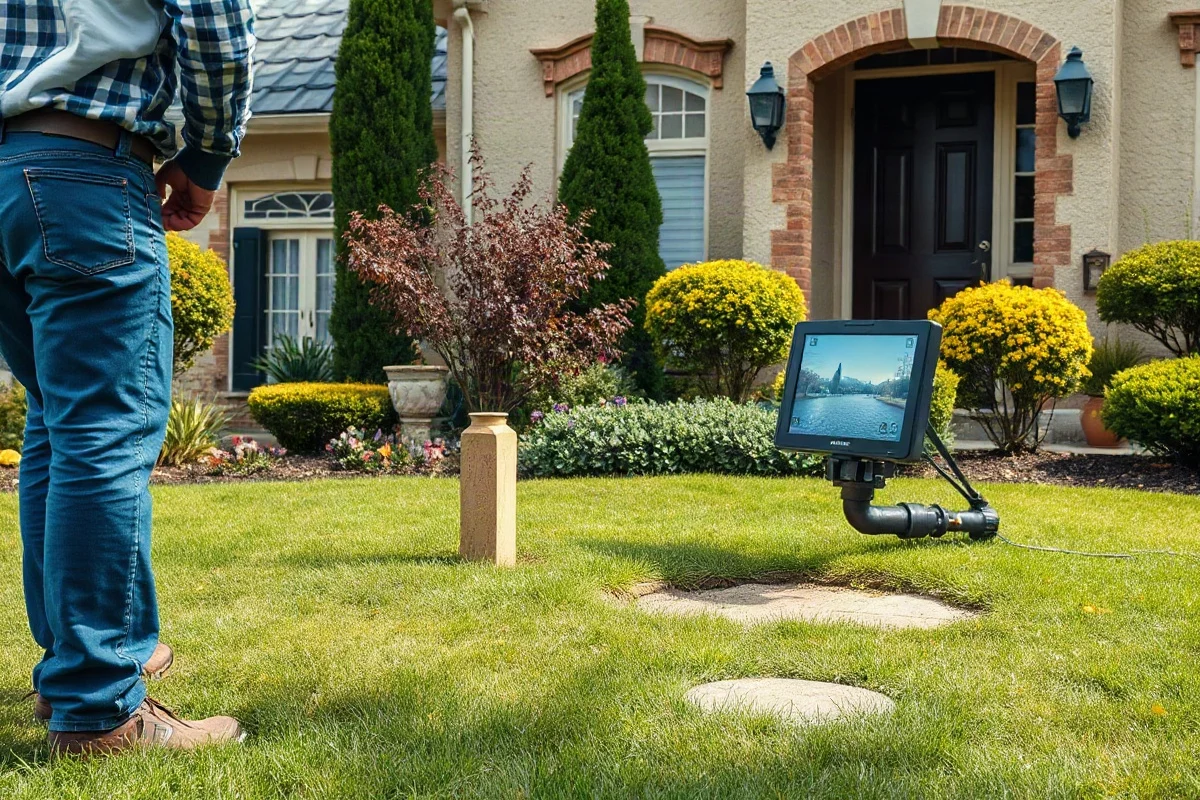
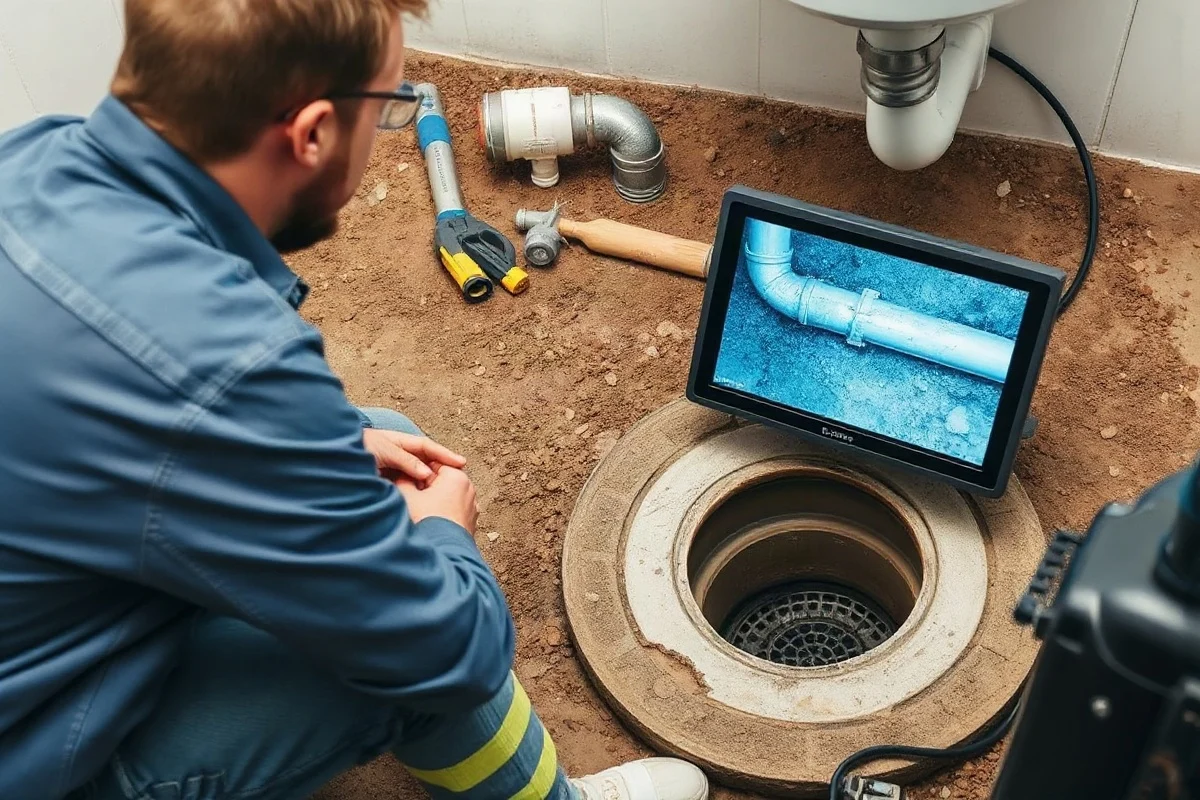
During the inspection, a plumbing professional guides a small camera through an accessible cleanout, drain opening, or other suitable entry point. The camera sends video to a monitor as it travels through the building sewer. The technician may record the inspection and identify the approximate location of defects from the camera's distance markings or a locating device.
A camera can often show:
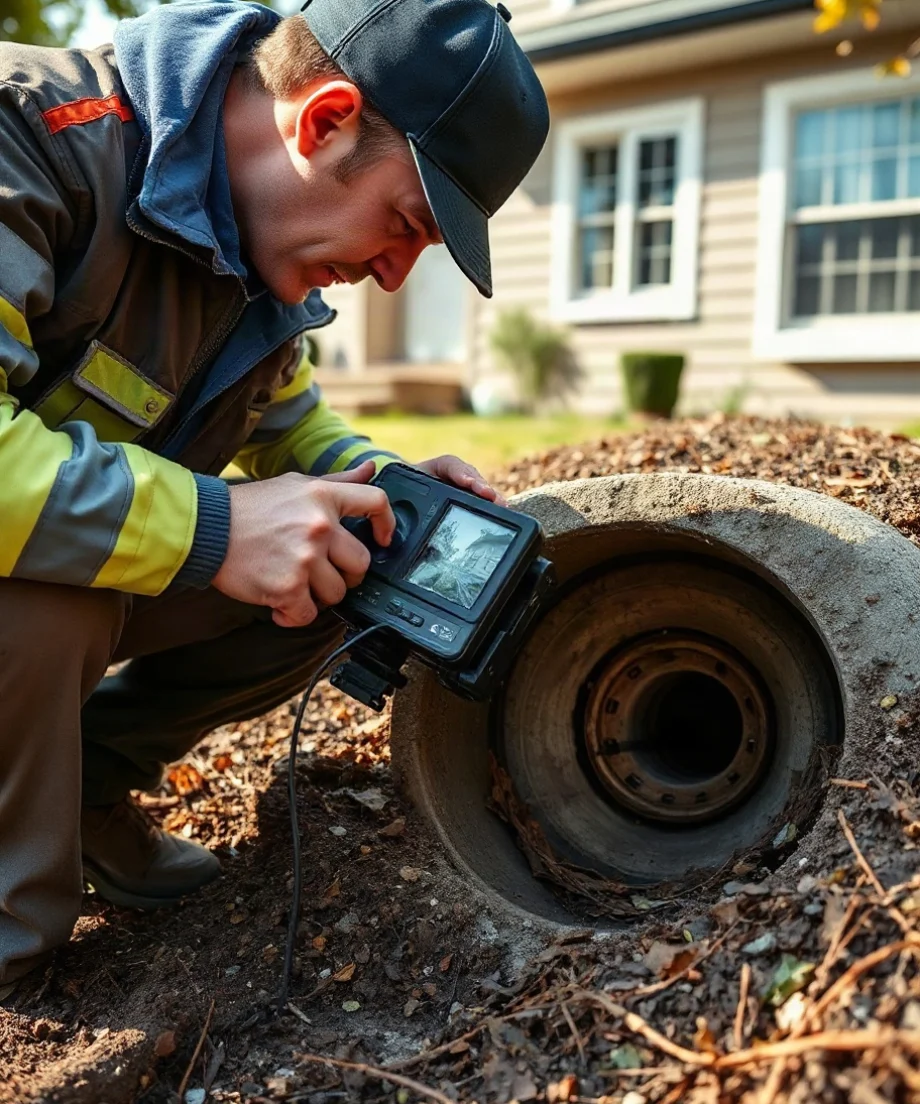
- Cracks, breaks, holes, or separated pipe joints
- Collapsed or severely deformed sections
- Tree-root intrusion through joints or damaged areas
- Grease, sediment, scale, or other buildup
- Foreign objects or construction debris
- Low spots where wastewater and solids can collect
- Shifting or offset joints
- Evidence of a line that is partially or completely blocked
- The general material and condition of accessible piping
The camera does not automatically answer every question. It may not show the entire route if the pipe is blocked, full of standing water, too small for the equipment, or inaccessible. It also may not establish who owns each section of the sewer line or determine the exact repair method without additional investigation.
Why Inspect Before Buying?
A sewer line can look perfectly normal from inside the home while developing serious problems underground. Toilets may flush, sinks may drain, and showers may run without an obvious warning. A line can still have a crack, root intrusion, poor slope, or damaged connection that becomes more troublesome after a new homeowner moves in.
Pre-purchase inspection is particularly valuable because sewer work can affect more than the plumbing itself. A repair may require access through a driveway, walkway, finished area, landscaping, or neighboring property, depending on the line's route and ownership. The camera report cannot predict every construction complication, but it can help identify whether further planning is necessary.
Consider adding a camera inspection to your due diligence when:
- The house is older and the sewer piping age or material is unknown
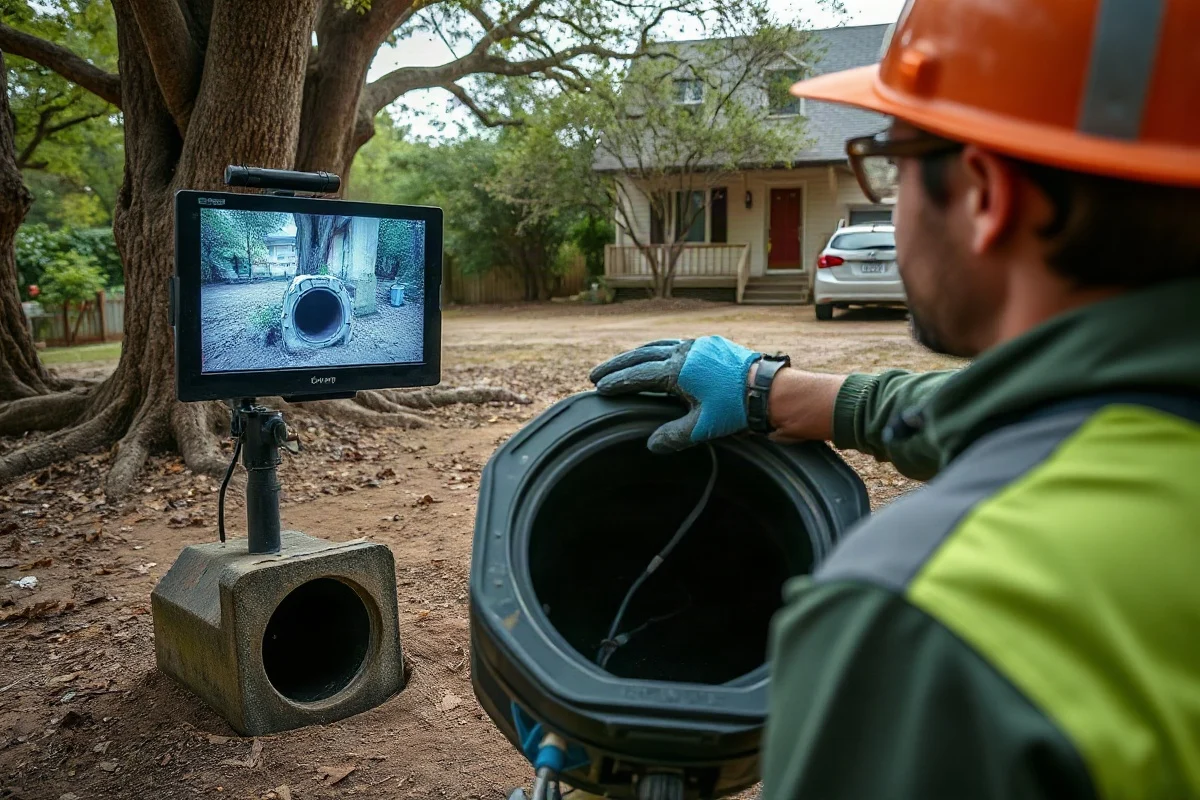
- Large or mature trees grow near the likely sewer route
- The property has a history of backups, slow drains, or recurring stoppages
- There is no accessible cleanout or the seller cannot document past work
- The home has been vacant for a long period
- The basement, crawl space, or yard shows moisture or sewage-related odors
- The property has additions, remodeled bathrooms, or complicated drainage changes
- The home connects to a private sewer system or septic arrangement that needs separate evaluation
Warning Signs You Should Not Ignore
A sewer camera inspection can be useful even when there are no symptoms, but existing warning signs make it more important. Ask whether the property has experienced repeated clogs, toilet backups, gurgling drains, slow drainage in several fixtures, or sewage odors. A single slow sink may have a local trap or branch-drain problem, while several affected fixtures can suggest a restriction farther downstream.
Watch for water or sewage appearing at floor drains, cleanouts, basement fixtures, or the lowest plumbing fixtures during heavy use. Green, unusually wet, or sunken sections of landscaping may deserve attention, although yard conditions can have many causes. Freshly repaired pavement or disturbed soil along a likely sewer route may also justify questions about previous work.
These signs do not prove that the main sewer line is defective. They indicate that you should obtain documentation and have the drainage system evaluated rather than relying only on a visual walk-through.
Safe Checks a Homebuyer Can Make
Homebuyers can perform a few low-risk observations, but these checks are not a substitute for a professional camera inspection.
Ask for service records
Request available invoices, repair reports, sewer-cleaning records, and information about previous backups. Look for repeated service at the same location or references to roots, collapsed piping, excavation, or replacement. Ask whether any work was completed by a professional and whether documentation is available.
Observe normal fixture use
With the seller's or agent's permission, notice whether multiple drains operate normally during ordinary use. Listen for gurgling and watch for slow drainage or water rising in a nearby fixture. Do not deliberately overload the system or flush unusual materials to test it.
Look for accessible cleanouts
You can identify visible cleanout caps in the basement, crawl space, garage, or yard, but do not force a stuck cap open. A pressurized or backed-up line can release wastewater when a cap is removed. If the cap is damaged, leaking, buried, or difficult to access, ask a qualified plumber to evaluate it safely.
Notice odors and visible damage
Pay attention to persistent sewage odors, damp areas, staining, and previous excavation. Avoid contact with sewage or contaminated water. If sewage is present, keep people and pets away and arrange qualified local help.
What Requires a Professional
Camera inspection equipment, locating tools, drain cleaning, sewer repairs, and pipe replacement should generally be handled by a qualified plumbing professional. The work may involve contaminated wastewater, confined spaces, buried utilities, excavation, or structural and electrical hazards. Never enter a sewer, manhole, excavation, or confined space to investigate a line.
If the inspection identifies a damaged sewer line, do not assume that hydro jetting or chemical drain products will solve the problem. Cleaning may remove roots or buildup temporarily, but it cannot restore a collapsed, separated, or badly cracked pipe. Chemical drain cleaners can also create hazards for occupants and technicians and may damage some plumbing components.
For more information about the inspection process, see this guide to drain camera inspection. If the report indicates a structural problem, a specialist in sewer line repair can help explain the next steps.
How to Read the Inspection Results
Ask the plumber to explain the findings in plain language and identify the exact location of each concern. A useful report should distinguish between a minor irregularity, a maintenance issue, and a defect that could require repair. Request video or still images when available, along with a written description of the pipe material, affected section, and recommended follow-up.
Pay close attention to the difference between:
- Minor buildup: Material inside an otherwise intact pipe may respond to professional cleaning, though the cause and recurrence risk still matter.
- Root intrusion: Roots can often be removed, but their return may indicate open joints or damaged pipe that needs a longer-term plan.
- Offset joints: A joint that has shifted may restrict flow and collect waste. The severity depends on the amount of displacement and the pipe's overall condition.
- Low spots: A sag can hold water and solids. The recommended response depends on its length, depth, location, and effect on drainage.
- Cracks or breaks: Structural damage usually requires professional repair or replacement planning rather than routine cleaning.
- Collapse or severe deformation: A severely damaged section may prevent reliable flow and may require excavation or another approved repair approach.
A camera view can be difficult to interpret without context. If the findings could affect the purchase, consider obtaining a second opinion from another qualified professional before making a financial decision.
Repair, Replacement, or Further Evaluation?
Not every finding requires immediate full replacement. The right option depends on the defect, pipe material, location, accessibility, remaining pipe condition, and whether the problem is recurring. A professional may recommend cleaning followed by another camera inspection, a localized repair, trenchless work where appropriate, or conventional excavation and replacement.
Do not choose a repair method solely because it sounds less disruptive. Ask what portion of the line will be addressed, how the plumber confirmed the repair area, what unresolved sections remain, and what restoration work may be needed afterward. If the camera cannot reach the entire line, ask whether an additional access point or other diagnostic step is appropriate.
When a major defect is found before closing, discuss the report with your real estate professional and determine what options are allowed under your agreement. You may request that the seller address the issue, negotiate based on documented findings, seek additional evaluations, or reconsider the transaction. Keep plumbing recommendations separate from legal or contractual advice; a real estate attorney may be appropriate for questions about your rights and obligations.
Cost Factors Without Guesswork
Inspection and repair costs vary by location and project conditions, so a national article should not promise a specific price. Ask for a written estimate that separates diagnostic work from cleaning, excavation, restoration, and any recommended repair.
Common cost factors include:
- How accessible the sewer line and cleanout are
- Whether the line is blocked or filled with standing water
- The length and depth of the affected section
- Pipe material, diameter, and condition
- Root intrusion, buildup, or structural collapse
- Driveways, patios, landscaping, floors, or other surfaces that may need access
- Whether locating, additional excavation, permits, or utility coordination may be required
- Whether the work involves a private line, shared connection, or section with uncertain ownership
For broader budgeting guidance, review plumbing cost factors, but use a local written estimate for the property you are considering. Do not rely on a generic online figure to negotiate a repair that has not been properly diagnosed.
Choosing the Right Plumber
Look for a local professional with experience in sewer diagnostics and underground drain work. Ask whether the company can provide a recorded camera inspection, identify the approximate location of defects, and explain limitations when the camera cannot reach the full line.
Before authorizing work, ask for:
- A written description of the inspection or repair scope
- Separate pricing for inspection, cleaning, and repair options
- Information about access, excavation, and surface restoration
- Details about what is included and what is excluded
- References or examples of similar sewer-line work, when available
- Confirmation that the professional meets applicable local licensing and insurance requirements
Be cautious of anyone who recommends immediate replacement without showing the affected area, refuses to explain the video, or presents a single expensive solution without discussing reasonable alternatives. You can use this resource on hiring a plumber to organize questions before requesting estimates.
Make the Inspection Part of Your Due Diligence
A sewer camera inspection cannot guarantee that a line will never fail, but it can reveal important conditions that a routine home inspection may not detect. The most useful approach is to schedule it early enough to review the video, obtain a repair opinion if needed, and make an informed decision before your inspection or negotiation deadlines.
Use your own observations only for low-risk screening. Leave camera work, sewage exposure, excavation, blocked lines, hidden defects, and repair decisions to qualified local professionals. When the results are documented and clearly explained, you are better prepared to compare the home's condition with your budget and long-term plans.
Comments
0No comments yet. Be the first to share a helpful note or question.
Leave a Comment
Your email address will not be published. Comments are reviewed before appearing on the site.