Sump Pump
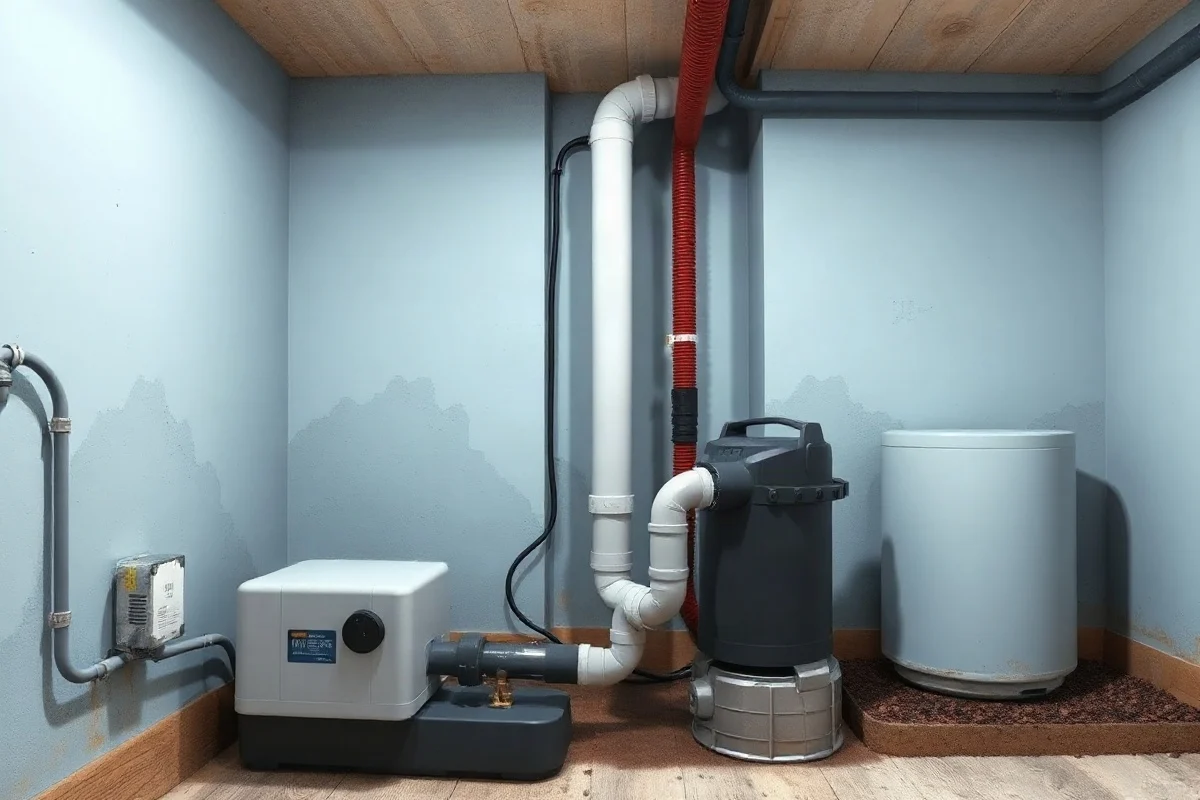
Battery Backup Sump Pump vs Water Powered Backup
Compare battery and water-powered sump pump backups by reliability, installation needs, operating limits, maintenance, safety, and long-term value.
Sump pumps help move water away from a home’s foundation, making them an important part of basement and crawl space water management. This category offers practical information about sump pump problems, repair considerations, replacement questions, maintenance, and situations that may require prompt plumbing help. Explore guidance on common symptoms such as unusual noises, failure to start, frequent cycling, or water collecting around the pump basin. You’ll also find information to help you understand potential repair costs, compare repair and replacement decisions, and prepare useful details before contacting a plumbing professional. Whether you’re researching a pump issue before calling for service or learning how these systems work, the articles here are designed to make sump pump concerns easier to understand. Use this resource to identify possible next steps while keeping in mind that the right solution depends on the pump, drainage setup, and conditions at the property.
Compare battery and water-powered sump pump backups by reliability, installation needs, operating limits, maintenance, safety, and long-term value.
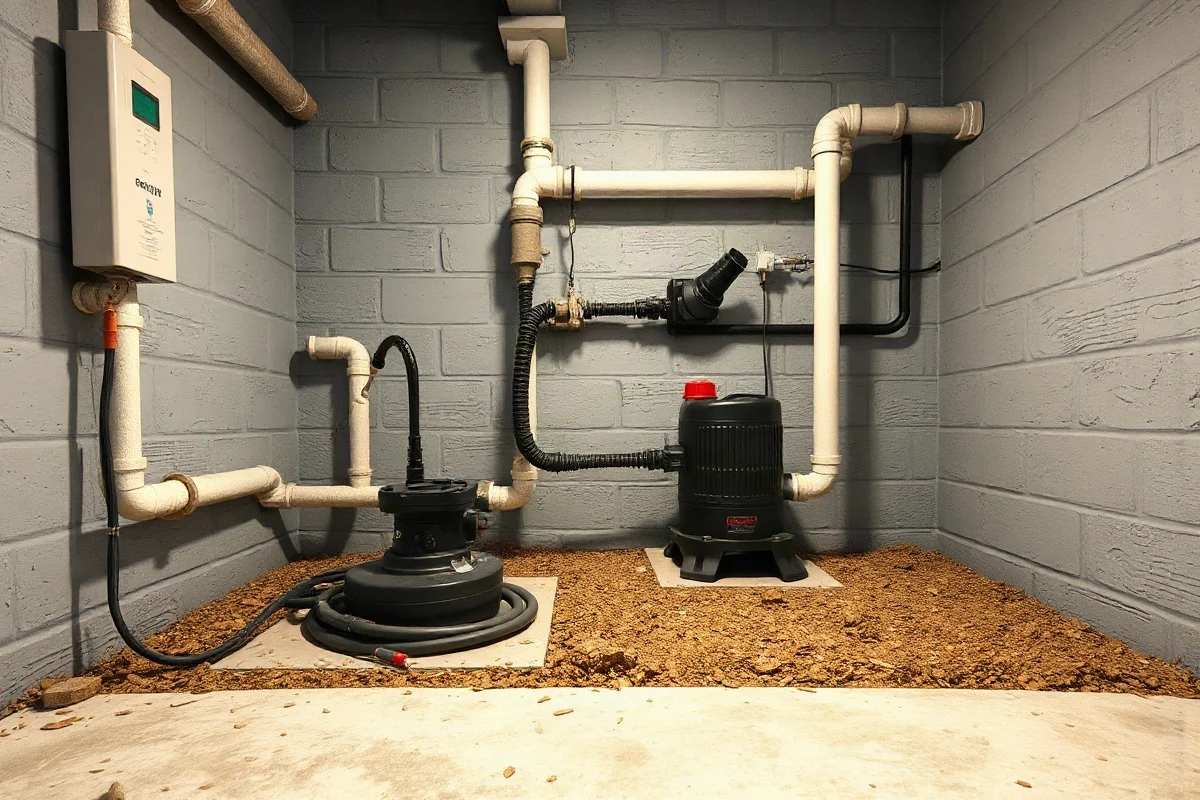
A finished basement usually benefits from a reliable primary sump pump plus backup protection. Learn how to choose, test, maintain, and upgrade a system without risking hidden water damage.

A sump pump that runs nonstop may be dealing with heavy groundwater, a stuck float, a blocked discharge line, or a pump that cannot keep up. Learn what you can safely check and when to call a professional.
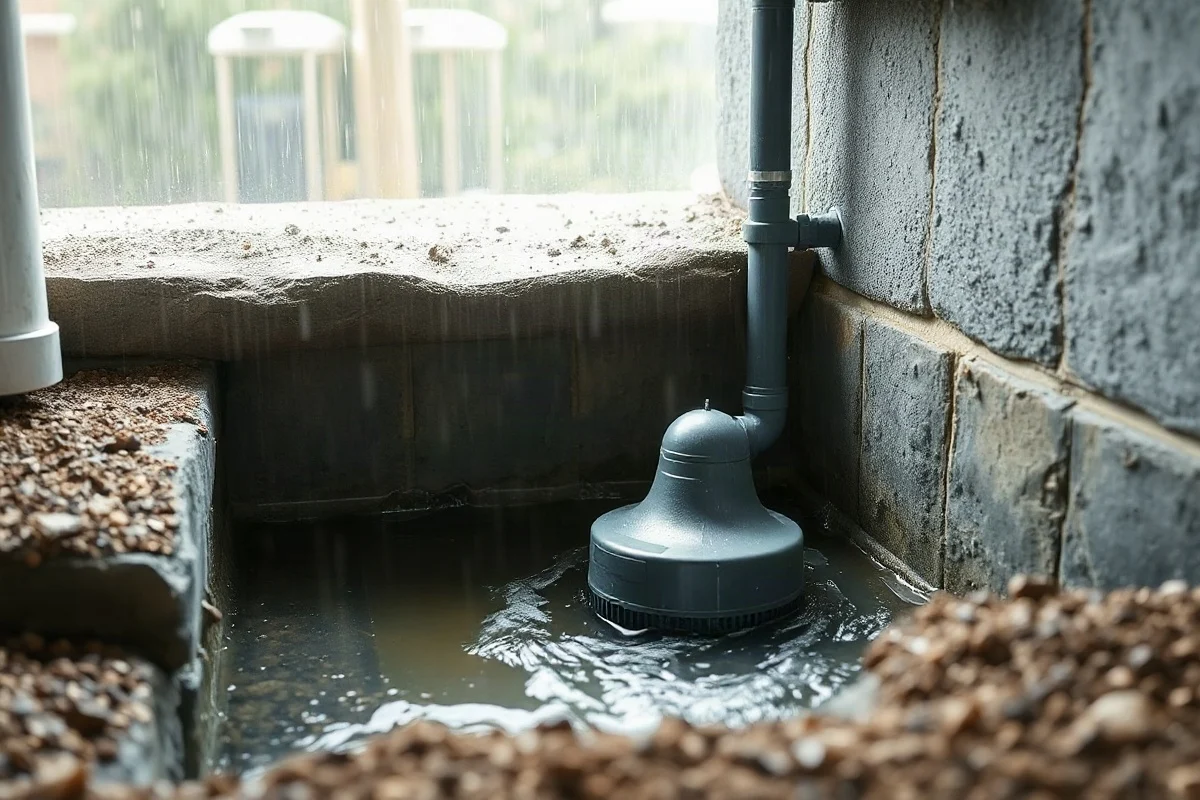
During heavy rain, a sump pump may run every few minutes or cycle almost continuously, depending on soil saturation, groundwater, drainage, and pump capacity. Learn what is normal, what signals trouble, and when to call a professional.
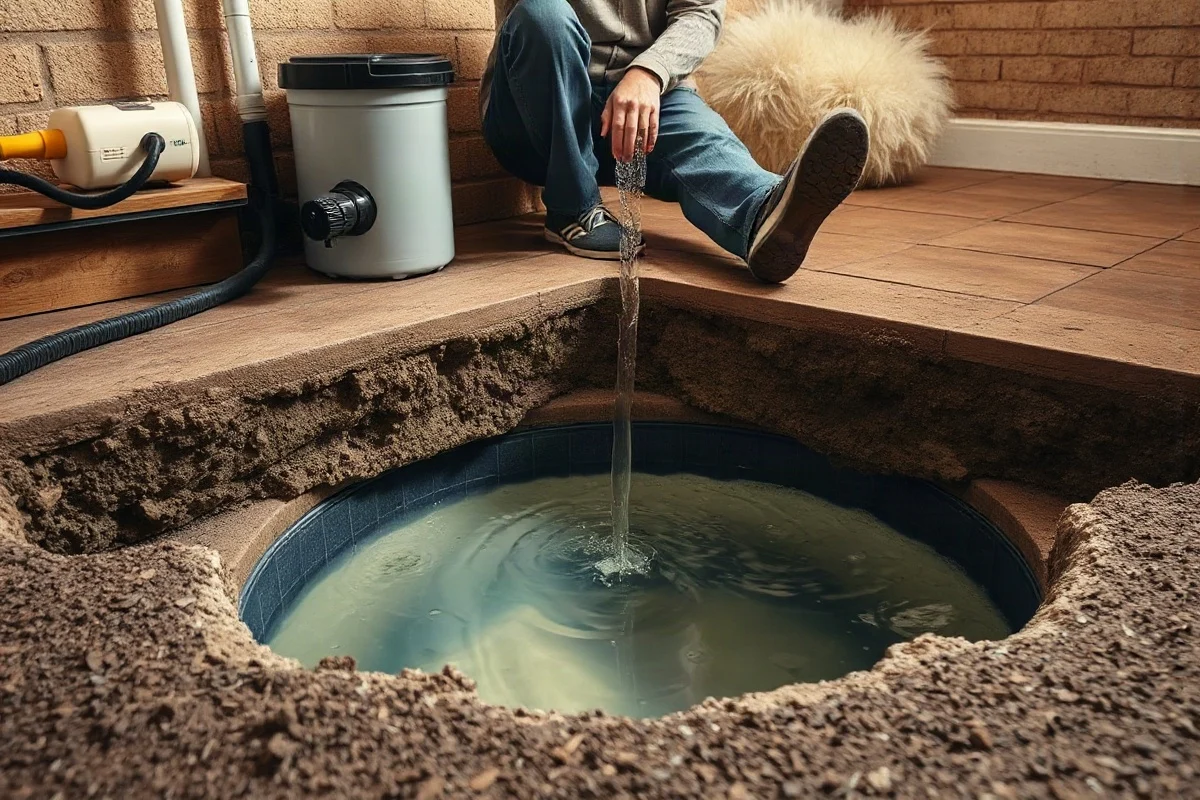
A sump pump that stays off as the pit fills can allow serious basement flooding. Learn the safest checks, common causes, repair options, and when to call a professional.
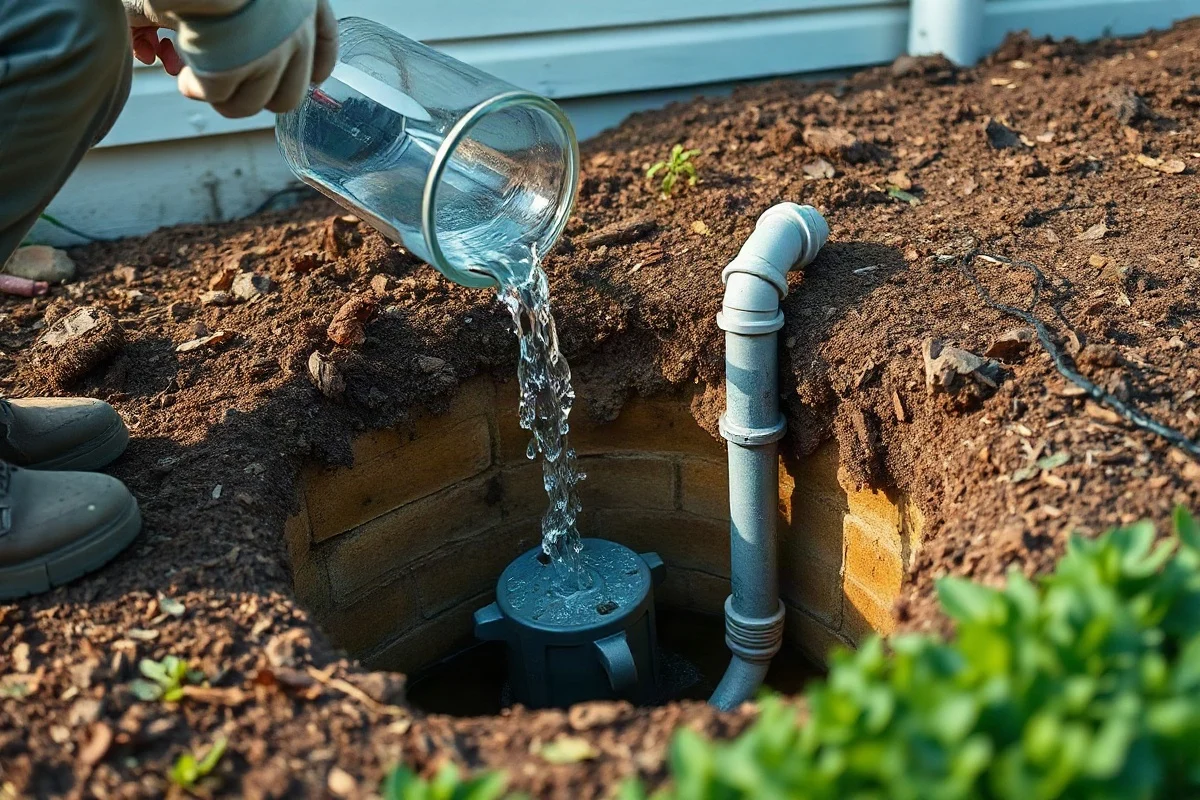
Learn how to safely test a sump pump before storm season, identify warning signs, and know when cleaning, repair, replacement, or professional help is needed.
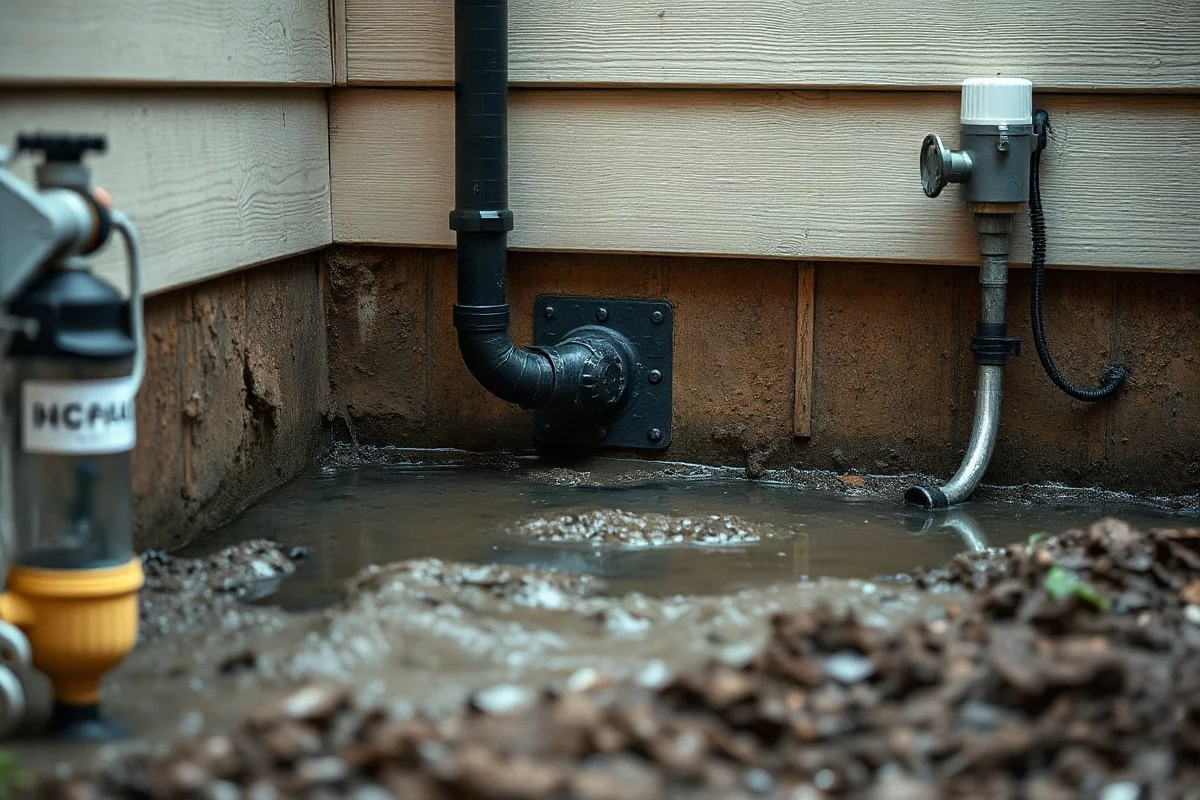
A sump pump can run correctly and still flood a basement if its discharge pipe is clogged, frozen, disconnected, or draining too close to the foundation. Learn what to check safely and when to call a professional.
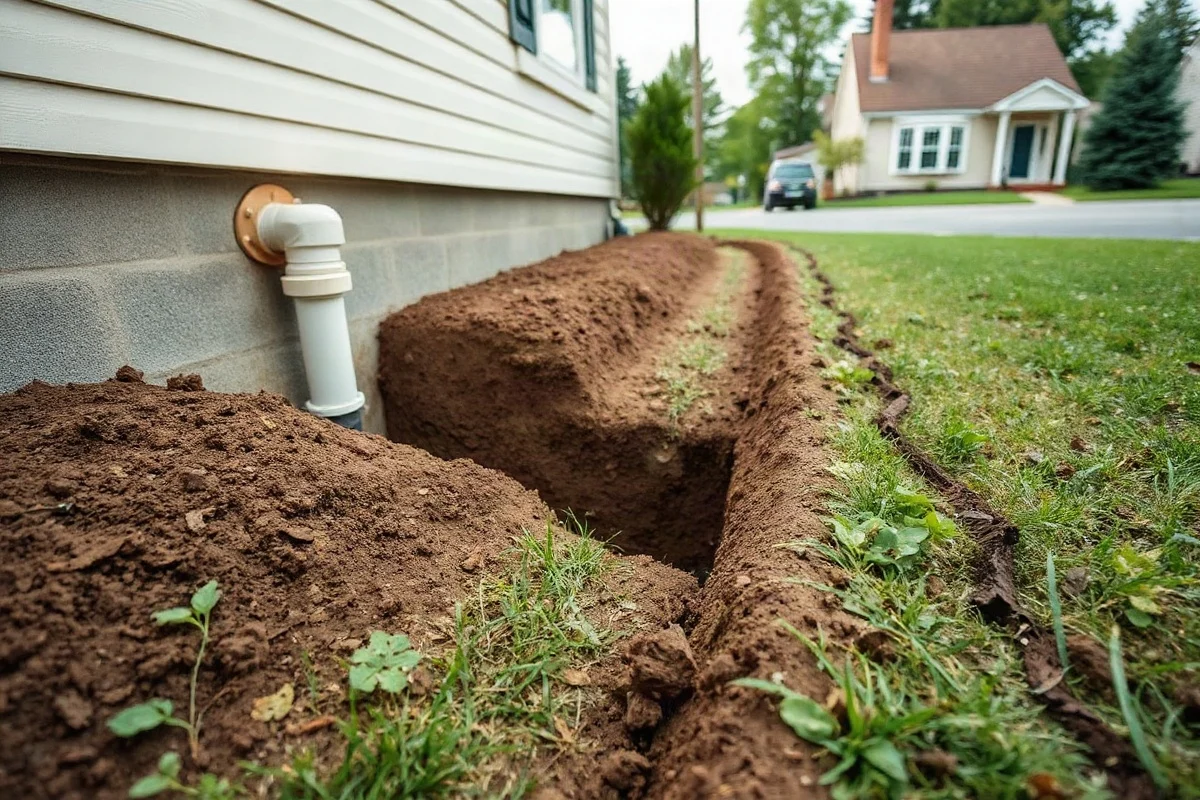
A sump pump discharge line is often buried about 6 to 12 inches deep, but frost, soil, slope, outlet location, and local requirements can change the right installation.
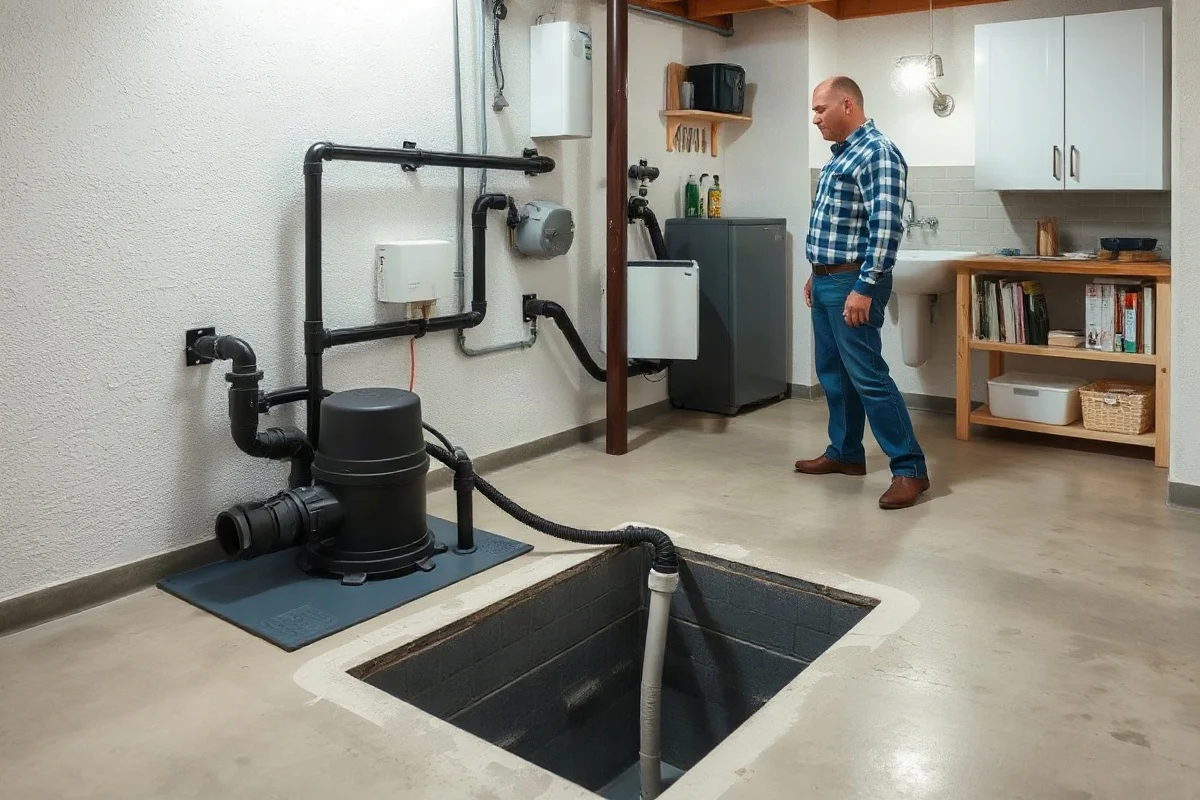
Sump pump replacement costs vary by pump type, installation difficulty, discharge piping, electrical work, and whether the pit or backup system also needs attention. Learn what affects the estimate and when replacement makes sense.
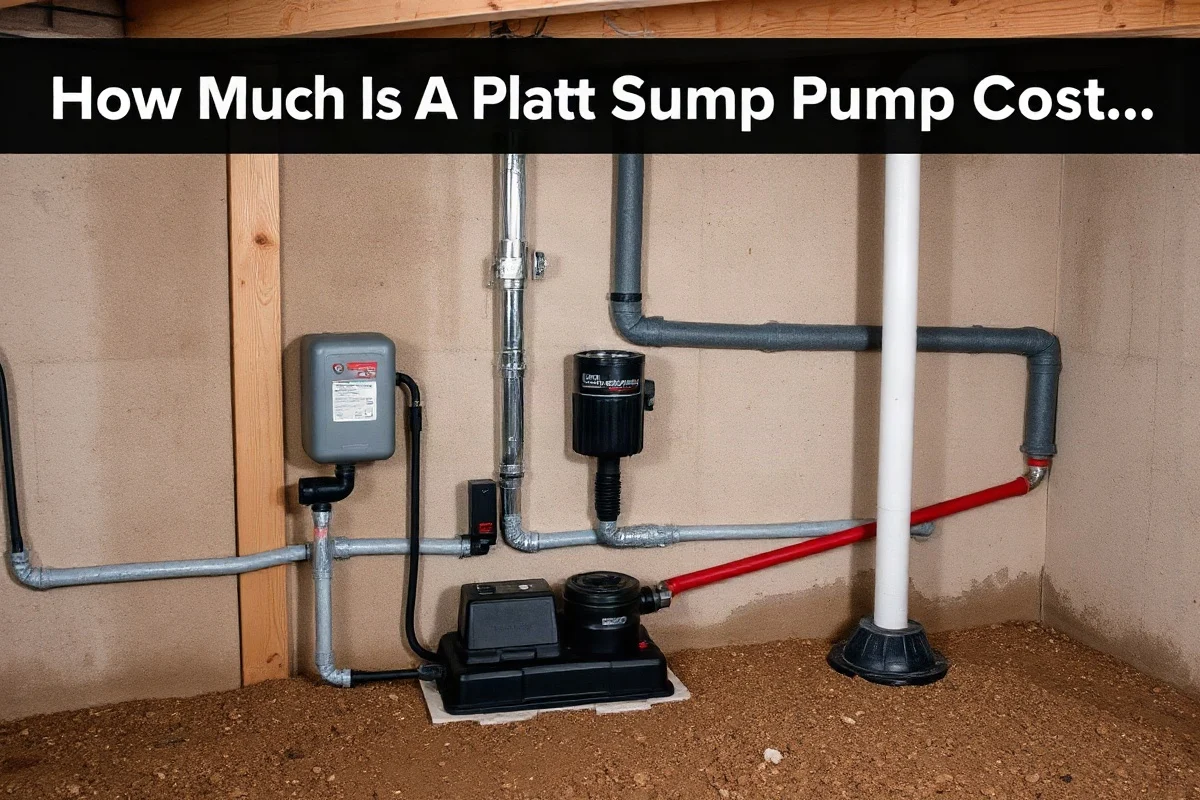
Battery backup sump pump costs vary by pump capacity, battery type, installation difficulty, and drainage setup. Learn what an itemized estimate should include and when professional help is needed.