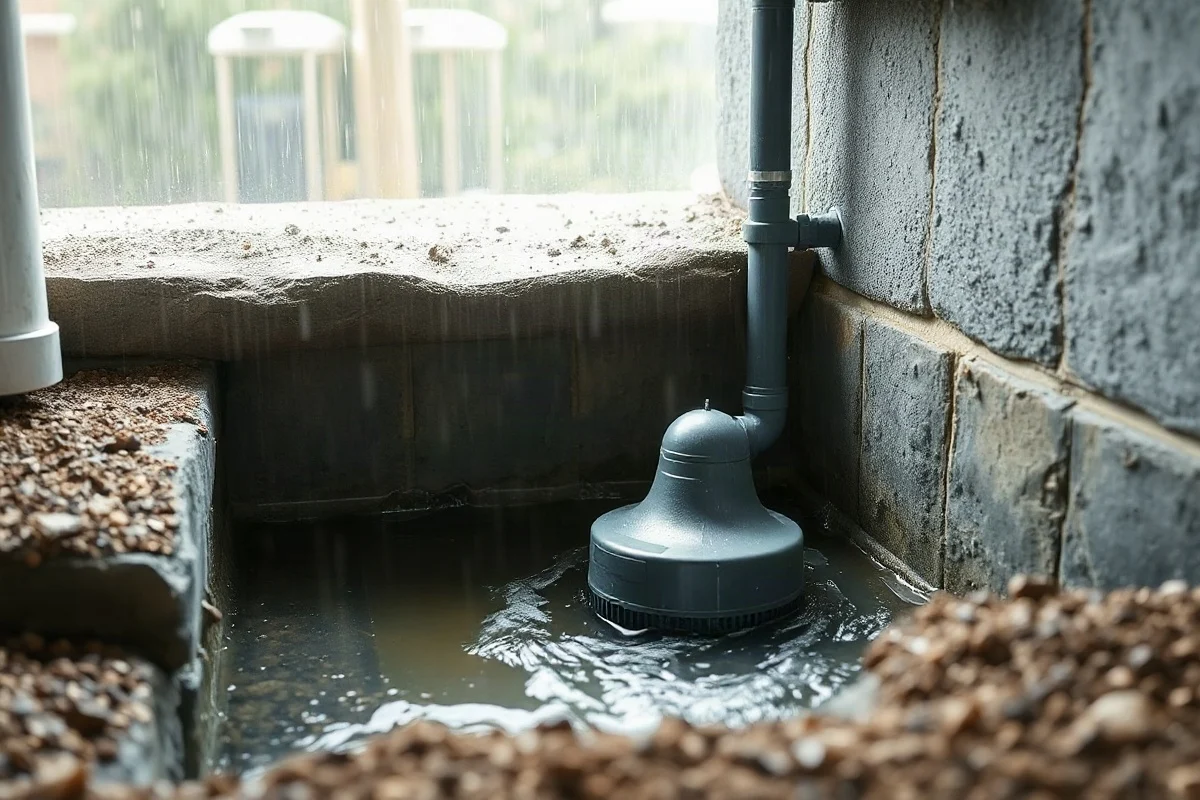
During heavy rain, a sump pump may run every few minutes, every few seconds, or nearly continuously for a period of time. There is no single schedule that is normal for every home. The right benchmark is whether the pump removes water faster than it enters the pit, shuts off normally, and keeps the basement or crawl space dry without overheating or losing power.
Frequent cycling is often expected when the ground is saturated and the water table rises. However, a pump that runs nonstop without lowering the water level, starts and stops rapidly, makes unusual noises, or leaves standing water needs attention. Some checks are safe for a homeowner, but electrical problems, sewage exposure, major flooding, concealed drainage failures, and pump replacement work should be handled by a qualified local professional.
What sump pump activity is normal during heavy rain?
A properly working sump pump can activate repeatedly during a storm. In some homes, it may run every few minutes while rain is falling and for several hours afterward as groundwater continues moving toward the foundation. In other homes, the pump may run only occasionally because the drainage system, soil conditions, and sump pit receive less water.
Pay attention to the pattern rather than a specific number of cycles. A normal cycle generally follows this sequence:
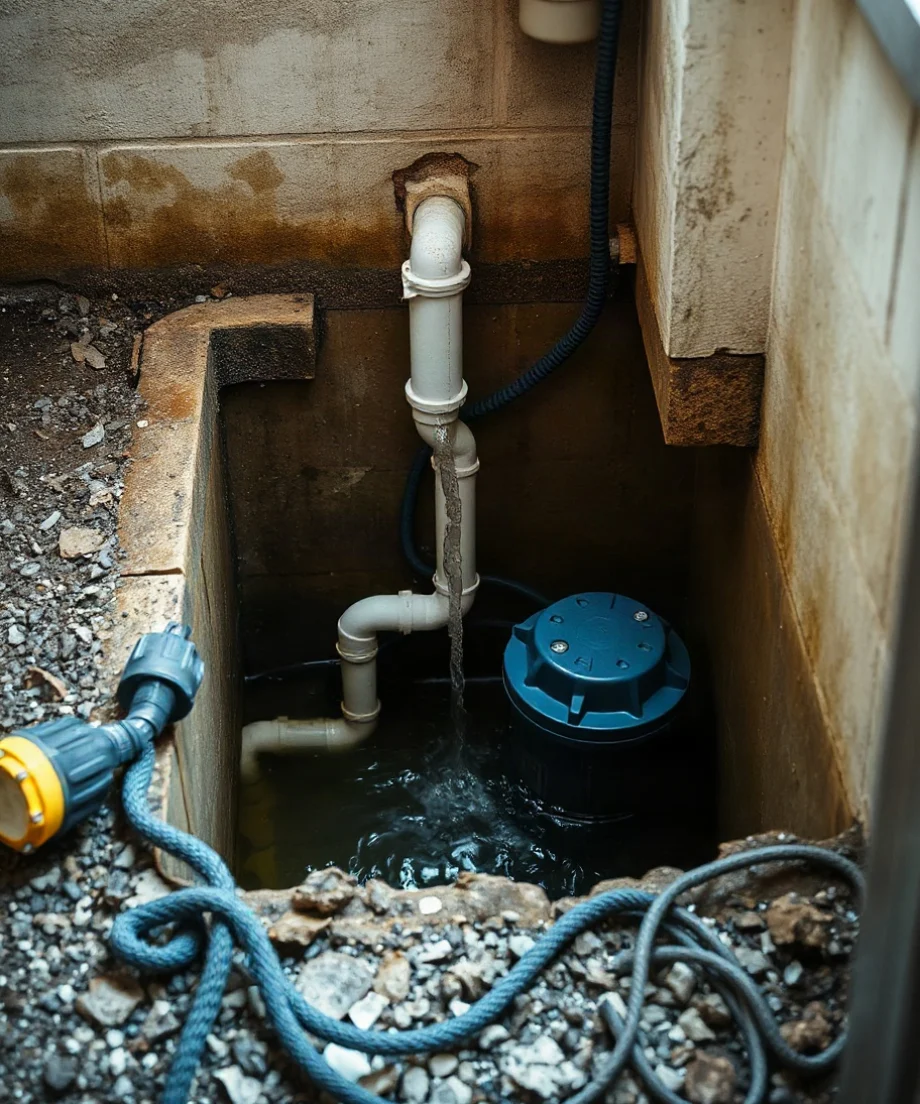
- Water enters the sump pit through the drainage system or surrounding soil.
- The float or pressure sensor reaches its activation point.
- The pump starts and sends water through the discharge line.
- The water level falls.
- The pump shuts off at its normal stop point.
During a severe storm, the pump may appear to run almost continuously if water enters nearly as fast as the pump can remove it. That can be acceptable for a limited period if the water level is steadily controlled and the motor does not show signs of distress. Continuous operation becomes concerning when the pump cannot keep up, never reaches its shutoff point, or continues long after conditions have eased.
Why a sump pump runs frequently in heavy rain
Saturated soil and rising groundwater
Rainwater can soak into the soil around the foundation. Once the soil becomes saturated, additional water has fewer places to go and may move toward the foundation drainage system. A high water table can also push groundwater into the sump pit. These conditions can produce much more pump activity than a short, light shower.
Surface water near the foundation
Gutters, downspouts, grading, patios, and window wells all affect how much water reaches the foundation. If a downspout discharges too close to the house or a slope directs runoff toward the foundation, the sump pit may receive more water during storms. The pump may be working correctly while the exterior drainage system is increasing its workload.
A high-flow drainage system
Some homes are designed to collect groundwater efficiently through footing drains or other foundation drainage. That can cause the pit to fill quickly during wet weather. Frequent operation alone does not prove that the pump is failing; the important questions are whether it removes the incoming water and shuts off as designed.
Water entering from another source
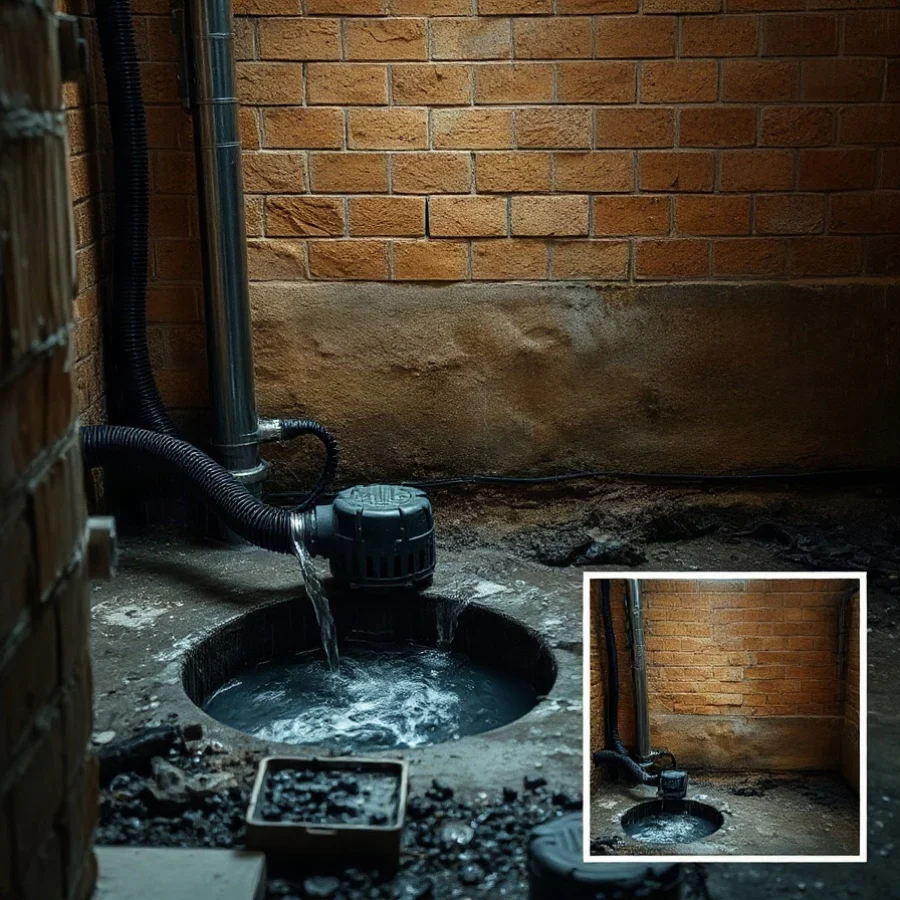
A leaking water service, failed appliance connection, foundation crack, or plumbing leak can add water to a basement even when rainfall is not the only cause. If the pump runs frequently during dry weather, look for other signs of water entry and arrange professional help for hidden leaks or significant flooding. You can review leak repair options if you suspect plumbing water rather than groundwater.
Warning signs that the pump may be struggling
Call a qualified local plumber or sump pump professional if you notice one or more of these conditions:
- The pump runs continuously but the water level continues to rise.
- The motor starts and stops every few seconds.
- The pump hums, vibrates excessively, grinds, or smells hot.
- The float sticks against the pit, cover, pipe, or electrical cord.
- The discharge pipe releases little or no water outside.
- Water returns to the pit after the pump shuts off.
- The pump runs after rainfall has ended without an obvious source of water.
- The pit is full and the pump does not start.
- The basement has standing water, sewage contamination, or electrical hazards.
Rapid short cycling deserves particular attention. A pump that starts too often may have a small pit, a restricted discharge line, an incorrectly positioned float, a failing check valve, or a pump that is too large or too small for the system. Repeated starts can place extra stress on the motor and may shorten its service life.
Safe homeowner checks during a storm
Only inspect the system if the area is safe and dry enough to reach without stepping into water. Keep away from exposed electrical connections, extension cords, outlets, and appliances near flooding. Never enter standing water if electricity may be present. If you see a dangerous electrical condition, leave the area and contact qualified local help.
Check whether the pump is moving water
Listen for the pump to start and observe the discharge outlet from a safe location. Water should normally leave the discharge line when the pump operates. Do not place your hands in the pit or reach around a moving pump.
Inspect the float without forcing it
If the pit can be viewed safely, check whether the float has room to move freely. Remove only loose, visible objects that are clearly safe to reach without touching wiring or internal components. Do not force the float, disconnect the pump, or alter the system while water is rising.
Look at the outdoor discharge area
Make sure the visible end of the discharge pipe is not blocked by soil, leaves, ice, mulch, or another obstruction. The outlet should not simply discharge against the foundation. Do not dig, cut, or reroute buried piping during an active storm unless a qualified professional advises you.
Check the power source carefully
If the pump is not operating, check whether a nearby breaker or ground-fault protection device has tripped, but do not repeatedly reset a device that trips again. Do not use wet hands, damaged cords, unsafe extension cords, or makeshift electrical connections. Electrical diagnosis and repairs should be performed by a qualified professional.
If the primary pump has failed and you have a properly maintained backup system, follow the backup manufacturer's operating instructions. A portable pump or temporary water removal may be appropriate only when it can be used safely and away from electrical hazards.
What not to do when a sump pump runs nonstop
Do not unplug a running pump simply because the noise is inconvenient. Do not lift the pump out of the pit while it is connected to power, and do not pour chemicals into the sump pit. Drain cleaners are not a solution for groundwater and may create hazardous conditions. Avoid taking apart the pump, check valve, or discharge assembly during active flooding unless you are trained and the area is completely safe.
Also avoid assuming that installing a larger pump will solve every problem. A larger unit may not correct a blocked discharge line, a failing check valve, poor exterior drainage, an undersized discharge pipe, or a drainage problem that requires a different solution.
Repair or replacement: how to think about the decision
A professional will usually consider the pump's condition, capacity, age, operating pattern, pit size, discharge route, check valve, float mechanism, and backup protection. A pump may need a relatively limited repair if the issue is a stuck float, blocked outlet, damaged check valve, or loose connection that can be safely corrected. Replacement may make more sense when the motor is failing, the pump cannot keep up with normal inflow, the housing is damaged, or repeated repairs are no longer reliable.
The surrounding system matters as much as the pump itself. A professional may recommend correcting downspout discharge, improving grading, repairing a foundation drainage component, clearing a buried line, or addressing a plumbing leak. If the problem involves a sewer connection or sewage-contaminated water, avoid contact and arrange qualified professional service. Sewage exposure can create health risks that routine sump pump maintenance does not address.
Cost factors for sump pump service
Service costs vary by location and by the actual cause of the problem. Factors can include the type and capacity of the replacement pump, accessibility of the pit, condition of the discharge piping, check valve replacement, electrical troubleshooting, backup equipment, exterior drainage work, water removal, and any damage caused by flooding. A straightforward component repair is different from a full system replacement or a foundation drainage project.
Before approving work, ask for a written explanation of the diagnosis, the recommended repair, the parts or equipment involved, and any additional work that may be necessary. Ask whether the estimate covers testing the discharge line and confirming that the pump reaches its normal shutoff point. Avoid choosing solely on the lowest initial quote if it does not address why the pump is running excessively.
How to choose the right local professional
Look for a local company with experience in sump pumps, basement water management, and related drainage problems. Ask who will perform the work, what the technician found, and whether the company handles electrical portions through appropriately qualified personnel when needed. You can use this guide to hiring a plumber when comparing providers.
Give the professional useful details before the visit: how often the pump runs, whether the pattern occurs only during rain, whether the water level rises, where the discharge line ends, whether the pump has a backup, and whether you have noticed odors, sewage, unusual sounds, or prior flooding. Photos and a short video from a safe location can also help show the cycling pattern.
Ways to reduce sump pump workload before the next storm
Keep gutters and visible downspouts clear, and make sure runoff is not directed toward the foundation. Inspect accessible window wells for debris and watch for low spots where water collects beside the house. Have a professional evaluate recurring basement moisture, foundation drainage, or discharge piping problems rather than repeatedly relying on the pump to handle conditions that could be corrected outside.
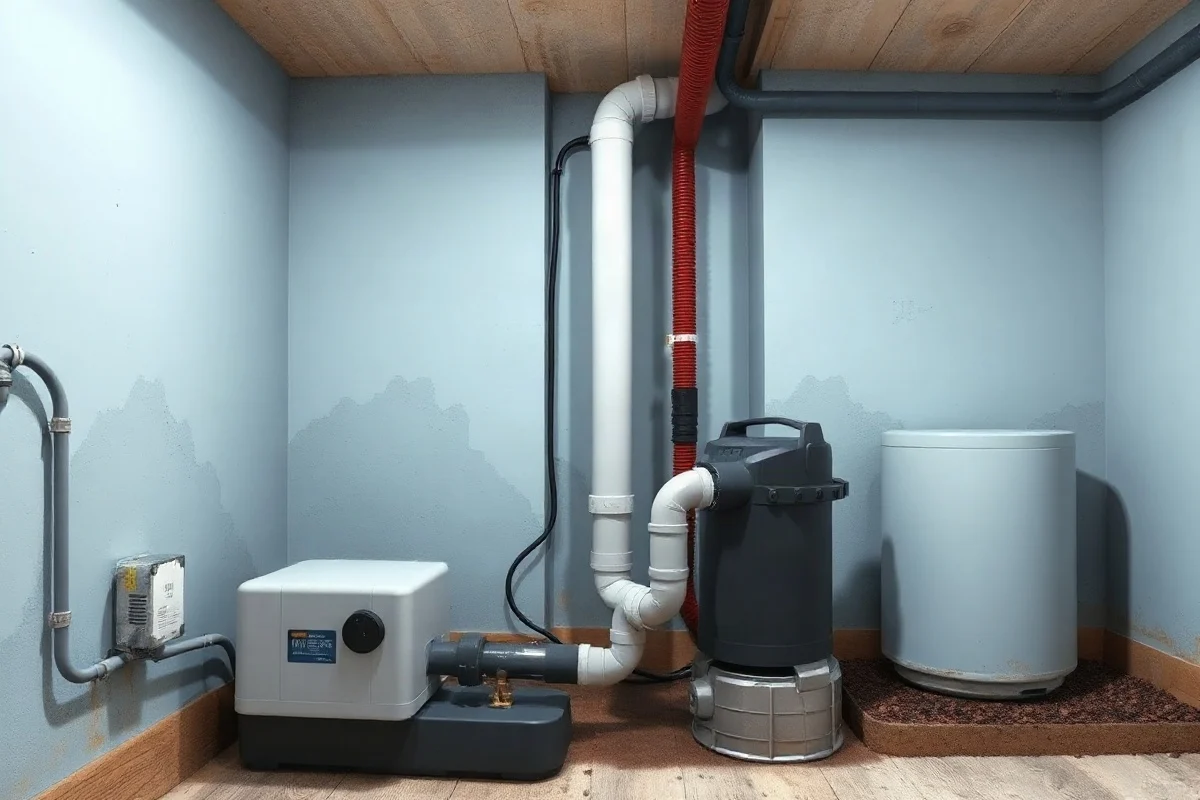
Consider asking a professional about backup protection if a flooded basement would cause serious damage. Options may include a second pump, a separate backup power arrangement, or another system suited to the home's water conditions. The appropriate choice depends on the existing installation, local conditions, and safe electrical setup.
When to seek urgent help
Contact a qualified local professional promptly if water is rising, the primary pump has stopped, the discharge line is blocked, or the basement is at risk of major flooding. Leave the area if water is near electrical equipment, if there is sewage exposure, or if the structure appears unsafe. For urgent plumbing and water-related situations, see the emergency plumber resource.
In short, frequent sump pump operation during heavy rain can be normal when groundwater is entering the pit and the pump lowers the water level reliably. The warning signs are ineffective pumping, rapid short cycling, unusual sounds or heat, rising water, and operation that continues without a clear source. Safe visual checks can provide useful information, but flooding, electrical hazards, sewage, concealed leaks, and repairs beyond basic observation require qualified local help.

Comments
0No comments yet. Be the first to share a helpful note or question.
Leave a Comment
Your email address will not be published. Comments are reviewed before appearing on the site.