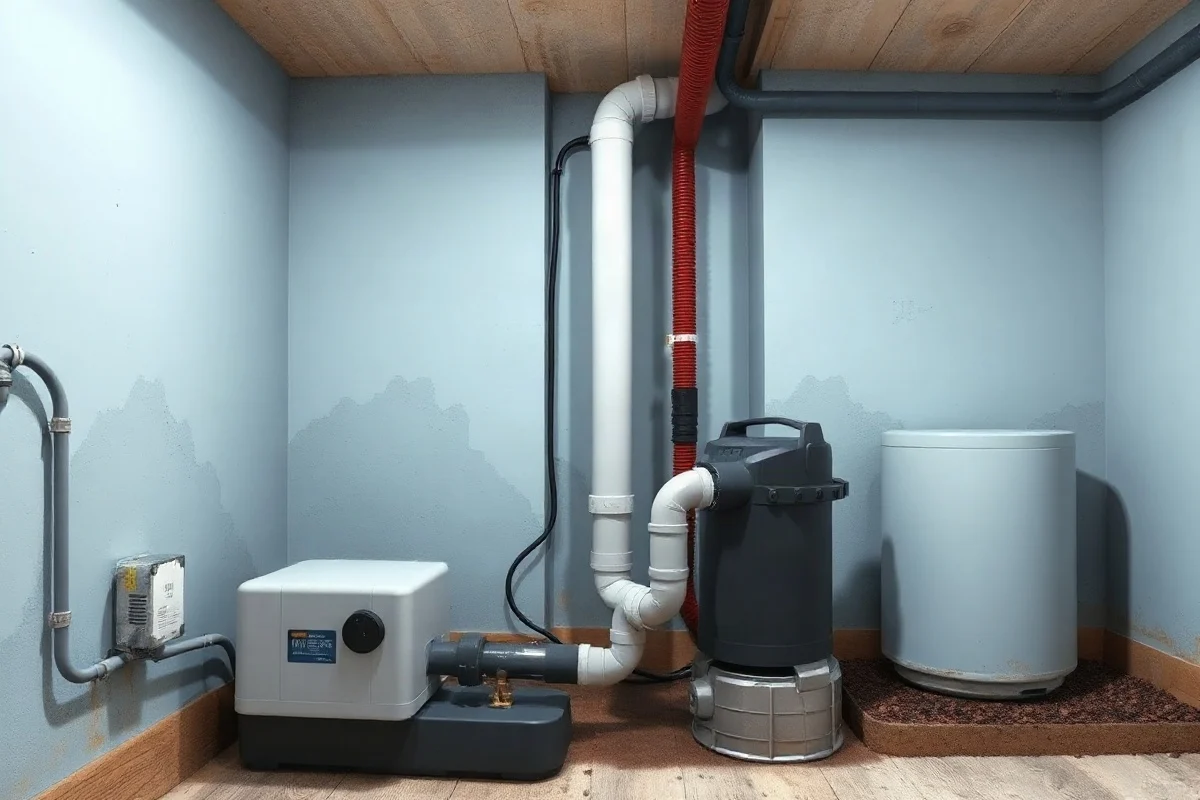
A battery backup sump pump is usually the more practical choice for most homes because it can operate during a power outage without using municipal water. A water-powered backup can be dependable in the right home, but it requires suitable water pressure, uses additional water while running, and may not be permitted or practical in every area. The better option depends on your basement’s flood risk, your primary pump system, available utilities, local requirements, and how long a backup may need to run.
Why a sump pump backup matters
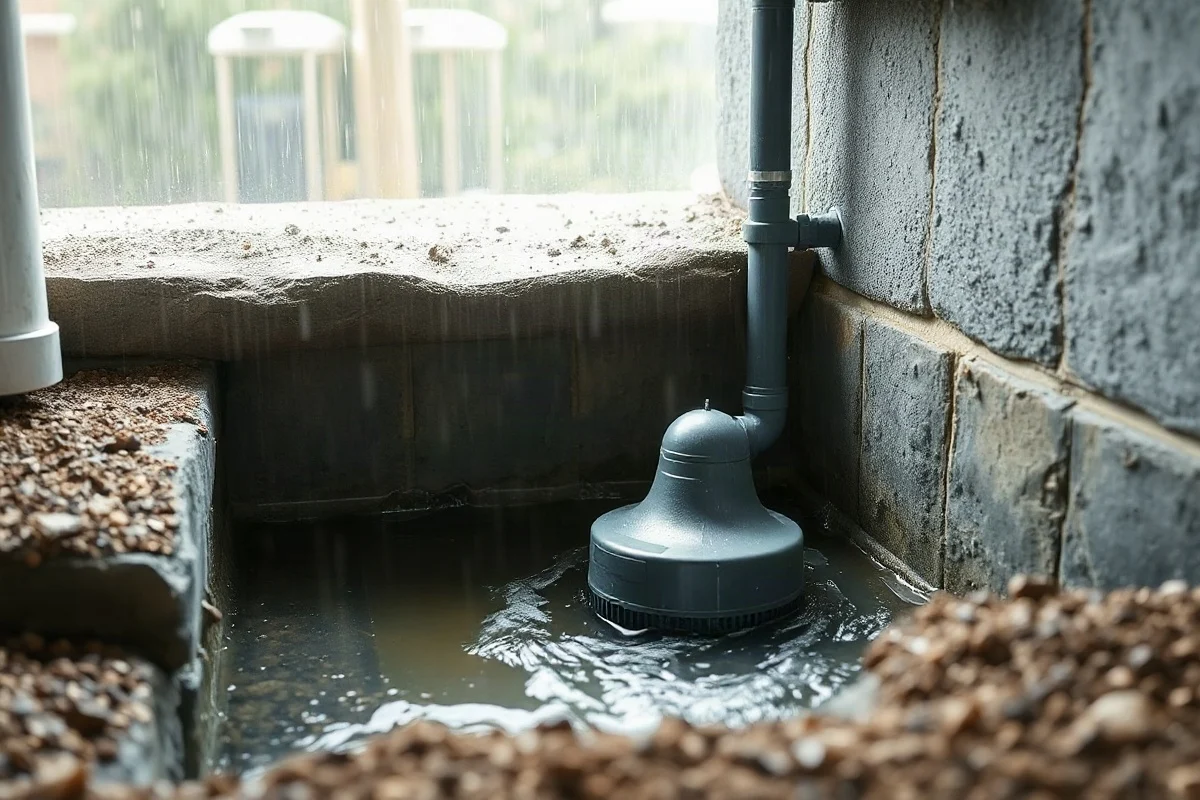
A primary sump pump removes groundwater that collects in a sump pit and sends it away from the foundation. If that pump loses power, becomes clogged, or fails mechanically during heavy rain, water can rise quickly. A backup system provides another way to remove water before it reaches the basement floor.
Power outages are a common reason homeowners consider a backup. Severe weather can interrupt electricity at the same time that rain or snowmelt increases groundwater around the foundation. However, a backup pump is not a substitute for a properly working primary pump. The primary system should still have a correctly sized pump, a clear discharge route, a check valve where appropriate, and a clean, accessible pit.
How battery backup sump pumps work
A battery backup pump is installed in or near the sump pit and connected to a separate discharge arrangement, depending on the system design. A control unit detects when the water level rises above a set point or when the primary pump is not operating. The backup then draws power from a battery and pumps water out of the pit.
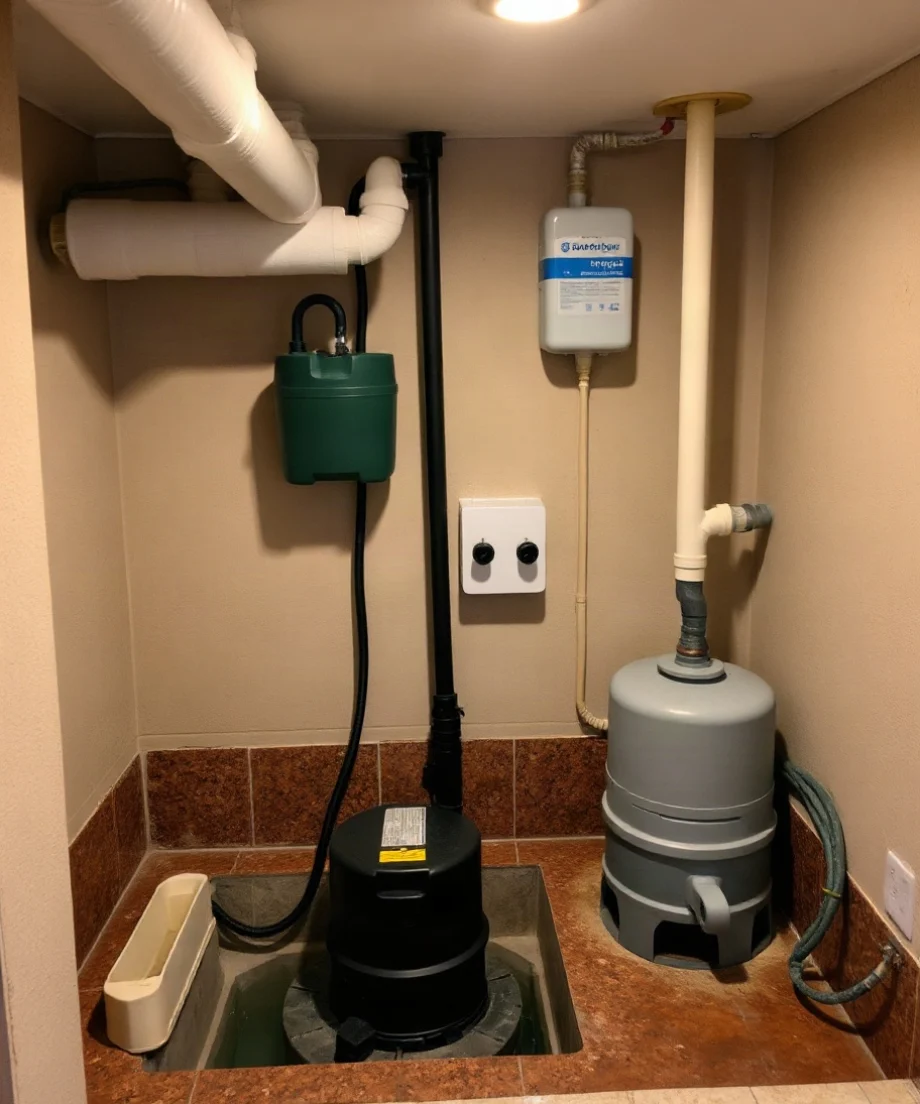
Many systems use a 12-volt battery, although the exact battery type and installation vary by product. Some setups include a charger and an alarm that warns about a high water level, low battery condition, or pump problem. The battery must be maintained and eventually replaced because its capacity declines with age and use.
The main advantage is independence from the home’s electrical supply during an outage. The system can also help if the primary pump has a mechanical failure, provided the backup has its own intake and discharge path. A battery model may be especially useful when the home has unreliable power or when a generator is not available.
How water-powered backup sump pumps work
A water-powered backup uses the pressure of a municipal water supply to create suction and move sump water through a discharge line. It does not need a battery or electrical outlet to operate. When the backup activates, a control valve allows pressurized water to flow through the unit while the sump water is discharged.
This design can continue working during an electrical outage, but it depends on the home having an adequate, reliable municipal water supply. A private well system may not provide the necessary pressure during a power failure because the well pump itself often needs electricity. Low water pressure can also reduce performance or prevent the backup from working as intended.
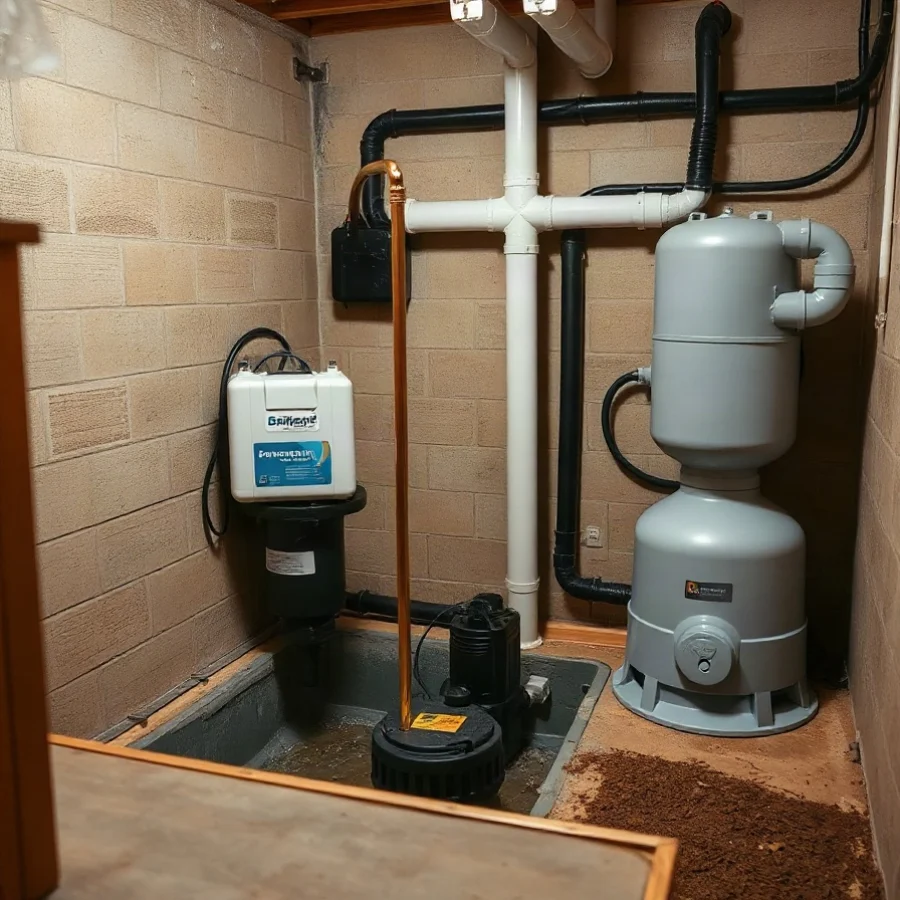
A water-powered unit uses drinking water whenever it runs. The amount depends on the equipment, water pressure, pump demand, and operating time. That ongoing water use may matter during a prolonged outage, and local plumbing requirements may affect whether the installation is acceptable. A qualified local plumber should evaluate the connection rather than assuming that any nearby water line can be used.
Battery vs. water-powered backup: key differences
| Factor | Battery backup | Water-powered backup |
|---|---|---|
| Power source | Battery and charger | Pressurized municipal water |
| Performance during an outage | Depends on battery charge, condition, and pump demand | Depends on available water pressure and supply |
| Water consumption | Does not use potable water to operate | Uses water while pumping |
| Maintenance | Battery testing and replacement are important | Valve, piping, and pump operation still need inspection |
| Best fit | Homes needing independence from both power and municipal water | Homes with dependable municipal pressure and a suitable installation location |
| Main limitation | Limited runtime if the battery is depleted | Cannot perform properly without adequate water supply and pressure |
Which backup is more reliable?
Neither design is automatically reliable in every home. A battery backup is often the safer general-purpose choice during electrical outages because it does not rely on municipal water pressure. Its reliability depends on battery condition, charger operation, correct installation, and the length and intensity of the pumping cycle.
A water-powered unit can be attractive when the municipal water supply remains available and the homeowner does not want to maintain a backup battery. It may provide long-duration operation under suitable conditions. However, it is vulnerable to low pressure, a municipal water interruption, or a problem with the water-supply connection. Its use of treated water may also be a concern during extended pumping.
For homes with a private well, a water-powered backup usually deserves extra scrutiny. If the well pump cannot operate during an outage, the water-powered backup may not have the supply it needs. Ask a qualified plumber to assess the actual water system instead of relying on assumptions about pressure.
Safe homeowner checks
Homeowners can perform several low-risk checks without opening electrical panels, disconnecting water lines, or entering standing water:
- Confirm that the sump pit is accessible and not filled with debris, stones, or construction material.
- Look for visible kinks, crushed sections, or loose connections in the discharge piping.
- Check that the primary pump has power and that its alarm, if present, is not indicating a fault.
- For a battery system, inspect the exterior of the battery enclosure and look for an alarm, corrosion, swelling, leakage, or an obvious charging problem.
- Review the manufacturer’s instructions for a permitted test procedure, such as carefully adding water to the pit while keeping hands away from moving parts.
- Make sure the discharge outlet is not visibly blocked by ice, soil, leaves, or other material.
Do not touch electrical equipment while standing in water. Do not remove a battery cover, alter wiring, disconnect a pressurized water line, or bypass an alarm unless the manufacturer’s instructions specifically identify a safe procedure. Electrical work, water-supply modifications, sewage exposure, and major flooding should be handled by a qualified local professional.
Common symptoms and possible causes
The backup does not start
Possible causes include a low or failed battery, a charger problem, a tripped circuit, a stuck float, a blocked intake, an incorrect water level, or a control-unit fault. A water-powered model may also fail to start because of insufficient water pressure or a closed supply valve. A professional can test the system without guessing at the failed component.
The pump runs but does not lower the water
A clogged intake, blocked discharge, failed check valve, undersized or damaged piping, an air problem, or a pump that cannot handle the flow may be responsible. If water is rising rapidly, treat the situation as urgent. Move valuables away from the affected area if it is safe, keep people away from electrical hazards, and contact an emergency plumbing professional.
The alarm sounds repeatedly
An alarm may indicate a high water level, primary pump failure, low battery, charging trouble, or a problem with the discharge route. Do not silence the alarm and assume the system is fine. First perform only the visible checks described in the manual. If the cause is not obvious, arrange professional service before the next storm.
The battery backup runs frequently
Frequent operation may result from heavy groundwater, a failed primary pump, a stuck float, a clogged discharge, or water returning through the discharge line. It can also reveal that the system is carrying more of the workload than expected. Repeated cycling shortens equipment life and can drain the battery, so the cause should be investigated rather than handled by repeatedly replacing batteries.
Repair or replacement: how to decide
Repair may make sense when the problem is limited to a failed float, alarm, charger, check valve, visible blockage, or replaceable battery. Replacement is more likely to be appropriate when the pump has severe corrosion, repeated motor failures, damaged housing, an unreliable control unit, or a design that no longer matches the home’s water conditions.
Do not choose a replacement based only on horsepower or the label on the box. A plumber should consider the vertical lift, pipe length, bends, discharge location, expected inflow, pit size, and performance of the primary pump. A system that looks powerful on paper may move much less water once it works against the actual discharge height and piping resistance.
It may also be worth replacing or redesigning the discharge arrangement if water returns to the pit, the outlet freezes repeatedly, or the pipe terminates too close to the foundation. The correct solution depends on the property and local requirements, so avoid copying a neighbor’s setup without an evaluation.
Cost factors to consider
The total cost of a backup sump pump project can vary substantially. Important factors include:
- The type and capacity of the backup pump.
- Whether the sump pit can accept the new equipment without modification.
- The condition and layout of the discharge piping.
- Whether a second discharge route is needed.
- For a battery system, the battery type, charger, alarm, enclosure, and future battery replacement.
- For a water-powered system, the available water pressure, connection location, valves, backflow protection, and required piping changes.
- Access difficulty, flooding conditions, and the amount of labor needed to remove old equipment.
- Any site-specific requirements that a local professional must verify.
Request a written estimate that separates equipment, labor, piping changes, testing, cleanup, and any recommended upgrades. Prices can differ by region and by the complexity of the installation, so a generic online figure may not reflect your home.
How to choose the right plumber
Look for a qualified local plumber with experience installing and servicing sump pump systems. Ask whether the company will inspect the pit, primary pump, discharge route, electrical supply, and water conditions before recommending a backup. A responsible professional should explain why a battery or water-powered system fits the property and identify limitations rather than promising uninterrupted protection.
Ask for documentation describing the proposed equipment, testing process, maintenance needs, and what is excluded from the estimate. You can use the hiring a plumber guide for broader questions to ask before authorizing plumbing work.
If water is already entering the basement, electrical equipment is wet, sewage is present, or the primary and backup pumps have both failed, contact an emergency plumbing service and avoid entering unsafe water. A local emergency plumber can assess the immediate risk and help determine whether pumping, electrical isolation, or additional repairs are needed.
Maintenance that protects either system
Test the backup according to the manufacturer’s instructions and inspect it before seasons when heavy rain or snowmelt are likely. Keep the sump pit free of debris, verify that the discharge route remains open, and check for unusual cycling or alarm activity. Battery systems need particular attention to battery age, charge status, corrosion, and replacement intervals recommended for that equipment.
Water-powered systems should be checked for visible leaks, valve problems, unusual noise, and reliable operation under the home’s normal water conditions. Do not alter a water connection or attempt electrical repairs as a routine maintenance task. If the system repeatedly fails a test or the pump cannot keep up, arrange an inspection before a storm exposes the problem.
Making the decision
Choose a battery backup when independence from municipal water is important, the home has a well, or the property needs protection specifically from electrical outages. Choose a water-powered backup only after confirming that the home has a dependable municipal supply and that the installation is suitable for the property. Some homeowners may consider a combination of backup strategies, but that decision should be based on the home’s flood exposure, equipment layout, and professional evaluation.
The best backup is not simply the one with the lowest purchase price. It is the system that can operate under the conditions most likely to threaten your basement, can be tested and maintained, and is installed with a discharge route that actually moves water away from the foundation.

Comments
0No comments yet. Be the first to share a helpful note or question.
Leave a Comment
Your email address will not be published. Comments are reviewed before appearing on the site.