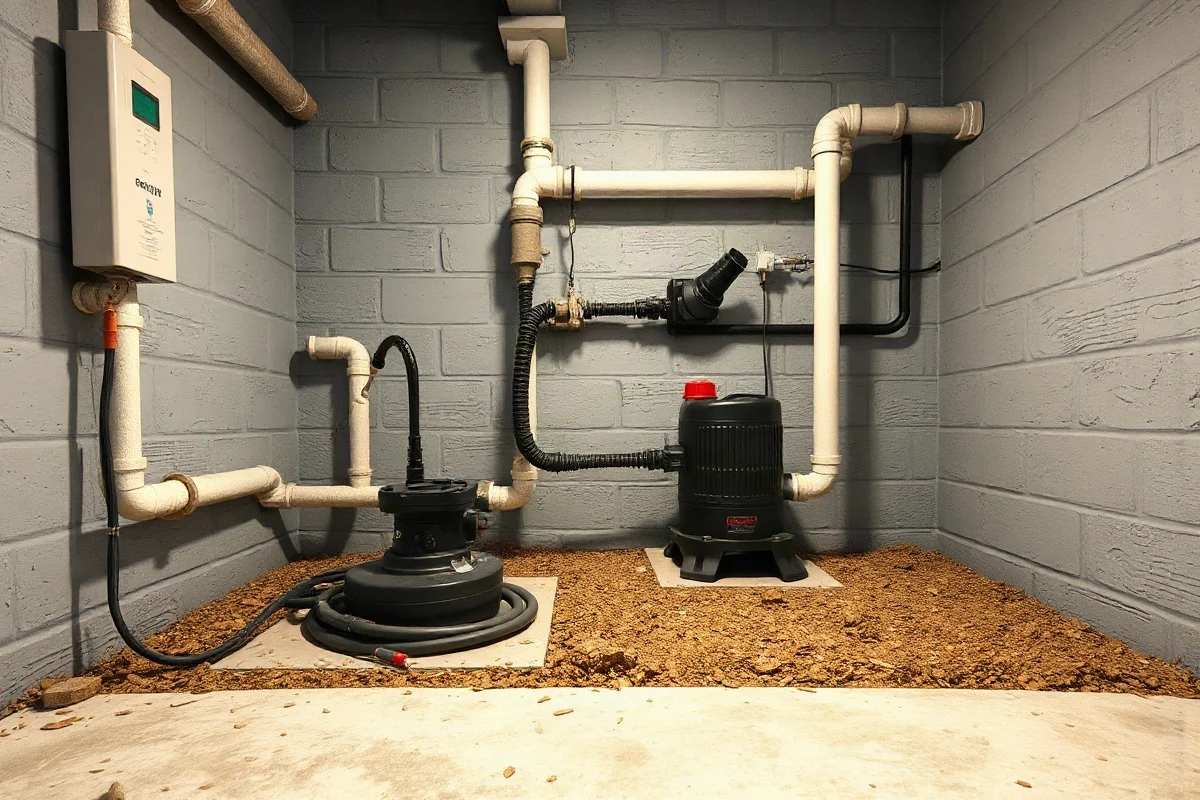
For a finished basement, a primary sump pump is essential in many homes, but a backup system is usually the wiser choice when flooding could damage living space, appliances, flooring, or stored belongings. The primary pump handles normal water collection, while a backup protects the basement if the main pump fails, loses power, becomes clogged, or cannot keep up with unusually heavy inflow. The right setup depends on your basement’s water history, sump pit, drainage conditions, electrical reliability, and the value of what is below grade.
Why a finished basement needs more than basic pump coverage
An unfinished utility area may tolerate a small amount of moisture better than a finished basement. Carpet, drywall, trim, furniture, electronics, and personal belongings can be damaged quickly when a sump system stops working. Moisture can also remain hidden beneath flooring or behind finished walls, creating conditions that are difficult to identify until odors, staining, or material damage appears.
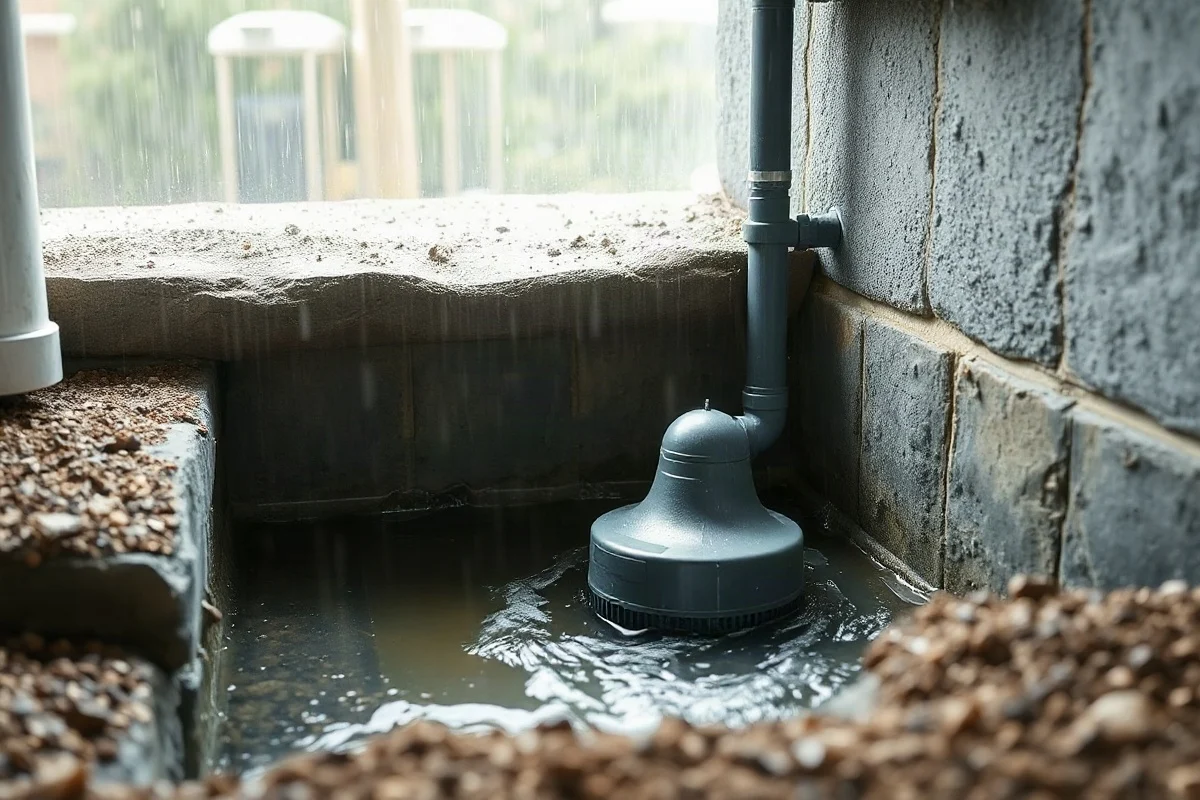
A primary sump pump normally sits in a pit connected to a drain tile or other water-collection system. As groundwater enters the pit, a float switch or sensor activates the pump. The pump sends water through a discharge pipe away from the foundation. If any part of this process fails, water may rise in the pit and eventually reach the basement floor.
A backup system adds another layer of protection. Depending on the design, it may use a second pump, a separate power source, a battery, or a water-powered mechanism where appropriate and permitted by local conditions. These options do not provide identical performance, so a qualified plumber should evaluate the system rather than treating every backup pump as interchangeable.
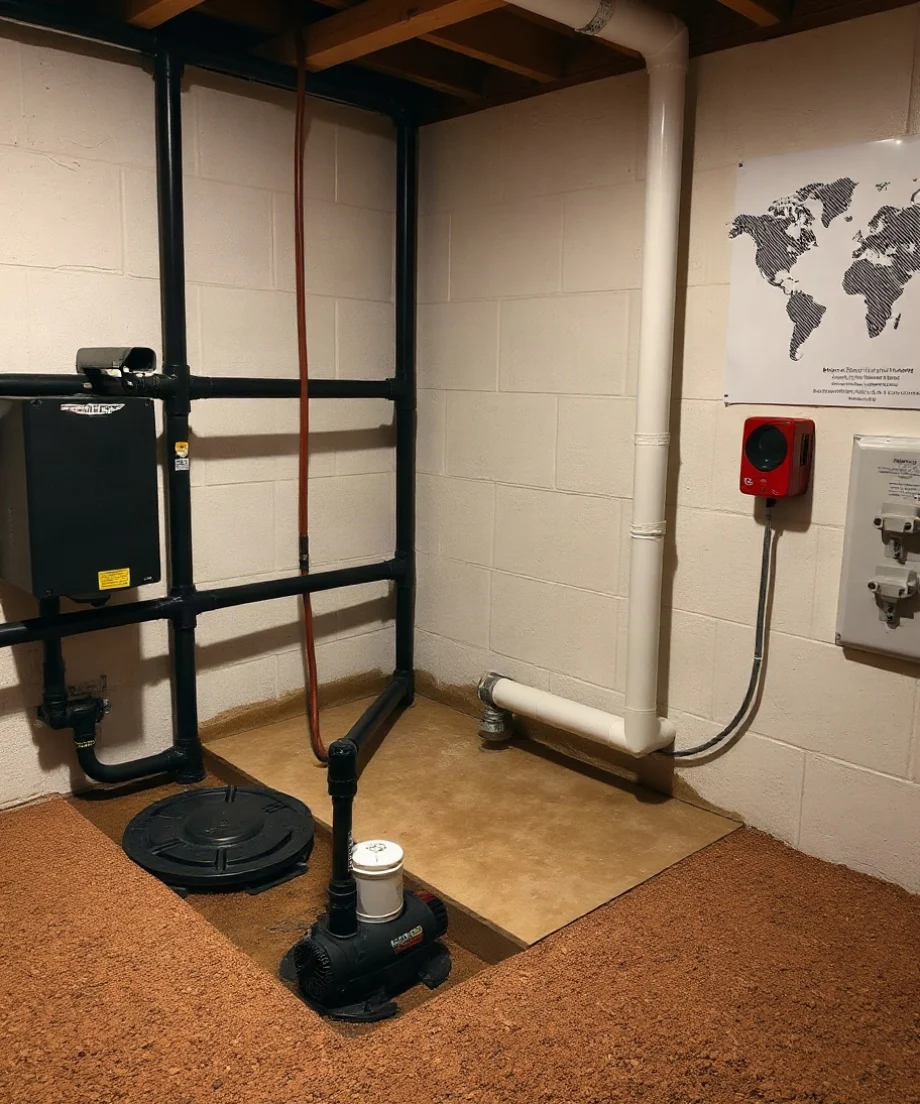
Primary pump versus backup system
What the primary pump does
The primary pump is the first line of defense. It should be correctly sized for the amount of water entering the pit and the vertical and horizontal distance the discharge line must travel. A pump that runs constantly may be undersized, restricted, worn, or dealing with more water than the drainage system was designed to handle. A pump that rarely runs is not automatically healthy; the float switch, power supply, or drainage path could still have a problem.
Primary pumps are commonly powered by electricity. That makes them effective during normal conditions but vulnerable to outages. Even a well-maintained pump cannot operate if its circuit is unavailable, its plug is disconnected, or an electrical fault interrupts power.
What a backup system adds
A backup system is designed to help when the primary pump cannot perform. A second pump may activate if water rises beyond a certain level. A battery-backed unit may continue operating during a power outage. Some systems combine a secondary pump with a high-water alarm so someone can respond before water reaches finished surfaces.
Backup protection is especially worth considering when the basement contains a bedroom, home office, entertainment area, furnace, electrical equipment, or expensive flooring. It may also be sensible when storms frequently cause outages or when the home has experienced previous basement flooding. A backup is not a substitute for correcting a defective primary pump, blocked discharge line, failed check valve, or drainage problem.
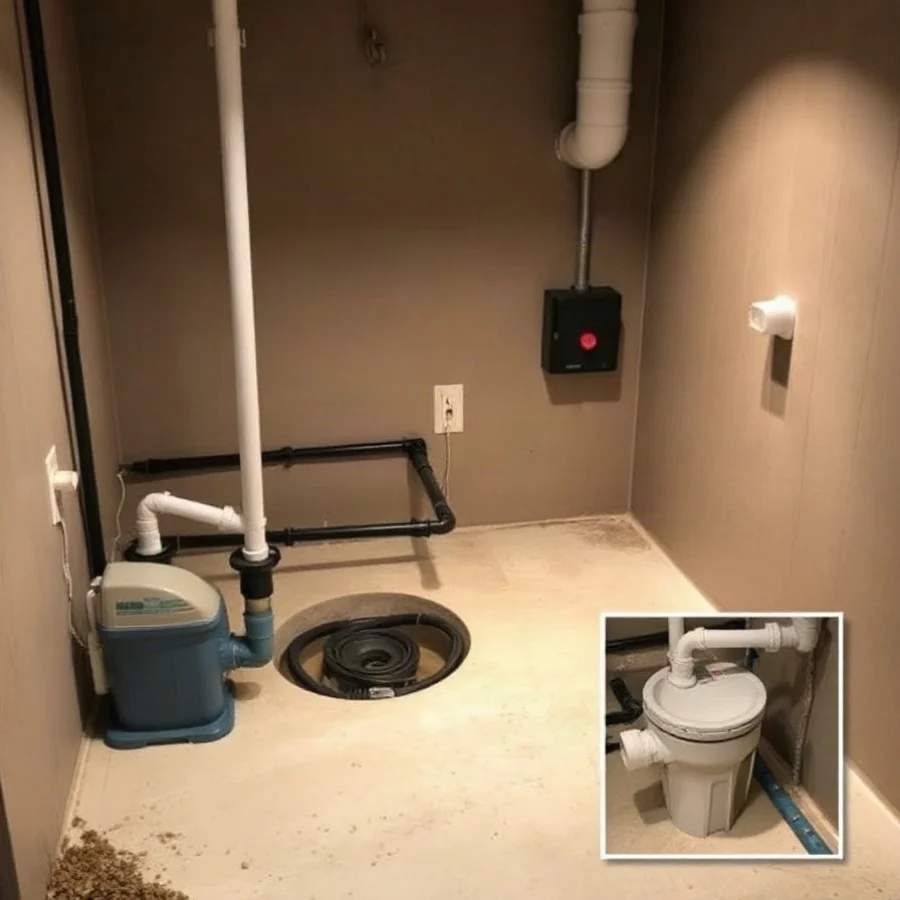
Signs your current sump setup may be inadequate
Several warning signs suggest that a finished basement needs inspection or an upgraded system:
- The pump runs continuously or cycles on and off unusually often.
- The pump makes grinding, rattling, humming, or clicking sounds.
- Water rises in the pit even though the motor appears to be running.
- The discharge pipe leaks, freezes, disconnects, or releases water too close to the foundation.
- The check valve allows water to flow back into the pit after the pump stops.
- The basement has a musty odor, damp flooring, wall staining, or unexplained moisture.
- The sump pit is uncovered, filled with debris, or missing a secure basin cover where one is needed.
- The system has no high-water alarm or secondary method of notification.
- The pump has stopped during a previous outage or storm.
These symptoms can have several causes. A blocked intake screen, stuck float, damaged impeller, failed check valve, obstructed discharge line, or undersized pump may all produce similar results. A professional inspection is useful when the cause is not obvious.
Safe homeowner checks
Homeowners can perform a few low-risk observations without opening electrical components or entering contaminated water. First, look at the sump pit from a safe position. Check whether the pump is upright, whether the float can move freely, and whether obvious debris is interfering with the mechanism. Do not put your hands into the pit while the pump is connected to power.
Confirm that the pump is plugged into the intended outlet and that the cord is not damaged. Check the discharge pipe for visible disconnection, leakage, or water flowing back toward the pit. You can also listen during a normal pump cycle and note unusual sounds or extended operation.
If the manufacturer’s instructions allow a basic test, carefully add clean water to the pit using a container and observe whether the float activates the pump and whether water leaves through the discharge line. Keep water away from outlets and electrical connections. Stop immediately if the pump does not activate, the area is wet around electrical equipment, or the discharge is not working as expected.
Test a backup alarm according to its instructions, but do not disassemble the pump, alter wiring, bypass a safety device, or connect equipment in a wet area without appropriate expertise. Electrical work around water should be handled by a qualified professional.
When to call a qualified professional
Arrange professional help when the pump fails to start, runs without lowering the water level, repeatedly trips a circuit, or shows signs of damaged wiring. Call promptly for major flooding, a rapidly rising water level, sewage-contaminated water, or moisture near electrical panels, furnaces, outlets, or other equipment. Avoid entering standing water when you cannot determine whether electrical hazards are present.
A professional should also evaluate concealed leaks, foundation drainage concerns, discharge routing, and any work that may affect local code requirements or the home’s electrical system. If the pit fills rapidly during rain, the issue may involve more than the pump itself. A plumber can check the pump capacity, basin, check valve, discharge line, and water entry pattern before recommending replacement or additional equipment.
Repair, replacement, or a complete backup upgrade?
Repair may be reasonable when the pump is otherwise in good condition and the problem is limited to a replaceable component, such as a float switch, check valve, discharge fitting, or blocked line. However, replacing one component will not solve an undersized system, a damaged basin, poor drainage, or repeated power failures.
Replacement is more likely when the motor is failing, the pump has severe corrosion, the impeller is damaged, the unit has a history of unreliable operation, or the system cannot manage normal inflow. A new primary pump should be selected based on the actual installation, not just a label or horsepower number.
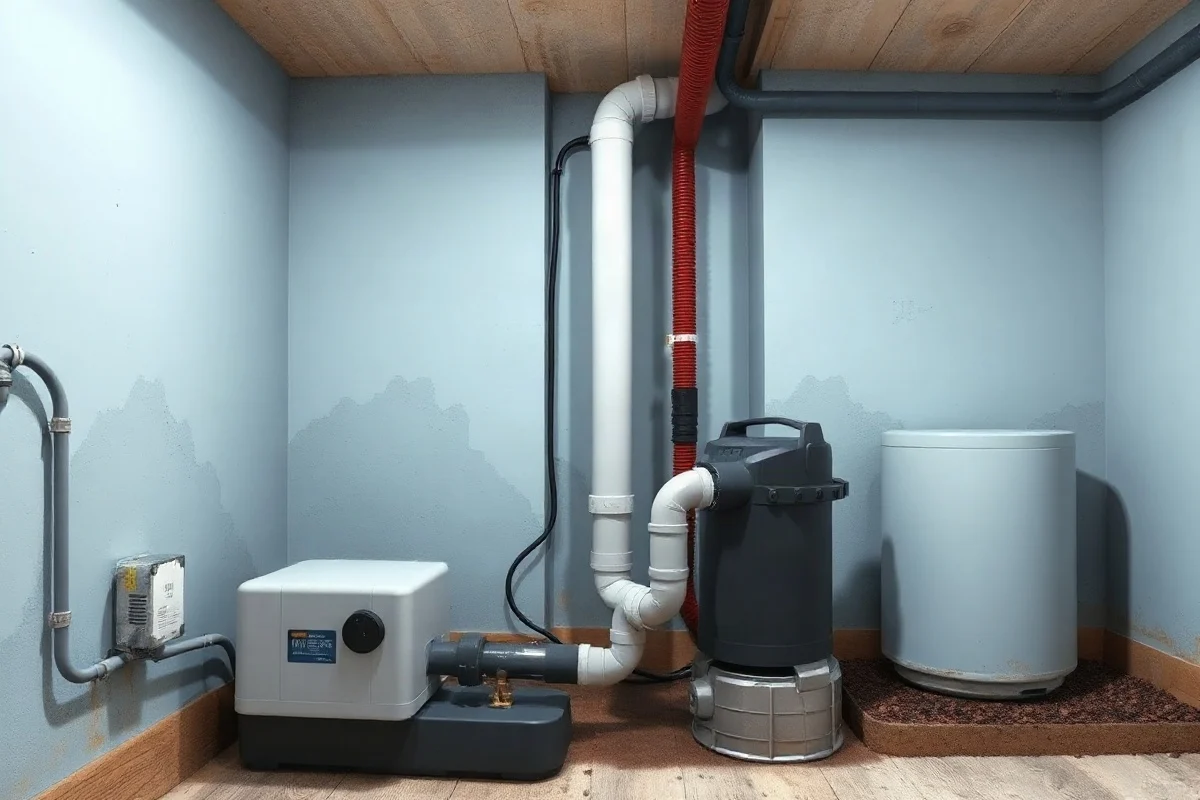
A complete upgrade may include a primary pump, independent backup pump, battery or other backup power, high-water alarm, secure basin cover, improved discharge protection, and a way to receive an alert when the system fails. The best combination depends on the home and local conditions. A professional can explain what each component does and identify which part provides the greatest improvement in risk reduction.
Maintenance for a finished-basement sump system
Inspect the system periodically and follow the pump manufacturer’s maintenance instructions. Keep the pit accessible and free of stored items. Make sure the float has room to move and that the discharge outlet remains open. During rainy seasons, pay attention to changes in cycling frequency, noise, and water level.
Do not rely on a backup that has never been tested. Test the alarm and backup operation according to the equipment instructions, and replace or service batteries as recommended. A backup battery can lose capacity over time even when it has not been used. If the backup has a separate pump, verify that its intake is not blocked and that its discharge path is functional.
It is also helpful to keep a record of pump installation dates, service visits, unusual noises, and previous flooding. That information helps a plumber determine whether the system is experiencing a new failure or a long-term capacity problem. For related guidance, visit the sump pump service guide.
Cost factors without relying on a guessed local price
The cost of a primary or backup sump system varies widely because installations are not identical. Important factors include pump type and capacity, basin condition, discharge-pipe length, vertical lift, access to the pit, electrical work, alarm equipment, battery capacity, drainage modifications, and whether water damage must be removed or repaired.
Emergency timing, difficult access, concealed problems, and a system that requires more than a simple pump replacement can also affect the total. Ask for a written explanation of the recommended work, the components being replaced, labor, testing, and any work that is outside the initial scope. Avoid choosing solely by the lowest quote if the proposal does not explain how the system will handle normal inflow and outage conditions.
For broader planning information, review this practical guide to plumbing cost factors. It is still important to obtain estimates from local professionals because site conditions differ from one home to another.
How to choose the right plumber
Look for a qualified local plumber who regularly works with sump pumps, basement drainage, and backup systems. Ask whether the evaluation will include the pit, float, intake, check valve, discharge route, electrical connection, alarm, and backup power rather than only the pump motor.
A good professional should explain why the current system is failing, distinguish a repair from an upgrade, and identify any risks that require another specialist. Ask for a written scope of work and clear information about testing after installation. If the job involves electrical changes, sewage exposure, major flooding, or concealed water damage, confirm that the appropriate qualified professionals will handle those portions.
A finished basement deserves layered protection, but the system should be matched to the home rather than built from unnecessary components. A reliable primary pump, a properly selected backup, working alarms, a clear discharge path, and regular testing provide a more dependable strategy than waiting for the next storm to reveal a weakness.

Comments
0No comments yet. Be the first to share a helpful note or question.
Leave a Comment
Your email address will not be published. Comments are reviewed before appearing on the site.