
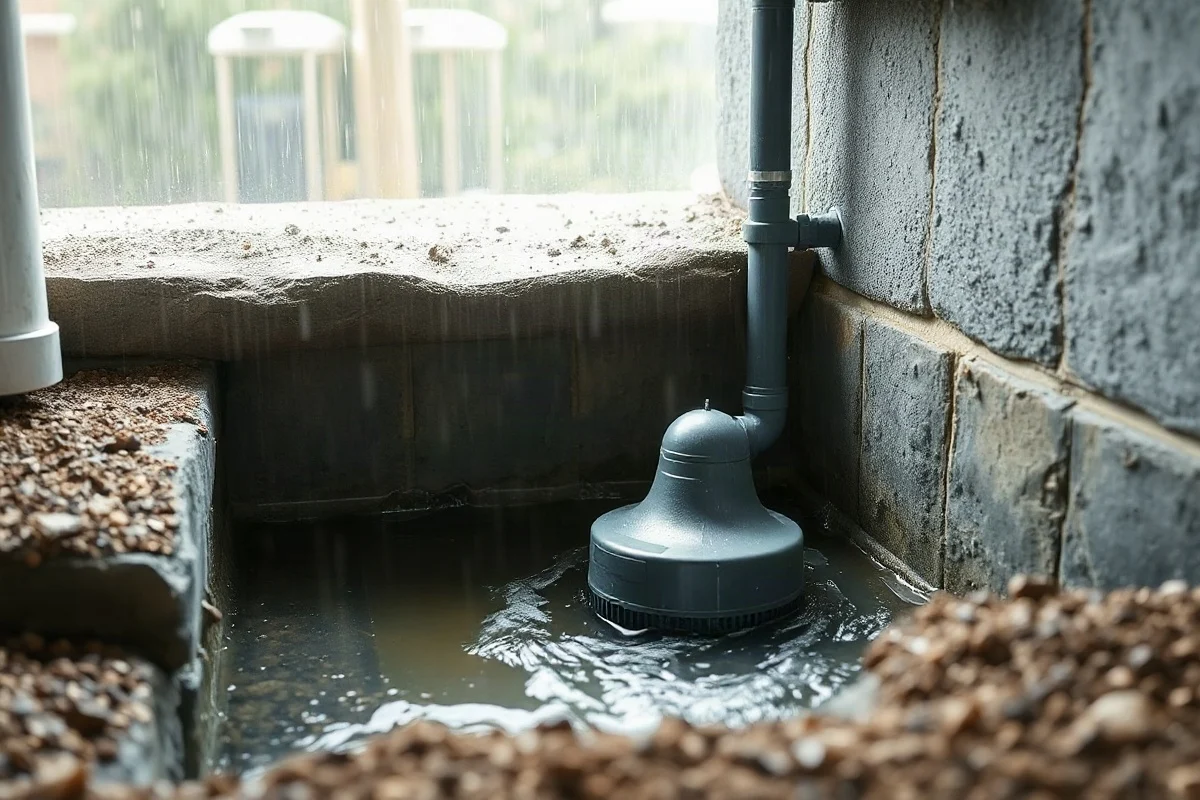
If your sump pump is running constantly, it is usually because water is entering the pit faster than the pump can remove it, the pump is not shutting off correctly, or the discharge system is restricted. A short period of continuous operation during heavy rain may be normal, but nonstop running can overheat the motor, waste electricity, and leave your basement vulnerable if the pump fails. You can perform a few low-risk checks, but electrical problems, sewage exposure, major flooding, and concealed drainage issues should be handled by a qualified local professional.
What constant sump pump operation can mean
A sump pump is designed to start when water lifts a float or activates a pressure sensor, then stop after the water level falls. If it continues running, one of several conditions may be present:
- Groundwater is entering the pit continuously.
- Rainwater or melting snow is overwhelming the drainage system.
- The discharge pipe is blocked, frozen, disconnected, or improperly positioned.
- The check valve is stuck, missing, or allowing water to flow back into the pit.
- The float switch is trapped against the pump, liner, or piping.
- The pump is undersized, worn, clogged, or unable to move water efficiently.
- The sump basin is too small, poorly located, or receiving water from a drainage problem.
- The pump is running but not actually removing enough water.
Listening to the pump and watching the water level can help identify the general problem, but it does not replace a professional diagnosis when the cause is unclear.
Safe checks you can make first
Before inspecting anything, keep your hands and feet away from standing water if the pump, outlet, extension cord, or other electrical equipment may be wet. Do not touch electrical connections in a flooded area. If water is rising quickly, move belongings to a dry location and contact an emergency plumbing or water-removal professional.
Check whether water is actually leaving the pit
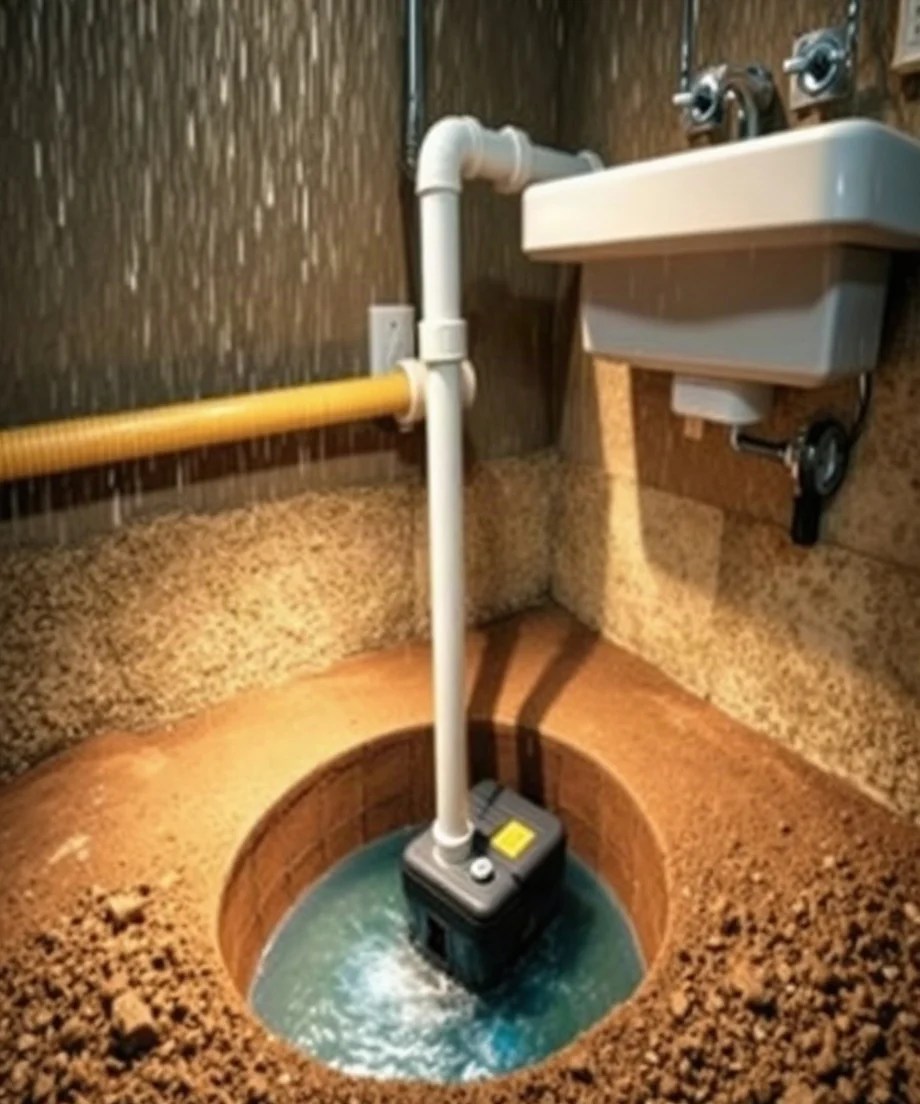
Watch the discharge point outside while the pump operates. You should see water exiting from the pipe or outlet, although the flow may vary with the system design. If the motor runs but little or no water comes out, the discharge line may be blocked, frozen, disconnected, or damaged. A failed impeller or internal pump problem is also possible.
Do not climb onto an unstable surface or dig near buried piping to investigate. Discharge lines can be underground, and repairing them may require experience with drainage and site conditions.
Look at the float switch
With the pump unplugged only if you can safely access the plug without touching water, look for a float that is wedged against the basin wall, pump housing, or discharge pipe. Debris in the pit can also restrict movement. A float that cannot drop may keep the pump running even after the water level falls.
Do not force the float, bypass the switch, or open the pump housing. If the pump is hardwired, lacks an accessible plug, or the area is wet, leave the electrical inspection to a qualified professional.
Inspect the basin for obvious debris
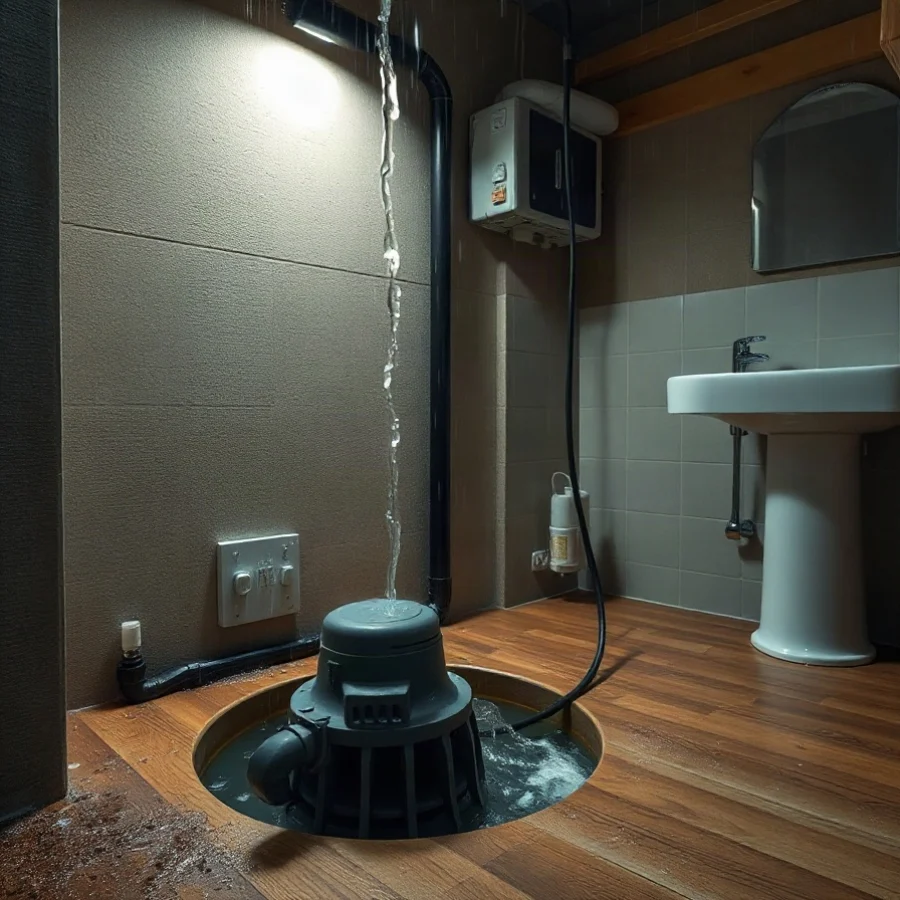
A sump pit should not be filled with loose objects, gravel, mud, or construction debris. Small debris can interfere with the float or clog the pump intake. You may remove loose, easily reachable debris only when the pump is safely disconnected and there is no electrical hazard. Never reach into a running pump or place your hand near the intake.
Check for unusual water sources
Notice whether the constant operation began after heavy rain, rapid snowmelt, a plumbing leak, or a change in nearby drainage. Water may be entering from foundation drains, a high water table, a leaking water line, or a failed appliance connection. If you see a pipe leak, unexplained wetness, sewage, or water coming through walls or floors, use a qualified local plumber rather than opening concealed areas yourself.
Common causes of a sump pump that will not stop
Heavy groundwater or stormwater
During prolonged rain or snowmelt, the pump may run for hours because the surrounding soil is saturated. This can be expected if the water level remains controlled and the pump cycles normally. However, a pump that runs continuously without lowering the water level may be overwhelmed or unable to discharge properly.
Downspouts, grading, and foundation drainage can also affect how much water reaches the pit. Correcting exterior drainage may require excavation or changes to buried systems, so it is best to have a professional evaluate the source before making major alterations.
A blocked or restricted discharge line
The pump may be working, but a restriction in the discharge pipe can prevent water from moving away from the home. Dirt, ice, crushed piping, a closed fitting, or a damaged section can reduce flow. If water exits too close to the foundation, it may return to the soil and flow back toward the sump pit.
A professional can inspect the discharge arrangement, check for backflow, and determine whether the pipe needs cleaning, repair, rerouting, or replacement. Avoid using chemicals or forcing tools through the line, since that can damage the pipe or create a hidden leak.
A faulty check valve
A check valve is intended to keep pumped water from flowing back into the basin when the motor stops. If it is installed incorrectly, stuck open, or worn out, water may return to the pit and cause repeated cycling. You may hear a pronounced rush of water back into the basin after the pump shuts off.
Replacing a valve may look simple, but the correct location, orientation, pipe support, and discharge layout matter. If you are not certain how the system is arranged, have a qualified plumber inspect it.
A stuck or failed float switch
Float switches can become trapped, waterlogged, or worn. Some systems use a tethered float, while others use a vertical switch or electronic sensor. A failed switch may leave the motor running or prevent it from starting at all.
Do not permanently hold the switch down, tie it in place, or bypass it. These shortcuts can cause the pump to run dry, overheat, or lose automatic protection during the next storm.
A worn, clogged, or undersized pump
A pump can run continuously when its impeller is damaged, its intake is restricted, or its motor is losing capacity. The pump may sound rough, vibrate excessively, cycle weakly, or move less water than it once did. A pump that is too small for the volume or vertical lift may also run without catching up.
Choosing a replacement requires more than matching the old pump's appearance. The professional should consider water inflow, discharge length, vertical lift, pipe size, basin condition, and the pump's actual performance. A larger pump is not automatically the right solution if the discharge system cannot handle it.
When to shut it off and call for help
Contact a qualified local professional promptly if the pump runs constantly and the water level is rising, the motor smells hot or burned, the pump makes grinding noises, the outlet trips, or the discharge line is broken. Also seek professional help for electrical connections, hardwired equipment, sewage-contaminated water, major flooding, suspected foundation drainage failures, and leaks inside walls or beneath floors.
If the pump is running continuously but the water level is stable, you may have more time to arrange service, but do not assume the system is safe indefinitely. Continuous operation can shorten pump life, and a failure during the next storm could lead to basement damage. If you need urgent assistance, see the emergency plumber category for guidance on finding appropriate local help.
Repair or replace the sump pump?
Repair may make sense when the problem is a restricted discharge line, a failed check valve, a loose connection that can be safely serviced, or a float that needs correction. Replacement may be more practical when the motor is worn, the pump has repeatedly failed, the basin is damaged, or the existing model cannot handle the home's water conditions.
A professional should also inspect the basin, intake screen, discharge pipe, check valve, float mechanism, and backup protection before recommending a new pump. Replacing only the motor may not solve a drainage or capacity problem.
Ask what caused the failure, what parts will be replaced, whether the discharge system is included in the assessment, and how the repair will be tested. Written details can help you compare proposals without focusing only on the lowest initial price.
What affects sump pump service costs?
The total cost depends on the actual cause and the amount of access and labor involved. Factors may include:
- Whether the repair involves the pump, float, check valve, basin, or discharge pipe.
- The pump's location and how accessible the pit is.
- The length, height, and condition of the discharge piping.
- Water damage, contaminated water, or cleanup needs.
- Whether exterior drainage or buried piping must be investigated.
- Electrical work or a dedicated circuit that requires a qualified electrical professional.
- Whether a backup pump, alarm, or battery system is being considered.
Because conditions vary widely, be cautious of quotes that promise a fixed repair for every constantly running pump without inspecting the system. You can learn more about general service pricing considerations through plumbing costs, but local estimates should be based on your property's condition and the proposed work.
How to choose the right plumber
Look for a plumber or plumbing company with experience diagnosing sump pump systems and basement water problems. Ask whether the person who will perform the work is qualified for the task and whether the company can address discharge piping, check valves, and drainage issues—not just swap out the pump.
Before approving work, request a clear description of the diagnosis, recommended repair, materials, testing process, and any conditions that could change the estimate. Avoid anyone who tells you to bypass safety controls, ignores electrical hazards, or recommends a larger pump without checking the discharge system.
A reliable evaluation should explain whether the problem is an active water-inflow issue, a pump failure, a drainage restriction, or a combination of factors. Once the immediate problem is controlled, ask what maintenance or monitoring can help identify trouble before the next major storm.
How to reduce the chance of another failure
Keep the sump basin free of loose debris, confirm that the discharge outlet is not visibly blocked, and watch for unusual cycling or changes in pump sound. During severe weather, check the basement periodically without entering standing water near electrical equipment. If your home depends on a sump pump for flood protection, discuss backup options with a professional, especially if outages or long storm events are common in your area.
A constantly running sump pump is a warning sign, not merely an annoying sound. If water is controlled and the cause is obvious, a safe visual check may point to the next step. If the pump cannot keep up, the water level is rising, or any electrical, sewage, flooding, or concealed drainage hazard is involved, stop troubleshooting and arrange qualified local service.
Comments
0No comments yet. Be the first to share a helpful note or question.
Leave a Comment
Your email address will not be published. Comments are reviewed before appearing on the site.