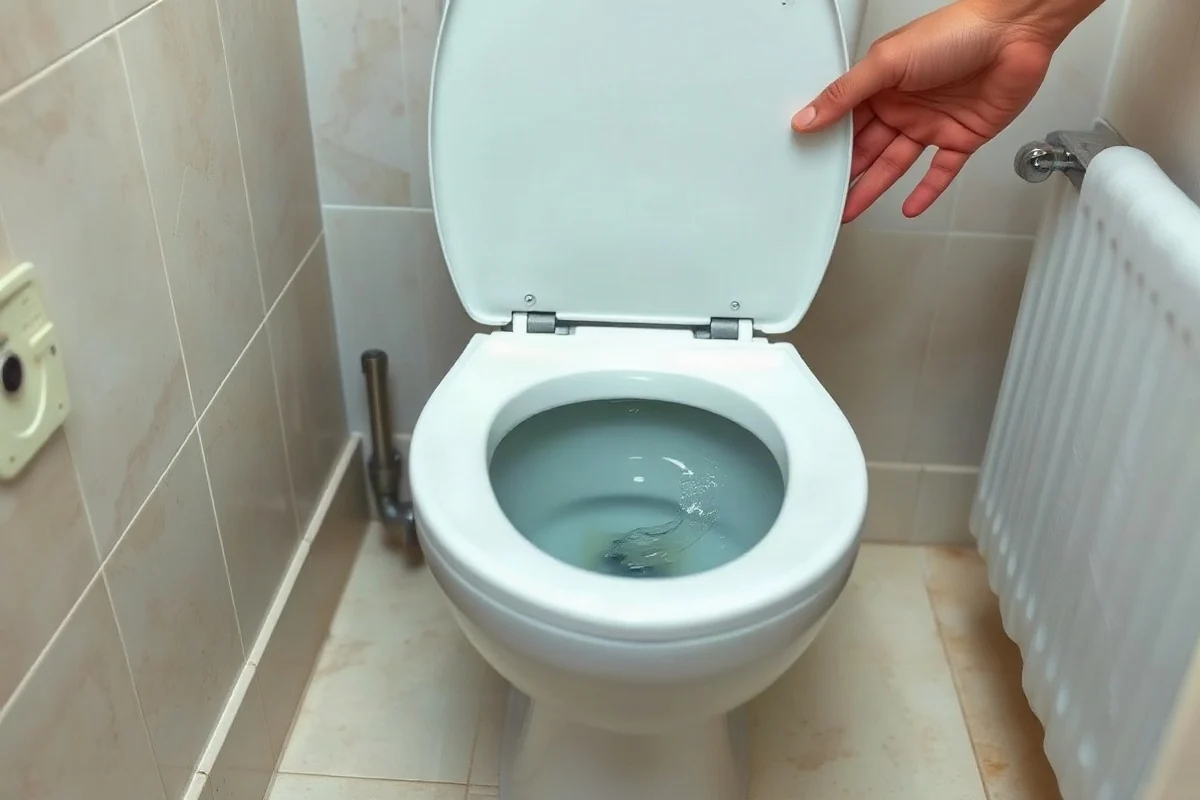
If your toilet is overflowing with clean water, stop the incoming water first, then determine whether the bowl is blocked or the tank is continuing to fill. The most common causes are a clogged toilet drain, a faulty flapper or fill valve, a stuck float, or a problem farther along the drain line. Clean-looking water is still capable of damaging flooring, trim, subflooring, and ceilings below, so treat the overflow as urgent even when there is no sewage odor.
Stop the overflow before troubleshooting
Do not flush the toilet again. If the bowl is rising, turn the shutoff valve on the wall or floor near the toilet clockwise. Turn it slowly until it stops, but do not force a valve that is corroded, leaking, or difficult to operate.
If the shutoff valve does not stop the flow, remove the tank lid and lift the float high enough to close the fill valve. On some toilets, the float is a ball attached to a rod; on others, it is a cup that slides along the fill valve. Hold it up only long enough to stop the water and avoid breaking the mechanism.
Keep children and pets away from the area, remove wet rugs, and wipe up standing water when it is safe to do so. If water has reached an electrical outlet, entered a wall or ceiling, or spread across a large area, avoid contact with the water and contact a qualified local professional. Sewage-contaminated water requires additional precautions and professional cleanup.
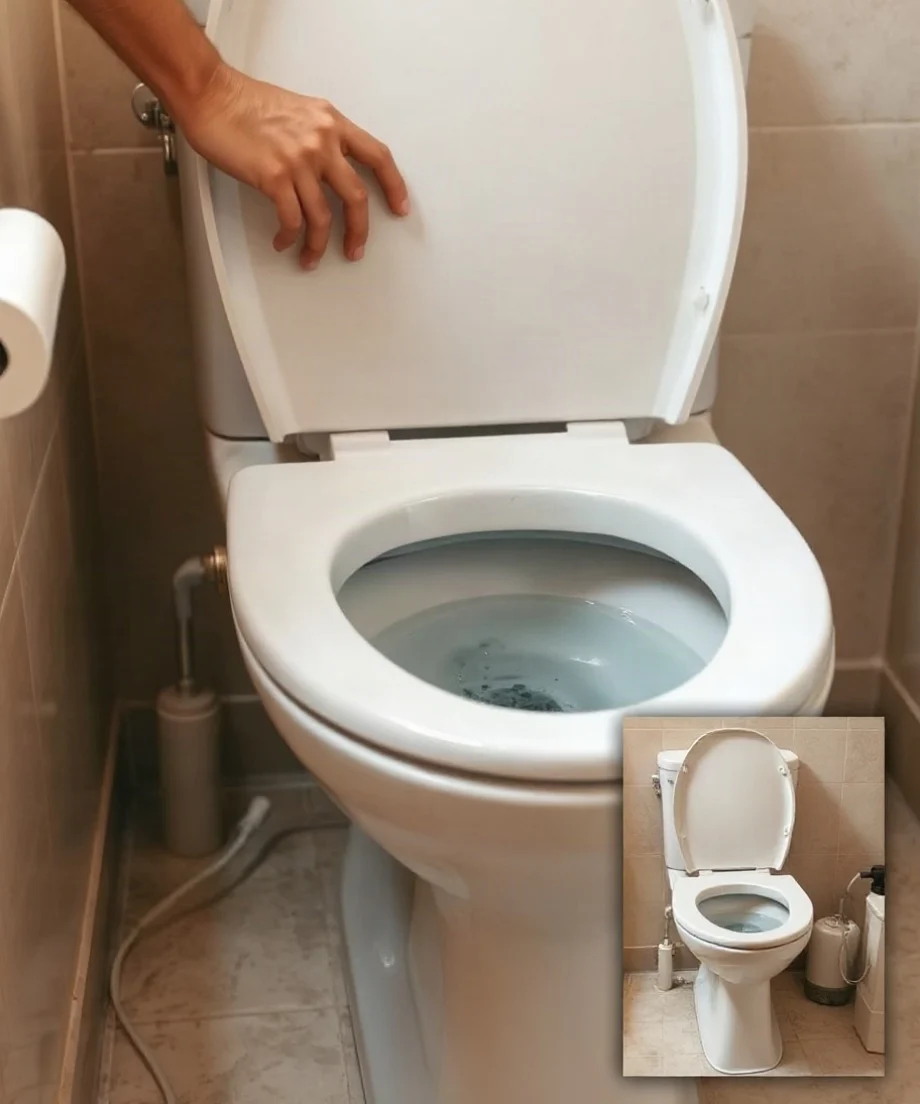
Why a toilet may overflow with clean water
1. A clog is blocking the toilet drain
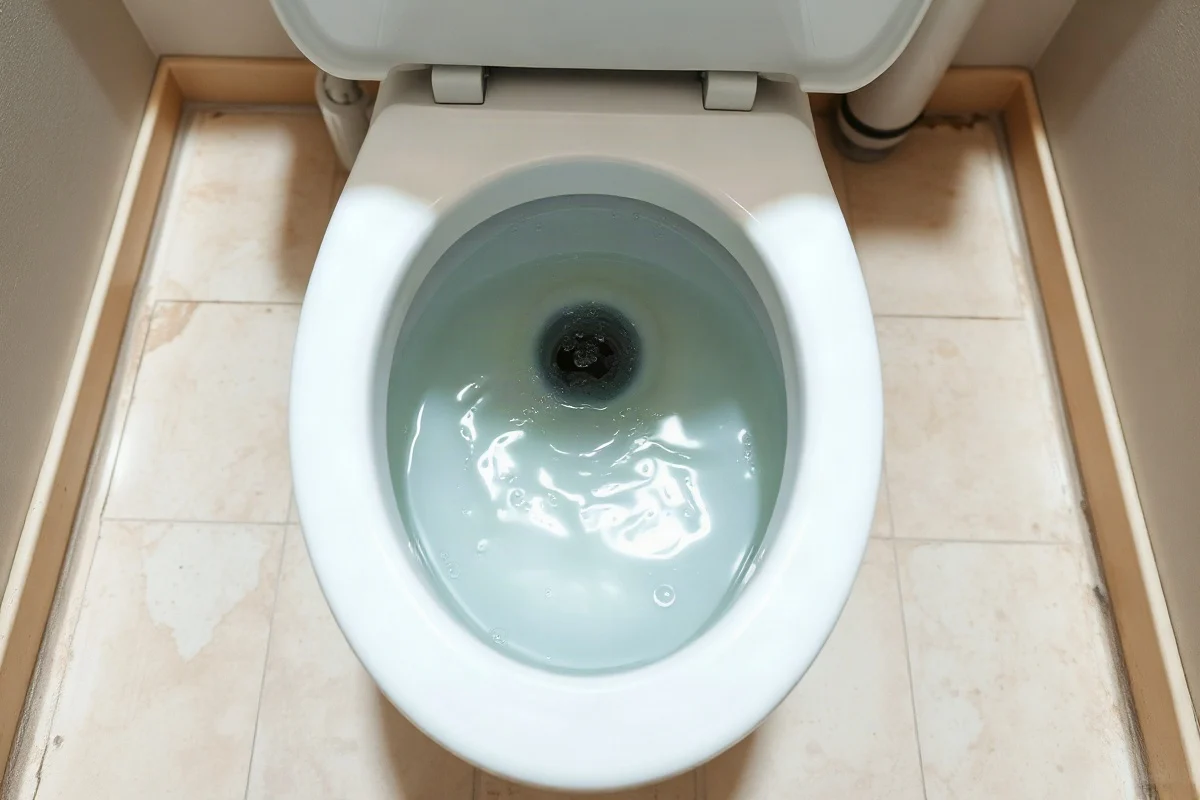
A partial or complete clog is the most common explanation when clean water rises in the bowl after flushing. The toilet may appear normal until the flush sends a large volume of water into the bowl. If the drain cannot carry that water away, the level rises toward the rim.
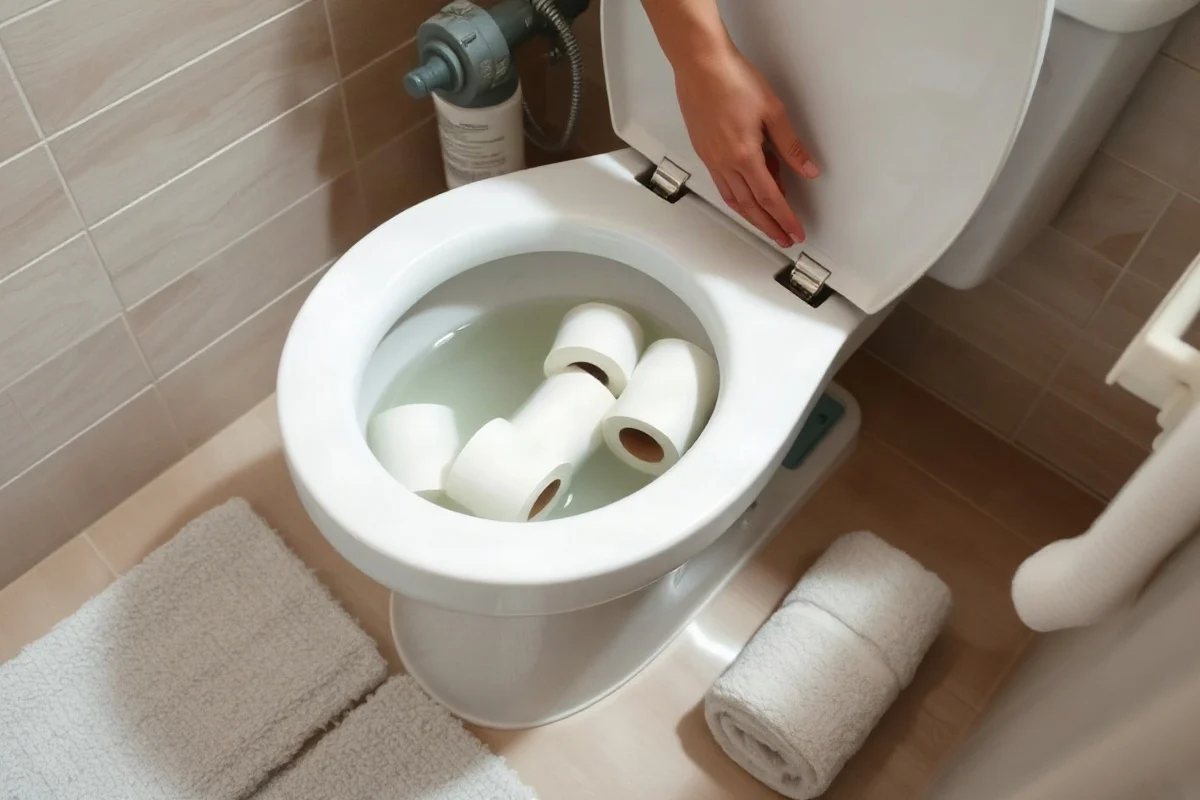
Toilet paper, excessive waste, wipes, paper towels, feminine hygiene products, and small objects can all create blockages. Even products labeled flushable may contribute to clogs because they do not break apart as readily as ordinary toilet paper. A blockage can also develop farther down the branch drain, especially if other bathroom fixtures are draining slowly or making bubbling sounds.
2. The fill valve is stuck open
The fill valve controls the water entering the tank after a flush. If it sticks open, the tank can continue filling until water reaches the overflow tube. Normally, water then flows through the tube into the bowl. If the bowl drain is partially blocked, that extra water may cause an overflow.
Mineral buildup, worn internal parts, an incorrectly adjusted float, or debris in the valve can prevent it from shutting off. A fill valve problem often causes a steady hissing sound or water that keeps running after the flush is complete.
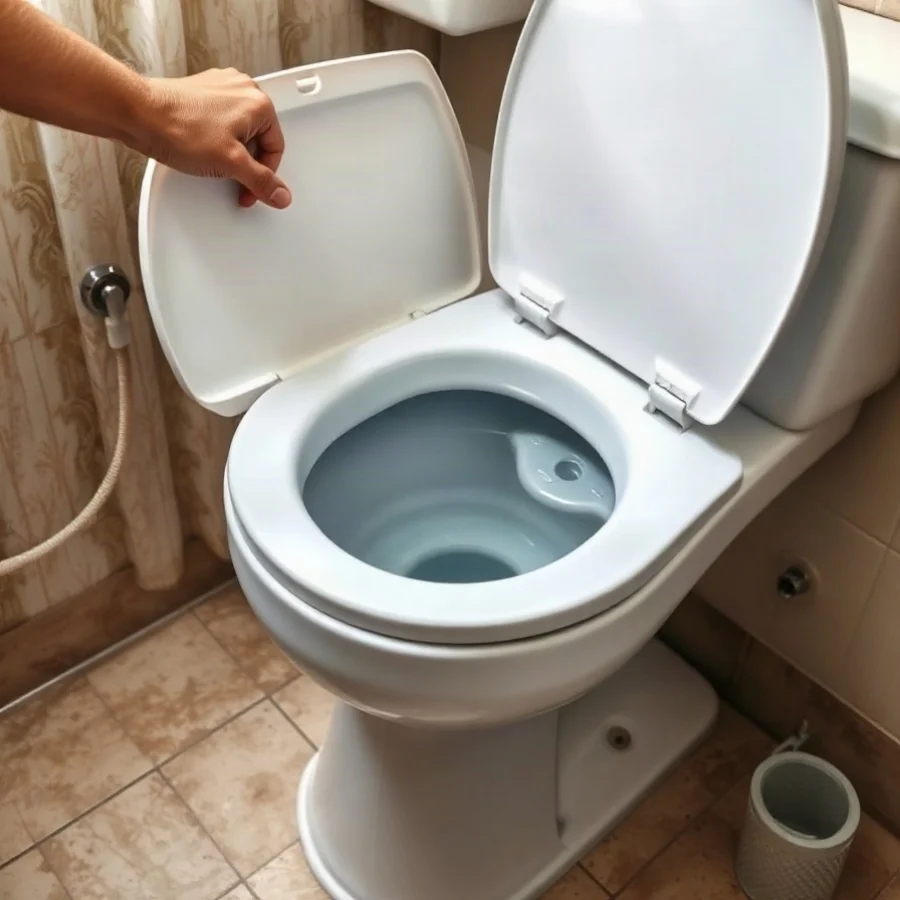
3. The flapper is leaking or not seating correctly
The flapper is the rubber or plastic seal at the bottom of the tank. When you press the handle, it lifts and allows tank water into the bowl. If it is warped, worn, dirty, or caught on the chain, water may keep leaving the tank.
A leaking flapper usually produces a running toilet rather than an immediate bowl overflow. However, if the toilet drain is slow or obstructed, the continuing flow can eventually raise the bowl high enough to spill. The flapper may also fail to close if the chain is too short, tangled, or attached with too much tension.
4. The float is misadjusted or obstructed
The float tells the fill valve when the tank has reached its normal water level. If the float is set too high, rubbing against the tank wall, waterlogged, or blocked by another component, the valve may not shut off at the correct point.
Look inside the tank only after the water supply is off or controlled. The water should normally stop before it reaches the top of the overflow tube. The correct level varies by toilet design, so use the marking inside the tank or the manufacturer’s instructions when available rather than forcing an adjustment.
5. A problem exists in the branch drain or sewer line
When several fixtures drain slowly, a toilet backs up after using a nearby sink or tub, or bubbling comes from multiple drains, the obstruction may be beyond the toilet itself. Roots, damaged pipe sections, accumulated debris, or a main sewer blockage can restrict flow.
Do not keep plunging or flushing in this situation. Continued use can push more water into the bathroom or cause backups at other fixtures. A qualified plumber may need to inspect the drain with specialized equipment, such as a drain camera, before recommending cleaning or repair.
Safe checks a homeowner can make
Once the water is off and the bowl level is stable, you can make a few low-risk observations:
- Check whether the bowl overflowed immediately after flushing or rose slowly while the toilet was unused.
- Listen for hissing, trickling, or water movement inside the tank.
- Look for a loose, tangled, or overly tight chain between the handle and flapper.
- Check whether the tank water is above the overflow tube.
- Notice whether the sink, tub, shower, or another toilet is also slow or backing up.
- Inspect the floor around the toilet for water escaping from the base, supply connection, or tank bolts.
A single gentle attempt with a properly sized flange plunger is reasonable when the symptoms clearly point to a simple toilet clog. Add enough water to cover the plunger cup if the bowl is low, create a seal, and use controlled strokes rather than violent force. Stop if water begins leaking around the base, the bowl rises toward the rim, or the clog does not respond.
Do not use chemical drain cleaners in a toilet. They may damage seals and other components, create hazardous splashes, and leave caustic liquid in the bowl for the next person who attempts a repair. Avoid inserting coat hangers or other rigid objects that can scratch the porcelain or push the obstruction deeper.
When to call a professional
Arrange service from a qualified local plumber if plunging does not clear the problem, the toilet repeatedly overflows, or the blockage returns soon after clearing. Professional help is also appropriate when a child may have flushed a toy, when an object is visibly lodged in the bowl, or when water is leaking from the toilet base.
Call promptly if more than one fixture is backing up, if you hear bubbling in several drains, or if wastewater appears in a tub, shower, floor drain, or basement. These signs can indicate a branch drain or sewer-line obstruction rather than an isolated toilet clog. You can learn more about warning signs and service options through this overflowing toilet resource.
Use a qualified professional for concealed leaks, damaged supply piping, sewage exposure, flooding that has reached walls or electrical equipment, and any repair that may involve local code requirements. A plumber can determine whether the toilet needs clearing, component replacement, drain cleaning, or a deeper inspection.
Repair or replacement: what usually makes sense?
Replacing a flapper, fill valve, float, handle, or supply line is often more practical than replacing the entire toilet when the porcelain is intact and the fixture is otherwise stable. These parts are common wear items, but the correct replacement must match the toilet’s design. A generic-looking part may not seal properly or may alter the water level.
A toilet may deserve replacement when the bowl or tank is cracked, the base is unstable, the fixture has repeated internal failures, or repairs no longer solve recurring clogs. Cracks can release water without much warning and should not be patched as a long-term solution. If the floor feels soft around the toilet or the fixture rocks after the bolts are adjusted, the problem may involve the flange or subfloor and should be evaluated professionally.
Do not assume that a clean-water overflow means there is no hidden damage. Water can pass beneath flooring, swell wood materials, stain ceilings below, and encourage mold growth if it remains trapped. Drying the area and checking adjacent materials is part of resolving the incident.
What affects the cost of fixing an overflowing toilet?
The final cost depends on the cause, accessibility, time required, and whether parts or additional repairs are needed. A simple internal tank adjustment is different from clearing a deep obstruction, repairing a damaged drain, replacing a toilet, or addressing water damage.
Other factors may include:
- Whether the blockage is in the bowl, the connecting drain, or a larger sewer line.
- Whether the toilet can be cleared without removal.
- The condition of the shutoff valve, supply line, flange, and surrounding flooring.
- Whether the repair requires specialized inspection or drain-cleaning equipment.
- Whether service is needed outside a plumber’s normal schedule.
- Whether cleanup, drying, or restoration is necessary after the overflow.
Before work begins, ask what the plumber believes is causing the overflow, which diagnostic steps are recommended, what parts may be replaced, and whether additional damage was found. A written estimate or clear explanation can help you compare options without assuming that the cheapest initial fix will solve a recurring drain problem. For broader planning information, review this guide to plumbing costs.
How to choose the right plumber
Look for a local professional with experience in toilet repairs, drain blockages, and sewer-line troubleshooting. Explain the symptoms clearly: whether the water was clean, when the overflow started, whether the tank kept filling, what you tried, and whether other fixtures are affected.
Ask for the plumber’s diagnosis before approving additional work. A dependable professional should be willing to explain the difference between clearing the immediate blockage and repairing the underlying cause. For help evaluating service providers, use this guide to hiring a plumber.
If the overflow is active, water cannot be stopped, or the bathroom is flooding, prioritize containment and contact an appropriate local emergency plumbing service. Do not continue flushing to test the toilet. Once the water supply is controlled and the cause is identified, the repair is usually much easier to manage and less likely to create further damage.
Comments
0No comments yet. Be the first to share a helpful note or question.
Leave a Comment
Your email address will not be published. Comments are reviewed before appearing on the site.