Clogged Drain
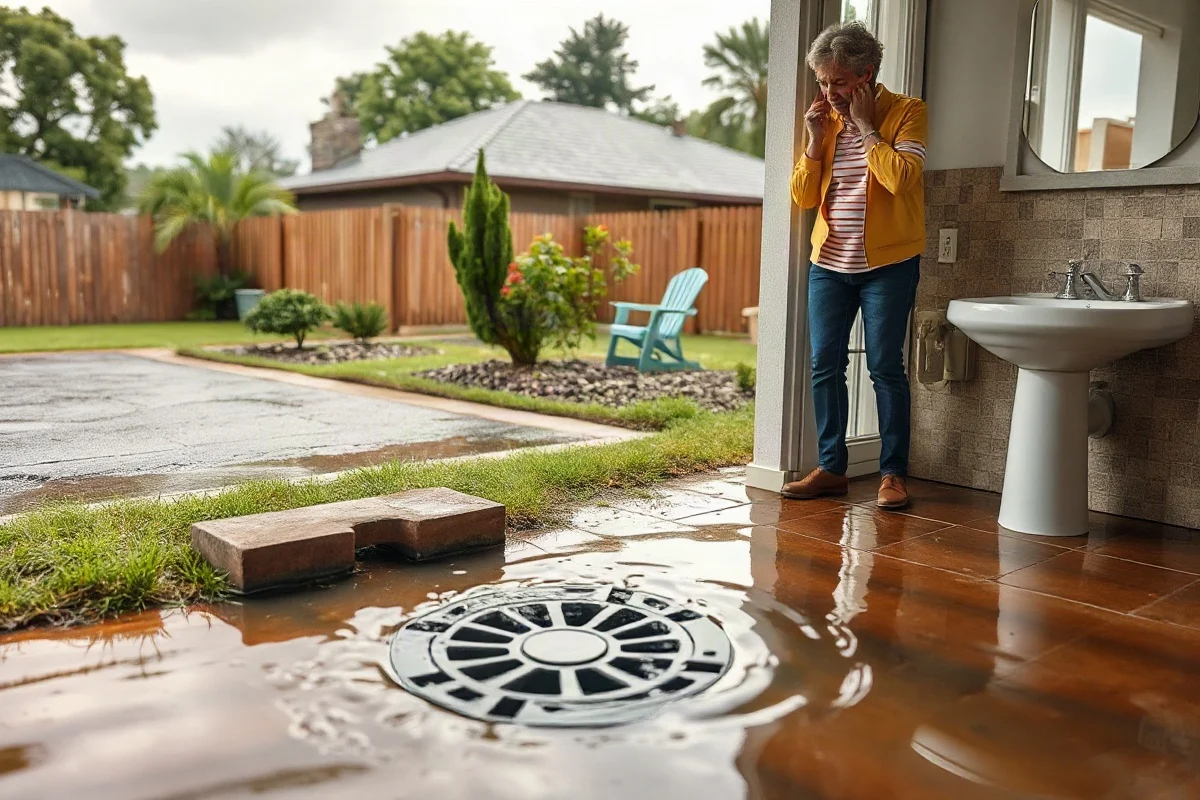
Why Does My Drain Clog After Heavy Rain?
Heavy rain can expose a partial clog, overwhelm drainage systems, or push water toward a sewer problem. Learn what you can safely check and when to call a professional.
Clogged drains can slow down sinks, tubs, showers, and other household fixtures, often signaling a buildup of hair, grease, soap residue, food particles, or other debris. This category offers practical guidance for understanding common drain clogs, recognizing contributing factors, and choosing sensible next steps for addressing them. Explore clear, useful information about drain cleaning methods, basic troubleshooting, prevention, and when a recurring or stubborn blockage may need closer attention. Whether you are dealing with a slow drain or a complete stoppage, these guides can help you assess the situation, avoid common mistakes, and better understand what may be involved before attempting a solution or seeking professional help.
Heavy rain can expose a partial clog, overwhelm drainage systems, or push water toward a sewer problem. Learn what you can safely check and when to call a professional.
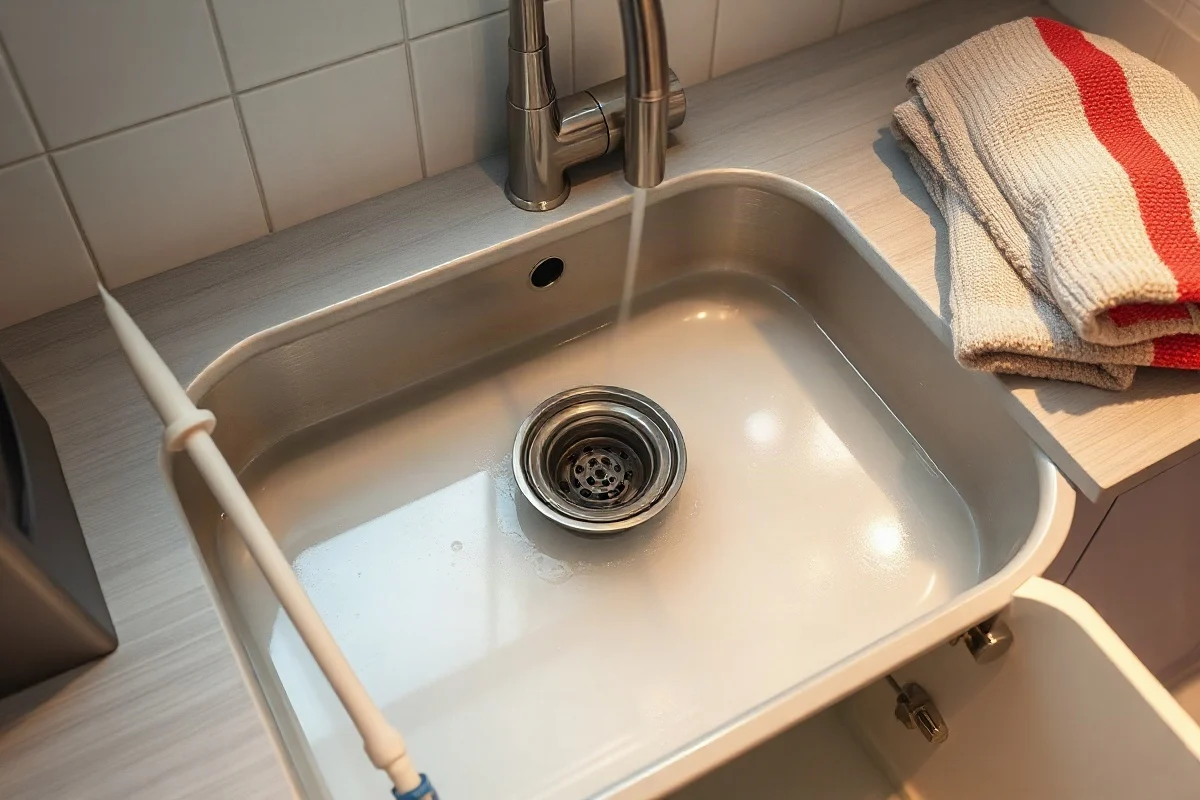
Standing water in a kitchen sink usually points to a blockage in the drain, trap, or branch line. Learn which safe checks to try and when to call a plumber.
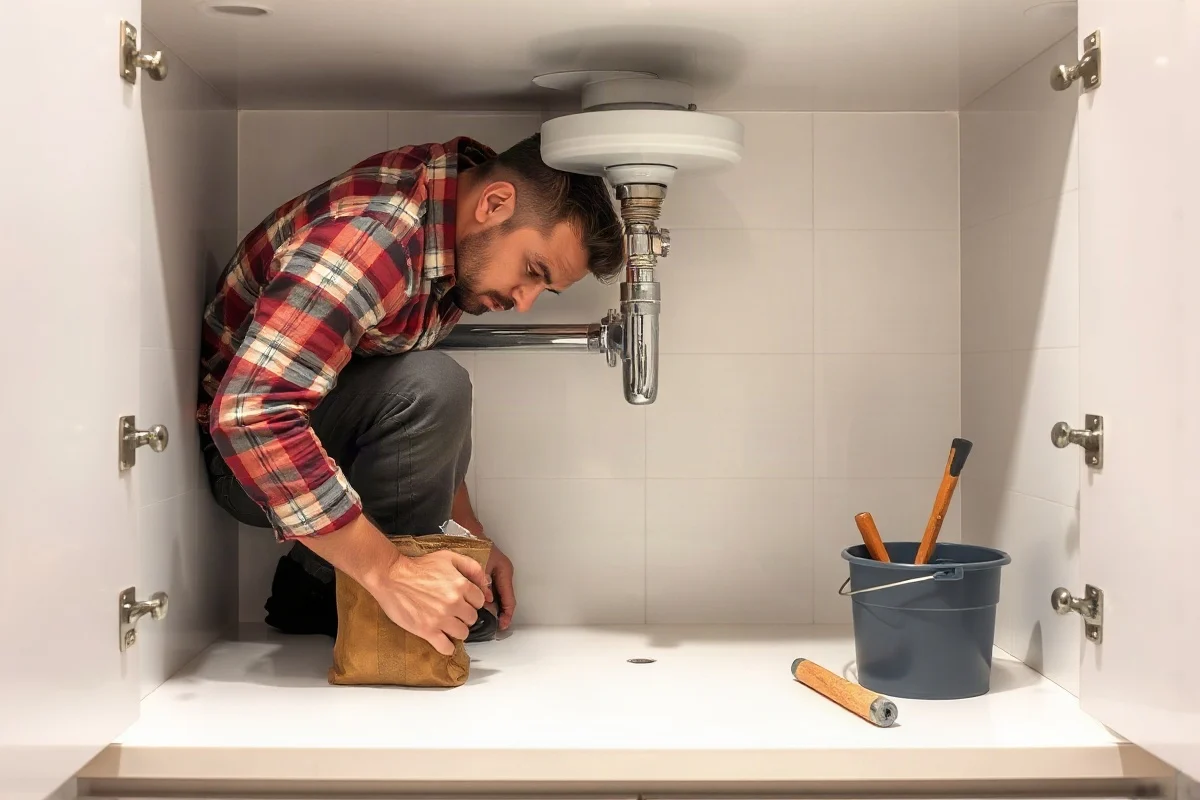
Learn how professional plumbers diagnose and clear bathroom vanity drain clogs, which homeowner checks are safe, and when cleaning or replacement is the better choice.
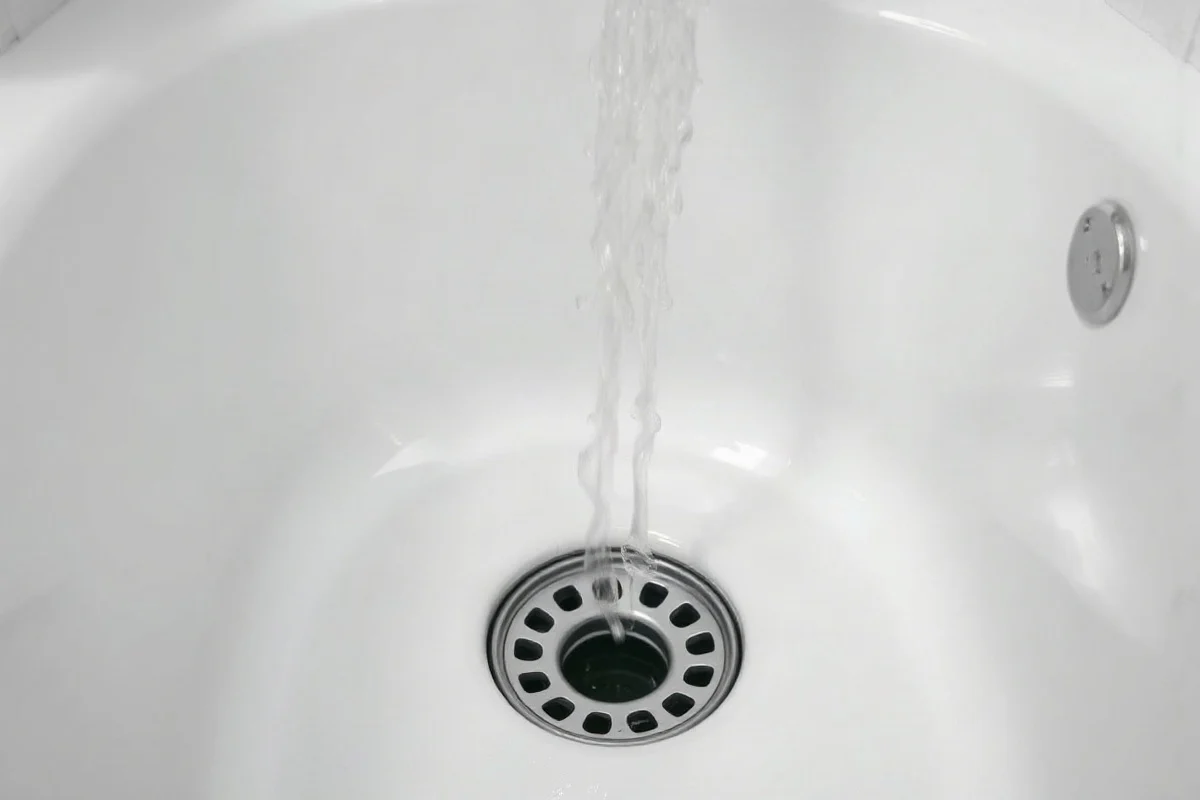
A bathtub that backs up only during showers usually has a partial clog that cannot keep up with the incoming water. Learn what causes it, what you can safely check, and when to call a plumber.
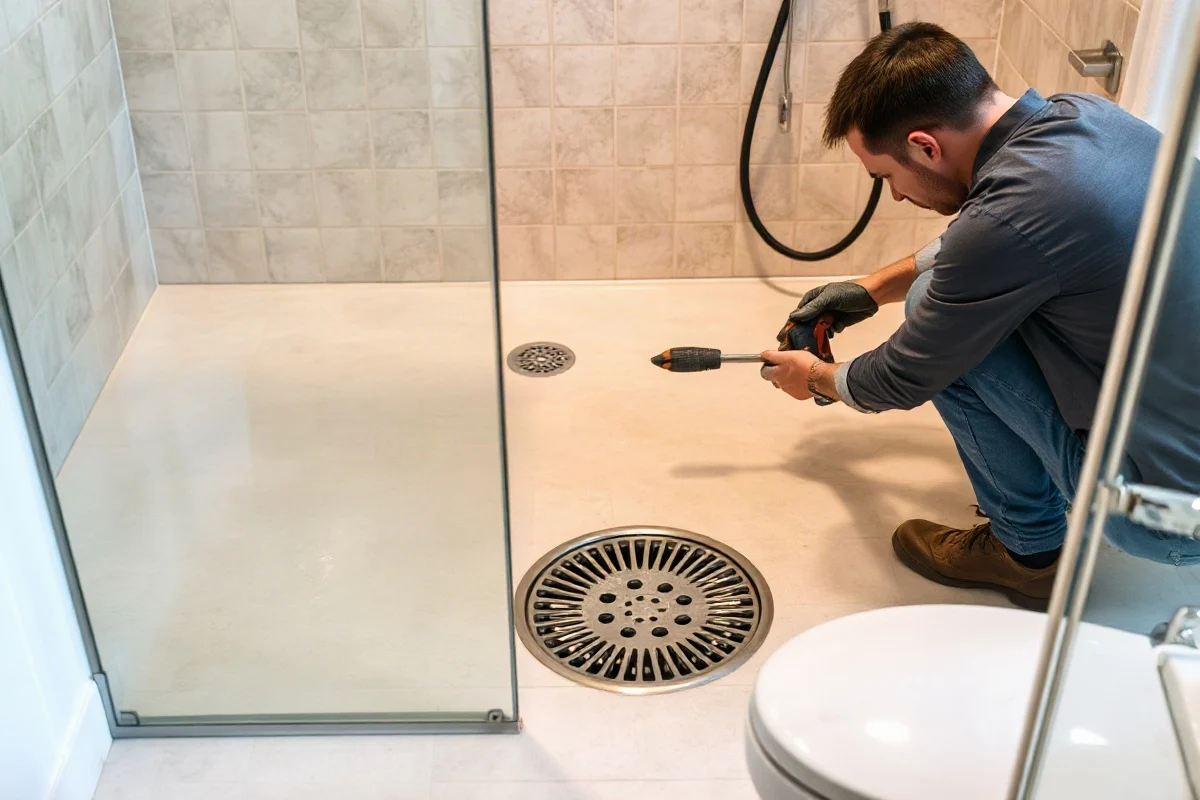
A shower drain that slows down after remodeling may have hair buildup, construction debris, a poorly aligned trap, an undersized drain, or a venting problem. Learn what you can safely check and when to call a plumber.
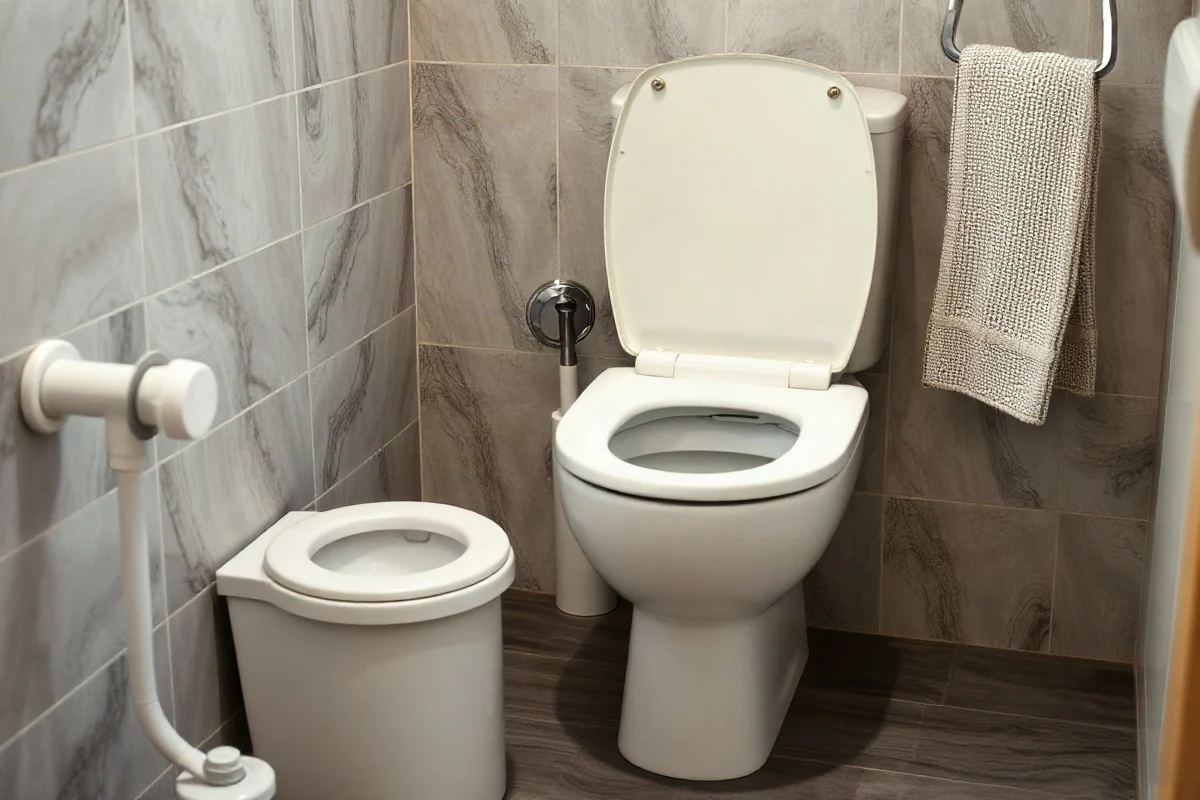
A toilet that clogs repeatedly may have a partial blockage, weak flush, drainpipe problem, low water level, or an object trapped in the trapway. Learn what you can safely check and when to call a plumber.
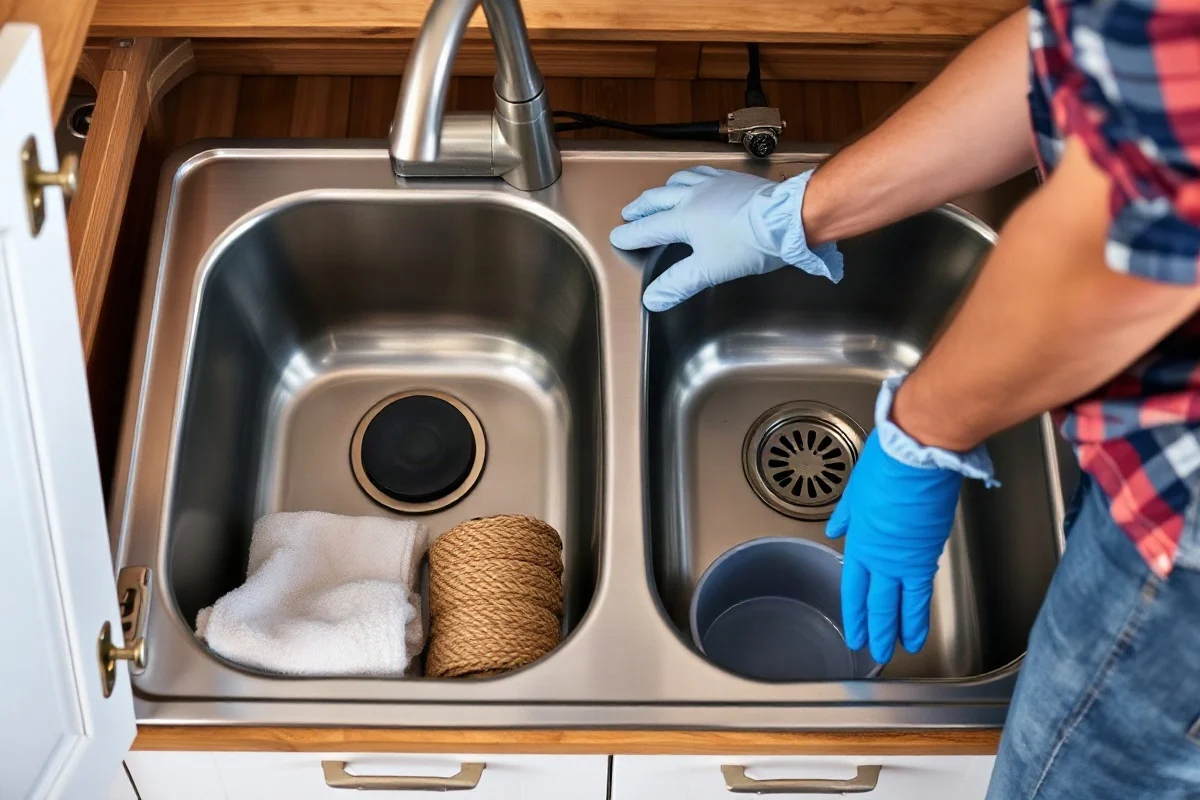
A clogged double kitchen sink often responds to safe steps such as removing standing water, plunging one basin while sealing the other, and cleaning the trap. Learn when to stop and call a professional.
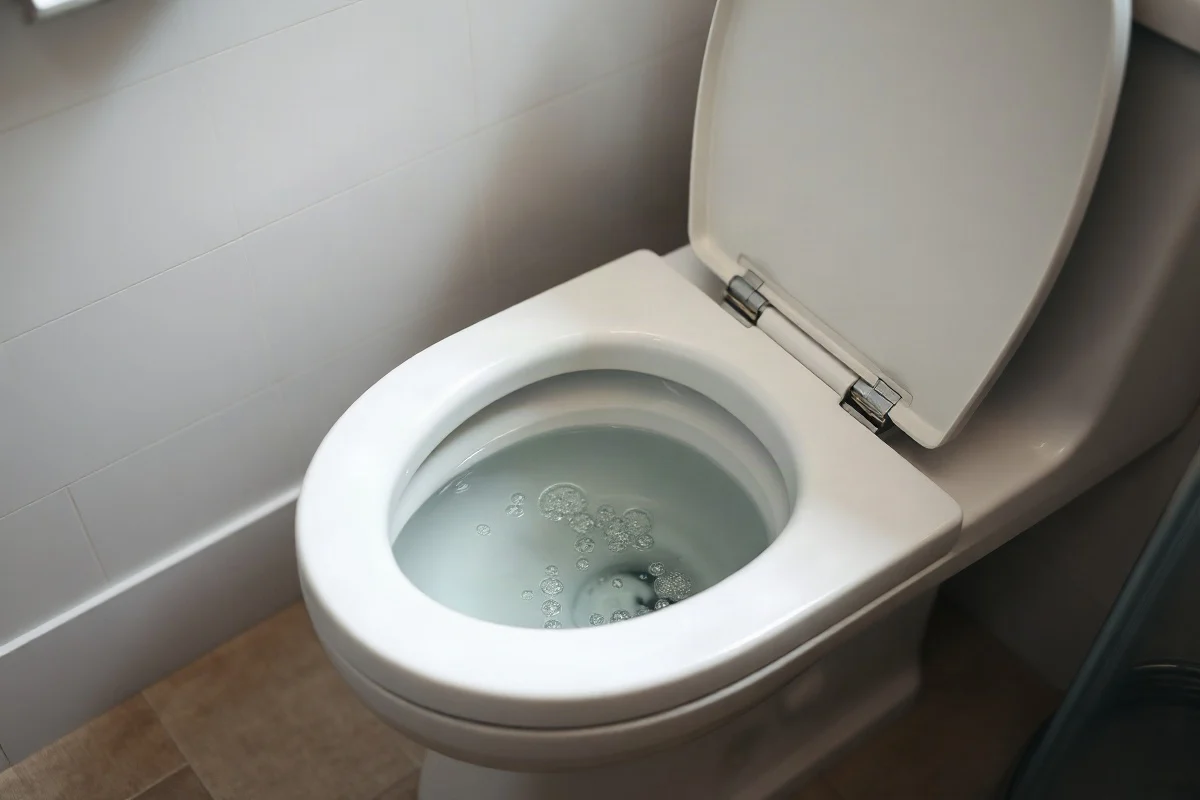
A bubbling toilet when the shower runs usually points to a partial drain clog, blocked vent, or developing sewer-line problem. Learn what you can safely check and when to call a plumber.
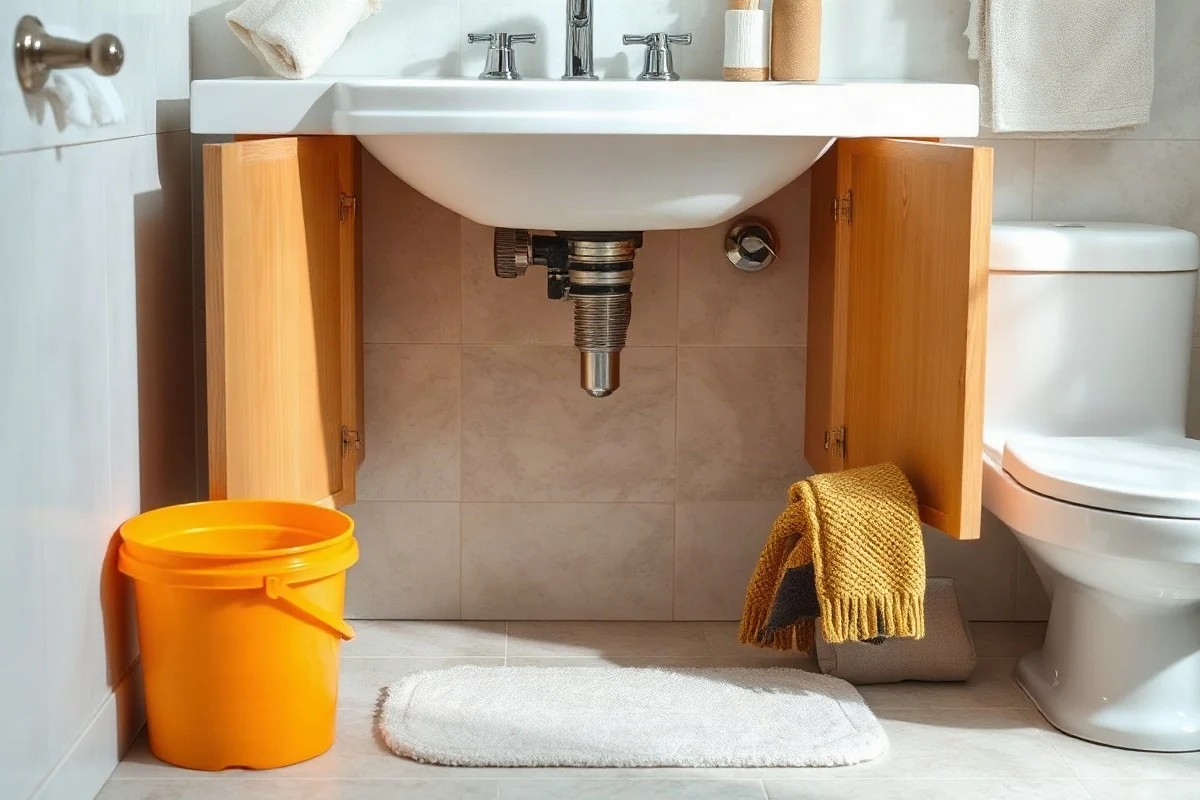
If your bathroom sink still will not drain after removing the stopper, the blockage may be in the drain tailpiece, P-trap, or deeper branch line. Learn what you can safely check and when to call a plumber.
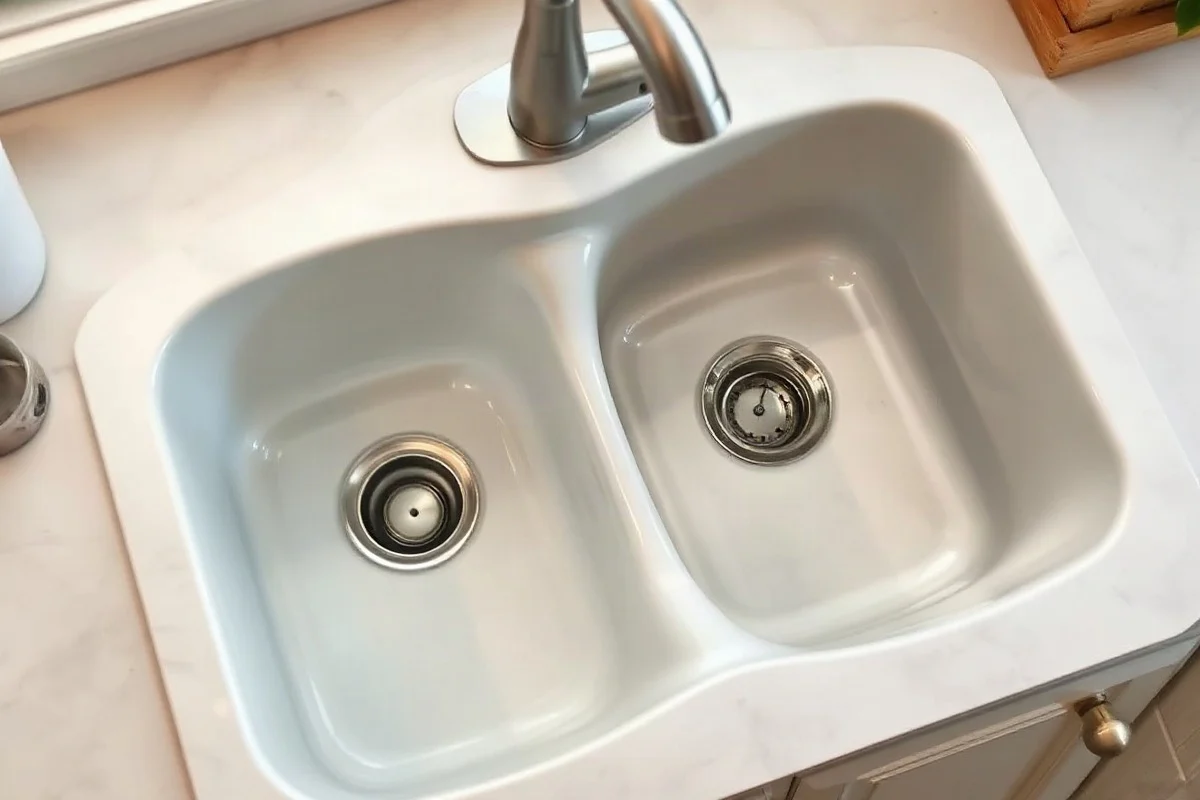
A one-sided kitchen sink clog usually points to a blockage in one drain opening, the shared strainer, or the connecting drain pipe. Learn what you can safely check and when to call a professional.