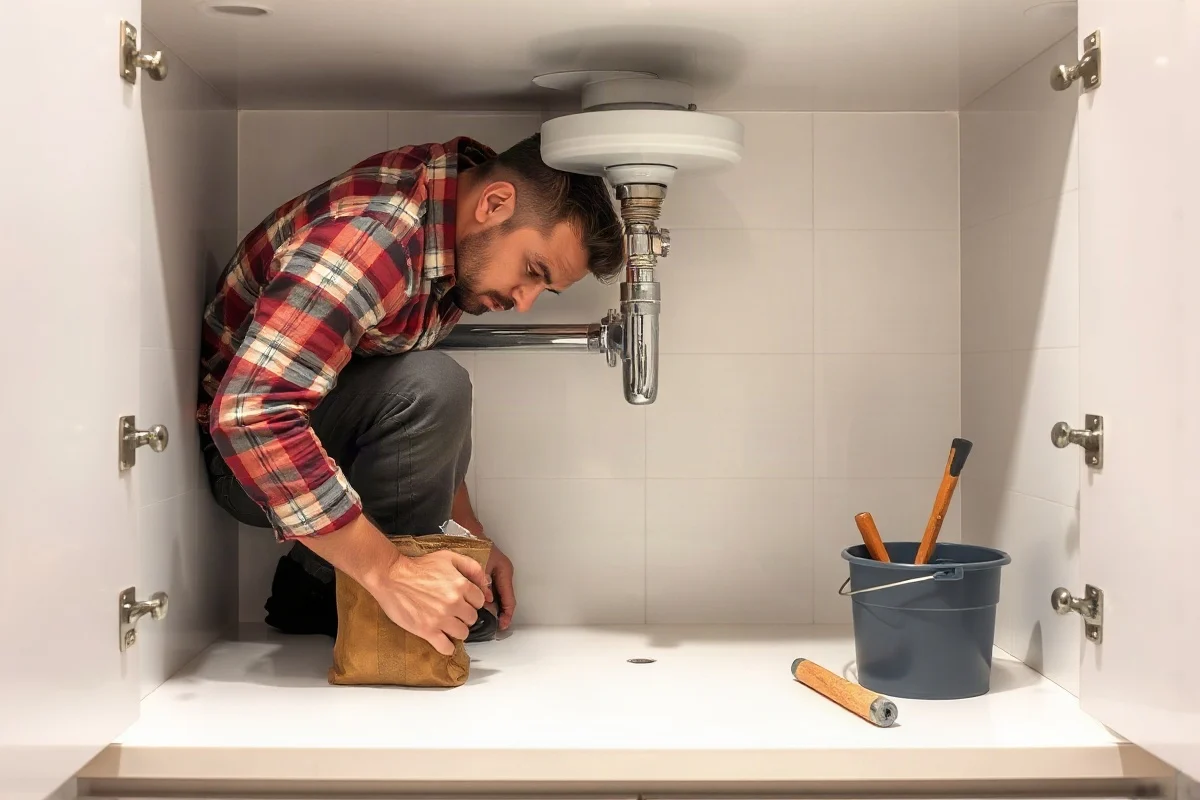
Plumbers usually clear a clogged bathroom vanity drain by removing the stopper, checking the trap, and using a hand auger or drain-cleaning cable to break through the blockage. They first identify where the obstruction is located instead of forcing a tool blindly into the pipe. For a minor clog, a homeowner may safely remove visible debris and clean the stopper, but persistent, deep, leaking, or recurring blockages should be evaluated by a qualified local plumber.
Why a Bathroom Vanity Drain Clogs
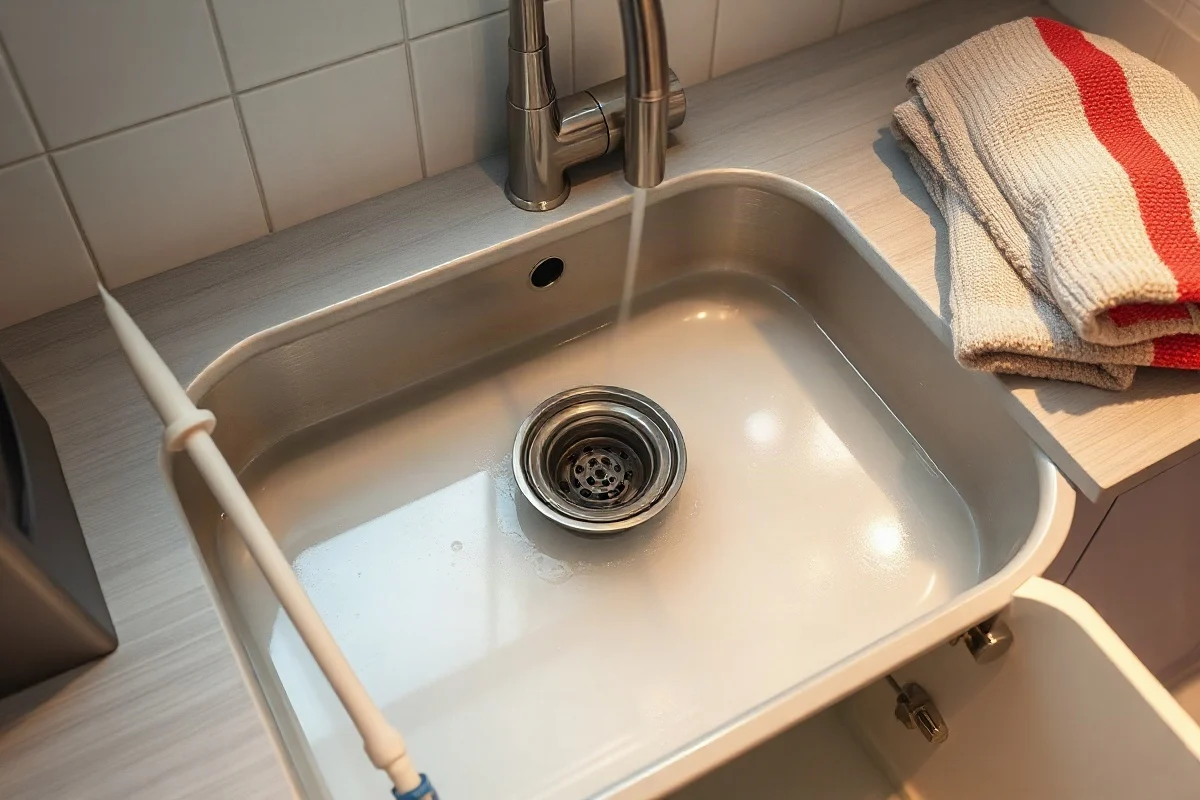
Bathroom sink drains commonly slow down because hair, soap residue, toothpaste, shaving debris, and skin oils collect inside the stopper assembly or the curved trap beneath the sink. These materials can form a sticky mass that catches more debris over time. A drain may continue to accept a small amount of water while becoming progressively slower until it stops draining altogether.
Some clogs develop farther into the branch drain behind the wall. In that situation, the sink may drain slowly even after the stopper and trap look clean. A blockage may also be related to a damaged or poorly aligned pipe, mineral buildup, tree roots in a larger drain system, or a problem shared by several fixtures. The pattern of the symptoms helps a plumber decide whether the vanity drain is the only issue.
Signs the Problem Is Limited to the Vanity Sink
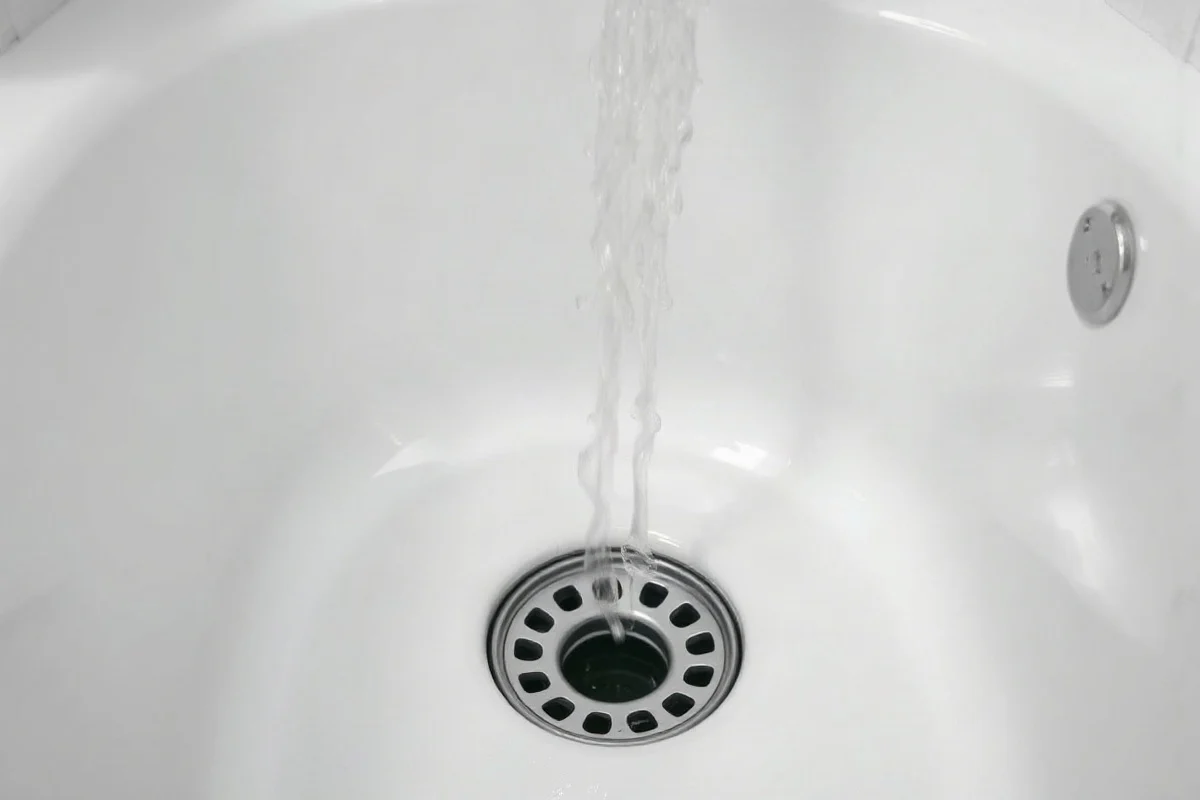
A clog is more likely to be local when only one bathroom sink drains slowly and nearby fixtures work normally. Water may rise in the basin, drain gradually after several minutes, or remain standing until the blockage is removed. You might also hear a faint gurgling sound as air moves around the obstruction.
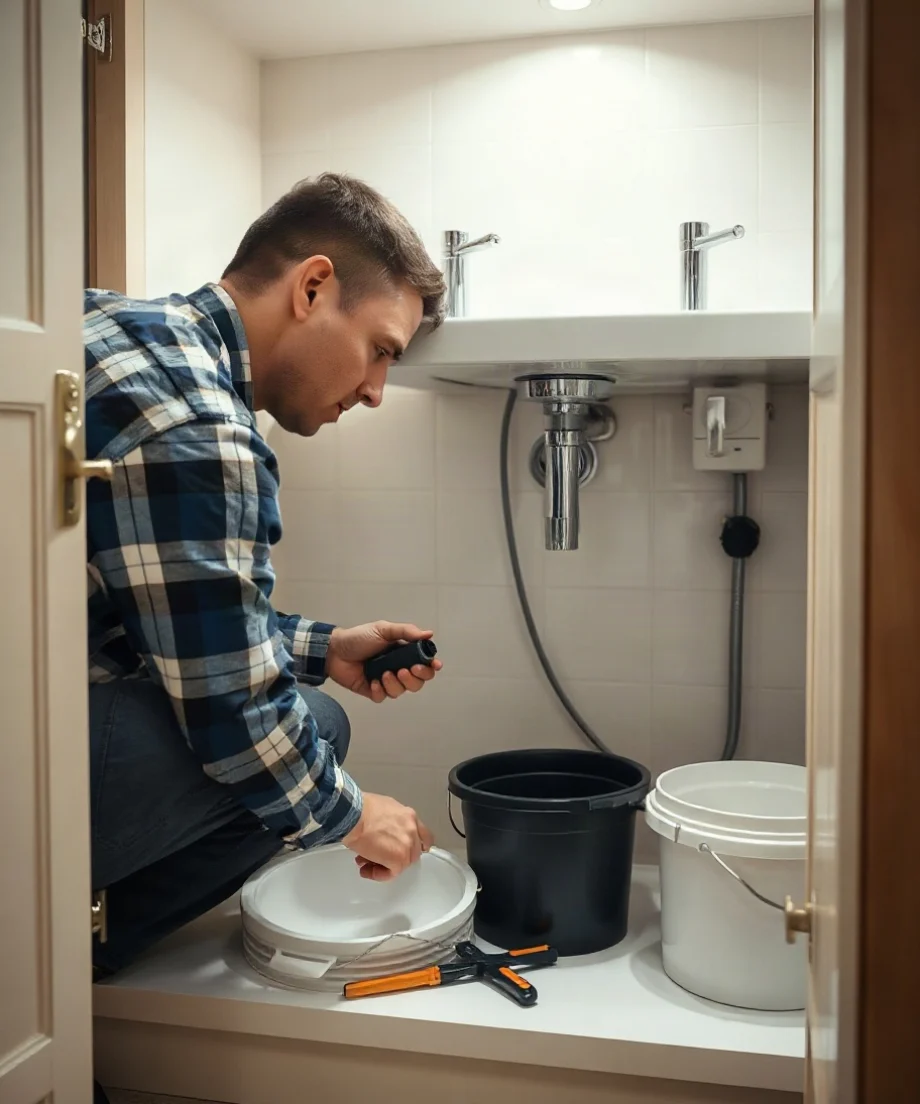
Several symptoms suggest the problem may be farther down the plumbing system:
- The toilet, tub, or another sink in the same bathroom is also slow.
- Water backs up into the vanity when another fixture drains.
- Multiple drains throughout the home are affected.
- The clog returns soon after cleaning.
- There is sewage odor, contaminated water, or water leaking from a wall or cabinet.
When more than one fixture is involved, avoid repeatedly running water. A larger blockage can cause wastewater to back up, and sewage exposure should be handled by a qualified professional. You can review general options through our clogged drain service guide.
Safe Checks a Homeowner Can Try
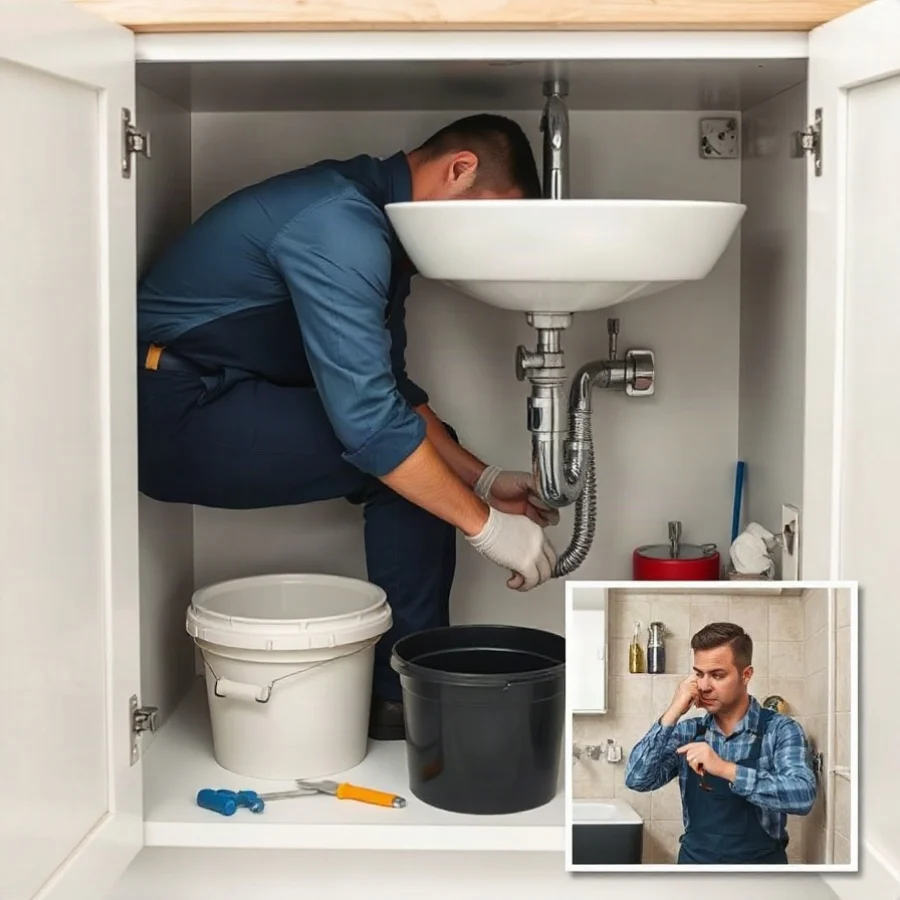
Before calling for service, a few low-risk checks may resolve a simple vanity clog. First, remove standing water from the basin with a cup or small container and place it in a bucket. Wear gloves and protect the cabinet from drips. Do not mix drain chemicals or use a chemical product after another cleaner has already been poured into the drain. Chemical residue can splash during disassembly and create a serious skin or eye hazard.
Inspect and clean the stopper
Many bathroom sink clogs are located directly around the stopper. Depending on the faucet and drain design, the stopper may lift out from above or be released by loosening the pivot rod beneath the sink. Keep track of small washers, clips, and nuts. Pull away hair and sludge, rinse the stopper, and clean the opening with a small brush.
If the stopper is difficult to remove, corroded, or connected to a mechanism that you cannot identify, stop rather than forcing it. Bent rods or damaged drain parts can turn a simple cleaning into a repair.
Try a sink plunger correctly
A small cup-style plunger can sometimes loosen a soft obstruction. Add enough water to cover the plunger’s rim, seal the overflow opening with a damp cloth, and use controlled strokes. The overflow must be covered because air can escape through it instead of directing pressure toward the clog.
Do not plunge aggressively if the drain contains chemical cleaner, if the sink or trap is visibly damaged, or if water is leaking into the cabinet. Stop if the basin, drain flange, or supply connections shift.
Check the trap for leaks and obvious buildup
The trap is the curved section of pipe beneath the sink. It holds water to help block sewer gases, but its shape also makes it a common place for debris to collect. Place a bucket under the trap and loosen the slip nuts only if they turn easily by hand or with appropriate care. Drain the water into the bucket and inspect the trap for sludge or an object.
Before reassembly, check that washers are seated correctly and that connections are aligned. Tightening plastic fittings excessively can damage them. Run a small amount of water and watch closely for leaks. If a fitting is cracked, badly corroded, cross-threaded, or difficult to remove, a plumber should handle the repair.
How a Plumber Diagnoses the Clog
A professional typically begins by asking when the drain slowed, whether any cleaner was used, and whether other fixtures are affected. The plumber may run water briefly, inspect the stopper and trap, and check for leaks or signs of improper drainage. This helps distinguish a local vanity blockage from a restriction deeper in the drain line.
When the clog is beyond the trap, the plumber may remove a cleanout or access point and use a hand auger or powered drain cable. The cable is advanced gradually, allowing the cutting or retrieving head to work through the obstruction. An experienced technician controls the tool to reduce the risk of damaging the pipe or becoming stuck inside it.
After the blockage is cleared, the plumber usually flushes the drain and observes how quickly it carries water away. If the drain remains slow, the original clog may not have been fully removed, or a second problem may exist. In difficult or recurring cases, a camera inspection can help identify pipe damage, buildup, or a deeper obstruction without relying only on guesswork.
When Drain Cleaning Is Not Enough
Cleaning is appropriate when the pipe is sound and the obstruction is removable. Replacement or additional repair may be necessary when the trap, drain tailpiece, stopper assembly, or wall connection is cracked, severely corroded, or repeatedly leaking. A plumber may also recommend replacing a worn stopper if it no longer seals, moves correctly, or can be cleaned without damaging the drain.
A recurring clog deserves more attention than repeated chemical treatment. Repeated blockages can indicate an obstruction farther down the line, a damaged pipe, excessive buildup, or a drainage design problem. Pouring more cleaner into the sink may not address the cause and can make later service more hazardous.
Do not attempt to open or repair a concealed drain line if it requires cutting into a wall, removing finished surfaces, or working near electrical components. Hidden leaks can damage cabinets, flooring, drywall, and framing before they become obvious. For related sink and fixture concerns, see our faucet and sink repair information.
Situations That Need Professional Help
Contact a qualified local plumber when the clog does not respond to basic cleaning, returns frequently, or affects more than one fixture. Professional help is also appropriate when the drain trap cannot be removed safely, a cable is stuck, connections are corroded, or wastewater is backing up.
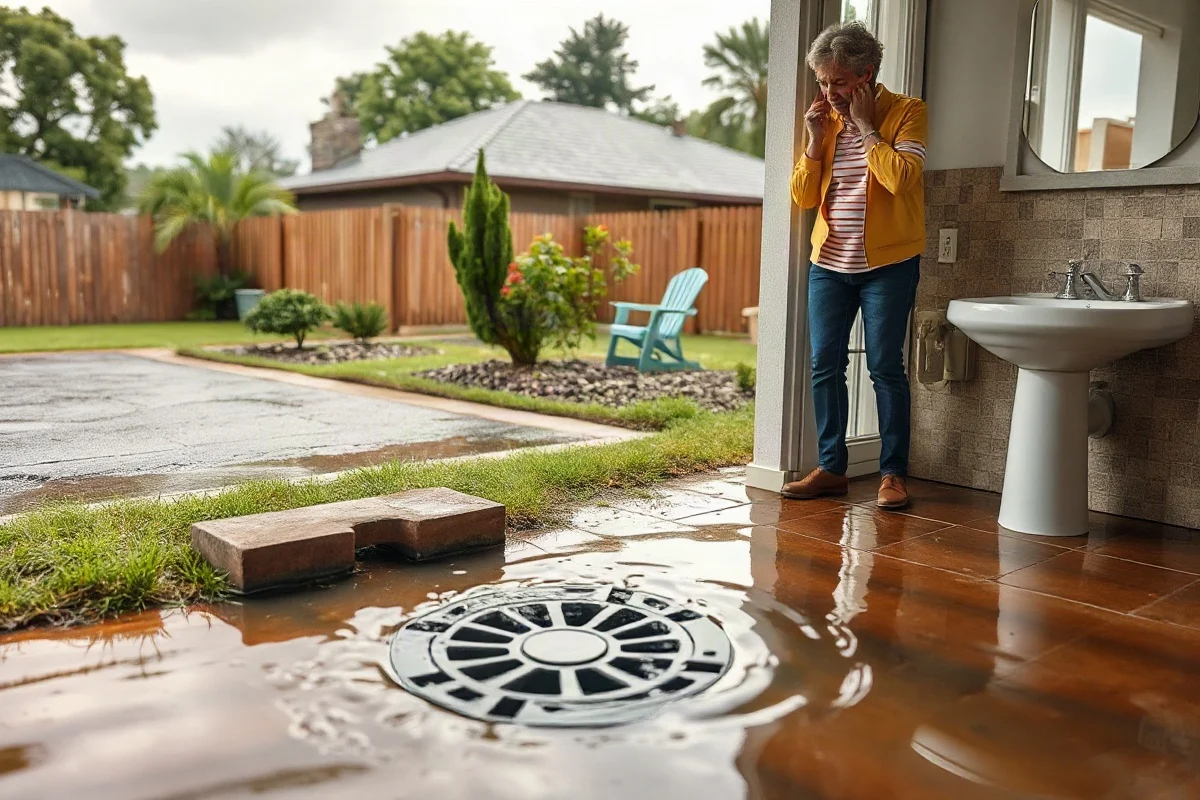
Use extra caution when sewage is present. Keep children and pets away from contaminated water, avoid direct contact, and do not continue testing fixtures that may worsen the backup. Major flooding, water near electrical equipment, concealed leaks, structural damage, and any unsafe condition require prompt local professional assistance.
What Affects the Cost of Clearing a Vanity Drain
The price of service depends on the work required rather than the fixture name alone. Important factors can include:
- Whether the clog is in the stopper, trap, branch drain, or a larger shared line.
- How accessible the drain and cleanout are.
- Whether the plumber uses a hand tool, powered cable, or inspection equipment.
- Whether corroded or damaged parts must be removed and replaced.
- Whether the visit also involves leak repair, water damage, or another fixture.
- The service provider’s labor structure, scheduling, and applicable local charges.
Ask for an explanation of the recommended work and whether the estimate covers diagnosis, drain cleaning, replacement parts, testing, and cleanup. Avoid choosing a provider solely because of an unusually low advertised price or a promise to solve every clog with one method. For broader planning, our plumbing costs guide explains why repair prices vary without relying on a single universal rate.
How to Choose the Right Plumber
Look for a plumber who clearly explains where the blockage appears to be and what method will be used. Ask whether the work includes testing the drain after cleaning and how additional repairs will be approved. A reputable provider should be willing to discuss possible causes rather than immediately recommending extensive work without inspection.
Confirm that the company is properly qualified for the work in your area and ask for written service details when practical. Local requirements differ, so do not assume that a general online statement about licenses, permits, codes, or warranties applies where you live. Check independent reviews carefully, but give more weight to specific descriptions of communication, workmanship, and resolution than to vague star ratings.
A bathroom vanity clog is often a small, localized problem, but it can also be an early sign of a deeper drain or pipe issue. Start with safe visual checks, avoid chemical mixtures and forceful disassembly, and bring in a qualified local professional when the blockage persists, leaks appear, wastewater backs up, or several fixtures are affected.
Comments
0No comments yet. Be the first to share a helpful note or question.
Leave a Comment
Your email address will not be published. Comments are reviewed before appearing on the site.