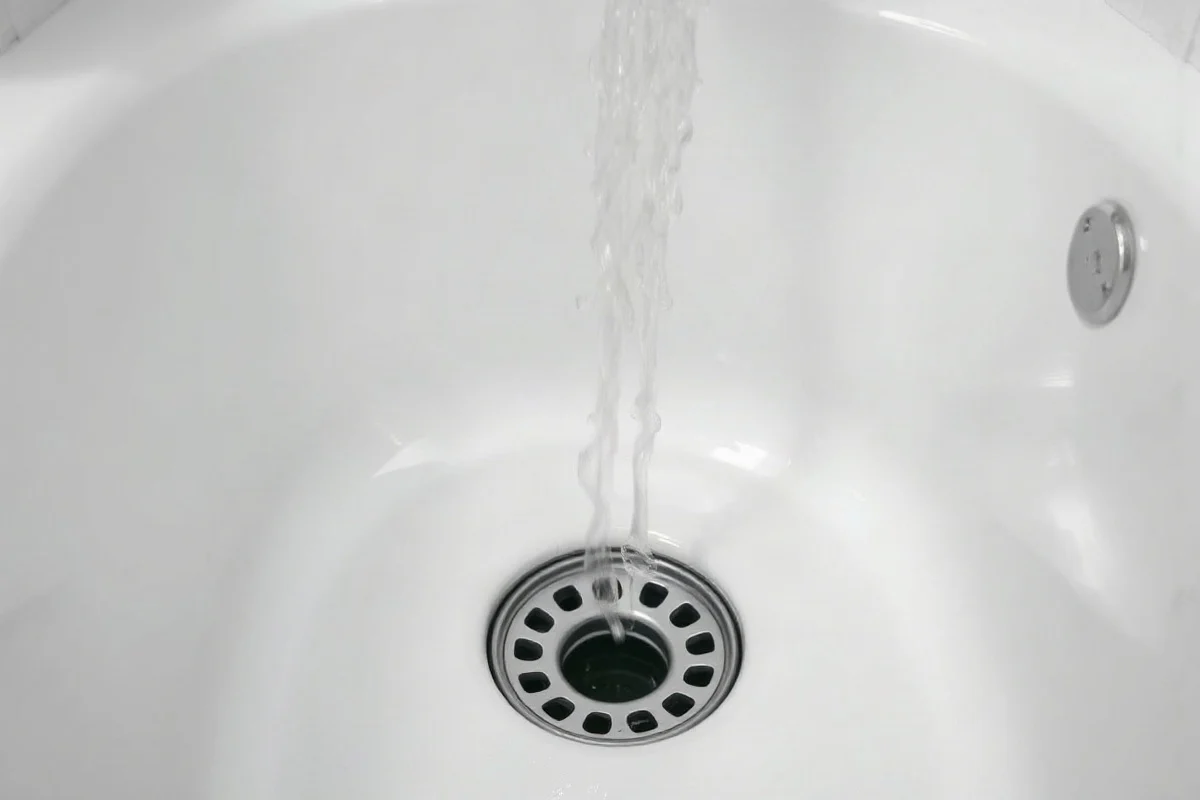
If your bathtub drain backs up only while you shower, the most likely explanation is a partial clog in the tub drain or a nearby branch drain. The opening may still allow water to trickle through when the tub is not being used, but the shower sends water into the pipe faster than the restriction can handle. Hair, soap residue, body oils, and mineral buildup are common causes. In some homes, the blockage may be farther down the shared bathroom drain line.
This problem often starts as slow drainage rather than a complete blockage. You may notice a shallow pool forming around your feet near the end of a shower, then find that the tub drains normally after the water is turned off. That pattern is useful because it suggests a flow-capacity problem, not necessarily a broken bathtub or a failed drain fitting.
What the Shower-Only Backup Pattern Means
A shower typically delivers a steady stream of water for several minutes. A partially obstructed pipe may handle a small amount of water, such as water from washing your hands, but fail when the flow continues. The water level rises in the tub because the drain cannot move it away quickly enough.
When the shower stops, the trapped water gradually passes through the narrowed section. This can make the drain seem normal again, even though the obstruction remains. Repeated backups usually mean the clog is becoming more substantial or that another underlying issue is affecting drainage.
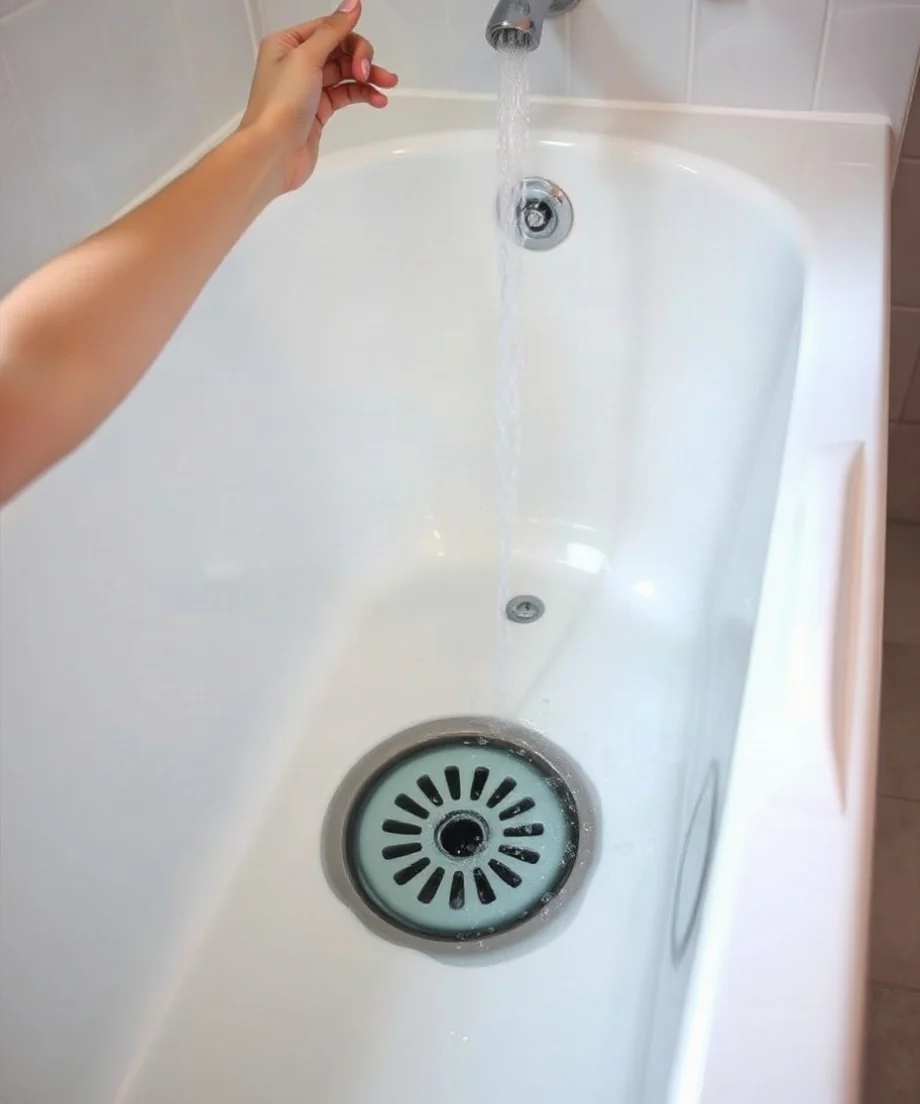
Common Causes of a Bathtub Drain Backing Up During Showers
Hair and soap buildup near the drain
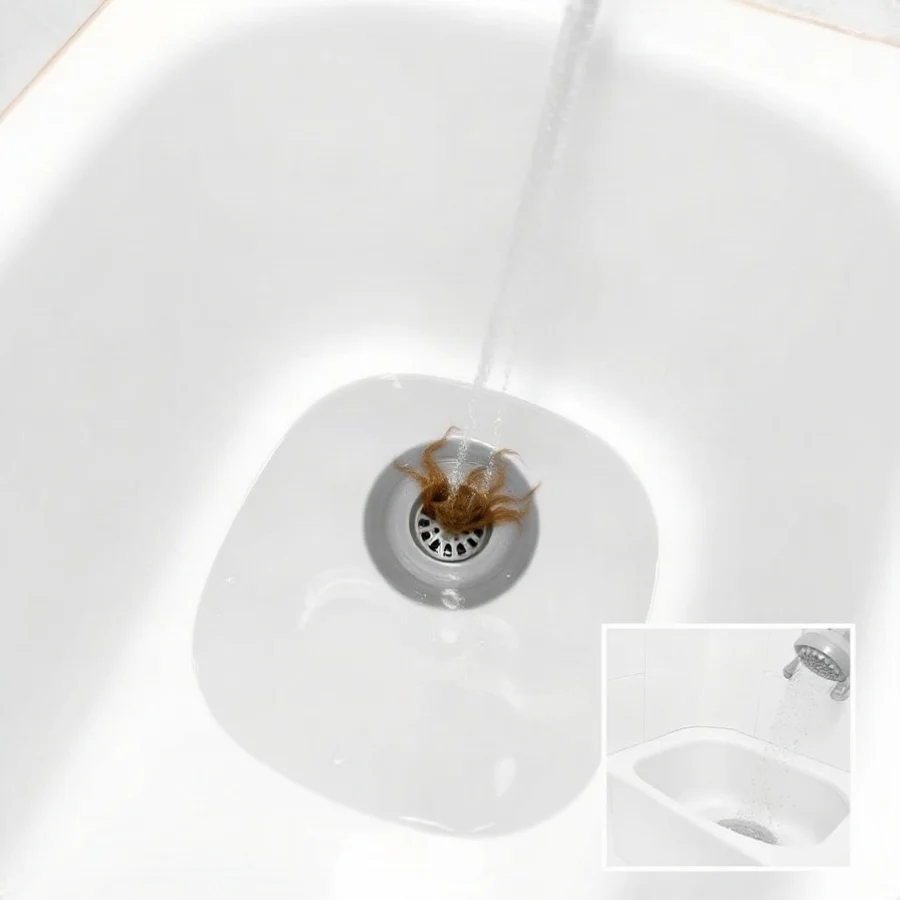
The most common cause is a mixture of hair, soap scum, shampoo residue, and body oils. Hair can catch on the stopper mechanism or on rough edges inside the drain. Sticky residue then accumulates around it, creating a narrowing that slows water rather than stopping it completely.
Even if the drain cover looks clean, the obstruction may be just below the opening. A removable stopper can also collect debris beneath its crossbar or inside the linkage connected to the overflow plate.
A deeper branch-line clog
The blockage may be farther along the pipe, where the bathtub drain connects with the bathroom sink or another fixture. If the tub, sink, and toilet begin showing symptoms at the same time, the problem may involve a shared branch drain rather than the tub opening alone.
Warning signs include a bathroom sink that drains slowly, gurgling sounds from a nearby fixture, or water appearing in the tub when another fixture runs. If a toilet bubbles when the shower runs, that can indicate a restriction in a shared drain path. You can learn more about that symptom in why a toilet bubbles when the shower runs.
Ventilation problems
Drainpipes need proper venting so air can move through the plumbing system as water flows. A blocked or damaged vent can contribute to slow drainage, gurgling, or unusual pressure changes. However, vent problems are not always easy to distinguish from a drain clog based on one symptom alone.
Because vents may extend through walls, ceilings, or the roof, investigating them can involve fall hazards, concealed plumbing, and weatherproofing concerns. A qualified local plumber should evaluate suspected vent problems rather than having a homeowner climb onto a roof or open walls unnecessarily.
Mineral buildup or damaged piping
In areas with hard water, mineral deposits can gradually reduce the interior diameter of a drainpipe. Older metal piping may also corrode, develop rough interior surfaces, or collapse in sections. These conditions can make ordinary plunging less effective and may cause the problem to return soon after cleaning.
A problem in the main sewer line
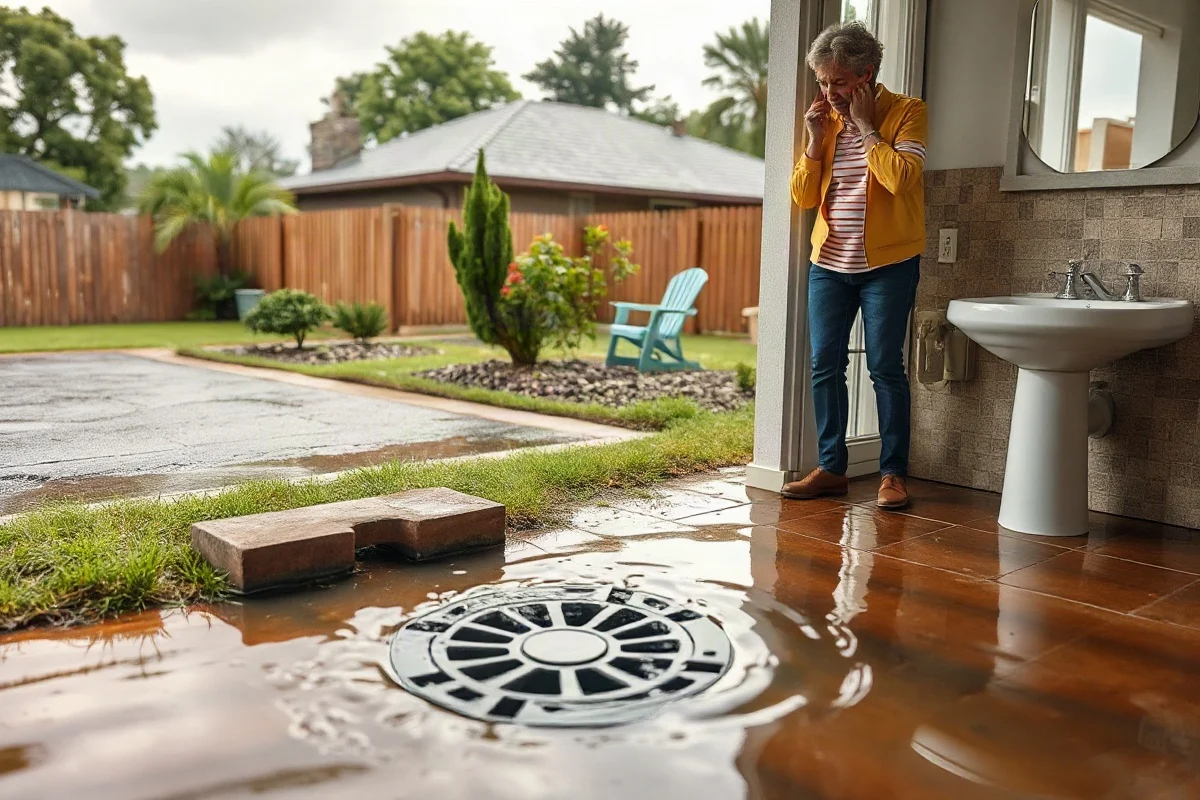
A main sewer-line restriction is less likely when only the bathtub is affected, but it becomes more concerning when several fixtures back up or drain slowly. Sewage odors, wastewater coming up through a low fixture, repeated backups, or contaminated water require prompt professional attention.
Safe Checks You Can Make First
Before trying any repair, stop using the tub if wastewater is rising, especially if the water looks dirty or has a sewage odor. Keep children and pets away from contaminated water, and avoid contact with bare skin. Sewage exposure is a reason to call a qualified local professional.
For a typical hair-and-soap clog, homeowners can perform a few low-risk checks:
- Remove visible hair and debris from the drain cover using gloves, tweezers, or a plastic drain-cleaning tool.
- Inspect the stopper and the area directly below it for trapped hair or soap residue.
- Run a small amount of water and observe whether it drains slowly without overflowing.
- Check whether the bathroom sink, toilet, or another nearby fixture is also slow, noisy, or bubbling.
- Clean the stopper only if it can be removed without forcing or damaging the overflow linkage.
A plunger may help with a simple, localized clog. Add enough water to cover the plunger cup, block the overflow opening with a damp cloth, and use controlled strokes. Do not plunge aggressively if the tub contains chemical drain cleaner, because the liquid could splash onto your skin or into your eyes.
Avoid mixing drain-cleaning chemicals or using them repeatedly as a substitute for diagnosis. Chemical products may fail to remove a deeper obstruction, can damage some plumbing materials, and create a hazard for anyone who later opens the trap or drain line. If you have already used a chemical cleaner, tell the plumber before service begins.
When a Professional Should Handle the Drain
Contact a qualified local plumber if the backup returns after basic cleaning, if the tub will not drain, or if you cannot reach the obstruction safely. Professional drain service may involve a properly sized cable, a specialized cleaning method, or a camera inspection when the cause is uncertain.
Do not remove concealed piping, cut into walls, access a crawl space with standing wastewater, or work near electrical equipment exposed to water. Major flooding, sewage exposure, hidden leaks, and any unsafe condition call for professional help. If water is spreading beyond the bathroom or damaging floors and ceilings, shut off the nearest safe water supply when possible and seek prompt assistance. For urgent situations, use a local emergency plumber.
A drain camera inspection can be useful when the clog keeps returning, multiple fixtures are affected, or the plumber suspects damaged, collapsed, or heavily scaled piping. A camera can help identify where the problem is located, but the appropriate repair still depends on the pipe condition and access.
Repair or Replacement: Which Is More Likely?
Most shower-only bathtub backups begin with a cleaning or minor obstruction removal rather than a fixture replacement. If the drain body, stopper, and connecting pipes are intact, clearing the restriction may resolve the problem.
Replacement or more extensive repair becomes more likely when the drain hardware is corroded, the stopper cannot seal or operate correctly, or the pipe has significant mineral buildup, damage, or poor slope. A plumber may recommend replacing a limited section of accessible pipe rather than the entire bathtub drain system, but the right choice depends on what the inspection reveals.
If the issue began after a bathroom remodel, an incorrectly configured or partially obstructed drain connection may be involved. Changes to a shower, tub, or nearby fixture should be evaluated by a professional when drainage problems began soon after the work. For related symptoms, see this guide to a slow shower drain after a remodel.
What Affects the Cost of Drain Repair?
Local service pricing varies, so an accurate estimate requires an evaluation. Several factors can affect the total cost:
- Location of the clog: A blockage near the tub opening may take less time to access than one deep in a branch line.
- Access to the pipe: Easily reached drain components are generally simpler to service than concealed piping behind finished surfaces.
- Cleaning method: The required equipment depends on the obstruction, pipe size, and condition.
- Inspection needs: A recurring problem may require additional diagnostic work to find the underlying cause.
- Pipe condition: Corrosion, collapse, or extensive scale can turn a cleaning visit into a repair project.
- Water or sewage damage: Cleanup and repairs to surrounding materials may be separate from the plumbing service.
Ask for a clear explanation of the suspected cause, the proposed method, what is included, and what could require additional work. A reputable plumber should not promise that a particular treatment will solve an unseen problem without explaining the uncertainty.
How to Choose the Right Plumber
Look for a qualified local professional with experience in residential drain diagnosis and repair. Before work begins, describe exactly when the backup occurs, whether other fixtures are affected, whether you used a chemical cleaner, and whether the problem followed remodeling or other plumbing work.
Ask whether the plumber plans to inspect the tub drain, the shared branch line, or both. You can also ask what signs would justify a camera inspection and whether the proposed work is intended as a temporary clearing or a longer-term repair. Review written terms for the scope of work and any service limitations. For more preparation advice, see how to choose and hire a plumber.
How to Reduce Future Bathtub Backups
Use a drain strainer that catches hair without preventing normal water flow, and clean it regularly. Remove visible debris before it enters the pipe. Avoid rinsing large amounts of bath products, oils, or foreign material into the drain, and do not rely on harsh chemical cleaners for routine maintenance.
Pay attention to early signs such as a slow drain, gurgling, standing water, or a tub that backs up only near the end of a shower. Addressing those symptoms early may prevent a complete blockage and can make it easier to identify whether the issue is localized or part of a larger drainage problem.
A bathtub that backs up only during showers is usually signaling a partial restriction, not a mysterious failure of the tub itself. Start with safe, visible checks, avoid hazardous chemicals and invasive work, and call a qualified local plumber when the blockage persists, affects multiple fixtures, involves sewage, or suggests damaged or concealed piping.
Comments
0No comments yet. Be the first to share a helpful note or question.
Leave a Comment
Your email address will not be published. Comments are reviewed before appearing on the site.