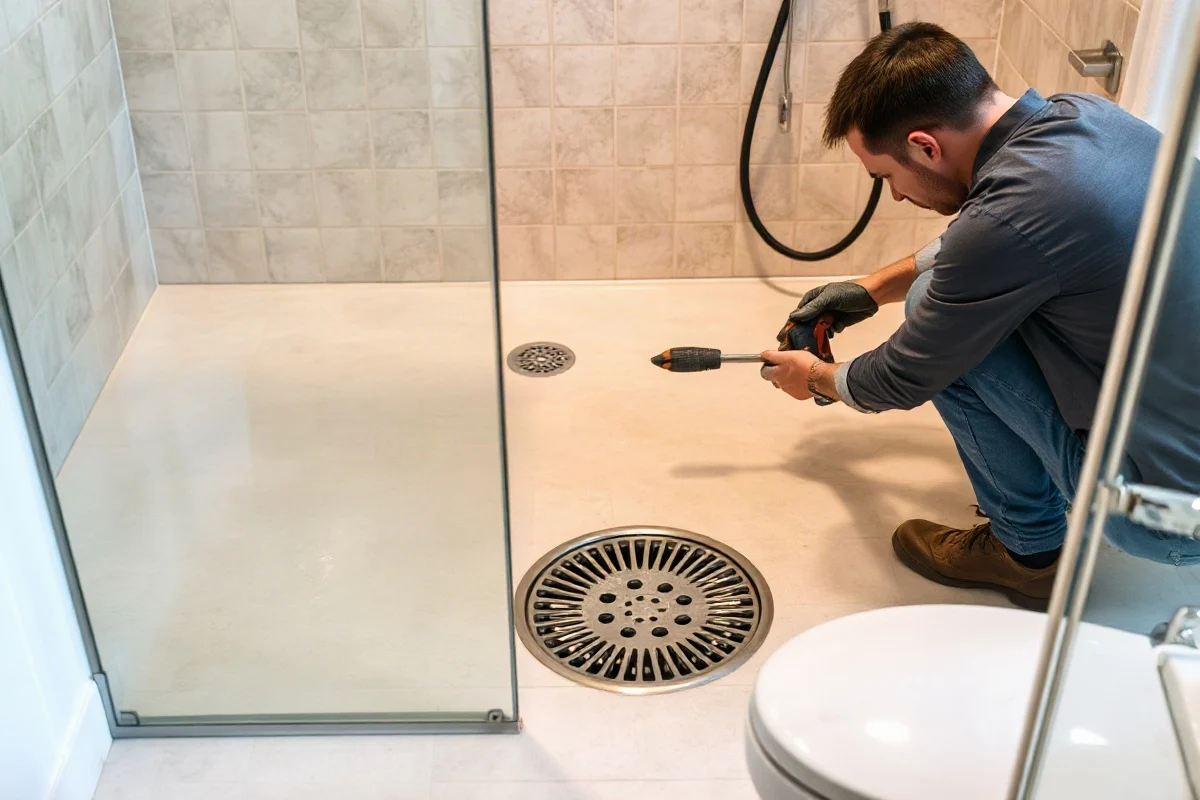
A slow shower drain after a remodel is often caused by construction debris, hair and soap buildup, a drain assembly or trap that was installed incorrectly, or a larger drainage and venting problem. Because the issue began after plumbing work, do not assume that chemical cleaner will fix it. Start with safe, visible checks, then have a qualified plumber inspect the drain if the problem continues, affects other fixtures, or suggests an installation defect.
Why a Shower Drain May Slow Down After Remodeling
Remodeling can change more than the appearance of a bathroom. A new shower pan, tile floor, drain cover, trap, branch drain, or vent connection may alter how water moves through the system. Even a small obstruction or alignment problem can become noticeable when the shower is used regularly.
Hair, soap, and construction debris
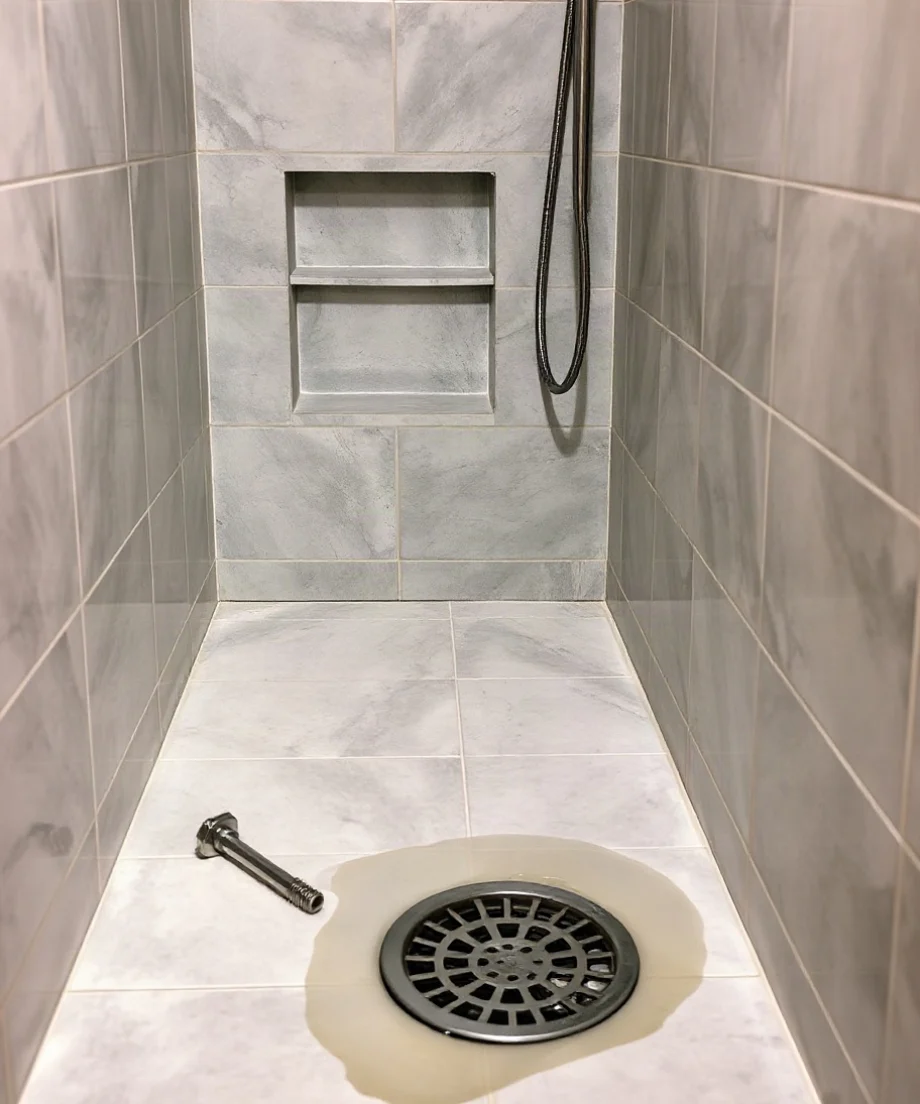
Hair and soap residue are common causes of shower clogs, but a post-remodel drain may also collect grout particles, thinset, drywall dust, bits of plastic, or other debris left inside the piping. Construction material can lodge near the drain opening or farther down in the trap. Water may drain at first and then slow as more hair and residue catch on the rough surface.
If the shower was used while the bathroom was still being finished, debris may have entered through a missing or temporarily removed drain cover. A drain that became slow immediately after the work is more suspicious for debris or an installation issue than for ordinary buildup.
A drain assembly or trap may be misaligned
The drain body and trap must connect in a way that allows water to flow without an unnecessary restriction. During a remodel, the drain may be shifted to match a new shower base, or the piping may be adjusted to fit between framing members. If the pipe has a poor alignment, an abrupt transition, excess adhesive, or an internal obstruction, the shower can drain slowly even when the visible opening looks clear.
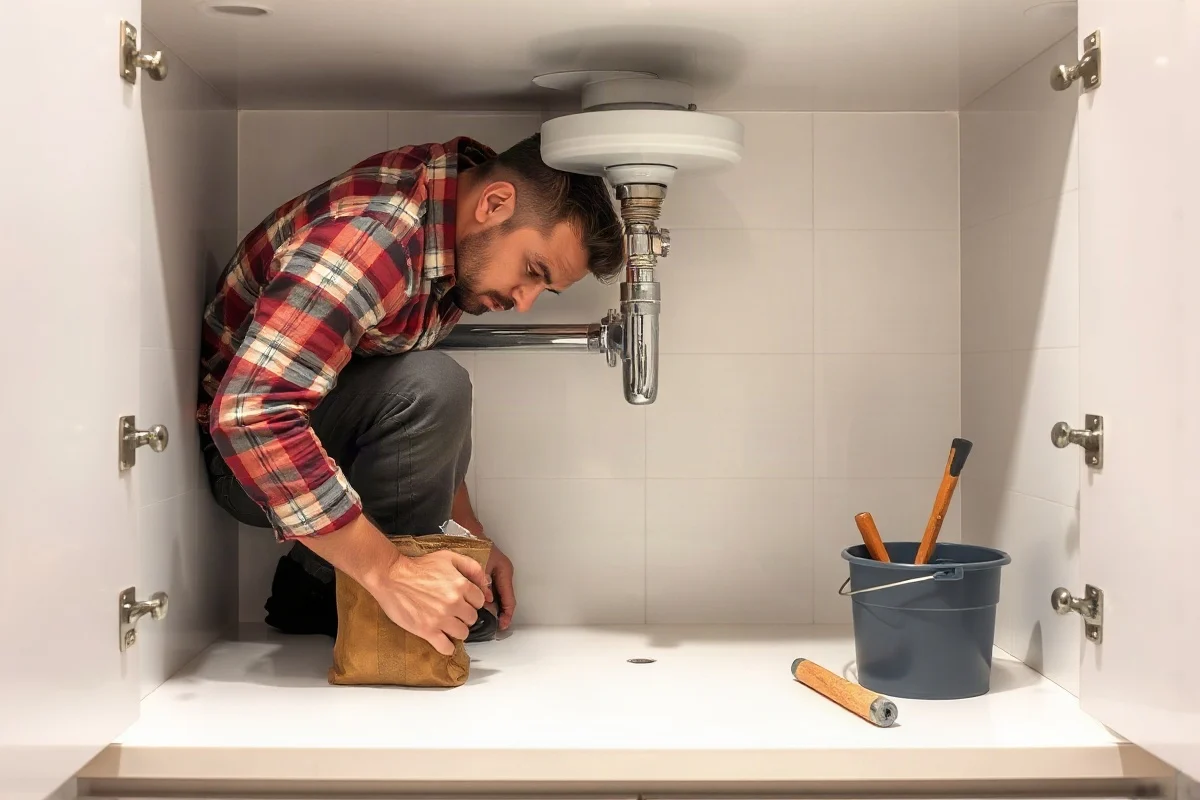
A trap that has been damaged, partially blocked, or installed with an unfavorable layout can produce similar symptoms. Checking the trap usually requires access below the shower or through an approved access opening. Do not cut into a finished ceiling or wall unless you understand the risks and have a plan for proper repair.
The drain may be too small for the remodel or poorly positioned
A replacement shower base or custom tile shower may have a drain opening that does not match the existing piping as expected. The visible grate can also be positioned too high, too low, or too close to surrounding material. In some installations, mortar, waterproofing material, or sealant can partially obstruct the drain path.
A shower drain that is consistently slow from the first use is more likely to involve the installation, drain capacity, or a hidden obstruction than a normal household clog. A plumber can evaluate the drain assembly and compare the symptoms with the design of the shower system without guessing from the surface alone.
A venting problem can affect drainage
Drain lines need proper airflow to move water smoothly. If a vent connection was changed, blocked, disconnected, or otherwise affected during the remodel, the shower may drain slowly or make a gurgling sound. You may also notice bubbling in a nearby toilet or sink, an unpleasant sewer odor, or changes in how several fixtures drain.
Venting work is not a good do-it-yourself troubleshooting project when it involves concealed piping, roof penetrations, or changes to the drainage system. A qualified local plumber should investigate suspected vent problems and determine whether additional testing is needed.
A larger branch drain or sewer problem may be involved
If the shower is not the only slow fixture, the problem may be farther downstream. A bathroom sink, tub, or toilet may also drain slowly, bubble, or back up when the shower runs. In some cases, the remodel simply made an existing restriction more noticeable because the new fixture sends water into the same branch line.
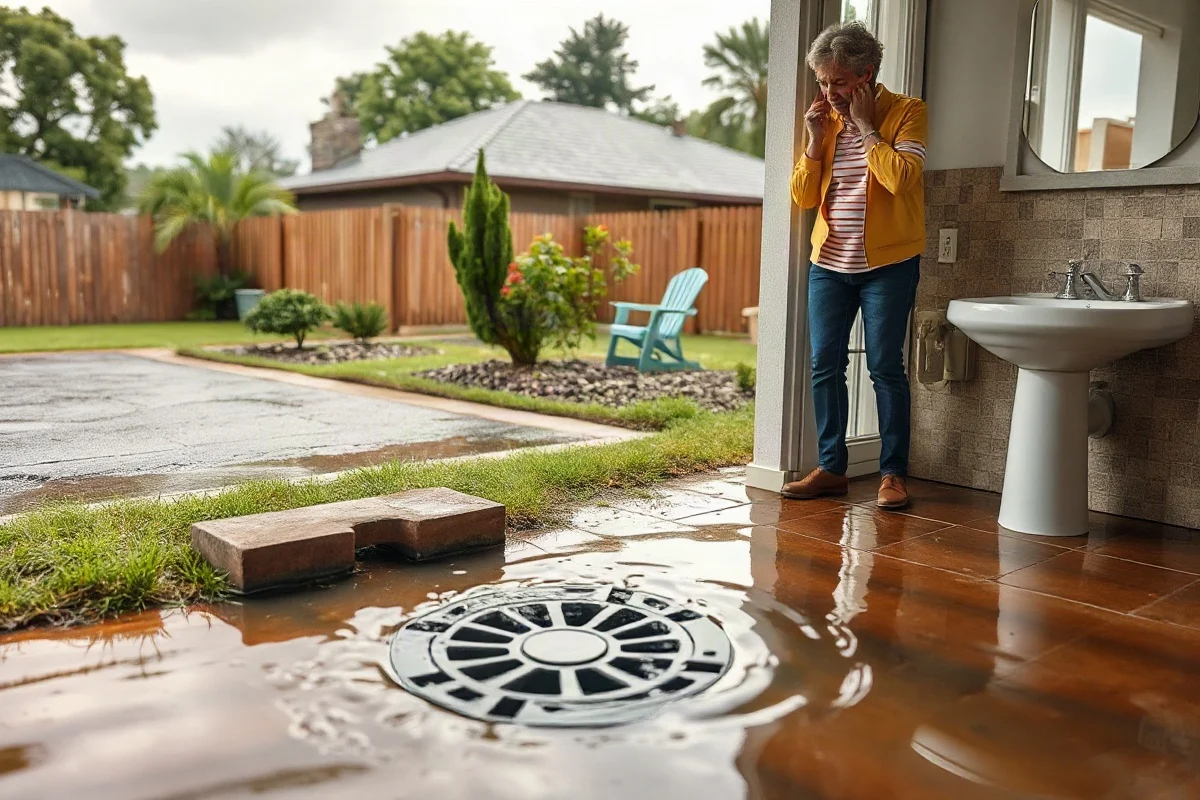
Backups involving sewage, multiple fixtures, or wastewater on the bathroom floor require prompt professional attention. Avoid using affected fixtures until the cause is identified. For broader drain problems, you can review professional drain cleaning options, but the right service depends on the location and condition of the blockage.
Safe Checks Homeowners Can Try
These checks are generally low risk when performed carefully. Stop if water begins backing up, if a fixture connection leaks, or if you are unsure how the drain components fit together.
Remove and inspect the drain cover
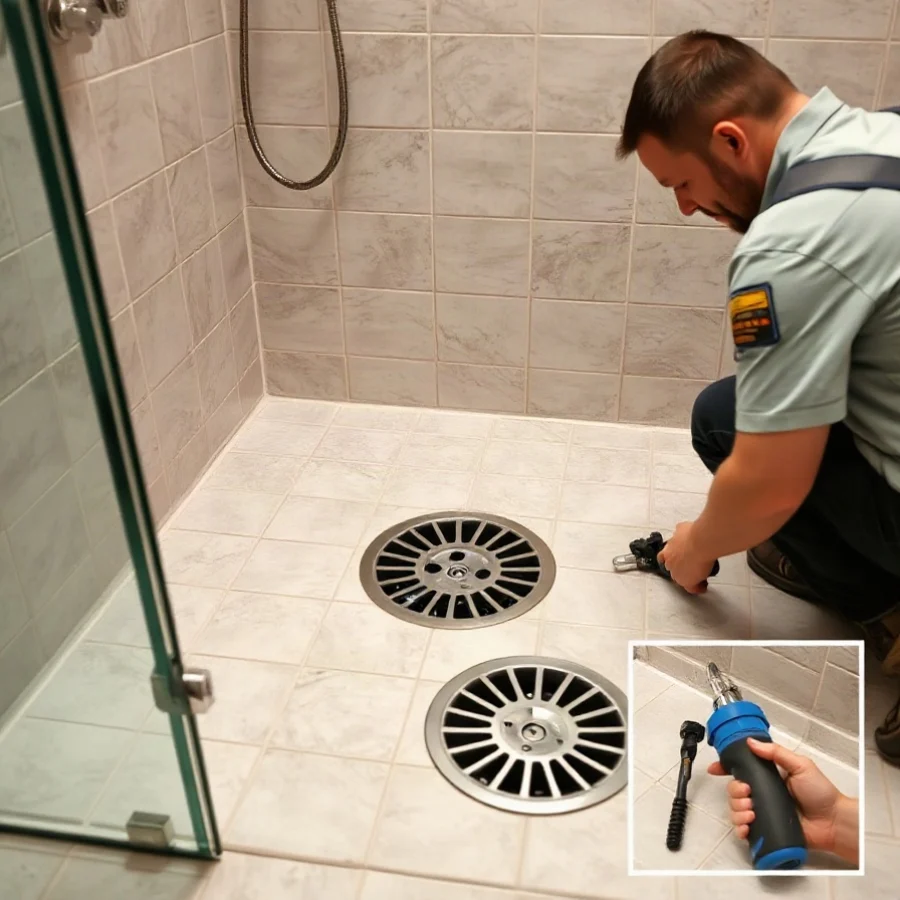
Use the correct screwdriver or tool for the cover fasteners. Lift the cover carefully and look for hair, visible debris, or a piece of protective material that was left behind. Wear gloves, keep removed screws out of the drain, and clean the cover separately. Do not force a cover that appears bonded, sealed, or connected to a waterproofing system.
Clear visible buildup near the opening
A plastic drain-cleaning tool or a small hook may remove hair close to the surface. Work gently and pull debris out rather than pushing it deeper. Do not use sharp metal tools that could damage the drain body or waterproofing components.
Flush with warm water
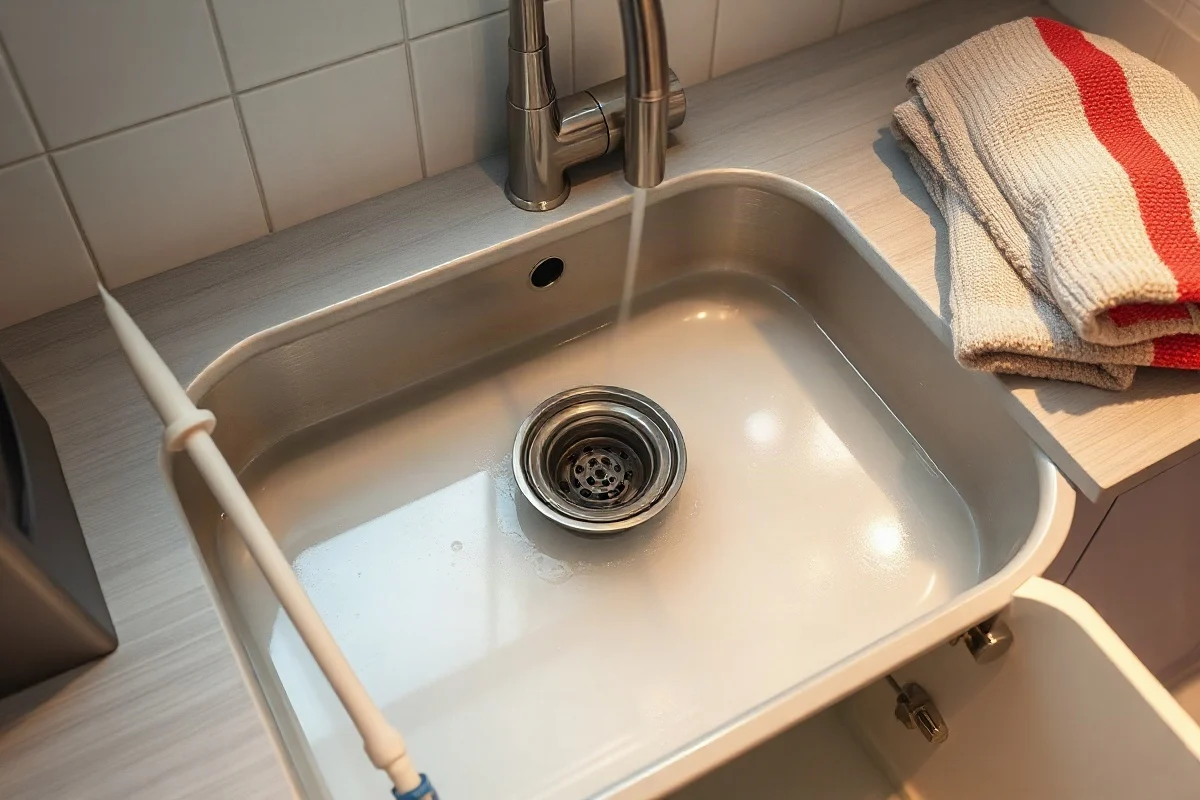
After removing visible material, run a moderate amount of warm water and watch how quickly it disappears. Very hot water may damage certain plastic parts, sealants, or finishes, so avoid treating boiling water as a universal solution. A drain that remains slow after surface cleaning may have a deeper obstruction or an installation-related restriction.
Observe nearby fixtures
Run the shower briefly while watching the toilet and bathroom sink. Listen for gurgling and check whether water rises in another drain. This information can help a plumber determine whether the restriction is local to the shower or farther along the branch line.
What Not to Do
Avoid repeatedly pouring chemical drain cleaners into a newly remodeled shower. These products may not remove construction debris or a mechanical obstruction, and they can create a hazard for anyone who later opens the drain or trap. They may also affect certain materials, finishes, or seals. Never mix drain chemicals with one another or with other household cleaners.
Do not remove tile, cut a ceiling, disconnect concealed piping, or alter a vent based only on an online diagram. If the remodel was recently completed, document the symptoms with photos and notes, including when the problem started and whether any other fixture is affected. This record can help the contractor or plumber evaluate the work more efficiently.
When a Plumber Should Inspect the Drain
Arrange professional service when the drain was slow from the first use, safe surface cleaning does not help, the shower backs up, or the problem returns quickly. Professional evaluation is also appropriate when the drain cover or trap appears damaged, the shower floor holds standing water, or the remodel involved moving the drain location.
Use a qualified local professional for hidden leaks, sewage exposure, major flooding, concealed plumbing, vent work, code-related questions, or any repair requiring electrical or gas work. Turn off nearby electrical equipment and avoid entering contaminated water. If water is spreading into walls, ceilings, or adjacent rooms, limit use of the affected plumbing and seek prompt help. For urgent water damage or an active leak, an emergency plumber may be appropriate.
Repair or Replacement: What May Be Needed?
The repair depends on what the inspection finds. A local blockage may be removed with a hand tool or appropriate drain-cleaning equipment. Construction debris farther down the line may require mechanical cleaning or, in some cases, a camera inspection. A drain camera inspection can help locate an obstruction, damaged pipe, offset connection, or other hidden condition without relying solely on guesswork.
If the drain assembly is poorly aligned or partially obstructed by installation material, correcting the connection may require access below the shower or removal of part of the finished surface. Replacement is more likely when a component is cracked, damaged, incompatible with the shower base, or impossible to clean effectively. A plumber should explain whether the issue can be corrected locally or whether more extensive access is necessary.
Cost Factors to Discuss Before Work Begins
Local plumbing costs vary, so a reliable estimate should be based on the actual diagnosis rather than the symptom alone. Ask what is included in the service visit and whether the estimate covers cleaning, inspection, access, replacement parts, restoration, or additional testing.
Important cost factors can include:
- The location and severity of the obstruction
- Whether the problem affects only the shower or several fixtures
- Access to the trap and concealed drain piping
- Whether a camera inspection or specialized cleaning is needed
- The condition and compatibility of the drain assembly
- Damage to finished tile, flooring, walls, or ceilings
- The need to correct a remodel-related installation problem
For general planning information, see the plumbing costs guide. It is still important to get a written scope of work because no general article can determine the cost of a concealed or remodel-related repair in a specific home.
How to Choose the Right Plumber
Look for a plumber who regularly handles shower drains, remodel troubleshooting, drain cleaning, and concealed plumbing. Explain that the drain became slow after a remodel and provide the project date, the fixtures involved, and any work that was performed near the drain.
Before authorizing work, ask whether the plumber will first inspect the drain assembly and downstream piping, what access may be required, and how the proposed repair will be tested. A careful professional should distinguish between a routine clog and a possible installation defect. You can also use this guide to hiring a plumber to prepare questions before scheduling service.
Preventing Another Slow Shower Drain
Once the drain is working properly, use a removable hair catcher that fits without restricting the opening. Clean it regularly and rinse soap residue from the drain area. Keep construction materials, grout, and cleaning debris out of the shower during future work. If the drain begins slowing again soon after a professional cleaning or remodel, report the recurring pattern instead of repeatedly treating it with chemicals.
A slow shower drain after remodeling is a useful warning that something may be restricting flow or was not completed correctly. Safe surface checks can identify simple buildup, but persistent or immediate post-remodel problems deserve a professional inspection of the drain, trap, branch piping, and venting.
Comments
0No comments yet. Be the first to share a helpful note or question.
Leave a Comment
Your email address will not be published. Comments are reviewed before appearing on the site.