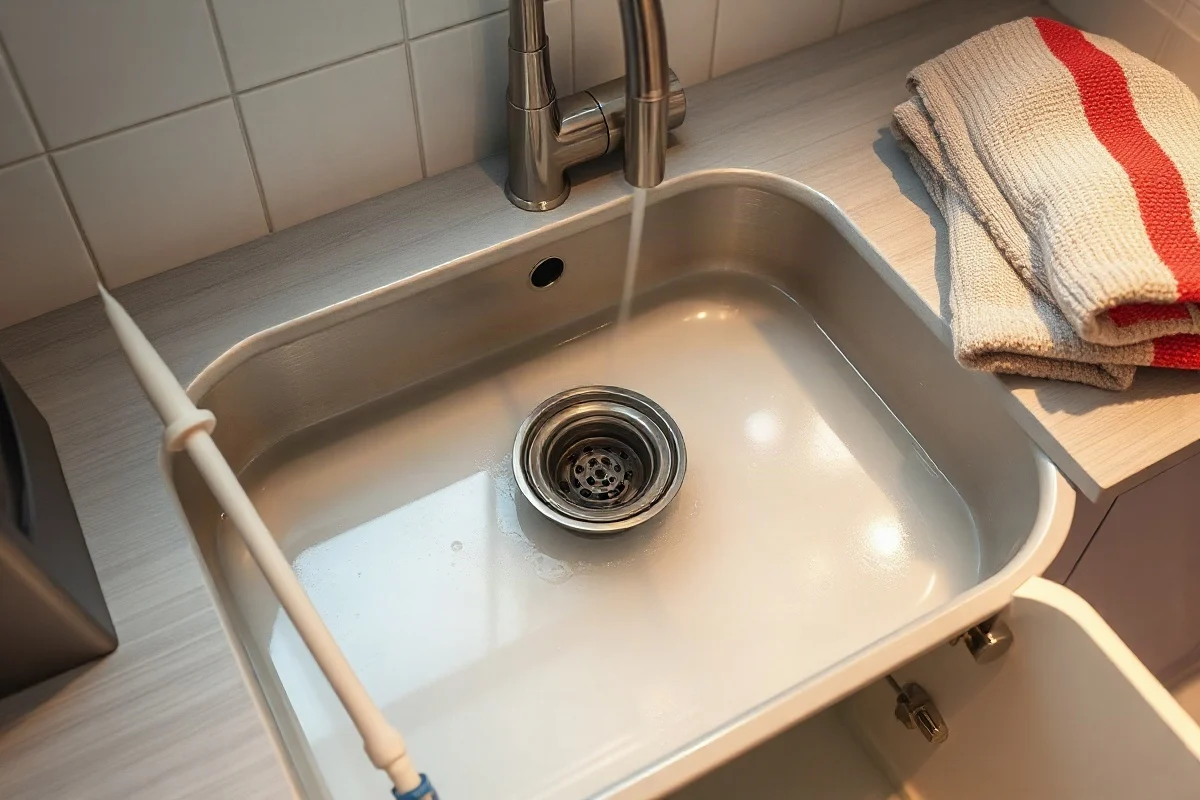
If your kitchen sink has standing water, stop running the faucet and remove as much water as you can without pushing the blockage deeper. A plunger may clear a simple obstruction, but a clog that returns, affects both sink basins, causes sewage odors, or backs up other fixtures should be evaluated by a qualified local plumber. The repair may involve the sink strainer, P-trap, garbage disposal, branch drain, or a deeper pipe blockage.
What Standing Water in a Kitchen Sink Usually Means
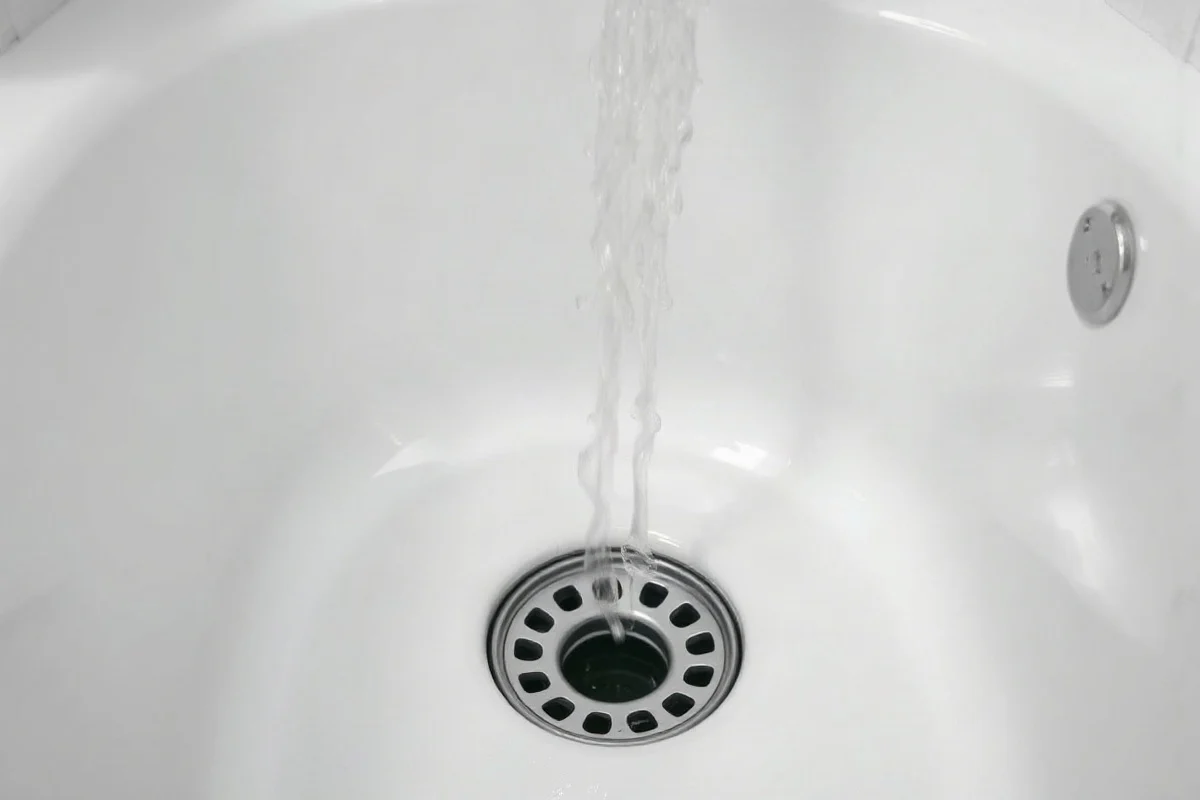
Water remains in the basin when it cannot move through the drain at a normal rate. The restriction may be close to the drain opening or farther along the pipe under the sink. Kitchen clogs are especially common because food particles, grease, soap residue, and small objects can collect inside the drain system over time.
A sink that drains slowly but eventually empties often has a partial blockage. A basin that stays full usually has a more complete obstruction, although a faulty garbage disposal, blocked strainer, or clogged P-trap can produce similar symptoms. If water rises in one basin when you drain the other, the shared drain connection may be restricted.
Common Causes of a Kitchen Sink Clog
Food scraps and grease
Food particles can collect at the strainer, inside a disposal, or in the P-trap. Grease and cooking oils may seem liquid when poured down the drain, but they can cool and stick to pipe walls. Over time, that residue can trap additional debris and reduce the opening.
A blocked garbage disposal
A garbage disposal can jam, stop turning, or develop a clog in its discharge passage. A disposal that hums, fails to operate, leaks, or trips its electrical protection needs careful attention. Never place your hand inside the disposal, even when the switch is off. Do not attempt electrical repairs unless you are qualified to perform them safely.
A clogged P-trap
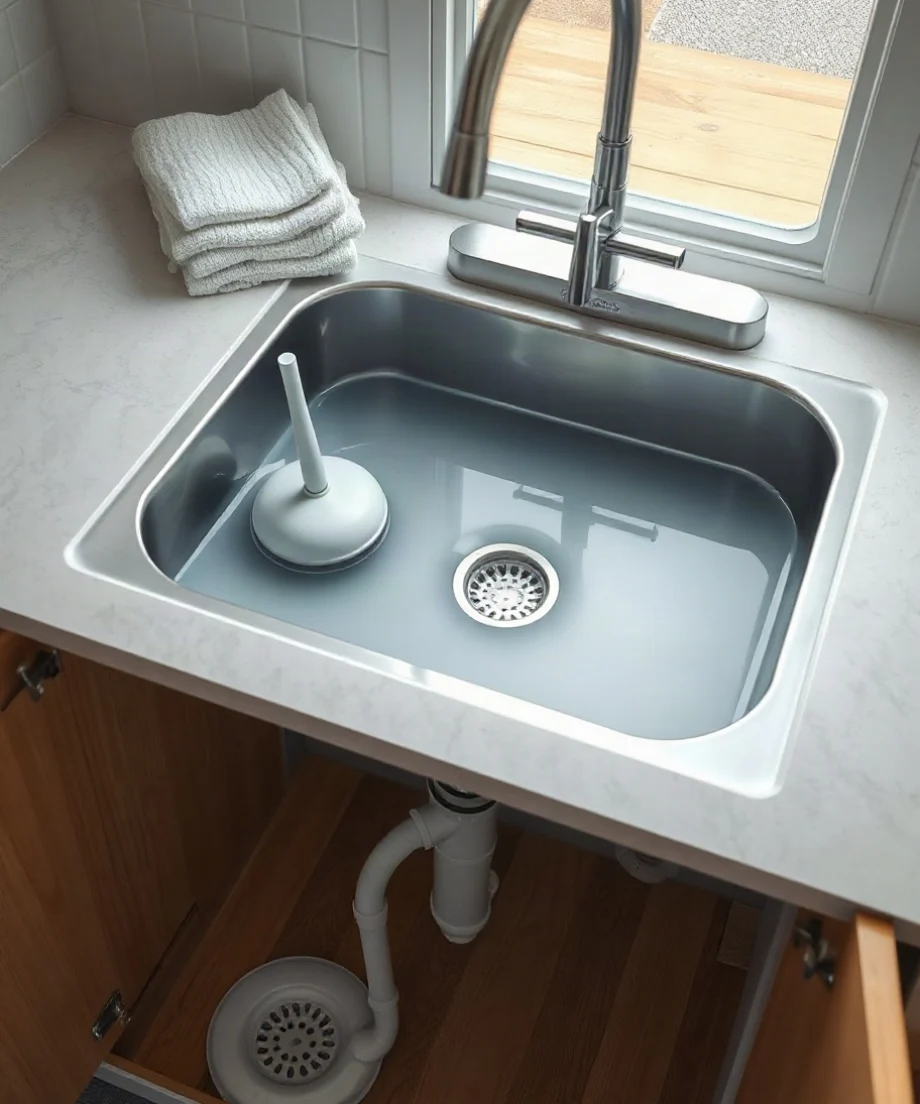
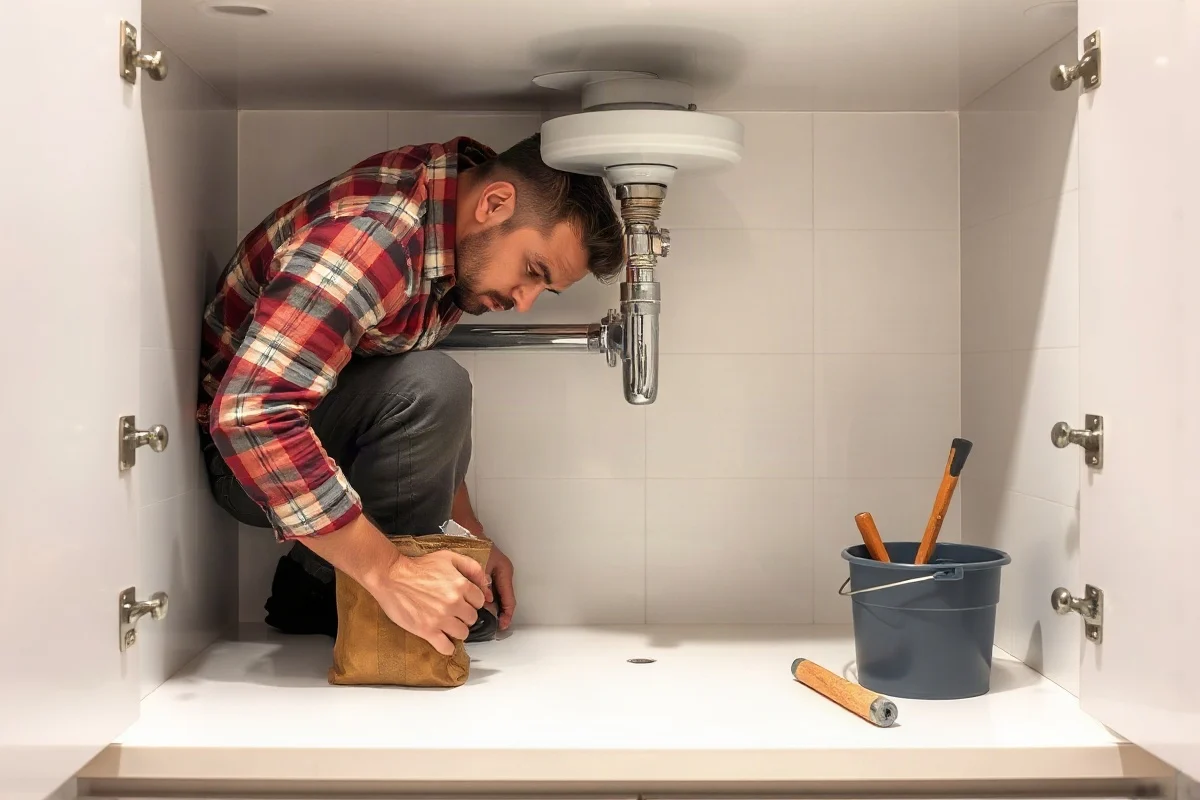
The P-trap is the curved section of pipe beneath the sink. It holds a small amount of water to help block sewer gases, but its shape also allows food debris and sludge to collect. A removable trap may be serviceable, but water can spill quickly when it is opened, so protect the cabinet and keep a container nearby.
A blockage farther down the drain line
If the trap is clear but the sink still will not drain, the obstruction may be in the branch drain inside the wall or farther along the building drain. A cable machine, inspection camera, or other specialized equipment may be needed. This is generally professional work, particularly when access is limited or several fixtures are affected.
Safe Checks You Can Try First
These steps are appropriate for basic diagnosis when there is no sewage exposure, major leak, electrical danger, or active flooding. Stop if the situation becomes unsafe or if you are unsure how the plumbing is assembled.
1. Stop adding water and protect the cabinet
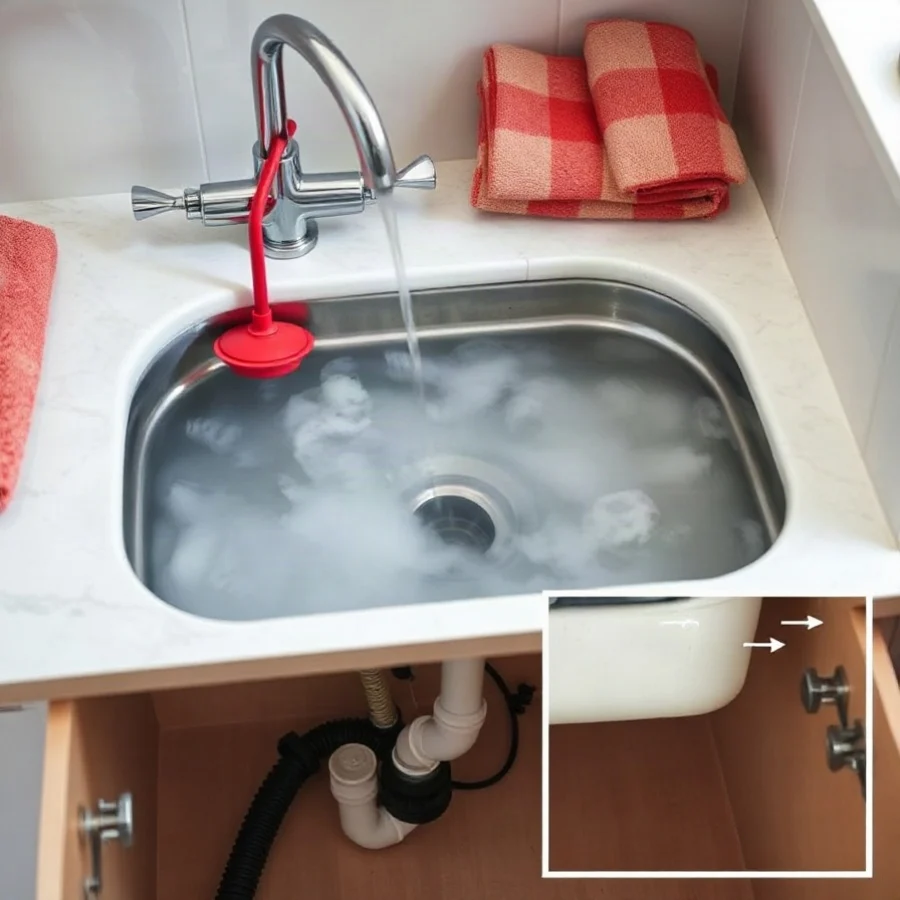
Turn off the faucet and remove standing water with a cup, small container, or wet/dry vacuum if you have one. Put towels or a shallow pan under the sink. Remove cleaning products and stored items from the cabinet in case the trap or supply connections leak.
2. Check the drain opening
Look for visible food, a dishcloth, a bottle cap, or another object near the strainer. Remove only what you can reach without forcing anything farther into the pipe. If the sink has a removable basket strainer, clean its surface and inspect for obvious buildup.
3. Try a sink plunger
Use a flat-bottomed sink plunger rather than a toilet-style flange plunger. Add enough water to cover the rubber cup, then seal the overflow opening or the second basin with a wet cloth if the sink is a double-bowl model. Push and pull firmly several times while keeping the seal in place. If the water begins to move, flush the drain gradually with warm water.
Do not plunge aggressively if chemical drain cleaner is present. Splashback can cause serious skin or eye injuries. If you recently used a chemical product, tell the plumber before anyone opens the drain or trap.
4. Inspect the garbage disposal without reaching inside
Turn the disposal switch off and follow the manufacturer’s safety instructions for checking a jam. Use a flashlight to look for an obvious object, but never put your fingers into the opening. If the unit is electrically unsafe, smells burned, leaks, or repeatedly stops, arrange for qualified repair instead of continuing to reset it.
5. Consider the P-trap only if you can do so safely
A person who is comfortable with basic plumbing work may place a bucket beneath the trap and loosen removable slip-joint connections by hand or with appropriate tools. Open the connection slowly because the trap contains water. Clean the trap, check its washers, and reassemble it without overtightening. Test for leaks with a small amount of water before using the sink normally.
Skip this step if the connections are corroded, glued, difficult to access, or connected to unusual piping. A damaged fitting can turn a clog into a leak inside the cabinet.
When DIY Attempts Should Stop
Call a qualified local professional if the sink remains blocked after a reasonable plunger attempt, the clog returns quickly, or water backs up after the trap is clear. Professional help is also appropriate when both bowls are affected, the dishwasher drain backs up, another fixture gurgles, or wastewater appears in the sink.
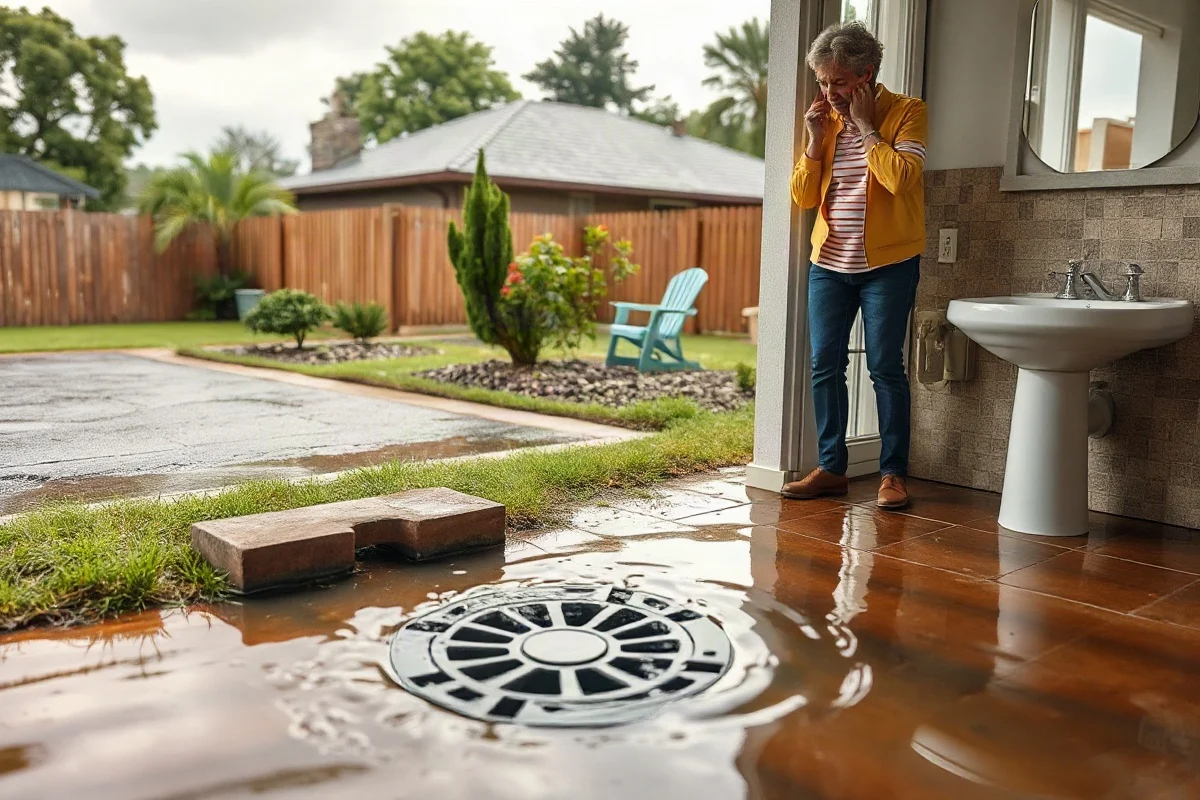
Stop using the drain and seek prompt help for sewage exposure, a strong sewer odor, a spreading leak, water inside the cabinet, or flooding that could damage flooring and cabinets. If water is near electrical equipment, do not touch wet switches, plugs, or disposal wiring. Use a qualified professional and follow appropriate electrical safety procedures.
A blockage that affects several fixtures may involve the main building drain or sewer line rather than just the kitchen sink. In that situation, repeated plunging or chemical products is unlikely to solve the underlying problem. A plumber may need to perform a larger drain cleaning or camera inspection.
Repair Options a Plumber May Recommend
Drain opening or strainer cleaning
If the obstruction is near the top of the drain, the plumber may remove debris and clean the strainer or disposer connection. This is usually a targeted repair rather than a replacement of the entire drain assembly.
P-trap removal and cleaning
A clogged trap can often be removed, cleaned, and reinstalled. The plumber should check for cracked fittings, damaged washers, corrosion, and signs of leakage before putting the assembly back into service.
Drain snaking
A hand auger or powered drain cable may be used when the blockage is beyond the trap. The correct equipment and technique depend on the pipe layout and the obstruction. A cable can open a passage without removing all buildup, so the plumber may discuss whether additional cleaning is appropriate.
Hydro jetting or specialized cleaning
For heavy grease, scale, or recurring buildup, a professional may consider high-pressure water cleaning. This option is not suitable for every plumbing system or condition. The plumber should assess the pipe material, access, blockage, and overall condition before recommending it.
Garbage disposal repair or replacement
If the disposal is jammed, leaking, electrically unsafe, or mechanically worn, repair or replacement may be more practical than repeated unclogging. The decision depends on the unit’s condition, the source of the problem, and whether the drain itself is also blocked. For related guidance, see the garbage disposal repair and maintenance information.
Pipe repair or drain section replacement
Cracked, collapsed, severely corroded, or improperly connected piping may need repair or replacement. Hidden leaks, pipe damage inside a wall, or work that may involve local code requirements should be handled by a qualified professional. Do not open walls or alter concealed plumbing based only on a surface symptom.
Repair or Replacement: How the Decision Is Made
A simple blockage does not normally justify replacing the sink drain system. Cleaning or snaking may be enough when the pipes are intact and the problem is isolated. Replacement becomes more likely when fittings are cracked, connections leak after cleaning, corrosion prevents a secure repair, or a disposal has a persistent mechanical or electrical problem.
Recurring clogs deserve more investigation rather than repeated quick fixes. The cause could be grease accumulation, an undersized or poorly arranged drain, a damaged pipe, a venting issue, or a blockage farther downstream. A plumber can determine whether the problem is limited to the kitchen branch or connected to a larger drainage issue.
What Affects the Cost of the Repair?
There is no reliable single price for a kitchen sink clog because the work varies from a basic trap cleaning to extensive drain access. Important cost factors include:
- Whether the obstruction is at the strainer, disposal, P-trap, branch drain, or main drain
- How accessible the plumbing is beneath or behind the cabinets
- Whether the plumber uses a hand tool, powered cable, camera, or specialized cleaning equipment
- Whether parts such as washers, traps, strainers, disposal components, or drain sections need replacement
- Whether water damage, sewage cleanup, or concealed pipe repairs are involved
- Whether the problem is isolated or affects multiple fixtures
Ask for an explanation of the suspected cause, the recommended repair, what is included in the estimate, and whether additional work would require approval. You can also review general information about plumbing cost factors without treating broad estimates as a quote for your home.
How to Choose the Right Plumber
Look for a local plumber who clearly describes the diagnostic process and has experience with kitchen drains, garbage disposals, and branch-line blockages. Before work begins, ask whether the technician will inspect the trap and nearby connections before recommending more extensive service.
Request written details about the proposed work, materials, service charges, and any conditions that could change the total. Confirm that the company is properly qualified for the type of work in your area, and ask about applicable insurance or other credentials when appropriate. Do not choose a provider solely because of a low advertised amount or a claim that every clog can be fixed with one method.
For help comparing service providers and preparing questions, use this guide to hiring a plumber. If the sink is overflowing, wastewater is spreading, or the leak threatens the home, look for qualified local assistance through an emergency plumbing service.
Preventing Another Kitchen Sink Clog
- Scrape food scraps into the trash or compost before washing dishes.
- Do not pour cooking grease or oil into the drain.
- Use the sink strainer and clean it regularly.
- Follow the disposal manufacturer’s use and maintenance instructions.
- Do not force fibrous foods, hard objects, or large quantities of scraps into a disposal.
- Pay attention to slow drainage, gurgling, odors, or repeated backups before the sink becomes completely blocked.
Standing water is a symptom, not a diagnosis. A careful homeowner can remove visible debris, protect the cabinet, and try a properly sealed plunger. If those steps fail or the blockage involves leaks, sewage, electricity, several fixtures, or hidden piping, stop experimenting and have a qualified local plumber identify the cause and recommend the appropriate repair.
Comments
0No comments yet. Be the first to share a helpful note or question.
Leave a Comment
Your email address will not be published. Comments are reviewed before appearing on the site.