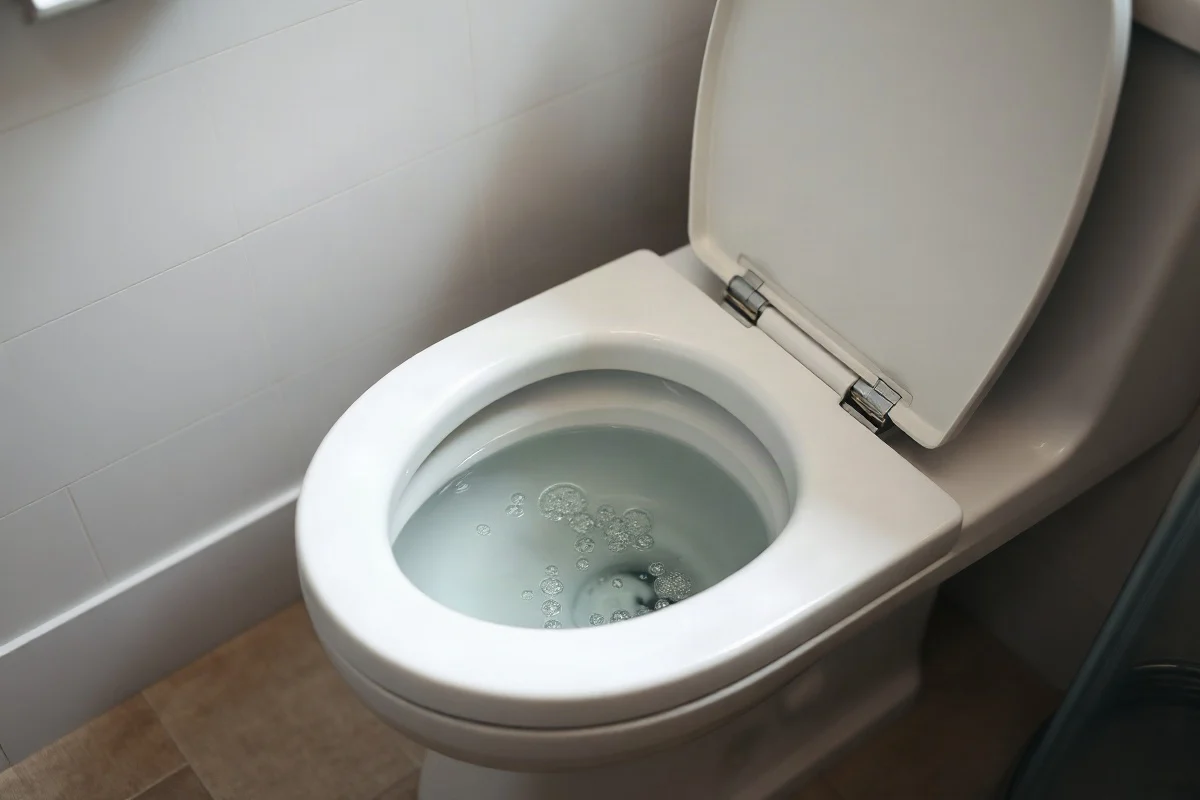
If your toilet bubbles, gurgles, or the water level moves when the shower runs, the bathroom drainage system is struggling to move water and air normally. The most common cause is a partial clog in the shared drain line, but a blocked plumbing vent or a problem farther down the sewer line can create the same symptom. Because the toilet and shower may connect to the same branch drain, water from the shower can push air through the toilet trap and cause bubbling.
A bubbling toilet is more than a minor noise when it happens repeatedly. It can be an early warning that wastewater is backing up somewhere in the drainage system. You may be able to perform a few low-risk checks, but avoid using harsh chemical drain cleaners or taking apart concealed plumbing. If the toilet begins to rise, sewage appears, several fixtures drain slowly, or wastewater backs up, stop using affected fixtures and contact a qualified local plumber.
What a bubbling toilet usually means
Drainpipes need both a clear path for wastewater and enough air movement to keep pressure balanced. When the shower drains, water travels through the branch drain. If that path is narrowed by buildup or a blockage, the moving water displaces air. The trapped air may escape through the nearest available opening, which is often the toilet bowl.
The bubbling may sound like a soft gurgle, or the water in the bowl may ripple, rise slightly, or drop suddenly. These changes suggest that the shower and toilet are connected to a drainage or venting issue rather than an isolated toilet problem.
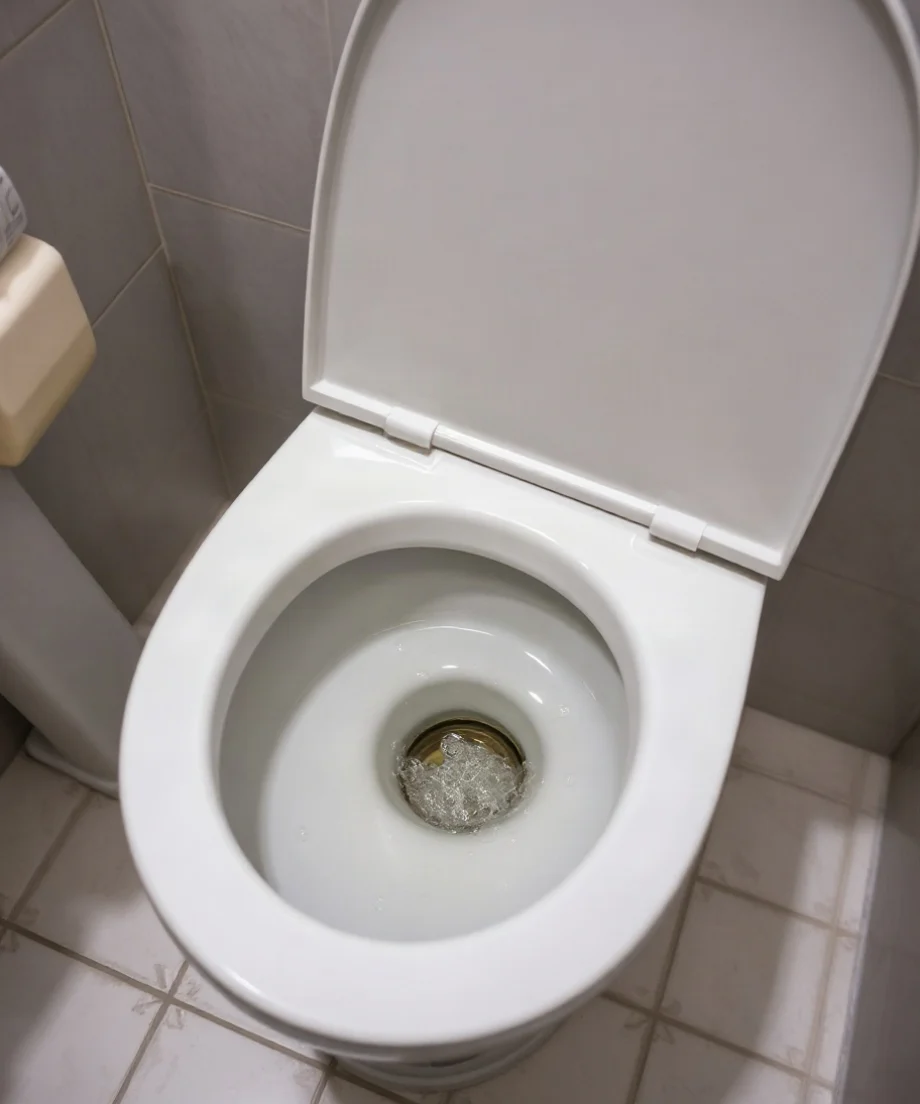
Common causes of toilet bubbling during a shower
Partial clog in the shared bathroom drain
A partial clog is one of the most likely explanations. Hair, soap residue, paper, mineral deposits, and other debris can narrow a bathroom drain over time. The shower may still drain, but water moves slowly enough to create pressure changes in the connected pipe. The toilet then gurgles as air is forced through its trap.
A partial clog may also cause a slow shower drain, a toilet that flushes weakly, or a bathroom sink that drains more slowly than usual. If more than one fixture shows symptoms, the blockage may be beyond a single fixture trap.
Blocked or restricted plumbing vent
Plumbing vents extend through the roof or connect to an approved venting system to let air enter the drainage network. Leaves, nesting material, debris, snow, or other obstructions can restrict a vent. A vent problem can make drains gurgle, slow down, or lose their normal flow.
Do not climb onto a roof or attempt to remove a suspected vent blockage if you are not equipped and trained to do so. Roof work can cause serious falls, and the source of the problem may still be inside the drain system. A qualified plumber can evaluate the vent and drainage layout safely.
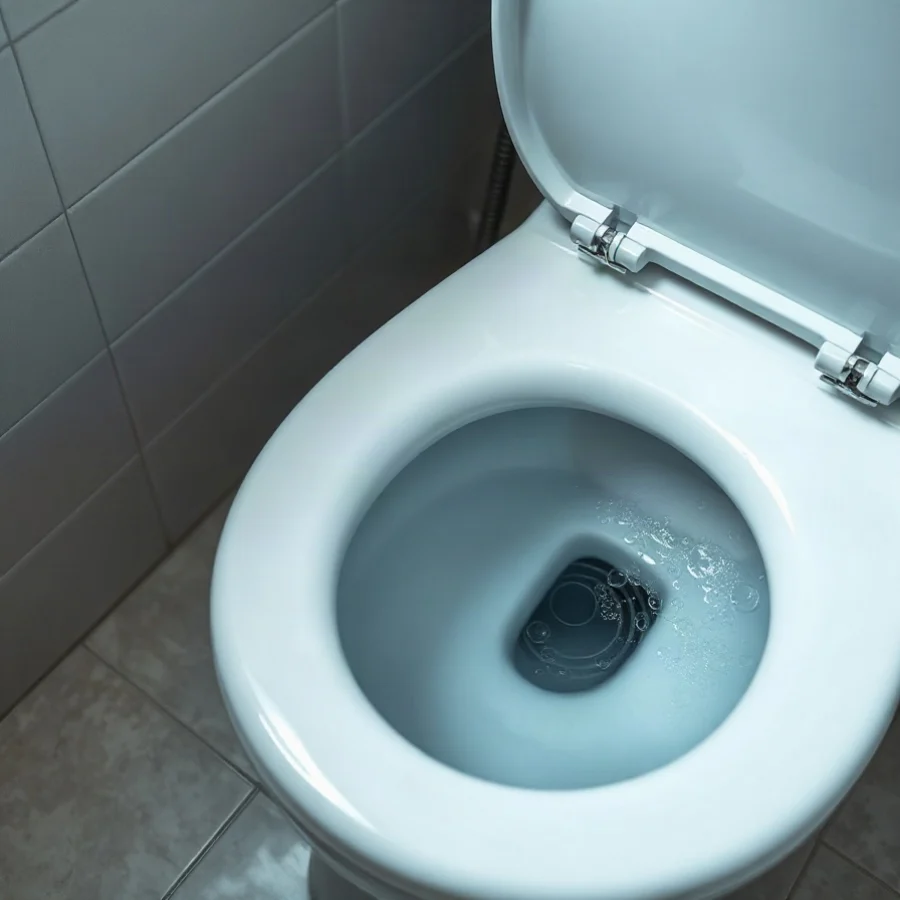
Developing blockage in the main drain or sewer line
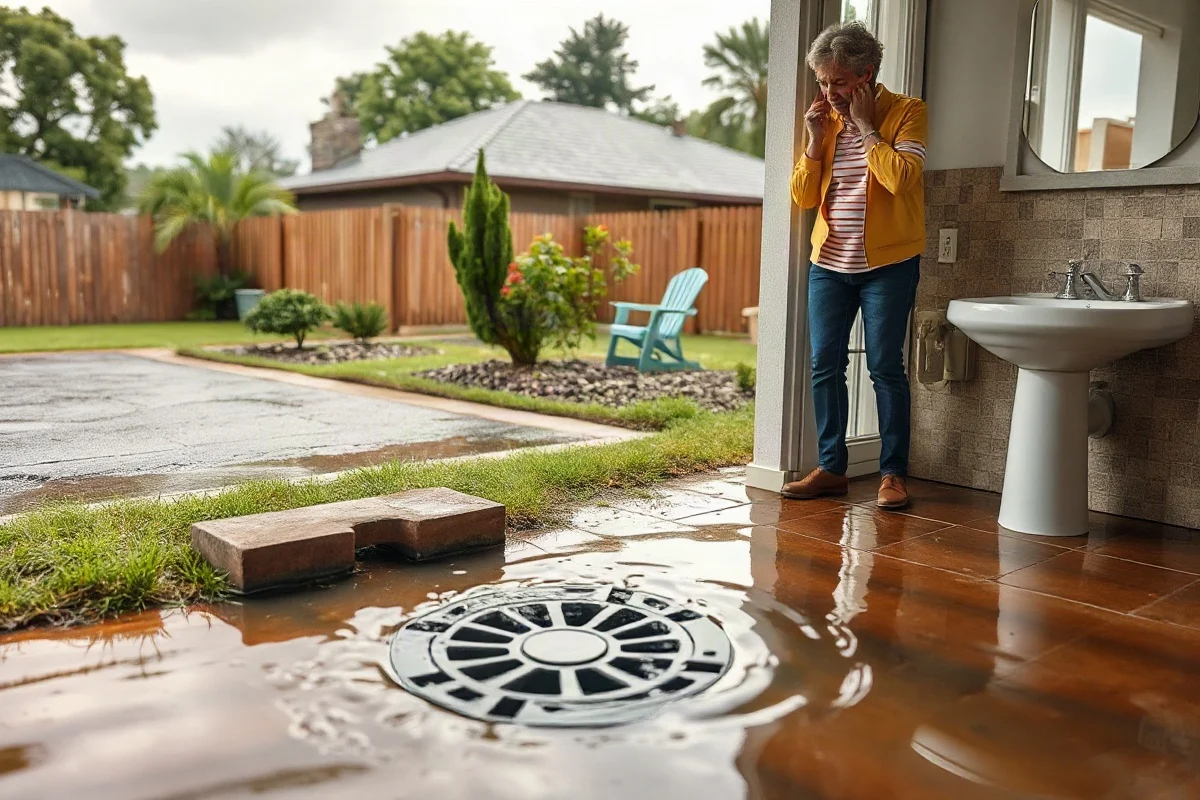
If the bubbling is accompanied by slow drains throughout the home, repeated toilet problems, or wastewater backing up into a tub or shower, the blockage may be in a larger building drain or sewer line. Tree roots, settled soil, damaged pipe sections, heavy buildup, or an obstruction can restrict the line.
Sewer-related problems require prompt attention because continued water use can send contaminated wastewater into the home. For persistent or widespread symptoms, a plumber may recommend methods such as a drain camera inspection to locate the problem before choosing a repair.
Drain or pipe damage
A cracked, shifted, sagging, or collapsed drainpipe can interfere with normal flow. These problems are less likely to be solved with a plunger and may cause recurring clogs even after temporary clearing. Unexplained wet areas, sewage odors, repeated backups, or symptoms that return soon after cleaning deserve professional evaluation.
Safe checks homeowners can perform
Start by observing the pattern without repeatedly running water. Note whether the bubbling occurs only while the shower drains or also when a sink, washing machine, or other fixture is used. Check whether the toilet water rises, whether the shower drains slowly, and whether other fixtures make gurgling sounds.
- Stop using the shower and other fixtures if the toilet water rises or wastewater appears.
- Check the visible shower drain for hair or surface debris, and remove only what you can reach without pushing it deeper.
- Confirm that the toilet bowl is not already close to overflowing before attempting any plunging.
- Use a toilet plunger designed for toilets, applying controlled pressure rather than forceful repeated pumping.
- Run only a small amount of water afterward and observe whether the bubbling returns.
Use caution with plunging. If several fixtures are backing up, plunging one fixture may not solve the underlying blockage and can sometimes move contaminated water between connected fixtures. If you are unsure which plunger or method is appropriate, stop and seek professional guidance.
For general information about low-risk maintenance and homeowner tasks, you can review this DIY plumbing guide. Do not treat a bubbling toilet as a reason to open walls, remove a toilet, access the roof, or work on concealed drain lines without the right experience.
What not to do
Avoid pouring chemical drain cleaner into the toilet or shower drain. These products may fail to clear a deeper obstruction and can leave caustic liquid in the pipe. That creates a burn and splash hazard for anyone who later plunges, disconnects a fitting, or opens the drain.
Do not flush repeatedly to see whether the problem improves. If the drain is restricted, additional flushing may overflow the bowl. Do not use a drain snake aggressively if you cannot identify the pipe layout. Forcing a tool can damage some plumbing components or push the obstruction farther into the system.
Never enter standing sewage or handle contaminated materials without appropriate protective procedures. Sewage exposure is a health concern, and cleanup may require qualified help.
When to call a plumber
Contact a qualified local plumber when bubbling is persistent, returns after a basic check, or occurs with other drainage symptoms. Professional help is especially important when:
- The toilet water rises during a shower or flush.
- The shower, sink, and toilet are all slow or gurgling.
- Wastewater backs up into the shower or tub.
- You notice sewage odors, wet flooring, or unexplained moisture.
- The problem affects more than one bathroom or returns frequently.
- A plunger does not restore normal drainage.
- You suspect a blocked vent, damaged pipe, or sewer-line obstruction.
If there is active flooding, sewage exposure, a concealed leak, or a risk of damage to floors and walls, treat the situation as urgent. Limit water use, keep people and pets away from contaminated areas, and contact a qualified local professional. For urgent plumbing situations, see the emergency plumber guide for practical next steps.
How a plumber may diagnose the problem
A plumber will usually begin by asking which fixtures are affected and when the bubbling occurs. They may test drainage at the toilet, shower, and nearby sinks to determine whether the restriction is isolated or shared. The plumber may also inspect accessible cleanouts and check whether water is standing in a drain line.
Depending on the symptoms, possible diagnostic methods can include a drain auger, inspection of accessible vent components, or a camera inspection of the drain or sewer line. A camera can help identify roots, cracks, offsets, heavy buildup, or a collapse without guessing at the location of the problem. You can learn more about this approach in the drain camera inspection guide.
The correct repair depends on the location and cause. A minor, accessible clog may be cleared with an appropriate mechanical tool. A deeper obstruction may require professional drain cleaning. Damaged or collapsed piping may need repair or replacement of the affected section. A vent issue may require clearing or repairing the vent system, but the plumber should first confirm that the vent is actually responsible.
Repair or replacement: what determines the decision?
Repair is generally considered when the pipe is structurally sound and the problem is limited to a removable obstruction, a small accessible defect, or a component that can be restored safely. Replacement becomes more likely when a pipe is severely damaged, repeatedly failing, collapsed, or inaccessible for reliable repair. A professional should explain whether the proposed work addresses the cause or only provides temporary relief.
Ask for a clear explanation of the affected section, the proposed method, possible alternatives, and how the plumber will confirm that drainage is working afterward. If sewage has entered the home, also ask what cleanup and disinfection steps are needed; plumbing repair and environmental cleanup may be separate services.
What can affect the cost?
The cost of diagnosing and repairing a bubbling toilet varies by location and situation, so a reliable estimate requires an inspection. Important factors can include whether the blockage is at one fixture or in a shared line, how accessible the pipe is, the severity of buildup or damage, the need for specialized equipment, and whether excavation or restoration is involved.
Additional factors may include work performed outside normal business hours, water or sewage cleanup, replacement of damaged flooring or walls, and follow-up repairs. Avoid choosing a contractor based only on the lowest initial quote. Ask what is included, whether diagnostic work is separate, and what conditions could change the final charge. For broader planning information, review the plumbing costs guide.
How to choose the right local plumber
Look for a plumbing professional with experience in drain blockages, venting, and sewer-line diagnosis, not just fixture replacement. Before work begins, ask whether the plumber is qualified to perform the proposed service in your area and whether any required approvals or inspections should be discussed with the local authority. Requirements can vary, so do not rely on general online claims.
Request a written description of the problem and recommended repair. A dependable plumber should be willing to explain why the toilet bubbles, what evidence supports the diagnosis, and what options are available. Be cautious of anyone who immediately recommends extensive replacement without inspecting the accessible system or explaining the findings.
Keep notes about when the bubbling occurs, which fixtures are affected, and what you have already tried. This information can help the plumber identify whether the issue is a local bathroom clog, a venting concern, or a larger sewer-line problem. Acting early can reduce the chance of an overflow and help prevent a minor drainage restriction from becoming a more disruptive plumbing emergency.
Comments
0No comments yet. Be the first to share a helpful note or question.
Leave a Comment
Your email address will not be published. Comments are reviewed before appearing on the site.