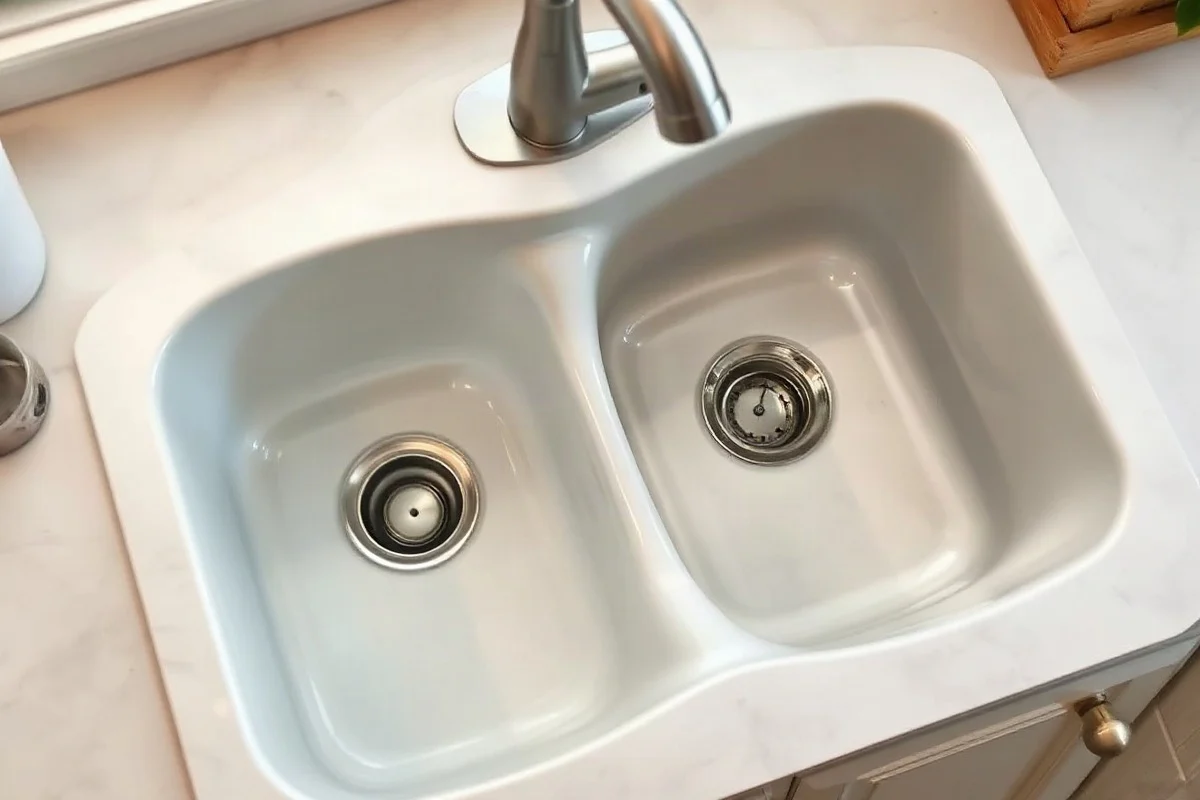
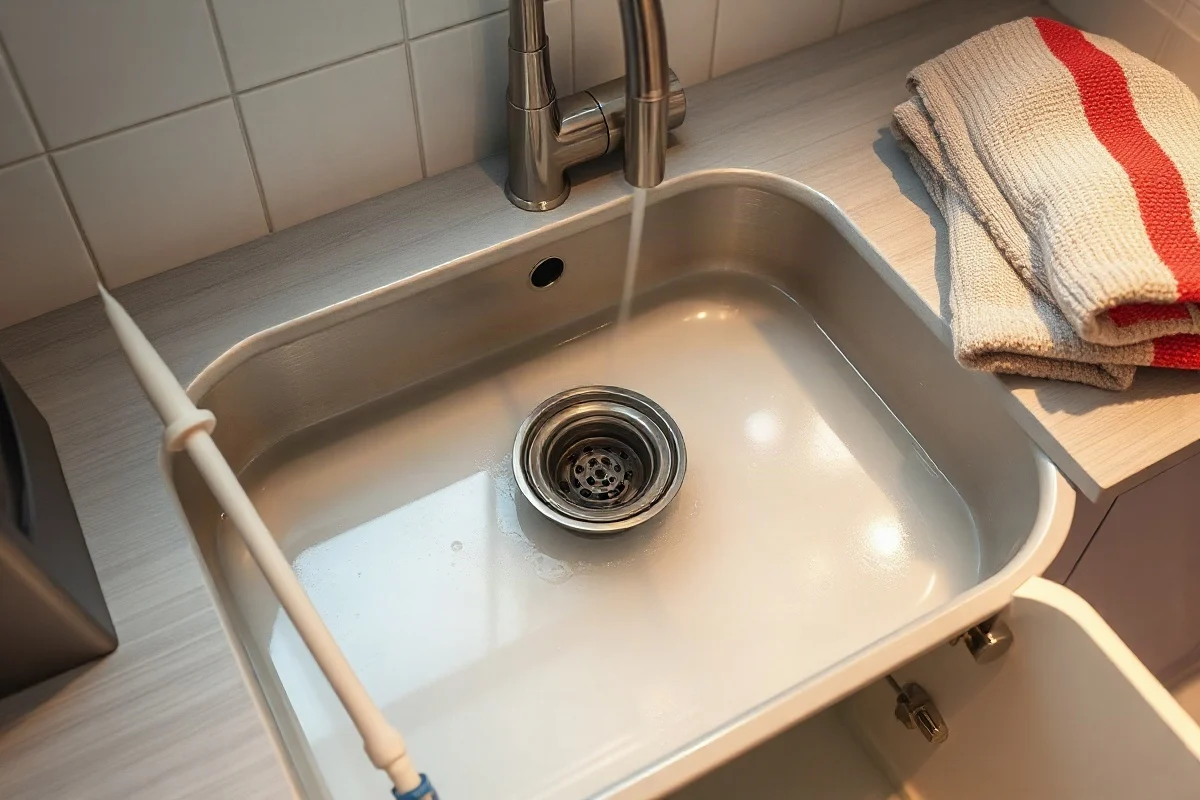
If one side of your kitchen sink clogs while the other side drains normally, the blockage is usually close to that basin’s drain opening, in the shared connection between the two bowls, or farther down the branch drain. In a double-basin sink, both sides often connect to the same drain system, but water may still back up on only one side when a strainer, trap arm, baffle, or connecting fitting is partially blocked.
The exact location matters because a simple buildup near the drain may respond to a careful homeowner cleaning, while a blockage inside the wall, a damaged pipe, or a disposal-related problem may require a qualified plumber. Start with low-risk checks, avoid forcing tools into the drain, and stop if water is leaking under the cabinet or the situation involves electrical equipment, sewage, or extensive flooding.
What a One-Sided Sink Clog Usually Means
A double kitchen sink has separate drain openings, but the plumbing underneath typically joins before the water reaches the main drain line. If only one basin fills, the obstruction is often located before the two drains fully merge. Water from the affected side cannot pass through that section, while the other side may still have a clear path for a limited time.
In some cases, using the clear side can make the problem appear worse. Water sent down the open basin may travel through the shared pipe and push against the blockage, causing water to rise in the clogged bowl. This does not necessarily mean the second drain is blocked; it may be the first visible place where backed-up water has room to collect.
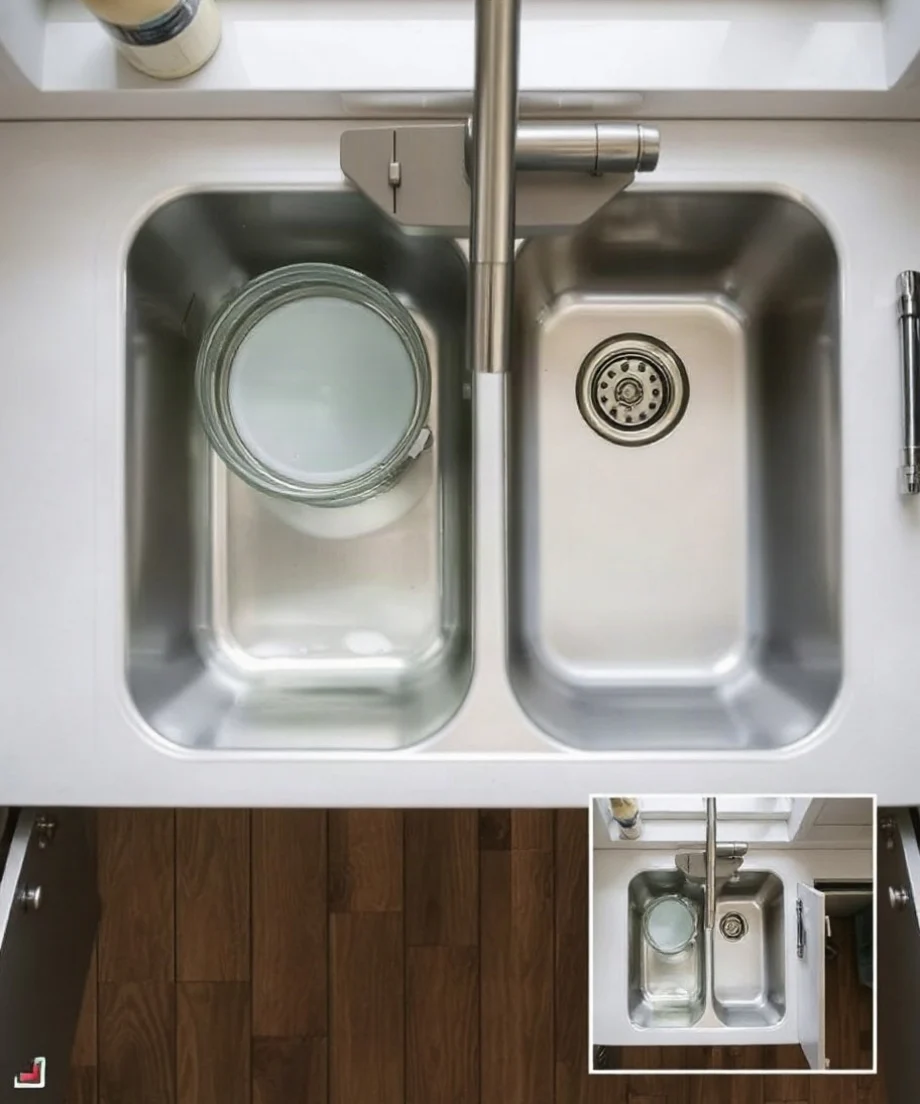
Common Causes of a Kitchen Sink Clogging on One Side
Food particles near the strainer
Small food scraps, coffee grounds, rice, pasta, grease, and other kitchen debris can collect beneath the drain strainer. Over time, the buildup narrows the opening and slows drainage. A partial obstruction may allow water to trickle through but not handle normal sink use.
A clogged garbage disposal
If the affected side connects to a garbage disposal, the disposal chamber, outlet opening, or nearby drain piping may contain accumulated debris. A disposal that hums, stops unexpectedly, leaks, or trips an electrical protection device should not be repeatedly reset or operated.
Never place your hand inside a disposal. Turn off the disposal switch, avoid reaching into the opening, and follow the manufacturer’s safe instructions for visual inspection. If the unit is jammed, leaking, electrically unsafe, or not responding normally, use a qualified professional. You can learn more about related service concerns on our garbage disposal resource.
Grease or soap buildup in the shared pipe
Grease can cling to the inside of a drain line and trap other materials. Dish soap may break grease into smaller pieces temporarily, but it does not remove a thick coating inside the pipe. As the passage becomes narrower, one side may drain slowly or back up first, especially when the sink is full.
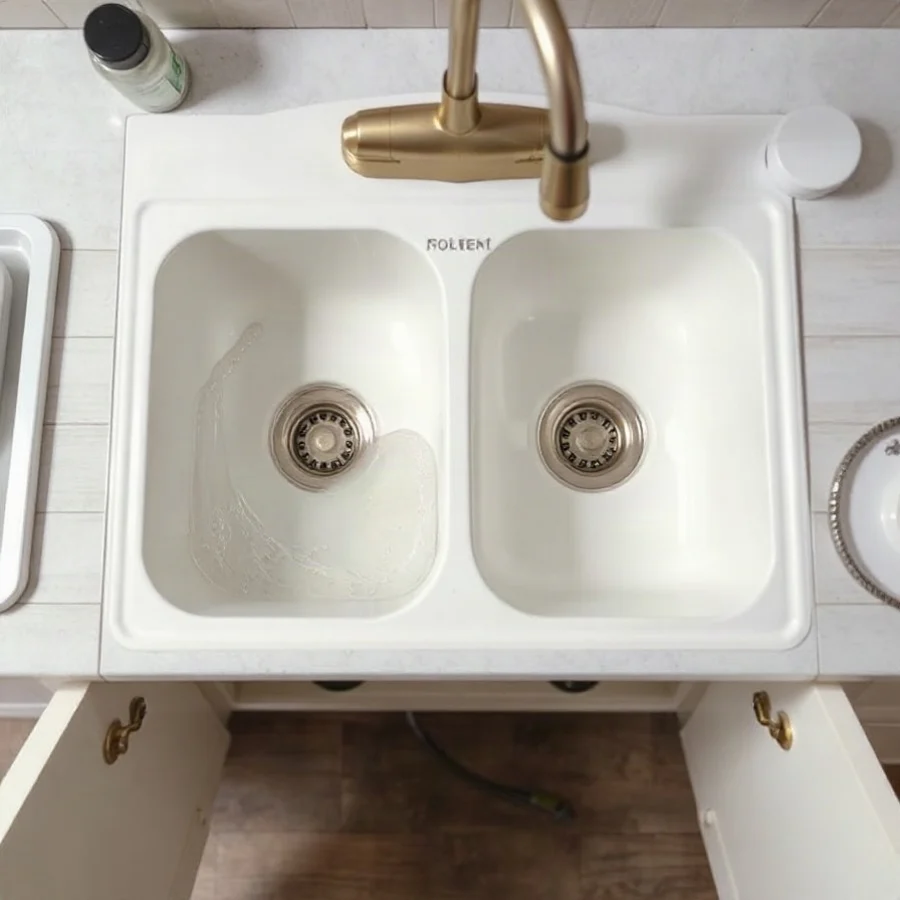
A clogged or poorly draining P-trap
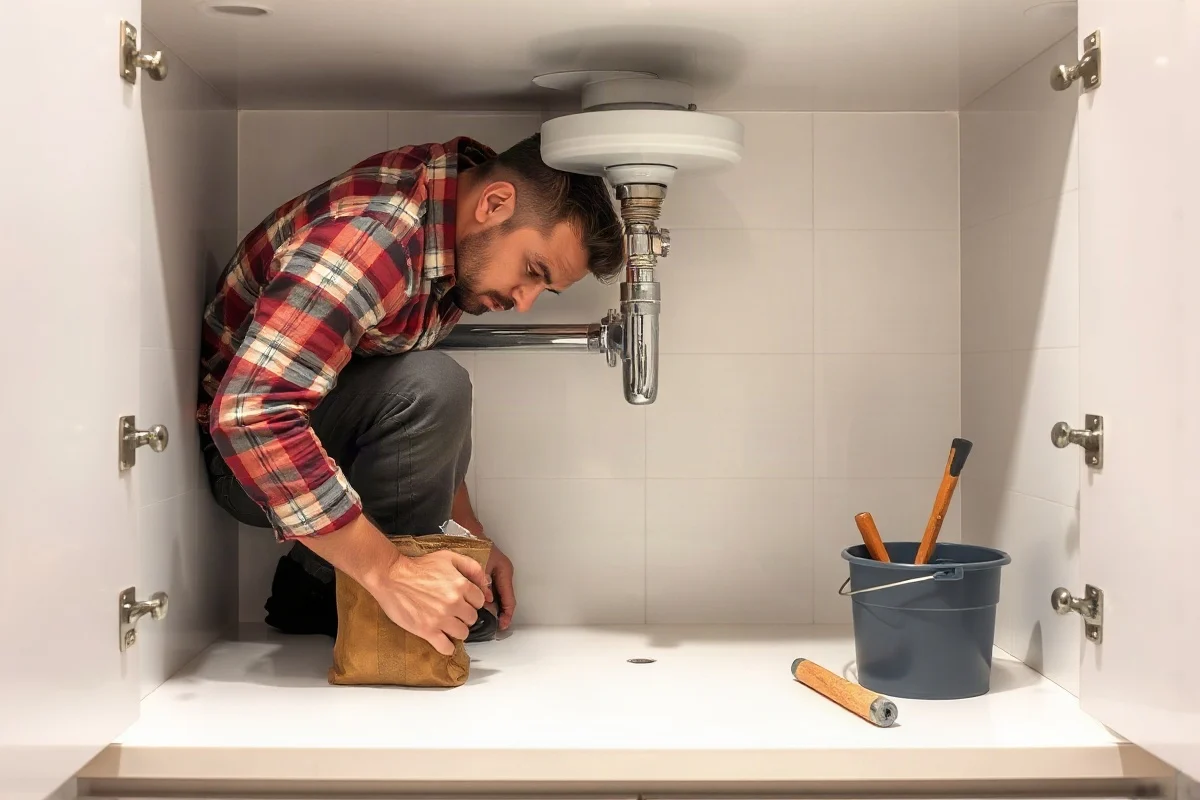
The P-trap is the curved section of pipe beneath the sink that holds water and helps block sewer gases. It can collect food particles, grease, and small objects. In a double-basin setup, a blockage may be in the trap itself or in one of the short pipes leading to it.
A blockage deeper in the branch drain
If both basins drain slowly, water backs up when an appliance runs, or the clog returns shortly after cleaning, the obstruction may be farther down the branch drain. A deeper clog can involve heavy buildup, a displaced object, pipe damage, or a recurring drainage problem that basic plunging will not solve.
Safe Checks You Can Do First
Before working under the sink, remove standing water with a cup or small container and place a bucket beneath the fittings. Check for active dripping around the drain baskets, disposal connections, P-trap, and slip-joint nuts. Do not loosen a fitting if the cabinet is crowded with electrical connections, if the pipe appears damaged, or if you are unsure how it will reseal.
Inspect the drain opening
With the water removed, look into the affected drain using a flashlight. If you can see food or debris near the surface, remove it with a gloved hand from above the drain rather than pushing it farther into the pipe. Do not use your fingers inside a garbage disposal opening.
Clean the sink stopper or strainer
Some sink strainers and removable stoppers collect residue beneath their edges. Lift out the removable part if it comes out easily, clean it with a brush, and wipe away material around the drain opening. Avoid prying or twisting fixed components that appear corroded.
Try a sink plunger correctly
A flat-bottomed sink plunger may help with a localized, soft blockage. Add enough water to cover the plunger’s rubber cup. If the sink has two basins, seal the drain on the clear side with a stopper or a wet cloth so pressure is directed toward the affected drain. Plunge with controlled, steady strokes rather than extreme force.
If the sink has a garbage disposal, do not plunge aggressively if the unit, flange, or connected piping is loose. Stop if water sprays from a fitting, the cabinet begins to flood, or the clog does not respond after a reasonable attempt. For additional guidance, see our information on clogged drains.
Check whether another fixture is affected
Run water briefly in a nearby sink or observe whether a dishwasher discharge causes the kitchen sink to rise. If only the affected basin has trouble, the obstruction may be close to that drain. If multiple fixtures drain slowly, gurgle, or back up, the problem may be farther along the plumbing system and deserves professional evaluation.
What Not to Do
Avoid mixing chemical drain cleaners or using several products one after another. These substances can damage some plumbing materials, create hazardous fumes, and leave caustic liquid in the trap for anyone who later opens the pipe. Tell a plumber if any chemical cleaner has been used.
Do not force a coat hanger, screwdriver, or rigid metal object into the drain. It can scratch fittings, push the blockage deeper, or damage a disposal. Avoid repeatedly running the disposal when it is jammed or draining poorly. If water is near an outlet, appliance connection, or other electrical component, keep the area dry and seek qualified help.
When a Professional Should Handle the Repair
Call a qualified local plumber if the clog returns, affects both basins, causes water to back up through the dishwasher connection, or remains after safe surface cleaning and controlled plunging. Professional service is also appropriate when the P-trap will not come apart safely, fittings are corroded, a pipe is cracked, or the blockage appears to be inside the wall.
Use prompt professional help for major flooding, sewage exposure, a concealed leak, contaminated water, or an unsafe electrical condition. If the kitchen sink is overflowing and you cannot stop the water source, close the sink’s supply valves if they are accessible and safe to operate. For urgent plumbing situations, our emergency plumber guide explains what information to gather when requesting help.
A plumber may inspect the drain connections, remove and clean the trap, use an appropriate drain machine, or inspect the line with a camera when the cause is unclear. The correct method depends on the pipe layout, the type of blockage, the condition of the plumbing, and whether a disposal or dishwasher is connected.
Repair or Replacement: Which Is More Appropriate?
A localized food or grease blockage usually calls for cleaning rather than replacing the sink or drain assembly. A trap, basket strainer, disposer connection, or short section of drain piping may be repairable if the part is intact and seals properly after cleaning.
Replacement becomes more reasonable when a fitting is cracked, badly corroded, repeatedly leaking, or no longer holds a reliable seal. A garbage disposal may need replacement if its motor, housing, or internal components are damaged, but a simple jam or loose connection does not automatically justify installing a new unit. A plumber can distinguish a blockage from a failing component before recommending replacement.
What Affects the Cost of Fixing a One-Sided Sink Clog?
There is no single price for this repair because the total depends on the location and complexity of the problem. Important cost factors include:
- Whether the obstruction is at the drain opening, trap, shared connection, or deeper branch line.
- How accessible the plumbing is beneath the cabinet.
- Whether a garbage disposal or dishwasher is connected to the drain system.
- Whether the work involves cleaning, disassembly, drain equipment, inspection, or part replacement.
- The condition of the existing fittings and whether corroded parts must be replaced.
- Whether service is routine or needed because of active flooding or another urgent condition.
Ask for a clear explanation of the suspected blockage, the proposed method, any parts that may be needed, and what is included in the estimate. Be cautious of recommendations to replace major components before the source of the clog has been identified. Our plumbing costs guide offers broader advice about comparing repair estimates without relying on a made-up local price.
How to Choose the Right Plumber
Look for a local plumbing professional who regularly handles kitchen drains, disposals, and branch-line blockages. Ask whether the company has experience with double-basin sink layouts and whether the technician will inspect the cause rather than simply push the clog farther down the line.
Before work begins, confirm the service scope, payment expectations, and whether diagnostic work or replacement parts are handled separately. Ask for written details when practical. A reputable professional should be willing to explain the repair in plain language and identify conditions that require additional work.
How to Help Prevent Another One-Sided Clog
Scrape plates into the trash or compost before washing them, and avoid sending grease, cooking oil, coffee grounds, fibrous scraps, expanding foods, or large food pieces into the drain. Use the disposal only as intended by its manufacturer and run appropriate amounts of water during normal operation.
Clean removable strainers regularly and pay attention to early warning signs, such as slow drainage, gurgling, unpleasant odors, or water rising in the opposite basin when the disposal runs. Addressing a partial blockage early can reduce the chance of a complete backup and cabinet damage.
A kitchen sink that clogs on only one side is usually signaling a localized obstruction, not a mysterious failure of the entire plumbing system. Start with a visual inspection, surface cleaning, and careful plunging if the setup is safe. If the problem persists, returns quickly, affects other fixtures, involves a disposal or hidden leak, or creates an unsafe condition, stop DIY work and contact a qualified local plumber.
Comments
0No comments yet. Be the first to share a helpful note or question.
Leave a Comment
Your email address will not be published. Comments are reviewed before appearing on the site.