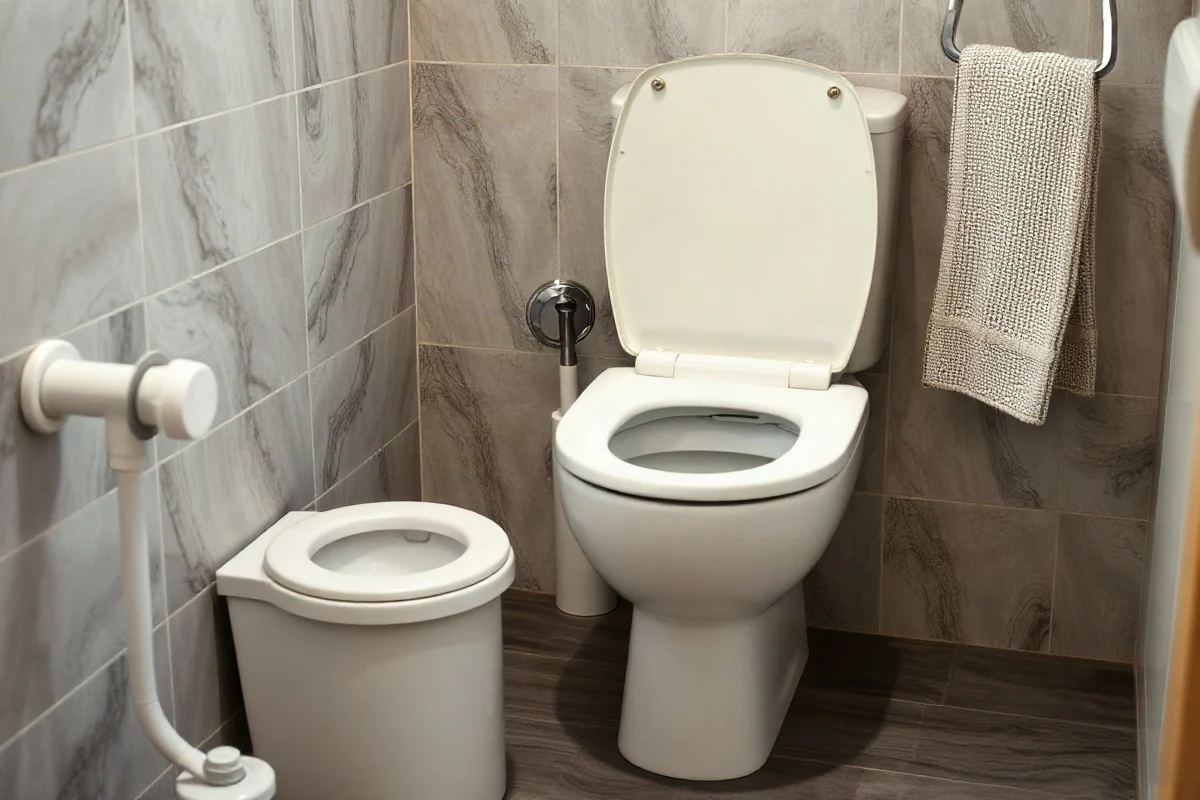
A toilet that clogs repeatedly after flushing usually has an incomplete blockage, a weak flush, a restricted trapway, or a problem farther down the drain line. Excessive paper can cause a temporary clog, but frequent backups often mean the obstruction was never fully removed or that the toilet or plumbing system is not moving waste properly. You can safely check the water level, use a flange plunger, and inspect visible toilet components. If the problem returns, affects other fixtures, involves sewage, or resists basic clearing, a qualified local plumber should diagnose it.
Common reasons a toilet keeps clogging
A partial blockage remains in the toilet trapway
The built-in curved passage inside a toilet is called the trapway. It holds water that helps block sewer gases, but its narrow shape can also catch paper, wipes, small objects, and waste. A plunger may create enough pressure to open a small passage without removing the entire obstruction. The toilet then flushes once or twice before clogging again.
Children's toys, cleaning products, toiletries, and other objects can become lodged in the trapway. Unlike toilet paper, these items may not break down or move through the drain. Repeated plunging can sometimes push an object deeper, making the eventual repair more difficult.
The toilet does not have enough flushing power
A weak flush may leave waste behind and gradually contribute to recurring clogs. Several conditions can reduce flushing performance, including a low tank water level, a worn flapper, mineral buildup around the rim holes, or a flush valve that does not open fully. Some toilets also have internal components that are incorrectly adjusted or damaged.
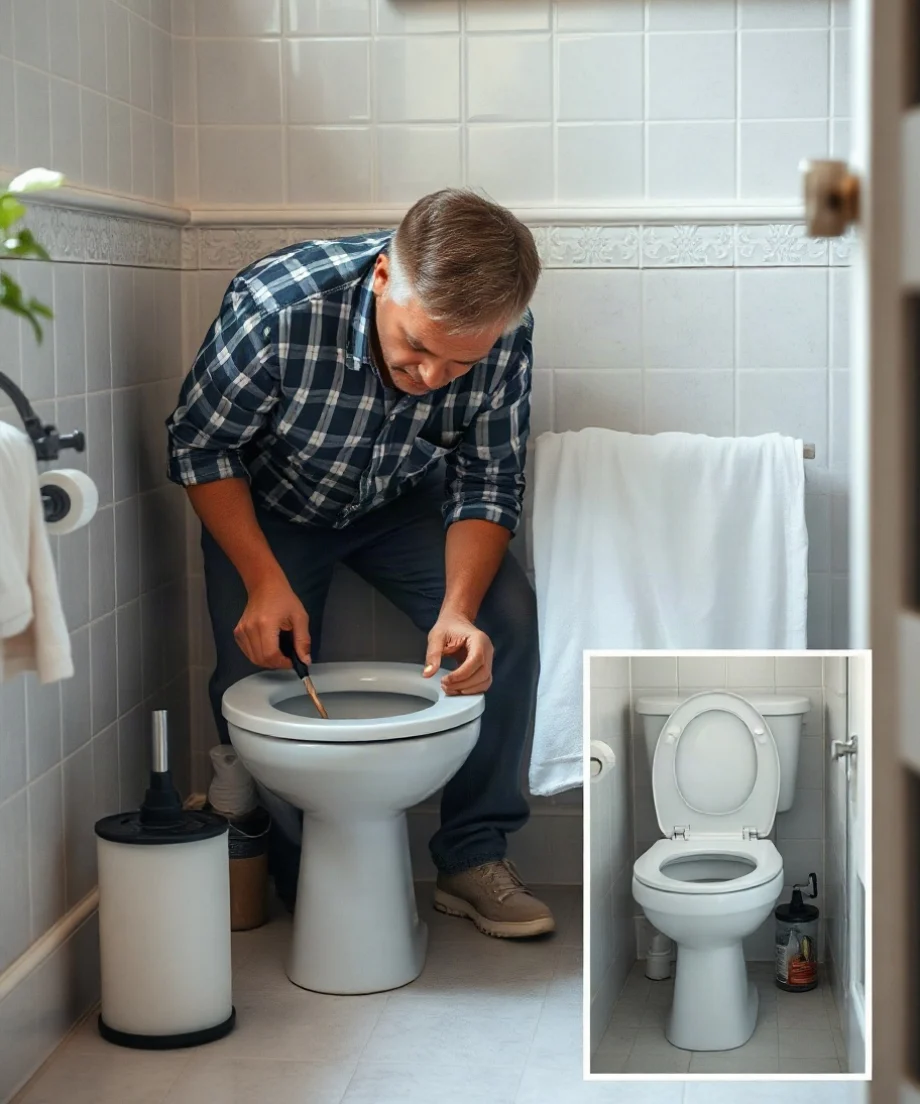
Check whether the tank refills to the level marked by the manufacturer or by a visible water line inside the tank. Do not force or modify parts if you are unsure how they work. The correct water level varies by toilet design, and replacing an internal component with the wrong part can create additional problems.
Too much paper or material that should not be flushed
Toilet paper is designed to disperse in water, but large amounts can still overwhelm a toilet with a restricted passage or weak flush. Paper towels, facial tissues, disinfecting wipes, baby wipes, feminine hygiene products, cotton swabs, dental floss, and similar items should not be flushed unless the product and local wastewater guidance clearly allow it. Even products labeled “flushable” may contribute to blockages in some plumbing systems.
If the toilet started clogging after a change in household habits, reducing the amount of paper per flush may help identify the trigger. However, a toilet that continues to clog with normal use still needs attention rather than repeated flushing or chemical treatment.
A drainpipe is partially blocked
If the toilet itself is clear but the connected drainpipe is restricted, water and waste may move slowly or back up into the bowl. A drain-line blockage becomes more likely when the toilet clogs along with a bathtub, shower, bathroom sink, or another toilet. Gurgling sounds, bubbles in the bowl when another fixture drains, and water rising in a nearby fixture are additional warning signs.
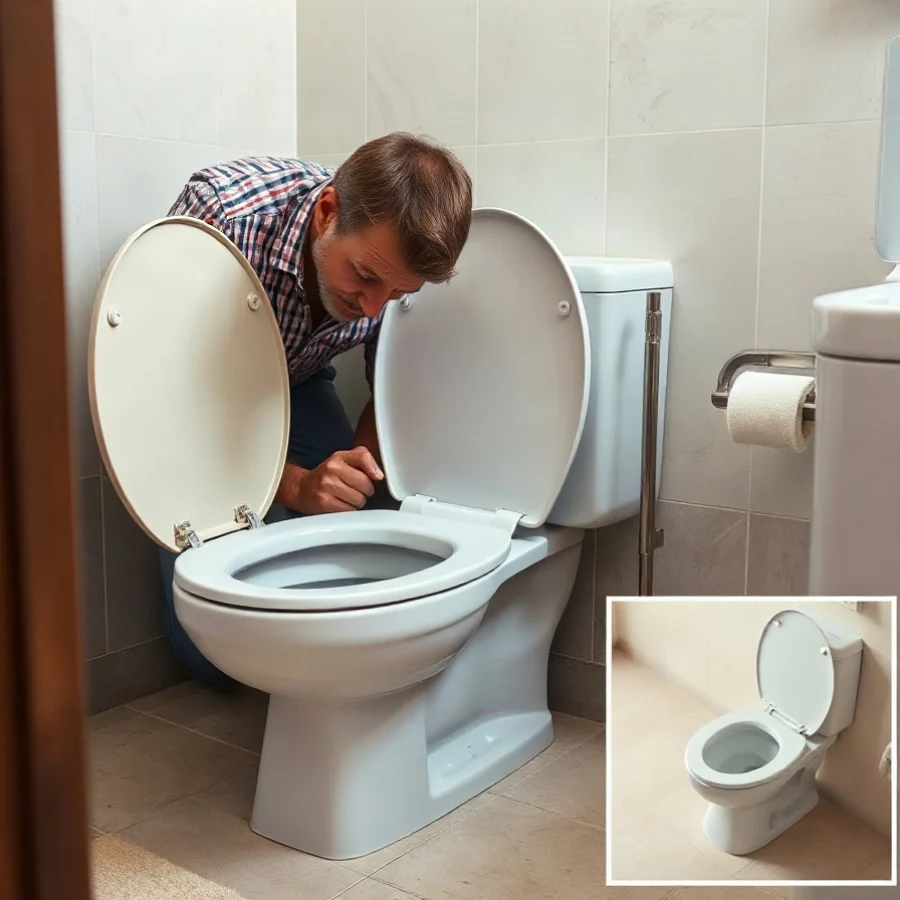
A blockage farther along the branch drain or main sewer line generally requires professional equipment and diagnosis. A plumber may use a drain auger, inspection camera, or another appropriate method to locate and remove the obstruction. Learn more about professional drain cleaning when more than one fixture is affected.
The toilet has a design, installation, or condition problem
Some recurring clogs are related to the toilet itself. A cracked or damaged trapway, an internal obstruction, an unsuitable replacement part, or an installation issue can interfere with flushing. Mineral deposits may also narrow passages over time, especially where the water supply contains significant mineral content.
If the toilet has clogged regularly since it was installed, the pattern may point to a fixture or installation problem rather than household use. If the issue began suddenly after years of normal operation, a new obstruction, component failure, or drain restriction may be more likely.
Safe checks homeowners can try
Stop the flush before the bowl overflows
If the bowl begins filling, remove the tank lid and press down the flapper, or turn the shutoff valve near the floor clockwise. Turn the valve gently and do not force it. Keep towels and a bucket nearby, and move items away from the toilet to limit water damage.
Use the right plunger
A flange plunger, which has an extended rubber section that fits into the toilet opening, is usually more suitable than a flat sink plunger. Make sure there is enough water to cover the plunger cup. Position it over the opening, begin with gentle pushes to avoid splashing, and then use several firm, controlled strokes.
If the water drains and the toilet flushes normally afterward, monitor it. Do not keep plunging forcefully for an extended period if the blockage does not improve. Excessive pressure can damage older or weakened components.
Check visible tank components
With the tank lid removed, observe whether the water level is unusually low and whether the flapper opens fully when you flush. Look for a chain that is detached, tangled, or too loose. You may also check whether the refill tube is positioned to send water into the overflow tube as intended. Avoid making major adjustments without identifying the component and understanding its purpose.
Try a toilet auger only if you understand its use
A closet auger is designed for toilet blockages and is less likely to scratch the porcelain than an ordinary drain snake when used correctly. Follow the tool instructions and stop if the cable will not advance or retract normally. Do not use improvised metal rods, coat hangers, or other objects that can damage the toilet or push an obstruction farther into the drain.
What not to do when a toilet keeps clogging
Avoid chemical drain cleaners in a toilet unless the product instructions specifically state that the product is safe and appropriate for that fixture. Many drain chemicals can damage plumbing components, create hazardous splashes, and expose the next person working on the toilet to corrosive liquid. Never mix drain chemicals with bleach, ammonia, or another cleaner.
Do not repeatedly flush a slow-draining toilet to “test” it. A partial blockage can become a complete backup, and an overflowing toilet can damage flooring and spread contaminated water. If sewage has overflowed, keep people and pets away from the affected area and arrange qualified cleanup and plumbing help.
When repeated clogs require a professional
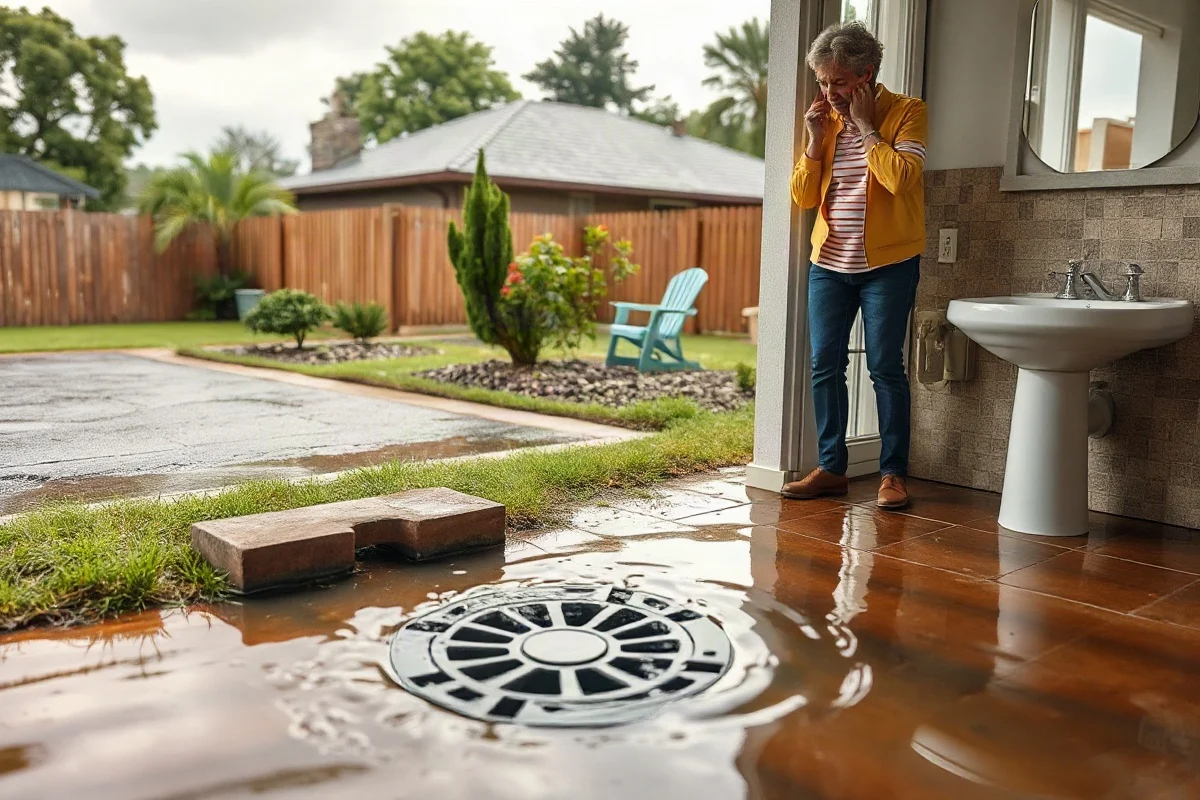
Contact a qualified local plumber if the toilet clogs again soon after plunging, if an auger does not clear it, or if you suspect an object is trapped inside. Professional help is also appropriate when multiple fixtures drain slowly, the toilet bubbles when a shower runs, or sewage backs up through a tub or floor drain.
Stop using affected fixtures if wastewater is rising or sewage is present. Sewage exposure can create health risks, and a concealed drain or sewer problem may require specialized equipment. A plumber may inspect the toilet, clear the branch line, or perform a camera inspection when the location of the blockage is uncertain. For recurring problems involving the building sewer, a sewer line evaluation may be appropriate.
Repair or replace the toilet?
Repair is often reasonable when the toilet has a worn flapper, faulty fill valve, loose chain, mineral buildup, or another replaceable component. A professional can also remove an obstruction without replacing the fixture when the porcelain and trapway are otherwise in good condition.
Replacement may make more sense when the toilet is cracked, repeatedly fails despite proper repairs, has a damaged trapway, or cannot provide a reliable flush. The decision depends on the fixture's condition, the cause of the clog, the availability of compatible parts, and whether the connected drain system also needs work. Replacing a toilet will not solve a blocked branch drain or sewer line.
Factors that affect plumbing service cost
The total cost depends on what is causing the repeated clog and how accessible the problem is. Important factors can include the time needed to diagnose the issue, whether the obstruction is in the toilet or drain line, the equipment required, the condition of the fixture, cleanup after an overflow, and whether a component or the entire toilet must be replaced. Work involving a concealed pipe or sewer line may require more extensive investigation than a simple toilet adjustment.
Before work begins, ask what the service includes, which part of the system the plumber believes is blocked, whether diagnosis is charged separately, and what repair options are available. Avoid choosing a provider based only on the lowest advertised number when the cause has not yet been identified. More information about planning for service is available in this guide to plumbing costs.
How to choose the right plumber
Look for a local plumbing professional who clearly explains the suspected cause, the diagnostic process, and the proposed repair. Ask whether the plumber has experience with recurring toilet clogs, drain-line blockages, and sewer problems when those symptoms are present. Request written details about labor, equipment, replacement parts, cleanup, and any applicable service terms before authorizing nonemergency work.
For urgent backups, tell the provider whether sewage is present, how many fixtures are affected, and whether water is still rising. For routine problems, take note of when the clog occurs, what fixtures are nearby, whether plunging helps, and whether the toilet makes unusual sounds. These details can help the plumber distinguish a toilet-level obstruction from a larger drainage problem.
How to help prevent future toilet clogs
Flush only human waste and toilet paper, keep wipes and paper products out of the toilet, and teach children not to drop objects into the bowl. Address weak flushing, running water, and slow drainage rather than ignoring them. If the same toilet repeatedly clogs despite normal use and basic maintenance, schedule an inspection instead of relying on repeated plunging.
In short, recurring clogs are usually a sign that an obstruction, weak flush, damaged toilet, or drain-line restriction has not been fully corrected. Safe homeowner checks can identify simple issues, but persistent backups, multiple affected fixtures, sewage, or concealed plumbing problems call for qualified local help. For toilet-specific service information, visit toilet repair.
Comments
0No comments yet. Be the first to share a helpful note or question.
Leave a Comment
Your email address will not be published. Comments are reviewed before appearing on the site.