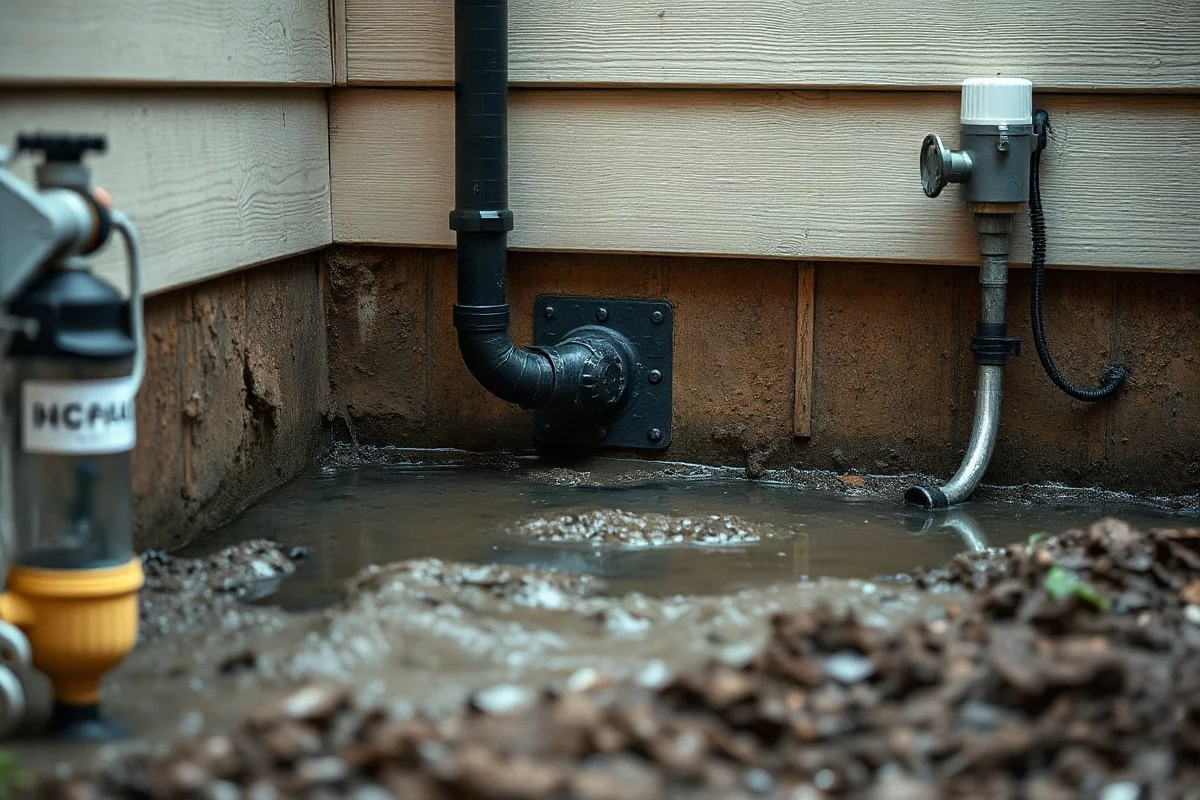
A sump pump may be working normally while its discharge pipe sends water back toward the foundation, freezes shut, becomes clogged, separates, or drains into an unsafe location. When that happens, the pump can run continuously or discharge little water, and the basement may flood during heavy rain or snowmelt. Homeowners can safely inspect the visible pipe, outlet, and exterior discharge area, but electrical work, sewage exposure, major flooding, concealed drainage problems, and repairs requiring code compliance should be handled by a qualified local professional.
How the Discharge Pipe Causes Basement Flooding
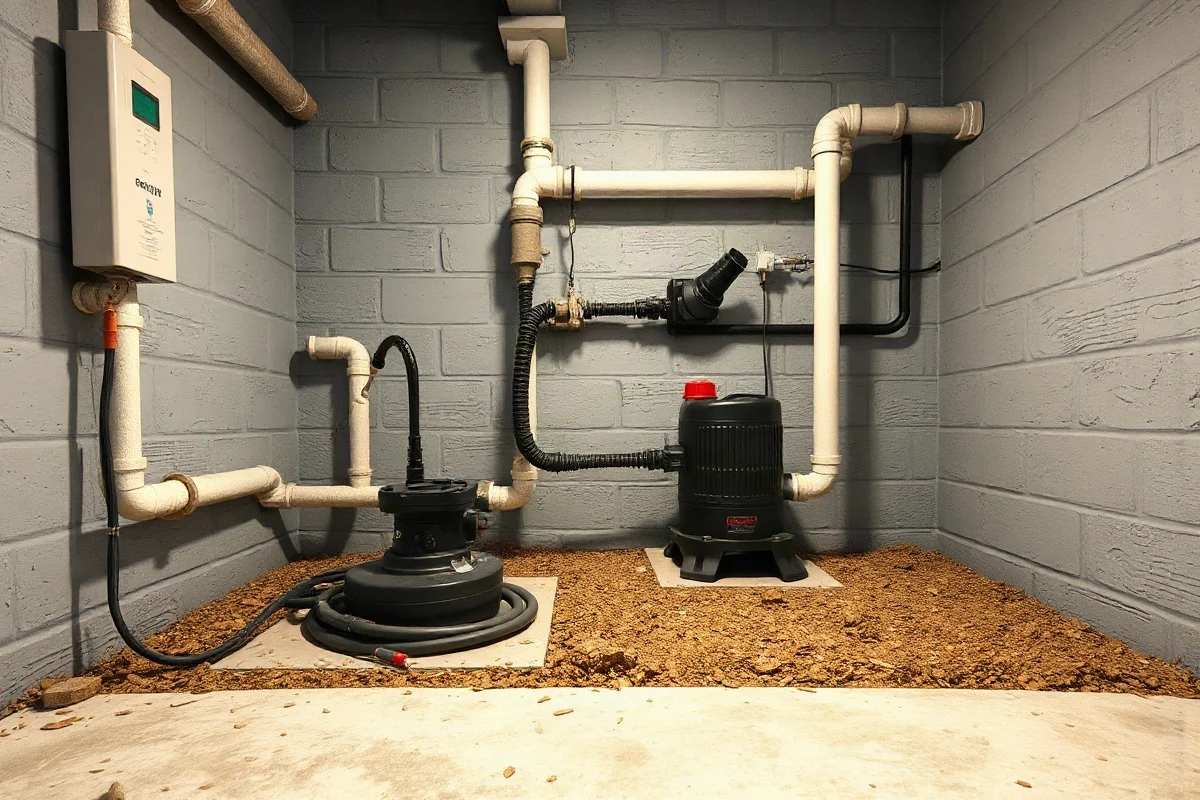
The discharge pipe carries water from the sump pit to a point outside the home or to another approved drainage arrangement. The system only works when the pipe can move water freely and release it far enough away from the foundation. A defect anywhere along that path can allow groundwater to collect around the foundation again or prevent the sump pump from keeping up.
Common warning signs include a pump that runs for unusually long periods, water returning to the sump pit shortly after the pump stops, weak flow at the outdoor outlet, pooling near the foundation, a flooded basement after a freeze, or a discharge pipe that is visibly loose or disconnected. A pump that hums but does not move water may have a separate pump, power, or impeller problem, but a restricted discharge line should still be considered.
Common Sump Pump Discharge Pipe Problems
Clogged or restricted piping
Leaves, mud, ice, small animals, and debris can obstruct the pipe or its outlet. A clogged pipe may cause the pump to run without removing enough water. In some cases, the pump pushes water through a small opening, creating weak flow rather than stopping completely.
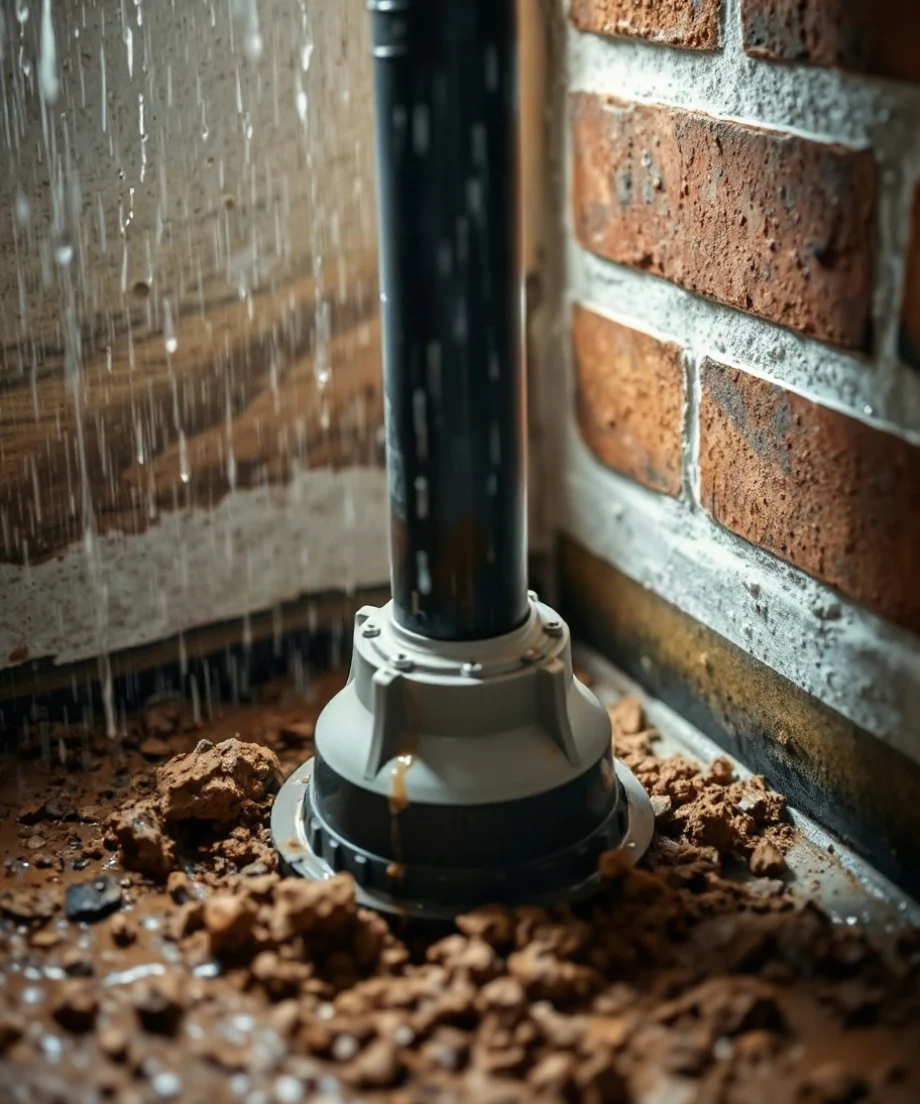
Restrictions can also occur at fittings, check valves, or a section of pipe hidden behind a wall or ceiling. A check valve that sticks or is installed incorrectly can affect how water moves after the pump shuts off. Do not assume that replacing the pump will solve the problem if the discharge path remains restricted.
Frozen discharge lines
Freezing is especially common when water remains in an exposed section of pipe, when the outlet is buried in snow, or when the pipe slopes in a way that traps water. Ice can block the entire line and place extra strain on the pump. A frozen line may be suspected when flooding begins during a cold spell even though the pump was working during earlier storms.
Do not use an open flame, torch, or improvised high-heat device to thaw the pipe. Heat can damage plastic piping, ignite nearby materials, or create a fire hazard. If the pipe is inaccessible, damaged, or connected to electrical equipment in a wet area, use a qualified professional.
Discharge too close to the foundation
An outdoor outlet that releases water beside the foundation may simply recycle the same groundwater the sump pump removed. The resulting saturation can increase hydrostatic pressure against the foundation and contribute to seepage through cracks, joints, or porous masonry.
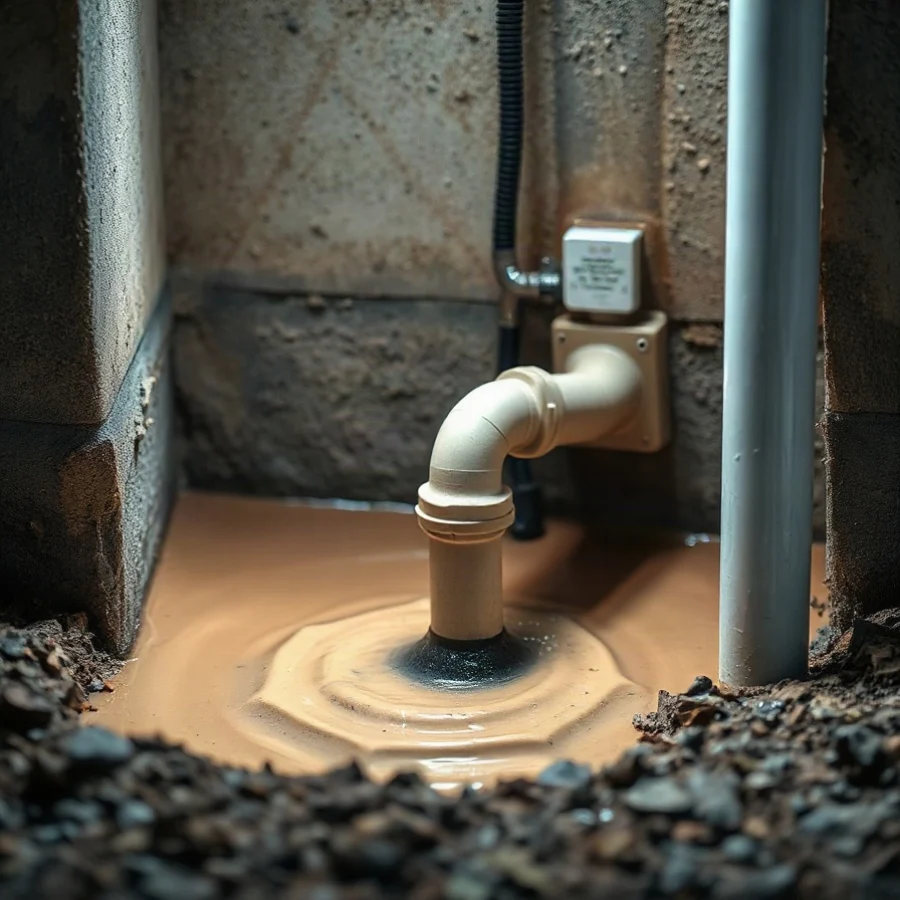
Look for erosion, standing water, muddy soil, or a wet foundation wall near the discharge point. The best discharge location depends on the property, slope, soil, drainage arrangement, and applicable local requirements. Do not redirect water onto a neighbor’s property, a walkway where it can freeze, or an area that drains toward the house.
Disconnected, cracked, or poorly supported pipe
A joint may separate because of movement, impact, poor support, or deterioration. Cracks can release water inside a wall, crawl space, or finished area rather than outside. A pipe that sags may also retain water and become more likely to freeze or restrict flow.
During a storm, inspect the visible discharge line for spraying water, loose joints, missing sections, and unusual movement. Avoid pulling on the pipe or forcing a joint together if it is under pressure or difficult to access. A temporary connection may not withstand repeated pump cycles.
Incorrect outlet or drainage arrangement
Some discharge systems include a buried line, an exterior drain, a dry well, or a connection to a drainage system. If that destination becomes blocked, the visible part of the pipe may appear intact while water backs up toward the sump pit. Buried drainage failures can be difficult to locate without testing or specialized inspection.
Never connect a sump discharge to a sanitary sewer or another drainage system unless the arrangement is specifically permitted and professionally evaluated. Local requirements vary, and an improper connection can create health, drainage, or compliance problems.
Safe Homeowner Checks
Before inspecting anything, stay out of standing water if electrical cords, outlets, appliances, or the sump pump power connection may be submerged. Do not touch electrical equipment from a wet floor. If the basement is actively flooding or the situation is unsafe, contact a qualified local professional or an emergency plumber.
When conditions are dry and safe, you can perform these low-risk checks:
- Look at the visible discharge pipe for cracks, disconnected joints, sagging, or obvious damage.
- Check the exterior outlet for leaves, snow, ice, mud, or other visible blockage.
- Confirm that the outlet is not buried by landscaping or blocked by a temporary object.
- Observe whether water exits while the pump runs, without placing your hands near moving parts or electrical connections.
- Look for pooling or erosion around the foundation and note where the water is traveling.
- Listen for unusual cycling, grinding, rattling, or a pump that runs continuously.
Do not dismantle the pump, open electrical boxes, enter a flooded area, dig up buried lines, or use chemicals to clear the discharge pipe. Do not block the outlet while testing the system. These actions can create injury, equipment damage, or additional flooding.
When to Call a Professional
Arrange qualified local help when the pipe is concealed, buried, frozen in an inaccessible location, repeatedly disconnecting, or connected to a drainage system that may be blocked. Professional help is also appropriate if the pump runs but produces little or no flow, the basement has substantial flooding, or water has reached electrical equipment.
Contact a professional promptly if sewage or contaminated water is present. Sewage exposure is a health hazard and may require specialized cleanup in addition to plumbing repairs. A hidden leak inside a wall, under a finished floor, or near the foundation also needs professional evaluation because drying the visible water may not address the source.
If you suspect the problem involves the pump’s electrical supply, backup battery wiring, a generator, or other electrical equipment, use a qualified electrician or plumbing professional with the appropriate experience. Never modify wiring or bypass a safety device as a quick fix.
Repair or Replace the Discharge Pipe?
A simple repair may be reasonable when the problem is limited to a visible loose fitting, a damaged short section, or an accessible outlet obstruction. The repair should restore a secure, watertight path and provide adequate support. The pipe should also discharge in a location that does not direct water back toward the foundation.
Replacement may make more sense when the pipe has repeated cracks, widespread deterioration, poor routing, severe freezing problems, or an undersized or unsuitable configuration. If the buried section is blocked or collapsed, replacing only the visible section may not solve the problem. A professional may need to test the line, inspect the discharge destination, and determine whether the failure is in the pipe, valve, pump, or surrounding drainage.
The sump pump itself may need attention if it is old, noisy, unable to keep up with incoming water, or damaged after operating against a blocked line. However, installing a new pump without correcting the discharge problem can lead to another failure during the next storm.
How to Reduce Future Discharge Problems
- Keep the outdoor outlet visible and clear of leaves, snow, soil, and landscaping debris.
- Check the exterior discharge area before forecasted heavy rain or rapid snowmelt.
- Make sure visible pipe sections are supported and protected from accidental impact.
- Watch for recurring ice formation, standing water, or foundation dampness.
- Ask a qualified professional to evaluate buried lines or drainage destinations that repeatedly back up.
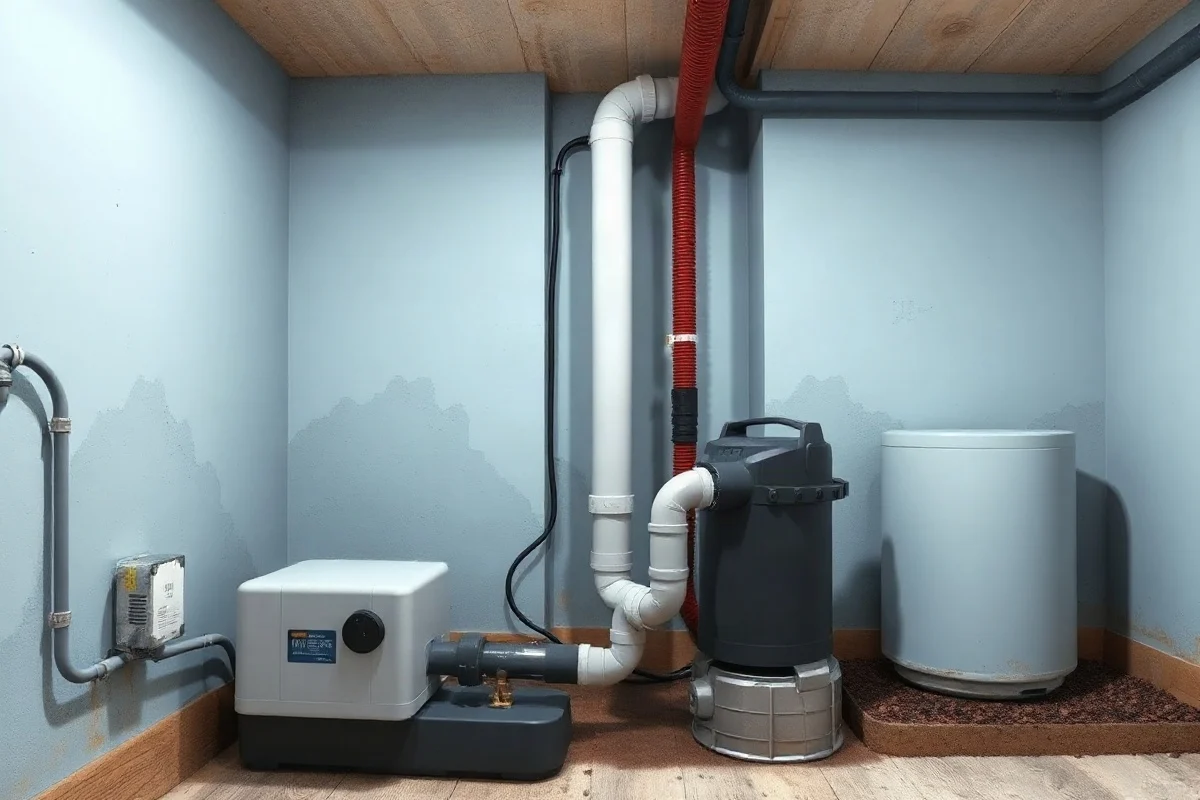
- Consider a backup sump pump or backup power plan if basement flooding would cause serious damage, after confirming that the system is suitable for the home.
A backup system does not correct a blocked or poorly routed discharge line. It should be treated as part of a broader water-management plan rather than a substitute for maintaining the primary discharge path.
What Affects Repair Cost?
The cost of correcting a sump pump discharge problem depends on the actual cause and the amount of access required. Important factors can include whether the issue is a visible fitting or a buried line, how far the discharge must be relocated, whether excavation is needed, the condition of the pump and check valve, damage to finished areas, and whether water cleanup is necessary.
Local labor rates, material choices, site conditions, accessibility, and any applicable local requirements also affect the total. A reliable plumber should explain what was found, identify which parts need repair, and separate necessary work from optional improvements. Ask whether testing is included and request a written description of the proposed work instead of accepting a diagnosis based only on the pump’s age.
How to Choose the Right Plumber
Look for a qualified local plumber with experience diagnosing sump pump discharge systems, exterior drainage, basement flooding, and buried discharge lines. Before work begins, ask how the professional will determine whether the restriction is in the visible pipe, the underground section, the outlet, the check valve, or the pump itself.
Good questions include:
- Will you test the discharge flow rather than replace the pump automatically?
- How will you check a buried or concealed section of pipe?
- Where will the discharge water be directed, and how will that reduce foundation re-entry?
- What damage could be caused by the current failure?
- Which work is urgent, and which improvements can wait?
- What parts of the repair are covered by the written proposal?
For broader guidance on comparing service providers, see our information about hiring a plumber. If the water source is actually a leaking supply pipe rather than groundwater entering through the sump system, a leak repair specialist may be needed.
Bottom Line
A sump pump discharge pipe can cause basement flooding even when the pump motor still runs. The most common causes are blockage, freezing, a disconnected or cracked pipe, and an outlet that releases water too close to the foundation. Safe visual checks can help identify obvious problems, but flooded electrical areas, sewage, concealed lines, major water damage, and drainage connections require qualified local help. Correcting the discharge path—not just replacing the pump—usually provides the most reliable solution.

Comments
0No comments yet. Be the first to share a helpful note or question.
Leave a Comment
Your email address will not be published. Comments are reviewed before appearing on the site.