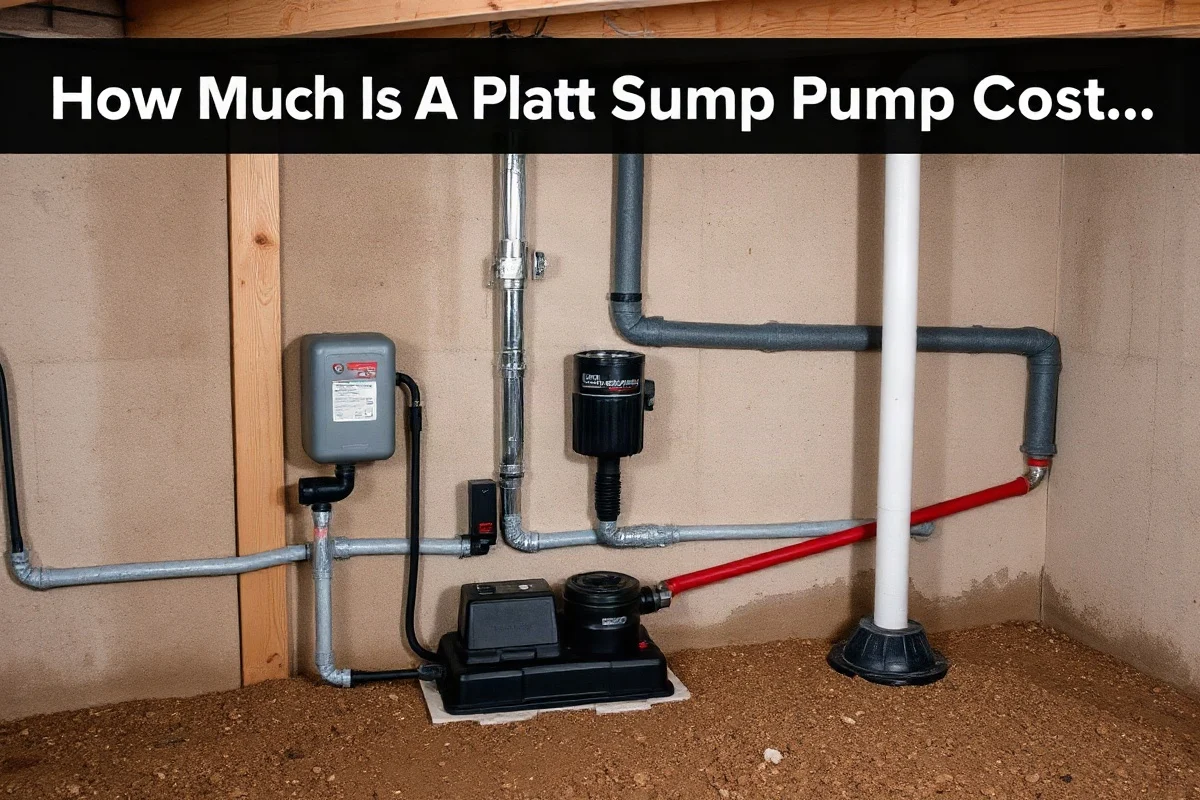
A battery backup sump pump can cost very different amounts depending on the pump system, battery, discharge piping, installation conditions, and whether an existing sump setup needs repairs. A basic backup may involve only a pump and battery, while a more complete installation can include a control box, battery enclosure, new check valves, additional piping, alarms, and electrical work. Because local labor rates and site conditions vary, the safest way to budget is to compare itemized estimates rather than rely on one universal price.
The backup pump is designed to protect your basement or crawl space when the primary sump pump stops working or the power goes out. It is not always a substitute for repairing a failed primary pump. If the pit is filling quickly, water is approaching electrical equipment, or sewage or contaminated floodwater is present, stay out of the area and contact qualified local help.
What a battery backup sump pump does
A primary sump pump normally removes groundwater collected in a sump pit and sends it away from the foundation. During a storm, the pump may run frequently. If the main pump fails, a float switch sticks, or the home loses power, water can continue entering the pit.
A battery backup system uses a separate pump or a dedicated backup pump assembly. When the water level reaches a set point, the backup system can activate. Some systems also monitor battery condition, pump operation, or high-water levels and provide an audible alarm.
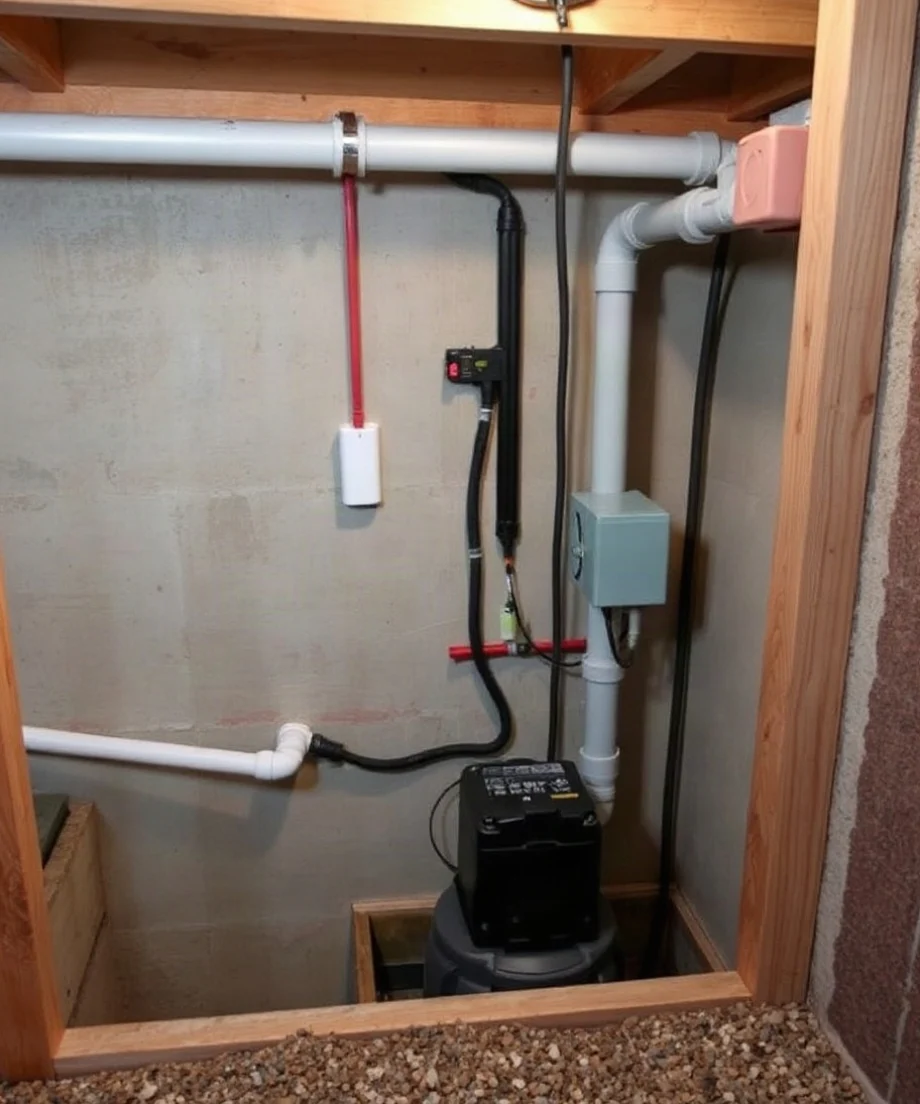
The backup system usually operates only for a limited period. Its runtime depends on the battery's condition, pump demand, water inflow, discharge height, pipe resistance, and how often the pump cycles. A backup system is therefore one part of a water-management plan, not a guarantee that flooding is impossible.
Which costs are included in a backup sump pump installation?
Backup pump and control equipment
The pump itself is one part of the estimate. A complete system may also include a controller, float switch, alarm, battery charger, battery box, and wiring or low-voltage connections. Features that monitor a weak battery or high water level can affect the equipment cost.
Different pumps are designed for different lifting heights and flow conditions. A pump that appears powerful on a product label may not deliver the same flow after water travels vertically through a long or restrictive discharge line. Ask the installer to explain the expected operating conditions instead of choosing solely by horsepower or marketing claims.
Battery type and replacement planning
The battery is a major part of the system. Some installations use a deep-cycle marine-style battery, while others use a sealed or specialty backup battery. The correct choice depends on the system's requirements, available space, ventilation, maintenance preferences, and the manufacturer's instructions.
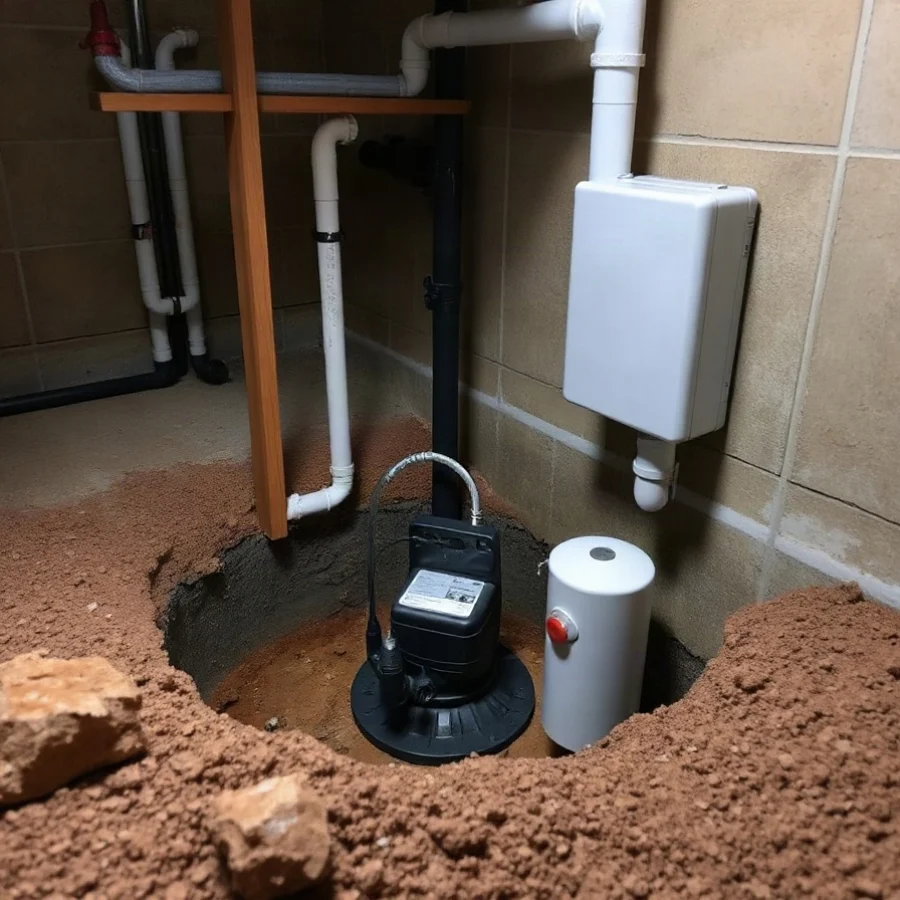
A battery is a consumable component. It can lose capacity with age, heat, repeated discharge, or inadequate charging. Ask how the system indicates a weak battery and how often the battery should be inspected or replaced according to the manufacturer's guidance. Do not assume that a newer pump will work properly with an old battery.
Discharge piping and valves
Installation may be straightforward when there is enough room to connect the backup pump to an existing discharge arrangement. It may become more involved if the discharge line is damaged, poorly supported, frozen, blocked, or not suitable for the new pump.
The installer may need to add or replace check valves, unions, fittings, or sections of pipe. A check valve helps prevent water from flowing backward into the pit after the pump stops, but the valve must be installed in a way that matches the system design. Incorrect piping can create noise, reduce performance, or cause unwanted cycling.
Labor and access conditions
Labor depends on how accessible the sump pit is, whether the primary pump must be moved, whether the discharge line is exposed, and whether the existing installation is damaged or difficult to modify. A clean, accessible pit generally takes less preparation than a crowded pit with corroded fittings, standing water, or an unreliable primary pump.
Basement finishing can also affect the work. A technician may need to work around cabinets, flooring, stored items, or finished walls. If the installation requires opening concealed walls, modifying structural components, or changing electrical connections, the estimate may include additional professional work. Ask what is included before approving the project.
Safe checks homeowners can perform
Several low-risk checks can help you understand the condition of your system. Keep children and pets away from the pit, and do not touch electrical equipment if the floor is wet.
- Look at the sump pit from a dry, safe position and note whether the water level is unusually high.
- Check whether the primary pump has power without using wet hands or extension cords in a damp area.
- Listen for unusual grinding, humming, repeated cycling, or an alarm from the backup controller.
- Confirm that the battery case is intact and that there is no visible swelling, leaking, corrosion, or damaged cable.
- Make sure the discharge outlet is not visibly blocked by debris, snow, ice, or landscaping materials.
- Review the owner's manual for the approved test procedure and maintenance instructions.
Testing should follow the manufacturer's directions. A homeowner may be able to activate a test switch or carefully add water to the pit if the manual specifically allows it and the area is safe. Do not remove electrical covers, handle exposed wiring, bypass a safety switch, or disconnect the primary pump merely to test the backup.
When to call a qualified professional
Contact a qualified local plumber or other appropriate professional if the pump does not start, the pit fills rapidly, the backup alarm sounds repeatedly, or water is entering the basement. Professional help is also appropriate when the system needs new discharge piping, a check valve, electrical work, concealed-pipe changes, or troubleshooting that requires opening equipment.
Keep away from standing water near outlets, appliances, extension cords, or electrical panels. Electrical hazards can be hidden even when the water looks clean. If sewage, foul-smelling water, or contaminated floodwater is involved, avoid contact and use qualified professionals with the right safety procedures. For urgent flooding, emergency plumbing help may be appropriate.
A backup pump cannot correct a damaged foundation drain, a collapsed discharge line, or a plumbing leak that is filling the pit. If the cause of the water is unclear, the technician should identify the source before recommending equipment. For broader repair guidance, see this overview of sump pump service.
Repair or replace the system?
Repair may make sense when the pump is relatively new, the motor works, the float switch is the problem, or a valve or fitting has failed. Replacement is often worth discussing when the pump is noisy, repeatedly jams, shows corrosion, has a damaged housing, or cannot keep up with normal water inflow.
The primary pump and backup pump should be evaluated together. Installing a new backup beside a failing primary pump may leave the home vulnerable during normal operation. Ask whether the sump pit has enough space for both pumps, whether each float can move freely, and whether the discharge arrangement can handle the intended setup.
It is also important to distinguish a battery backup from a whole-home generator. A battery system can operate independently for a limited period, while a generator may power a broader set of household equipment. The best option depends on outage patterns, the home's electrical system, pump demand, and the homeowner's emergency plan. Electrical changes and generator connections should be handled by qualified professionals.
Questions to ask before accepting an estimate
Request a written, itemized estimate. It should identify the pump model or performance category, battery type, controller, alarm, battery enclosure, piping and valves, labor, testing, and any expected follow-up maintenance. Ask whether the quote includes removal of old equipment and cleanup.
Useful questions include:
- What caused the current problem, and is the primary pump still dependable?
- How will the proposed pump perform at the actual discharge height?
- What battery is recommended, and how is low battery capacity reported?
- Will the backup pump use a separate discharge line or connect to existing piping?
- Does the system include a high-water alarm and a way to test it?
- What maintenance should the homeowner perform, and what requires service?
- Are electrical or other specialty trades needed for any part of the work?
Do not compare estimates by equipment price alone. A lower quote may exclude battery replacement planning, piping corrections, alarms, testing, or repairs to the existing pump. A higher quote may reflect difficult access or a more complete system, but the contractor should explain each charge clearly.
How to choose the right plumber
Look for a local professional with experience diagnosing sump pump systems, not just replacing pumps. Verify the contractor's current qualifications and insurance as appropriate for your area, and ask for references or documented experience with similar installations. Local licensing, permit, and code requirements differ, so confirm those details with the contractor or the relevant local authority rather than relying on general online advice.
A dependable professional should inspect the pit, pump, float operation, discharge route, check valves, battery condition, and the likely source of water. Be cautious of anyone who recommends an expensive replacement without explaining what failed or who promises that a battery backup will prevent every type of basement flooding.
For general cost-planning questions about plumbing work, you can also review plumbing costs. The most useful estimate is one based on your home's actual pit, piping, water inflow, power situation, and equipment condition.
A battery backup sump pump is best viewed as a layered protection measure. Keep the primary pump maintained, test the backup according to the manufacturer's instructions, monitor the battery, and address discharge or drainage problems promptly. When water is rising or electrical and contamination hazards are present, stop troubleshooting and contact qualified local help.

Comments
0No comments yet. Be the first to share a helpful note or question.
Leave a Comment
Your email address will not be published. Comments are reviewed before appearing on the site.