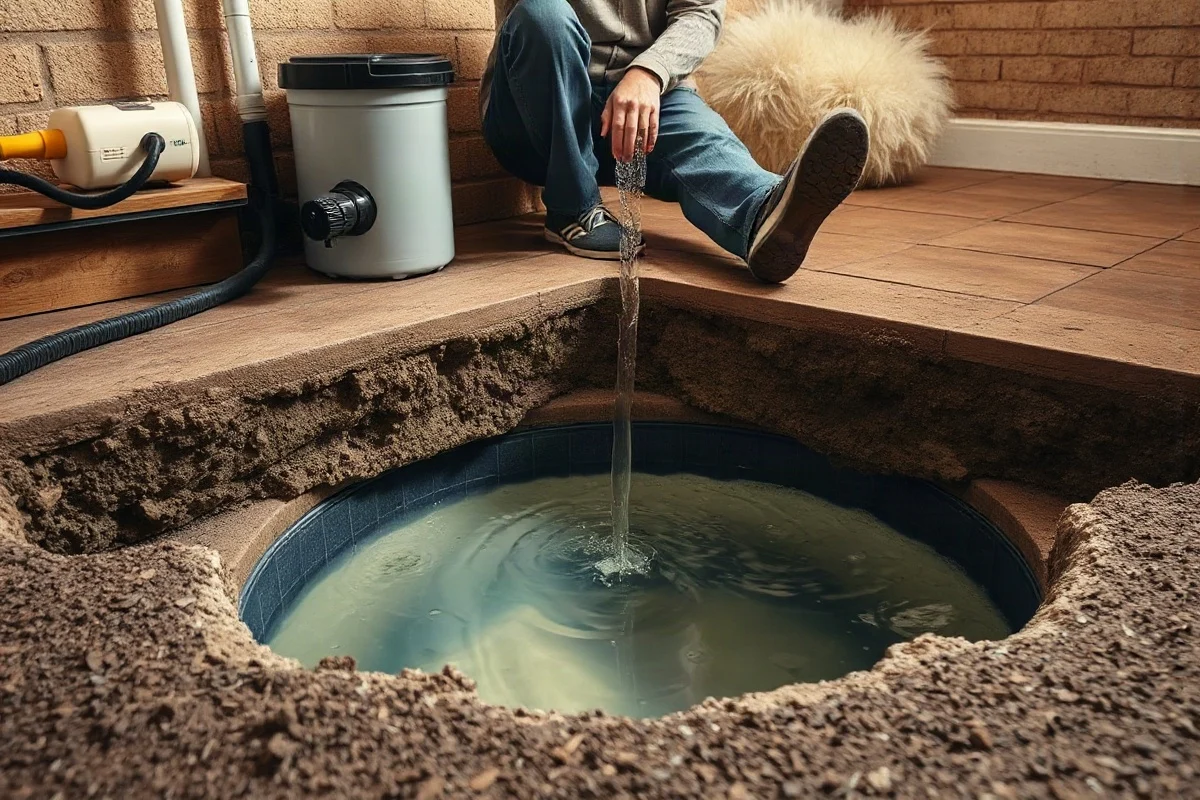
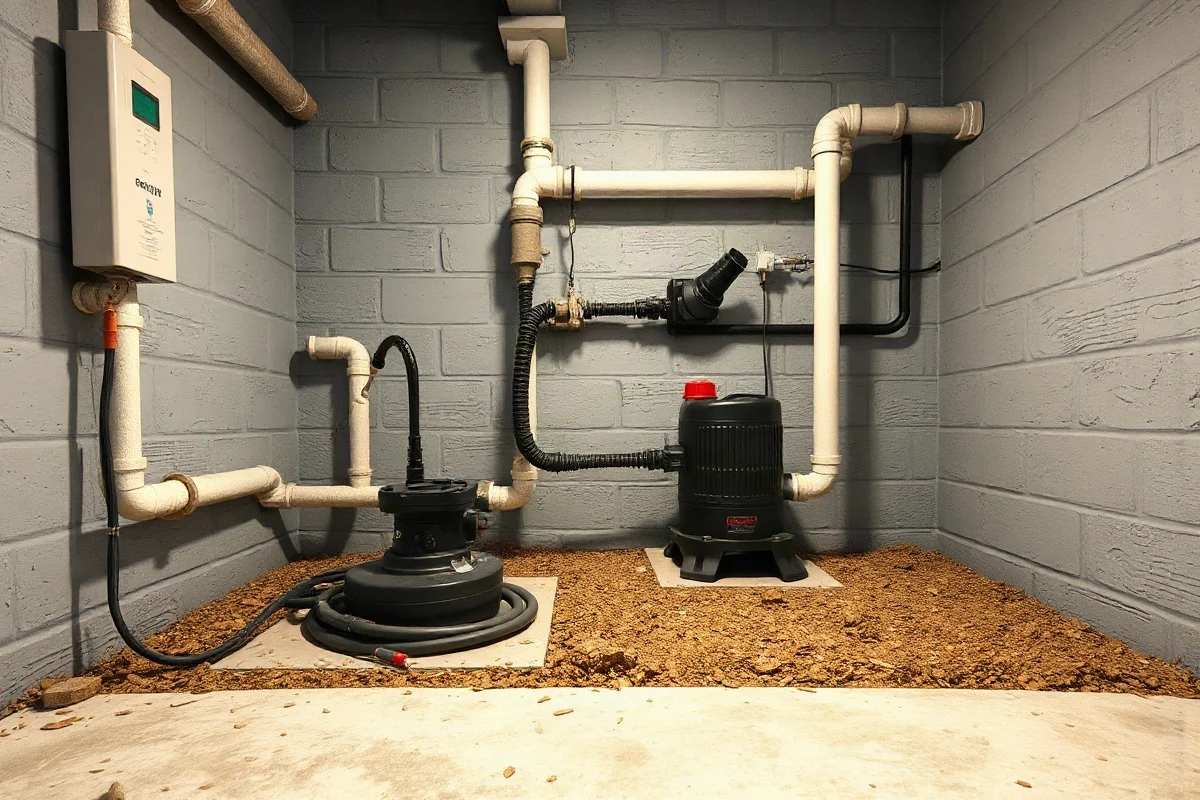
If your sump pump is not turning on when the pit fills, first protect the basement from rising water and then check the power source, float, and pump controls. A tripped breaker, unplugged cord, stuck float switch, clogged discharge line, or failed pump can all cause the problem. You can perform a few low-risk checks without opening the pump or handling electrical components, but a qualified local professional should diagnose electrical faults, replace wiring, work around sewage or contaminated water, or repair a pump that has failed.
What to do when the pit is filling
Move stored belongings, boxes, and electrical equipment away from the wet area. If water is approaching outlets, appliances, extension cords, or the electrical panel, do not step into the water or touch electrical equipment. Leave the area and contact a qualified professional. Water and electricity can create a life-threatening shock hazard.
If the water level is rising but the area is safe to access, you may be able to reduce damage temporarily with a backup pump or a suitable portable pump. Use equipment only as directed by its manufacturer, keep electrical connections dry, and do not use an improvised connection in a wet area. For severe flooding or an active emergency, contact an emergency plumber or another qualified local service provider.
Common reasons a sump pump will not start
Power is interrupted
The pump may not be receiving power because the plug has come loose, a ground-fault device has tripped, or a circuit breaker has shut off. Some sump pump systems also use a separate outlet or battery backup, so the primary pump and backup system may have different power problems.
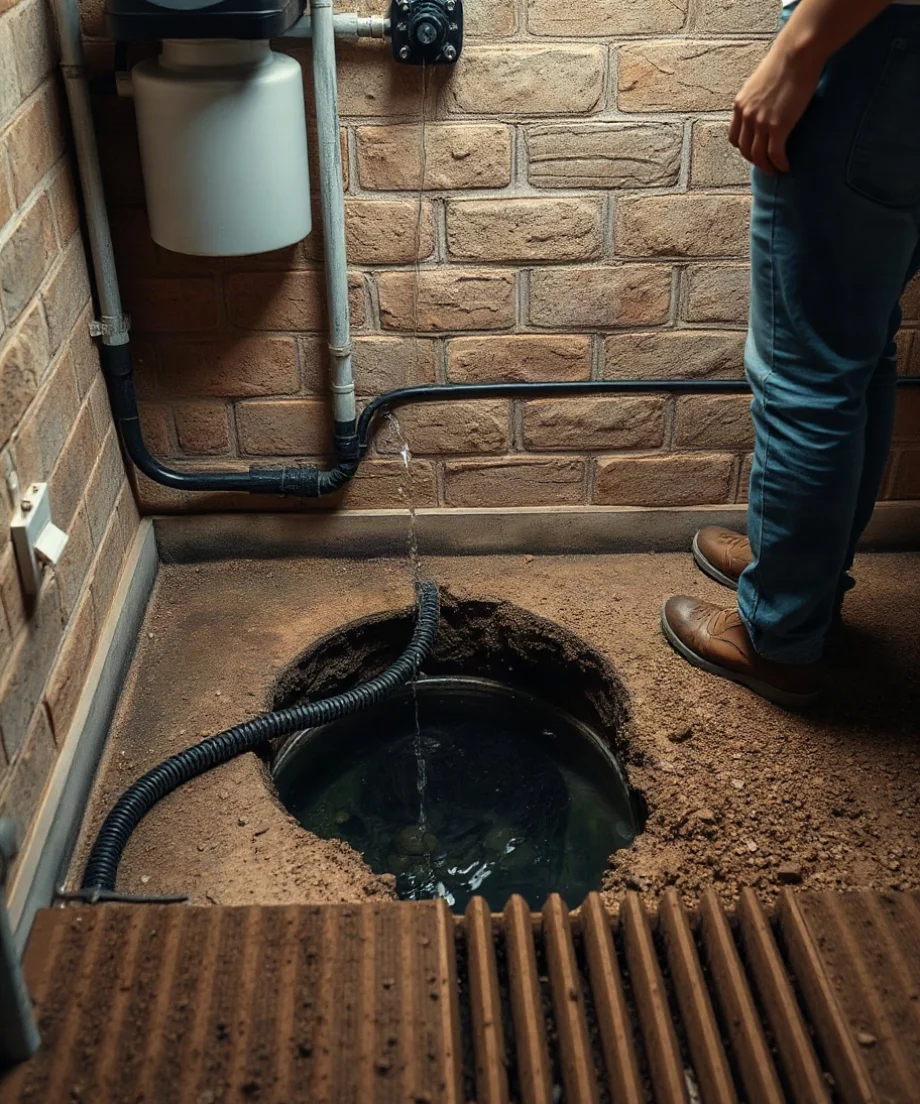
Look at the plug and outlet only if the area is dry and you can do so without standing in water. Confirm that the pump is plugged in as intended and check whether a nearby reset device has tripped. You can reset a breaker or outlet once if it is safe, but stop if it trips again, makes noise, smells hot, or shows signs of damage. Repeated trips point to a problem that needs professional diagnosis rather than repeated resets.
The float switch is stuck
Many sump pumps use a float switch that rises with the water and signals the motor to start. The float can become trapped against the pump, pit wall, discharge pipe, cover, or another object. Dirt and debris can also restrict its movement.
With the power disconnected or the system safely switched off, inspect the visible float area. Remove loose debris that is easy to reach without disassembling the pump. Do not force the float, cut wires, remove electrical covers, or place your hands into moving or energized equipment. If the float moves freely but the pump does not start when power is restored, the switch or pump may need service.
The pump is jammed or blocked
Sand, gravel, sludge, or other debris can enter the pit and interfere with the pump inlet or impeller. A pump may hum without moving water, start and stop repeatedly, or remain completely silent. Do not assume that a silent pump is safe to open. Disconnecting power does not eliminate every hazard, especially if the surrounding area is wet or the wiring is damaged.
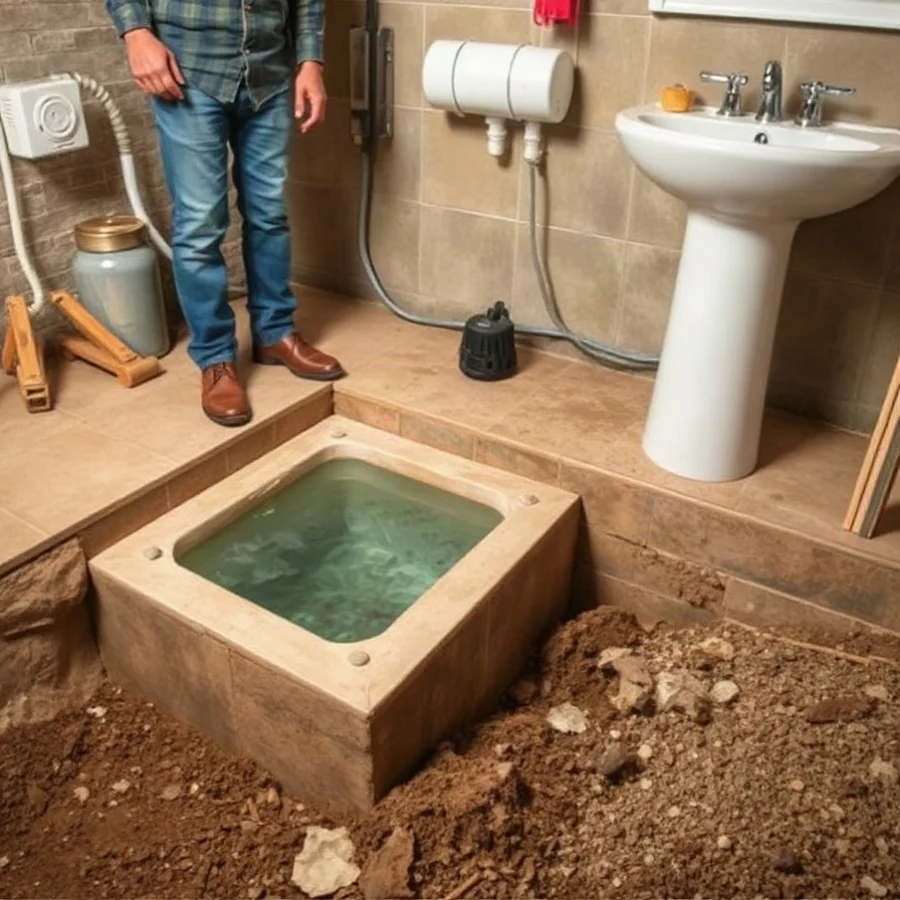
A professional can inspect the pump, inlet screen, impeller, check valve, and discharge piping. This is especially important when the pit contains sewage, dirty floodwater, or material that may carry bacteria.
The pump has failed
Motors and switches can wear out. Age, repeated cycling, overheating, corrosion, and poor drainage conditions may shorten service life. A failed pump may show no response, trip the circuit, produce a burning smell, or run without discharging water.
A failed motor or sealed electrical component is generally not a good do-it-yourself repair. Replacement may be more practical than repair, but the correct choice depends on the pump's condition, capacity, installation, discharge layout, and the reason it failed.
The discharge line cannot move water
A frozen, crushed, disconnected, or clogged discharge line can prevent the system from removing water. In some cases, the pump starts but water returns to the pit or exits too slowly. A blocked line can also cause the pump to run longer than normal and overheat.
From a safe, dry location, look for obvious disconnections, kinks, or visible damage. Do not climb into an excavation, enter unsafe outdoor conditions, or dismantle piping connected to a pressurized or contaminated system. A professional should diagnose concealed blockages and confirm that the discharge route is functioning correctly.
The check valve or piping is malfunctioning
A check valve helps limit water flowing back into the pit after the pump stops. If the valve is stuck, installed incorrectly, leaking, or missing, the pit may refill quickly. This can make the pump cycle frequently and may look like a pump that is not keeping up.
Rapid refilling can also result from heavy rain, groundwater, a damaged discharge connection, or water entering from another source. If the pump operates but the water level keeps rising, the issue may be capacity, piping, or incoming water rather than the start switch alone.
Safe homeowner checks
Only perform these checks when the floor and surrounding electrical equipment are dry and accessible:
- Observe whether the pump is silent, humming, running continuously, or cycling unusually.
- Check that the plug has not come loose.
- Look for a tripped breaker or reset device, and reset it only once if conditions are safe.
- Inspect the visible float for an obstruction and remove only loose debris.
- Look for obvious damage, burning odors, melted plastic, exposed wires, or water around electrical connections.
- Check the visible discharge pipe for a clear disconnection or severe kink.
- Note whether the pit is filling because of rain, a plumbing leak, groundwater, or an unknown source.
Do not repeatedly reset a tripped circuit, run a damaged pump, lift the pump by its power cord, bypass the float switch, or use an extension cord as a permanent solution. Do not reach into standing water near electrical equipment. These actions can cause shock, fire, equipment damage, or flooding.
When to call a qualified professional
Arrange professional help if the pump will not start after safe power and float checks, if the breaker trips again, or if the pump runs but does not remove water. Professional assistance is also appropriate when the pump is hardwired, the wiring is damaged, the pit contains sewage, the discharge pipe is concealed, or the basement is flooding.
Call promptly when water is rising quickly, a finished basement is at risk, mold-sensitive materials are becoming wet, or the cause of the water is uncertain. If the problem may involve a sewer backup, avoid contact with the water and use a qualified professional familiar with contaminated-water conditions. You can also review sump pump service information when comparing repair and replacement options.
Repair or replace the sump pump?
Repair may make sense when the pump has a simple obstruction, a faulty accessible switch, or a discharge problem that has not damaged the motor. Replacement is more likely when the motor has failed, the housing is cracked, corrosion is extensive, the pump has repeatedly overheated, or the system no longer handles the property's water load.
A professional should identify why the pump failed before installing a new one. Replacing the pump without correcting a blocked discharge line, unstable float, poor check valve, or undersized system can lead to another failure. Ask whether the proposed work addresses the cause, not just the symptom.
For a basement that depends on a single pump, ask about practical backup strategies. Options may include a second pump, a battery-backed system, a water-powered backup where appropriate, a high-water alarm, or an improved discharge arrangement. The right choice depends on the home's plumbing, power supply, water conditions, and local installation requirements. A qualified professional can evaluate those factors rather than recommending a one-size-fits-all setup.
What affects sump pump service costs?
The total cost depends on the work required, not simply on the pump itself. Factors may include the pump type and capacity, access to the pit, the condition of the float switch, electrical troubleshooting, discharge-pipe repairs, check-valve replacement, removal of debris, water damage, and whether emergency service is needed.
Additional work may be necessary if the system needs a new circuit, backup power, an alarm, a larger pit, modified discharge piping, or correction of drainage problems. Local prices vary, so request a written explanation of labor, parts, diagnostic charges, disposal, and any recommended additional work before approving nonemergency repairs. For broader planning information, see this guide to plumbing service cost factors.
How to choose the right local plumber
Look for a qualified local professional who regularly handles sump pumps, basement drainage, and water emergencies. Ask how the technician will test the pump, inspect the discharge route, and determine why the system failed. A trustworthy provider should explain what is urgent, what can wait, and whether repair or replacement is justified.
Before work begins, confirm the scope in writing and ask about the parts being installed, the expected testing process, and any applicable service terms. Do not rely on a quote that recommends immediate replacement without identifying the failure. If electrical work, sewage exposure, structural concerns, or other regulated or hazardous conditions are involved, use professionals who are qualified for that specific work in your area.
Preventing another sump pump failure
Test the system periodically under safe, dry conditions by adding water as directed for the pump and observing whether the float activates and the discharge line carries water away. Keep the pit free of loose debris, avoid storing objects where they can block the float, and inspect the visible discharge route after severe weather. Consider a high-water alarm and backup plan if flooding would cause major damage.
Keep records of unusual cycling, slow pumping, repeated breaker trips, and previous repairs. Those details can help a technician find a developing problem before the next heavy storm. If the pump is currently not turning on and the pit is filling, prioritize safety, protect the area from water damage, and obtain qualified help before the water reaches electrical equipment.

Comments
0No comments yet. Be the first to share a helpful note or question.
Leave a Comment
Your email address will not be published. Comments are reviewed before appearing on the site.