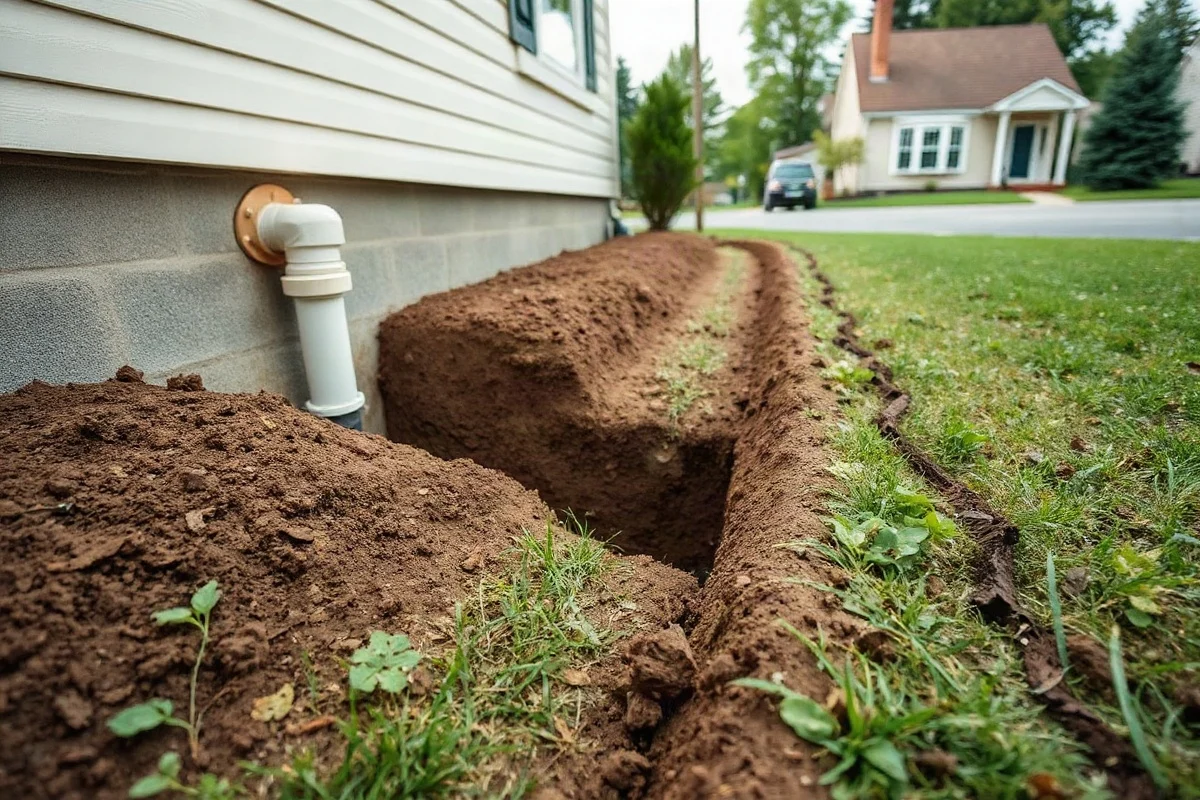
A sump pump discharge line is commonly buried about 6 to 12 inches below the ground surface, but there is no single depth that works for every property. The correct depth depends on your local frost conditions, soil, drainage path, pipe material, slope, and the location where water is released. In colder areas, the line may need deeper burial or additional freeze protection. Before digging, check the pump manufacturer’s instructions and ask a qualified local plumber or building department about applicable requirements.
Why the Burial Depth Matters
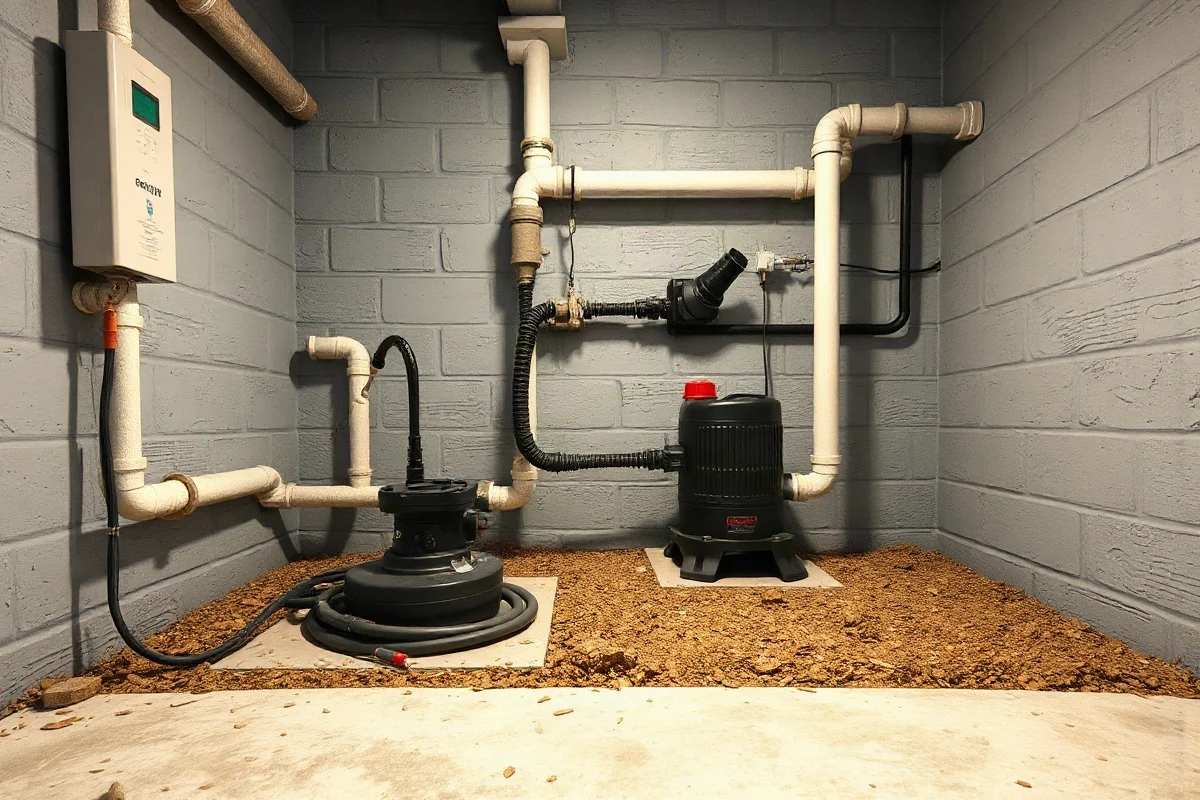
The discharge line carries water from the sump pump through the foundation wall and away from the home. If it is installed too shallow, it can be damaged by lawn equipment, foot traffic, landscaping work, or freezing temperatures. If it is installed too deep without proper planning, it may be difficult to maintain, may lose the needed slope, or may send water toward an area where it can return to the foundation.
A good installation has more than an appropriate depth. It also needs a dependable route away from the foundation, a suitable outlet, stable pipe connections, and enough slope for water to drain after the pump shuts off. The line should not create a low spot where water can remain trapped and freeze.
Factors That Determine How Deep to Bury the Line
Local freezing conditions
Freezing is one of the biggest concerns in cold climates. Water left inside an exposed or poorly sloped discharge line can freeze and block the pump. A frozen line may cause the pump to run without moving water, increase pressure on the system, or contribute to basement flooding.
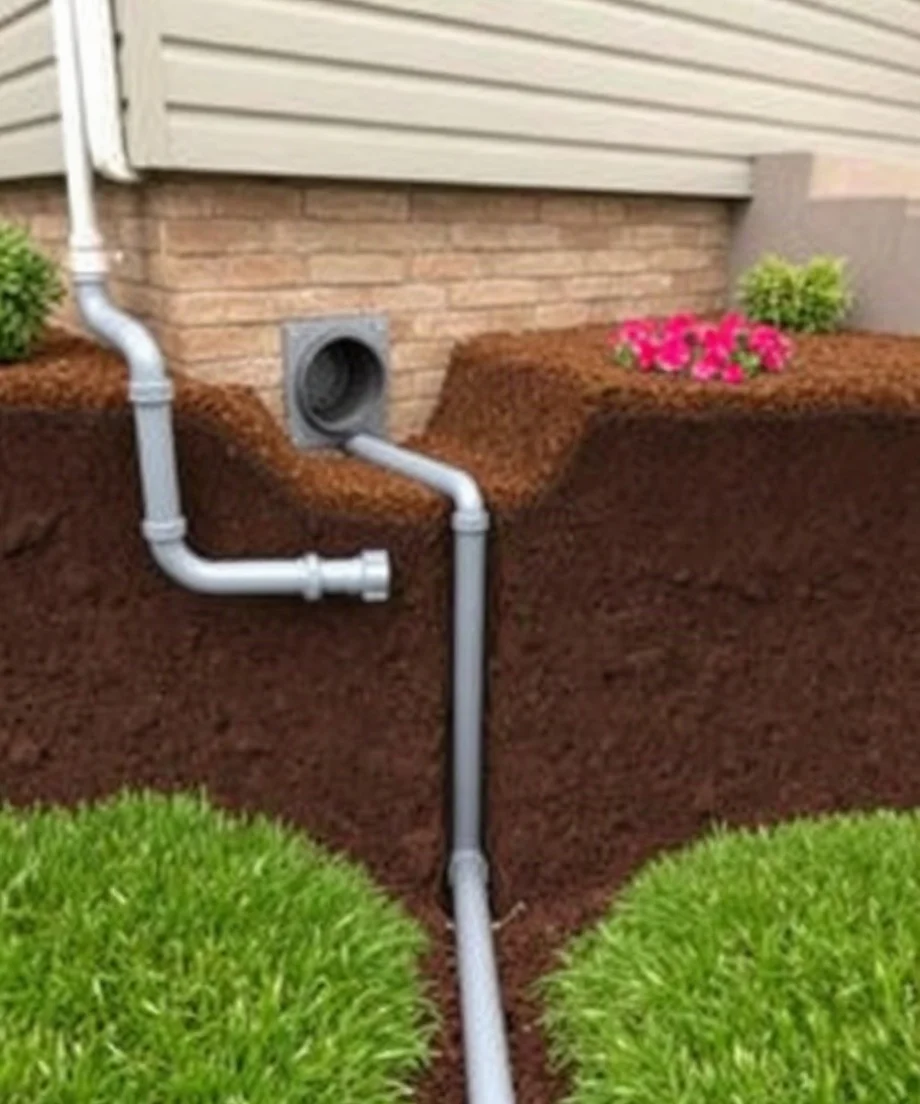
Burial below the local frost depth may help in some installations, but the best approach depends on the pipe layout and how much water remains in the line. A deeply buried pipe can still freeze near the foundation, at the outlet, or at an improperly installed low point. Do not assume that simply digging deeper will solve every winter problem. A local professional can evaluate the complete route and recommend an approach suited to the climate.
Required slope
The discharge line should generally move water away from the house rather than creating dips and uphill sections. The exact slope depends on the installation, but the important principle is continuous drainage. A pipe that is buried deeper at one end but rises again before the outlet can hold water and freeze.
Before trenching, mark the intended route and check its elevation. A simple layout plan can reveal whether the pipe can maintain a downhill path. If the yard is flat or slopes back toward the home, a professional may need to determine whether a different outlet or drainage solution is appropriate.
Soil and landscaping
Soft, sandy, or recently disturbed soil may settle around the pipe. Heavy clay may hold water and place additional pressure on the line. Areas under driveways, patios, retaining walls, or frequently used walkways may need a more carefully designed installation than an open lawn.
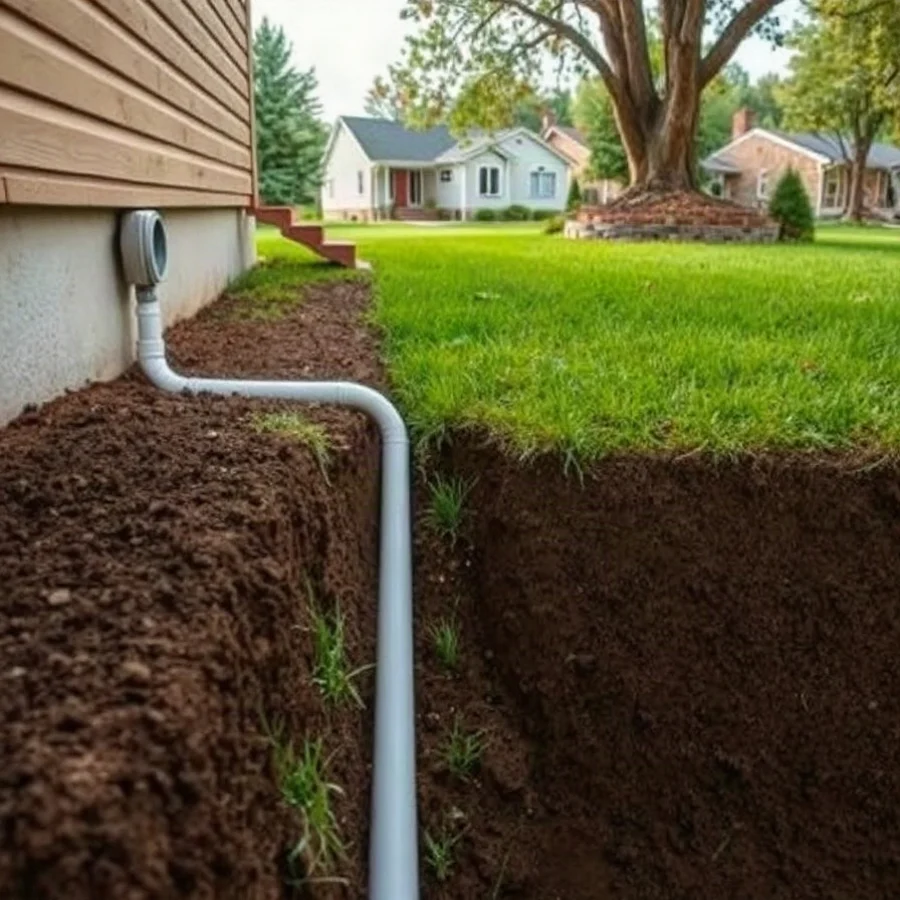
Consider future landscaping as well. A line that is safe today may be damaged later by tree planting, fence installation, irrigation work, or hardscaping. Photograph the route and keep a simple record of where the pipe runs before covering the trench.
The discharge destination
The line must release water somewhere that will not send it back toward the foundation or create a nuisance for neighbors. The appropriate destination varies by property and local requirements. Possible options may include a suitable part of the yard, a drainage feature, or another approved arrangement, but homeowners should not assume that every outlet is acceptable.
Never direct sump water toward the foundation, a basement window well, a septic system unless specifically designed for that purpose, or a location where it can erode soil. Do not connect a sump discharge to plumbing or drainage infrastructure without confirming that the connection is allowed and properly designed.
Signs the Discharge Line May Be Installed Incorrectly
A problem with the discharge line may appear as a sump pump issue even when the pump itself is working. Watch for these warning signs:
- The pump runs, but little or no water reaches the outside outlet.
- Water collects beside the foundation after the pump operates.
- The line freezes repeatedly during cold weather.
- The pump runs for unusually long periods or cycles more often than before.
- The discharge pipe has visible sagging, cracks, loose fittings, or crushed sections.
- Water flows back toward the sump pit after the pump shuts off.
- Soil around the outlet is eroded or remains saturated.
- The basement becomes damp during rain even though the pump appears to start.
These symptoms can also result from a blocked check valve, a failing pump, a clogged intake, an undersized or damaged pipe, or a high water inflow. A discharge-line inspection should consider the entire sump system rather than focusing only on burial depth.
Safe Checks a Homeowner Can Perform
Some basic observations are low risk. Keep clear of electrical connections, and do not work on the pump while it is energized or standing in water. If the pit area is flooded around electrical equipment, stop and contact a qualified professional.
Inspect the visible pipe
Look for cracks, disconnected fittings, crushed sections, and water leaking at the point where the pipe leaves the house. Check whether the exterior pipe is sagging or has an obvious low spot. Do not pull on fittings or force a buried line into a new position.
Observe the outlet during a test cycle
During normal operation, safely observe whether water exits the discharge line and whether it flows away from the foundation. Avoid repeatedly activating the pump if the line appears blocked. If water does not discharge, unplugging or servicing the system may require electrical and plumbing knowledge.
Check for surface drainage problems
After rainfall, look for pooling near the foundation, saturated soil around the outlet, or erosion along the discharge path. These observations can help a plumber understand whether the outlet location is contributing to basement moisture.
Do not excavate near buried utility lines without first using the appropriate utility-marking service for your area. Contacting underground utilities can cause serious injury, service outages, or property damage.
When to Call a Qualified Professional
Hire a qualified local plumber or drainage professional when the line must pass through a foundation wall, beneath a driveway, around a retaining wall, or through an area with uncertain underground utilities. Professional help is also appropriate when the route may affect neighboring property, a septic system, a sewer connection, or a regulated drainage feature.
Call for help promptly if the basement is flooding, the pump runs continuously, the discharge line is frozen, or water is backing up toward the house. A power failure, failed pump, blocked line, or damaged check valve may need attention at the same time. For serious flooding or an urgent failure, use a qualified emergency plumber and keep people away from standing water near electrical equipment.
Repair or Replace the Discharge Line?
A repair may be reasonable when the problem is limited to a loose joint, a small above-ground crack, or a damaged section that can be accessed without disturbing the rest of the route. The replacement material and connections should be compatible with the existing system and suitable for outdoor exposure.
Replacement is often worth considering when the line has repeated freeze-ups, multiple damaged sections, severe settling, poor slope, or an outlet that continually sends water back toward the foundation. Rebuilding the route may solve a recurring problem more effectively than patching one visible spot.
A plumber may also recommend changing the discharge arrangement if the current line is too long, has too many bends, lacks a reliable outlet, or allows water to drain back into the pit. The best choice depends on the condition of the pipe and the behavior of the entire sump system.
What Affects the Cost of the Work?
The cost of burying or replacing a sump pump discharge line depends on the work involved rather than on depth alone. Important factors include:
- The length of the trench and the soil conditions.
- Whether the route crosses concrete, asphalt, landscaping, or structures.
- Required excavation, backfilling, and restoration.
- The number of bends, connections, and wall penetrations.
- Freeze protection and the local climate.
- Whether the pump, check valve, or electrical system also needs service.
- The distance and suitability of the discharge destination.
- Any site-specific requirements that a local professional must verify.
Ask for a written description of the proposed route, pipe work, outlet location, restoration, and any exclusions. Because local labor and site conditions vary, obtain more than one detailed estimate when the project is not urgent.
How to Choose the Right Plumber
Look for a plumber who regularly handles sump pump discharge systems, exterior drainage, and basement water problems. Ask whether the evaluation will include the pump, check valve, visible fittings, pipe slope, outlet, and the possibility of water returning toward the foundation.
A reputable professional should explain why a particular burial depth and route are being recommended instead of presenting one universal measurement. Ask how the installation will be protected from freezing, how the trench will be restored, and what warning signs should be monitored afterward. You can also review practical guidance on hiring a plumber before scheduling service.
For related sump pump information, visit the sump pump service guide. If the inspection reveals a separate foundation or pipe leak, a professional may need to address that issue rather than treating the discharge line as the only cause.
Planning the Installation Carefully
The safest answer to “How deep should a sump pump discharge line be buried?” is a starting range, not a universal rule. About 6 to 12 inches is common in some yards, but frost, slope, soil, outlet location, and local requirements may call for a different design. Plan the route before digging, protect the line from damage, keep water moving away from the foundation, and use qualified help for excavation, electrical concerns, hidden connections, or serious flooding.

Comments
0No comments yet. Be the first to share a helpful note or question.
Leave a Comment
Your email address will not be published. Comments are reviewed before appearing on the site.