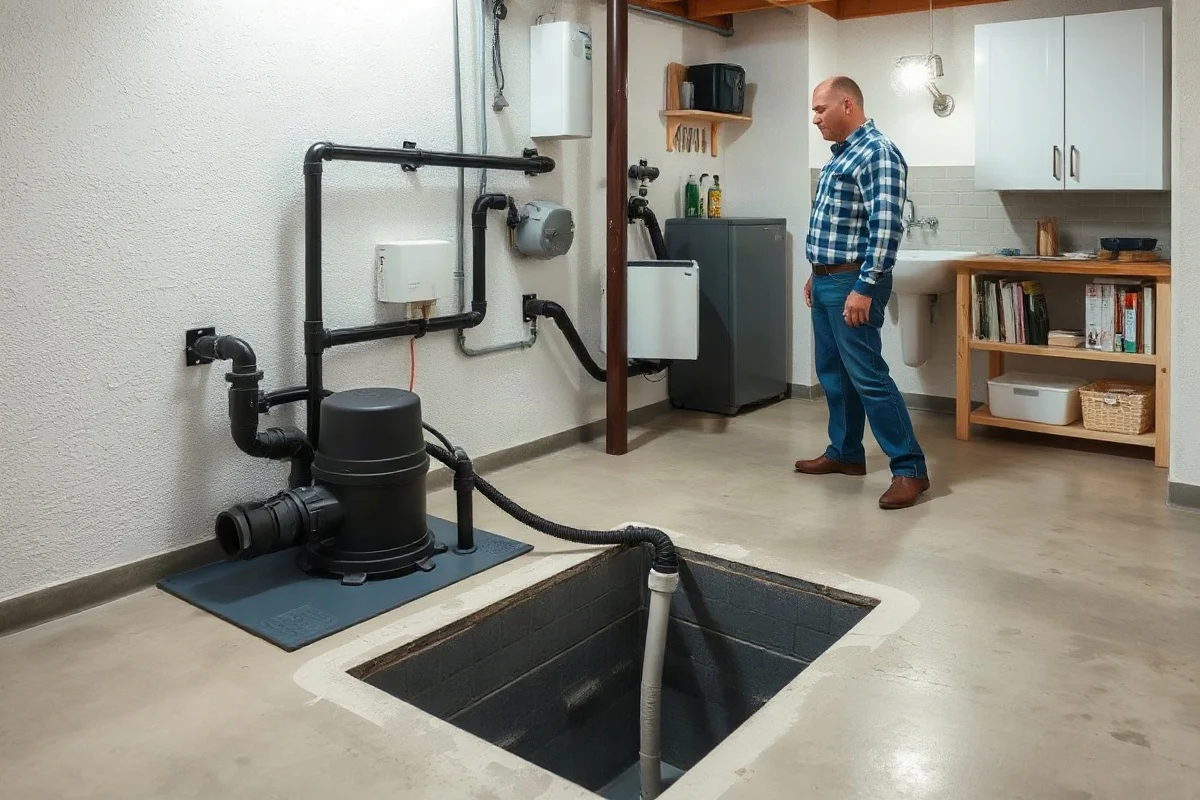
Sump pump replacement costs vary widely because the job may involve more than swapping one pump for another. The total estimate can include the replacement pump, labor, removal and disposal of the old unit, discharge-pipe repairs, check valves, electrical work, basin problems, and backup equipment. A straightforward replacement is usually less involved than a job that requires a new sump basin, difficult access, damaged piping, or work on the electrical supply.
A failed sump pump should be treated as a potential water-damage emergency, especially during heavy rain, snowmelt, or a period when groundwater is high. You can perform a few low-risk checks, but do not open electrical components, handle sewage-contaminated water, or work in an unsafe flooded area. A qualified local plumber can identify the cause of the failure and provide a written estimate for repair or replacement.
What a sump pump replacement estimate may include
A professional estimate commonly separates the work into several parts. Understanding these items makes it easier to compare quotes and avoid choosing a pump based only on the lowest advertised price.
The replacement pump
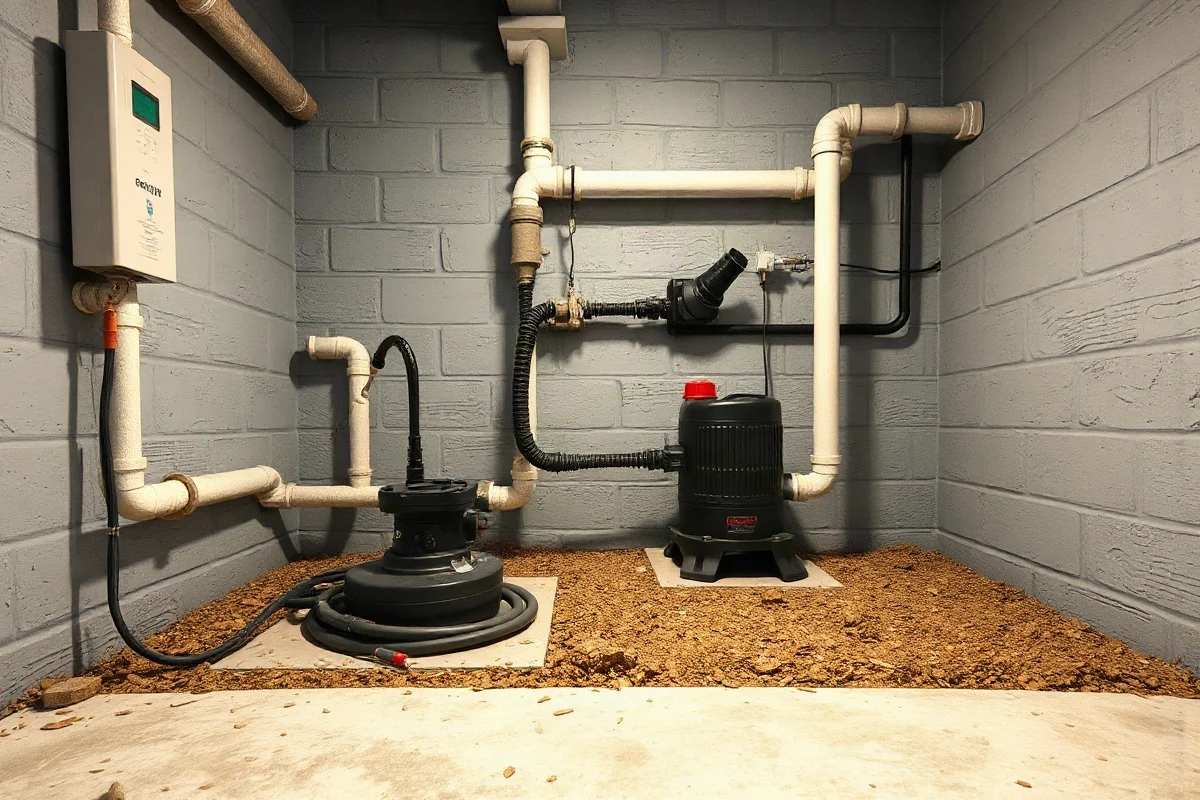
Pump cost depends on the type, capacity, construction, controls, and features selected. A primary pump may be a submersible model installed inside the pit or a pedestal model with the motor above the water. The correct choice depends on the basin, available space, expected inflow, discharge arrangement, and manufacturer requirements.
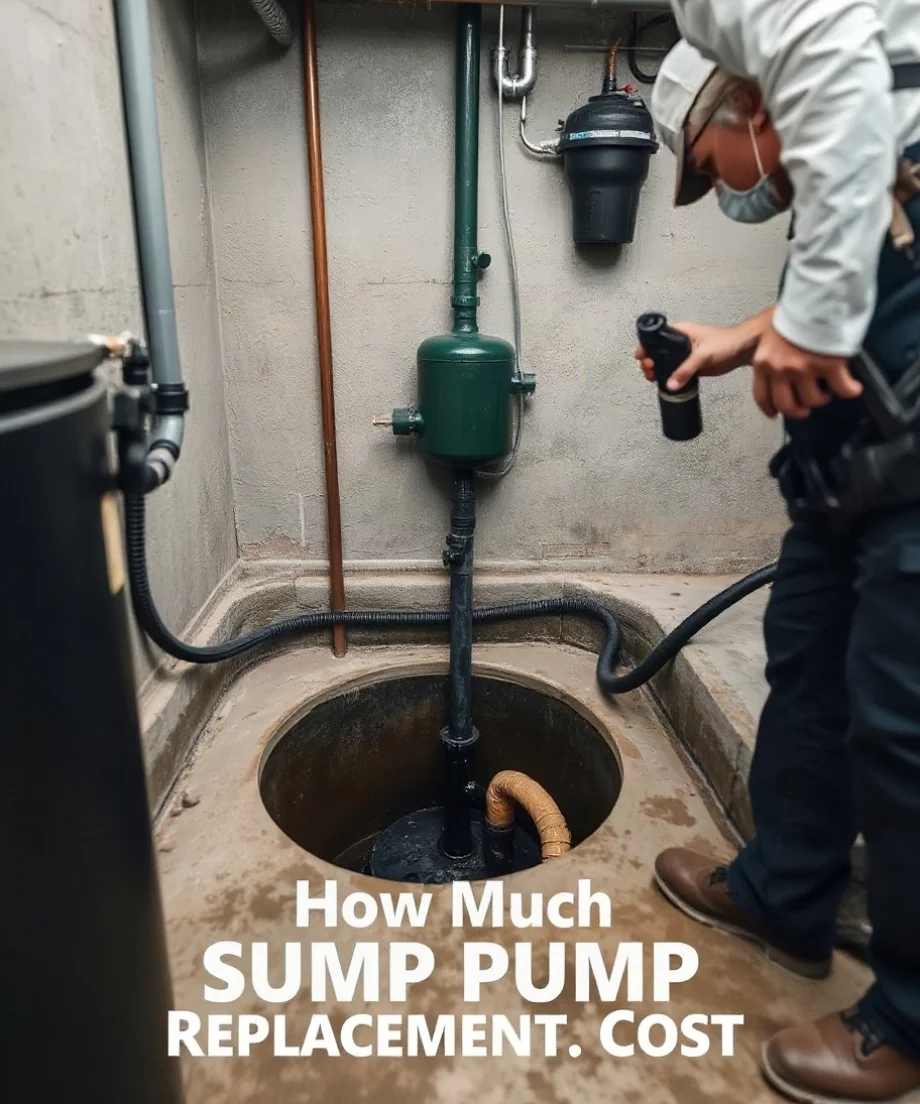
A pump that is too small may struggle to keep up with incoming water. A pump that is not suited to the installation can cycle excessively, create noise, or fail prematurely. The goal is not simply to buy the strongest pump available; it is to match the equipment to the home and drainage system.
Labor and removal
Labor may include shutting down the existing installation, disconnecting the old pump, removing it from the pit, installing the replacement, reconnecting the discharge line, testing operation, and cleaning the work area. Access can affect the time required. A cramped basement, a difficult-to-reach pit, or a pump installed below a heavy cover can make the job more complicated.
Ask whether removal and disposal of the old pump are included. Also ask whether the estimate covers testing the float switch, check valve, discharge connection, and alarm. These details can prevent unexpected additions to the final bill.
Discharge-pipe and check-valve work
The pump cannot protect the basement if discharged water returns to the pit or cannot leave the home properly. A plumber may find a cracked pipe, loose fitting, blocked outlet, poor connection, or worn check valve during replacement. If the existing discharge line is in good condition and compatible with the new pump, it may not need replacement. If it is damaged or improperly arranged, correcting it can add labor and materials.
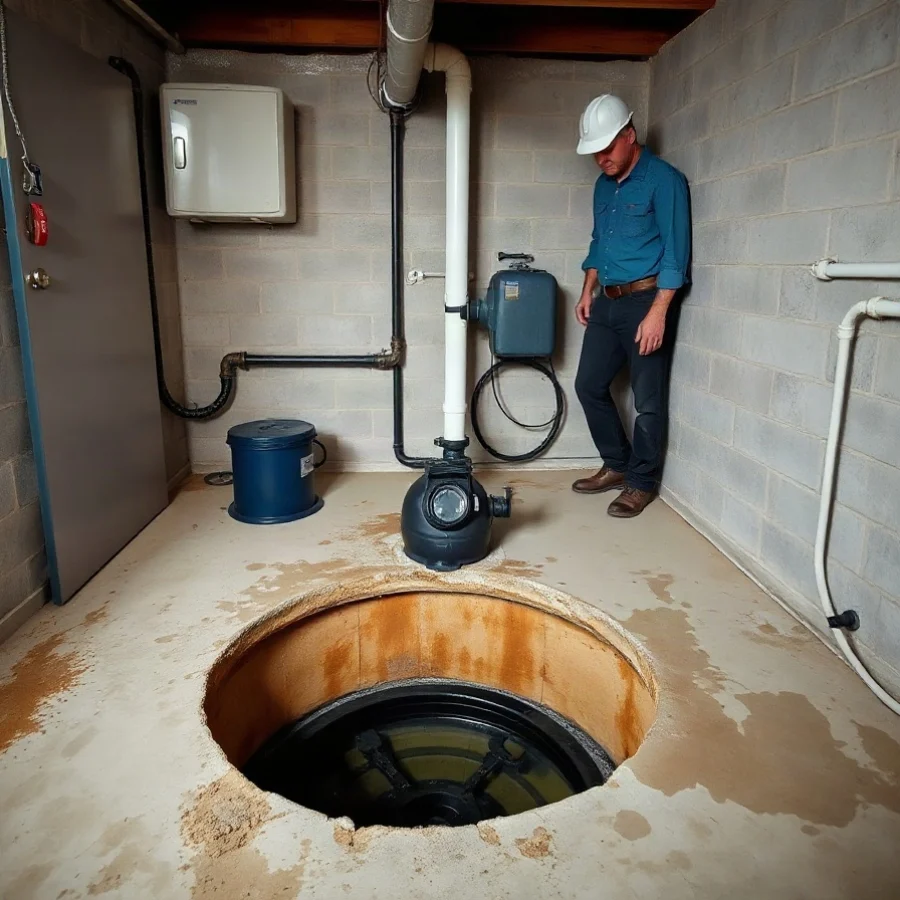
Discharge water should be directed away from the foundation in a way that does not create new flooding or drainage problems. The appropriate arrangement depends on the property and local requirements, so a professional should evaluate questionable discharge setups.
When repair may be enough
Not every sump pump problem requires a new pump. A homeowner can safely observe a few basic conditions without taking the unit apart. Confirm that the pump is receiving power, the plug has not been knocked loose, and the float is not trapped against the basin or nearby piping. If your home has a resettable electrical device protecting the outlet, check its status only if the area is dry and you can do so safely.
You can also pour a limited amount of clean water into the basin to see whether the float rises and the pump starts, but do not put your hands into the pit while the pump is connected to power. Stop immediately if the pump hums without moving water, trips the electrical protection, smells hot or burned, vibrates heavily, or runs continuously without lowering the water level.
Repair may be reasonable when the problem is a stuck float, a loose connection that can be safely corrected, a failed check valve, or a discharge obstruction that does not involve unsafe conditions. A professional should handle internal pump repairs, wiring, damaged receptacles, and any diagnosis involving electricity.
Signs replacement is the better option
Replacement is often more practical when the pump has repeated failures, significant corrosion, a damaged motor, unusual grinding or humming, or a history of running without removing water. A pump that has become unreliable may fail at the worst possible time, even if it can be restarted temporarily.
Consider replacement when repair costs approach the value of dependable new equipment, when compatible parts are difficult to obtain, or when the existing pump does not match the home's water conditions. If the basin fills faster than the pump can keep up, the issue may be inadequate capacity, a blocked discharge route, a failing pump, or a larger drainage problem. Installing another pump without finding the cause can lead to another failure.
Cost factors that can change the estimate
- Pump design: Submersible and pedestal pumps have different installation requirements and space needs.
- Pumping demand: The pump must handle the volume and lift required by the basement and discharge route.
- Access: Tight or obstructed access can increase labor time.
- Existing piping: Damaged, undersized, disconnected, or poorly supported discharge piping may need correction.
- Check valve condition: A worn valve can allow water to flow back into the pit and cause short cycling.
- Basin condition: A cracked, clogged, unstable, or incorrectly sized basin may require additional work.
- Electrical requirements: A damaged outlet, inadequate circuit, exposed wiring, or repeated tripping needs evaluation by a qualified professional.
- Backup protection: A battery backup, water-powered backup, alarm, or second pump can increase the project cost but may improve protection during outages or primary-pump failure.
- Water damage: Flood cleanup, wet materials, mold concerns, and damaged belongings are separate from the plumbing replacement itself.
- Timing and urgency: Emergency work may be priced differently from a planned replacement. Ask the provider to explain any after-hours or urgent-service charges before work begins when possible.
Primary pump versus backup system
A primary pump is the main device that removes water from the sump basin. A backup system is designed to provide additional protection if the primary pump stops, electrical power is lost, or incoming water exceeds the primary pump's capacity. These systems are not interchangeable, and a backup does not fix an incorrectly sized or poorly installed primary pump.
If your basement has experienced flooding, ask the plumber to review the entire setup rather than replacing only the motor. The evaluation should consider the basin, float operation, discharge piping, check valve, alarm, and available backup options. A backup system may be particularly worth discussing if the home is unattended for long periods or the sump pump is critical to a finished basement, but the right choice depends on the property and budget.
Safe homeowner checks before calling
These limited observations can help you describe the problem:
- Look for standing water around the pit, pump, plug, or nearby electrical equipment without stepping into a wet area.
- Note whether the pump is silent, humming, cycling repeatedly, or running continuously.
- Check whether the float can move freely without reaching into the basin or touching the pump.
- Look for visible leaks, disconnected discharge piping, or water returning to the pit.
- Check whether a nearby alarm is sounding and record when it started.
- Take a photo of the pump label and piping if you can do so from a dry, safe location.
Do not remove the pump cover, cut wiring, bypass a safety device, use an extension cord in a wet area, or reach into standing water near electrical equipment. If sewage is present, avoid contact and arrange qualified cleanup and plumbing help. For major flooding, electrical hazards, hidden leaks, or unsafe basement conditions, leave the area and contact appropriate local professionals. If water is actively threatening the home, an emergency plumber may be appropriate.
Questions to ask before approving the work
Request a written estimate that identifies the pump model or specifications, labor, removal, piping work, testing, and any optional backup equipment. Ask what caused the failure and whether the plumber found a problem outside the pump itself. A clear estimate should distinguish necessary corrections from upgrades.
Also ask how the new pump will be tested, where the discharge water will go, and what maintenance the manufacturer recommends. Do not assume that a new pump will solve basement moisture caused by wall seepage, foundation drainage problems, surface-water runoff, or a blocked exterior discharge. Those conditions may require additional evaluation.
How to choose a qualified local plumber
Look for a plumbing professional with experience installing and troubleshooting sump pumps, not just replacing basic fixtures. Verify the provider's current business information and ask which parts of the job are included in the quote. When electrical changes, sewage exposure, major flooding, concealed leaks, or code-related work are involved, confirm that the appropriate qualified professionals will handle those tasks.
Be cautious of quotes that provide no equipment details, promise a universal pump for every basement, or recommend replacing the unit without checking the discharge line and basin. You can use these plumber-hiring questions to compare communication, experience, and scope of work. For broader planning, our guide to plumbing costs explains why estimates vary between homes and service conditions.
How to reduce the chance of another failure
Keep the sump pit cover in place when possible, avoid storing items where they can restrict access, and periodically observe the pump during dry conditions. Make sure the discharge outlet remains clear and that water is not flowing back toward the foundation. Have unusual noise, repeated cycling, slow pumping, or unexplained water levels investigated before the next major storm.
Routine observation cannot guarantee that a pump will never fail, but it can reveal warning signs while the basement is dry. When replacement is needed, the best value comes from a correctly matched pump and a properly evaluated discharge system—not necessarily the cheapest equipment or the fastest swap.
For more information about sump pump services and related plumbing concerns, visit the sump pump resource from Plumber Near Me Service.

Comments
0No comments yet. Be the first to share a helpful note or question.
Leave a Comment
Your email address will not be published. Comments are reviewed before appearing on the site.