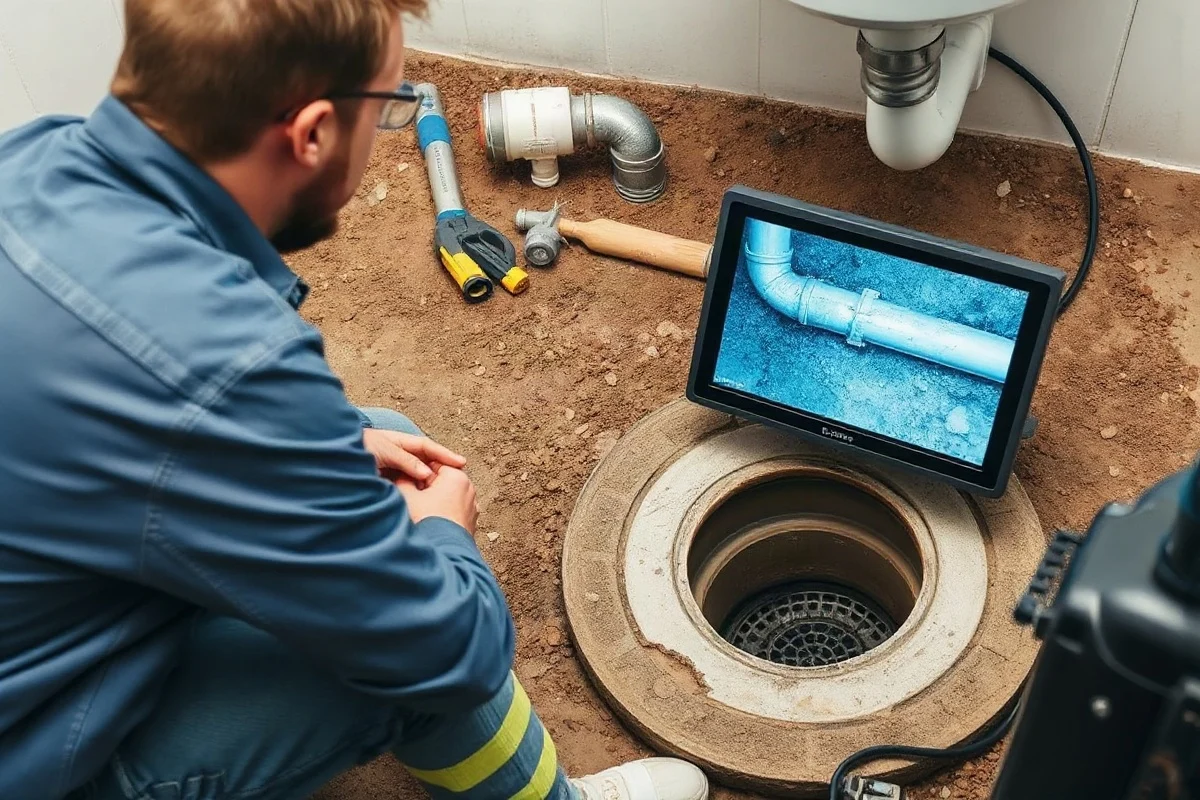
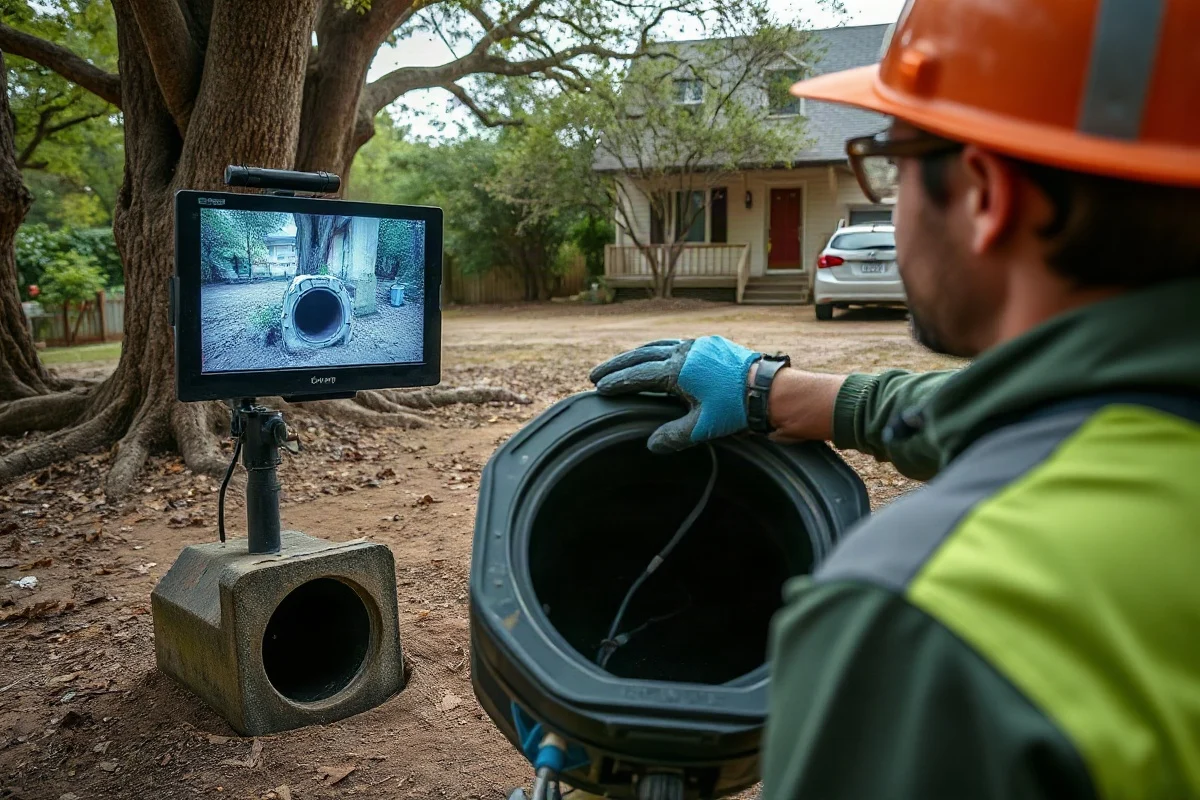
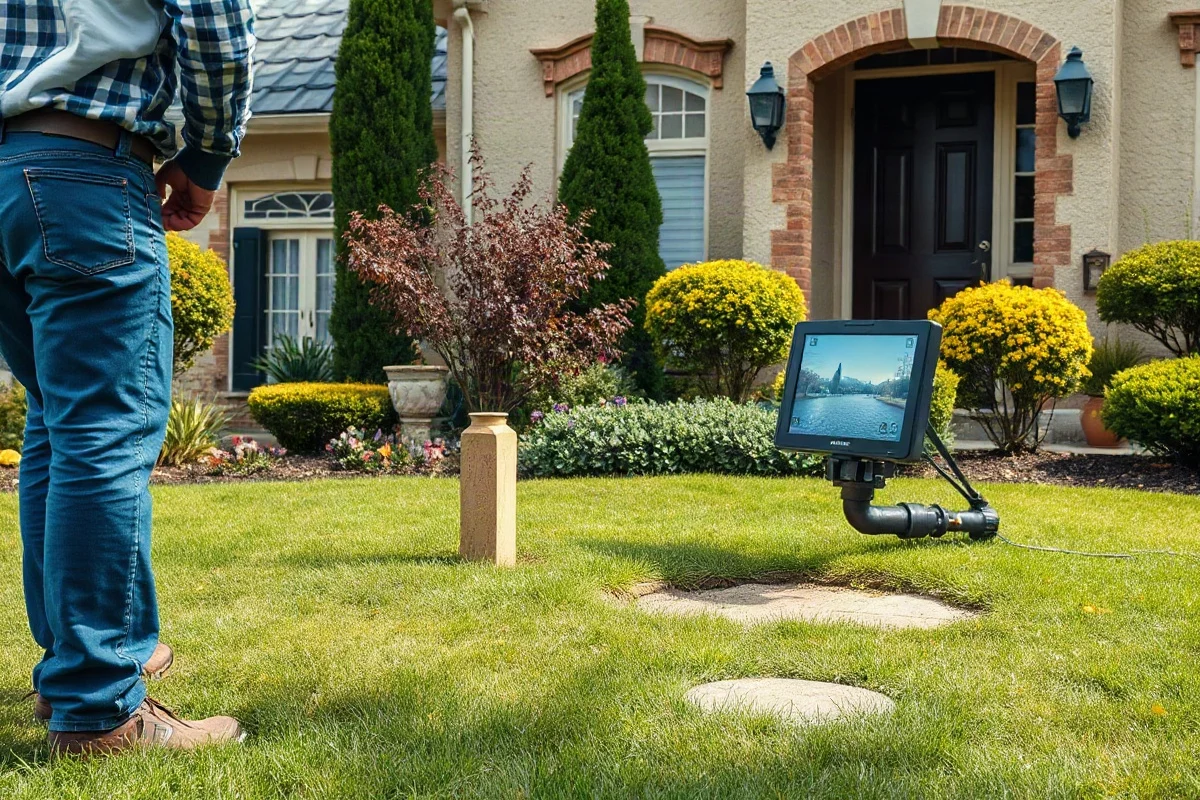
If a drain camera stopped at a pipe offset, the most likely explanation is that two sections of pipe are no longer aligned smoothly enough for the camera head to pass. An offset can be minor and manageable, or it can signal a broken, collapsed, shifted, or severely damaged sewer or drain line. The camera stopping point does not identify the exact repair by itself, so the next step is to document the location, assess symptoms, and have a qualified drain or sewer professional determine whether the pipe needs cleaning, repair, replacement, or further inspection.
What a pipe offset means
A pipe offset is a change in alignment where one section of pipe sits higher, lower, or to the side of the next section. Instead of traveling through a continuous, relatively smooth passage, the camera encounters a ledge or abrupt transition. In some cases, the camera can see the edge of the offset but cannot climb over it. In others, the pipe has shifted enough to create a gap, obstruction, or partial collapse.
Offsets are common findings during a drain camera inspection, particularly in older buried lines. The condition may occur beneath a yard, driveway, foundation, street, or building floor, so it is usually not something a homeowner can verify safely by opening a wall or digging.
Why the camera could not pass
The camera may stop for several different reasons. A professional should interpret the video, but these are the most common possibilities:
Severe pipe misalignment
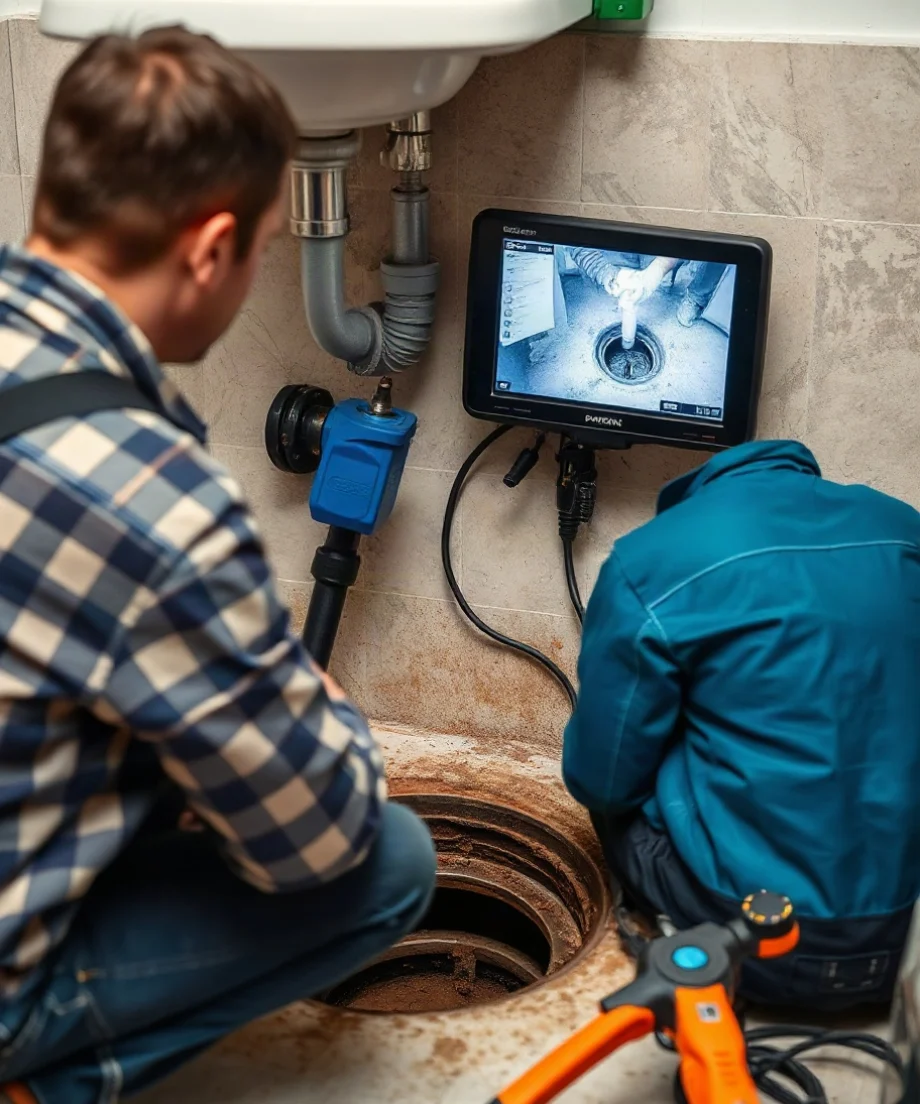
Ground movement, settling, erosion, or changes in soil pressure can shift one pipe section relative to another. A small misalignment may allow water and waste to continue flowing while catching paper, grease, roots, or other debris. A larger offset can block the camera and restrict drainage.
A broken or collapsed section
Cracked pipe can lose its shape, especially if surrounding soil moves or the pipe is weakened by age and corrosion. A collapsed section may look like a narrow opening, jagged break, or dead end on the camera recording. If the pipe is substantially collapsed, cleaning may provide little or only temporary improvement because the passage itself is no longer intact.
Root intrusion at a joint
Tree roots can enter through joints, cracks, or separated connections. A dense root mass may hold debris and make an offset appear worse than it is. Roots can also contribute to joint movement over time. Cutting the roots may restore flow temporarily, but it does not necessarily repair the opening that allowed them to enter.
Debris or a hardened blockage
Grease, mineral buildup, concrete-like deposits, foreign objects, or accumulated sediment can prevent the camera head from reaching the offset. In this situation, the camera may have stopped at a blockage rather than at the structural problem itself. The technician may recommend controlled cleaning and a second camera pass before deciding that excavation or replacement is necessary.
A difficult bend or connection
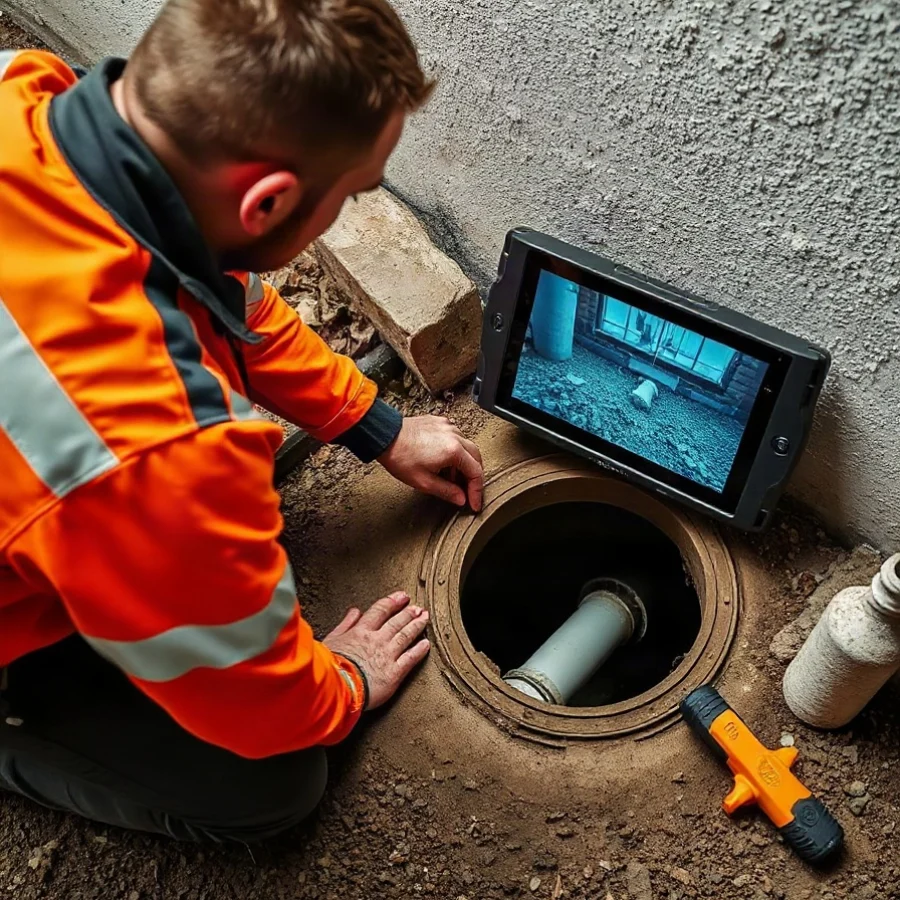
Not every camera stop means the pipe has failed. A tight bend, unusual fitting, poorly supported connection, or transition between different pipe sizes can be difficult for a camera to negotiate. The inspection report should distinguish a normal but challenging configuration from a damaged offset.
Signs that the offset may be causing a problem
An offset deserves prompt attention when it matches ongoing symptoms in the home. Watch for recurring drain backups, toilets that gurgle when fixtures discharge, multiple slow drains, sewage odors, wet areas in the yard, or wastewater returning through a lower-level fixture. Repeated clogs in the same part of the plumbing system are more concerning than a single isolated stoppage.
If wastewater is backing up, stop using affected fixtures and keep people and pets away from contaminated water. Sewage exposure, major flooding, and water entering electrical areas require qualified local help. For urgent conditions, the emergency plumber guidance on Plumber Near Me Service can help you organize the next step.
Safe checks a homeowner can make
Homeowners can gather useful information without entering the pipe or disturbing buried plumbing. These checks are low risk:
- Note which fixtures drain slowly or back up, and whether they are on the same floor or near one another.
- Record when symptoms occur, such as after laundry, bathing, or several toilet flushes.
- Look for visible standing water, unusually soft soil, sinkholes, or sewage odors outdoors, without touching suspicious water.
- Ask for a copy of the camera video, still images, and the technician’s description of the offset.
- Confirm whether the camera location was measured from a cleanout, fixture, or other access point.
- Keep receipts or notes about previous drain cleaning, backups, and repairs.
Do not dig to find the offset based only on an estimated camera distance. Do not enter a drain, sewer opening, excavation, or contaminated area. Avoid aggressive chemical drain cleaners when a structural problem is suspected; they may not resolve the offset and can create a hazard for anyone who later works on the line.
What a professional may do next
The correct approach depends on what the video shows and whether the line is still usable. A professional may first verify the access point and camera distance, then use locating equipment to mark the approximate path and position of the defect. The technician may also recommend cleaning before another inspection if debris or roots prevented a clear view.
Cleaning and a second inspection
If the camera stopped at roots, grease, mineral deposits, or loose debris, drain cleaning may open the passage enough to complete the inspection. The follow-up video matters because it can reveal whether the underlying pipe is intact. Cleaning is not a substitute for structural repair when the pipe is separated, collapsed, or badly cracked.
Spot repair
A localized repair may be appropriate when the damaged area is clearly identified and the surrounding pipe is in reasonable condition. Access could involve excavation, removal of a small section of flooring, or another method selected by the contractor. The feasibility depends on depth, access, soil, nearby utilities, building construction, and the actual condition of the pipe.
Trenchless rehabilitation
Some sewer lines can be rehabilitated from existing access points with a lining or replacement method that does not require a conventional open trench. These methods are not suitable for every offset. A severely collapsed, badly displaced, inaccessible, or incorrectly shaped line may need a different repair. Ask the contractor to explain why the proposed method fits the specific pipe condition.
Section replacement or full replacement
If the line has multiple failures, extensive root intrusion, repeated separations, or a long collapsed section, replacing only the visible problem may not provide a durable solution. Full or extended replacement can be more disruptive, but it may make sense when the remaining pipe is also failing. A written comparison of targeted repair, rehabilitation, and replacement can help you make an informed decision.
Repair or replacement: questions to ask
Before authorizing major work, ask the contractor to explain the evidence rather than relying on the word “offset” alone. Useful questions include:
- Where is the offset measured from, and how confident is that location?
- Does the video show a structural failure, or could debris be blocking the camera?
- Was the line cleaned before the inspection, and would another camera pass clarify the finding?
- How much of the pipe was inspected, and are there additional defects farther downstream?
- What happens if the proposed repair does not correct the backup?
- Will the work affect landscaping, paving, flooring, walls, utilities, or access to the property?
- What is included in the written scope, and which costs are excluded?
For general background on structural pipe options, see the pipe repair resource. Sewer-related work should be evaluated in the context of the entire line, not just the first point where a camera stopped.
What affects the cost
The price of correcting an offset varies widely because the work may range from cleaning to excavation and pipe replacement. Important cost factors include the type and severity of the defect, pipe material and diameter, access to the line, depth, soil conditions, distance from the cleanout, and whether the problem is under concrete, landscaping, a structure, or a public area. Labor, equipment, locating, disposal, restoration, and follow-up inspection can also affect the total.
Do not rely on a generic per-foot estimate without a site-specific scope. Ask for an itemized proposal that separates diagnosis, cleaning, repair, restoration, and any optional work. Comparing proposals is easier when each contractor receives the same camera video and is asked to address the same damaged section. The plumbing costs guide can help you organize questions without treating general estimates as a guaranteed local price.
How to choose the right plumber
Look for a local professional with relevant experience in drain camera inspections, buried sewer lines, and the repair method being considered. Ask whether the company can provide the video, written findings, marked measurements, and a clear scope of work. Verify the contractor’s qualifications, insurance, and any licensing or permit requirements that apply in your area through appropriate local sources; requirements differ by location and project.
Be cautious if someone recommends immediate full replacement without showing the defect, refuses to provide inspection evidence, or describes an offset as proof that the entire system has failed. A second opinion is reasonable when the proposed work is extensive, the evidence is unclear, or multiple repair methods may be available.
What to remember about a stopped camera
A camera stopping at a pipe offset is an important finding, but it is not a complete diagnosis. The obstruction could be roots or debris, a difficult fitting, a shifted joint, a crack, or a collapsed section. Use visible symptoms and inspection evidence together, request the recording and measurements, and have a qualified professional determine whether cleaning, localized repair, rehabilitation, or replacement is appropriate. If sewage, major flooding, hidden leaks, excavation, or unsafe conditions are involved, leave the work to qualified local help.
Comments
0No comments yet. Be the first to share a helpful note or question.
Leave a Comment
Your email address will not be published. Comments are reviewed before appearing on the site.