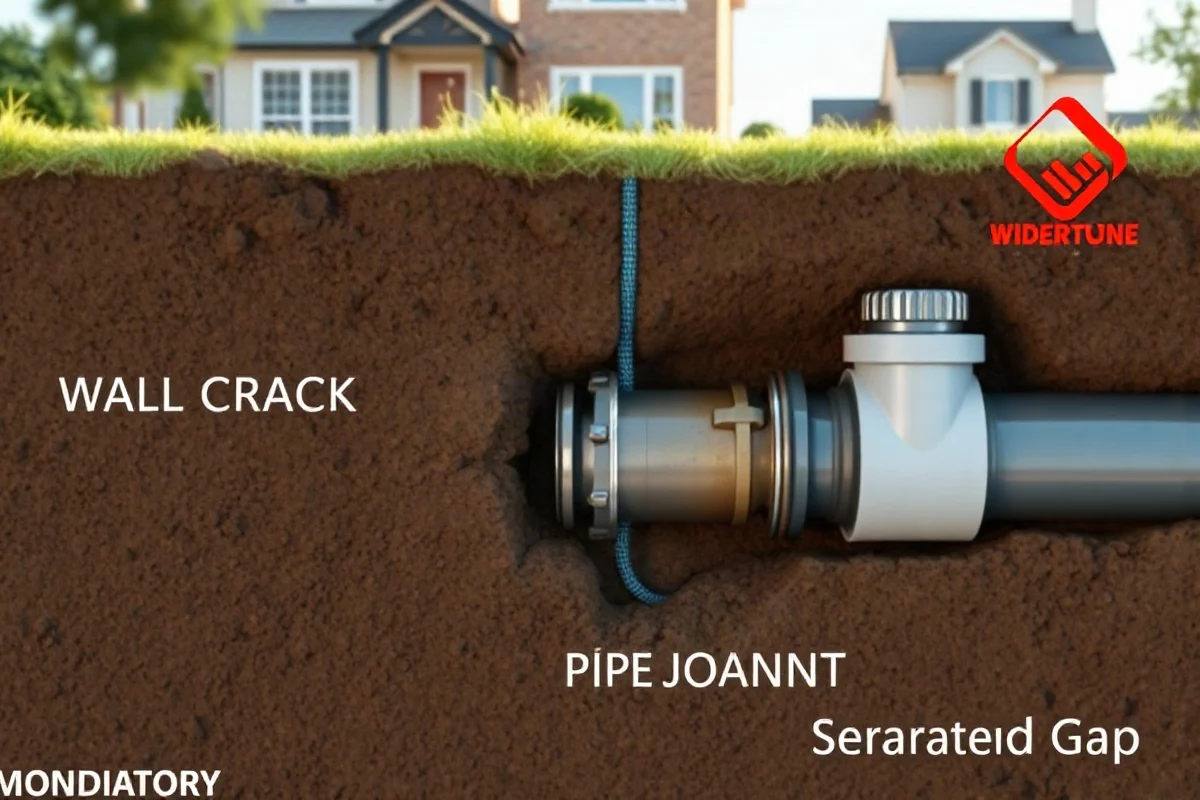
A pipe crack damages the wall of the pipe, while a pipe joint gap occurs where two connected sections no longer meet or seal correctly. Both problems can cause leaks, drainage issues, soil movement, or recurring clogs, but they usually appear in different locations and require different repairs. A drain camera inspection can help identify the difference without immediately excavating floors, walls, or landscaping.
Why the distinction matters
It is easy to describe any underground or concealed drain problem as a “broken pipe,” but that phrase can hide two very different conditions. A crack may extend through the pipe wall, allowing water to escape or surrounding soil to enter. A joint gap is a failure at the connection between pipe sections, fittings, or other components. The pipe segments may still be intact, but the connection has shifted, separated, or lost its seal.
The distinction affects the repair plan. A small, accessible joint problem might be corrected by reconnecting or replacing a fitting. A long crack, crushed section, or repeatedly shifting line may require replacement of a larger section or a more involved sewer-line repair. The correct choice depends on the pipe material, location, depth, access, condition of nearby sections, and the cause of the failure.
What a pipe crack looks like
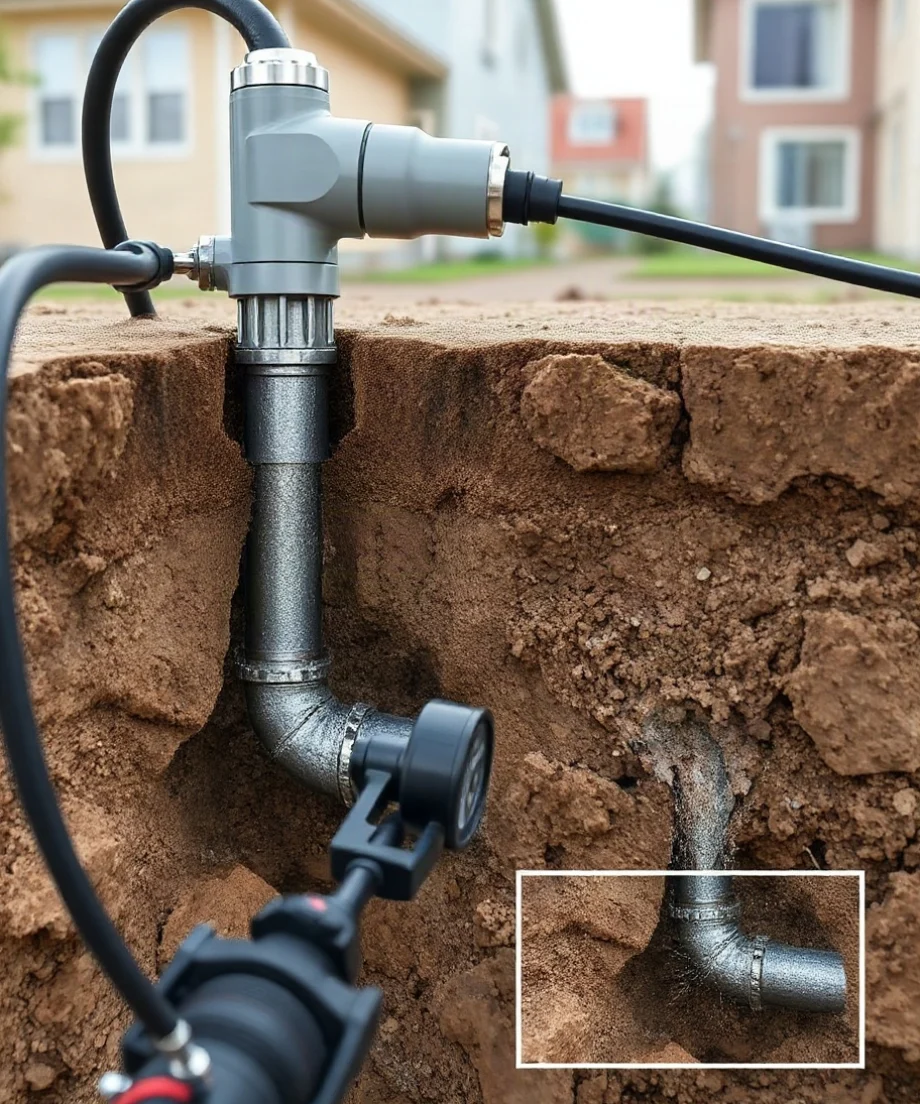
A pipe crack is a split, fracture, or opening in the pipe wall. It may run lengthwise, cross the pipe, or form an irregular break. Cracks can occur in clay, cast iron, PVC, ABS, concrete, or other materials, although the appearance and likely causes vary by pipe type and age.
Common causes of pipe cracks
- Ground movement, settlement, or shifting around a buried line
- Freezing conditions or rapid temperature changes
- Impact from construction, landscaping, or heavy equipment
- Corrosion or long-term material deterioration
- Excessive stress where the pipe is poorly supported
- Tree-root pressure, especially when roots enter an existing opening
- Improper installation or damage during backfilling
A cracked drain can leak wastewater into surrounding soil, but it can also allow soil, sand, or roots into the pipe. Inside the building, the first signs may include recurring clogs, slow drainage, sewage odors, wet spots, or unexplained moisture near a wall or slab. Some cracks remain hidden for a long time, especially when the surrounding soil absorbs the escaping water.
What a pipe joint gap looks like
A joint gap forms at a connection rather than through the middle of a pipe wall. The opening may be a narrow separation between two pipe ends, a displaced fitting, a failed coupling, or a connection that has pulled apart. In a camera image, the pipe wall on each side may look relatively intact while the camera sees a ledge, opening, offset, or sudden change in alignment.
Common causes of joint gaps
- Soil settlement or movement beneath the line
- Pipe sections that were not fully connected
- Failed, hardened, damaged, or displaced seals
- Expansion and contraction over time
- Vibration, nearby excavation, or structural movement
- Heavy roots pushing between connected sections
- Improper support or an incompatible repair connection
A joint gap can create many of the same symptoms as a crack. Wastewater may escape at the connection, and soil or roots may enter the line. Inside the drain, the lip of a separated joint can catch paper, grease, hair, or other debris. That may produce a clog that returns soon after conventional drain cleaning.
Symptoms that can point to either problem
Symptoms alone cannot reliably prove whether the defect is a crack or a joint gap. Several plumbing issues can cause similar signs, including a clog, a damaged trap, a venting problem, or a failing sewer connection. Still, these warning signs justify further investigation:
- Repeated backups in the same fixture or several fixtures
- Slow drains that improve temporarily after cleaning
- Sewage odors near floors, cleanouts, crawl spaces, or landscaping
- Gurgling sounds when toilets flush or fixtures discharge
- Wet, unusually soft, sunken, or foul-smelling soil outdoors
- Unexplained water damage near a concealed drain route
- Roots, dirt, or standing water found inside a drain line
- Toilet problems combined with backups in showers, tubs, or sinks
A single slow sink does not automatically indicate a damaged underground pipe. A localized fixture clog is often more likely. Concern increases when multiple fixtures are affected, the problem keeps returning, or the symptoms involve sewage or a buried line.
What a drain camera inspection can reveal
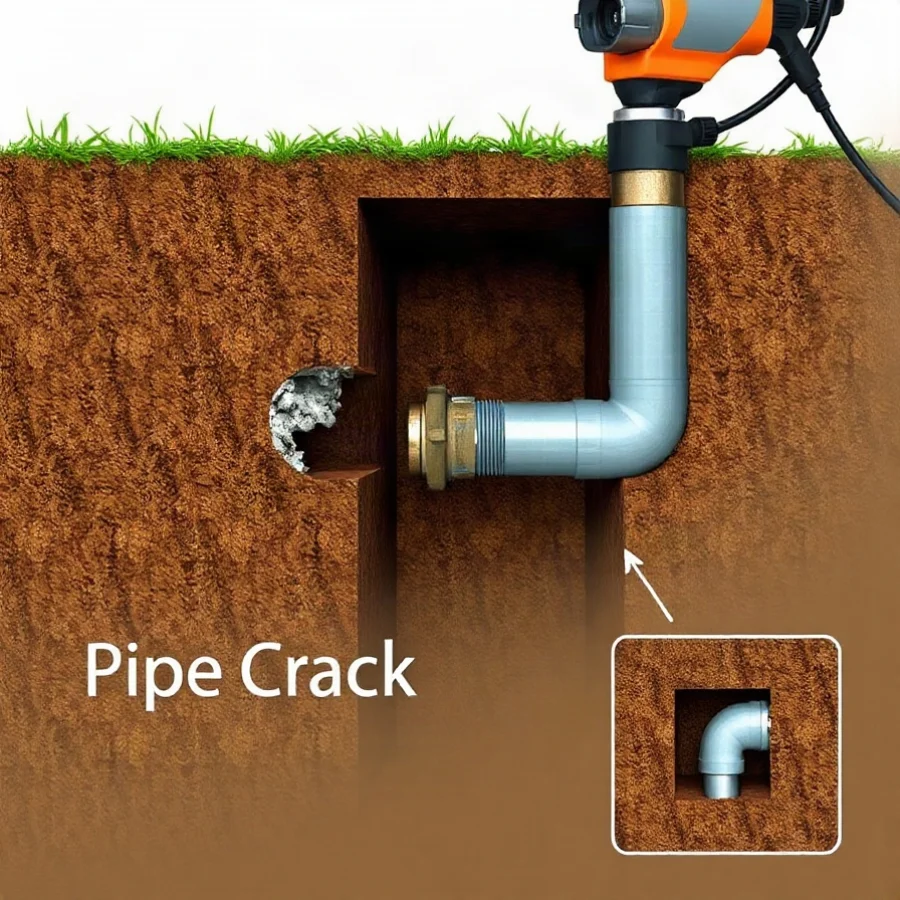
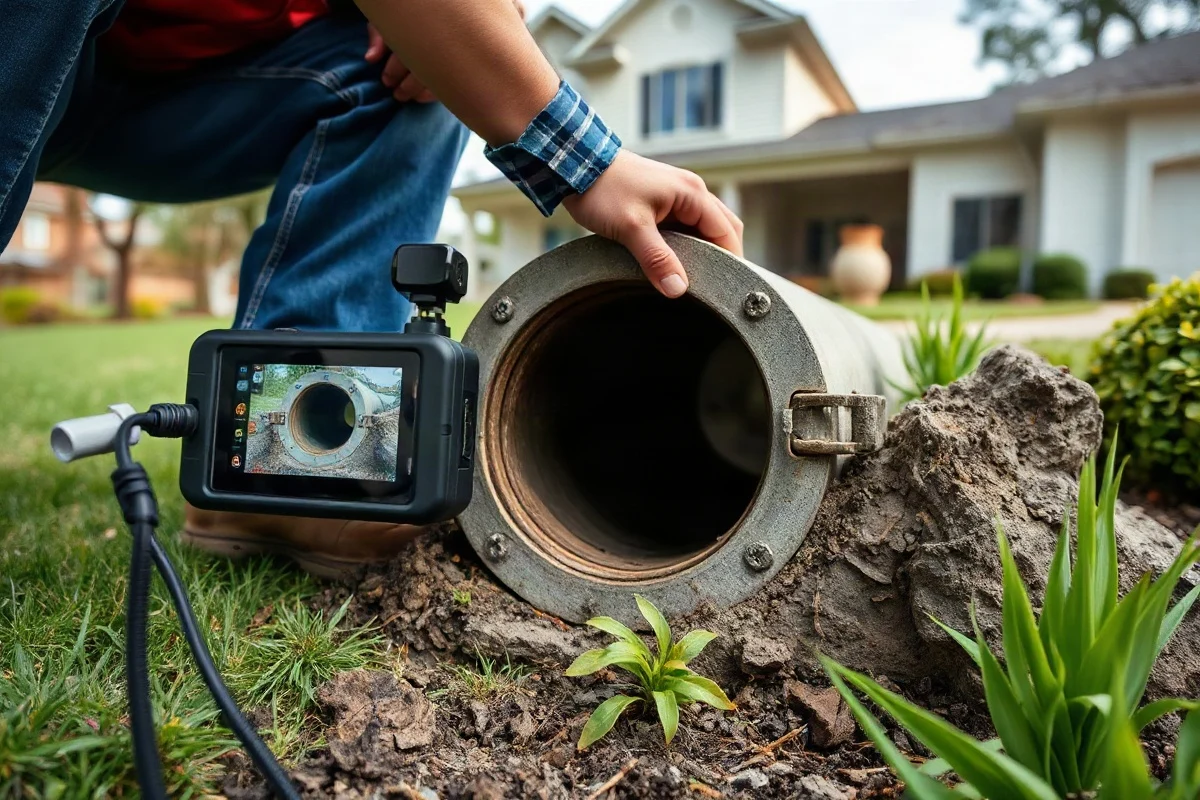
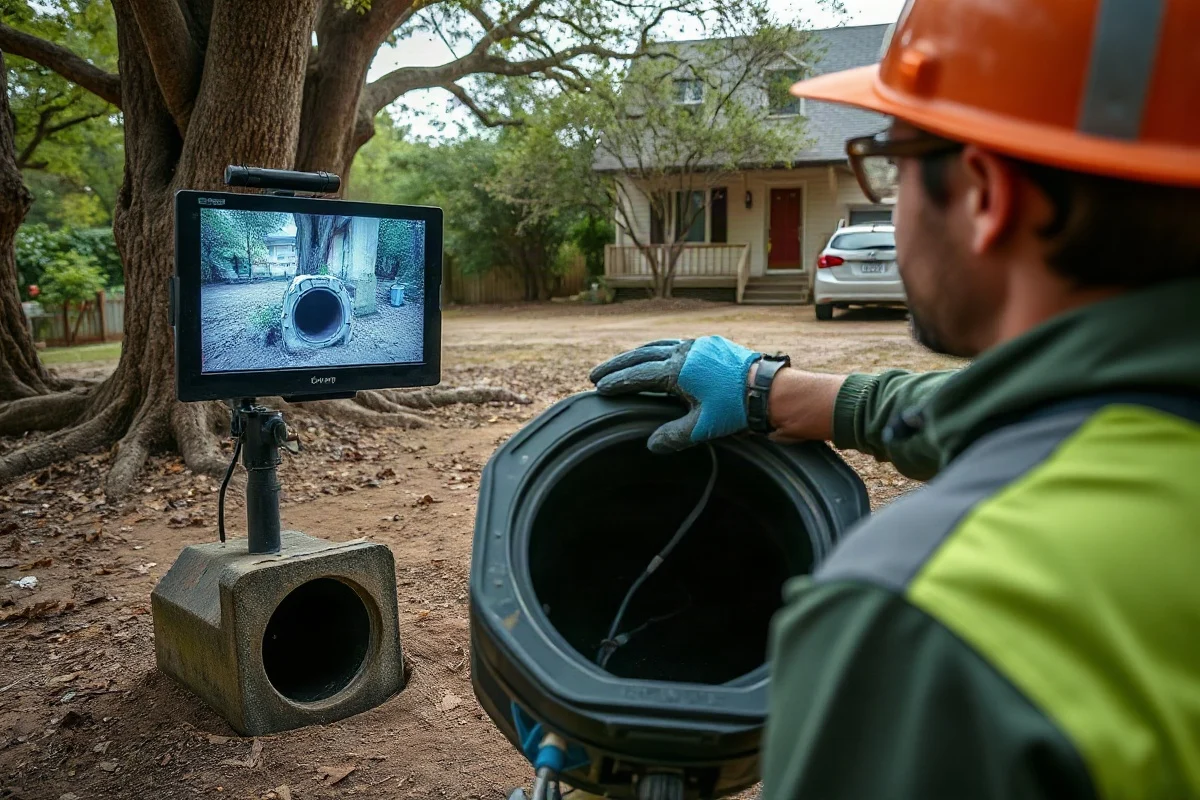
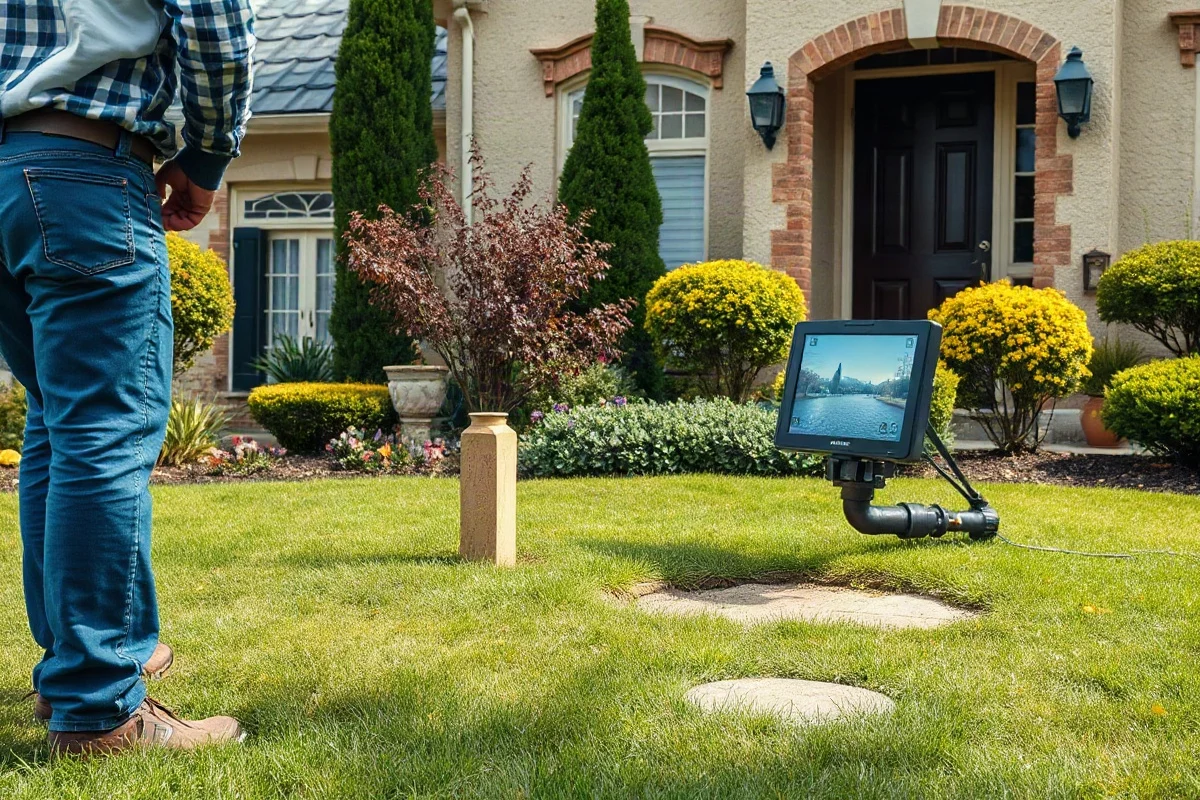
A drain camera inspection uses a flexible camera inserted through a suitable access point, such as a cleanout or removed fixture, to view the inside of a drain or sewer line. The technician may identify the approximate location of a defect, document its appearance, and assess whether additional sections show damage.
A crack may appear as a dark line or opening through the pipe wall. Depending on the camera angle and severity, the inspection may show a partial fracture, a wider break, a collapsed area, or roots entering through the damaged section. A joint gap may appear as a separation between pipe sections, an offset edge, an exposed connection, or a section that has dropped or rotated.
Camera findings are useful, but they are not always the entire diagnosis. Water flow, pipe material, access limitations, soil conditions, and the location of the line can affect what the camera shows. A qualified plumber may recommend a flow test, locating equipment, pressure-related testing where appropriate, or a closer inspection of accessible sections. Ask for a recording or clear still images when available, along with the technician’s explanation of the defect and its location.
Safe checks homeowners can perform
Homeowners can gather useful information without opening walls or digging. First, note which fixtures are affected and whether the problem occurs when another fixture drains. Check whether a shutoff valve, toilet tank issue, or visible fixture clog explains the symptom. Look for accessible moisture under sinks, around cleanouts, in a basement, or in a crawl space. Keep children and pets away from sewage-contaminated water.
If a cleanout is outdoors and easy to access, observe whether water is standing near it, but do not remove a tightly sealed cap if wastewater may be under pressure. Do not enter a crawl space with standing sewage, unstable flooring, electrical hazards, or poor ventilation. Avoid digging to search for a buried leak, cutting into a wall, or using harsh chemicals to force open a recurring drain.
Record when the problem began, what fixtures are involved, whether rain affects it, and whether previous cleaning provided only temporary relief. This information can help a professional decide whether a camera inspection is appropriate.
Work that should be left to a professional
Diagnosing and repairing a concealed crack or joint gap generally requires professional equipment and experience. A plumber may need to access a sewer cleanout, operate a camera, locate the defect from above ground, evaluate the surrounding pipe, and determine whether excavation or trenchless work is practical. Work involving sewage exposure, major flooding, a slab, structural components, buried utilities, or a concealed leak should be handled by a qualified local professional.
Do not enter a sewer line, handle contaminated water without appropriate protection, or attempt to reconnect buried pipe based only on a camera image. Gas lines and electrical connections require separate safety precautions and qualified help. If sewage is backing into the home, shut off use of affected fixtures and seek prompt assistance through an emergency plumber when the situation is severe or rapidly worsening.
Repair or replacement: how the decision is made
A repair may be reasonable when the damaged area is limited, the surrounding pipe is sound, and the cause can be addressed. For an accessible joint gap, a plumber may replace a coupling, reconnect compatible pipe, or repair the affected fitting. A short, isolated crack may also be repaired by replacing that section, depending on its location and material.
Replacement becomes more likely when the pipe is badly collapsed, heavily corroded, repeatedly shifting, or damaged in several locations. A line with multiple failed joints may need broader work even if each individual gap appears small. Roots can also return if the underlying opening is not corrected. Cleaning the line may restore flow temporarily, but cleaning alone does not rebuild a cracked pipe or permanently close a separated joint.
Possible access methods include targeted excavation, replacement through an existing opening, or a trenchless approach when the site and pipe condition allow it. No method is appropriate for every property. Ask the plumber what evidence supports the recommendation, what part of the line will be repaired, and how the condition of the remaining pipe was assessed. More information about common repair approaches is available in this guide to pipe repair.
Cost factors to discuss before work begins
Repair prices vary by project, so a reliable estimate should be based on the actual site rather than a generic advertised amount. Important cost factors may include the inspection, access difficulty, pipe material and diameter, depth, location of the defect, length of replacement, required equipment, disposal, surface restoration, and whether other damaged sections are found.
Ask whether the estimate covers locating the defect, exposing the pipe, replacing fittings or pipe, testing the repaired line, and restoring disturbed surfaces. Clarify what could change the scope if the technician finds additional cracks, unstable soil, roots, or a collapsed section. You can also review general information about plumbing costs, but local conditions and the final repair plan will determine the actual amount.
How to choose the right plumber
Look for a plumber or plumbing company with experience in drain camera inspections and sewer or buried-pipe problems. Before approving major work, ask for a written description of the defect, the camera location or footage when available, the proposed repair, and any limitations of the inspection. Confirm who will perform excavation or surface restoration if those services are separate.
Be cautious of recommendations based only on a vague claim that the line is “broken.” A trustworthy professional should explain whether the problem is a wall crack, joint separation, offset, root intrusion, blockage, or another condition. They should also distinguish urgent containment from permanent repair and explain why replacement is or is not necessary. For help evaluating service providers, see this guide to hiring a plumber.
Making sense of the inspection result
The most useful inspection report connects the defect to the symptom and the proposed solution. A pipe crack means the pipe wall has failed; a joint gap means the connection has separated or lost its seal. Either condition can allow leaks, roots, or soil into the line, but the repair may be limited to one connection or may involve a longer section of pipe.
Respond promptly to recurring backups, sewage odors, unexplained moisture, or signs of a failing buried line. Safe observations can help you describe the problem, but concealed drain damage is not a good project for trial-and-error digging or repeated chemical treatments. A qualified local plumber can verify the condition, explain the available repair options, and help protect the home from worsening water or sewage damage.
Comments
0No comments yet. Be the first to share a helpful note or question.
Leave a Comment
Your email address will not be published. Comments are reviewed before appearing on the site.