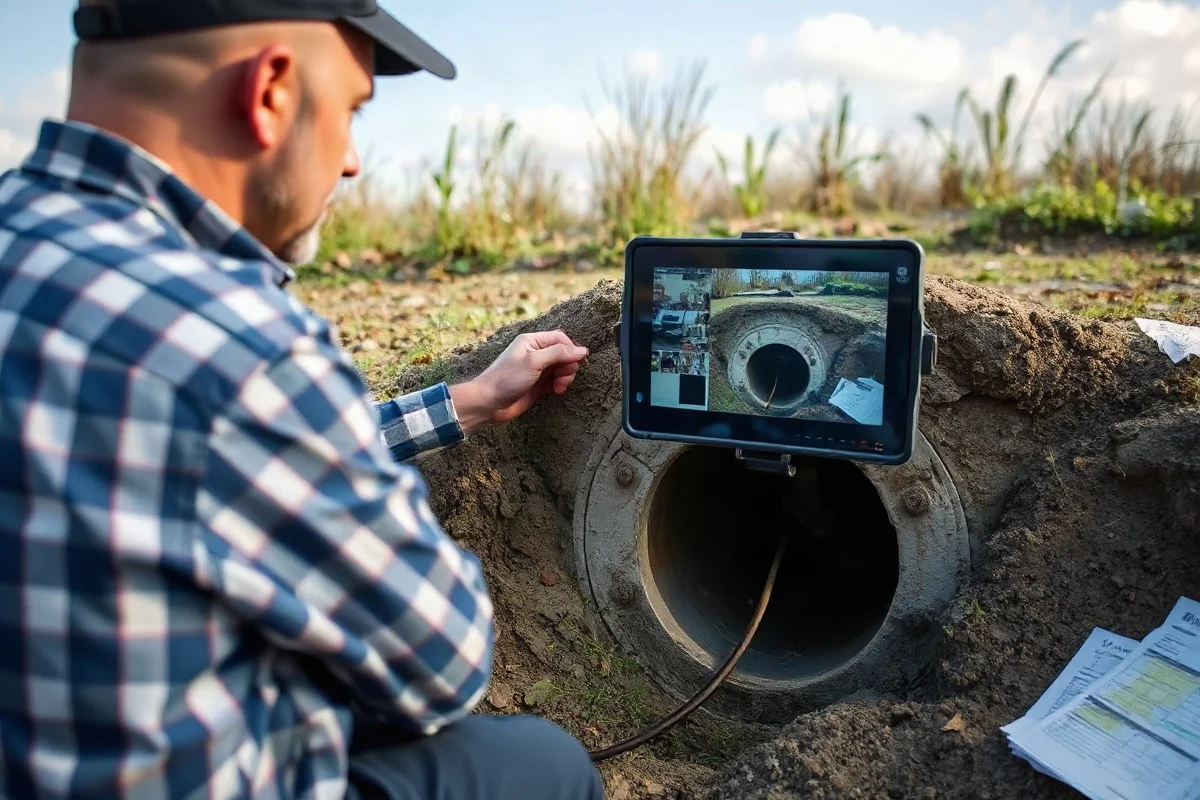
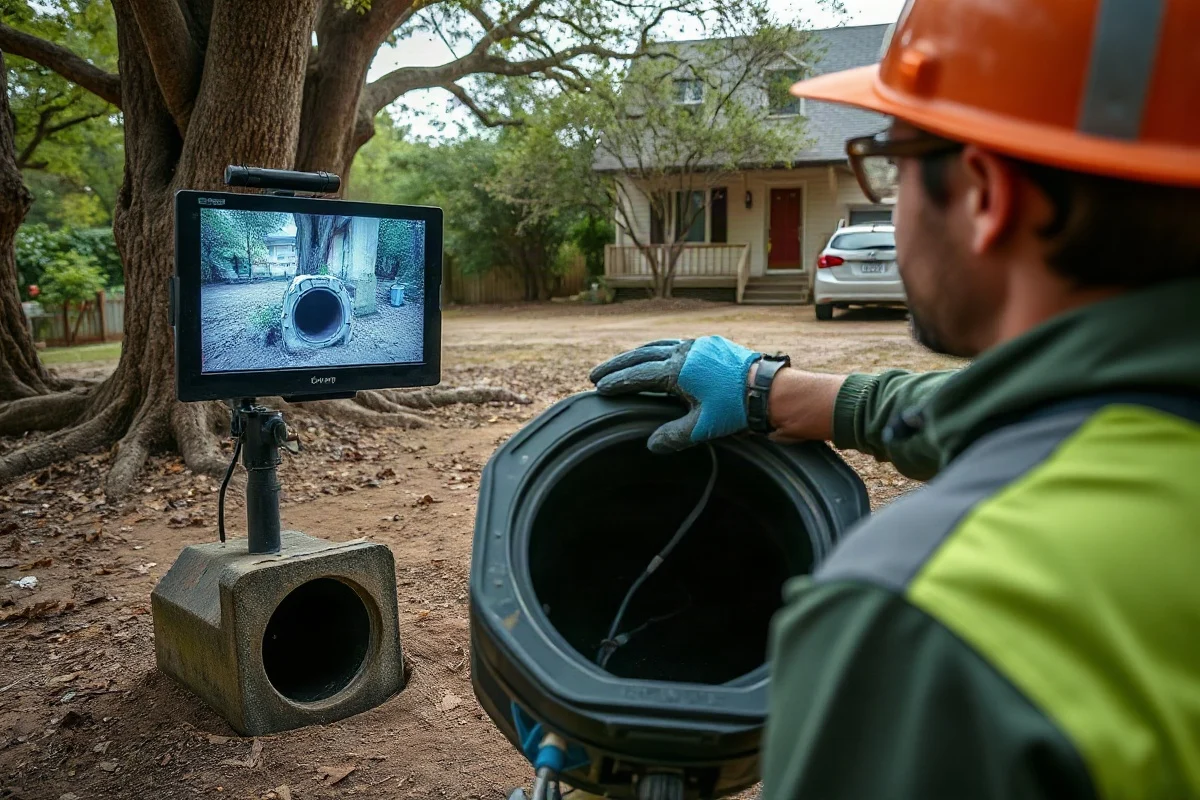
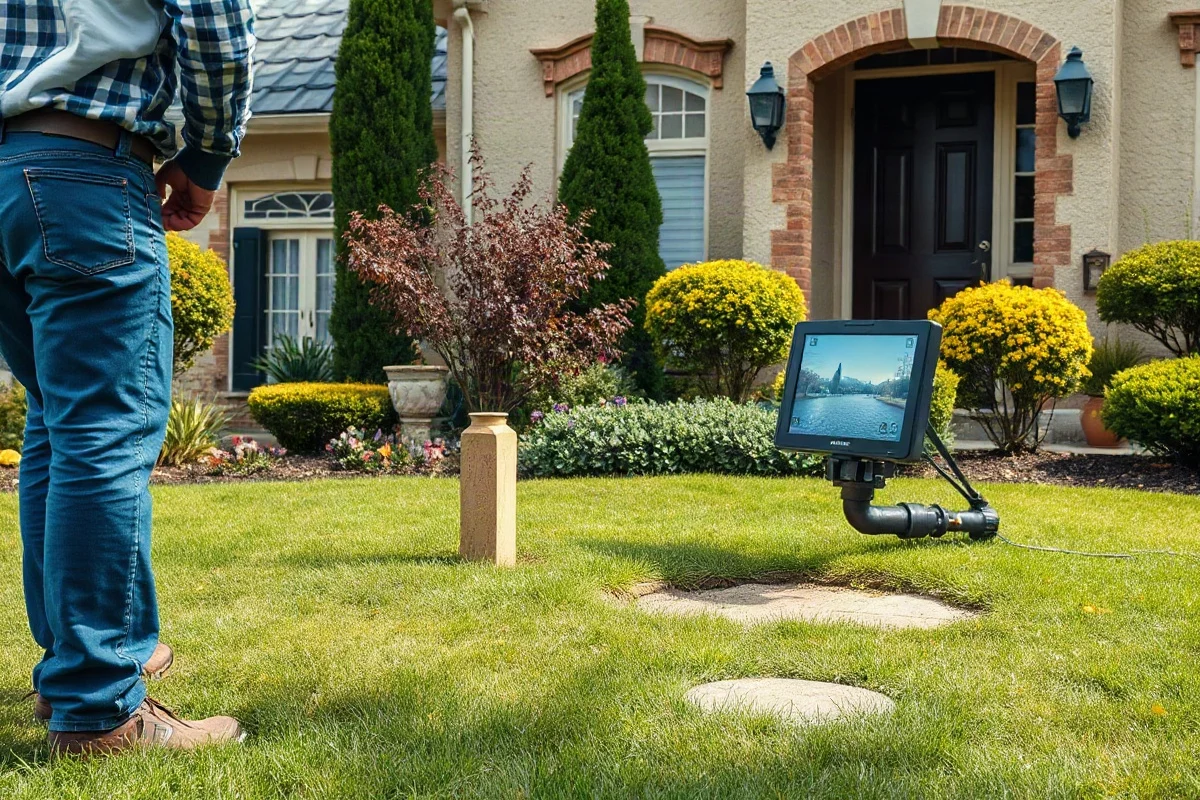
A sewer camera inspection report explains what a camera found inside an underground sewer or drain line and where the problem is located. A useful report should connect the video to written observations, approximate distances, photographs or video references, and practical repair recommendations. It can help you distinguish a temporary blockage from structural pipe damage, but it should not be treated as a guarantee that every hidden condition has been identified.
Sewer problems can affect multiple fixtures at once, cause sewage backups, or continue even after a drain has been cleared. Because sewer lines may run beneath floors, landscaping, driveways, or public areas, diagnosis and repair usually require qualified professional equipment and experience. Homeowners can document symptoms and check a few safe items, but they should not enter a sewer, handle sewage, excavate, or attempt repairs on buried lines without professional guidance.
What a sewer camera inspection report should include
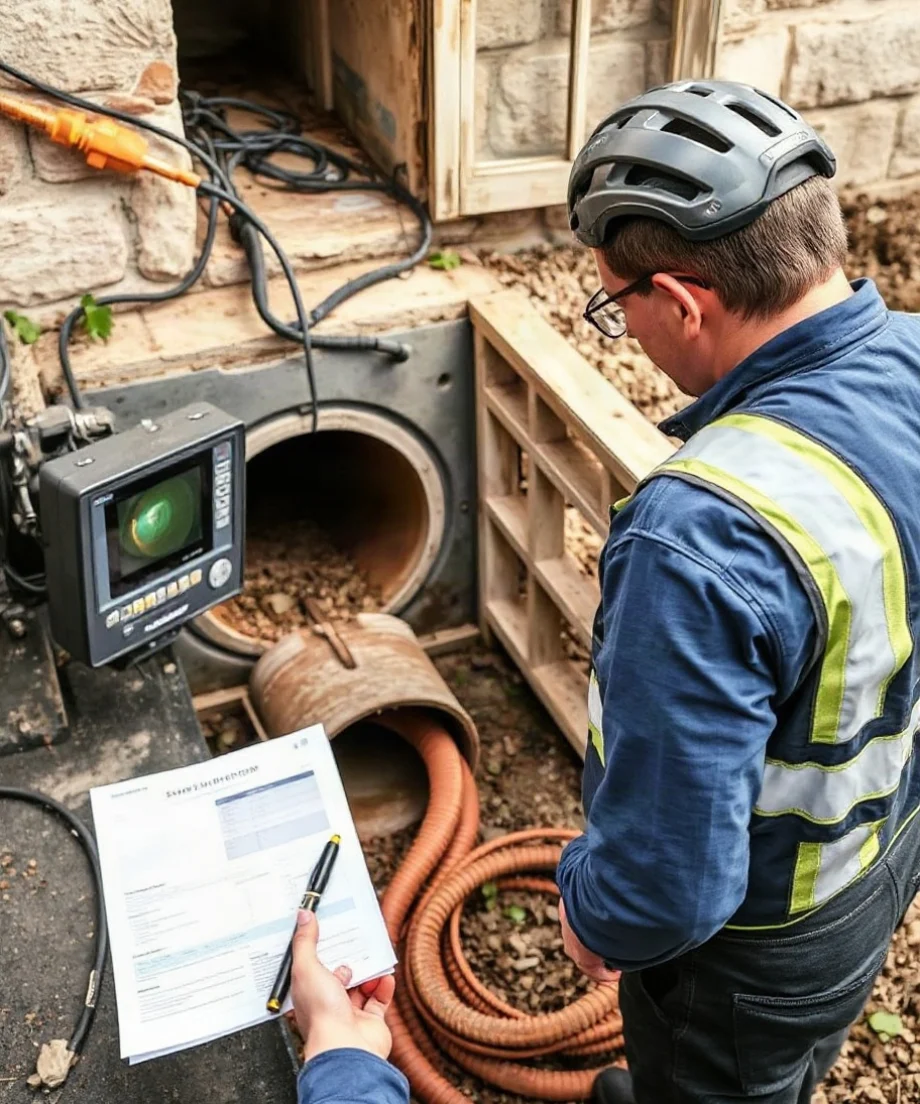
Reports vary by company, but the most useful ones provide enough information for another qualified professional to understand the condition of the line. Look for these basic elements:
- Inspection date and property information: The report should identify the address or area inspected and the date of the work.
- Access point: This may be a cleanout, a drain opening, a roof vent, or another entry point. The starting location matters when estimating where a defect is situated.
- Pipe direction: The report may identify whether the camera traveled toward the building, toward the street, or along a particular branch.
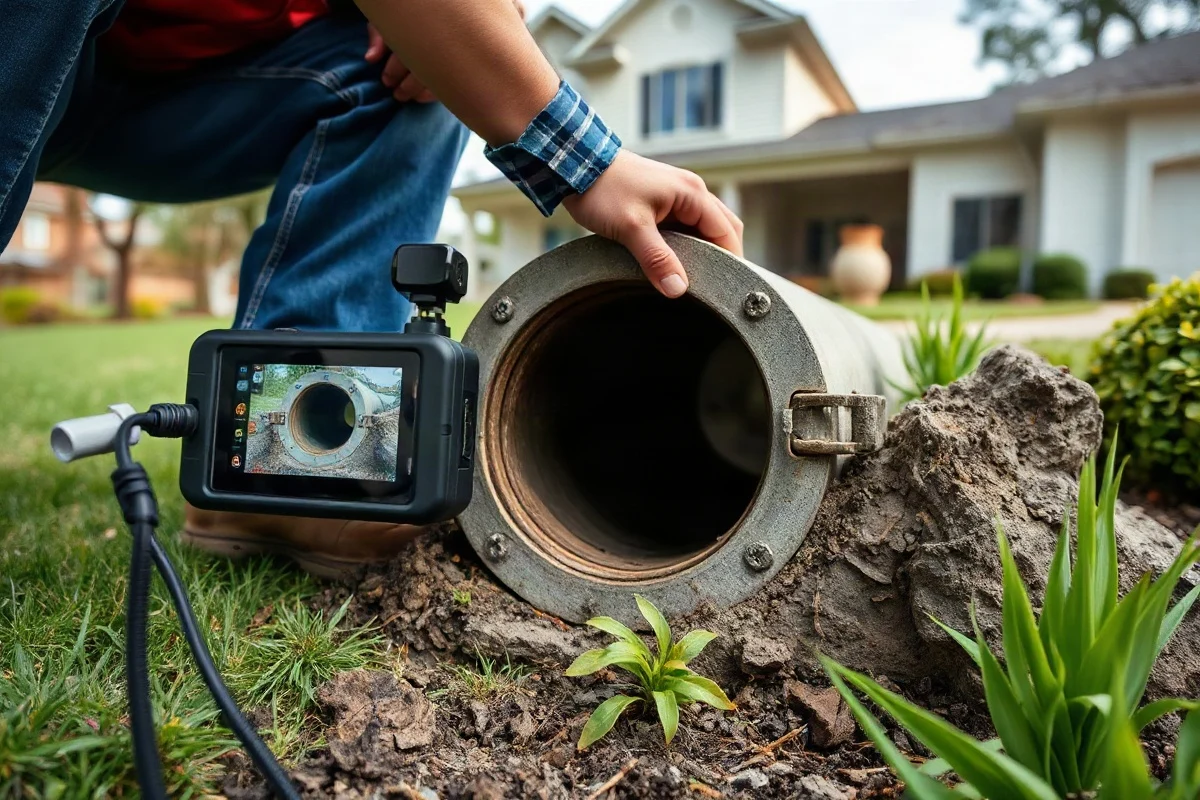
- Approximate distance: A counter on the camera equipment can help estimate how far a finding is from the access point. This measurement is useful, but it is not a precise underground survey.
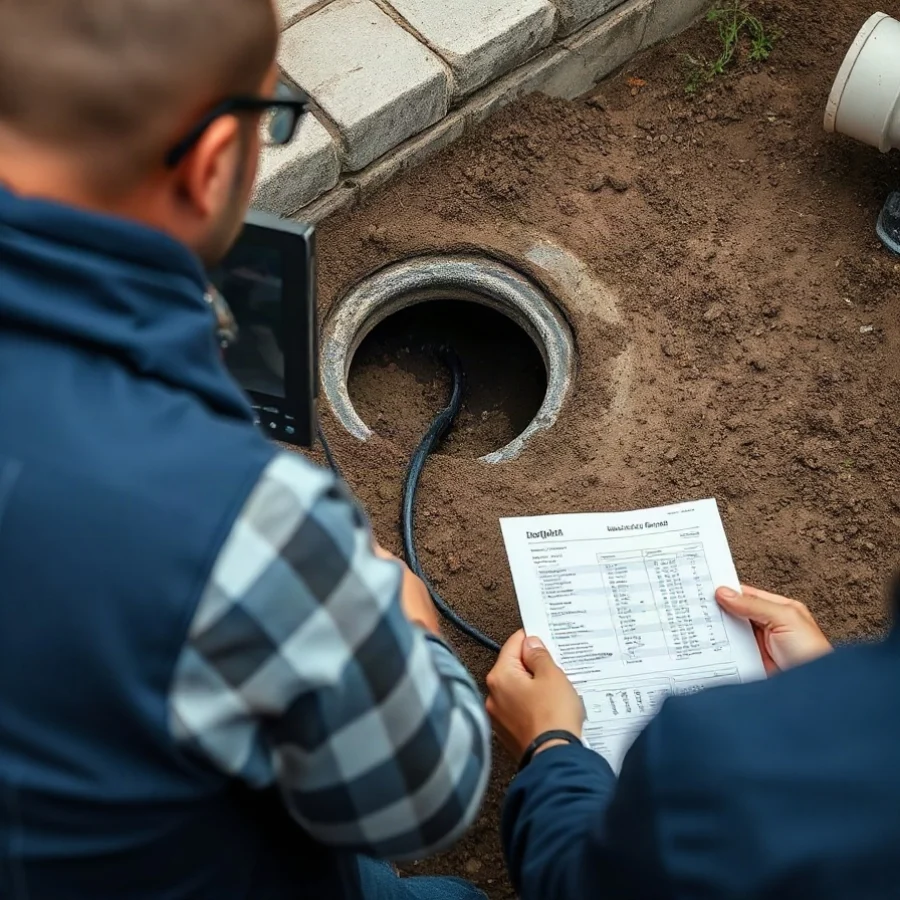
- Video or still images: The footage should show the relevant findings clearly rather than relying only on a brief verbal summary.
- Condition notes: The technician may describe roots, standing water, cracks, separations, corrosion, offsets, collapsed sections, grease, or other obstructions.
- Recommendations: The report should explain possible next steps and identify whether the recommendation is cleaning, additional testing, repair, replacement, or monitoring.
If the report contains only a vague statement such as “bad sewer line,” ask the company to explain what was seen, where it was found, and how the recommended work addresses that condition. You can also ask whether the entire accessible line was inspected or whether the camera stopped because of a blockage, standing water, a tight bend, or another limitation.
Common findings and what they may mean
Roots inside the pipe
Tree and shrub roots can enter through joints, cracks, or other openings. Root growth may slow drainage and collect paper or other debris. Mechanical cleaning or hydro jetting may restore flow temporarily, but recurring root intrusion can indicate a damaged connection or deteriorated pipe. Cleaning removes the obstruction; it does not necessarily repair the opening that allowed roots to enter.
Cracks, holes, or fractures
A crack may be minor, active, or associated with a larger structural problem. A camera image can show the visible interior surface, but it may not reveal the full condition of the soil around the pipe or the outside of the line. Ask the plumber whether the finding appears to affect flow, allow soil intrusion, or justify a targeted repair or replacement.
Separated joints and offsets
A separated joint occurs when connected pipe sections pull apart. An offset means one section is no longer aligned with the next. These conditions can catch waste, admit roots, or allow soil to enter. The appropriate response depends on the location, severity, pipe material, accessibility, and whether the line is still structurally stable.
Standing water or a low section
Water remaining in a sewer line after flow should have continued may suggest a low section, sometimes called a belly, or another drainage problem. A single image of water does not always prove the cause. The line may have been partially blocked, the camera may have stopped in water, or the grade may be difficult to judge. A professional should interpret the footage in context and explain whether additional evaluation is needed.
Grease, sludge, or debris
Heavy buildup can narrow the passage without meaning that the pipe itself has failed. Cleaning may be an appropriate first step. If the problem returns quickly, the inspection should be reviewed for contributing defects such as a damaged joint, poor flow, or a low section. Avoid pouring chemical drain cleaners into a sewer line, especially when the cause is unknown; they may create handling hazards and will not repair structural damage.
Collapsed or severely deformed pipe
A collapse or major deformation can restrict flow and increase the risk of backups. This condition generally requires professional repair planning. Do not dig based only on the camera distance. Underground utilities, property boundaries, line depth, and the exact route all need to be considered before excavation or replacement.
How to interpret distance measurements
Distance readings are helpful for narrowing down the location of a defect, but they should be viewed as estimates. The camera counter measures the amount of cable paid out, not a perfect map of the pipe. Bends, loops, slack, changes in direction, and the path of the line can make the measured distance differ from the straight-line distance to the surface.
Ask the technician to mark the suspected location from a known access point when practical. Some companies use an electronic sonde or locator attached to the camera head to help identify the camera's position above ground. Even then, the marked area may require confirmation before excavation. A report that identifies the access point, direction of travel, approximate distance, and visible defect is more useful than a distance listed without context.
Safe homeowner checks before calling a plumber
You can gather useful information without opening a sewer line or exposing yourself to sewage. Record which fixtures are affected and whether the problem occurs when toilets flush, washing machines drain, or showers run. Notice whether the symptoms are limited to one fixture or occur throughout the property. Check for visible water around cleanout covers, basement floors, crawl spaces, or exterior walls, but do not remove a cover that is under pressure or surrounded by sewage.
If a toilet is overflowing, close its shutoff valve if it is accessible and stop using nearby fixtures. Keep children and pets away from contaminated water. Do not mix drain chemicals or use a mechanical auger when sewage may be backing up through an open fixture. For sewage exposure, major flooding, a suspected concealed leak, or rapidly worsening conditions, contact a qualified local professional. More general guidance on urgent plumbing situations is available through emergency plumber resources.
These checks can document symptoms, but they cannot confirm the condition of a buried sewer line. A camera inspection is professional diagnostic work, particularly when the line is inaccessible, contaminated, deep, or connected to a municipal system.
Choosing between cleaning, repair, and replacement
A camera report is one part of the decision. Cleaning may be reasonable when the pipe is structurally sound and the main finding is removable debris, grease, or limited root growth. If the same blockage returns, ask why and whether the video shows an underlying defect.
Targeted repair may make sense when the damaged area is limited and accessible. Options can include exposing and replacing a short section, repairing a connection, or using a trenchless method when appropriate. Replacement is more likely to be considered when damage is extensive, the line has repeated failures, the pipe has collapsed, or repairs would not provide a dependable long-term result.
Do not assume that a recommendation for full replacement automatically proves that replacement is necessary. Ask for the evidence in the footage, the alternatives considered, the expected limitations of each option, and what will happen if the work is postponed. If the problem involves a private sewer lateral or a connection near public infrastructure, ask the plumber which party is responsible for evaluating the next section and whether another authority or utility should be contacted. Responsibility and requirements vary by location, so avoid relying on general online assumptions.
Cost factors in a sewer camera inspection
The total cost depends on more than the camera itself. Factors may include access difficulty, the length and configuration of the line, whether cleaning is needed before the camera can pass, the type of equipment used, travel, video documentation, locating the defect, and any follow-up testing. Repair costs can vary substantially based on depth, surface restoration, pipe material, access, the extent of damage, and whether excavation is required.
Ask for a written scope that separates inspection, cleaning, locating, diagnostic work, and repair. Confirm whether you will receive the video or still images, how far the camera will be taken, and what happens if the inspection cannot reach the suspected problem. A clear scope is more useful than comparing a single headline price. For related planning information, review this overview of plumbing cost factors.
Questions to ask the plumbing company
- Where did the camera enter the line, and which direction did it travel?
- Was the entire accessible section inspected?
- What exactly is visible in the video?
- Is the finding a blockage, a structural defect, or both?
- How reliable is the reported distance from the access point?
- Can the suspected location be marked above ground?
- What temporary option and permanent options are available?
- What limitations or risks apply to each option?
- Will the written report and video identify areas the camera could not reach?
- Does the work require a qualified professional with experience in sewer-line diagnosis and repair?
Look for a company that explains the footage in plain language, documents limitations, provides a written scope, and does not pressure you into excavation before the problem has been located and understood. You can use the guide to hiring a plumber to organize questions about communication, qualifications, insurance, and written estimates. For background on underground line problems, see the sewer line resource.
Using the report for future decisions
Keep the report, video, photographs, invoices, and any marked-location information with your property records. If another plumber evaluates the line later, these materials can reduce repeated diagnostic work, although a new inspection may still be appropriate if conditions have changed or the original video was incomplete.
The most valuable sewer camera report does not simply label a pipe “good” or “bad.” It describes what was inspected, what was visible, where the finding is located, what could not be confirmed, and why a particular next step is being recommended. Use that information to compare reasonable options, address active backups promptly, and rely on a qualified local professional for contaminated water, buried sewer work, major flooding, concealed damage, or any repair that could affect safety or compliance.
Comments
0No comments yet. Be the first to share a helpful note or question.
Leave a Comment
Your email address will not be published. Comments are reviewed before appearing on the site.