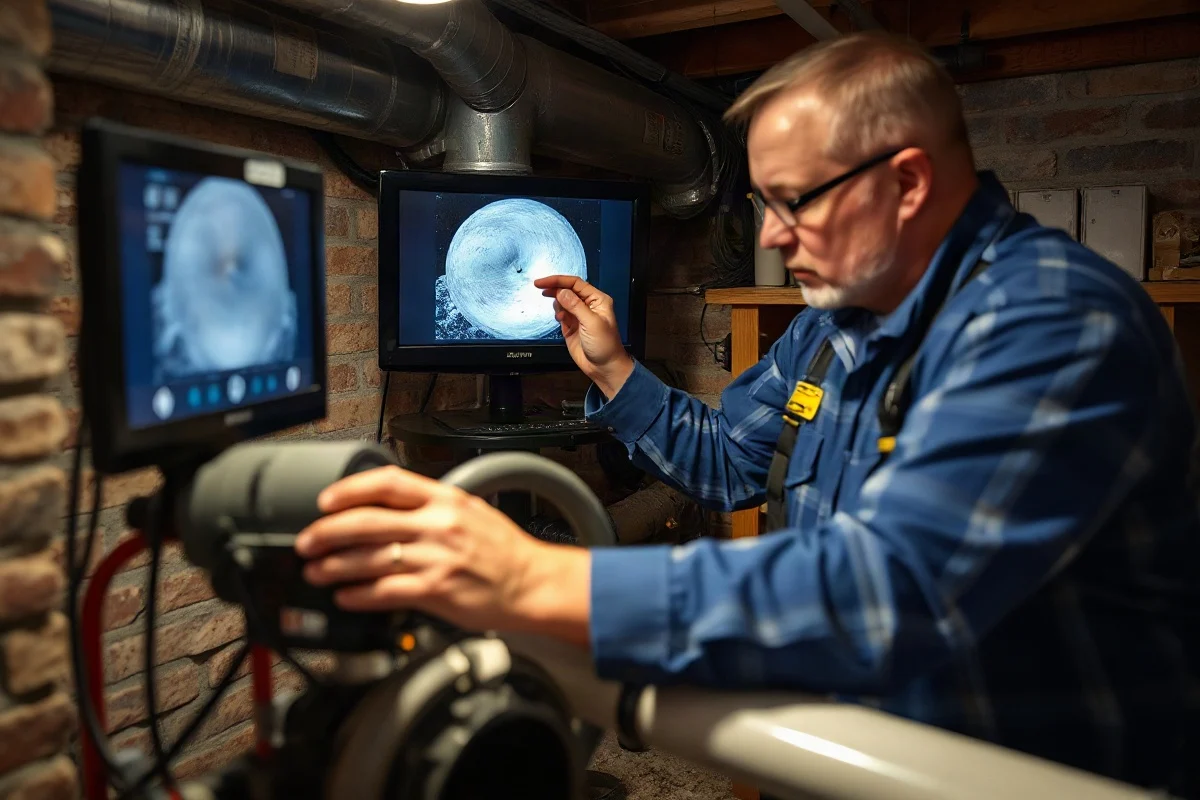
A sewer camera cannot always find a small leak because it shows the inside of the pipe, not every path water takes through the pipe wall, joints, surrounding soil, or nearby plumbing. A tiny opening may not be visible, may sit above the waterline, or may leak only under certain flow or soil conditions. Camera inspection is useful diagnostic evidence, but a normal-looking video does not automatically prove that a sewer line is watertight.
What a sewer camera can and cannot show
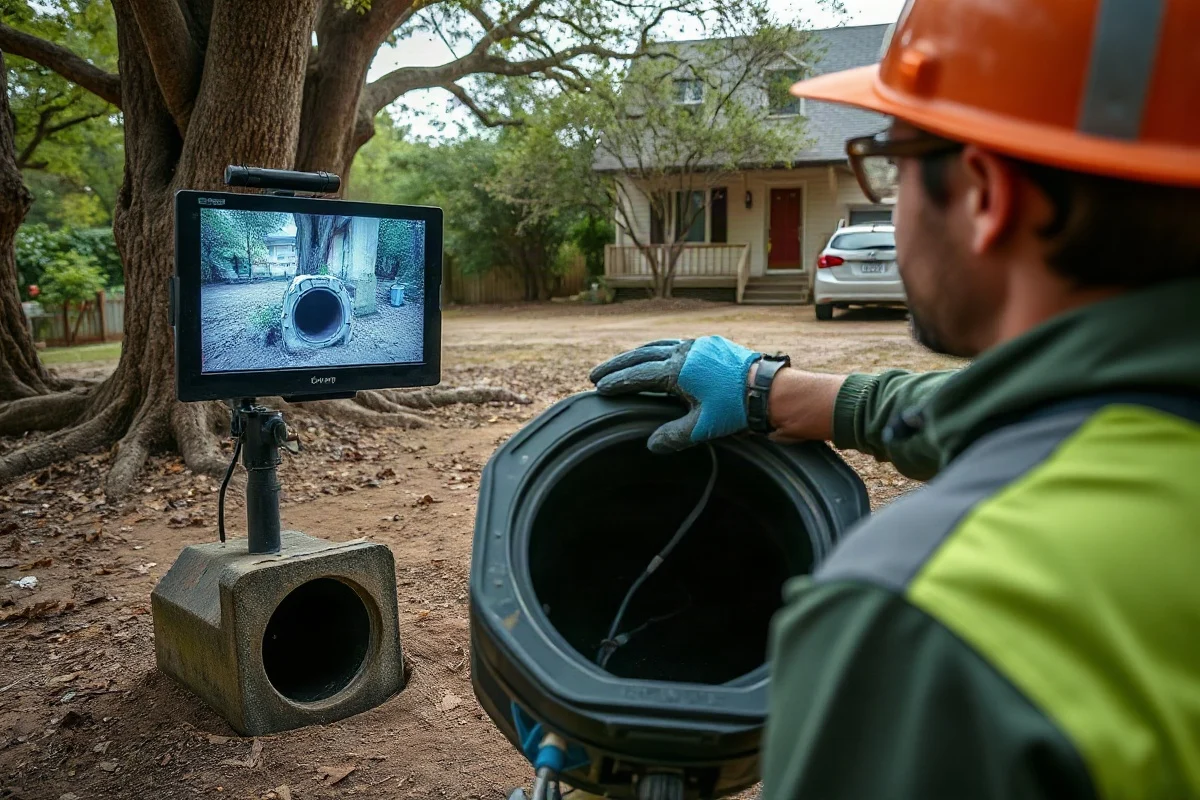
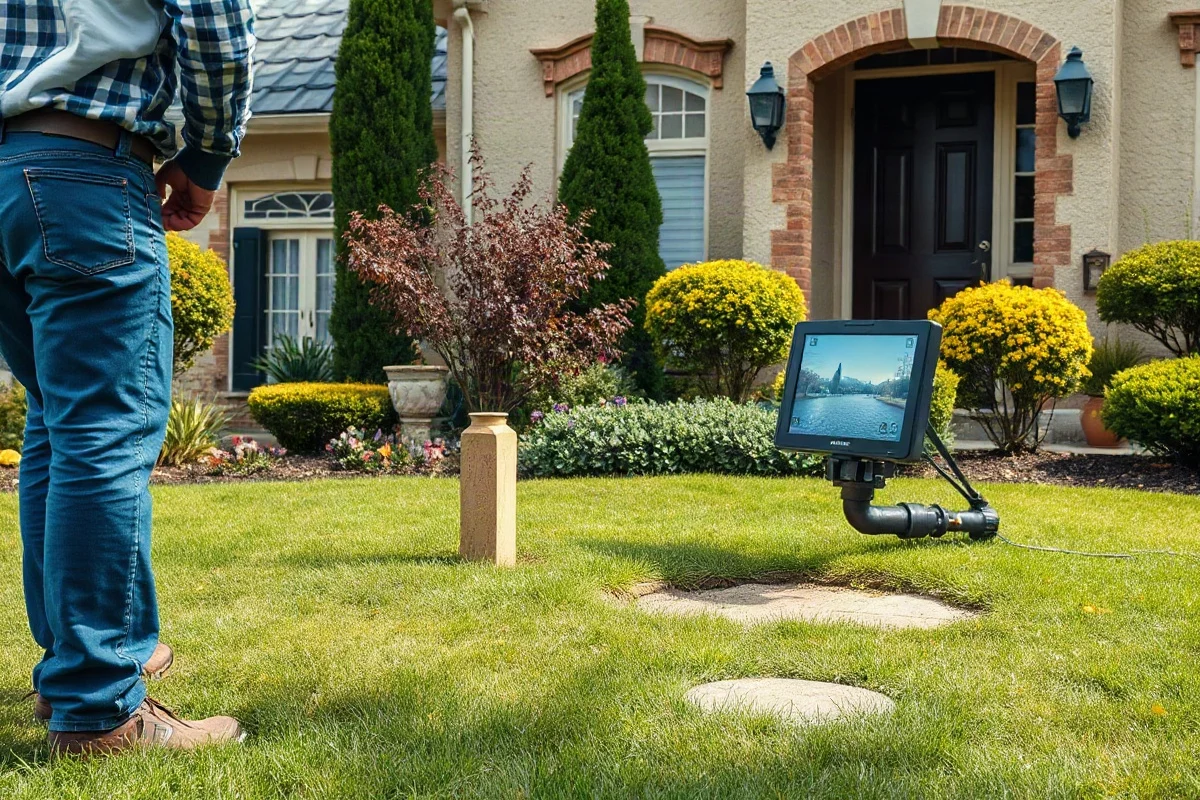
During a drain camera inspection, a flexible camera travels through an accessible cleanout or drain opening. The technician can usually observe the pipe’s interior surface and document conditions such as heavy buildup, tree roots, offsets, breaks, collapsed sections, or objects blocking the line. The recording can also show whether the camera reaches a particular section of pipe.
However, the camera has limits. It does not directly measure every small loss of water, identify all leaks outside the pipe, or confirm that buried joints remain sealed under every operating condition. The lens may pass over a narrow defect without showing it clearly, especially when the pipe contains water, sediment, grease, mineral deposits, or cloudy flow.
Why a small sewer leak can be missed
The opening may be too small to see
A hairline crack or pinhole may be difficult to distinguish from a normal seam, surface stain, scratch, or manufacturing mark. Older pipes can have irregular interiors, and deposits may cover the edges of a defect. Camera resolution, lighting, focus, and the position of the lens all affect what appears on the screen.
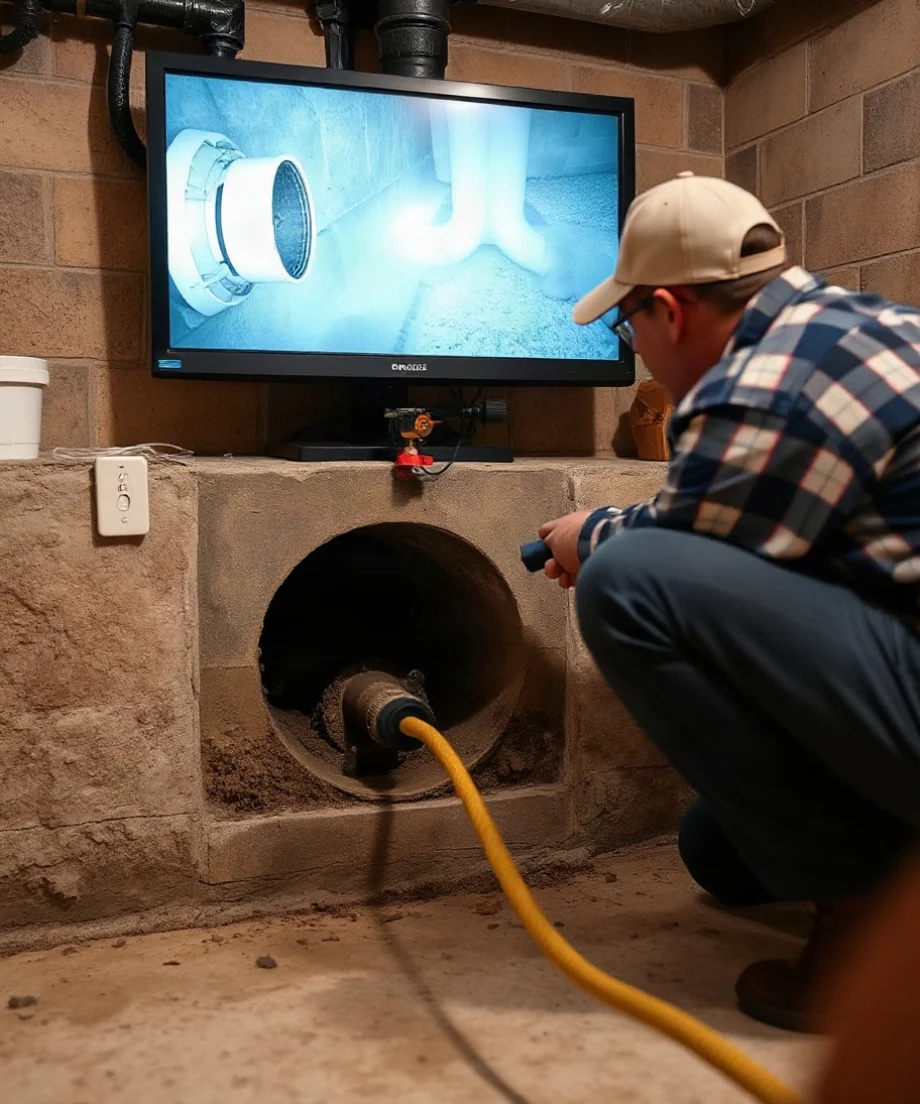
A camera may identify a clearly broken pipe, but a very small defect can remain uncertain. A responsible technician should explain that uncertainty rather than treating an inconclusive image as proof that the pipe is either perfect or definitely leaking.
The leak may be above the waterline
Many inspections are performed while water is flowing through the line or after water has collected in a low section. If a small hole is located above the temporary waterline, no water may be passing through it during the inspection. The camera can travel past the opening without showing active leakage.
Even when the pipe is mostly empty, a defect may not produce a visible drip. Water can move slowly through a joint, absorb into surrounding soil, or escape only when the line is carrying a larger volume than the inspection flow.
Water may escape at a joint or connection
Pipe joints can be difficult to evaluate from the interior. A narrow separation, failed seal, or slight shift may allow water to move outside the pipe without creating a dramatic gap in the video. In some systems, the camera sees the joint face but cannot determine how well the joint seals when the pipe is under real operating conditions.
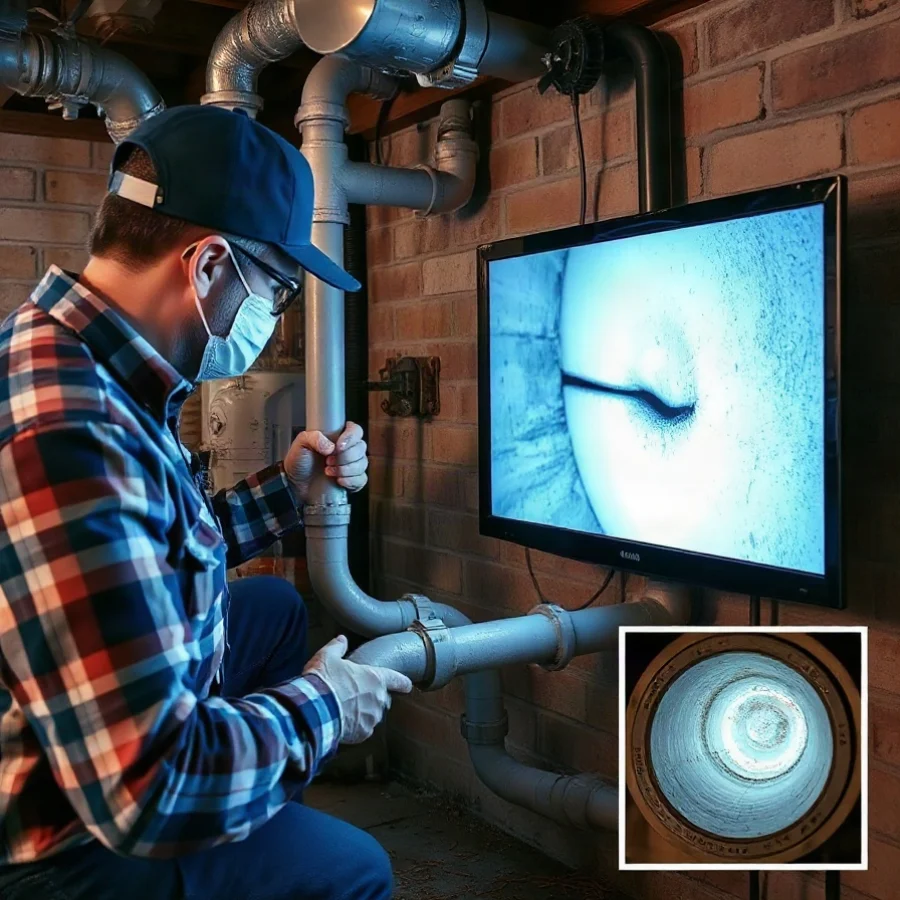
Connections to a building drain, a cleanout, a repair sleeve, or another pipe can create additional areas of uncertainty. A camera inspection may show that the camera crossed a connection, but that alone does not establish that the connection is leak-free.
The defect may be outside the camera’s view
A sewer camera follows the pipe interior. It does not inspect the entire surrounding trench, soil, foundation, or building structure. Water appearing near a sewer line may come from a separate source, such as a water supply line, foundation drainage, roof runoff, a leaking fixture, or condensation.
Likewise, a sewer odor or damp area does not identify the exact leak location by itself. Several plumbing lines may run close together, and water can travel along soil, gravel, framing, or a pipe exterior before becoming visible in a different place.
Debris, water, and pipe shape can obscure the image
Grease, sludge, scale, roots, and standing water can hide portions of the pipe wall. A sharply angled fitting may prevent the camera from viewing the far side of the pipe. A damaged or flattened section can also restrict movement or force the camera to point away from the area that matters most.
If the camera cannot reach the full line, the inspection should be described as limited. Ask which sections were inspected, where the camera stopped, and whether the technician saw an obstruction, a difficult bend, or another access problem.
Symptoms that may suggest a hidden sewer leak
A small sewer leak does not always produce obvious indoor damage. Possible warning signs include persistent sewer odors, damp or unusually soft soil near a buried line, recurring drainage problems, unexplained sinkholes or depressions, sewage-contaminated standing water, or repeated backups after the line has been cleared.
Inside a building, you might notice staining, musty odors, damaged flooring, or moisture near a drain route. These signs are not proof of a sewer leak. They can also result from a fixture leak, a failed drain connection, groundwater, a foundation issue, or a supply pipe leak.
Some symptoms require prompt professional attention. Sewage exposure, major flooding, rapidly worsening damage, or a suspected concealed leak should not be handled as a routine do-it-yourself project. Keep people and pets away from contaminated water, avoid contact with electrical equipment in wet areas, and contact a qualified local professional.
Safe checks a homeowner can perform
Homeowners can gather useful information without opening buried pipe or entering a contaminated area. First, note when the problem occurs. Does an odor appear after several fixtures discharge, during heavy rain, or only when a particular toilet, shower, or sink is used? Does the damp area grow after laundry or large-volume drainage?
Check visible fixtures and exposed connections for dripping water, loose traps, stains, or moisture. Look under sinks, around toilet bases, near cleanouts, and around accessible basement or crawl-space piping. Use a flashlight and avoid removing covers or entering areas that are unstable, poorly ventilated, or contaminated.
You can also monitor your water meter when every fixture is off, if your water provider’s equipment allows you to do so safely. A change in the meter reading may suggest a water-supply leak, but it does not diagnose a sewer leak because sewer lines normally carry water away from the building rather than continuously supplying it.
Do not pour harsh chemicals into a drain to test a suspected sewer leak. Chemical drain products can create health hazards, damage some plumbing materials, and complicate professional inspection. Do not dig near a buried line based only on a damp spot, and do not open a sewer cleanout if sewage may discharge under pressure.
Tests that may be needed after a camera inspection
If symptoms continue but the video is inconclusive, a qualified plumber may recommend another diagnostic method. The appropriate test depends on the plumbing layout, the suspected location, and the risk of releasing water or smoke inside the building or onto the property.
A water or isolation test may help determine whether a section of pipe holds water under controlled conditions. This is not a casual homeowner test: blocked lines, fragile pipes, or incorrect testing can cause overflow or additional damage.
Smoke testing can sometimes reveal pathways from a drain or sewer system into a building or surrounding area, but it must be performed with proper equipment and precautions. Dye testing may help distinguish one plumbing source from another in some situations. Acoustic or electronic leak-detection tools may be useful for certain pressurized water lines, although they are not universal solutions for gravity sewer pipes.
When water is found outside a pipe, a professional may also compare the sewer layout with other supply, drainage, and foundation systems. The goal is to identify the source rather than assume that the nearest pipe is responsible.
Repair or replacement: what the evidence should show
A small suspected leak does not automatically mean the entire sewer line must be replaced. The decision should consider the confirmed defect, pipe material and condition, accessibility, depth, surrounding structures, recurring symptoms, and whether other defects are likely to fail.
Localized repairs may be reasonable when the problem is clearly limited and the remaining pipe is in usable condition. Depending on the system, options can include repairing an accessible connection, replacing a damaged section, or using a professionally selected lining or other trench-minimizing method. Not every pipe or leak is suitable for every repair technique, so ask the contractor to explain the limits and expected outcome.
Replacement may be more practical when the line has multiple breaks, severe deterioration, collapse, extensive root intrusion, repeated failures, or a shape that prevents reliable repair. A camera report should support that recommendation with clear locations, images, and an explanation of why a narrower repair is unlikely to solve the problem.
If the issue involves a building sewer, buried piping, sewage exposure, excavation, or work that may affect structural areas, use a qualified local professional. You can review general information about sewer line problems, but online guidance cannot confirm the condition of a concealed pipe.
Factors that affect the cost of diagnosis and repair
There is no reliable single price for investigating a suspected small sewer leak. Cost can depend on access to cleanouts, the length and route of the line, whether the camera reaches the suspected section, the need for cleaning before inspection, and whether additional testing is necessary.
Repair costs can also change with pipe material, depth, soil, landscaping, concrete or flooring above the line, nearby utilities, water damage, disposal of contaminated material, and the selected repair method. A contractor may need to separate diagnostic work from excavation, restoration, or replacement rather than offering one vague total.
Ask for a written description of what was inspected, what was confirmed, what remains uncertain, and which work is optional versus urgent. If a recommendation is based on a suspected leak that was not visible, consider obtaining another opinion before authorizing extensive excavation, unless active sewage discharge or major damage makes immediate action necessary.
How to choose the right plumbing professional
Look for a contractor who regularly handles sewer diagnostics and can provide the inspection recording or clear still images. Ask whether the camera entered from a cleanout, a fixture opening, or another access point, and whether the entire suspected route was reached.
A useful report should identify approximate locations, describe visible defects, note sections that could not be inspected, and distinguish observed facts from assumptions. Be cautious of anyone who claims that a camera can prove every buried pipe is leak-free or who recommends replacement without explaining the evidence.
Before work begins, ask how the contractor will protect the building and property, manage sewage or contaminated water, and verify the repair. Confirm the scope in writing and ask which parts of the work are covered by the contractor’s written terms. Licensing, insurance, permits, and code requirements vary by location, so verify applicable requirements with the appropriate local authorities or a qualified local professional rather than relying on a general online statement.
For related questions about inspection methods, you can review this drain camera inspection guide and information about leak repair. If sewage is backing up, water is spreading quickly, or the condition presents an immediate risk, seek qualified local emergency help through an emergency plumber.
What a clear diagnosis should accomplish
The purpose of a sewer camera is not simply to produce video. It is to help connect symptoms with a specific plumbing condition and guide a proportionate repair. A normal or incomplete camera view can rule out some major problems, but it may not settle the question of a small leak.
When the evidence does not match the symptoms, pause before assuming the problem is imaginary or authorizing the most extensive repair. Document when the symptoms occur, ask what portion of the line was actually inspected, and use additional testing when a qualified professional believes it is appropriate. That measured approach can reduce unnecessary digging while still addressing a concealed leak before it causes more damage.
Comments
0No comments yet. Be the first to share a helpful note or question.
Leave a Comment
Your email address will not be published. Comments are reviewed before appearing on the site.