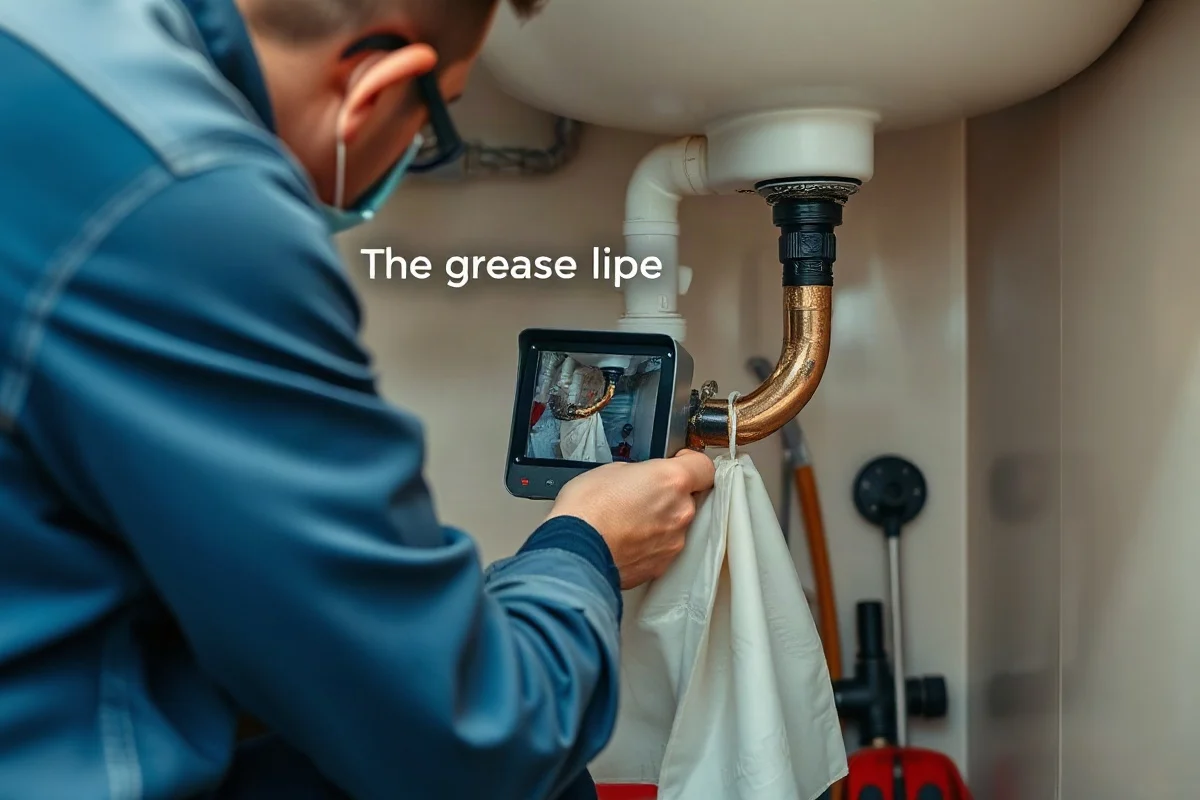
If a drain camera inspection finds grease buildup, the usual next step is to remove the accumulation and then verify that water flows freely. A professional may recommend mechanical drain cleaning, hydro jetting, or another method based on how thick the grease is, where it sits, and whether the pipe has additional damage. Grease alone does not automatically mean the pipe needs replacement, but the camera’s location, the condition of the pipe, and your recurring symptoms all matter.
What a camera inspection can reveal
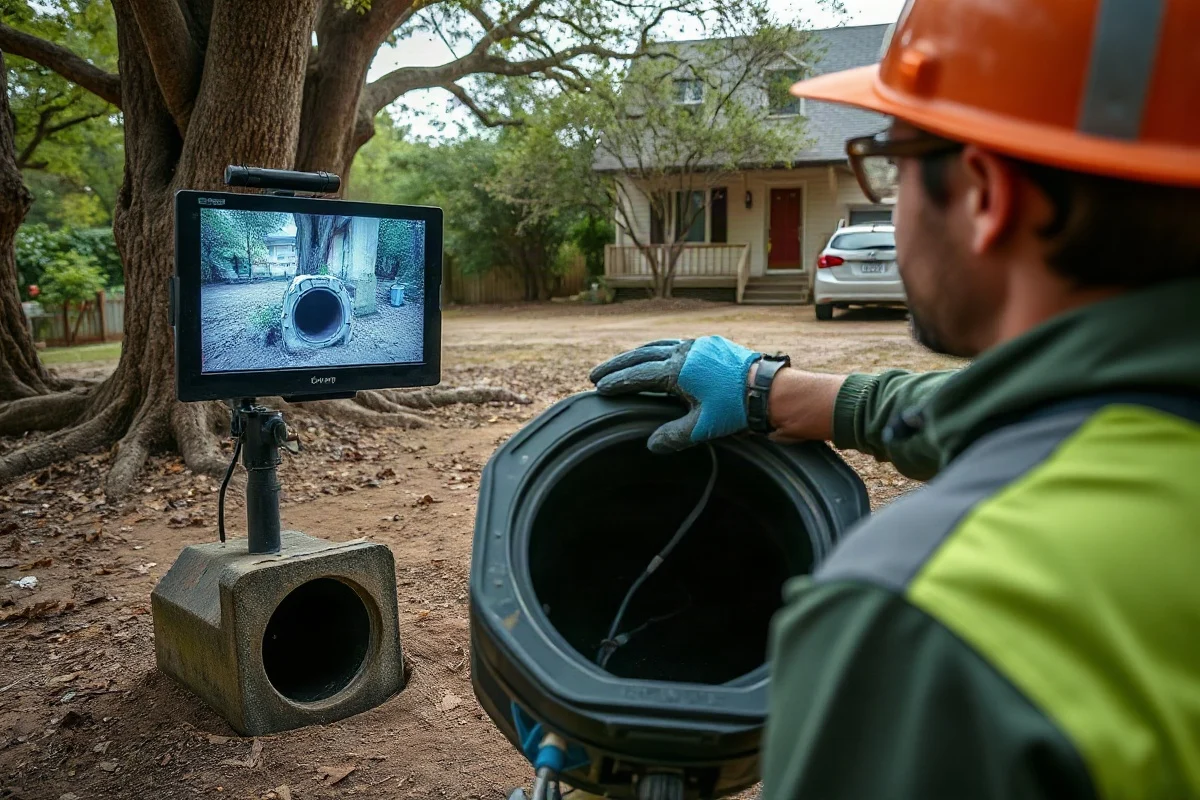
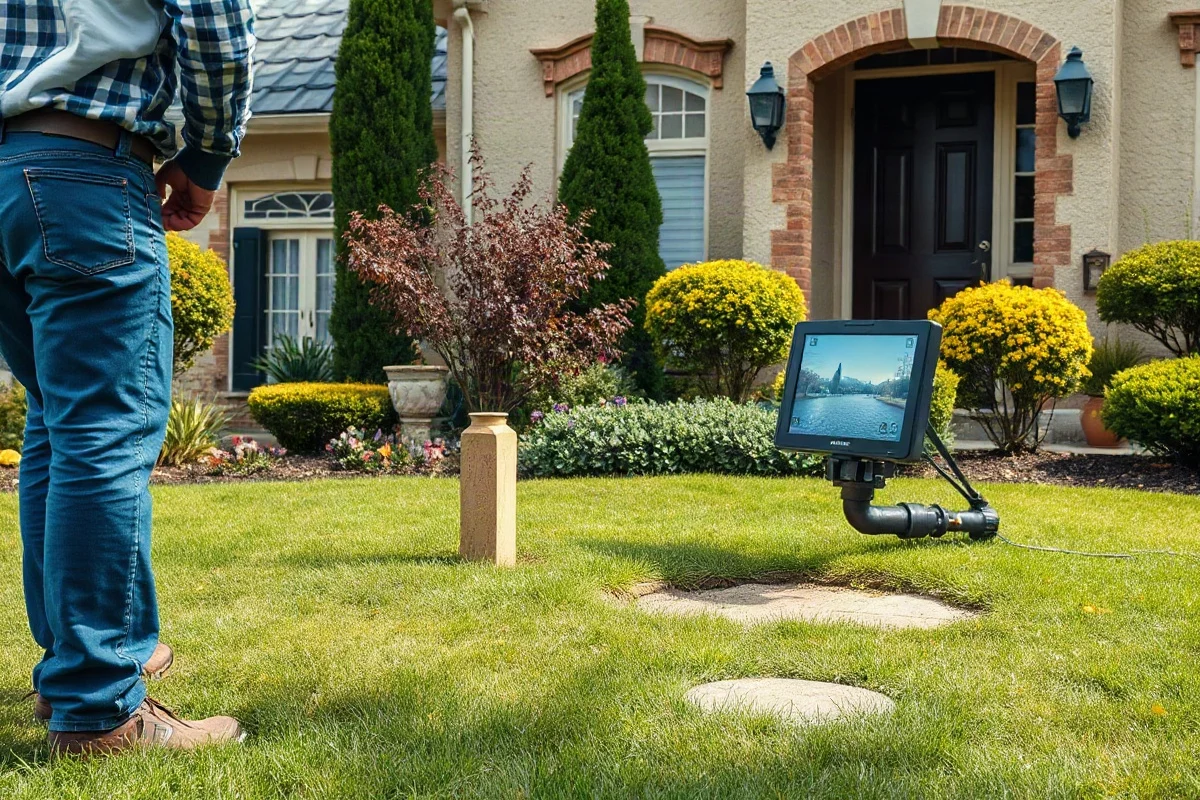
A drain camera gives a plumber a view inside a pipe that cannot be evaluated reliably from the fixture opening alone. The video may show a soft layer of cooking grease, a hardened mass, standing water, a partial blockage, a cracked section, roots, corrosion, or a pipe that has settled out of alignment.
Grease buildup is especially common in kitchen drain lines. Fats, oils, and grease can enter the pipe as a liquid, then cool and stick to the interior walls. Food particles, soap residue, and other debris can attach to that coating. Over time, the passage becomes narrower, so the drain may empty slowly or back up when several fixtures discharge at once.
The inspection should identify more than the presence of grease. Ask the plumber where the buildup begins, how far it extends, whether the pipe is still open, and whether the video shows structural damage. If the camera could not pass a blockage, the footage may not show everything beyond that point. That limitation is important when deciding what work is justified.
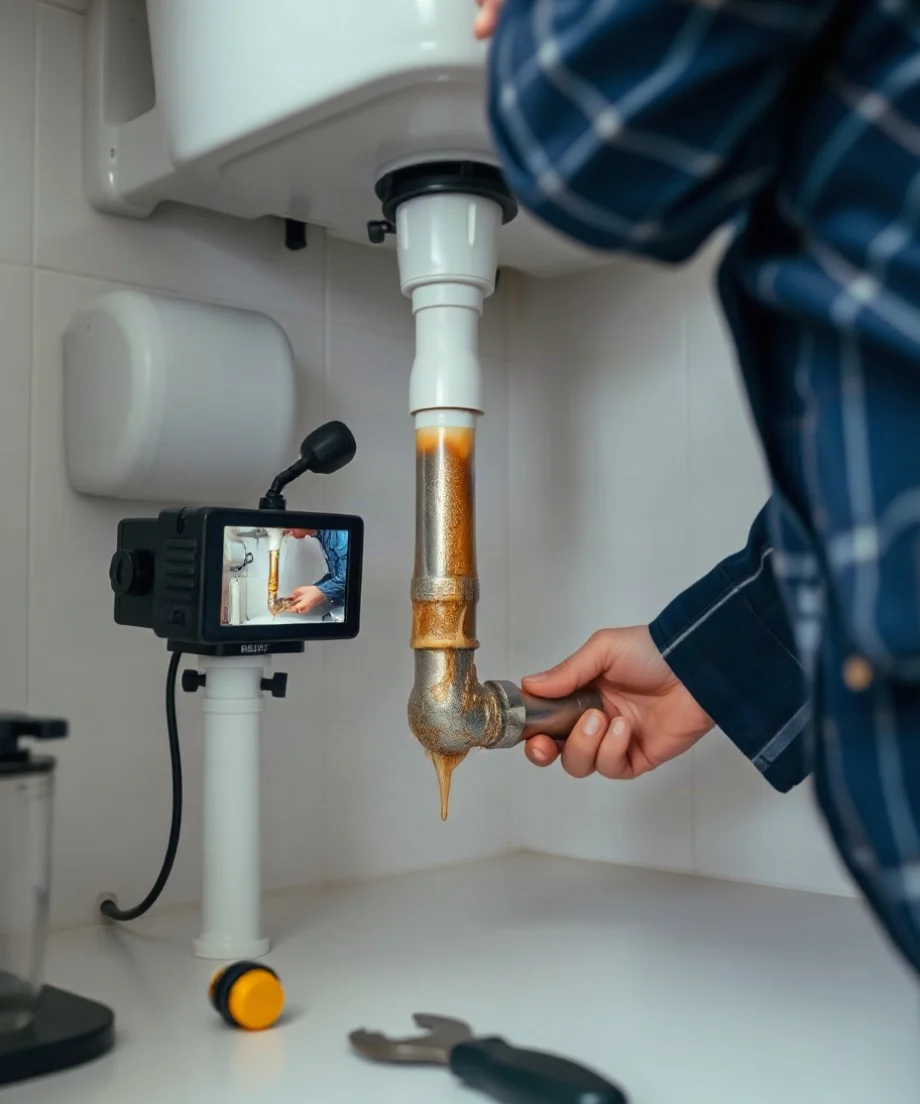
What usually happens after grease is found
1. The plumber confirms the location and severity
Before cleaning, the plumber should explain whether the grease is near the kitchen sink, farther along a branch line, or in a larger building drain. A small accumulation close to the sink may be treated differently from heavy buildup along a long run. The number of affected fixtures also provides clues. If only one sink drains slowly, the restriction may be nearby. If several fixtures back up, the problem may be farther downstream.
Ask for a practical explanation rather than relying only on a general statement such as “the line is dirty.” You should understand whether the issue is a partial obstruction, a nearly blocked pipe, or a maintenance concern that has not yet caused a severe backup.
2. The line is cleaned using an appropriate method
For light or moderate buildup, a plumber may use a drain machine with a cable or specialized cutting head to open the passage. This can restore flow, but it may not remove every layer of grease from the pipe walls.
Hydro jetting uses pressurized water to scour debris from the inside of a suitable pipe. It can be effective for extensive grease, but it is not appropriate for every line or every pipe condition. A professional should consider the pipe’s material, age, visible damage, access points, and structural integrity before recommending it. High-pressure cleaning should not be treated as a guaranteed solution for a cracked, collapsed, or severely deteriorated pipe.
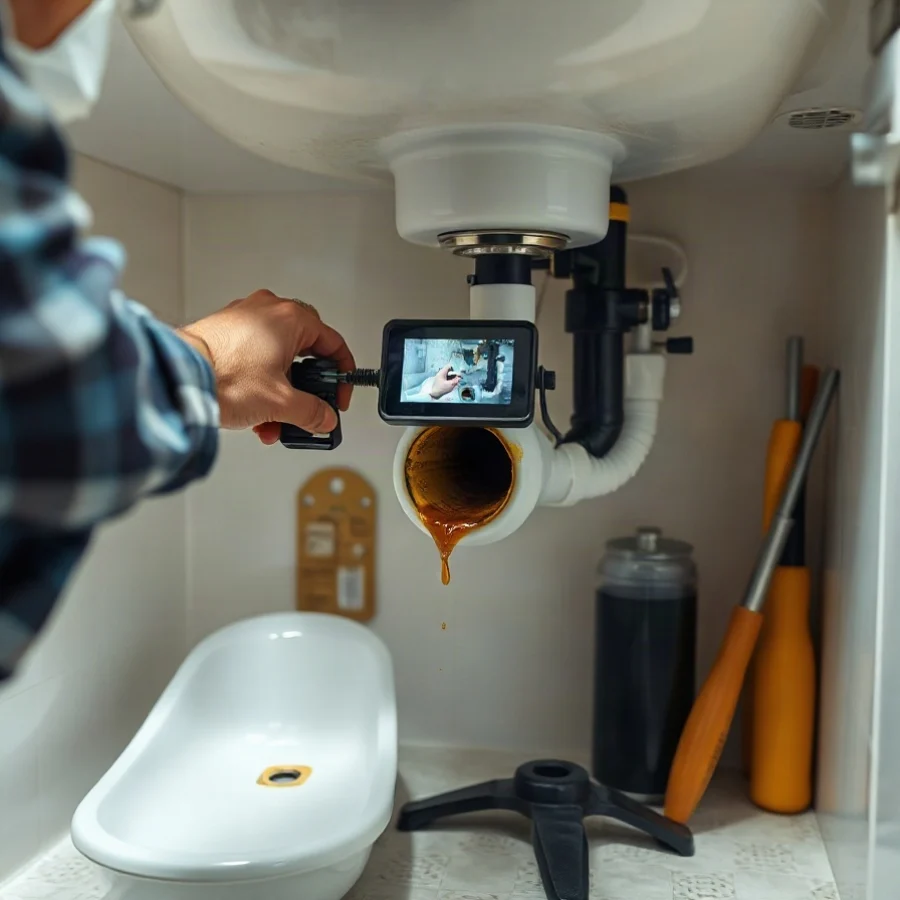
Chemical drain cleaners are generally a poor response to camera-confirmed grease buildup. They may fail to remove the obstruction, can create hazardous splash or vapor conditions, and may complicate later work. Never mix drain chemicals, and tell the plumber if any product has already been poured into the line.
3. The plumber tests the drain
After cleaning, the plumber may run water through the fixture, test several connected fixtures, or perform another camera pass. The purpose is to confirm that the line is open and to check whether significant residue remains. A successful flow test does not prove that grease will never return, but it helps distinguish a cleared obstruction from a temporary opening.
If the camera shows a clean, intact pipe after service, prevention may be the main focus. If grease remains because the equipment could not reach the entire area, the plumber should explain that limitation and identify the next reasonable step.
Why grease buildup keeps coming back
Recurring grease problems usually involve disposal habits, a poorly flowing section of pipe, or both. Pouring cooking oil, bacon fat, pan drippings, sauces, or oily liquids into a sink allows residue to cool inside the drain. Even when hot water carries the grease away temporarily, it can harden farther along in a cooler portion of the line.
Some kitchens also have a long horizontal drain run, limited slope, or a section that collects water. Those conditions can make residue settle more easily. A camera inspection may show symptoms of poor drainage without identifying the original design or installation cause. If the same line repeatedly needs cleaning, ask whether the plumber sees a structural or configuration issue rather than treating each blockage as an isolated event.
Safe checks homeowners can make
Homeowners can perform a few low-risk checks before the appointment or while deciding how urgently to respond:
- Note which fixtures are slow, backing up, or making gurgling sounds.
- Check whether the problem occurs only when the dishwasher or washing machine drains.
- Look under the sink for visible leaks, loose connections, or water damage, but do not disassemble a connection containing chemical drain cleaner.
- Remove and clean the sink strainer if it is visibly coated with food residue.
- Stop pouring grease and oil down the drain. Let cooled grease solidify and place it in a container or follow your local disposal guidance.
- Keep a record of previous cleanings, backups, and any products used in the drain.
A plunger may help with a simple, localized sink blockage when no chemical cleaner is present, but forceful or repeated plunging will not remove a long stretch of hardened grease. Avoid poking into the drain with improvised tools that could damage a disposal, trap, or pipe connection.
Do not open a drain line if sewage is present, if wastewater has flooded cabinets or flooring, or if you suspect contaminated water exposure. Wear appropriate protection and use qualified local help for sewage cleanup or a serious backup.
When cleaning is enough—and when replacement may be needed
Cleaning is often a reasonable option when the pipe is structurally sound, the buildup is the primary restriction, and the line responds normally afterward. A professional may recommend maintenance cleaning if the pipe is intact but repeatedly accumulates grease because of heavy kitchen use.
Replacement or repair becomes more likely when the camera shows a collapse, major crack, separated joint, severe corrosion, persistent offset, or another condition that cleaning cannot correct. A damaged pipe can collect grease more readily, so repeated cleaning may provide only short-term relief. If a plumber recommends replacing a section, ask to see the relevant camera footage and request an explanation of why cleaning alone is unlikely to last.
Pipe replacement is a larger decision than drain cleaning. The best approach may depend on access, the pipe’s location, the extent of damage, and whether excavation or interior access is needed. Do not approve invasive work based only on a vague claim that the line is “old.” Ask what was observed, what alternatives exist, and what could happen if the work is postponed.
Cost factors to discuss before authorizing work
Drain service prices vary by location and by the actual conditions at the property, so a camera finding cannot support a reliable universal estimate. Before work begins, ask how the company charges for inspection, cleaning, additional camera footage, equipment, travel, after-hours service, and any follow-up visit.
The main cost factors may include the length and accessibility of the line, the severity of the grease, the cleaning method, the number of fixtures involved, and whether a second camera inspection is needed. A difficult access point or a blockage deep in the building drain can require more time than a kitchen branch line that is easy to reach.
If repair or replacement is proposed, request a written scope describing the affected section, the access method, restoration responsibilities, and any exclusions. Ask whether the quoted work addresses only the current blockage or also a confirmed structural defect. Avoid choosing solely on the lowest initial number if the scope is incomplete.
How to choose the right plumber
Look for a company that regularly handles drain camera inspections and grease-related blockages, not just fixture repairs. A qualified local professional should be willing to explain the findings in plain language, show relevant images or video when available, and separate observed damage from possible causes.
Before scheduling, ask:
- Will the inspection identify the location and condition of the blockage?
- What cleaning methods are available for this type of buildup?
- Will the plumber test the line after cleaning?
- What happens if the camera cannot pass the obstruction?
- Will I receive a written description of recommended repairs and exclusions?
- Is the person performing the work qualified for the type of plumbing service involved in my area?
For help comparing service categories, you can review this guide to professional drain cleaning. If the inspection reveals damage beyond a simple blockage, information about pipe repair or sewer line problems may help you prepare better questions.
Preventing another grease blockage
The most effective prevention is keeping fats, oils, and grease out of the drain. Scrape pans into the trash or an appropriate container before washing them. Wipe oily cookware with a paper towel when practical, and use a sink strainer to catch food particles. Do not assume that a garbage disposal can safely process grease; it can still travel into the drain and adhere to the pipe.
Use hot tap water and ordinary dish soap only as part of normal washing, not as a substitute for proper grease disposal or professional cleaning. If the line has a history of backups, monitor how quickly it drains and arrange an evaluation when symptoms return rather than waiting for wastewater to overflow.
A camera inspection that finds grease is useful because it replaces guesswork with visible evidence. The appropriate response is usually to clean the line, test the result, and address the habits or pipe conditions that allowed the buildup to develop. When the video shows structural damage, sewage, flooding, or a concealed problem, stop at the low-risk checks and use a qualified local plumber.
Comments
0No comments yet. Be the first to share a helpful note or question.
Leave a Comment
Your email address will not be published. Comments are reviewed before appearing on the site.