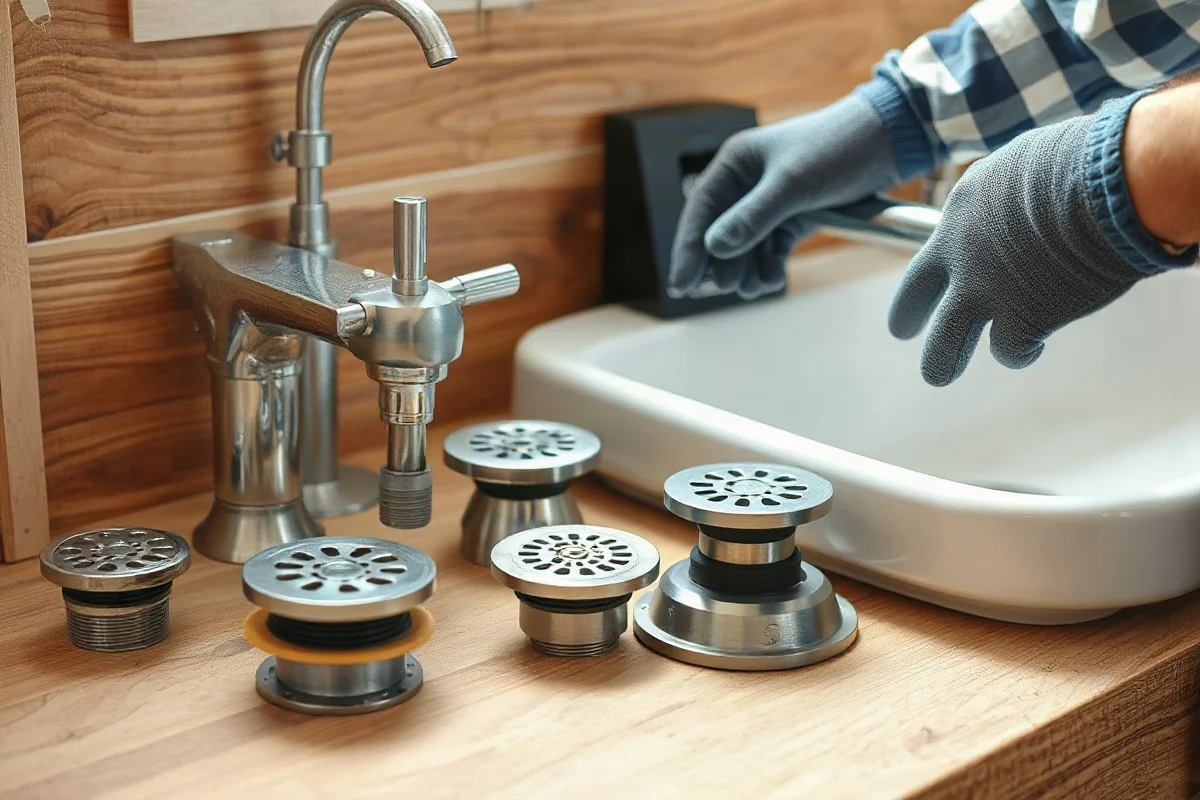
The most common types of sink drains are basket strainers, pop-up drains, grid drains, lift-and-turn drains, and garbage disposal flanges. Kitchen sinks most often use a basket strainer or a disposal flange, while bathroom sinks commonly use a pop-up drain, grid drain, or stopper-style drain. The right choice depends on the sink opening, the faucet and cabinet layout, whether the sink has a garbage disposal, and how you want to control water flow.
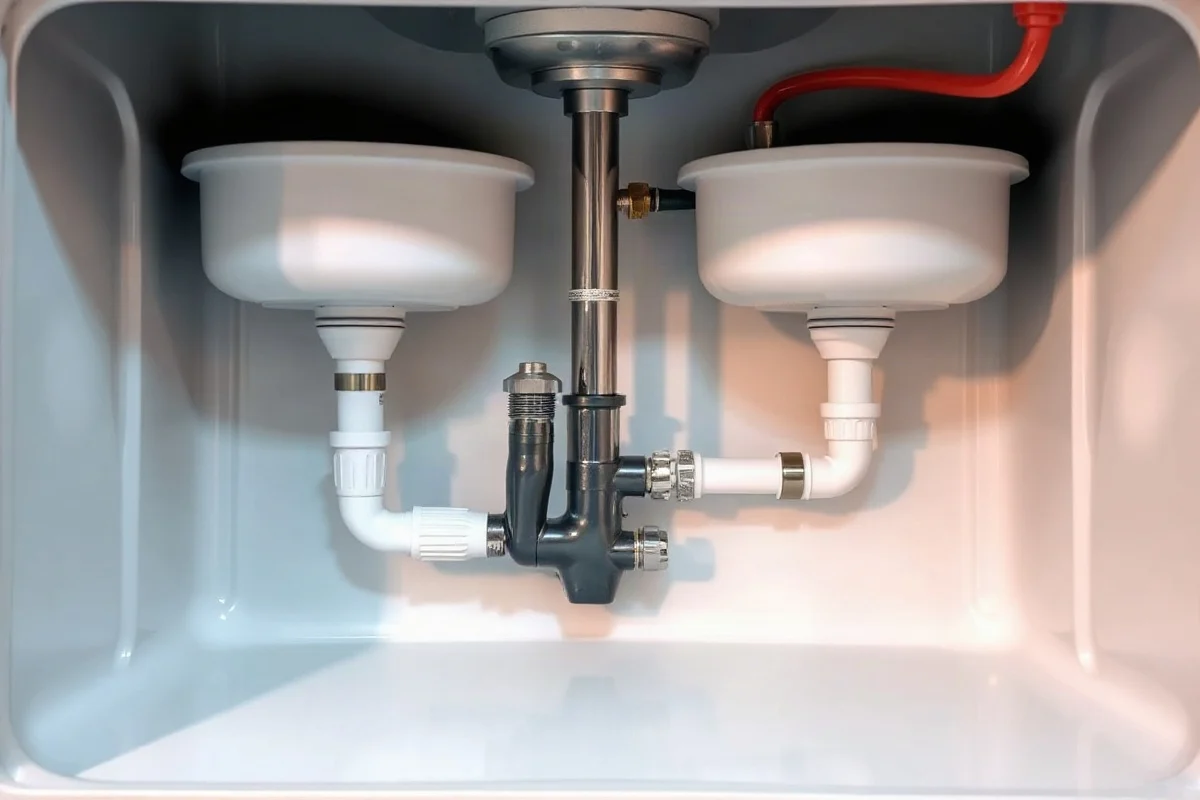
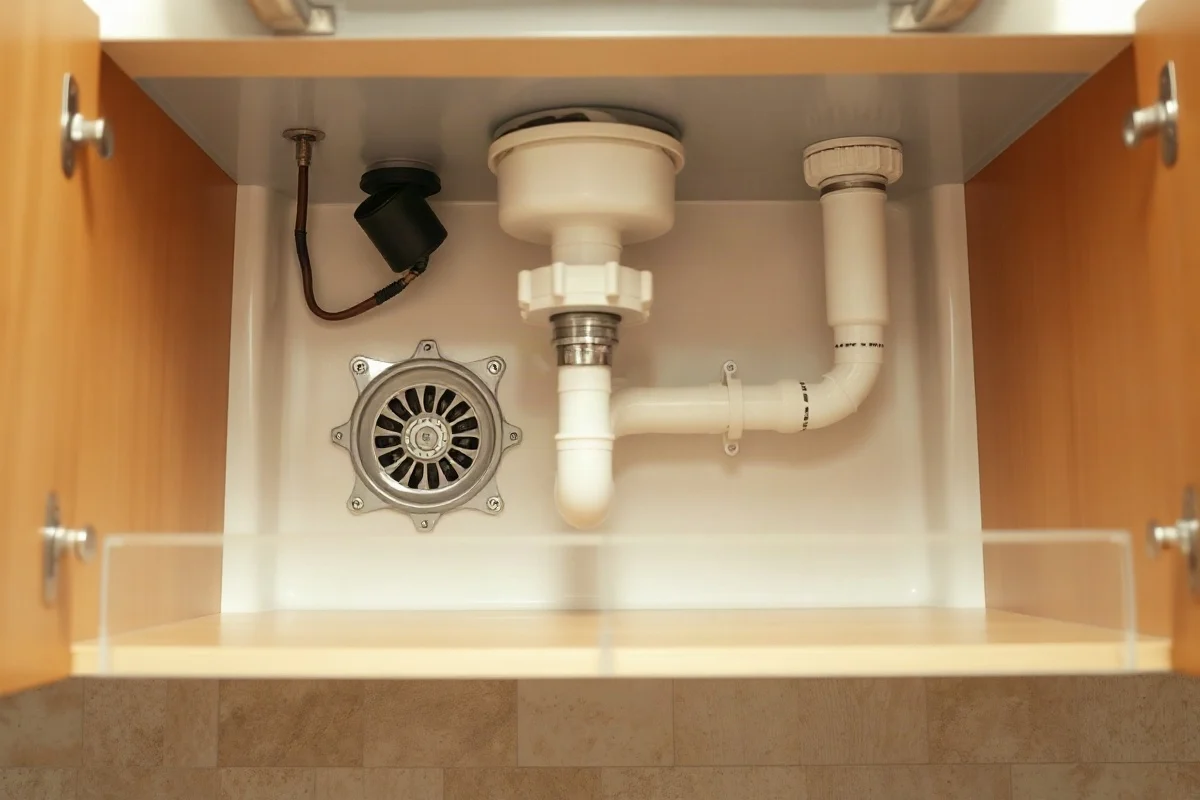
A sink drain is more than the visible metal or plastic opening in the basin. The assembly usually includes a flange or drain body, a seal, a retaining nut, a tailpiece, and a trap that blocks sewer gases from entering the room. Some drains also include a stopper, strainer basket, overflow connection, or disposal mounting ring. Understanding these parts makes it easier to identify a problem and decide whether a simple cleaning is appropriate or a professional repair is safer.
Common types of sink drains
Basket strainer drains
A basket strainer is the standard drain assembly for many kitchen sinks. It has a wide metal or plastic flange at the top and a removable basket that catches food scraps and other debris before they enter the drainpipe. Depending on the design, the basket may have a stopper that lets the sink hold water or a strainer insert intended mainly to keep solids out of the plumbing.
Basket strainers are available for single-bowl, double-bowl, and deeper workstation sinks. They may also be used in utility or laundry sinks. A properly installed strainer should sit firmly in the sink opening without spinning, rocking, or allowing water to seep around its rim.

Garbage disposal flanges
A garbage disposal flange is the drain opening designed to connect a sink to a disposal unit. It looks similar to a regular basket strainer from above, but its lower mounting system is different. The flange attaches to the disposal beneath the sink, and the disposal then connects to the drain piping.
Not every kitchen sink needs a disposal, and a sink with two bowls may have one standard basket strainer and one disposal flange. The flange must match the disposal's mounting system. If the sink is being remodeled, replacing a disposal or changing the sink material, have the installer confirm that the flange, sink opening, and disposal connection are compatible.
Never put your hand into a disposal to investigate a noise or blockage. Turn off the appliance and disconnect its power according to the manufacturer's instructions before attempting any safe, visible check. If the unit is jammed, leaking, electrically unsafe, or making unusual noises, use a qualified professional. More guidance is available through this garbage disposal repair resource.
Bathroom pop-up drains
A pop-up drain is common in bathroom sinks. A lift rod behind the faucet connects to a linkage under the basin. When the rod is pulled up or pushed down, the stopper rises or lowers so the sink can hold or release water.
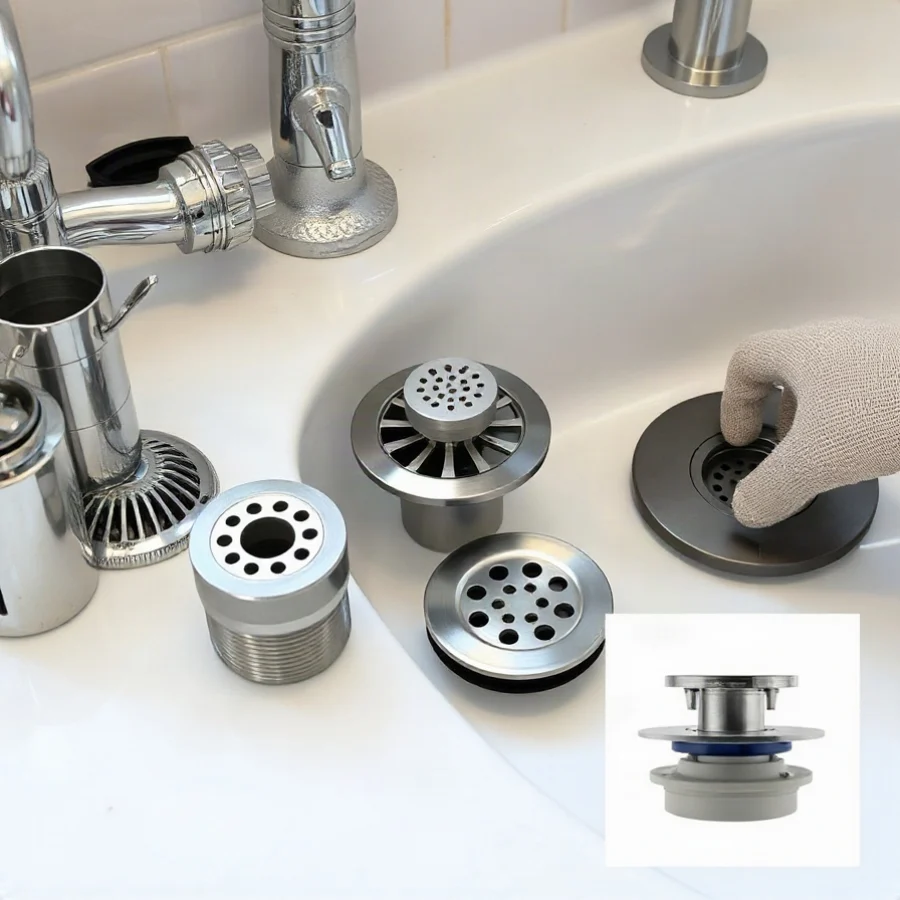
Pop-up assemblies provide convenient water control, but they have more moving parts than a simple open drain. Hair, soap residue, and mineral buildup can collect around the stopper and linkage. A loose pivot rod, worn seal, or misaligned lift rod may cause the stopper to sit too high, fail to close, or drain slowly.
Grid drains
A grid drain has a fixed grate or crossbar design rather than a removable stopper that seals the basin. It allows water to flow continuously while helping prevent larger objects from entering the drain. Grid drains are common in some bathroom sinks, vessel sinks, commercial-style basins, and utility applications.
Because a grid drain generally does not hold water, it is not the best choice when you regularly fill the basin. Its simpler design can reduce moving-part problems, but hair and residue can still collect on or below the grate. Cleaning the visible surface is a low-risk homeowner task; removing a stuck or corroded drain body may require a plumber.
Lift-and-turn and twist-lock drains
Lift-and-turn drains use a stopper that is raised or lowered by lifting and rotating it. Some similar designs use a twist-lock mechanism. These drains are often found in bathroom or utility sinks and are simpler than a faucet-connected pop-up assembly because they do not need a lift rod and linkage.
A stopper that no longer seals may have worn threads, a damaged gasket, or buildup around the drain seat. If cleaning does not restore operation, the stopper may be replaceable without changing the entire drain assembly. Matching the replacement to the existing drain body is important, since designs that look similar are not always interchangeable.
Overflow and non-overflow drains
Some bathroom sinks have an overflow opening near the upper rim. The drain assembly must be designed to work with that opening so water can enter the drain path if the basin begins to overfill. Other sinks, including many vessel and utility sinks, do not have an overflow opening and need a drain made for a non-overflow basin.
Installing the wrong type can prevent the drain from sealing correctly or leave the overflow feature ineffective. Before buying a replacement, look inside the basin for an overflow slot or hole and check the product details for compatibility. If the sink is difficult to access or the drain is already leaking into the cabinet, a qualified local plumber can verify the setup.
Symptoms that point to a sink drain problem
Different symptoms suggest different causes:
- Water drains slowly: Hair, soap, food particles, grease, or buildup may be restricting the stopper, tailpiece, trap, or branch drain.
- Water leaks around the top flange: The drain seal may be loose, damaged, or incorrectly installed.
- Water leaks below the sink: A slip-joint connection, tailpiece, trap, disposal connection, or drain gasket may be leaking.
- The stopper will not hold water: The stopper, gasket, lift-rod linkage, or drain seat may be worn or misaligned.
- Bad odors come from the drain: Food residue, biofilm, a dirty stopper, or a trap problem may be involved.
- Gurgling or repeated backups: A deeper blockage, venting issue, or larger drain problem may need professional diagnosis.
A sink that backs up along with other fixtures may have a restriction beyond the sink's immediate trap. In that situation, repeatedly using chemical drain cleaner can create additional hazards and may damage some plumbing components. Consider professional drain cleaning service when a basic cleaning does not solve the problem.
Safe checks homeowners can perform
Begin by removing standing items from the sink and inspecting the visible drain opening. In a bathroom sink, lift out the stopper if it can be removed without force and clear away hair or soap residue. In a kitchen sink, remove the strainer basket and clean it in a separate container. Use gloves, avoid sharp tools, and keep your hands away from a garbage disposal opening.
For a small, localized clog, a sink plunger may help. Cover any second basin or overflow opening so pressure is directed toward the blockage. Stop if water rises unexpectedly, if the sink is connected to a disposal that behaves unusually, or if there is a leak beneath the cabinet.
You can also place a dry towel under the trap and run a small amount of water to identify a visible drip. Do not tighten plastic fittings aggressively; overtightening can distort a washer or crack a component. If water is reaching electrical equipment, the cabinet is flooding, or the leak is inside a wall or floor, shut off the water if you can do so safely and contact a qualified local professional.
When repair or replacement makes sense
Cleaning or adjusting a drain is often reasonable when the assembly is intact and the issue is limited to debris or a loose connection. A replacement stopper, washer, or basket may solve a minor problem when the drain body itself is sound.
Replacing the full drain assembly may be more practical when the flange is corroded, the drain spins while the retaining nut is tightened, the seal continues to leak, or several parts are damaged. Replacement is also common during sink installation or when changing from a standard drain to a garbage disposal. Matching the drain to the sink opening, overflow design, countertop layout, disposal connection, and existing pipe arrangement is essential.
Professional help is recommended for concealed leaks, severe corrosion, repeated backups, sewage exposure, major flooding, damaged supply or drain piping, and work that involves electrical connections or a garbage disposal. A plumber can also determine whether the visible drain is the actual source of a leak or whether water is traveling from a faucet, supply line, cabinet wall, or nearby pipe.
Factors that affect sink drain replacement cost
The final cost depends on the job rather than the drain style alone. Important factors include the selected material and design, whether the sink is easy to access, the condition of the existing drain and trap, whether a garbage disposal must be disconnected, and whether the work reveals damaged piping or cabinet moisture.
Labor may also be affected by the time needed to remove a seized or corroded assembly, clean old sealant, align the drain, test for leaks, and restore connections. A straightforward stopper replacement is different from replacing a drain that is bonded to a disposal or connected to deteriorated piping. For broader planning information, see this guide to plumbing cost factors.
How to choose the right sink drain
Before shopping, record the sink brand and model if available, measure the drain opening, identify whether the basin has an overflow, and note whether the drain connects to a garbage disposal. Take a clear photo of the drain from above and below the sink. These details help prevent buying a part that looks correct but cannot seal or connect properly.
When hiring a plumber, describe the symptom, not just the part you think needs replacement. Tell the plumber whether the sink drains slowly, leaks only when full, smells, backs up into a second bowl, or affects other fixtures. Ask what they believe is causing the problem, which components they plan to repair or replace, and whether additional piping damage could be discovered after disassembly.
Choose a qualified local professional with relevant sink and drain experience, clear written scope, and transparent information about labor, parts, and any conditions that could change the work. For help comparing service questions and qualifications, review this guide to hiring a plumber.
The best sink drain is the one that matches the basin, seals reliably, handles the sink's intended use, and can be maintained without creating new problems. Simple cleaning and visible checks are reasonable first steps, but persistent leaks, concealed damage, sewage concerns, flooding, and disposal-related hazards call for qualified local help.
Comments
0No comments yet. Be the first to share a helpful note or question.
Leave a Comment
Your email address will not be published. Comments are reviewed before appearing on the site.