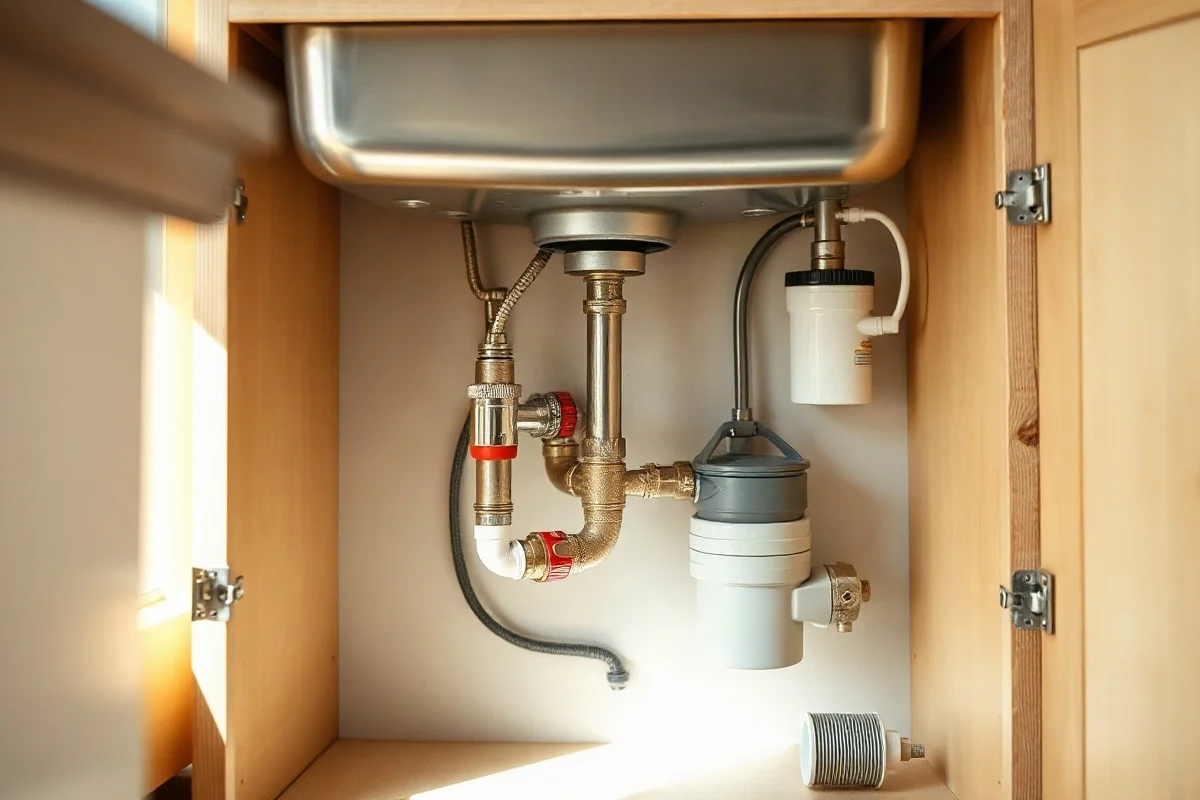
A kitchen sink should be plumbed with separate hot and cold water supply lines, a properly sealed drain connection, and a P-trap that connects to a vented drain line. The drain should slope toward the wall connection, the trap should remain accessible, and any garbage disposal or dishwasher connection should be installed without blocking drainage or creating leaks. Exact configurations vary by sink style, cabinet layout, and local requirements, so work involving wall piping, concealed leaks, electrical connections, or code-related changes is best handled by a qualified local plumber.
The Main Parts of a Kitchen Sink Plumbing System
Although the plumbing under a sink may look complicated, most residential arrangements contain a few recognizable components. Understanding their purpose makes it easier to identify a problem and describe it accurately when requesting service.
Hot and cold water supplies
Two supply lines bring water from the home’s plumbing system to the faucet. The hot-water line usually connects to the hot side of the faucet, while the cold-water line connects to the cold side. Each line should have an accessible shutoff valve, often located inside the sink cabinet. Flexible faucet connectors typically run from the shutoff valves to the faucet tails.
These connections should be tight enough to seal but not forced. A connection that is cross-threaded, overtightened, or assembled with a damaged washer can leak slowly inside the cabinet. Supply lines should also be positioned so they do not kink, rub against sharp cabinet edges, or interfere with stored items.
The faucet and sink connections
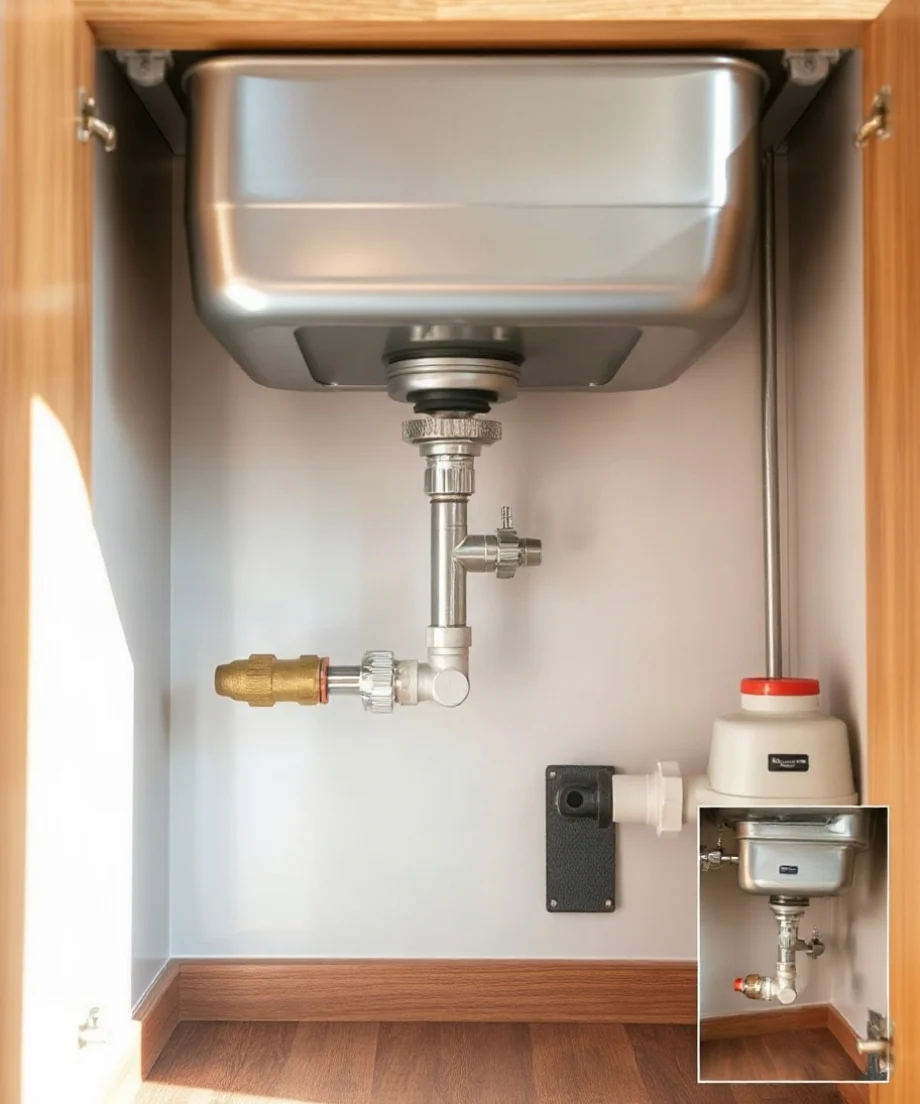
The faucet is secured through openings in the sink or countertop and sealed according to the faucet manufacturer’s installation instructions. The sink itself must sit firmly in its mounting surface. A loose sink can allow water to reach the cabinet or countertop, even when the drain connections are sound.
Water around the faucet base does not always mean the faucet body is defective. It may come from a worn seal, a loose mounting nut, water splashing around the base, or a leak in a supply connection below. Drying the area and observing exactly where fresh water first appears can help distinguish these possibilities.
The drain opening and tailpiece
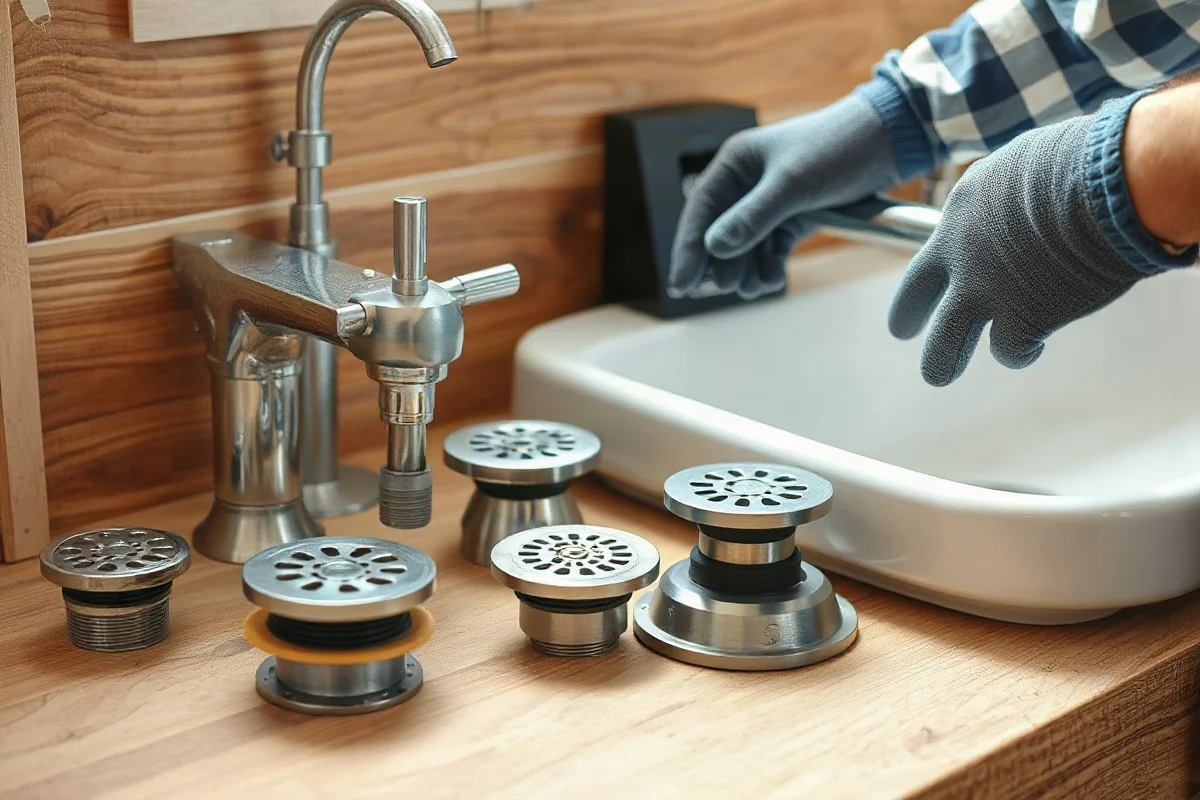
Below the sink basin, a drain fitting connects the sink opening to a short section of pipe called the tailpiece. The drain fitting uses a seal between the flange and the sink, along with parts beneath the basin that hold the assembly together. If water leaks only while the sink is draining, the drain fitting, tailpiece connection, or nearby slip joint may be responsible.
A drain assembly should not rely on excessive sealant to compensate for misaligned or damaged parts. Seals and washers need to be correctly positioned, and the pipes should line up naturally rather than being pulled into place with force.
The P-trap
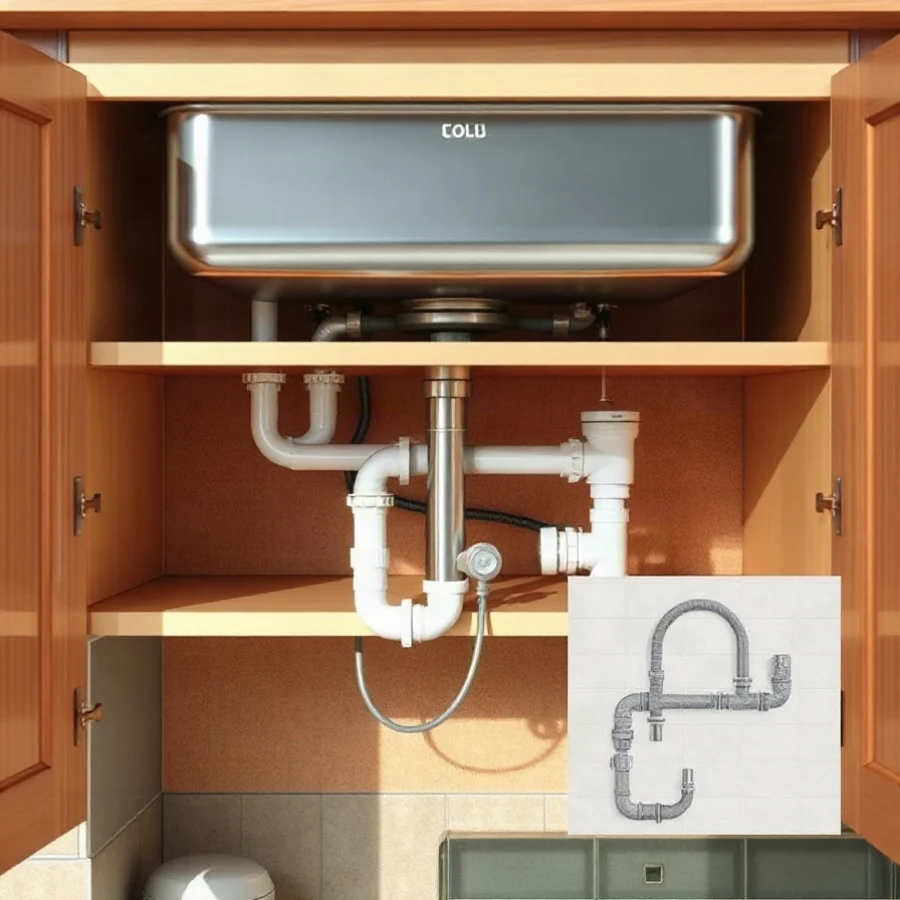
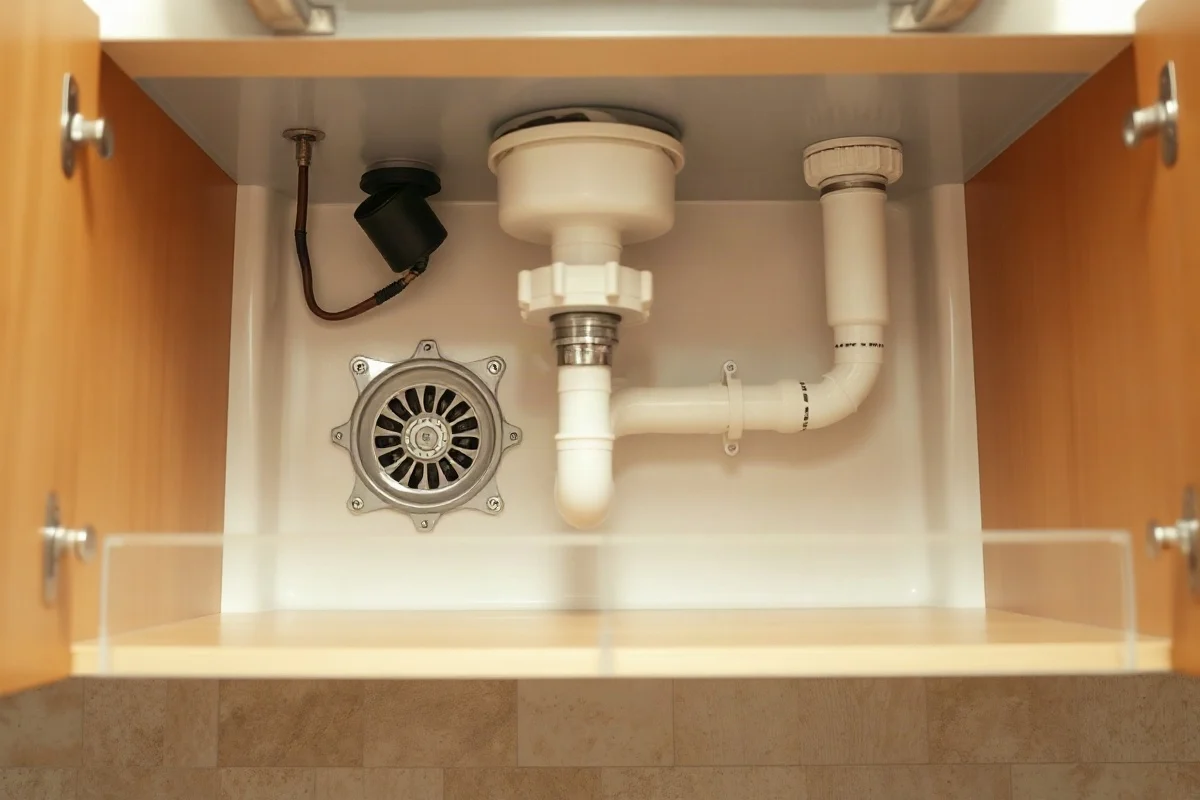
The curved section beneath the sink is the P-trap. It holds a small amount of water that helps block sewer gases from entering the kitchen. The trap also provides a convenient access point for removing certain clogs, although repeated blockages may indicate a problem farther down the drain line.
The trap should be installed so it is accessible and not under unusual stress. A trap that is loose, cracked, incorrectly aligned, or missing its water seal can cause odors, leaks, or poor drainage. Do not remove a trap without placing a bucket underneath it; water and debris will remain inside.
The wall drain and venting
After the P-trap, wastewater flows into the drain pipe that enters the wall or floor. The drain system also needs proper venting so air can move through the piping as water flows away. Without effective venting, a sink may drain slowly, gurgle, develop odors, or pull water out of the trap.
Venting is usually part of the home’s concealed plumbing system. Changing a vent, relocating a wall drain, or adding a new sink location is not a good beginner project because the work may involve hidden pipes and local plumbing requirements. A qualified plumber can evaluate the layout and determine whether the issue is a simple blockage or a larger drainage problem.
How a Garbage Disposal and Dishwasher Connect
A garbage disposal is installed in one sink opening and connects to the drain system below. When a dishwasher drains through the disposal, the dishwasher hose normally connects to a designated inlet on the disposal. That inlet may need to be opened during installation; if it is not, the dishwasher may fail to drain. The hose should be routed and secured so wastewater cannot flow backward into the appliance.
Because a disposal uses electricity, homeowners should follow the manufacturer’s instructions and turn off power before performing any inspection. Never put your hand inside a disposal to search for an object. If the unit is jammed, leaking from its body, making unusual electrical noises, or repeatedly tripping a circuit, use a qualified professional or appliance technician as appropriate.
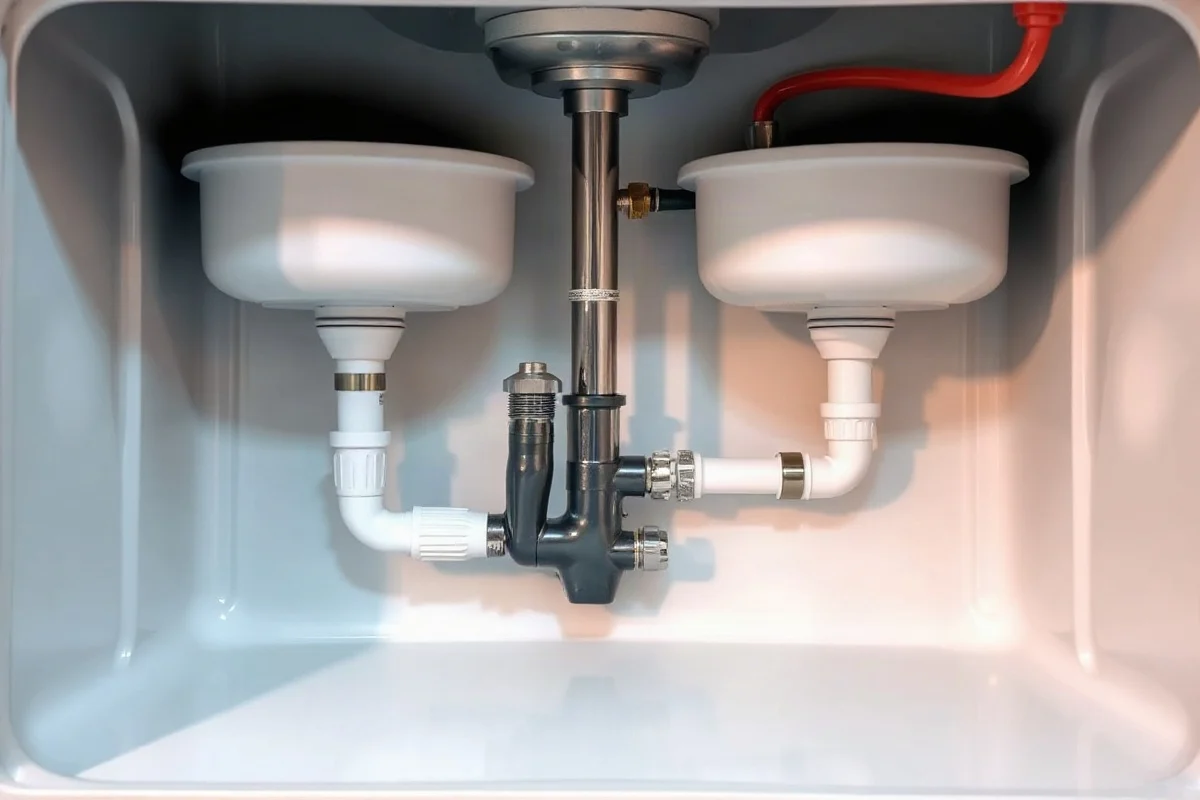
Some kitchens have a double-bowl sink with a shared drain connection. In that arrangement, the two basins may join above the trap, or one side may connect through a disposal. The drain must be arranged so both bowls empty effectively without forcing water through a poor-fitting or overloaded connection.
Common Symptoms and What They May Mean
| Symptom | Possible cause | Safe first check |
|---|---|---|
| Water under the cabinet | Supply line, drain fitting, trap, faucet base, or disposal leak | Dry the area, run water briefly, and watch for the first wet connection |
| Sink drains slowly | Food buildup, grease, a partial blockage, or a venting problem | Remove and clean the sink strainer and try a plunger suited to the sink |
| Sewer odor | Dry trap, damaged seal, blocked vent, or drain buildup | Run water into the basin and inspect visible connections |
| Gurgling drain | Restricted drain, poor venting, or a developing blockage | Check whether other fixtures drain slowly or make similar sounds |
| Dishwasher backs up into the sink | Clogged shared drain, disposal connection issue, or hose routing problem | Check the visible hose connection without disconnecting electrical components |
These symptoms can overlap. For example, a slow sink may result from a simple obstruction in the trap, but it can also signal a restriction inside the wall. If more than one fixture is affected, wastewater backs up, or the problem returns soon after cleaning, arrange professional diagnosis. Information about clogged drain problems can help you compare symptoms before contacting a service provider.
Safe Checks Homeowners Can Perform
Low-risk inspection is reasonable when the problem is visible and there is no immediate danger. Place a flashlight and a shallow container under the cabinet. Check the shutoff valves, supply connectors, faucet mounting area, drain flange, tailpiece, P-trap, and disposal connections. Look for mineral deposits, corrosion, damp cabinet material, or a steady drip.
You can also wipe each visible joint dry with a paper towel and run a small amount of water. This can reveal the first point where moisture appears. Avoid tightening every connection automatically. A loose-looking nut may not be the source of the leak, and excessive force can damage plastic fittings or seals.
For a minor, accessible drain clog, remove standing water carefully, follow the product instructions for a sink plunger, and avoid mixing chemical drain cleaners. Chemical products can injure skin and eyes, damage some plumbing components, and create a hazard for anyone who later opens the trap. If a drain cleaner has already been used, tell the plumber before service and avoid taking apart the piping unless you understand the safety risks.
Turn off the sink’s water supply if a supply connection is actively leaking. If the shutoff valve does not work, the leak is severe, water is reaching electrical equipment, or the cabinet is filling quickly, shut off the appropriate main water supply if you can do so safely and seek prompt professional help.
Repairs That Usually Need a Professional
Call a qualified local plumber for concealed leaks, damaged wall piping, recurring blockages, failed shutoff valves, drain relocation, new water or drain connections, and problems involving sewage exposure. A plumber should also handle work that requires opening walls or floors, modifying venting, or determining whether an installation complies with applicable local requirements.
Electrical work associated with a garbage disposal should be performed by someone qualified for that work. If water has reached an outlet, wiring, or an appliance connection, do not touch the wet electrical components. Move away from the hazard and obtain professional assistance.
For a sudden burst supply line, widespread flooding, sewage backup, or water that cannot be controlled, treat the situation as urgent. Use the nearest safe shutoff only if you can reach it without stepping into contaminated or electrically hazardous water. An emergency plumber may be appropriate when continued water flow threatens the building or creates an unsafe condition.
Repair or Replace the Plumbing Part?
Repair is often practical when a washer, accessible trap, supply connector, or drain fitting is damaged but the surrounding components are sound. Replacement is more sensible when plastic is cracked, metal is badly corroded, a disposal body leaks, a shutoff valve will not operate, or several parts have been repeatedly patched.
The right decision depends on the location and cause of the failure. Replacing a visible washer will not solve a leak caused by a damaged sink flange or misaligned drain. Likewise, replacing a faucet will not correct a leaking shutoff valve or a concealed supply pipe. A professional inspection can prevent replacing the wrong component.
What Affects Kitchen Sink Plumbing Costs?
Kitchen sink service costs vary because the work can range from a simple accessible repair to a larger drainage or remodeling project. Important factors include:
- The type and number of failed components
- Whether the leak is visible or concealed
- Access inside the cabinet, wall, floor, or crawl space
- Whether a garbage disposal, dishwasher, filter, or other fixture is connected
- The condition of existing shutoff valves and drain piping
- Whether the sink or faucet must be removed
- Time required to locate a blockage or inspect a drain line
- Any additional restoration needed after water damage
Before authorizing work, ask what the inspection includes, which parts will be replaced, whether the proposed repair addresses the underlying cause, and what could change the scope. For general planning, review the site’s information about plumbing cost factors rather than relying on a single advertised price.
How to Choose the Right Plumber
Look for a plumber or plumbing company with relevant experience in kitchen sink repairs, drain diagnosis, fixture installation, and disposal or dishwasher connections when those systems are involved. Ask for a clear description of the problem, the proposed work, the parts included, and any conditions that could require additional service.
Verify the provider’s current credentials and insurance where applicable in your area, and check whether the company is prepared to handle the specific issue rather than sending someone without the necessary skills. Be cautious of anyone who recommends replacing multiple components without explaining the evidence, refuses to identify the source of a leak, or pressures you to approve work before the problem is clearly described.
A properly plumbed kitchen sink should drain smoothly, keep sewer gases out of the room, deliver hot and cold water reliably, and remain dry inside the cabinet. Safe visual checks can help locate a visible issue, but concealed piping, electrical hazards, sewage, major flooding, and changes to the drain or vent system deserve qualified local attention.
Comments
0No comments yet. Be the first to share a helpful note or question.
Leave a Comment
Your email address will not be published. Comments are reviewed before appearing on the site.