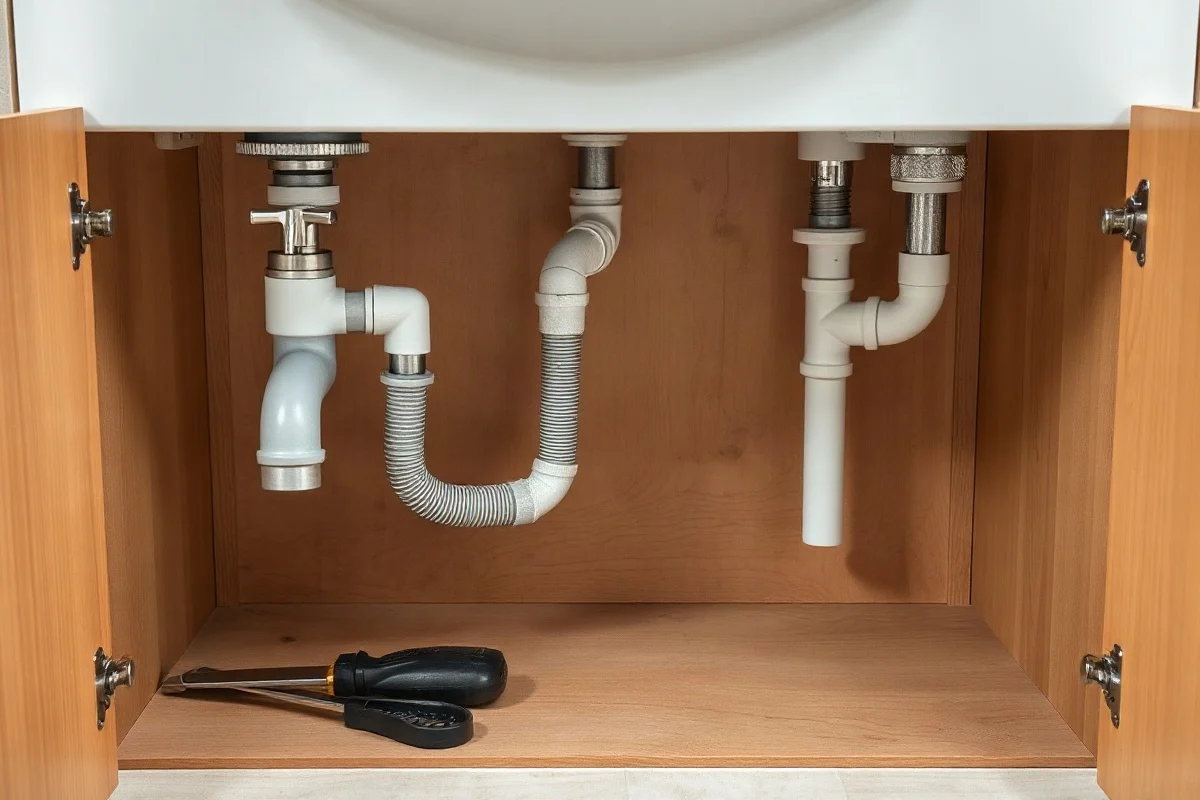
The three main types of plumbing are water supply plumbing, drain-waste plumbing, and vent plumbing. Together, these systems deliver clean water to fixtures, carry used water and waste away, and allow air to move through the drainage network so water flows properly. Kitchen plumbing depends on all three: supply pipes feed the faucet and dishwasher, drain pipes remove wastewater, and vent pipes help prevent slow drainage, gurgling, and sewer-gas problems.
People sometimes use “types of plumbing” to describe different materials, such as copper, PVC, PEX, or cast iron. However, when plumbers explain the basic plumbing systems in a home, they are usually referring to these three functions. Understanding the difference can help you identify symptoms, perform safe checks, and know when a repair requires a qualified local professional.
1. Water supply plumbing
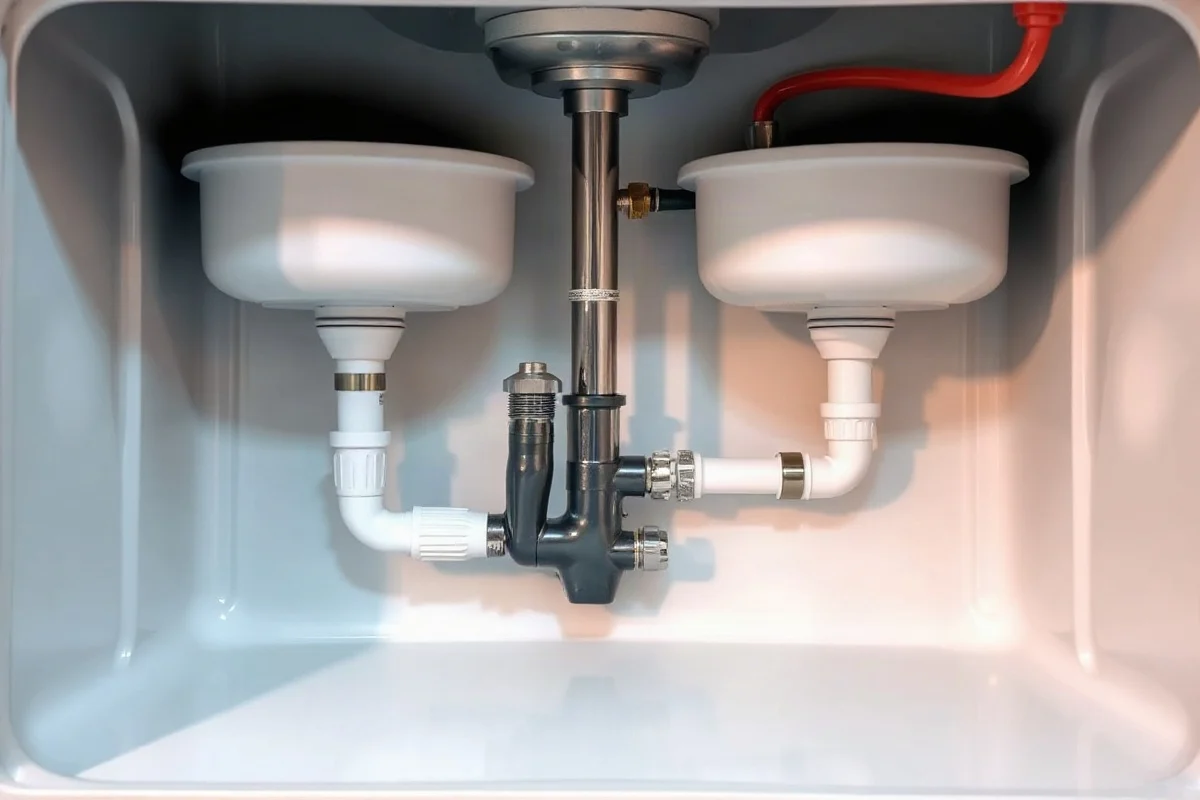
The water supply system brings pressurized clean water from the main service line or a private water source to fixtures and appliances. In a kitchen, this may include the cold-water line to the faucet, the hot-water line from the water heater, and smaller supply lines serving a dishwasher, refrigerator ice maker, or filtered-water dispenser.
Supply plumbing can include a main shutoff valve, branch pipes, fixture shutoff valves, flexible connectors, pressure-regulating equipment, and other components. The materials vary by home age, location, installation history, and local requirements. Common examples include copper, PEX, CPVC, galvanized steel, and other approved piping products. A professional should identify the material before recommending a repair or replacement method.
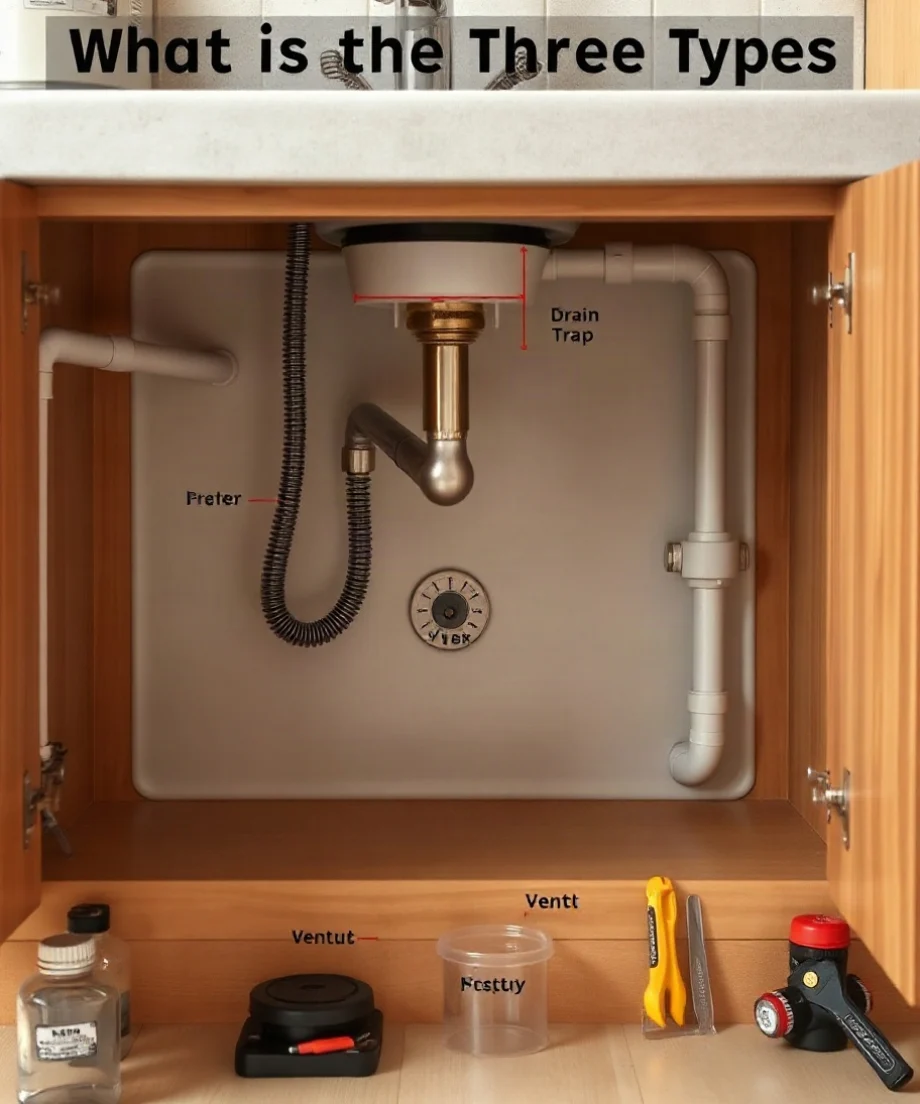
Common water supply problems
- Low pressure: A partly closed valve, clogged aerator, damaged supply line, pressure issue, or problem affecting the larger plumbing system may be involved.
- Leaks: Water may escape at a shutoff valve, connector, pipe joint, faucet connection, or concealed section of piping.
- Discolored water: Temporary discoloration can have several causes, including disturbance in a building or service line. Persistent discoloration should be evaluated by a qualified professional or the appropriate water provider.
- Water hammer: A banging or knocking sound after a valve closes can result from changing water flow, loose piping, or other conditions that require diagnosis.
Safe homeowner checks
You can safely look under the sink for visible moisture, place a dry paper towel around accessible connections, and confirm that the fixture shutoff valves are fully open. If a visible connection is leaking, close the local shutoff valve if it operates normally. If water continues to flow, the valve will not turn, or the leak is near an electrical appliance, stop and seek professional help.
Do not open walls, remove soldered or glued pipe joints, or attempt to repair a concealed supply line without the appropriate experience. A hidden leak can damage cabinets, flooring, insulation, and framing before it becomes obvious. For suspected concealed leaks, use a qualified local plumber. You can also review professional options for leak repair.
2. Drain-waste plumbing
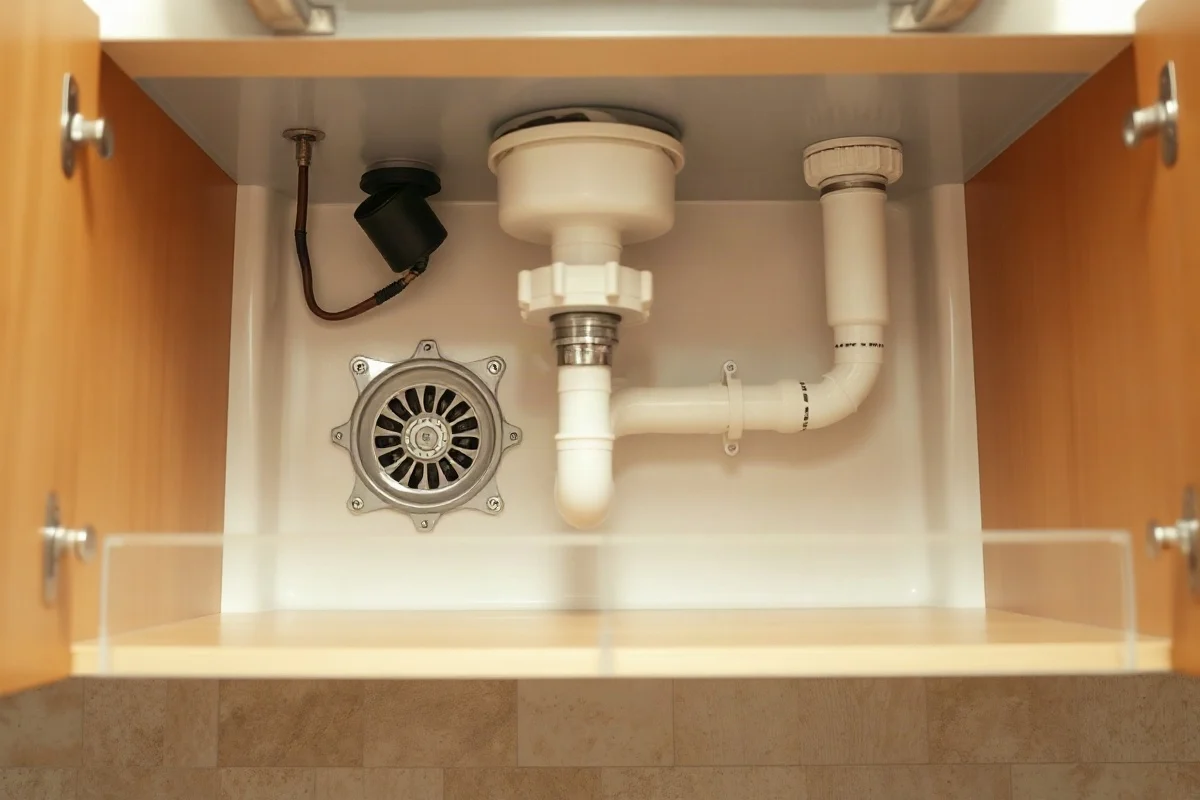
The drain-waste system carries used water and solid waste away from sinks, toilets, tubs, showers, and appliances. Kitchen drain plumbing begins at the sink strainer or disposal outlet, passes through a trap, and continues through branch drain piping toward the building drain and sewer or septic system.
The curved trap beneath a sink serves an important purpose: it holds a small amount of water that helps block sewer gases from entering the room. The trap also provides an accessible location where some obstructions may be found. Downstream drain piping must have the correct slope and connections so wastewater can move without repeatedly backing up or leaving deposits inside the pipe.
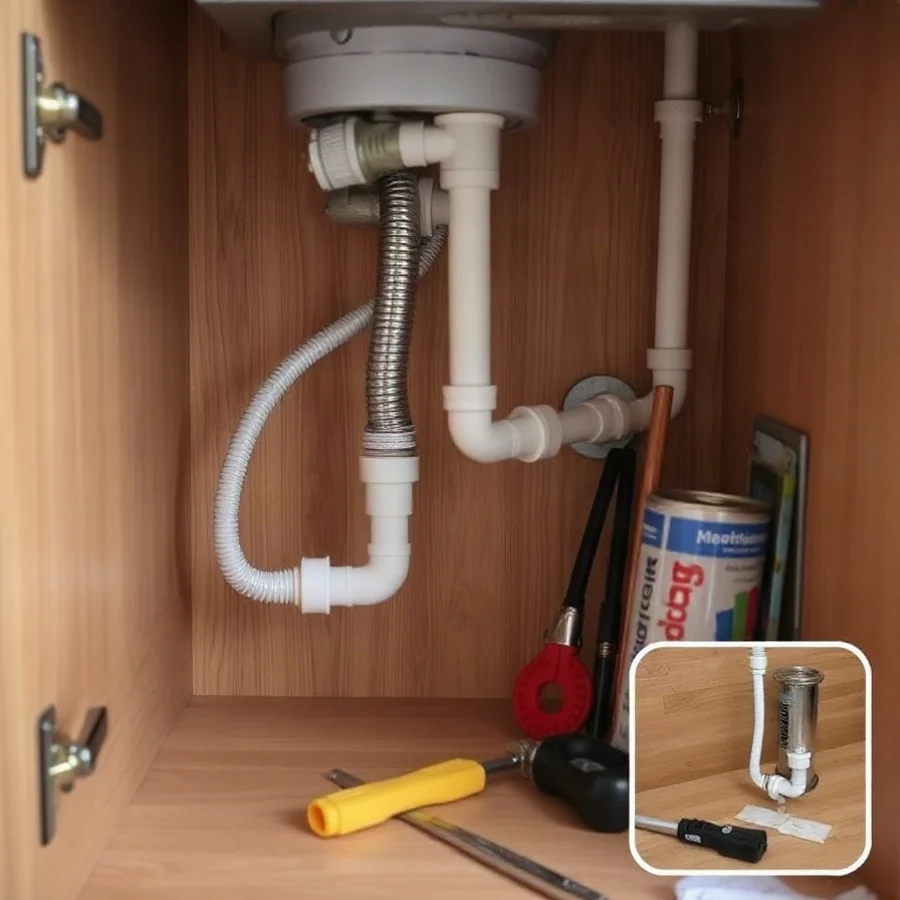
Symptoms of a drain-waste problem
- A slow kitchen sink: Grease, food particles, soap residue, or a developing obstruction may be restricting flow.
- Standing water: A complete blockage may be located in the trap, branch drain, or a larger shared drain.
- Gurgling: Air trapped by an obstruction or a venting issue can cause bubbling or unusual sounds.
- Recurring backups: Repeated problems may indicate buildup, a damaged pipe, root intrusion, poor drainage design, or a blockage farther down the system.
- Sewer odor: A dry trap, loose connection, damaged drain, or venting problem may allow unpleasant odors into the home.
Low-risk drain checks
Remove visible debris from the sink strainer and clean the accessible stopper if the design allows it. If the sink has a disposal, turn it off at the switch and do not place your hand inside the opening. Use tongs or a tool designed for the appliance to remove a visible object only when the power is safely disconnected according to the manufacturer’s instructions.
A plunger may help with a simple sink obstruction, but use the correct type and avoid aggressive force. Do not mix chemical drain cleaners, and do not use them when another chemical may already be in the drain. These products can injure people, damage plumbing components, and create a hazard for anyone who later opens the trap.
If both sides of a double sink back up, water appears in another fixture, wastewater returns to the sink, or the problem keeps coming back, stop using the fixture and contact a professional. A licensed or otherwise qualified local plumber can determine whether the issue is limited to the sink or involves a larger branch or sewer line. More information is available through this guide to professional drain cleaning.
3. Vent plumbing
Vent plumbing allows air into the drainage system and helps balance pressure as wastewater moves through pipes. It also helps protect the water seal in traps. Without proper venting, a drain may empty slowly, gurgle, siphon water out of a trap, or allow sewer gases to enter the home.
Many plumbing vents extend through the roof, although the exact arrangement depends on the building’s design and applicable requirements. Some systems also use approved air-admittance devices in specific locations. These components are not interchangeable in every situation, and a plumber should evaluate venting problems rather than assuming that a visible device or roof pipe is the cause.
Signs of a possible venting issue
- Several fixtures drain slowly even after individual traps appear clear.
- A sink or toilet makes a bubbling or gurgling sound when another fixture drains.
- A trap repeatedly loses its water seal.
- Sewer odors occur even though accessible drain connections look intact.
- Drain performance changes when a nearby fixture is used.
Some of these symptoms can also result from a partial blockage, damaged drainpipe, or sewer-line issue. That is why clearing one trap may not solve the problem. Roof work is especially risky because of fall hazards, and vent repairs may involve concealed piping or code-sensitive work. Do not climb onto the roof or open walls to inspect a suspected vent problem. Have a qualified local professional diagnose it.
How the three systems work together in a kitchen
When you open a kitchen faucet, the supply system delivers water under pressure. Once the water enters the sink, the drain-waste system carries it through the strainer, trap, and branch drain. As water moves away, the vent system admits air and helps stabilize pressure. A failure in any one system can affect the others.
For example, a clogged drain may cause standing water, but a venting defect can also produce slow drainage and gurgling. A leaking supply line may appear to be a drain problem if water collects inside the cabinet. A dishwasher that will not drain could have a blocked filter, a disposal connection issue, a hose problem, or a restriction in the drain plumbing. Diagnosis should come before replacing parts.
Repair or replacement: how to decide
A repair may be reasonable when the problem is localized, the surrounding pipe and connections remain sound, and the component can be restored safely. Examples may include replacing a worn faucet cartridge, cleaning an accessible trap, changing a damaged flexible connector, or repairing a serviceable shutoff valve.
Replacement may make more sense when a pipe is severely corroded, a fitting has failed repeatedly, a drain is damaged or undersized for its use, or an appliance connection has reached the end of its service life. The decision depends on the material, accessibility, age, condition, extent of damage, and whether related components should be updated at the same time.
What affects plumbing repair costs?
Plumbing costs vary because each job is different. Important factors include the type of failure, labor required to access the problem, pipe material, replacement parts, fixture or appliance configuration, water damage, travel or after-hours conditions, and whether testing or specialized equipment is needed. A visible faucet connection is usually more straightforward to evaluate than a concealed leak or a blockage in a buried sewer line.
Ask for a written description of the recommended work before authorizing it. Confirm whether the estimate covers diagnosis, labor, materials, removal of damaged components, cleanup, and any follow-up testing. Avoid choosing a contractor solely because of the lowest initial quote; an incomplete diagnosis can lead to repeat service and additional damage.
How to choose the right plumber
Choose a local professional with relevant experience for the specific problem. A routine faucet repair, drain obstruction, water heater issue, and sewer-line concern may require different tools and diagnostic skills. Ask whether the company is properly qualified for the work in your area, carries appropriate insurance, and can provide a clear scope of work. Because licensing, insurance, permits, and inspection requirements vary by location and project, verify those details with the contractor and the responsible local authority rather than relying on a general online statement.
For gas lines, electrical connections, sewage exposure, major flooding, hidden leaks, structural damage, or work that may affect code compliance, use a qualified local professional. Shut off water when necessary, keep people away from contaminated water, and leave unsafe equipment alone. For urgent situations involving uncontrolled water or serious property damage, use an emergency plumber.
In short, water supply, drain-waste, and vent plumbing form the basic plumbing network in a kitchen and throughout the home. Knowing which system may be involved helps you recognize symptoms and take sensible first steps, but accurate diagnosis matters. When a problem is concealed, recurring, hazardous, or connected to sewage, gas, electricity, or major flooding, professional evaluation is the safest choice.
Comments
0No comments yet. Be the first to share a helpful note or question.
Leave a Comment
Your email address will not be published. Comments are reviewed before appearing on the site.