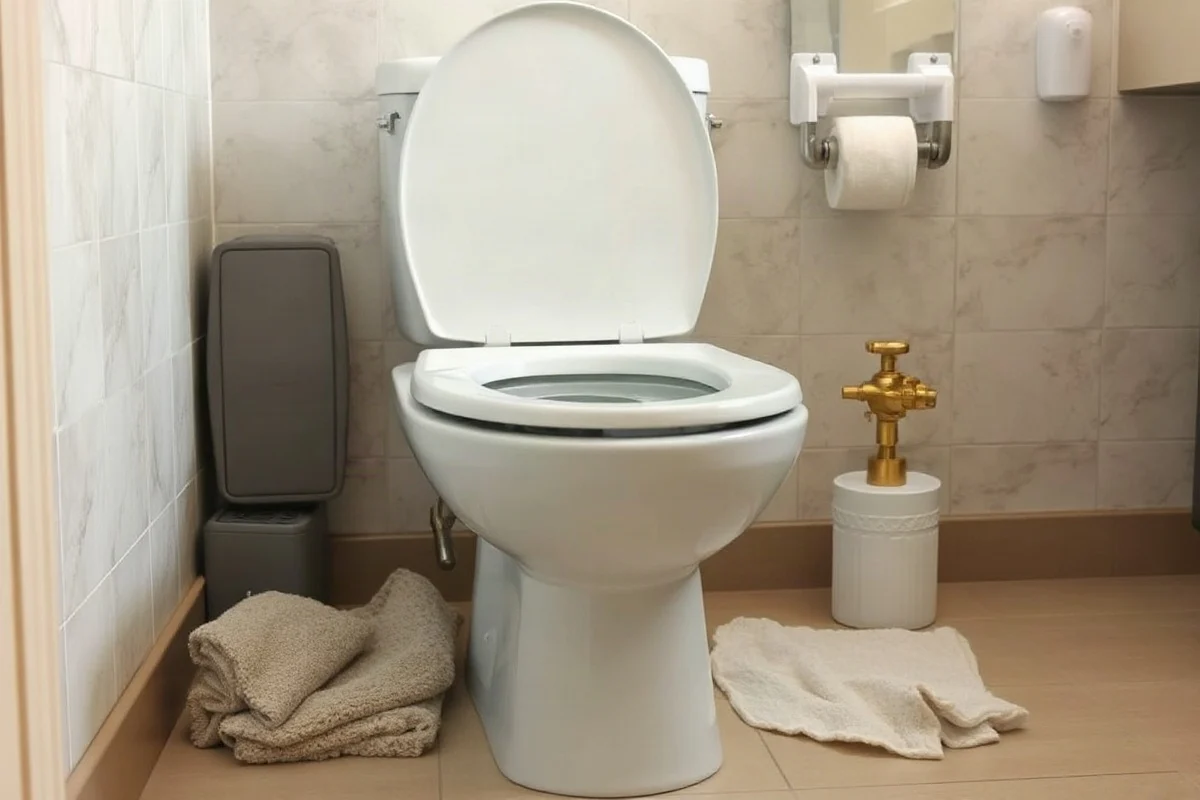
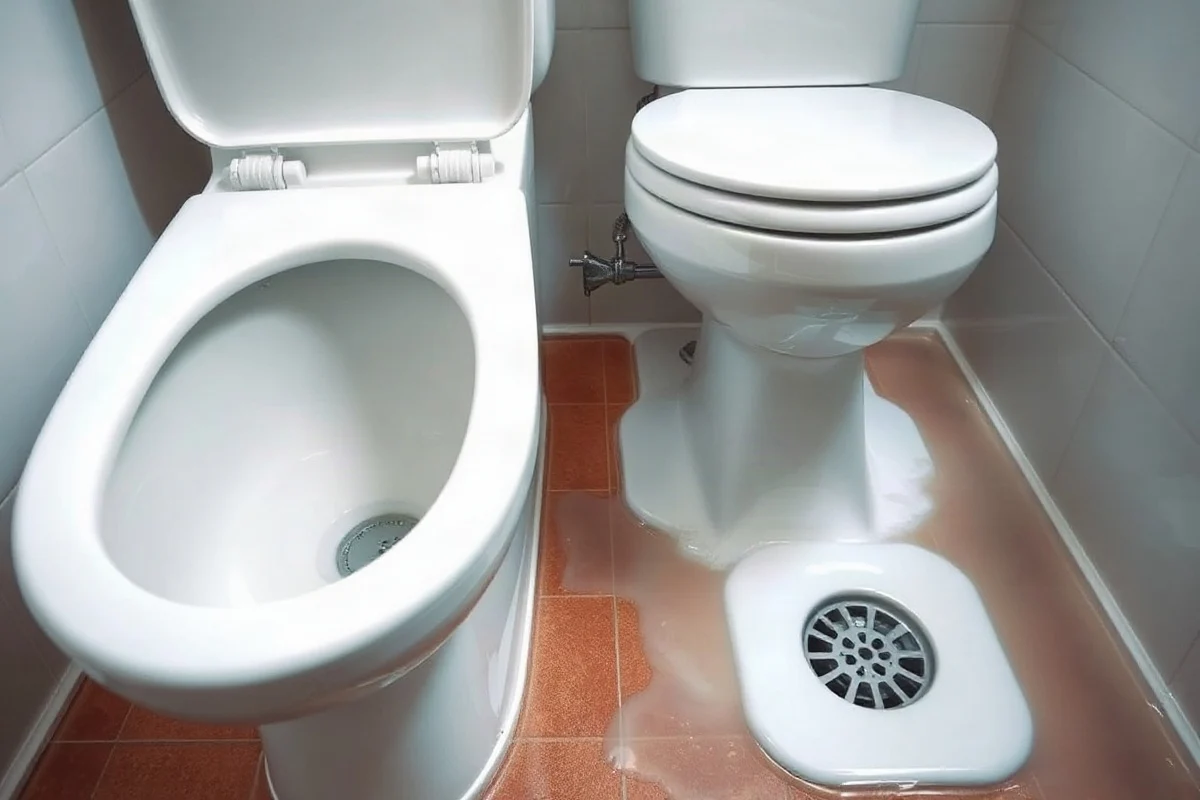
Yes, a toilet can overflow without being clogged. The bowl may rise because the tank is sending in too much water, the toilet is not shutting off, the plumbing vent is blocked, or a downstream drain or sewer problem is slowing the flow. A clog is common, but it is not the only explanation. The first priority is to stop the water, protect the floor, and identify whether the problem is limited to one toilet or affects other fixtures.
Stop the Overflow First
If the water is rising, do not flush again. Turn the shutoff valve on the wall or floor behind the toilet clockwise until it stops. If the valve is difficult to turn, appears damaged, or does not stop the flow, remove the tank lid and lift the float high enough to close the fill valve while you shut off the home’s main water supply or call a qualified plumber.
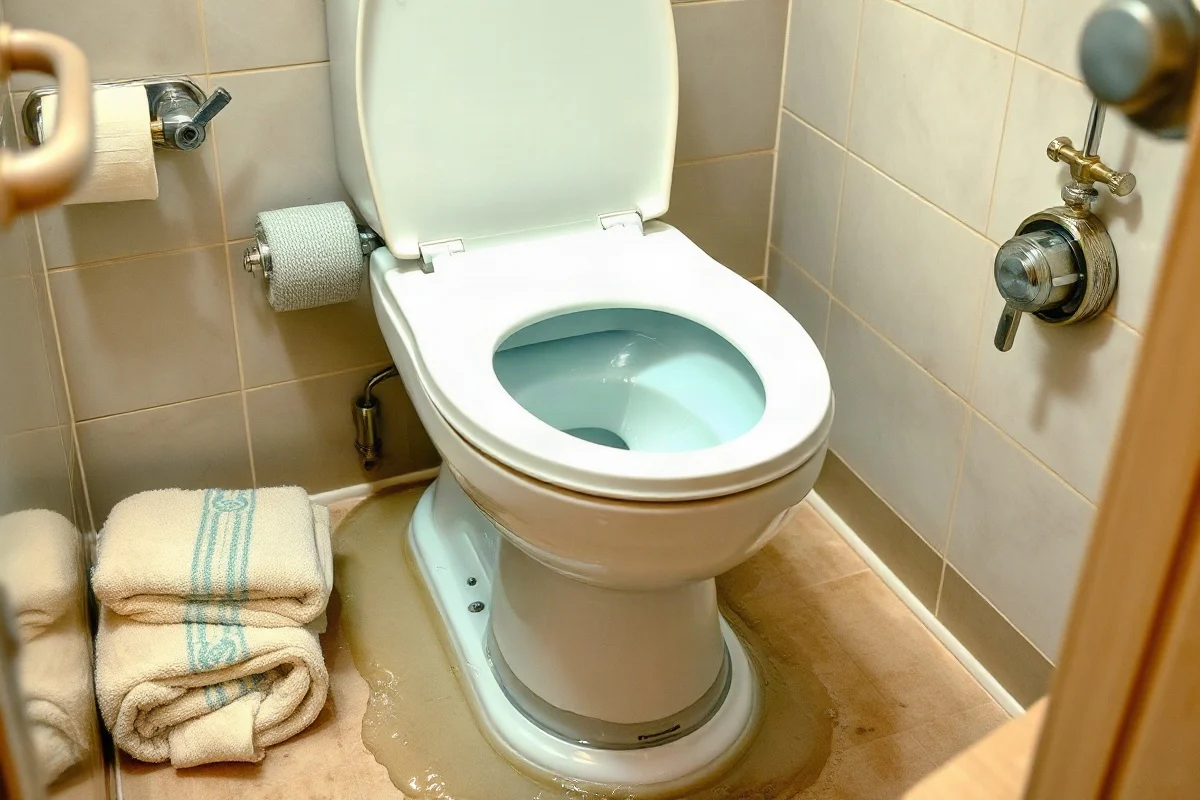
Place towels around the toilet to limit floor damage, but do not reach into water that may contain sewage. Keep children and pets away from the area. If wastewater has spread across flooring, entered walls, or reached electrical equipment, arrange for qualified local help. Sewage exposure and significant water damage require more than a routine homeowner check.
How an Overflow Can Happen Without a Bowl Clog
A fill valve that will not shut off
The fill valve controls the water entering the tank after a flush. If its internal seal, float, or adjustment mechanism fails, water may continue flowing after the tank is full. In a properly working toilet, excess water normally drains through the overflow tube inside the tank. However, a damaged or poorly adjusted component can allow water to run continuously, and a disconnected or mispositioned refill tube can create unusual filling behavior.
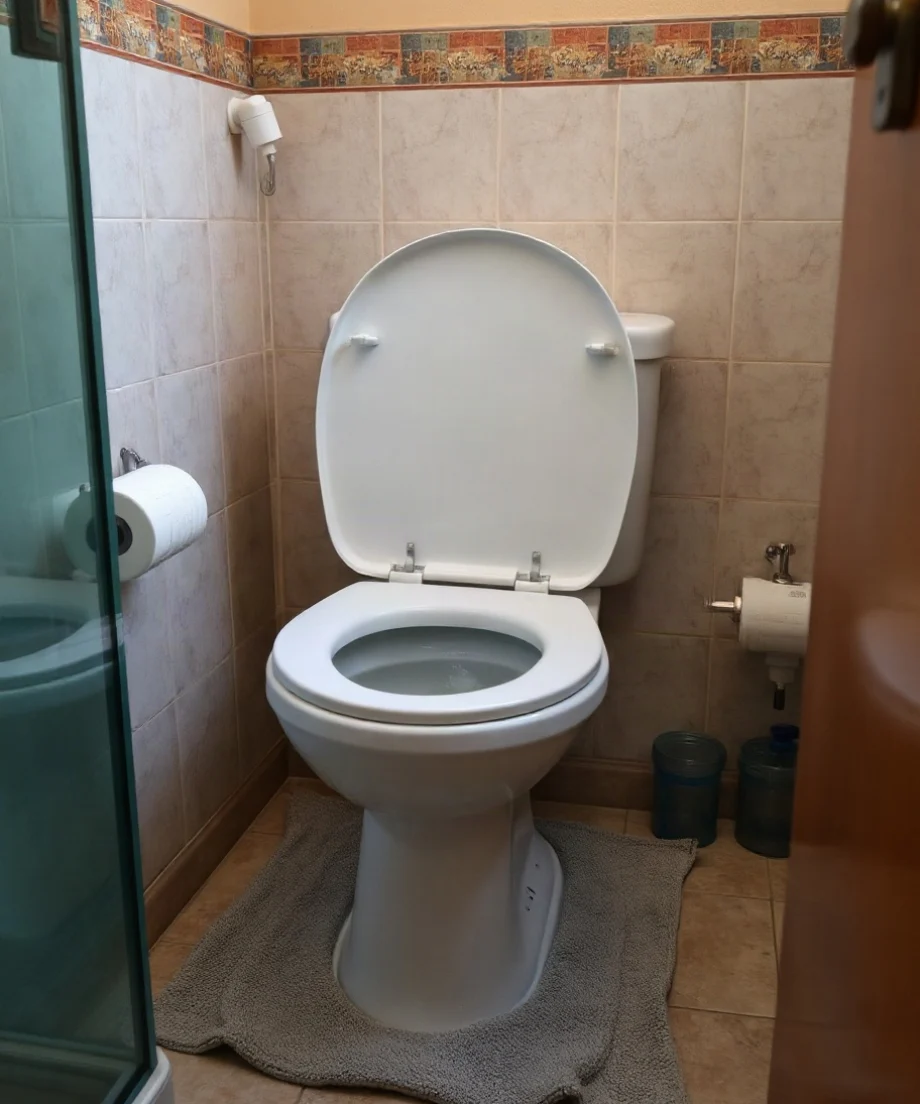
Look inside the tank only after the water supply is off or the bowl is no longer rising. The float should move freely, and the water level should stop below the top of the overflow tube. Do not force brittle plastic parts or dismantle the valve if it is corroded. Replacing an accessible fill valve is often a manageable repair for an experienced homeowner, but a plumber is a better choice when the shutoff valve leaks, the tank is cracked, or the repair does not stop the water.
A flapper or flush mechanism problem
A worn flapper usually causes a running toilet rather than an immediate bowl overflow. However, a failed flush mechanism can keep the flush valve open, allowing tank water to enter the bowl continuously. If the bowl drain is slow or partially restricted, that constant flow can eventually raise the water level and cause an overflow.
With the tank lid removed, check whether the flapper or canister remains lifted after the handle is released. Also check whether the chain is too tight, tangled, or caught under the flapper. These are low-risk observations, but keep fingers away from moving parts and avoid using harsh chemical cleaners in the tank. If the tank has unusual internal hardware or the mechanism is broken, use the toilet manufacturer’s instructions or have a professional replace the component.
A blocked plumbing vent
Toilets depend on vent piping to balance air pressure in the drainage system. A blocked or damaged vent can cause gurgling, slow drainage, bubbling in the bowl, or water movement when another fixture drains. Leaves, animal nests, ice, debris, or a damaged section of vent piping may be involved, depending on the home and local conditions.
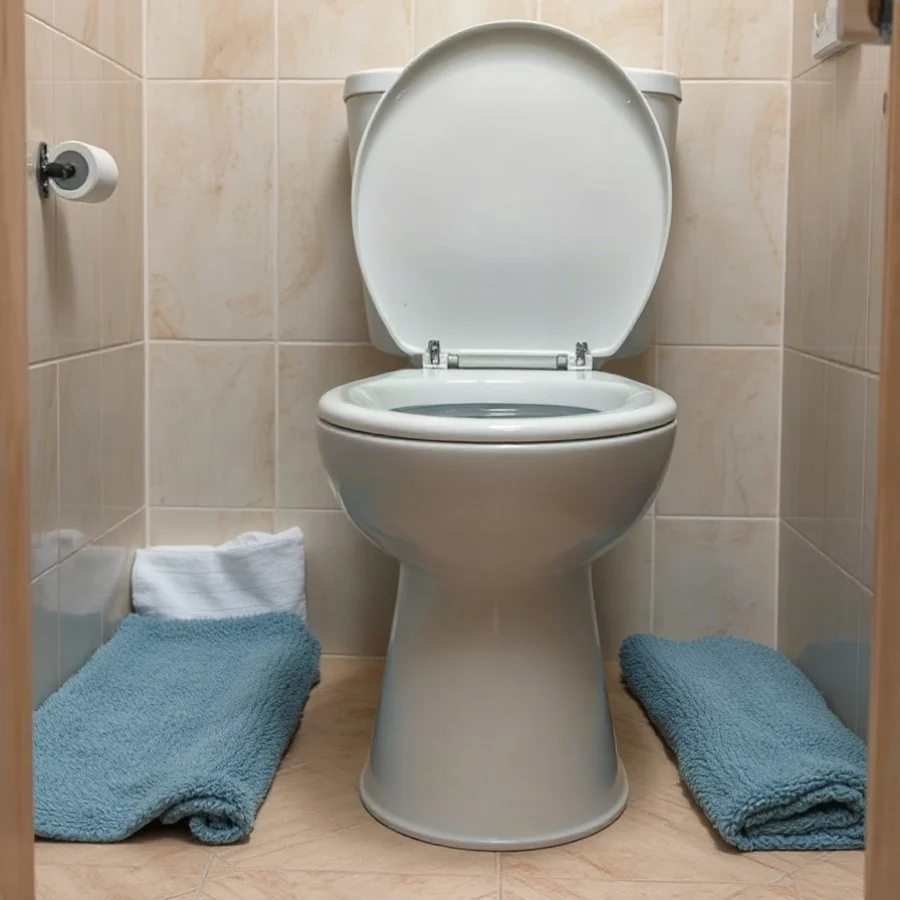
Do not climb onto a roof to inspect or clear a vent unless you are trained, properly equipped, and confident that the work is safe. Roof access introduces fall hazards, and vent work may involve concealed damage or code-related repairs. If multiple fixtures gurgle or the toilet reacts when a sink, tub, or washing machine drains, a qualified plumber should diagnose the system rather than repeatedly plunging the toilet.
A downstream drain or sewer restriction
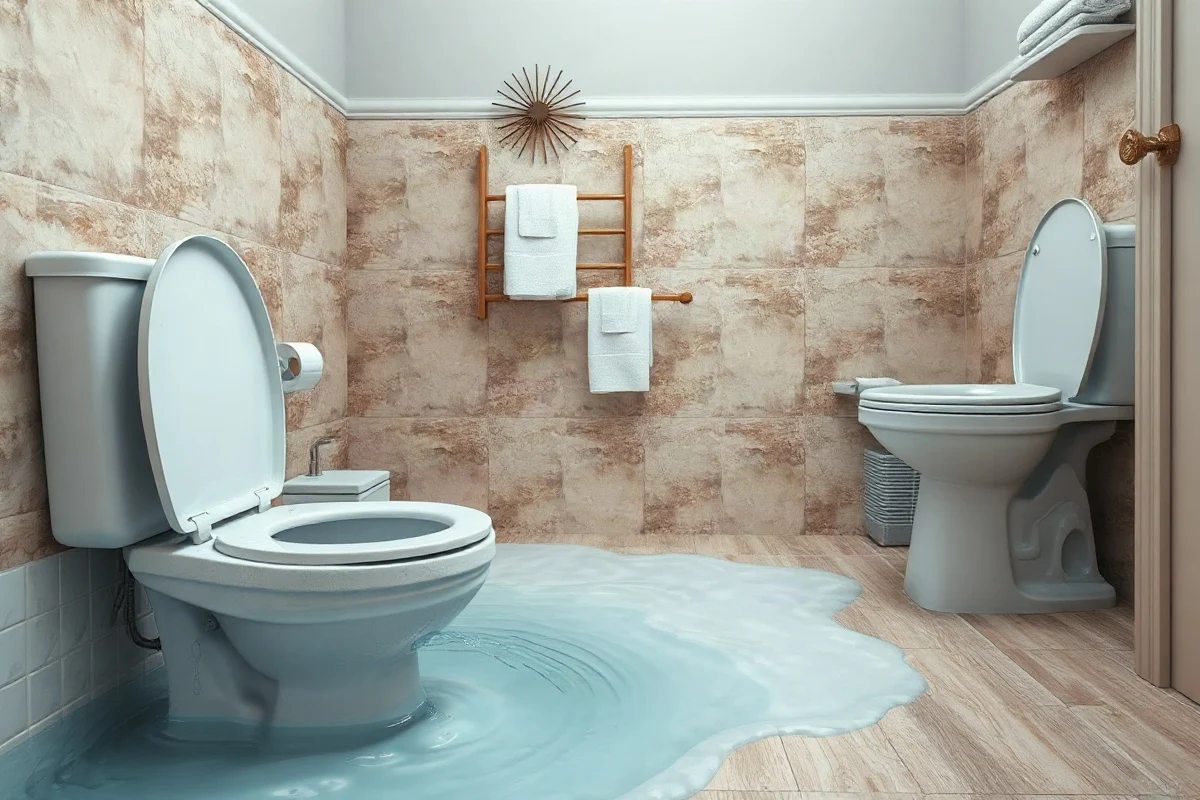
A toilet can overflow even when its own trapway is open if a larger drain line farther downstream is restricted. In that situation, water from the toilet, bathtub, shower, or sink may have nowhere to go. The toilet may overflow when another fixture is used, or several fixtures may drain slowly at the same time.
Pay attention to patterns. One toilet that rises only after flushing suggests a local toilet or branch-drain issue. A toilet that bubbles when the washing machine drains, or a bathtub that backs up while the toilet is flushed, points to a broader drainage problem. If dirty water or sewage is backing up through several fixtures, stop using the plumbing and contact a qualified local professional. You can learn more about situations that may involve sewer line problems, but a site inspection is needed to determine the cause.
A cracked toilet, loose connection, or hidden leak
Not every bathroom flood comes from water rising over the bowl. A cracked tank, bowl, supply line, shutoff valve, or wax seal can release water onto the floor and make the problem look like an overflow. Water may also appear around the toilet base when the bowl itself is not full.
After shutting off the supply, dry the surrounding area and look for the source. Do not use a toilet with a visible crack in the porcelain; porcelain can fail suddenly and cause injury or extensive water damage. A loose supply connection may need prompt replacement, while a toilet that leaks at the base may require removal and a new seal. These repairs are best handled by a plumber when the leak is concealed, the flooring is damaged, or the toilet rocks on the floor.
Safe Homeowner Checks
Once the immediate overflow is under control, you can make a few low-risk observations:
- Confirm whether the shutoff valve actually stops water entering the tank.
- Remove the tank lid and note whether the water level is unusually high.
- Check whether the float moves freely without forcing it.
- Look for a loose handle, tangled chain, lifted flapper, or disconnected refill tube.
- Flush only after the cause is understood and the water can be stopped quickly.
- Run a nearby sink briefly and observe whether the toilet bubbles, rises, or drains slowly.
- Check whether other fixtures are showing the same symptoms.
Do not pour chemical drain cleaner into a toilet. It may fail to solve the problem, damage components, create dangerous splashes, and expose anyone who later works on the toilet to caustic chemicals. Avoid repeatedly forcing a plunger if sewage is already backing up through multiple fixtures. For basic toilet component issues, a professional can also help through toilet repair service.
When a Plumber Is Needed
Call a qualified local plumber if the toilet overflows again after a simple tank adjustment, if the shutoff valve will not work, or if you cannot identify the source. Professional diagnosis is especially important when more than one fixture is affected, the toilet gurgles, sewage is present, the floor is soft, or water may be leaking inside a wall or beneath the floor.
A plumber may inspect the toilet trapway, branch drain, venting, cleanout access, and sewer connection. Depending on the symptoms, they may use a drain machine or camera inspection to locate a restriction. If the issue is a main sewer problem, clearing only the toilet may provide temporary relief without addressing the underlying cause. More information about drain camera inspections can help you understand why visual diagnosis may be recommended.
Repair or Replacement: Which Makes Sense?
Small internal parts such as a flapper, fill valve, handle, or float assembly are often replaceable. Replacement is usually considered when the toilet has a sound bowl and tank, fits the existing bathroom layout, and has no persistent leaks or structural damage. A repair may also be practical when the problem is clearly limited to one worn component.
Replacement becomes more reasonable when porcelain is cracked, the toilet rocks because the floor or flange is damaged, repeated repairs have not solved the problem, or the toilet has an unusual mechanism with hard-to-find parts. Do not attempt to patch cracked porcelain or continue using a toilet that shifts at its base. A professional can determine whether the problem is the toilet, the connection below it, or the surrounding floor.
What Affects the Cost of the Repair?
The final cost depends on the cause and the access required, not simply on the fact that a toilet overflowed. Important factors include whether the problem is a tank component, toilet trapway, branch drain, vent, or sewer line; whether the visit occurs outside normal business hours; how difficult the affected area is to access; whether water damage or contaminated cleanup is involved; and whether parts or a full toilet replacement are needed.
Before work begins, ask the plumber to explain the suspected cause, the proposed repair, what is included, and whether additional diagnosis may be needed if the first repair does not resolve the symptoms. Avoid choosing solely on the lowest initial quote when the source of the problem has not been identified. You can review general plumbing cost factors while comparing estimates.
How to Choose the Right Local Plumber
Look for a professional who regularly handles toilet overflows, drain backups, and sewer-related problems. Ask whether the company has experience distinguishing a toilet-level issue from a main drain or sewer restriction. Request written details about the diagnosis and recommended work, and confirm how the company handles additional repairs if hidden damage is discovered.
For sewage exposure, major flooding, concealed leaks, electrical hazards, or work that may involve local requirements, use a qualified local professional. Provide photos or a short description of what happened, including whether other fixtures are affected and whether the water was clean supply water or wastewater. Those details can help the plumber prepare and reduce unnecessary troubleshooting.
Preventing Another Toilet Overflow
Do not flush wipes, paper towels, feminine hygiene products, diapers, grease, or other non-dispersible materials. Keep the toilet lid closed around children and pets, and address a running toilet instead of ignoring it. Periodically check the tank for a high water level, a chain that catches, or a fill valve that continues to run. If the toilet gurgles, drains slowly, or reacts when another fixture is used, arrange an inspection before the symptoms become a backup.
The key point is that an overflowing toilet is a symptom, not a diagnosis. A clear bowl drain does not rule out a failed tank component, blocked vent, downstream restriction, sewer issue, or leak around the fixture. Stop the water first, make only low-risk checks, and bring in qualified help when the problem involves sewage, multiple fixtures, hidden plumbing, or repeated overflow.
Comments
0No comments yet. Be the first to share a helpful note or question.
Leave a Comment
Your email address will not be published. Comments are reviewed before appearing on the site.