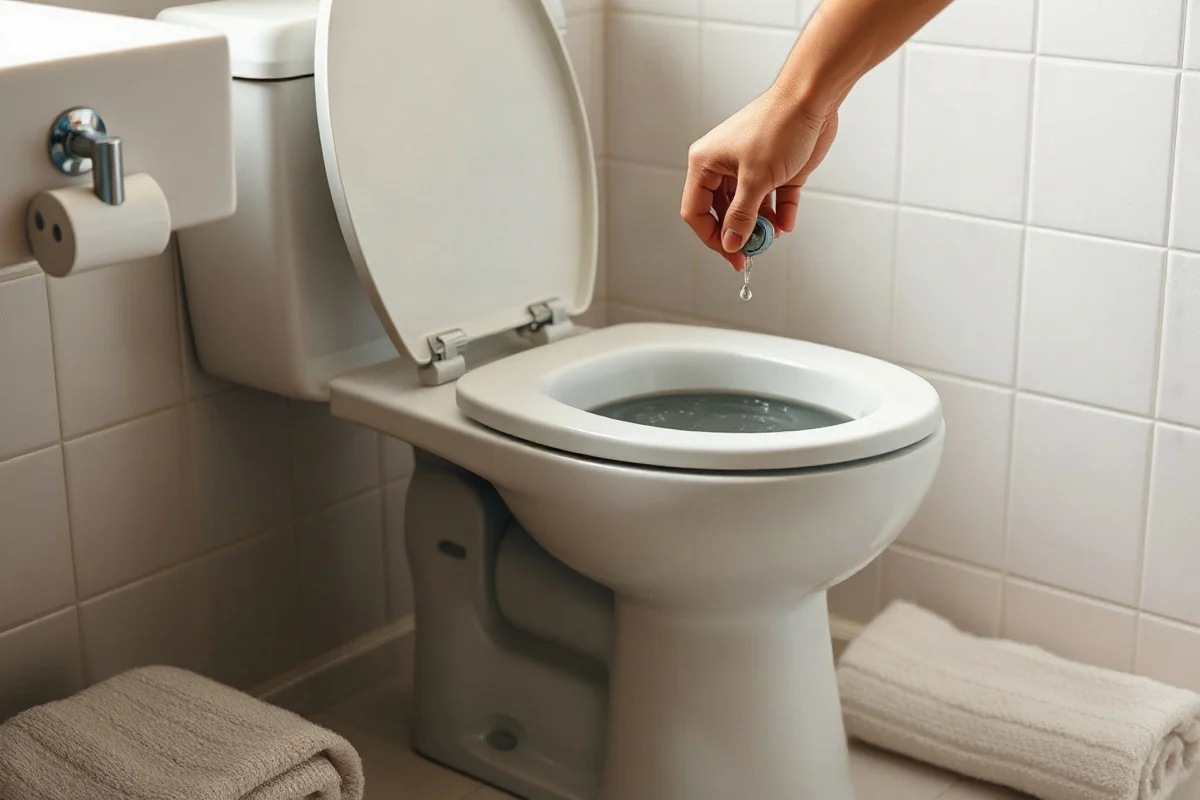
To stop an overflowing toilet, turn the shutoff valve on the wall or floor behind the toilet clockwise until it stops. If the valve is stuck, lift the tank lid and raise the float by hand, or press the rubber flapper closed at the bottom of the tank. Do not flush again. Move towels away from electrical equipment, keep children and pets clear, and call a qualified local plumber if water continues rising, sewage is involved, or the shutoff cannot be operated safely.
What to Do in the First Minute
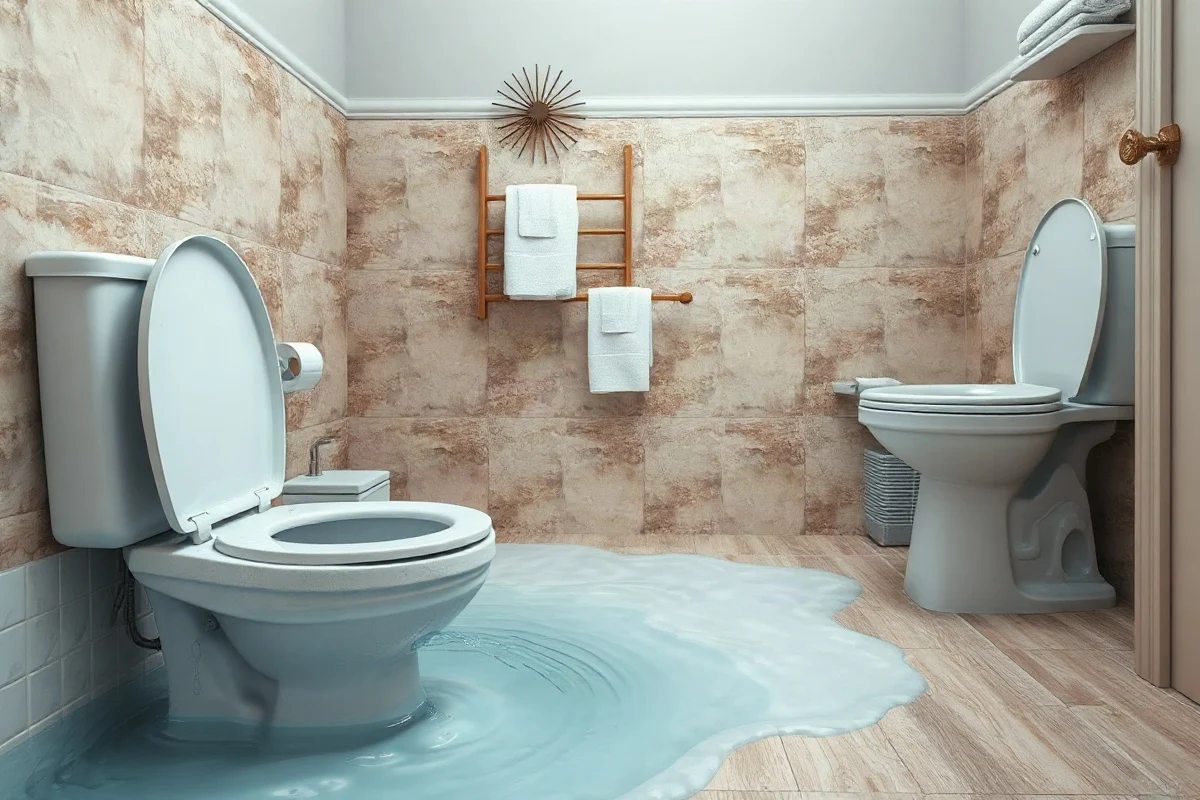
An overflowing toilet can spread contaminated water across the bathroom quickly, but the first steps are usually simple and low risk. Work in this order:
- Do not flush the toilet again. Pressing the handle may send more water into the bowl.
- Close the toilet’s water supply valve. Look for a small valve on the wall or floor behind the toilet. Turn its handle clockwise. A lever-style valve usually closes when the lever is turned so it is perpendicular to the supply line.
- If the valve does not stop the flow, remove the tank lid. Place it on a stable, protected surface because porcelain lids can crack or break if dropped.
- Raise the float. Depending on the design, the float may be a ball attached to a metal arm or a cup that slides along a fill valve. Lifting it should signal the fill valve to stop adding water.
- Press the flapper closed if water is leaving the tank. The flapper is the rubber or plastic seal at the bottom of the tank. Hold it down gently until the tank stops draining.
- Keep the toilet from being used. If the bowl remains full, do not attempt another flush while you are investigating the problem.
If water has reached electrical outlets, power strips, appliances, or other electrical equipment, do not touch the equipment while standing in water. Leave the area and seek qualified help. For a large amount of flooding or water spreading beyond the bathroom, you may need to shut off the home’s main water supply if you can do so without entering an unsafe area.
Where the Toilet Shutoff Valve Is Located
The toilet shutoff valve is normally near the base of the toilet, attached to the pipe that comes through the wall or floor. A flexible supply line connects the valve to the bottom of the toilet tank. The valve may have a round handle, a small lever, or another compact design.
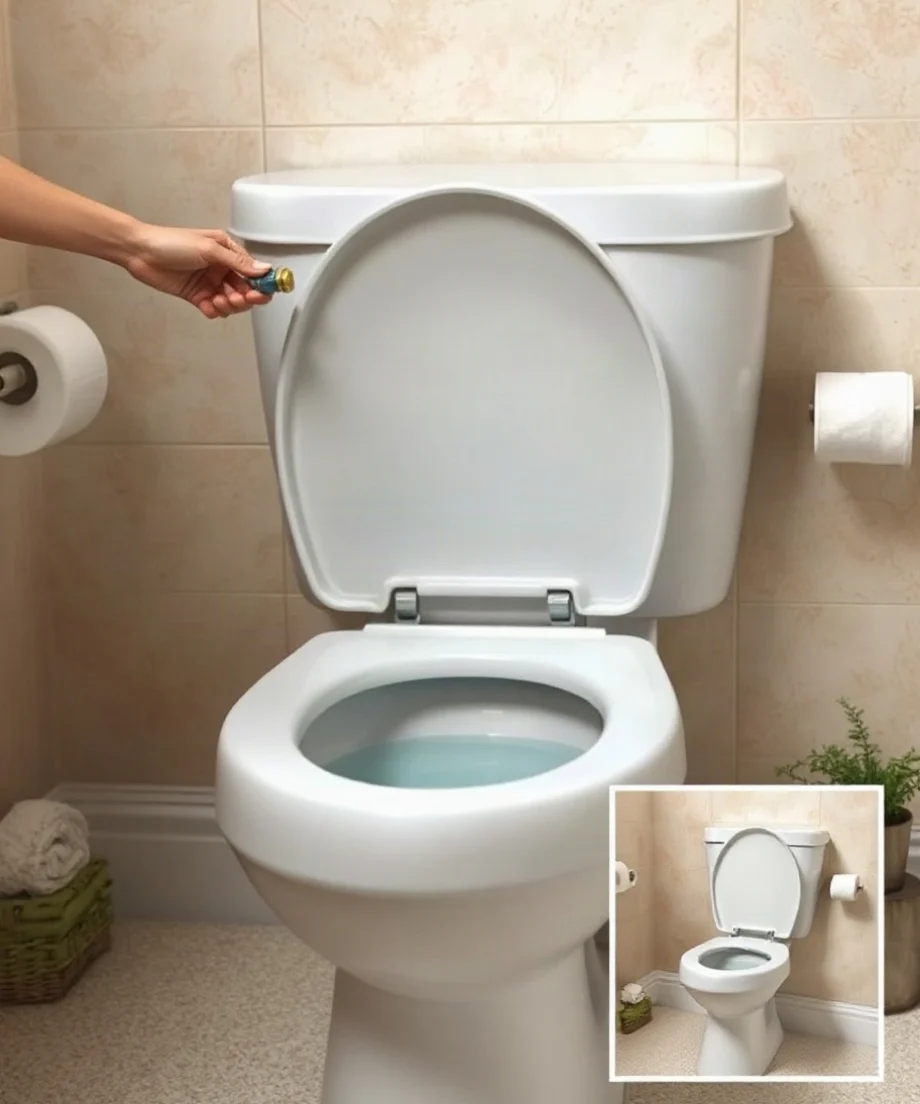
Turn a round handle clockwise by hand. Do not force it with pliers, a wrench, or another tool. Excessive force can damage the valve or the pipe connection and create a second leak. If the valve turns but water continues entering the tank, the valve may not be closing fully or another part of the toilet may be allowing water to move into the bowl.
Older valves can become stiff after years without use. If gentle hand pressure does not close the valve, stop rather than twisting harder. A plumber can replace the valve and check the nearby supply connection. Information about common repair situations is available in this toilet repair guide.
Why a Toilet Overflows
Stopping the water is only the emergency step. The underlying problem is often one of the following:
A clogged toilet drain
A blockage can prevent water from leaving the bowl. When the toilet is flushed, fresh water enters the bowl faster than the obstruction allows water to pass through the drain. Paper, excessive waste, and objects accidentally dropped into the toilet are common causes. A recurring or complete blockage may be located farther down the branch drain rather than directly in the toilet trap.
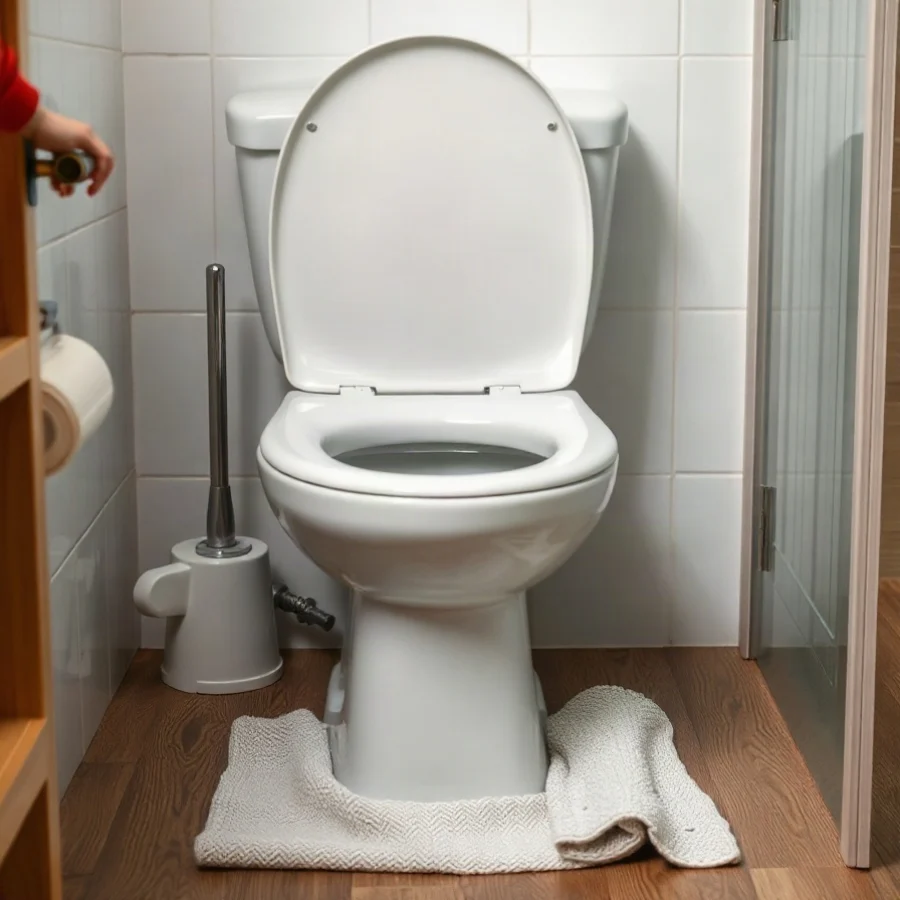
A stuck or misadjusted flapper
The flapper controls the opening between the tank and bowl. If it remains open after a flush, tank water can keep running into the bowl. The chain may be tangled or too short, the flapper may be worn, or mineral buildup may prevent a proper seal.
A malfunctioning fill valve
The fill valve refills the tank after a flush and should shut off when the water reaches the correct level. A damaged or obstructed fill valve may continue running. If the water level rises too high, the excess usually enters the overflow tube and keeps the toilet running, although a separate drain blockage can turn that running water into an overflow.
A problem with the float
A float that is stuck against the tank wall, waterlogged, disconnected, or incorrectly adjusted may fail to signal the fill valve. You can make a low-risk visual check with the tank lid removed. Do not take apart a valve if the supply valve is not working or the tank connection is leaking.
A blocked vent or larger drain problem
If several fixtures drain slowly, gurgle, or back up at the same time, the issue may extend beyond one toilet. A blocked drain line or venting problem requires more careful diagnosis. If wastewater backs up from a floor drain, tub, or other fixture, treat it as a sanitation concern and contact a qualified plumber.
Safe Checks a Homeowner Can Make
After the water is shut off, you can make a few basic observations without removing plumbing components:
- Check whether the toilet bowl is still rising or has stopped.
- Look inside the tank to see whether the flapper is open, the chain is tangled, or the float is visibly stuck.
- Inspect the floor around the toilet base, the supply line, and the shutoff valve for active leaks.
- Ask whether another sink, tub, or toilet is draining slowly or backing up.
- Note whether the problem began after flushing paper, a cleaning product, or an object.
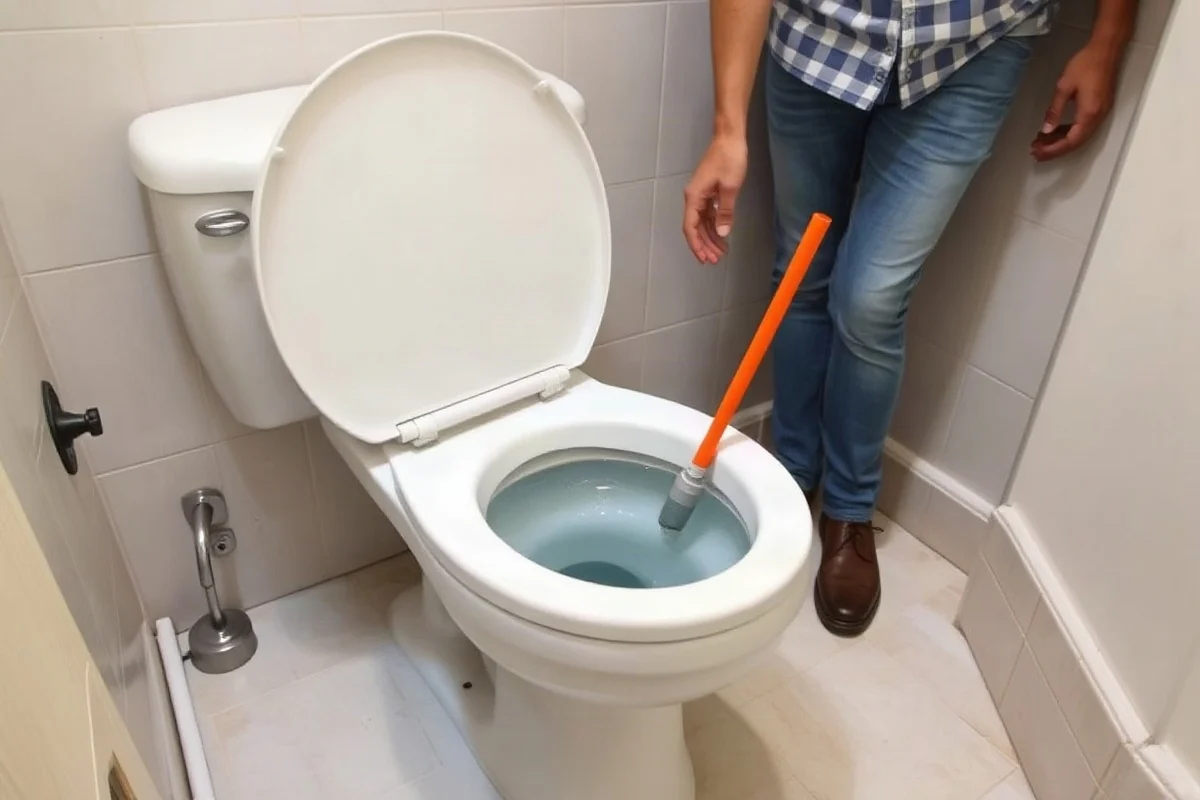
If the bowl is not close to overflowing and you have a standard toilet plunger, you may try gentle plunging with a flange-style toilet plunger. Keep the water shut off while positioning the plunger. Use controlled strokes rather than violent force, and stop if water begins leaking around the base or the blockage does not respond. Do not use chemical drain cleaners in a toilet. They can create splash and exposure hazards and may damage plumbing components.
When to Stop DIY Troubleshooting
Call a qualified local plumber instead of continuing to troubleshoot when:
- The shutoff valve is stuck, broken, or leaking from its stem or connection.
- The toilet continues to fill after you close the valve and raise the float.
- The bowl remains blocked after reasonable plunging.
- Water leaks from the toilet base, ceiling below, wall, or concealed area.
- Multiple fixtures are backing up or wastewater is present on the floor.
- The toilet rocks, the floor feels soft, or the connection at the base appears damaged.
- You suspect a broken supply pipe or major flooding.
Sewage exposure should be handled carefully. Keep people and pets away, avoid direct contact, and do not mix household cleaners on contaminated surfaces. A professional can identify whether the problem is limited to the toilet or connected to a larger sewer or drain issue. For urgent flooding or an active leak, use a service that handles emergency plumbing problems.
Repair or Replace: What Usually Makes Sense?
Many overflowing toilet problems can be repaired rather than requiring a new toilet. A plumber may replace a worn flapper, fill valve, float component, supply valve, or damaged connector. These parts are generally evaluated based on condition, compatibility, accessibility, and whether the porcelain tank or bowl is still sound.
Replacement may be more appropriate when the toilet has a cracked tank or bowl, repeated failures, severe mineral damage, an unstable base, or a design that is difficult to service. A toilet that has caused recurring blockages may also need a broader drain evaluation before you install another fixture. Do not assume that replacing the toilet will solve a blockage located in the building drain.
Cost Factors to Discuss With a Plumber
Local plumbing charges vary, so a responsible estimate should be based on the actual problem and the conditions at the property. Ask what the diagnostic or service-call charge includes and whether labor, parts, cleanup, and follow-up work are separate.
Factors that can affect the total include the failed component, the difficulty of reaching the valve or drain, the age and condition of the toilet, whether the supply valve also needs replacement, the presence of water damage, and whether the blockage extends into a larger drain line. Work requested outside normal business hours may be priced differently by some companies. A written estimate can help you compare options; you can also review general plumbing cost factors before approving work.
How to Choose the Right Plumber
When you contact a plumber, describe the event clearly: whether the bowl overflowed, whether the tank is still filling, whether the shutoff valve works, and whether other fixtures are affected. Mention any water damage or sewage contact. These details help the company send an appropriate technician and equipment.
Before work begins, ask the plumber to explain the likely cause, the recommended repair, and whether there are alternatives. Confirm who will perform the work and whether the company is properly qualified for the job in your area. Requirements can differ by location, so verify local licensing or registration information through the relevant authority rather than relying on an unverified claim.
Be cautious of anyone who recommends replacing the entire toilet without inspecting the blockage or damaged part, refuses to explain the scope of work, or pressures you to approve unrelated repairs. A trustworthy professional should distinguish an immediate safety or water-control measure from optional improvements.
Preventing Another Toilet Overflow
Once the toilet is repaired, keep the tank lid accessible and make sure household members know where the shutoff valve is located. Do not flush wipes, paper towels, feminine hygiene products, diapers, grease, or other materials that are not intended to go through a toilet. Use only a reasonable amount of toilet paper, and keep small objects away from the bowl.
Pay attention to warning signs such as a toilet that runs frequently, a weak flush, slow draining, gurgling, a rising water level, or repeated need for plunging. Early service may prevent a small valve or flapper problem from becoming water damage. If the issue is a recurring blockage rather than a one-time event, a plumber may need to inspect the toilet trap or building drain instead of simply clearing the visible symptom.
The key emergency action is simple: close the toilet shutoff valve clockwise, then stop the tank from feeding the bowl by lifting the float or closing the flapper. Once the water is controlled, clean up only if the area is safe and the water is not contaminated. For failed valves, persistent blockages, hidden leaks, sewage backups, or major flooding, arrange qualified local plumbing help.
Comments
0No comments yet. Be the first to share a helpful note or question.
Leave a Comment
Your email address will not be published. Comments are reviewed before appearing on the site.