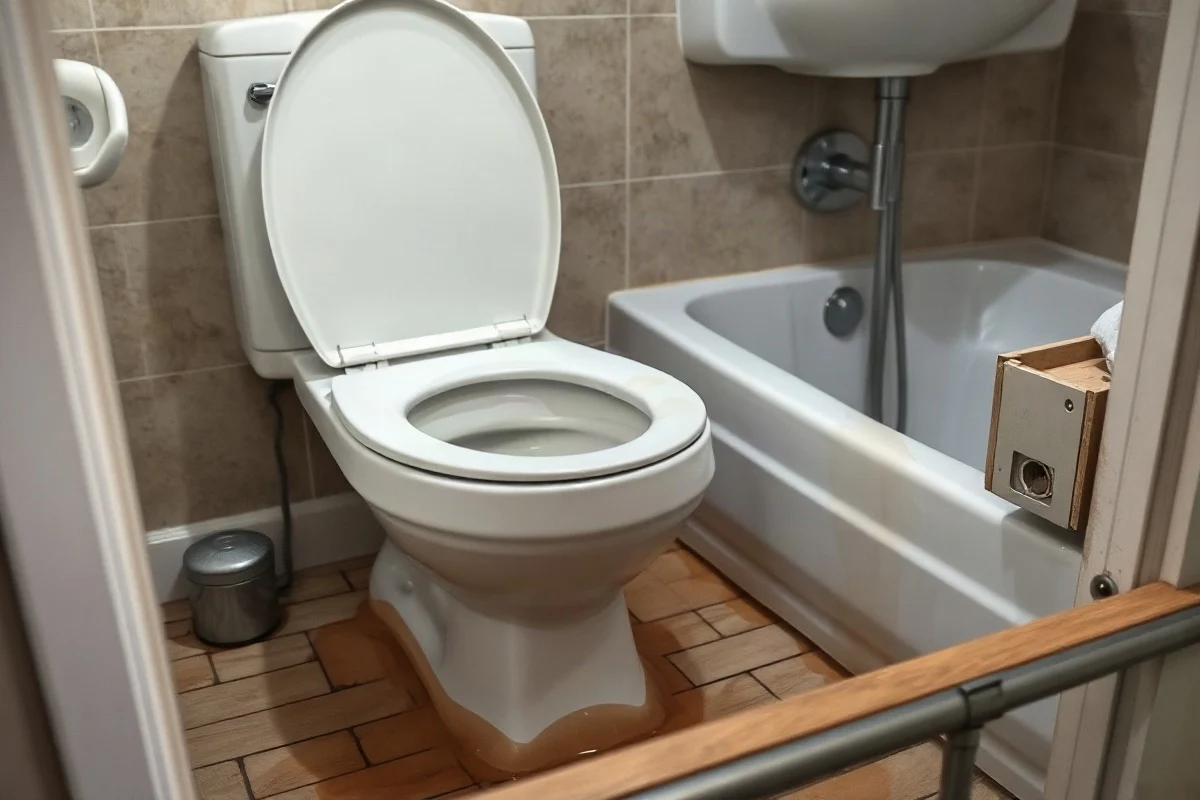
A toilet overflow is more likely to be caused by the main sewer line when multiple drains are slow or backing up, wastewater rises in more than one fixture, or the toilet gurgles when sinks, showers, or washing machines drain. If only one toilet is affected and other fixtures work normally, a clog in that toilet or its branch drain is more likely. Stop using water immediately, prevent additional flushing, and use only low-risk checks until you know where the blockage is located.
Why the location of the blockage matters
Your home’s drainage system includes individual fixture drains, smaller branch lines, and a larger building sewer that carries wastewater toward the public sewer system or a private septic system. A blockage near the toilet usually affects one fixture. A blockage in a branch line can affect several fixtures in one bathroom or nearby area. A blockage in the main sewer line can prevent wastewater from leaving much of the home, causing backups at the lowest drains.
The overflow itself does not identify the exact cause. A toilet can overflow because of too much toilet paper, a non-flushable object, a clogged trap, a blocked branch drain, roots or damage in the sewer line, or a problem farther downstream. The pattern of symptoms is more useful than the overflow alone.
Signs the main sewer line may be involved
Several fixtures back up or drain slowly
The strongest warning sign is a problem involving multiple fixtures. For example, the toilet may overflow when a bathtub drains, a bathroom sink may drain slowly, or a floor drain may release dirty water after the washing machine runs. When several fixtures show symptoms at about the same time, the obstruction may be beyond the point where their drains connect.

A single slow sink does not automatically indicate a sewer-line problem. Hair, soap, food residue, and other debris commonly clog individual drains. However, a toilet overflow combined with slow drainage in the shower, tub, or another bathroom deserves more attention.
Wastewater appears at a low fixture
Backups usually appear first at the lowest available drain or fixture. In a home with a basement, that might be a basement floor drain, shower, or laundry drain. On a slab or crawl-space home, it could be a ground-level shower or toilet. If water rises from a low drain when another fixture is used, the main drain or sewer line may be restricted.
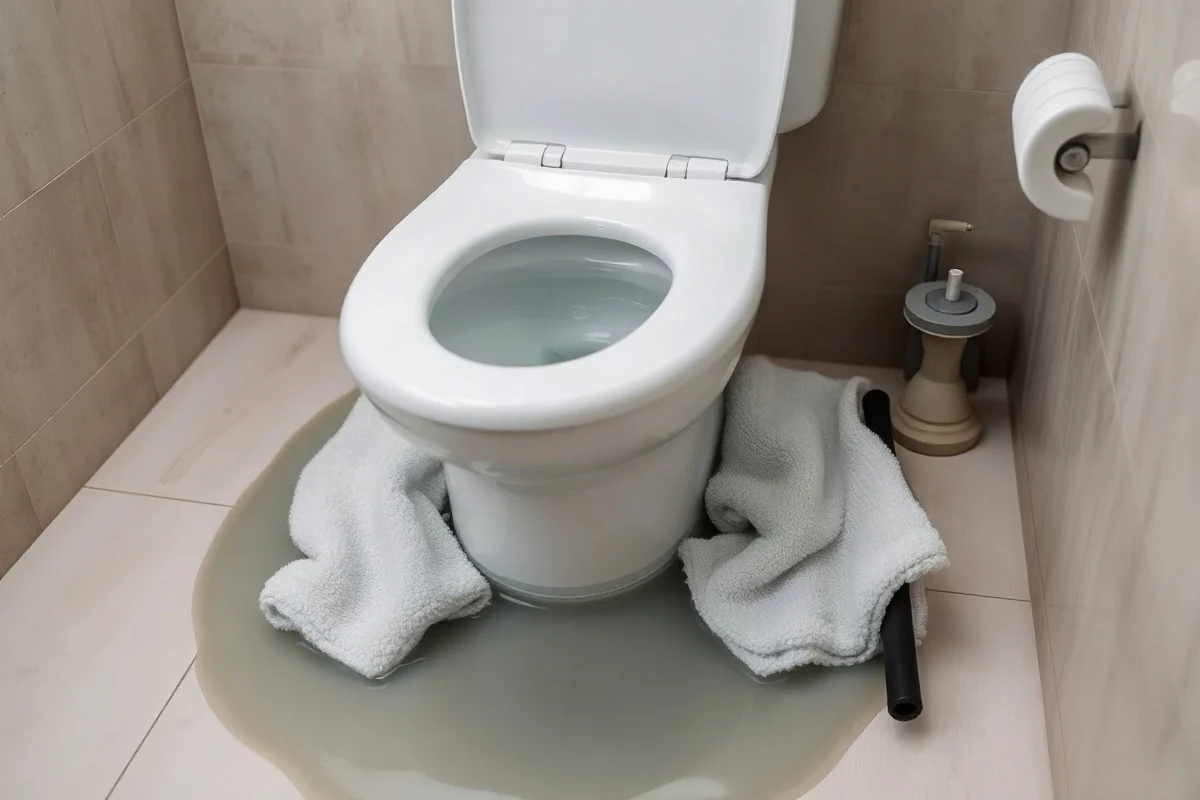
Do not step into wastewater without appropriate protection. Sewage can contain harmful microorganisms. Keep children and pets away from the affected area, avoid spreading contaminated water to clean rooms, and arrange professional cleanup when sewage has entered flooring, walls, or living spaces.
The toilet gurgles or bubbles
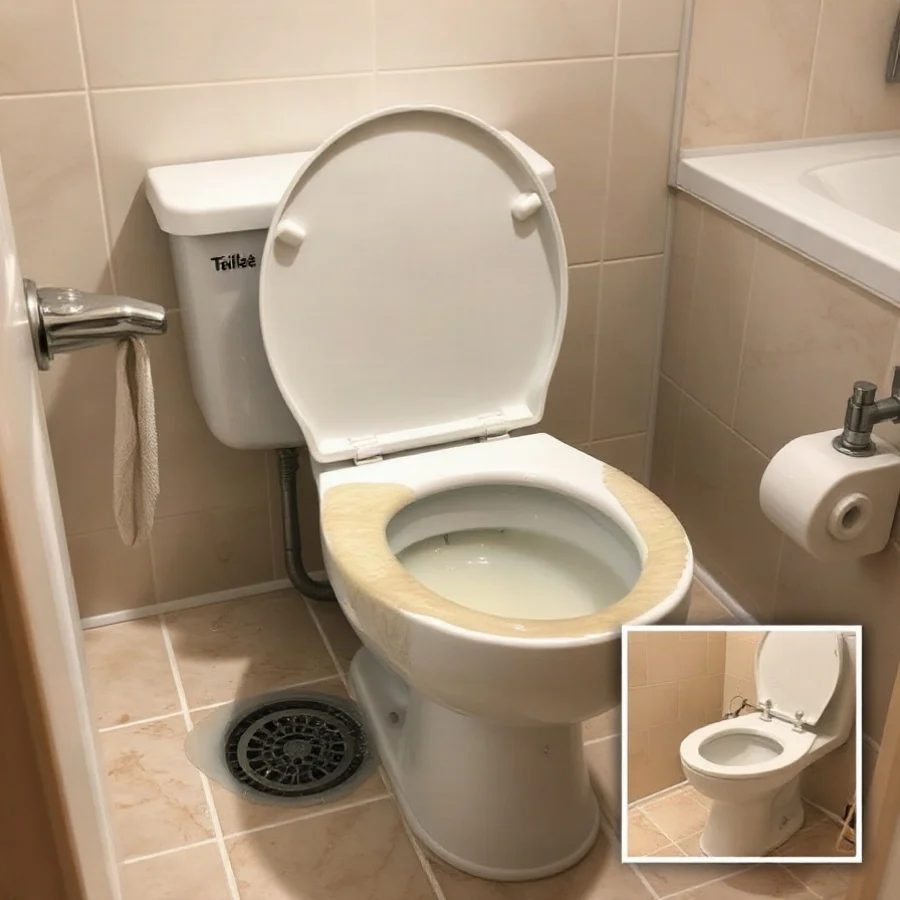
Gurgling can occur when air is trapped by a developing blockage. You may hear bubbling in the toilet when a sink drains, a shower runs, or the washing machine discharges. Gurgling alone is not proof of a main sewer blockage, but it becomes more concerning when paired with slow drains, recurring backups, or water movement in the bowl without a flush.
The problem keeps returning after plunging
A plunger may clear a temporary obstruction near the toilet. If the toilet works briefly and then backs up again, the clog may be deeper, only partially cleared, or caused by a damaged line. Repeated plunging can also push water over the rim and increase water damage. A recurring issue should be evaluated rather than treated as a series of unrelated toilet clogs.
Signs the problem may be limited to one toilet
A local toilet clog is more likely when the toilet overflowed after a large amount of paper was flushed, another object may have entered the bowl, and every nearby sink, tub, shower, and floor drain is operating normally. A toilet with a clogged internal trap may overflow while the rest of the home drains without difficulty.
There may also be a problem with the toilet itself, such as a faulty flush valve that releases too much water or a fill valve that fails to shut off. Those issues can cause the bowl or tank to keep filling, but they usually do not make other fixtures back up. A toilet repair professional can distinguish a fixture problem from a drain obstruction.
Safe homeowner checks
Begin with actions that reduce the chance of additional overflow. Turn the toilet’s shutoff valve clockwise until it stops, without forcing it. If the valve does not work or the toilet is still filling, remove the tank lid and lift the float or close the flapper temporarily. Do not rely on the tank lid as a shutoff device, and do not reach into contaminated water with bare hands.
Next, ask whether other fixtures are affected. Check visually and briefly, without running a large amount of water:
- Does another toilet flush and drain normally?
- Is the bathtub or shower holding water?
- Does a sink drain at its usual speed?
- Does water rise in a floor drain when another fixture is used?
- Does the toilet gurgle when a nearby fixture drains?
Stop the checks if water begins to rise, especially at a low drain. Do not repeatedly flush the toilet, run the washing machine, start a dishwasher cycle, or take a shower until the drainage problem is understood.
Using a plunger safely
If only one toilet is affected and the bowl is not contaminated with sewage, a clean flange-style toilet plunger may be reasonable for a limited attempt. Keep enough water in the bowl to cover the rubber cup, position it over the outlet, and use controlled strokes. Stop if the water level rises toward the rim, if the plunger cannot create a seal, or if other fixtures begin backing up.
Do not use a chemical drain opener in a toilet. These products may fail to clear the obstruction, damage plumbing components, create hazardous splashes, and expose anyone who later works on the line to caustic chemicals. A toilet auger is safer than a chemical opener for some localized clogs, but use should be limited to situations where the problem clearly appears to be inside one toilet.
What requires a qualified professional
Main sewer-line diagnosis and repair usually require equipment and experience beyond a routine homeowner check. A professional may use a proper drain machine, locate the line, inspect it with a camera, or identify whether roots, a collapse, buildup, or another obstruction is involved. The appropriate method depends on the pipe’s condition and the location of the blockage.
Do not open a buried cleanout, remove plumbing sections, or attempt to clear a suspected sewer obstruction if sewage is under pressure, the access point is damaged, or you are unsure how the system is configured. Opening the wrong access point can release contaminated water suddenly. A sewer line specialist can assess the situation and explain whether cleaning, repair, or replacement is appropriate.
Call for qualified local help promptly when sewage is backing up into the home, multiple fixtures are affected, the lowest drain is overflowing, the toilet repeatedly backs up, or a clog returns after basic clearing. If flooding is extensive, electrical equipment has been exposed to water, or sewage has entered living areas, stay away from unsafe conditions and seek appropriate professional assistance.
Repair or replacement: how the decision is made
A single removable obstruction may need only drain cleaning. If the line is structurally sound but coated with grease, mineral deposits, or other buildup, a professional may recommend a cleaning method suited to the pipe and blockage. Mechanical cleaning and other methods should be selected based on the line’s material, condition, and access.
Replacement or a more substantial repair may be considered when an inspection shows a collapsed, cracked, severely displaced, or repeatedly obstructed line. Tree-root intrusion can sometimes be managed temporarily, but recurring root growth may point to a defect that needs correction. A camera inspection can help separate a temporary blockage from an underlying pipe problem.
A toilet should not be replaced simply because it overflowed. Replacing the fixture may make sense if it is cracked, has a damaged trap, or cannot be repaired economically, but a new toilet will not solve a blocked main sewer line. Ask the plumber to explain which component is failing and how the proposed work addresses the cause.
Cost factors to discuss before work begins
The final cost of a sewer or drainage repair depends on the nature of the obstruction, how accessible the line is, the equipment required, the time involved, and whether the work is limited to cleaning or includes excavation, pipe repair, restoration, or replacement. Conditions inside walls, under floors, beneath concrete, or in landscaped areas can affect the scope substantially.
Before authorizing major work, ask for a written description of the suspected problem, the recommended repair, what diagnostic steps are included, and which services would cost extra. Ask whether the estimate covers cleanup and restoration or only plumbing labor. Avoid choosing a contractor based solely on the lowest initial number when the scope is unclear.
For general planning, you can review plumbing cost considerations through the plumbing costs guide, but actual pricing must come from local providers after they understand the site conditions.
How to choose the right plumber
Look for a qualified local plumbing company with experience in drain and sewer diagnosis, not only fixture replacement. Ask whether the technician can identify whether the blockage is in the toilet, a branch drain, or the main sewer line. If a camera inspection is recommended, ask what the inspection is intended to confirm and whether you will receive an explanation of the findings.
Confirm the company’s business details, insurance information, and any licensing or registration requirements that apply in your area through the appropriate local or state authority. Do not assume that a national-looking website proves local qualifications. A reputable provider should explain the work in plain language, identify uncertainties, and avoid promising a repair before diagnosing the problem.
When the backup is active or sewage is entering the home, use an emergency plumbing service that can address the immediate risk and determine whether the main sewer line is involved. Keep records of what happened, which fixtures were affected, and what checks you performed. That information can help the technician locate the problem more efficiently.
Preventing another overflow
Flush only toilet paper and human waste, and keep wipes, paper towels, feminine hygiene products, cotton swabs, and cleaning materials out of the toilet. Do not pour grease or fats down drains. If your home has a history of recurring backups, ask a professional whether a scheduled inspection or maintenance plan is appropriate for the specific drainage system.
Most importantly, treat a toilet overflow as a possible drainage-system warning when other fixtures are involved. Shut off the water, limit use of the plumbing, protect people from contaminated water, and get qualified help when the symptoms point beyond one toilet.
Comments
0No comments yet. Be the first to share a helpful note or question.
Leave a Comment
Your email address will not be published. Comments are reviewed before appearing on the site.