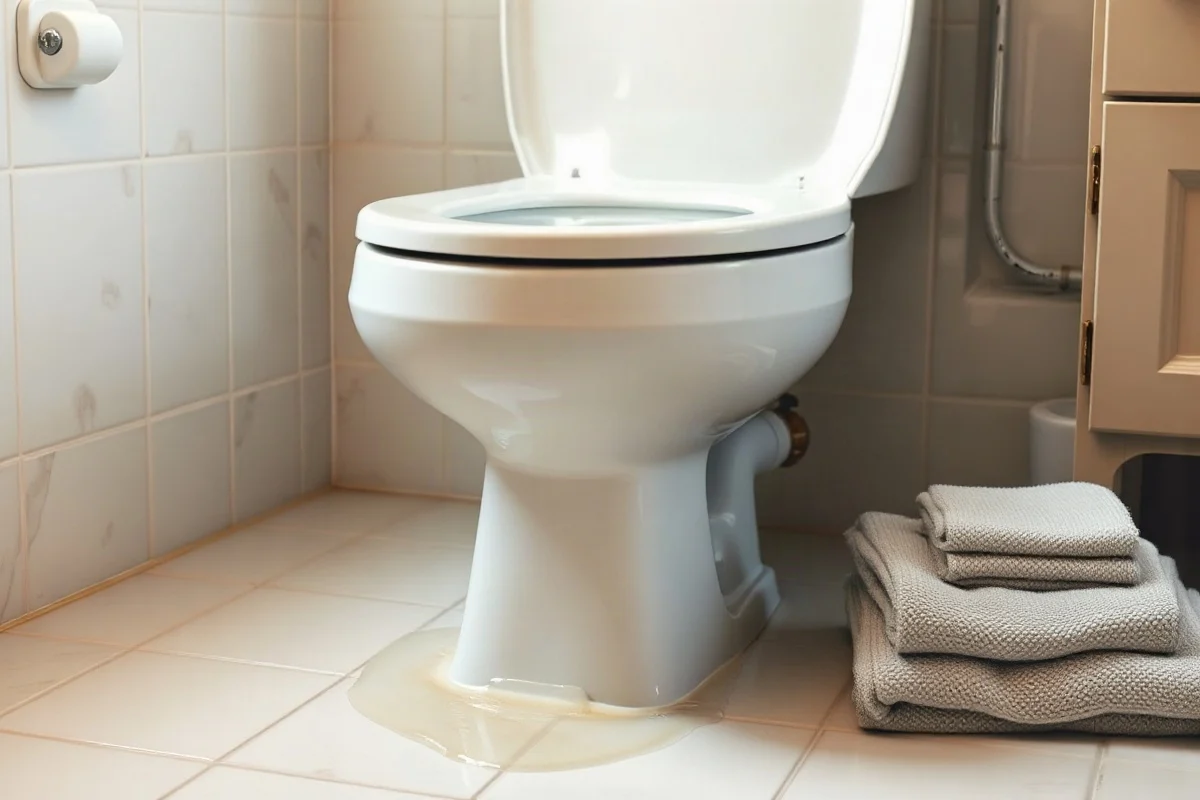
Yes, an overflowing toilet can be a plumbing emergency, especially if water continues rising, spills onto the floor, contains sewage, or threatens walls, ceilings, flooring, or electrical equipment. The first priority is to stop the water safely and prevent further damage. If the overflow stops quickly and the toilet drains normally after a simple clog is cleared, you may not need emergency service. However, repeated overflows, a blocked main sewer line, contaminated water, or flooding that you cannot control requires prompt help from a qualified local plumber.
What to do immediately when a toilet overflows
Act quickly, but avoid making the problem worse. Do not flush the toilet again, even if the bowl appears to be draining. A second flush can send more water into the bowl and onto the floor.
1. Stop the toilet from filling
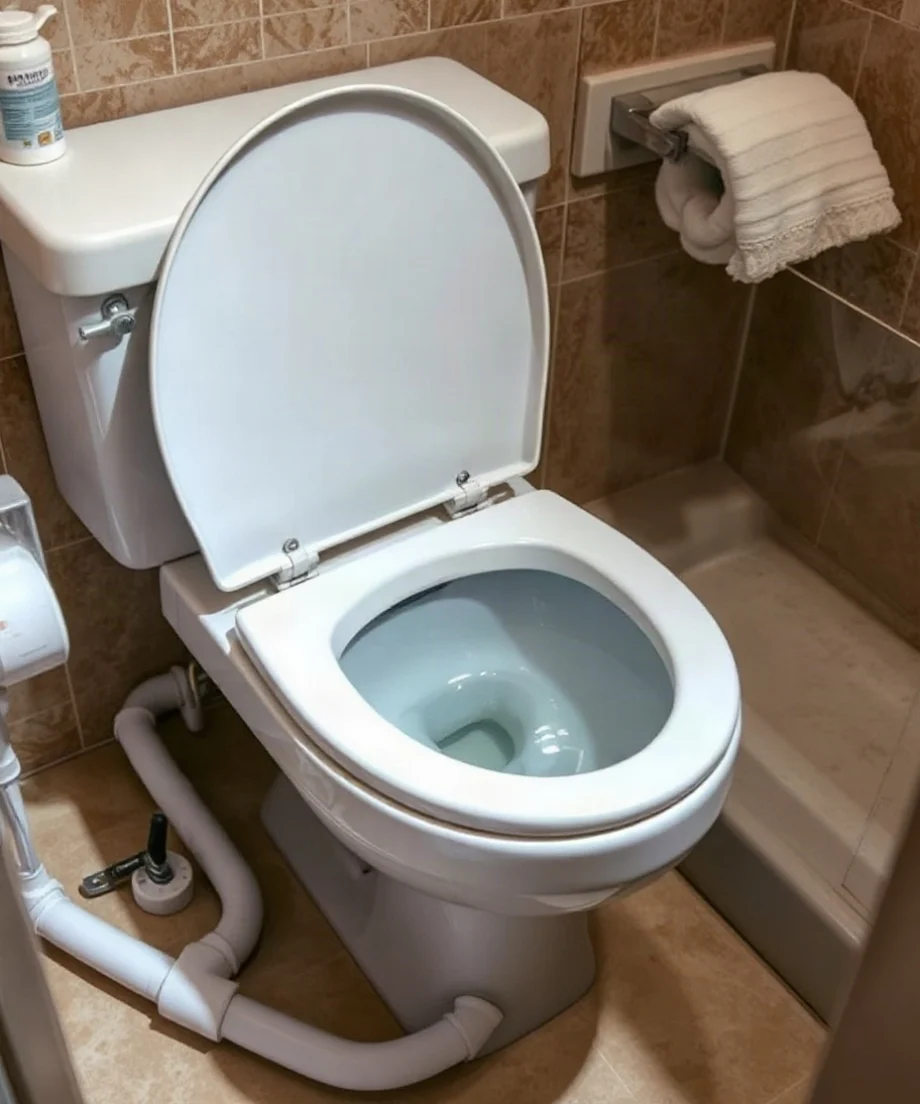
Look behind or beside the toilet for the shutoff valve connected to the small water supply line. Turn the valve clockwise until it stops. Do not force a stiff or damaged valve. If the valve will not close, or if water is leaking from the supply connection, shut off the home’s main water supply if you know where it is and can reach it safely.
Some toilets have a tank float that can be lifted gently to stop the fill valve from adding water. This is only a temporary measure. The shutoff valve is generally the more reliable way to stop incoming water, but an old valve can leak or break when moved. If that happens, call a plumber.
2. Keep people away from contaminated water
Toilet overflow water may contain bacteria, cleaning chemicals, or other contaminants. Keep children and pets away from the area. Wear waterproof gloves if you must close a valve or remove a nearby item, and wash your hands thoroughly afterward. Do not handle sewage-contaminated materials with bare hands.
If water has reached electrical outlets, power strips, appliances, or other electrical equipment, do not step into the water to reach a switch or plug. Leave the area and contact qualified professionals. Electricity and standing water can create a life-threatening shock hazard.
3. Protect the surrounding area
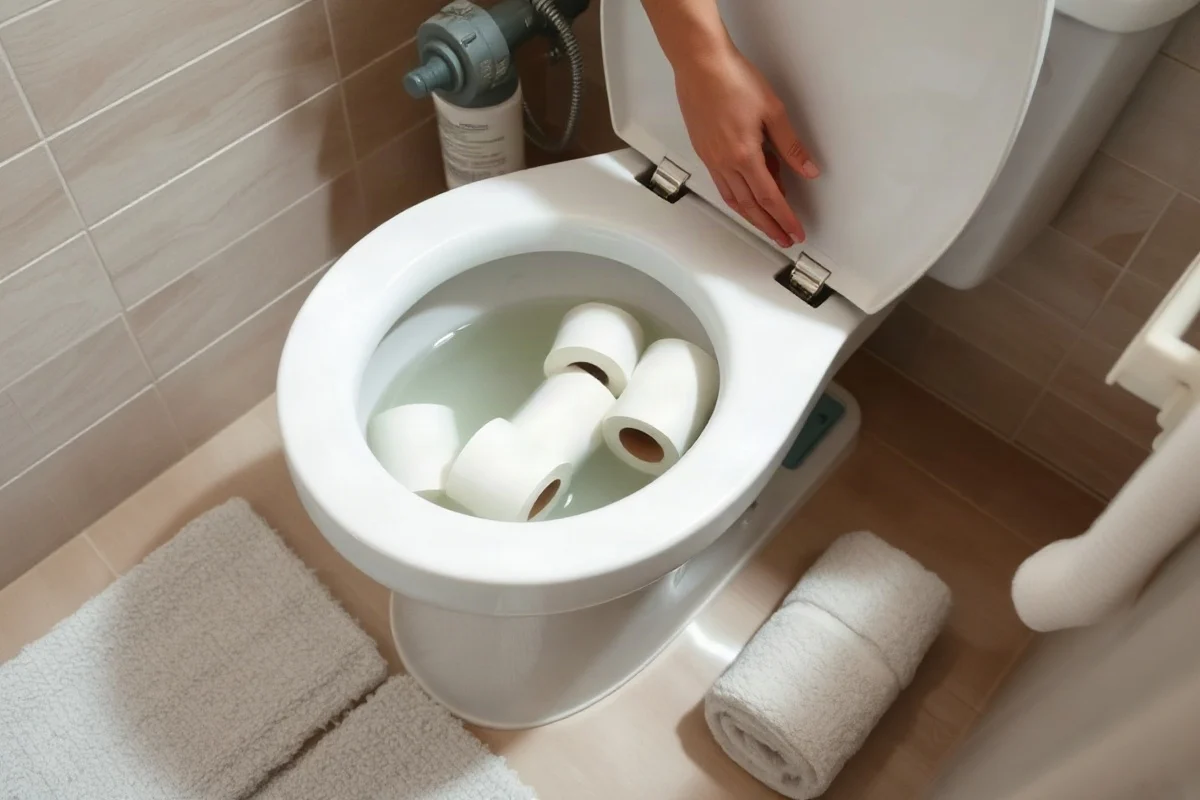
Move rugs, baskets, towels, toiletries, and other items away from the water if you can do so without walking through contaminated flooding. Use absorbent towels only after the water source has stopped. Do not push contaminated water into another drain or use a household fan if the water may have reached electrical components.
When an overflowing toilet is an emergency
Not every toilet clog requires emergency service, but several warning signs mean you should seek professional help promptly.
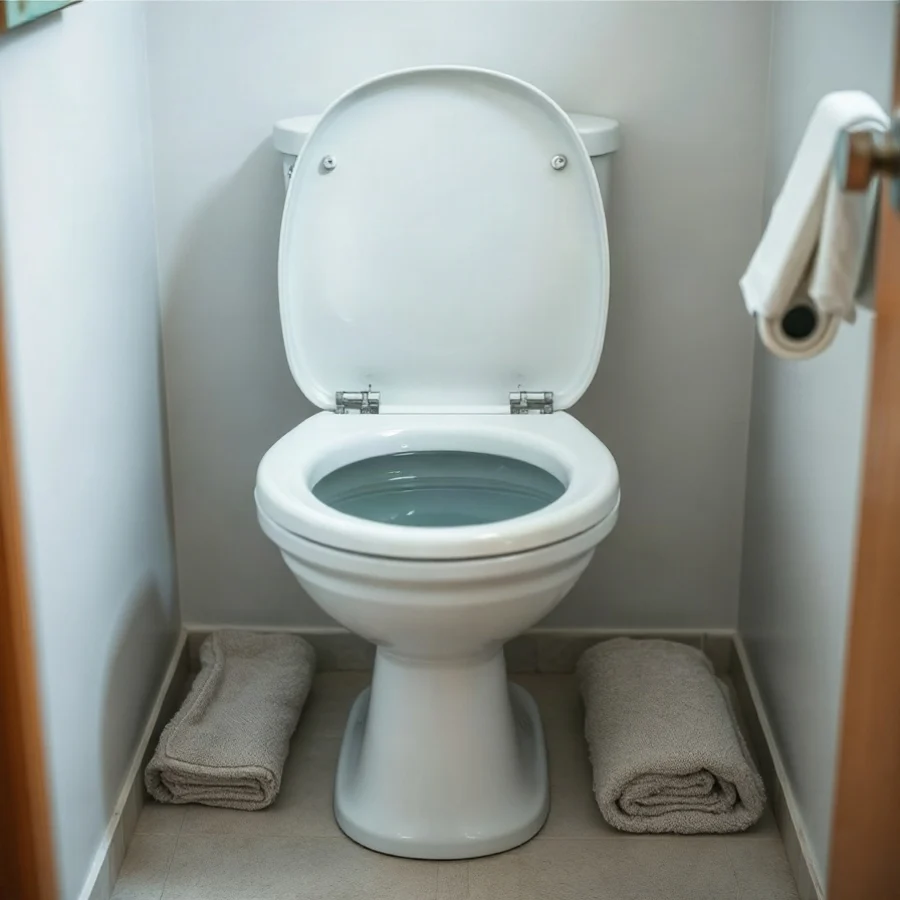
- The water will not stop rising: A failed shutoff valve, broken fill valve, or supply-line problem can keep adding water.
- Water is spreading across the floor: Flooding can damage flooring, subfloors, cabinets, drywall, and ceilings below.
- Sewage is backing up: Wastewater in the bowl or on the floor creates a sanitation concern and may indicate a larger drain or sewer blockage.
- Several fixtures are affected: A toilet that backs up along with sinks, tubs, or showers may point to a blocked main drain or sewer line rather than an isolated toilet clog.
- The problem keeps returning: Repeated overflows can indicate a deeper obstruction, tree-root intrusion, damaged pipe, or another problem that plunging cannot correct.
- The toilet is on an upper floor: Water can move through the floor and damage the ceiling below, even when the bathroom appears only mildly wet.
- You cannot identify or control the water source: Hidden leaks and failed connections should be evaluated by a qualified professional.
For urgent flooding, sewage backup, or an uncontrolled water supply, contact a qualified local plumber and explain exactly what is happening. You can also review emergency plumbing service options for guidance on finding help.
Common causes of an overflowing toilet
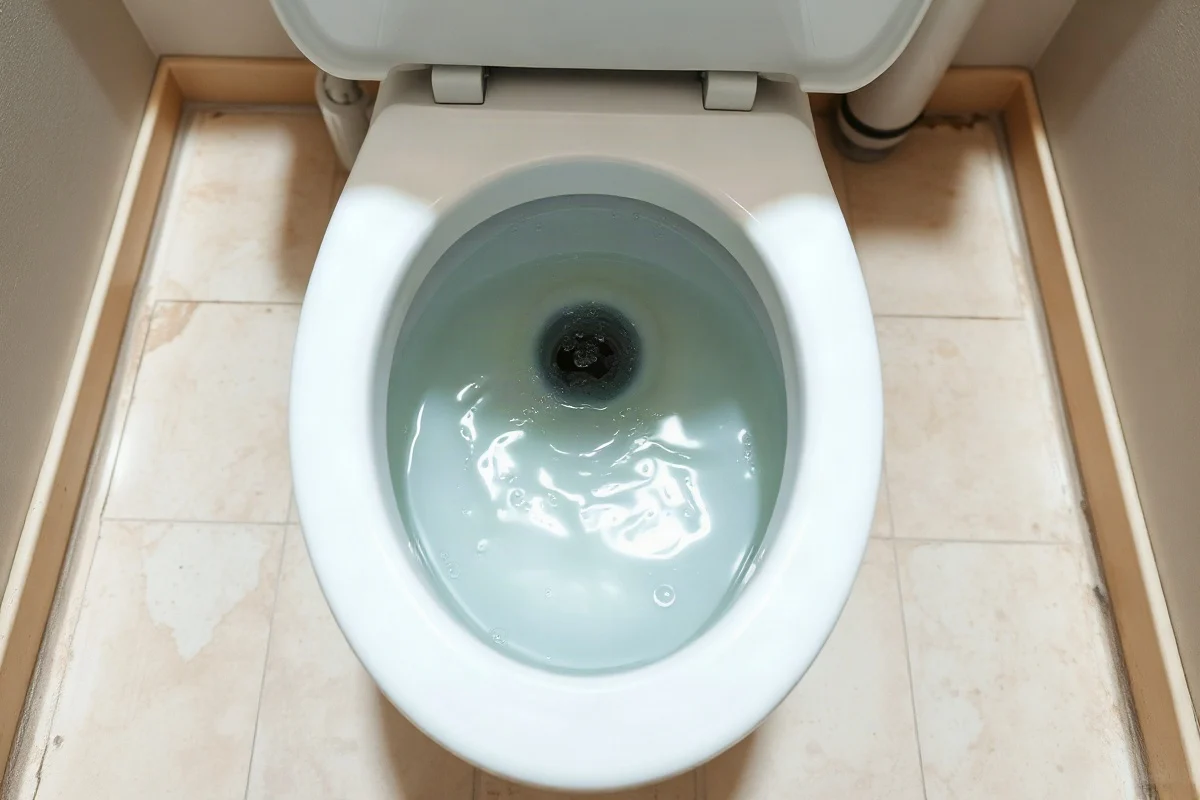
A toilet overflow usually means water is entering the bowl faster than it can leave, but the underlying reason can vary.
A clogged toilet trap or drain
The most common cause is a blockage in the toilet’s internal trap or the nearby drain. Excessive toilet paper, wipes, hygiene products, toys, and other objects can restrict the passage. Even products labeled flushable may contribute to blockages because they do not break down like toilet paper in every plumbing system.
A problem with the flapper or fill valve
If the tank continues filling after a flush, the flapper may not seal or the fill valve may not shut off. A toilet can overflow when the bowl is already partially blocked, because the tank keeps supplying water. A faulty fill component may also cause a steady leak into the bowl without a visible floor leak.
A blocked branch drain or main sewer line
When multiple fixtures drain slowly or back up at the same time, the obstruction may be farther down the plumbing system. A main sewer blockage can cause wastewater to rise through the lowest available fixture, which is sometimes a bathtub, shower, floor drain, or toilet. This is not a simple toilet-plunging problem and should be assessed by a professional.
A damaged toilet or drain connection
A cracked bowl, loose tank connection, failed supply line, worn wax or mechanical seal, or damaged drain connection can allow water onto the floor. These problems may look like an overflow even when the toilet itself is not clogged. Water around the base, staining on the ceiling below, or a toilet that rocks should be checked by a plumber.
Low-risk checks you can perform
Homeowners can safely make a few basic observations, provided the water is controlled and there is no electrical or sewage hazard.
- Confirm whether the water is still entering the bowl from the tank or coming from the base, supply line, or nearby fixture.
- Check whether the toilet shutoff valve is closed without forcing it.
- Look for other slow or backed-up fixtures in the bathroom and home.
- Use a toilet plunger with a flange designed for toilets if the bowl is not dangerously full and the water is not contaminated by sewage.
- Try gentle plunging with controlled strokes rather than forceful pumping that can splash water or damage components.
- Inspect the visible supply line and tank area for active leaks after the water is shut off.
Stop if plunging does not improve the blockage after reasonable attempts. Do not use repeated chemical drain cleaner in a toilet. These products can damage plumbing components, create hazardous splashes, and make later work more dangerous. Avoid inserting coat hangers, screwdrivers, or other sharp objects into the bowl, because they can scratch or crack porcelain and push the blockage deeper.
When DIY repair is not appropriate
Call a qualified local professional when the toilet overflows repeatedly, plunging fails, multiple drains are affected, sewage is present, or water may have entered hidden spaces. Professional equipment may be needed to locate a deeper blockage, inspect a drain, remove an object, repair a damaged pipe, or evaluate a sewer-line problem.
Do not remove a toilet, open a drain connection, or work on concealed plumbing if you are dealing with sewage, extensive flooding, structural damage, or uncertainty about what is behind the wall or beneath the floor. A toilet repair professional can help distinguish a simple clog from a failed valve, damaged seal, or drain problem.
Repair or replacement: how plumbers decide
An overflowing toilet does not automatically need to be replaced. A plumber may repair or replace the flapper, fill valve, flush valve, shutoff valve, supply line, or other individual component when the porcelain is sound and the repair is practical.
Replacement may make more sense if the bowl or tank is cracked, the toilet rocks because of a damaged connection or floor condition, internal parts have failed repeatedly, or repairs would not provide a reliable result. A toilet that is old or inefficient may also be compared with current replacement options, but the decision should consider the condition of the fixture, the drain connection, installation complexity, and the homeowner’s goals.
If the problem is a recurring blockage rather than a defective toilet, replacing the fixture may not solve it. The drain or sewer line may need cleaning, inspection, or repair. Ask the plumber to identify the likely cause before approving replacement work.
What affects the cost of service?
The cost of correcting an overflowing toilet varies by location and by the work required, so a trustworthy estimate should be based on the actual problem rather than a generic number. Important factors can include:
- Whether the visit involves a basic clog or an emergency response
- How difficult the blockage is to reach
- Whether a valve, supply line, seal, or internal toilet component needs replacement
- Whether multiple fixtures indicate a branch drain or main sewer obstruction
- Whether the toilet must be removed and reinstalled
- Water damage, cleanup, drying, or restoration needs
- Required diagnostic equipment, drain cleaning, or camera inspection
- The time, access, materials, and complexity of the repair
Before work begins, ask what the service call covers, whether diagnosis is separate from repair, which parts may be replaced, and whether additional work requires your approval. For broader planning information, see this guide to plumbing service cost factors. Avoid choosing a contractor solely on the lowest advertised price when the situation involves flooding or sewage.
How to choose the right plumber
Look for a local plumbing professional who clearly explains the suspected cause, the immediate steps needed to limit damage, and the repair options. Ask whether the person has experience with toilet overflows, drain blockages, sewer backups, or water-damage situations relevant to your home.
Before authorizing work, request a written description of the recommended repair and any conditions that could change the estimate. Confirm who will perform the work and whether the company is appropriately qualified for the type of plumbing problem involved. Local licensing, insurance, permit, and code requirements vary, so verify those details with the applicable local authority or the contractor rather than relying on a general online claim.
Be cautious of anyone who immediately recommends replacing the entire toilet or opening walls without explaining the evidence. A good diagnosis should connect the observed symptoms with the proposed repair.
Preventing another toilet overflow
Only flush human waste and toilet paper. Keep wipes, paper towels, feminine hygiene products, cotton swabs, dental floss, diapers, and cleaning materials out of the toilet. Teach children not to treat the toilet as a toy or trash can.
Pay attention to warning signs such as slow flushing, bubbling sounds, rising water, sewer odors, a toilet that needs frequent plunging, or water appearing around the base. Addressing these symptoms early may prevent a larger backup. Know where the toilet shutoff valve and main water shutoff are located, and check that they can be reached without moving heavy objects.
An overflowing toilet is safest to treat as urgent until the water is controlled and the cause is understood. Stop the supply, avoid contact with contaminated water, protect nearby areas, and call a qualified local plumber when the overflow is persistent, recurring, widespread, or connected to sewage or flooding.
Comments
0No comments yet. Be the first to share a helpful note or question.
Leave a Comment
Your email address will not be published. Comments are reviewed before appearing on the site.