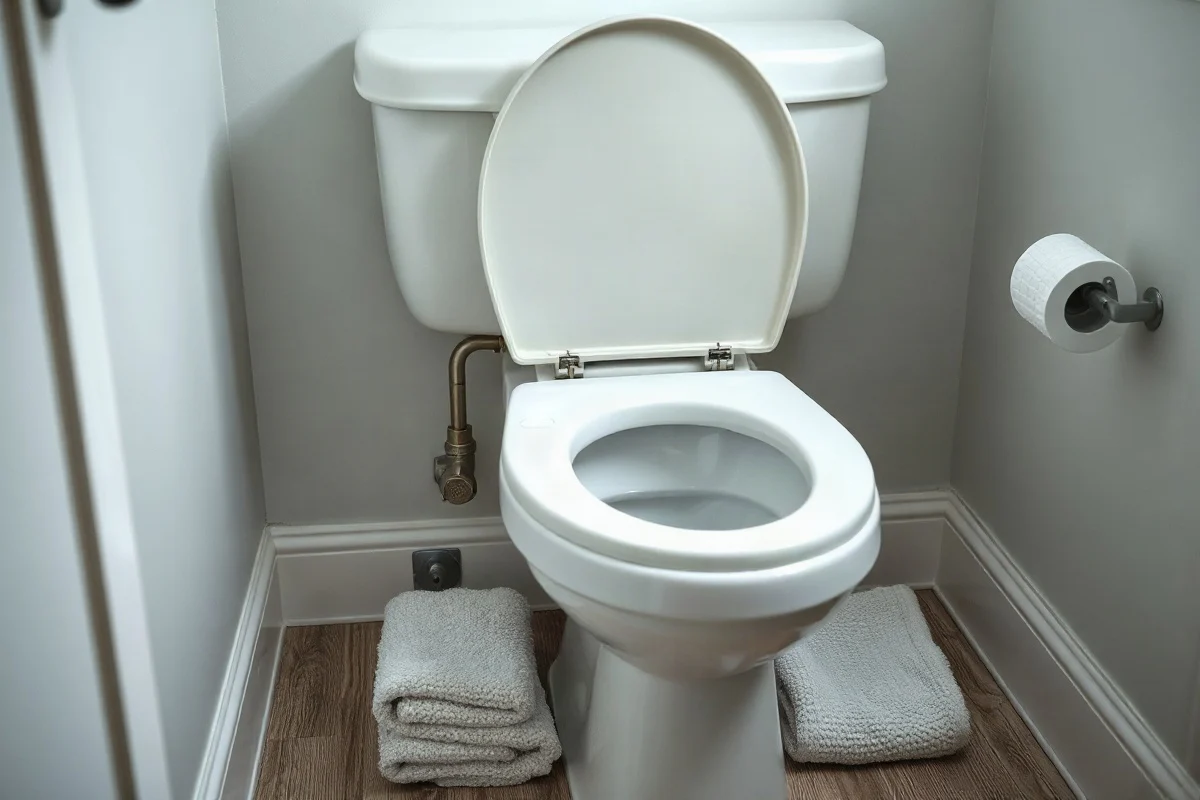
To stop an overflowing toilet, immediately stop the flow of water by turning the shutoff valve clockwise or lifting the tank float, then avoid flushing again. The shutoff valve is usually on the wall or floor behind the toilet. Turn it slowly until it stops. If the valve is stuck, the tank lid is unstable, or water continues to rise, close the main water supply if you can do so safely and contact a qualified local plumber. Acting quickly can limit water damage, but do not reach into contaminated water or attempt repairs involving unsafe electrical conditions.
What to Do in the First Few Minutes
An overflowing toilet can release more water than the bathroom floor can handle in a short time. Focus on stopping the water before trying to clear the blockage.
1. Stop the flush cycle
Remove the tank lid carefully and look inside. If the water level is rising, lift the float high enough to stop the fill valve from adding water. Depending on the toilet design, the float may be a ball attached to an arm or a cup that slides along a vertical fill valve. Do not force the mechanism or pull on delicate parts.
If the toilet has a flapper at the bottom of the tank and it is stuck open, gently press it closed only if you can do so without placing your hand in dirty bowl water. The tank water is not necessarily clean once components or hands have been contaminated, so wash your hands thoroughly afterward.
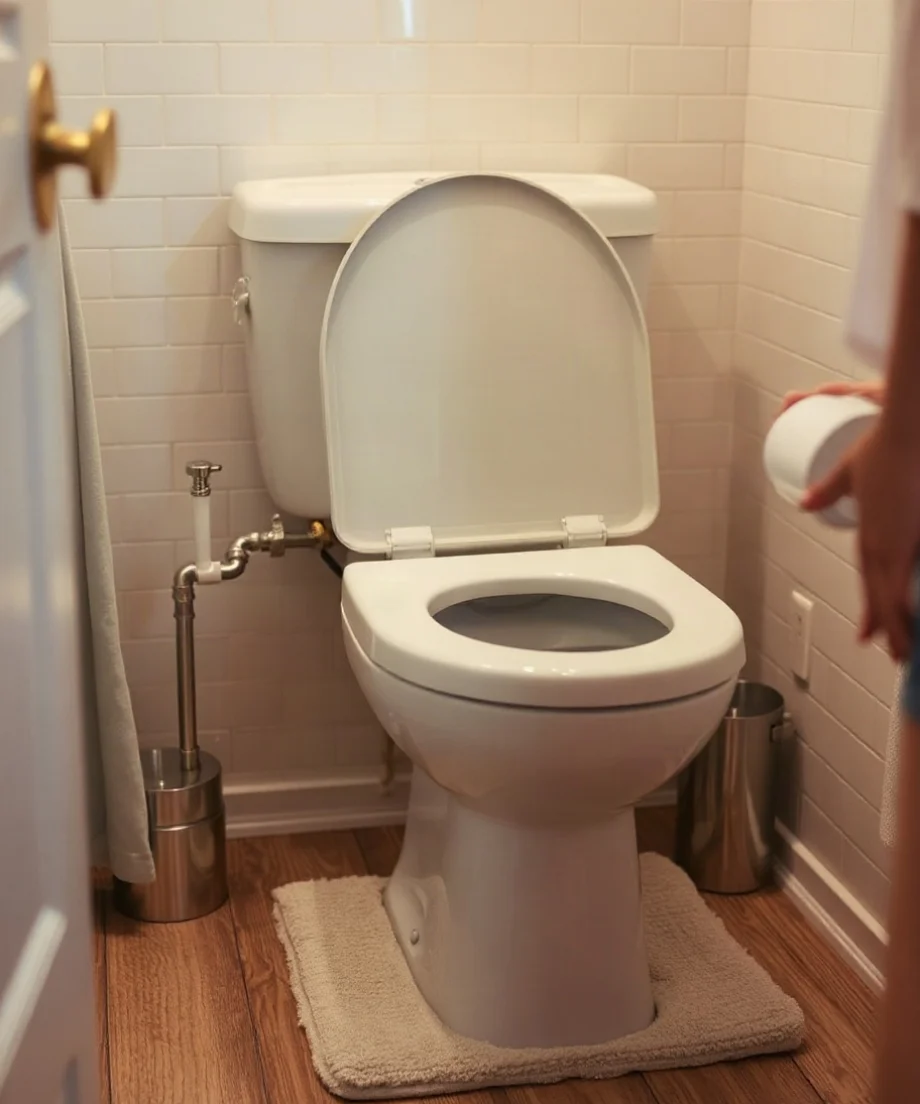
2. Close the toilet shutoff valve
Turn the handle clockwise until it stops. A quarter-turn lever may close with a short rotation, while a round handle may require several turns. Do not use excessive force or tools on a corroded valve. A damaged valve can begin leaking at the wall or floor connection.
After closing the valve, wait briefly and watch the bowl. The water should stop rising. If it does not, the shutoff may not be working, or water may be entering from another source. In that situation, shut off the home's main water supply if you know where it is and can reach it safely.
3. Protect the bathroom
Move rugs, baskets, toiletries, and other items away from the water. Use towels to contain a small amount of clean water, but do not spread sewage-contaminated water to other rooms. Keep children and pets away from the area. If water has reached electrical outlets, appliances, or wiring, do not step into it or touch electrical equipment. Leave the area and call a qualified professional or emergency service as appropriate.
Why a Toilet Overflows
The immediate cause is usually that water enters the bowl faster than it can drain. Several problems can produce that condition, and the repair depends on which component or drain is involved.
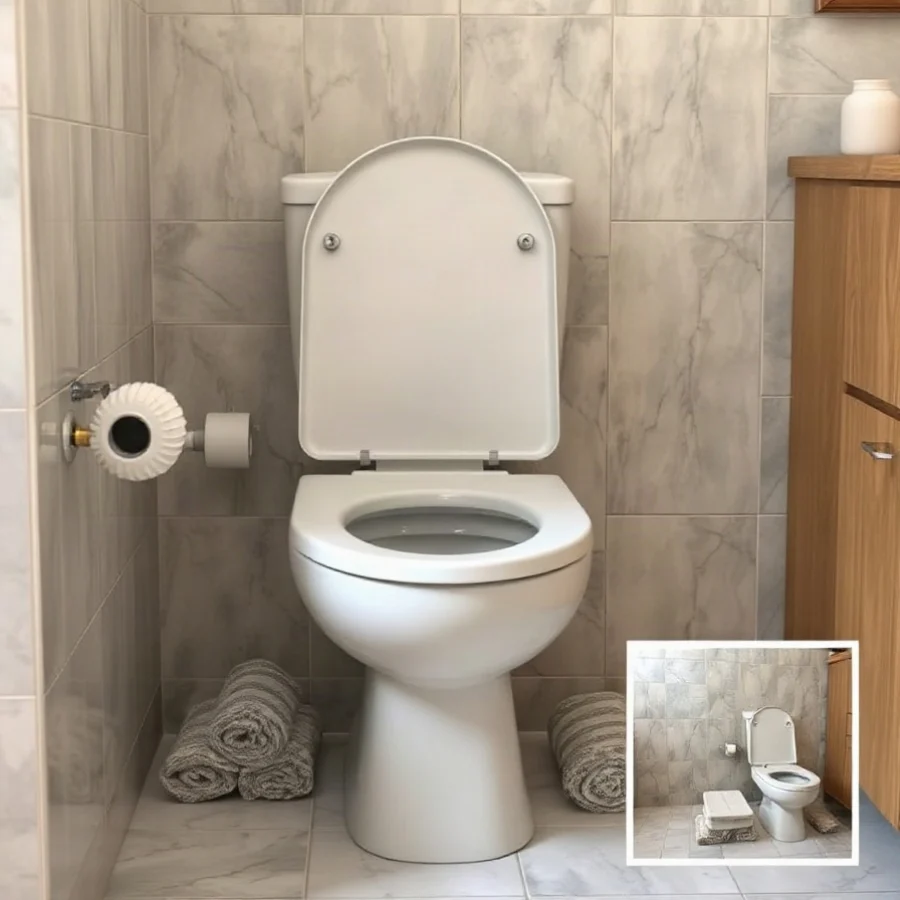
A clogged toilet trap or branch drain
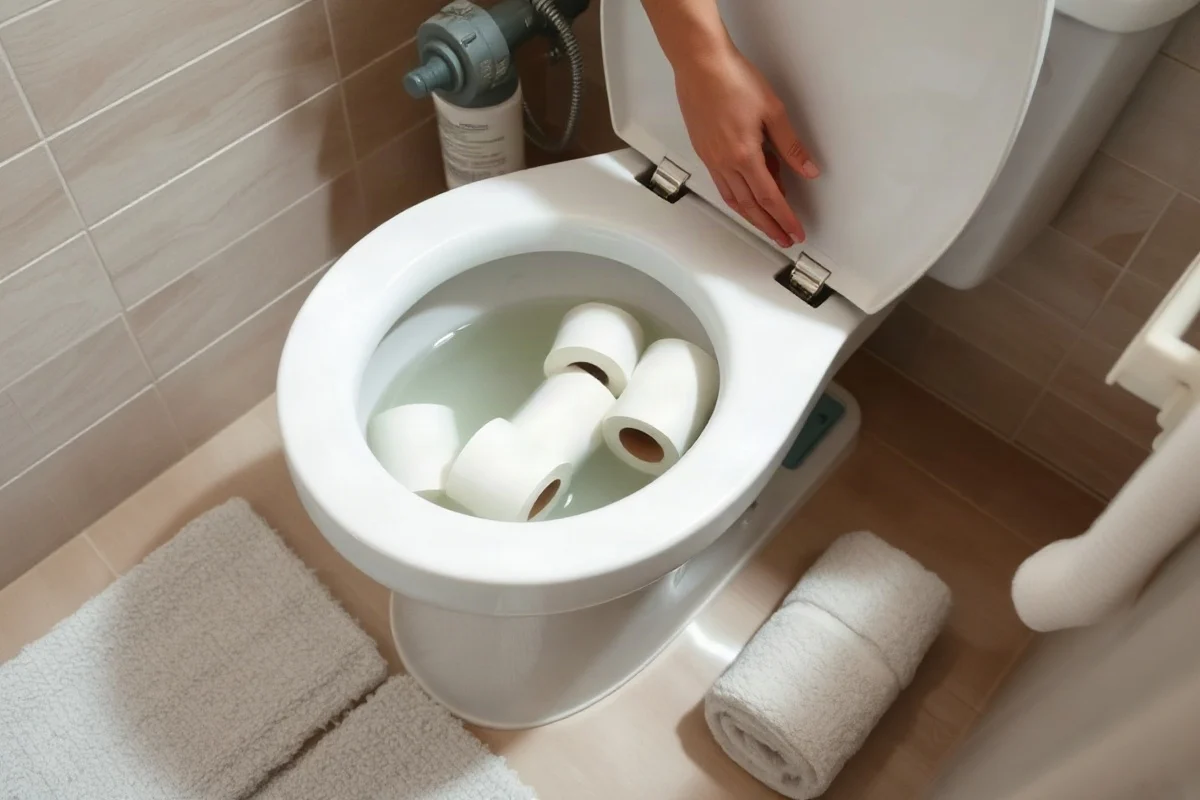
A blockage in the toilet's internal trap is one of the most common causes. Excess paper, wipes, hygiene products, toys, and other objects can restrict the passage. Even products labeled flushable may contribute to blockages, especially when used in large quantities or when the home's drainage system already has a problem.
If the toilet is the only fixture affected and the bowl drains slowly or not at all, a local blockage is possible. If nearby sinks, tubs, or showers also drain slowly, the obstruction may be farther along the bathroom branch drain.
A blocked main drain or sewer line
When several fixtures back up at the same time, the problem may be beyond the toilet. Gurgling sounds, sewage odors, water rising in a shower when another fixture runs, or repeated backups can point to a larger drain or sewer issue. Stop using water throughout the home and arrange for qualified local help. A sewer backup can expose occupants to contaminated water and may require professional equipment and cleanup.
A faulty fill valve, flapper, or float
If the bowl does not drain poorly but water keeps entering it, the tank assembly may be malfunctioning. A flapper that does not seal, a float set incorrectly, or a failing fill valve can allow continuous water flow. These problems often cause a running toilet rather than a sudden backup, but they can overflow if the water rises above the tank's intended level or if the overflow tube cannot handle the flow.
A problem with the flush valve or button
Some toilets continue flushing because a button, handle, chain, or flush valve remains engaged. A loose chain can prevent the flapper from closing, while a stuck button can keep the valve open. These are different from a blocked drain, so plunging may not solve the problem.
Safe Homeowner Checks
Once the water is off and the bowl level has fallen to a safe height, a homeowner can try a limited number of low-risk checks. If you are unsure which part you are touching, stop and seek help rather than forcing it.
Try the right plunger
Use a flange-style toilet plunger, which has an extended rubber section designed to seal around the drain opening. A flat sink plunger may not create an effective seal. Add enough water to cover the rubber cup if the bowl is low, but do not add water if the bowl is already near the rim.
Place the flange over the drain, press down gently to remove trapped air, and then use firm, controlled strokes. Keep the seal in place and avoid violent plunging that could splash contaminated water or damage a weak seal. If the water begins to drain, wait until the bowl is nearly empty before testing with a small amount of water. Do not repeatedly flush to check your work.
Look for an obvious, reachable object
If a visible item is caught near the bowl opening, remove it with gloves or suitable tools only if it can be reached without pushing it farther into the trap. Do not use your bare hands. Do not insert sharp objects, coat hangers, or improvised tools that may scratch the porcelain or damage the trap.
Avoid chemical drain cleaners
Chemical drain cleaners are generally a poor choice for an overflowing toilet. They may remain in the bowl, splash during plunging, damage plumbing components, or injure anyone who later has to disassemble the toilet. Never mix cleaning products. If a chemical has already been added, tell the plumber exactly what was used and avoid further handling.
For additional guidance about persistent blockages, see our information on toilet repair and clogged drains.
When to Stop DIY Efforts
Call a qualified local plumber when careful plunging does not restore normal drainage, the toilet repeatedly overflows, or more than one fixture is backing up. Professional help is also appropriate when the shutoff valve will not close, the toilet rocks at the floor, water is leaking from the base, or you suspect a cracked tank, bowl, supply line, or drain connection.
Do not remove a toilet, open a drain cleanout, use powered drain equipment, or investigate a sewer connection unless you understand the risks and have the right equipment. These tasks can release contaminated water, damage pipes, or reveal a concealed leak. A professional may need to inspect the drain, use an auger, identify an obstruction, or determine whether the issue extends into the main sewer line.
Get urgent assistance for major flooding, sewage exposure, water reaching electrical components, a failed main shutoff, or water that continues entering the home. If the event involves a gas appliance, electrical wiring, or structural damage, use the appropriate qualified trade rather than attempting a plumbing-only fix. Our emergency plumber resource can help you understand when fast local assistance is warranted.
Repair or Replace: What Usually Determines the Decision
Small tank problems are often repairable. A worn flapper, faulty fill valve, broken handle, or damaged chain may be replaceable without replacing the toilet. The correct part depends on the toilet's design and the condition of the remaining components.
A toilet may be a better candidate for replacement when the porcelain is cracked, the bowl or tank is severely damaged, the base continues to leak, the fixture is unstable, or repeated repairs no longer solve the problem. Cracks in the bowl or tank can worsen without warning and should not be patched as a long-term solution. A plumber can check the floor connection and surrounding area before recommending replacement.
If the toilet itself is working but a larger drain is blocked, replacing the fixture will not correct the underlying problem. Repeated backups should be investigated instead of treated as isolated toilet clogs.
What Affects the Cost of an Overflowing Toilet Repair?
The final cost depends on the cause and the work required, not simply on the fact that the toilet overflowed. Common cost factors include:
- Whether the issue is a simple tank component, a toilet trap blockage, or a deeper drain obstruction.
- How accessible the toilet, cleanout, or affected drain line is.
- Whether the toilet must be removed to retrieve an object or inspect the floor connection.
- Whether contaminated water caused cleanup, drying, or damage to flooring and walls.
- Whether multiple fixtures are affected and additional drain inspection is needed.
- The time, tools, replacement parts, and after-hours availability involved in the service.
Ask for a clear explanation of the diagnosis, the recommended repair, parts and labor, and any conditions that could change the estimate. Avoid choosing a provider solely on the lowest initial quote when the cause has not been identified.
How to Choose the Right Plumber
Look for a plumber who regularly handles toilet repairs and drain backups in your area. Before work begins, ask what they believe is causing the overflow, what inspection is needed, and whether they will protect the bathroom from additional contamination or water damage.
Confirm the business's current qualifications and insurance directly with the provider, and check whether any local requirements apply to the proposed work. Do not assume that every person advertising drain cleaning is qualified for sewer, concealed-pipe, or code-related work. A reputable professional should explain the repair in understandable terms and identify when a larger plumbing problem is possible.
Once the immediate issue is controlled, document the affected area with photos, keep receipts for emergency work, and monitor nearby fixtures for slow drainage or unusual sounds. These details can help the plumber distinguish a one-time toilet clog from a recurring drain or sewer problem. For more guidance on comparing service providers, review our advice on hiring a plumber.
How to Reduce the Chance of Another Overflow
- Flush only toilet paper and human waste unless the fixture manufacturer or local professional gives different guidance.
- Keep wipes, paper towels, feminine hygiene products, cotton swabs, and cleaning materials out of the toilet.
- Teach children not to flush toys or excessive amounts of paper.
- Know where the toilet shutoff valve and the home's main water shutoff are located.
- Address a toilet that runs, gurgles, drains slowly, or needs repeated plunging.
- Arrange an inspection when several fixtures back up or sewage returns through a drain.
The safest response to an overflowing toilet is simple: stop the water, prevent further flushing, protect people from contaminated water, and use only limited low-risk checks. If the blockage remains, the shutoff fails, or other fixtures are involved, professional diagnosis can prevent a small bathroom incident from becoming a larger plumbing and water-damage problem.
Comments
0No comments yet. Be the first to share a helpful note or question.
Leave a Comment
Your email address will not be published. Comments are reviewed before appearing on the site.