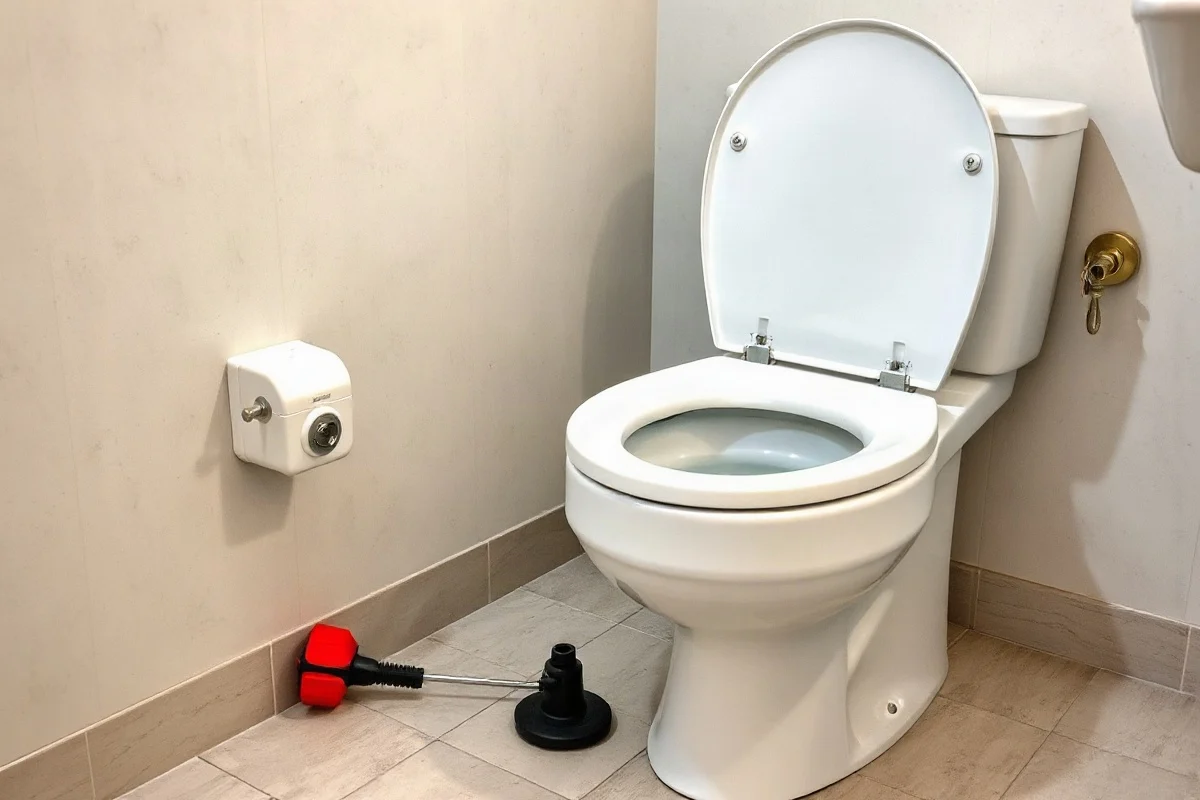
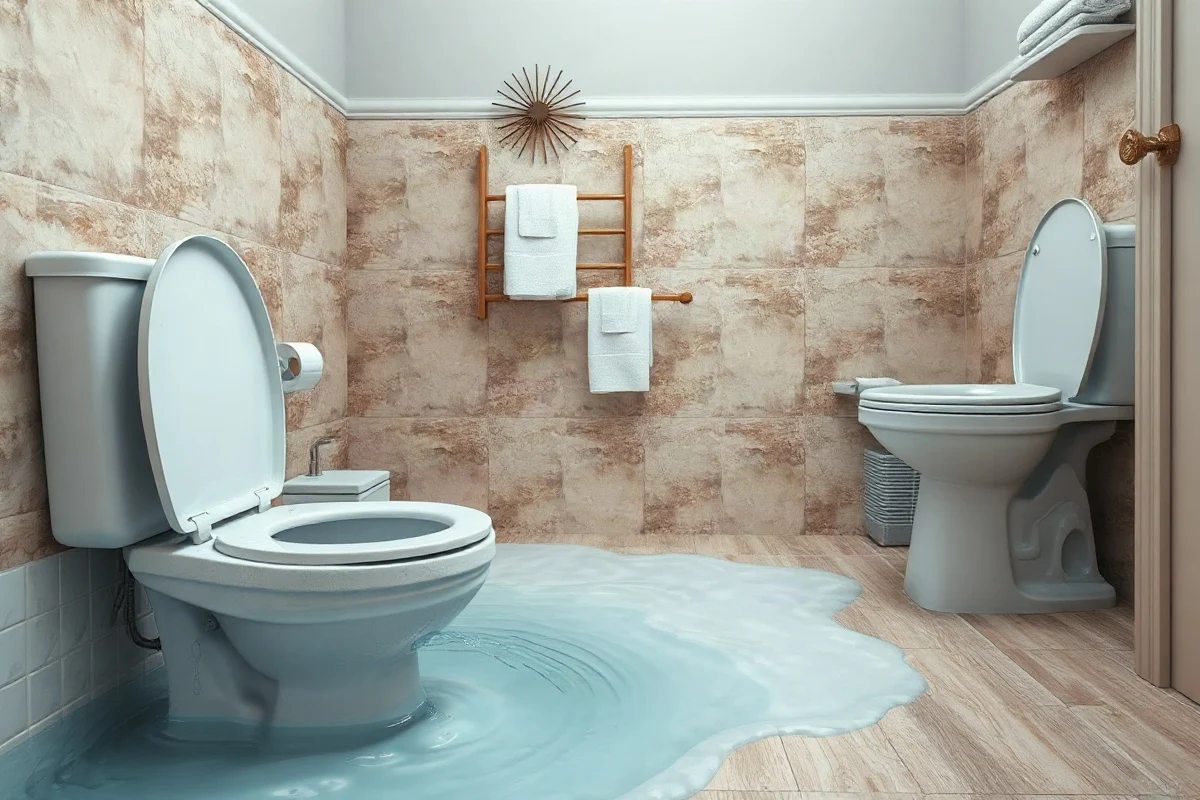
If your toilet keeps overflowing after plunging, the blockage may be deeper than the plunger can reach, lodged in the toilet’s built-in trap, or connected to a larger drain or sewer problem. A failed flapper, fill valve, or flush mechanism can also create repeated water flow, but those parts usually cause a rising water level only when the toilet is refilling—not because waste cannot leave the bowl. Shut off the toilet’s water supply first, avoid repeated flushing, and use a qualified local plumber if the bowl remains blocked, other drains are affected, or sewage is backing up.
Stop the Overflow Before Troubleshooting
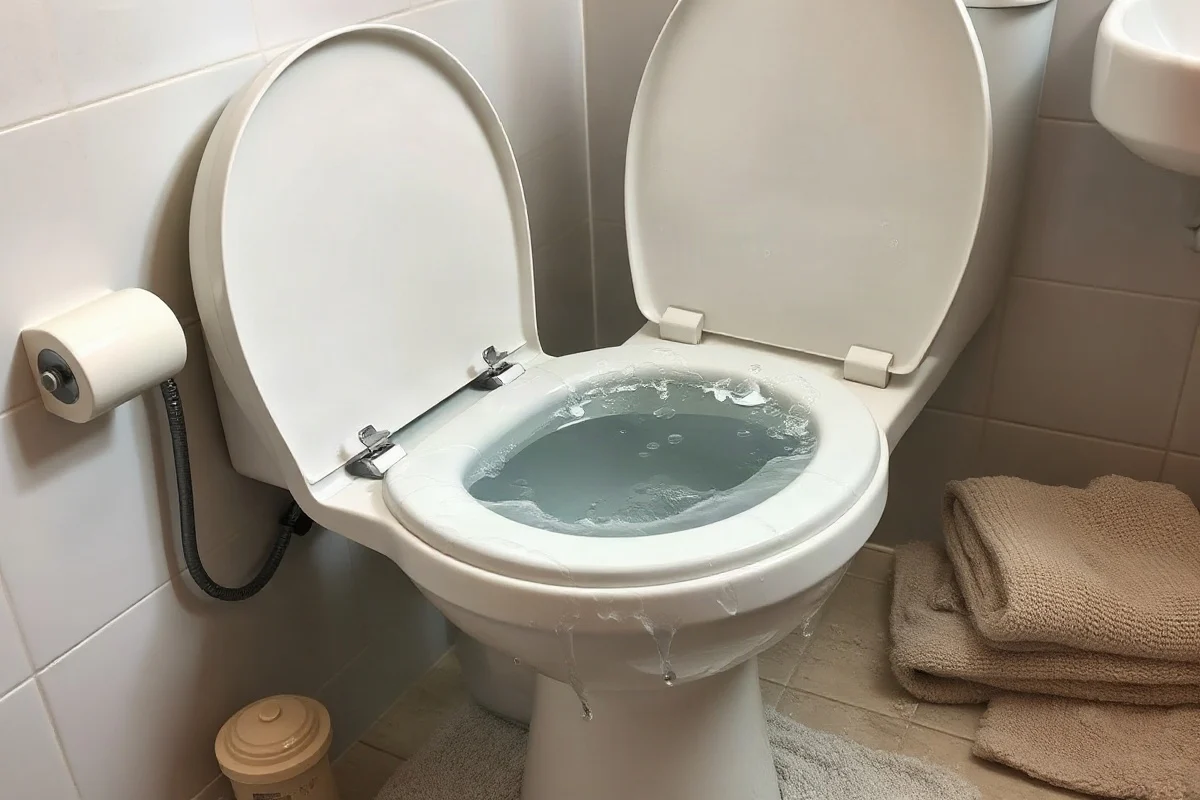
Do not keep plunging or flushing while the water level is rising. Repeated flushing can send more water into an already full bowl and spread contaminated water across the bathroom floor.
Look for the small shutoff valve on the wall or floor behind the toilet. Turn it clockwise until it stops, but do not force it if the valve is seized or leaking. If water continues entering the tank or bowl, remove the tank lid and carefully lift the float or close the rubber flapper by hand while arranging professional help. Keep children and pets away from the area, and wear gloves if wastewater has spilled.
If the overflow has reached flooring, baseboards, cabinets, or electrical equipment, treat the situation seriously. Sewage exposure, major flooding, and hidden water damage should be handled by qualified local professionals. You can learn more about urgent situations through this emergency plumber resource.
Why Plunging May Not Have Worked
The clog is deeper in the drain line
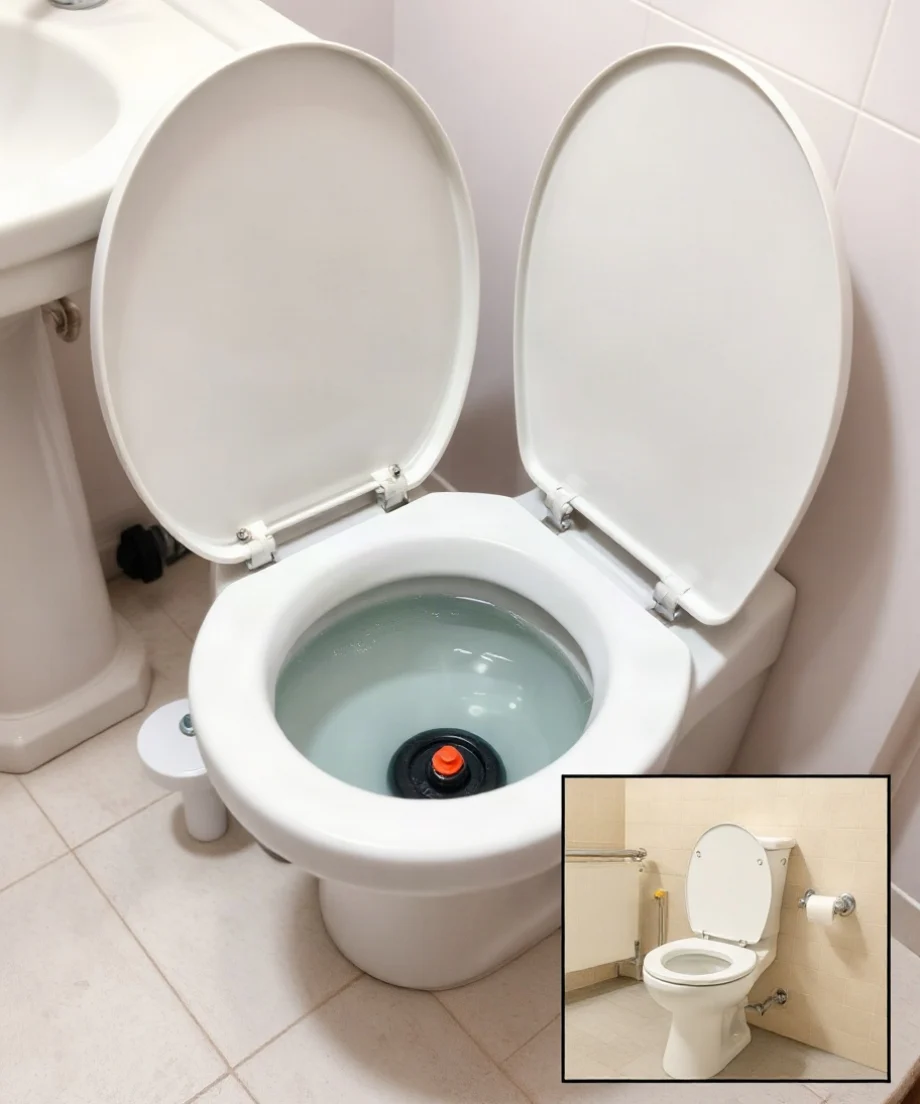
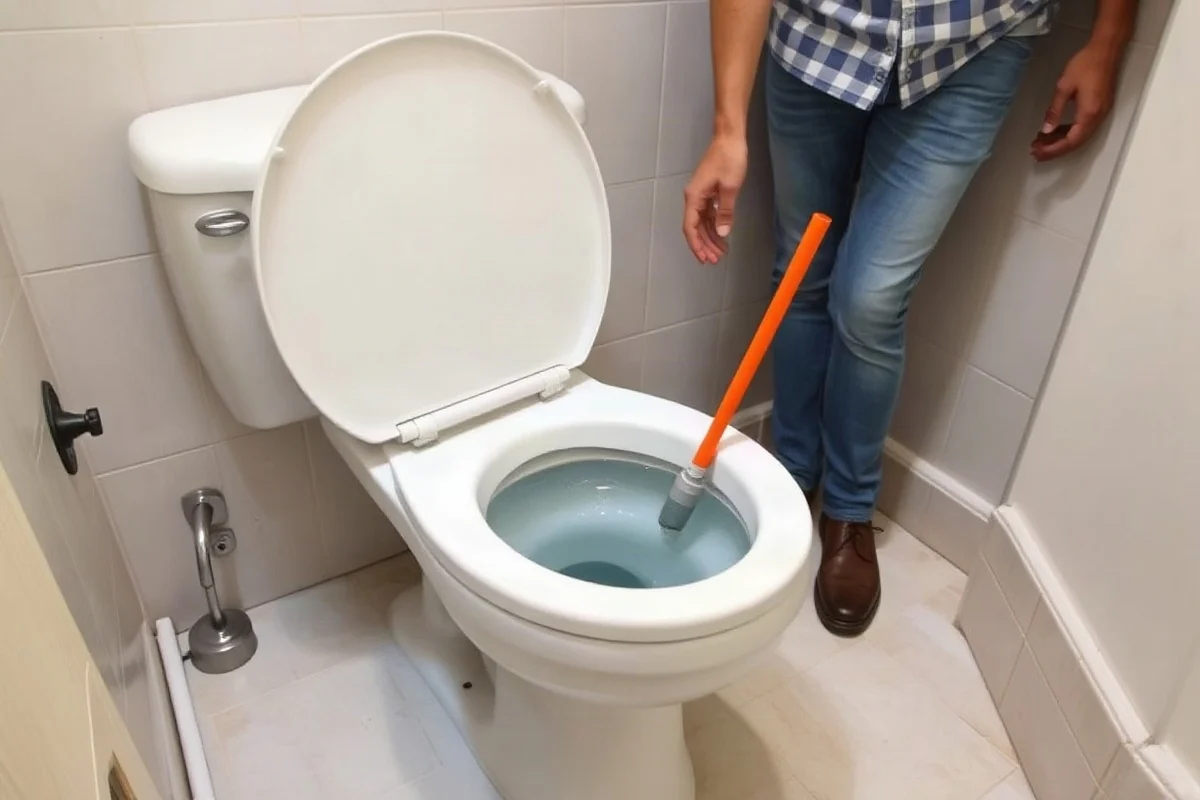
A plunger works by creating pressure near the toilet opening. That pressure may loosen a small obstruction close to the bowl, but it may not clear a blockage farther down the branch drain. Paper, waste, wipes, hygiene products, and other objects can collect in a narrow section of pipe and continue restricting flow after several plunging attempts.
A toilet that drains slowly, gurgles, or rises again after sitting for a few minutes may have a partial blockage rather than a completely sealed trap. Repeated plunging can sometimes move the obstruction without removing it, allowing the problem to return during the next flush.
An object is stuck in the toilet trap
The curved passage inside the toilet is designed to hold water and block sewer gases. It can also catch objects such as toys, brushes, cosmetic containers, or excessive paper. If a solid object is lodged in the trap, a plunger may not be strong or precise enough to remove it.
Do not use a coat hanger, metal rod, or sharp tool to probe the bowl. These can scratch the porcelain or push the object farther into the drain. A plumber may use a closet auger designed for toilets, or may need to remove the toilet to access an obstruction safely.
The wrong type of plunger was used
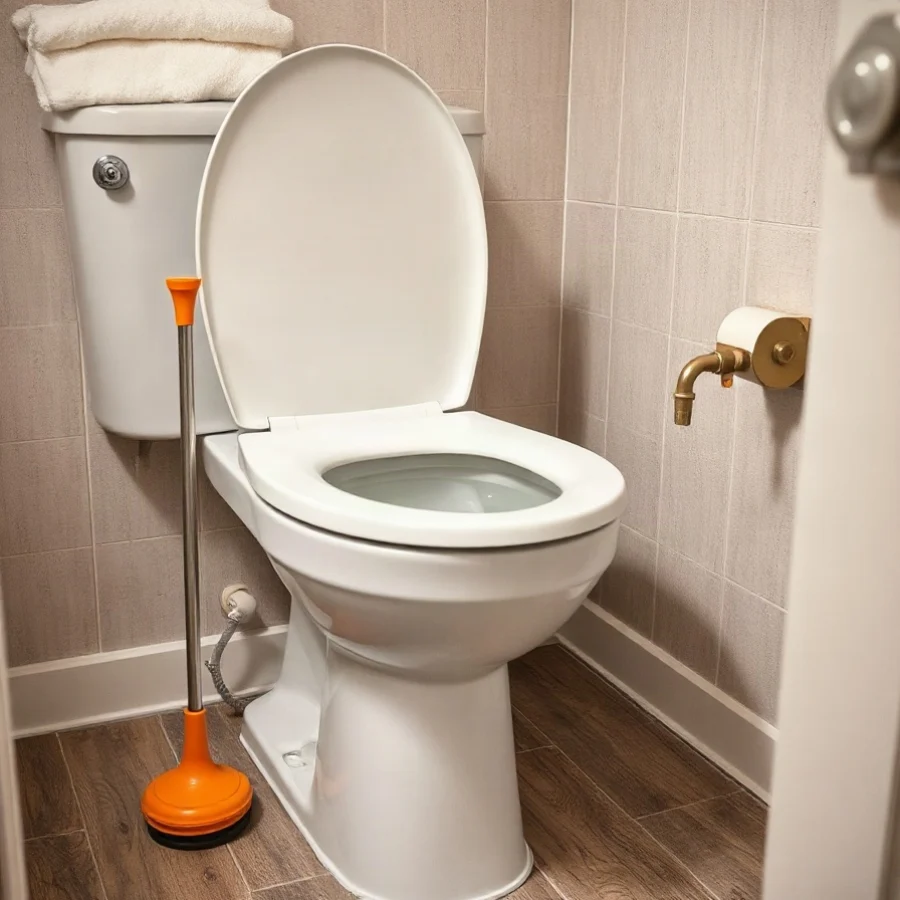
A flat cup plunger is mainly intended for sinks and smooth, flat drains. Toilets generally work better with a flange-style toilet plunger that forms a seal around the bowl outlet. Even with the right plunger, the bowl must contain enough water to cover the rubber flange, and the tool must be held firmly over the opening.
Use controlled pushes and pulls rather than violent force. If several careful attempts do not improve drainage, stop. More pressure is not always better and can damage a wax seal, loosen a connection, or cause contaminated water to splash.
The main drain or sewer line is restricted
If the toilet is not the only fixture acting strangely, the problem may be beyond the toilet itself. Warning signs include water backing up into a tub or shower, multiple slow drains, gurgling from nearby fixtures, or wastewater appearing when a sink, washing machine, or other fixture drains.
A shared branch drain or sewer line may be partially blocked. This is not a good situation for repeated DIY plunging because water may emerge from another fixture or contaminate additional areas. A plumber may need to inspect and clear the line with appropriate equipment. For recurring or widespread backups, a drain camera inspection can help identify the location and type of obstruction before more invasive work is considered.
The toilet is not flushing completely
Sometimes an overflow is blamed on a clog even though the underlying issue is a weak flush. Mineral buildup around the rim holes, a low tank water level, a worn flapper, a loose handle, or a malfunctioning flush valve can reduce the amount of water entering the bowl. A weak flush may fail to move waste through the trap, creating a pattern of repeated partial clogs.
With the water supply turned on and the tank lid removed, you can observe whether the tank fills normally and whether the flapper opens when you press the handle. Keep your hands away from unfamiliar mechanisms, and do not adjust parts aggressively. If the toilet tank does not fill, continues running, or has damaged components, a professional can identify whether repair or replacement is appropriate.
Safe Checks a Homeowner Can Make
Low-risk checks can provide useful information without taking the toilet apart:
- Confirm that the toilet’s shutoff valve is fully open after the immediate overflow has been controlled.
- Check whether the bowl drains slowly on its own without flushing.
- Look for visible objects near the bowl opening, but do not reach into contaminated water without gloves.
- Notice whether sinks, tubs, showers, or other toilets are also slow or backing up.
- Listen for gurgling when nearby fixtures drain.
- Inspect the floor around the toilet for water, staining, soft spots, or movement at the base.
- Record what was flushed before the problem began, especially if a solid object or unusual amount of paper may be involved.
These observations can help a plumber diagnose the problem, but they do not replace a proper inspection. Never pour chemical drain cleaner into an overflowing toilet. The chemical can remain in the bowl, splash during plunging, damage plumbing components, and injure anyone who later works on the toilet.
When a Professional Is Needed
Arrange qualified local plumbing help if the toilet remains blocked after a proper plunging attempt, overflows repeatedly, or cannot be cleared with a toilet auger used according to its instructions. Professional service is especially important when the blockage may involve a solid object, a damaged toilet, a hidden leak, or a shared drain.
Call promptly if sewage is backing up, several fixtures are affected, water is entering walls or floors, or the toilet rocks at its base. A rocking toilet may have a damaged seal or an unstable connection, and continued use can allow water to reach the subfloor. Sewage cleanup, concealed leaks, major flooding, electrical hazards, and any work requiring code compliance should be handled by qualified local professionals.
Repair or Replace the Toilet?
A repair may be reasonable when the porcelain is intact and the problem involves a replaceable part such as a flapper, fill valve, flush handle, or flush valve. These repairs can restore a weak or incomplete flush when the drain itself is clear.
Replacement may make more sense when the toilet has a cracked bowl or tank, repeated internal failures, severe mineral buildup, an unstable base, or a history of recurring clogs that cannot be explained by user habits. A plumber can also determine whether the obstruction is in the toilet or in the drain connection below it. For related service information, see this guide to toilet repair.
What Affects the Service Cost?
The final cost of an overflowing-toilet repair depends on the actual cause and the amount of work required. Relevant factors can include whether the issue is a simple toilet clog, a trapped object, a failed tank component, a damaged seal, a blocked branch drain, or a sewer-line restriction.
Other factors may include accessibility, the need to remove and reset the toilet, cleanup of contaminated water, diagnostic equipment, replacement parts, and work performed outside normal business hours. Because local rates and service conditions vary, request a clear explanation of the suspected problem, recommended repair, labor or diagnostic charges, parts, and any possible additional work before authorizing service. Avoid choosing solely on the lowest advertised price when the diagnosis is unclear.
How to Choose the Right Plumber
Look for a plumber who routinely handles toilet blockages, drain backups, and sewer-related symptoms—not just fixture replacements. Before work begins, ask:
- What are the most likely causes based on the symptoms?
- What inspection or clearing method do you recommend?
- Could the problem involve a shared drain or sewer line?
- What work is included in the estimate, and what could change it?
- Will you explain the repair options before removing the toilet or opening a drain?
Use a qualified local professional for sewage exposure, concealed leaks, major flooding, unsafe conditions, and work involving electrical systems or code-sensitive installations. A careful diagnosis is more useful than repeatedly plunging a toilet that has a deeper or recurring problem.
Preventing Another Overflow
Flush only toilet paper and human waste, and keep wipes, paper towels, feminine products, dental floss, cotton products, and other objects out of the toilet unless the plumbing professional or product guidance specifically confirms they are appropriate. Keep small children’s toys and bathroom containers away from the bowl.
Pay attention to early warning signs such as a slow flush, bubbling water, a rising water level, or gurgling in nearby drains. Addressing those symptoms early can reduce the chance of a full backup. If you need broader guidance, this overflowing toilet resource can help you organize the next steps.
Comments
0No comments yet. Be the first to share a helpful note or question.
Leave a Comment
Your email address will not be published. Comments are reviewed before appearing on the site.