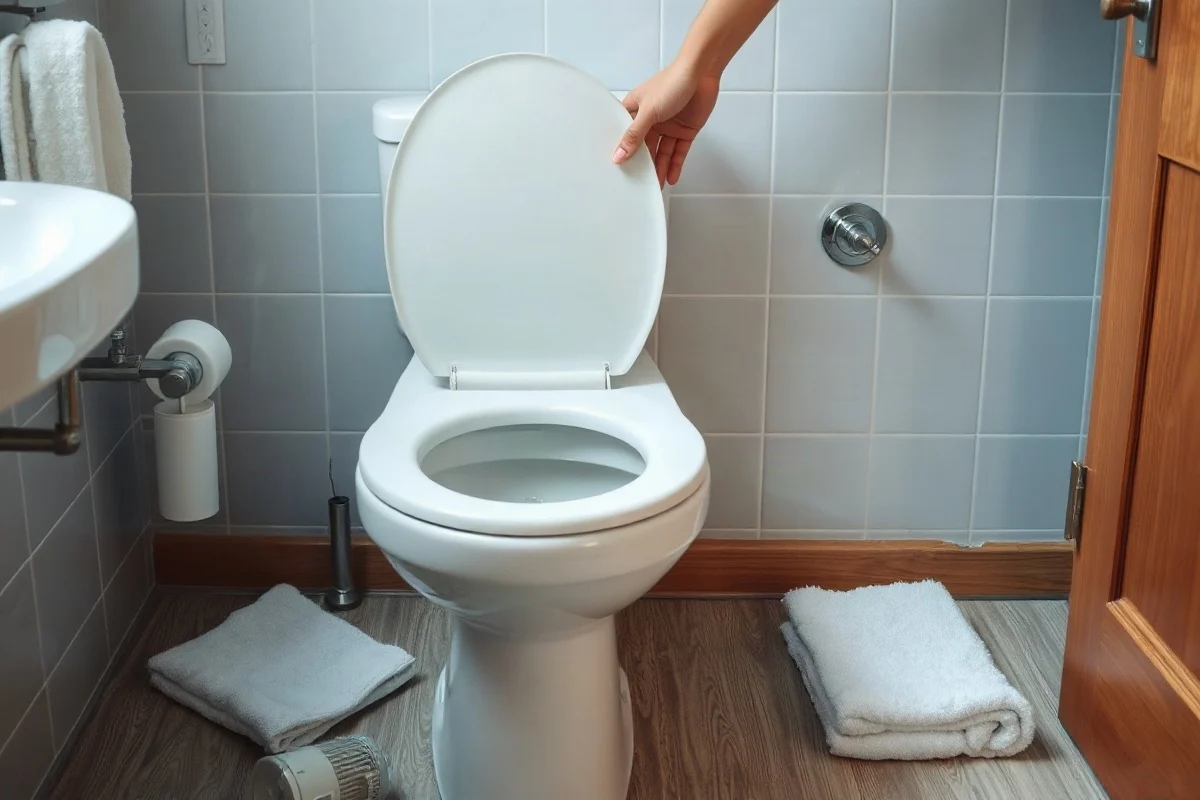
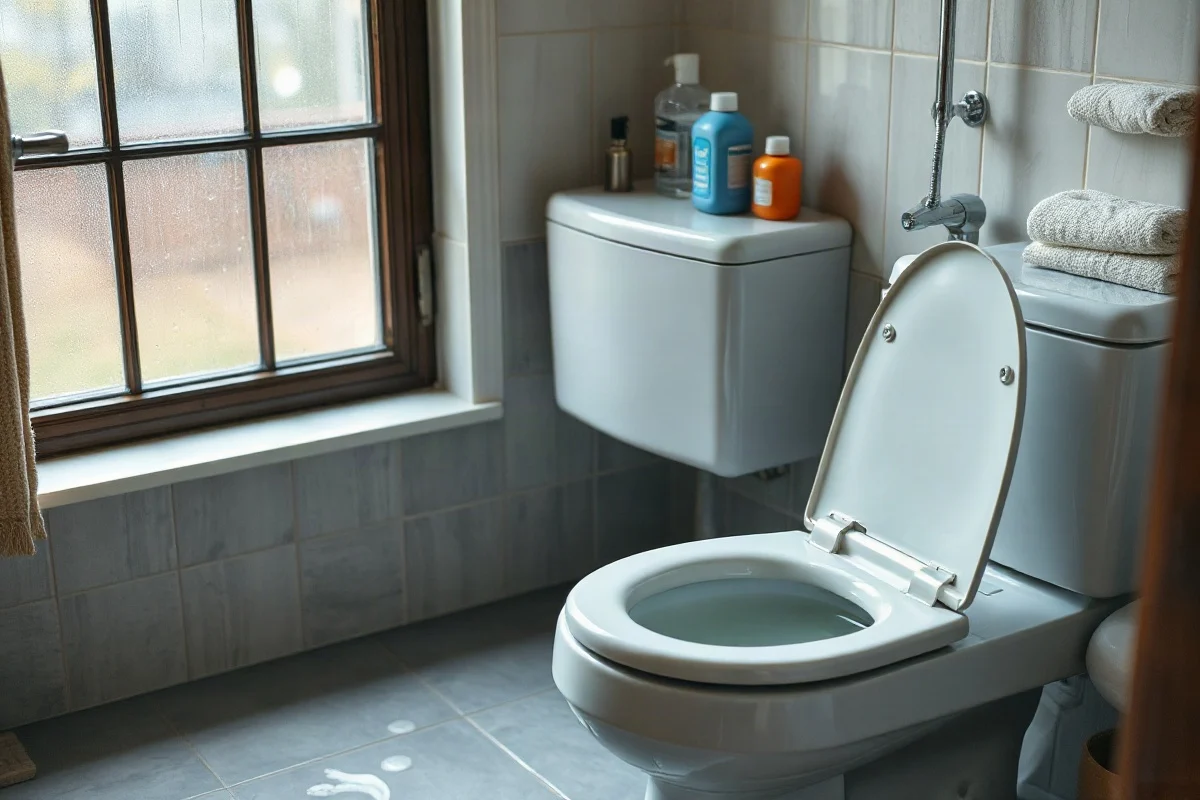
If water is overflowing from the toilet tank instead of the bowl, shut off the toilet’s water supply immediately by turning the valve on the wall or floor clockwise. A tank overflow usually means the fill valve is not stopping the incoming water, the float is stuck or misadjusted, or a tank component is damaged. If the tank itself is cracked, water may continue leaking even after the valve is closed, so place towels around the base and contact a qualified local plumber.
What to do first when the tank is overflowing
Act quickly, but do not reach into the tank if the surrounding floor is wet and an electrical appliance, extension cord, or outlet could be affected. Keep children and pets away from the area. If the water is clean and the spill is limited, these initial steps are generally low risk:
- Turn the toilet’s shutoff valve clockwise until it stops. Do not force a corroded valve.
- Remove the tank lid carefully and set it on a towel or stable surface.
- Check whether the water level drops after the supply is shut off.
- Dry the floor and inspect the tank, supply line, shutoff valve, and tank-to-bowl connection for active leaks.
- If the valve will not close, the tank is cracked, or water is spreading into walls or flooring, call a qualified plumber.
Do not flush the toilet again until the cause is understood. If the overflow includes sewage or the water has contacted porous flooring, use appropriate protective gloves, avoid spreading the contamination, and arrange professional cleanup and plumbing service.
Why a toilet tank overflows
1. A failing or stuck fill valve
The fill valve controls water entering the tank after a flush. Once the tank reaches its normal level, the valve should close. Mineral buildup, worn internal parts, debris, or a mechanical failure can prevent it from shutting off. Water then continues entering the tank and rises toward the top.
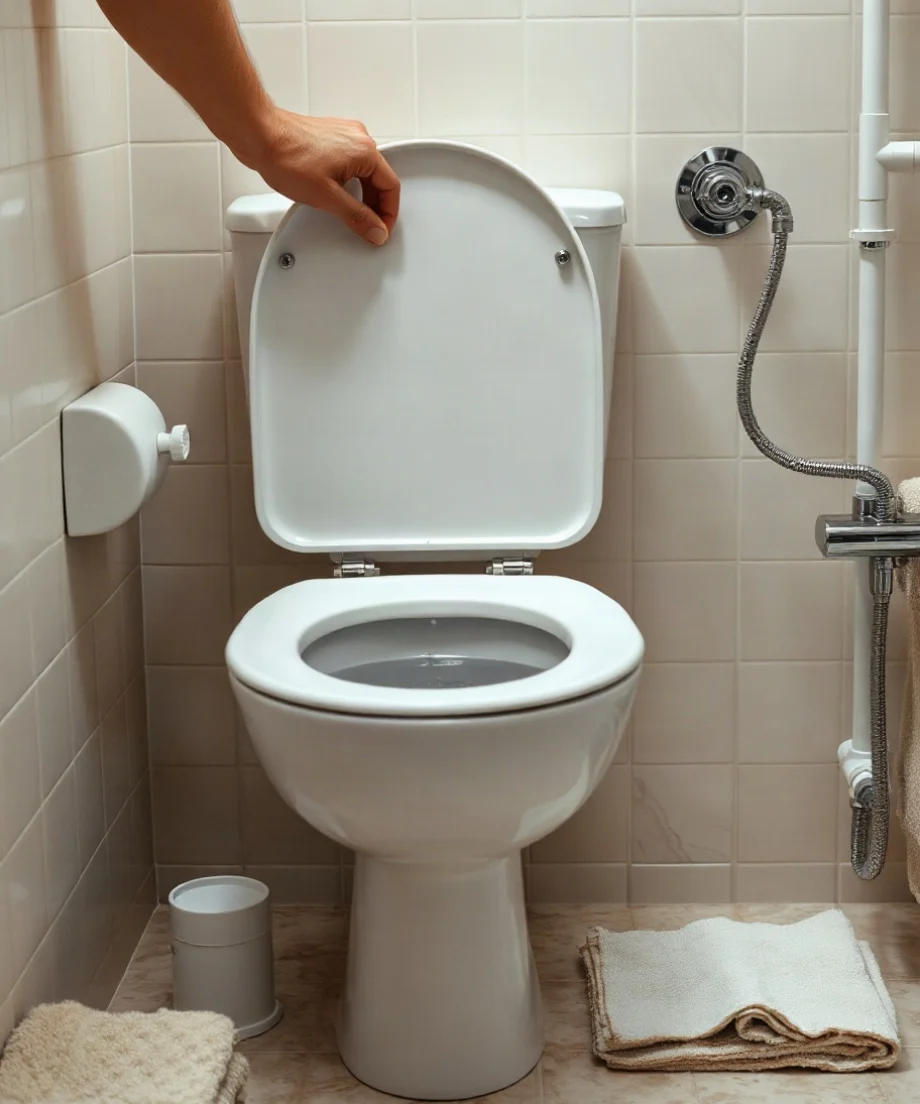
A fill valve problem is especially likely when the toilet makes a constant hissing sound, the water level is visibly high, or the overflow begins after every flush. In some cases, gently moving the float can temporarily stop the flow, but that is not a dependable repair. A valve that sticks again can cause another overflow when nobody is home.
2. The float is misadjusted or obstructed
The float signals when the tank has enough water. Depending on the toilet design, it may be a ball attached to an arm or a cup that moves vertically around the fill valve. If the float rubs against the tank wall, catches on another component, or is set too high, the valve may keep running.
With the water supply shut off, look for an obvious obstruction that prevents the float from moving freely. You may be able to remove a loose object without tools. Do not bend metal rods, force plastic parts, or adjust an unfamiliar mechanism aggressively. A small adjustment can create a different problem, such as an inadequate flush or continuous running.
3. The overflow tube is damaged or too low
Inside many toilet tanks, the overflow tube provides a path for excess water to enter the bowl rather than spill over the tank’s rim. If the tube is cracked, improperly positioned, or damaged during a previous repair, water may escape in an unexpected way. A tank that appears to overflow while water is actually entering the bowl through the overflow tube may have a fill valve or float problem rather than a cracked tank.
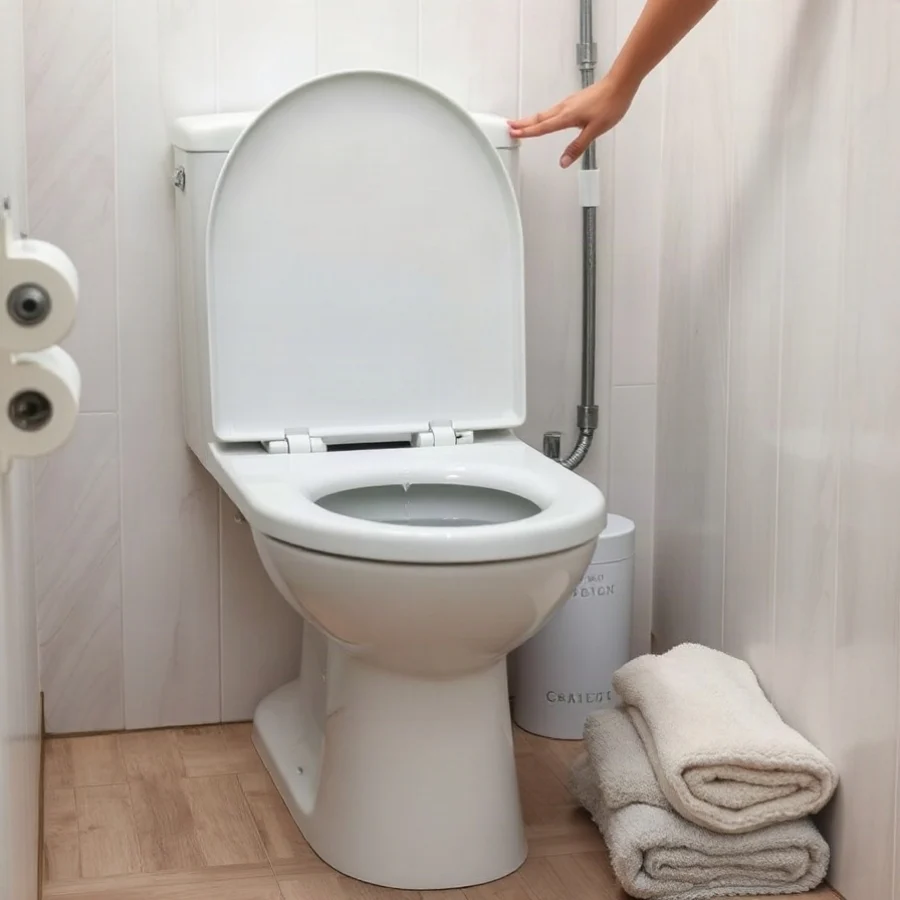
Do not seal or plug the overflow tube. It is an important safety path that helps prevent the tank from spilling onto the floor. If the tube is visibly broken or the internal parts do not fit securely, have the assembly evaluated and repaired or replaced.
4. A cracked toilet tank
A crack in the porcelain tank can release water through the side, bottom, or around a mounting point. Cracks may result from impact, overtightened hardware, age, freezing conditions, or stress from an earlier repair. Porcelain can fail suddenly, and a hairline crack may become a major leak without warning.
Do not try to repair a structural crack with household glue, putty, or tape. These materials may not withstand water pressure or the weight of the tank. A qualified plumber can determine whether a compatible tank is available or whether replacing the toilet is the safer option. If the crack is near a connection or the tank is unstable, keep the supply shut off.
5. A loose or damaged tank-to-bowl connection
Bolts, washers, and a gasket connect the tank to the bowl. If the gasket deteriorates or the hardware loosens, water can leak from beneath the tank during or after a flush. This may look like an overflow from the tank even when the actual problem is a failed seal.
Tank bolts should not simply be tightened as much as possible. Excessive force can crack porcelain. Replacing the gasket or hardware requires draining and removing the tank, and the work must be done carefully to avoid uneven pressure. If the leak continues after a simple visual inspection, professional help is appropriate.
6. A leaking supply connection or shutoff valve
Water may appear to come from the tank when it is actually escaping from the flexible supply line, the fill-valve connection, or the shutoff valve. Water can run along the underside of the tank and spread across the floor, making the source difficult to identify.
After shutting off the supply, dry the connections and observe them without touching aggressively. If water reappears, the valve or connection may need repair. Do not force a stuck shutoff valve or use excessive torque on plastic fittings. A failed shutoff valve can make future toilet repairs more difficult and may require a plumber.
Safe homeowner checks versus professional repairs
Homeowners can usually shut off the supply, remove the lid, observe the float, dry the surrounding area, and check for an obvious obstruction. These steps do not require disassembling the toilet and can help you describe the problem accurately when requesting service.
Replacing a fill valve may be manageable for an experienced DIY homeowner, but it involves turning off the water, draining the tank, disconnecting the supply line, installing the new part correctly, and checking for leaks. Follow the instructions for the specific replacement part and stop if the shutoff valve will not close, the connections are corroded, or porcelain is cracked. For broader guidance, see our toilet repair resource.
Use a qualified professional for cracked porcelain, leaking tank bolts, damaged supply valves, concealed water damage, sewage exposure, or any repair that requires force or specialized tools. A plumber can also identify whether the tank components are compatible and whether replacement is more reliable than repairing several worn parts.
Should you repair the tank or replace the toilet?
Repair is often reasonable when the tank is intact and the problem is limited to a fill valve, float, flapper, or gasket. Replacing one worn internal component may restore normal operation without removing the toilet.
Replacement may make more sense when the tank or bowl is cracked, multiple parts are failing, the toilet is unstable, or previous repairs have left damaged threads and fittings. A replacement decision should consider the toilet’s condition, the availability of matching parts, the extent of any water damage, and the cost of labor. Do not rely on a universal part fitting every toilet; designs and connection sizes can vary.
How much can a tank overflow repair cost?
The price depends on the actual failure and the conditions at the toilet, so a reliable estimate requires an inspection. Common cost factors include:
- Whether the problem is a simple adjustment, a replacement part, or a complete toilet replacement
- The age and condition of the fill valve, shutoff valve, supply line, bolts, and gaskets
- Corrosion, seized connections, damaged threads, or cracked porcelain
- Access to the toilet and whether flooring, drywall, or cabinets were affected by water
- Time of service and whether the situation requires urgent assistance
- Disposal, cleanup, or additional leak investigation when water damage is present
Ask for a clear explanation of the failed component, the recommended repair, the labor and materials included, and any conditions that could change the estimate. Avoid choosing a service based only on the lowest initial number. More information about budgeting is available in our plumbing costs guide.
How to choose the right plumber
Look for a local plumbing professional with experience in toilet repairs and water-damage situations. Before work begins, ask what they found, whether the tank can be repaired safely, and whether they recommend replacing a component or the entire fixture. Request written details for the proposed work when practical.
If the overflow is part of a larger bathroom leak, ask the plumber to inspect nearby flooring, the supply connection, and the wall behind the toilet. For sewage, major flooding, hidden leaks, or unsafe conditions, use a qualified local professional rather than attempting cleanup or demolition yourself. You can also review our guidance on hiring a plumber before scheduling service.
How to prevent another tank overflow
Check the toilet periodically for hissing, cycling, water around the base, or a tank water level that keeps changing. Do not place cleaning tablets or unrelated objects inside the tank unless the toilet manufacturer specifically supports that product. Avoid leaning on the tank, overtightening the lid, or using the tank as a support.
When a toilet overflows from the tank, shutting off the water is the most important first step. Once the immediate spill is controlled, identify whether the source is a fill valve, float, connection, gasket, or damaged porcelain. Simple observations can help, but repeated overflows, structural damage, and leaks that affect the building should be handled by a qualified local plumber.
Comments
0No comments yet. Be the first to share a helpful note or question.
Leave a Comment
Your email address will not be published. Comments are reviewed before appearing on the site.