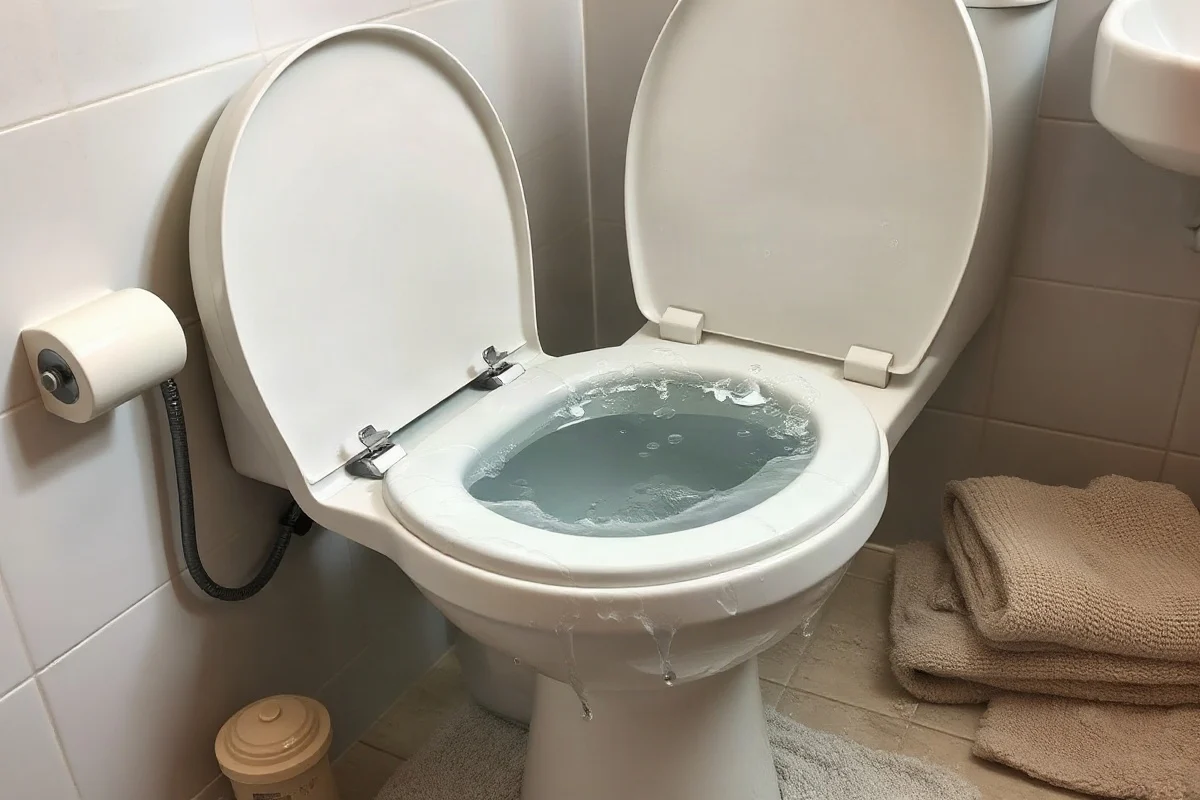
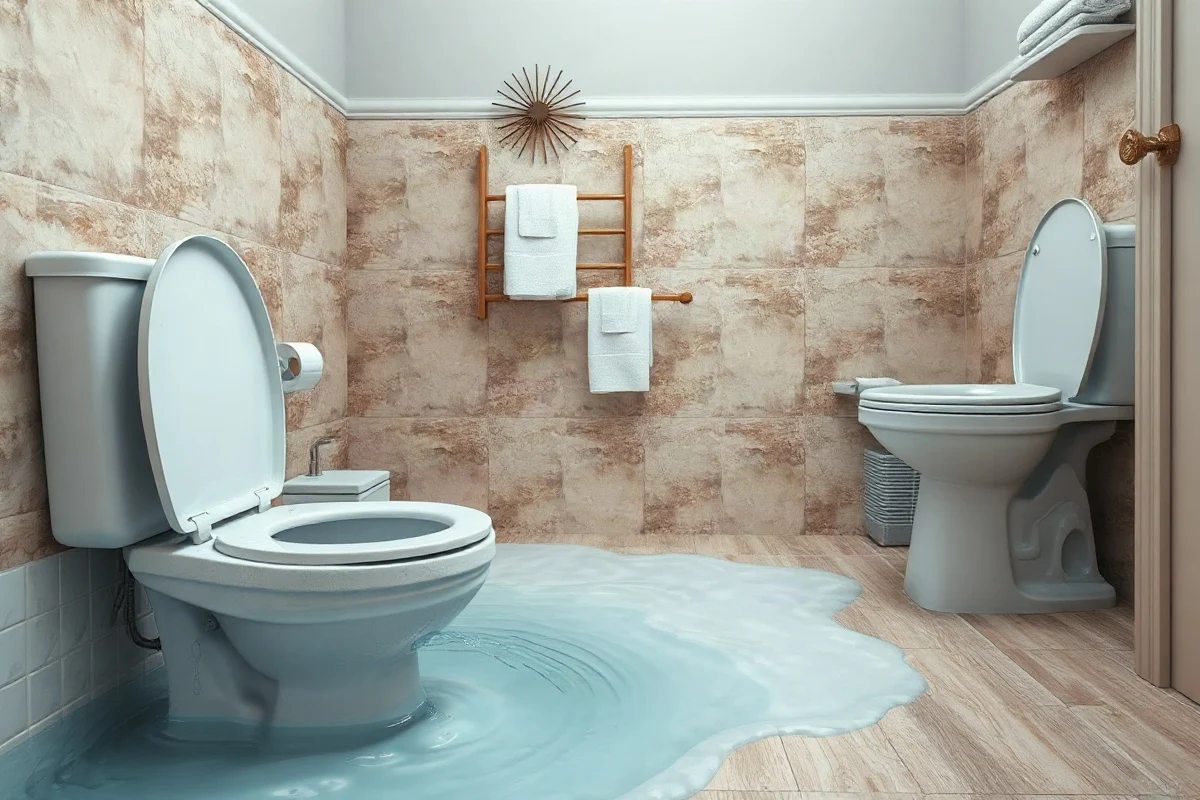
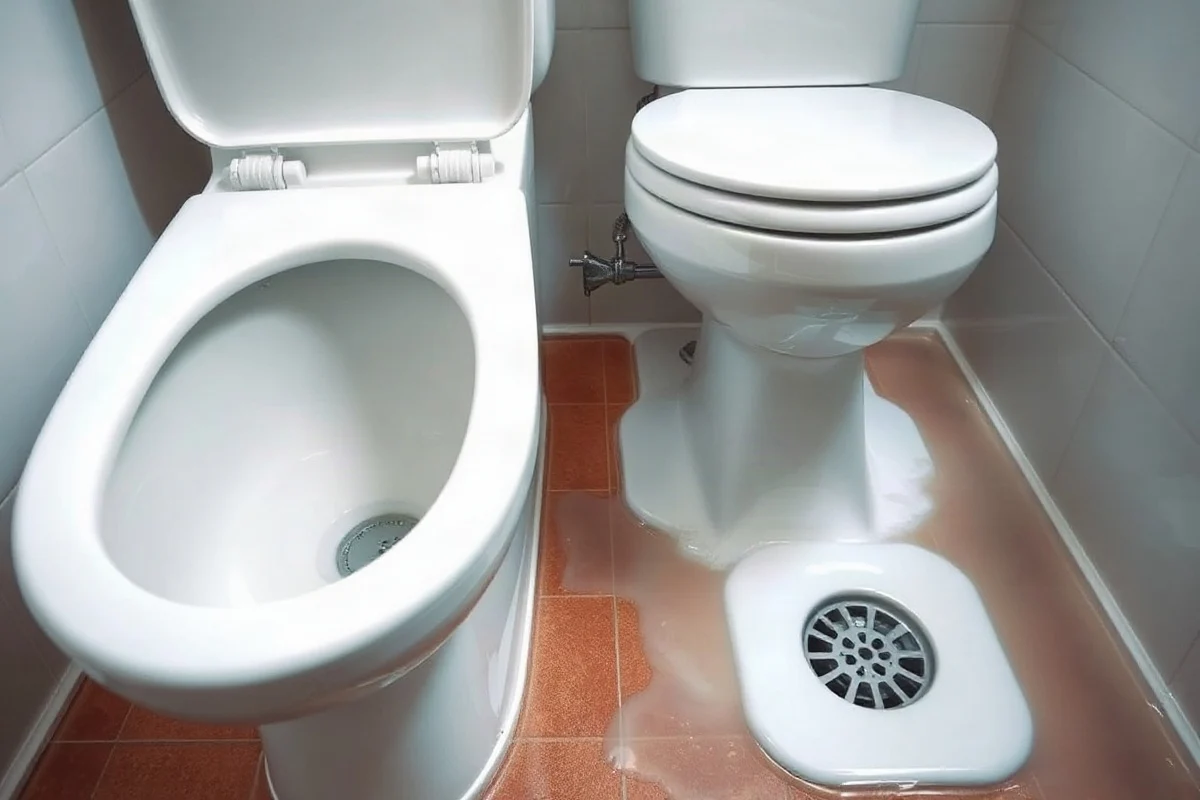
If your toilet won’t drain and the water keeps rising, stop flushing immediately. The most likely cause is a blockage in the toilet trap or drain line, although a problem farther down the plumbing system can produce the same symptom. Close the toilet’s shutoff valve, protect the floor from overflow, and use a toilet plunger only if the water level is manageable. Do not keep testing the flush, because each flush can send more water into the bowl and onto the floor.
What a Rising Toilet Bowl Usually Means
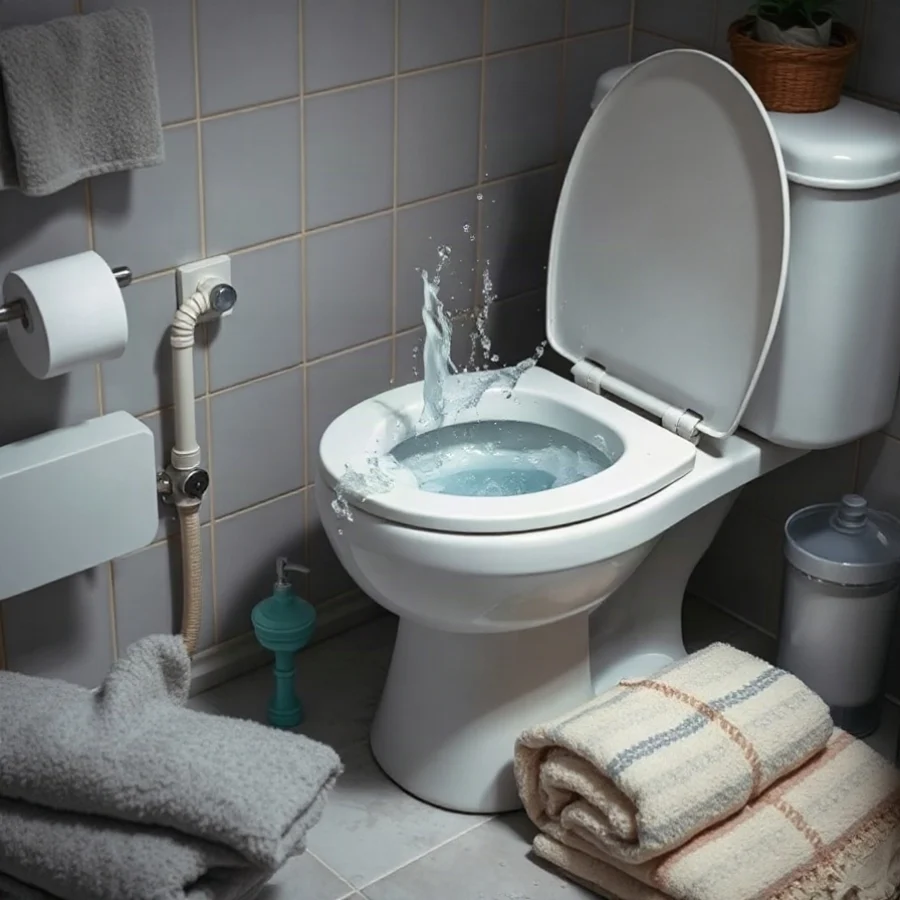
A properly working toilet sends water through its internal trap and into the drain. When that path is restricted, water cannot leave quickly enough. The bowl may rise during a flush, drain very slowly, or remain full without draining at all.
The location and severity of the blockage provide useful clues:
- A single toilet is affected: A clog in that toilet’s trap or the nearby branch drain is more likely.
- The toilet and a nearby sink or tub drain slowly: The obstruction may be farther along a shared bathroom drain.
- Several fixtures are backing up: A main drain or sewer line problem becomes more likely.
- Water rises in the toilet when another fixture runs: A shared drain may be restricted, or wastewater may be unable to reach the main line.
Wastewater that backs up through a toilet can contain harmful contaminants. Keep children and pets away from the area, avoid contact with the water, and clean and disinfect affected surfaces after the blockage is resolved. If sewage has spread across a large area, use qualified local help rather than attempting extensive cleanup yourself.
First Steps to Prevent an Overflow
Stop the water supply
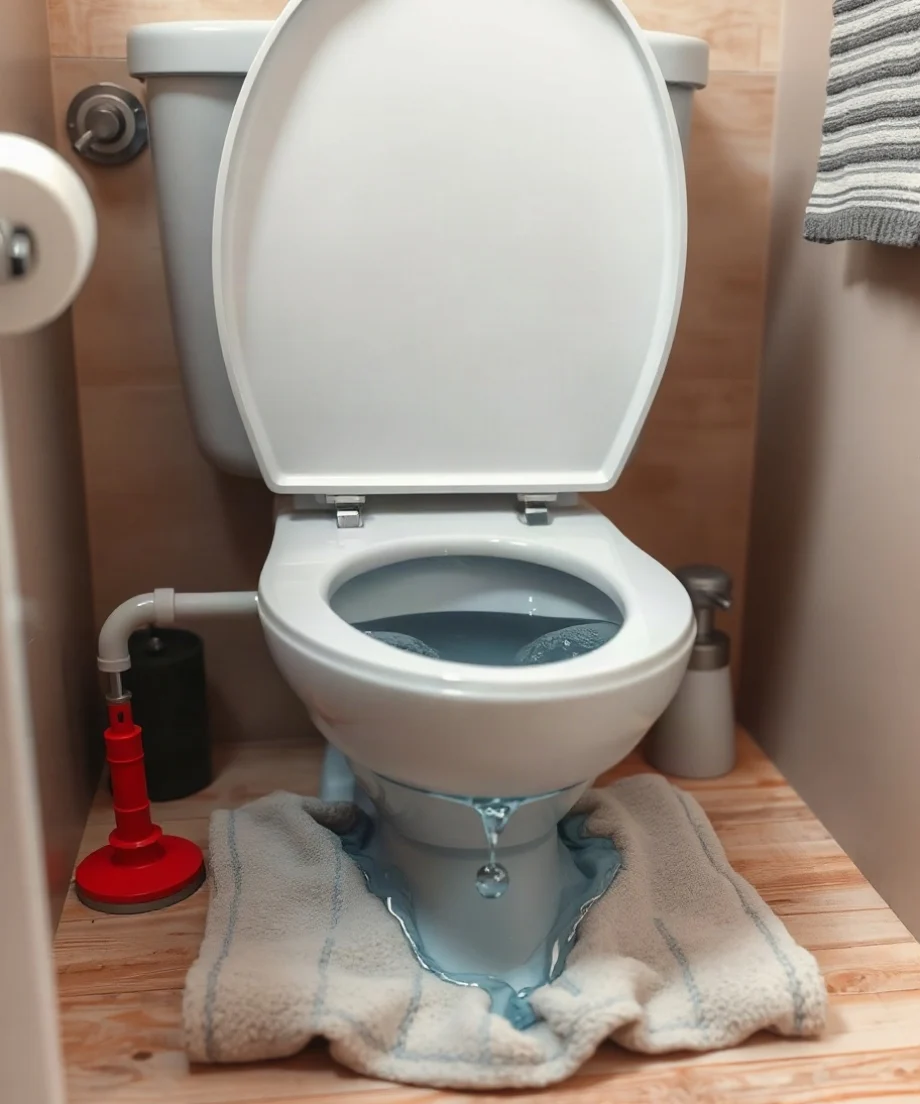
Look for the small shutoff valve on the wall or floor behind the toilet. Turn it clockwise until it stops. Do not force a stuck valve, because excessive force can damage an old valve or connection. If the toilet continues filling and the valve does not work, remove the tank lid and gently lift the float mechanism high enough to stop the fill valve. This is only a temporary measure while you arrange further help.
Do not flush again
Flushing again will not clear a blockage and may cause an overflow. Do not add water to the bowl and avoid running nearby fixtures until you know whether the problem is limited to one toilet. Place towels around the base to protect the floor, but do not push towels into the bowl or drain.
Check whether other drains are affected
Without running a large amount of water, observe whether nearby sinks, tubs, showers, or floor drains are also slow or backing up. This information can help identify whether the obstruction is local to the toilet or farther downstream. If sewage appears in a shower, tub, floor drain, or cleanout, stop using the plumbing and contact a qualified plumber.
Safe Homeowner Checks
Homeowners can usually try a limited plunging procedure when the water has not overflowed and no dangerous conditions are present. Wear waterproof gloves and eye protection. If the bowl is nearly full, wait for the water level to fall or remove some water with a disposable container and place it in a bucket. Do not pour that water into another drain if multiple fixtures are backing up.
Use the right plunger
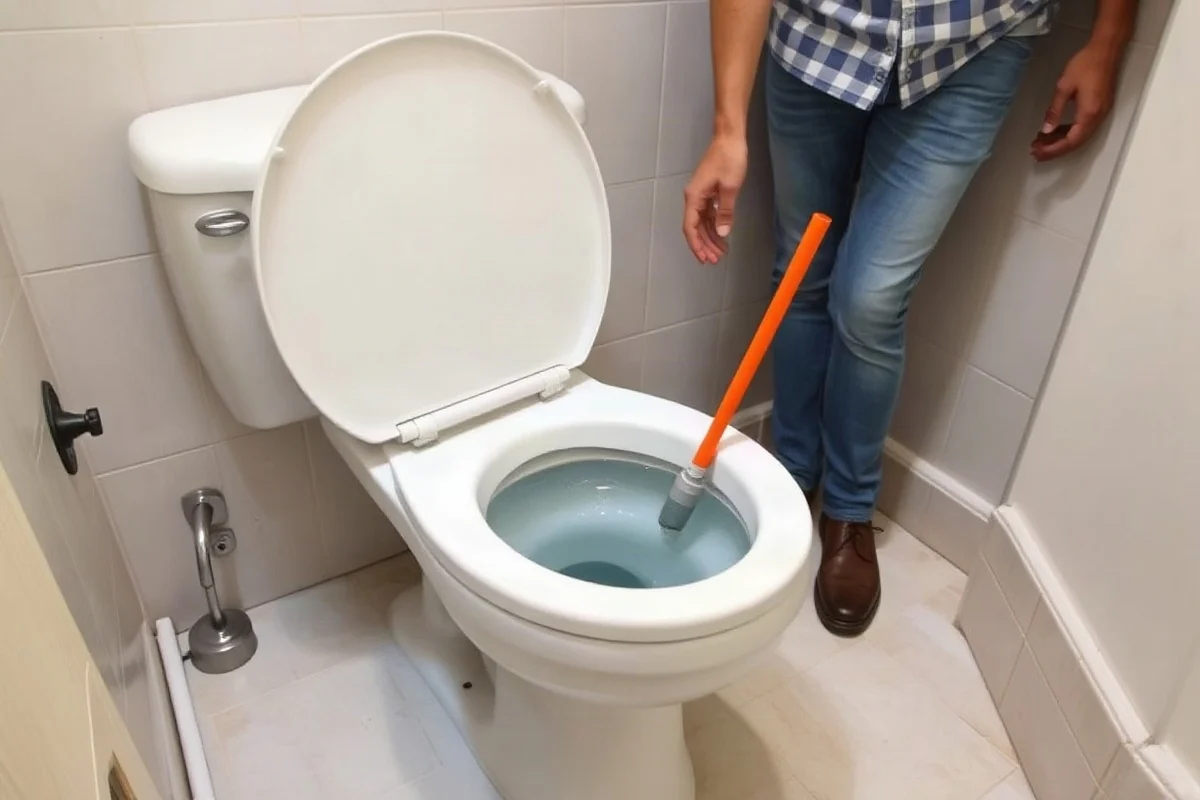
A flange-style toilet plunger is more effective than a flat sink plunger because its extended rubber flange fits into the toilet opening. Place the flange fully over the drain opening. Begin with a gentle push to remove trapped air, then use firm, controlled strokes while keeping the seal in place. The goal is to move the obstruction, not to forcefully pump water over the rim.
After several controlled strokes, pause and see whether the water level falls. If it does, add a small amount of water to test drainage rather than immediately flushing. If the water does not move, the bowl continues rising, or plunging causes water to appear in another fixture, stop.
Try a toilet auger only if you understand its use
A toilet auger, sometimes called a closet auger, is designed to pass through a toilet’s built-in trap with less risk of scratching the porcelain than a general drain snake. It may help with a nearby soft obstruction. Follow the tool’s instructions and avoid forcing it. Do not use improvised rods, coat hangers, or rigid objects, which can damage the toilet or push the blockage deeper.
Avoid chemical drain cleaners. They may not clear a toilet blockage, can damage some plumbing components, and can leave caustic liquid in the bowl. Chemical residue also creates a hazard for anyone who later disassembles the toilet or works on the drain.
Common Causes of a Toilet That Will Not Drain
Too much toilet paper or waste
A sudden blockage can occur after a large amount of paper or waste enters the trap. This type of clog may respond to careful plunging, but repeated clogs should not be treated as normal. They may indicate a partial obstruction, a drainage problem, or a toilet that does not clear the bowl effectively.
Nonflushable objects
Wipes, paper towels, feminine hygiene products, diapers, cotton products, toys, and other objects can lodge in the trap or drain. Products labeled flushable may still contribute to blockages because they do not break apart like toilet paper in every plumbing system. If a solid object may be stuck, do not keep plunging aggressively. A plumber may need to remove the toilet or use specialized equipment.
A blocked branch drain
The toilet may be clear, but a blockage in the drain serving the bathroom can prevent wastewater from leaving. Slow drainage in multiple nearby fixtures is an important warning sign. A professional may need to clear the line from an appropriate access point and determine why the obstruction formed.
A main drain or sewer line restriction
When several fixtures back up at once, wastewater returns through the lowest available opening, which may be a toilet or floor drain. Tree roots, accumulated debris, damaged piping, or a severe blockage can affect a main drain or sewer line. These conditions require professional diagnosis. For related warning signs, see our guide to sewer line problems.
A toilet or plumbing installation problem
Some toilets have a recurring drainage issue because of an obstruction that was never fully removed, a damaged internal passage, or a problem with the connected drain. If the same toilet clogs repeatedly despite normal use, professional inspection is more useful than repeatedly plunging it.
When to Call a Plumber Immediately
Contact a qualified local plumber when plunging does not restore drainage, the toilet overflows, several fixtures back up, or wastewater comes out of another drain. Professional help is also appropriate when you suspect an object is lodged in the toilet, the toilet rocks at the floor, water is leaking around the base, or the blockage returns soon after clearing.
Treat sewage exposure, major flooding, concealed leaks, damaged floors, and unsafe electrical conditions as urgent hazards. Keep away from electrical equipment or outlets that may have become wet, and do not enter contaminated standing water near electrical systems. Use qualified local professionals for cleanup and plumbing repairs in these situations.
A plumber may use a larger drain machine, remove the toilet to inspect the trap, access a cleanout, or recommend a camera inspection when the location or cause of the blockage is uncertain. Do not assume that more force is always better: aggressive equipment used from the wrong access point can damage plumbing or push an obstruction farther into the system.
Repair or Replace the Toilet?
A one-time blockage caused by excess paper usually calls for clearing, not replacement. Repair may also be appropriate when the toilet has a working bowl and trap but needs a new flush valve, flapper, fill valve, or other serviceable component.
Replacement may be worth discussing if the toilet has a cracked bowl or tank, repeated internal blockages, persistent leaks at the base, severe mineral buildup, or damage that makes reliable repair impractical. A plumber should verify the cause before recommending replacement. Replacing a toilet will not solve a blockage in the branch drain or main sewer line.
What Affects the Cost of the Repair?
The final cost depends on the cause, location, access, severity, and work required. A simple toilet clog is generally a different service from a blockage in a shared drain or sewer line. Additional factors can include whether the toilet must be removed, whether specialized equipment is needed, the condition of the flange and nearby piping, water damage cleanup, and whether damaged plumbing must be repaired.
Ask for a clear explanation of the diagnosis, the recommended repair, what is included, and what could change the estimate if the blockage is deeper than expected. Avoid choosing a service based only on the lowest initial quote. For broader planning information, review our guide to plumbing costs.
How to Choose the Right Plumber
Look for a plumber or plumbing company with relevant experience in toilet blockages, drain cleaning, and sewer-line diagnosis. Before work begins, ask:
- What do you believe is causing the backup?
- How will you confirm the location of the blockage?
- Will the recommended method risk damage to the toilet or piping?
- What work is included in the estimate?
- What happens if the clog returns?
- Do you recommend repair, removal, inspection, or replacement, and why?
Use the licensing and insurance information that applies in your area when evaluating a professional, and verify details with the appropriate local authority or provider. A trustworthy plumber should be willing to explain the work without promising an outcome that has not been verified. You can also review our guidance on hiring a plumber.
Preventing Another Rising Toilet
Flush only human waste and toilet paper, and keep wipes and other products out of the toilet even when their packaging suggests they are flushable. Keep small objects away from the bowl, especially in households with young children. Address slow drains early instead of waiting for a complete backup.
If one toilet repeatedly clogs, note when it happens and whether other fixtures are affected. That pattern can help a professional distinguish a local toilet problem from a larger drain issue. For additional toilet-specific repair information, visit our toilet repair resource.
The key response is simple: stop flushing, shut off the water, try only a controlled and appropriate plunger check, and call a qualified local plumber when the blockage does not clear or other fixtures are involved. Acting before the bowl overflows can limit water damage and reduce the risk of contaminated wastewater spreading through the bathroom.
Comments
0No comments yet. Be the first to share a helpful note or question.
Leave a Comment
Your email address will not be published. Comments are reviewed before appearing on the site.