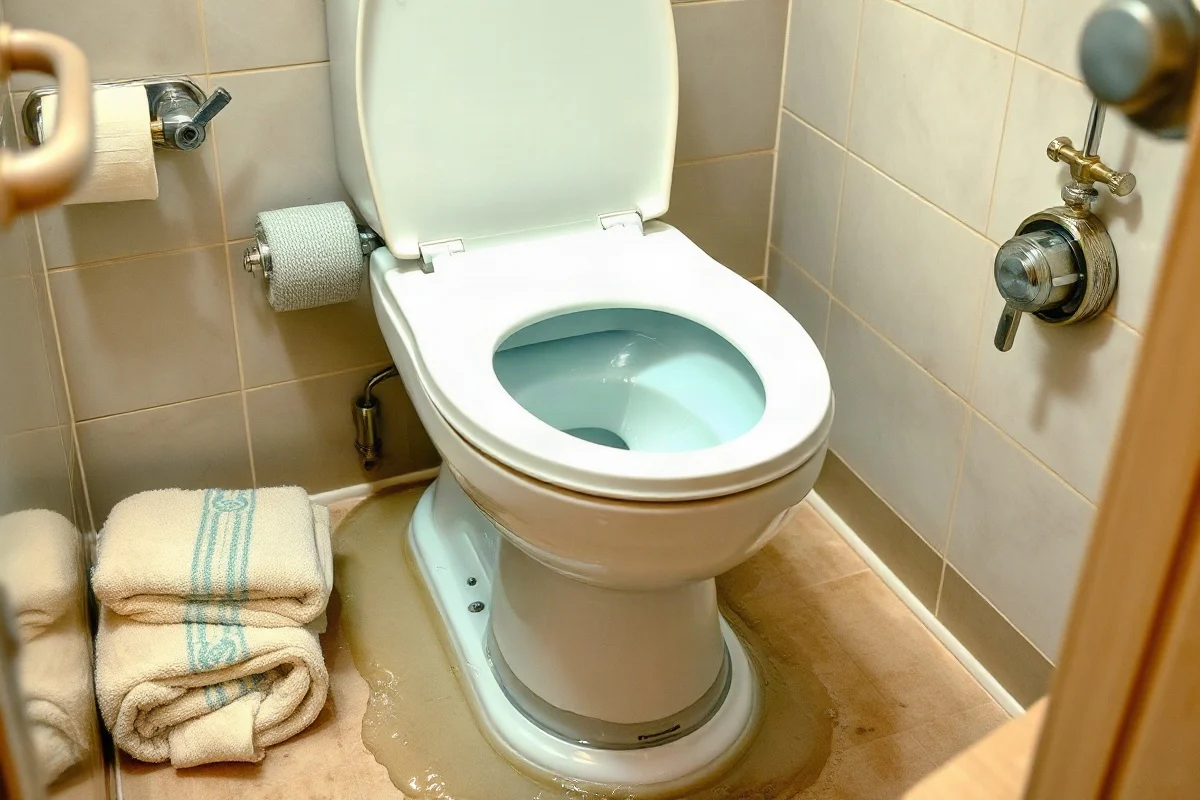
Call a plumber for an overflowing toilet when you cannot stop the water, a plunger does not clear the blockage, wastewater backs up repeatedly, or the toilet is leaking around its base. Your first priority is to prevent more water from entering the bowl and protect the floor from contamination. A simple clog may respond to a careful plunging attempt, but recurring overflows, sewage exposure, hidden leaks, and damaged toilet parts require qualified local help.
What to Do Immediately When a Toilet Overflows
An overflowing toilet can cause water damage within minutes, especially if the bathroom floor, flooring under the toilet, or nearby walls absorb the water. Take these low-risk steps before investigating the cause:
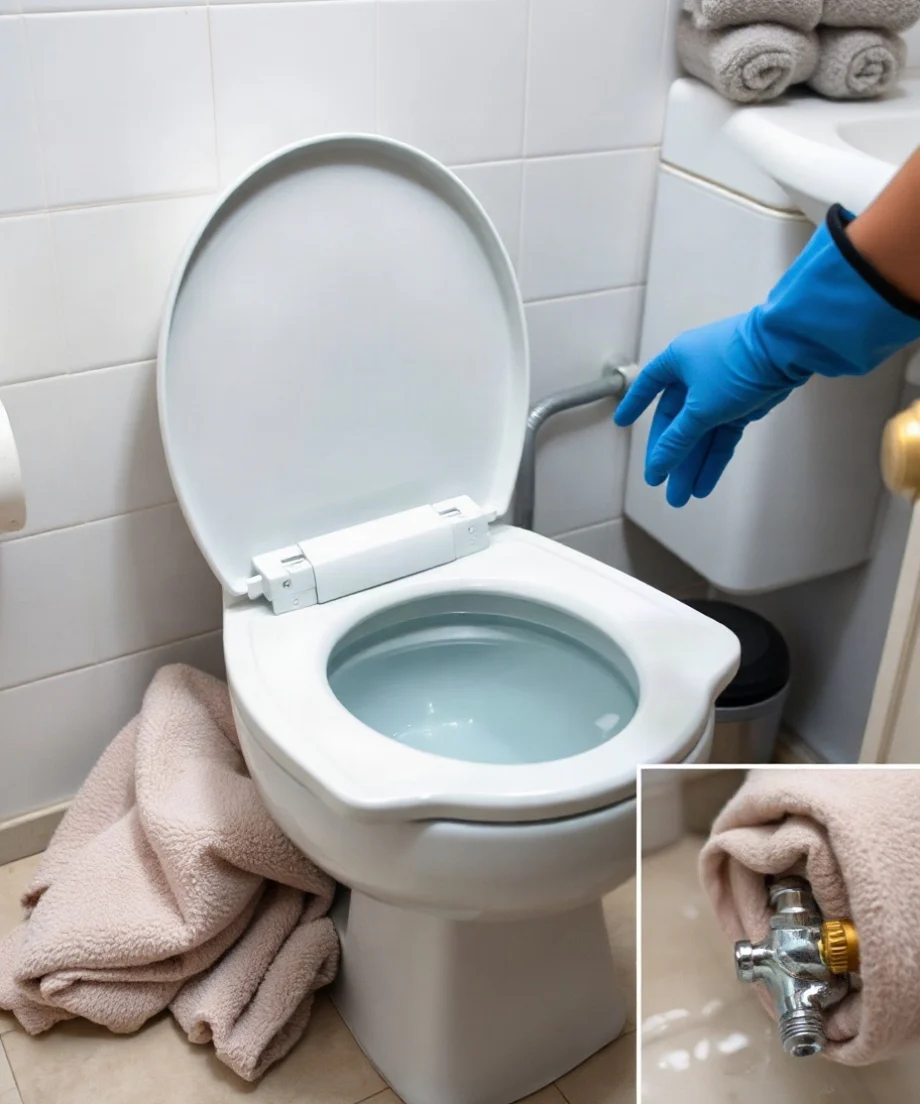
- Stop the flush. If the bowl is still filling, remove the tank lid and lift the rubber flapper or close the flush valve so more tank water does not enter the bowl. Avoid dropping or forcing the parts.
- Close the toilet shutoff valve. Turn the valve on the wall or floor behind the toilet clockwise by hand until the water stops. Do not force a stuck valve with tools, because an old valve or connection may begin leaking.
- Keep people away from the water. Toilet overflow water may contain bacteria and other contaminants. Wear gloves, keep children and pets away, and avoid spreading the water to other rooms.
- Remove standing water safely. Use towels or a wet-dry vacuum suitable for contaminated water, then clean and disinfect affected hard surfaces according to the product label. Porous materials may need specialized cleaning.
If the overflow is large, sewage-contaminated, reaching electrical equipment, or moving into walls or ceilings, stop cleanup and contact an appropriate qualified professional. Serious water damage may require more than a routine toilet repair.
When a Plunger May Be a Reasonable First Step
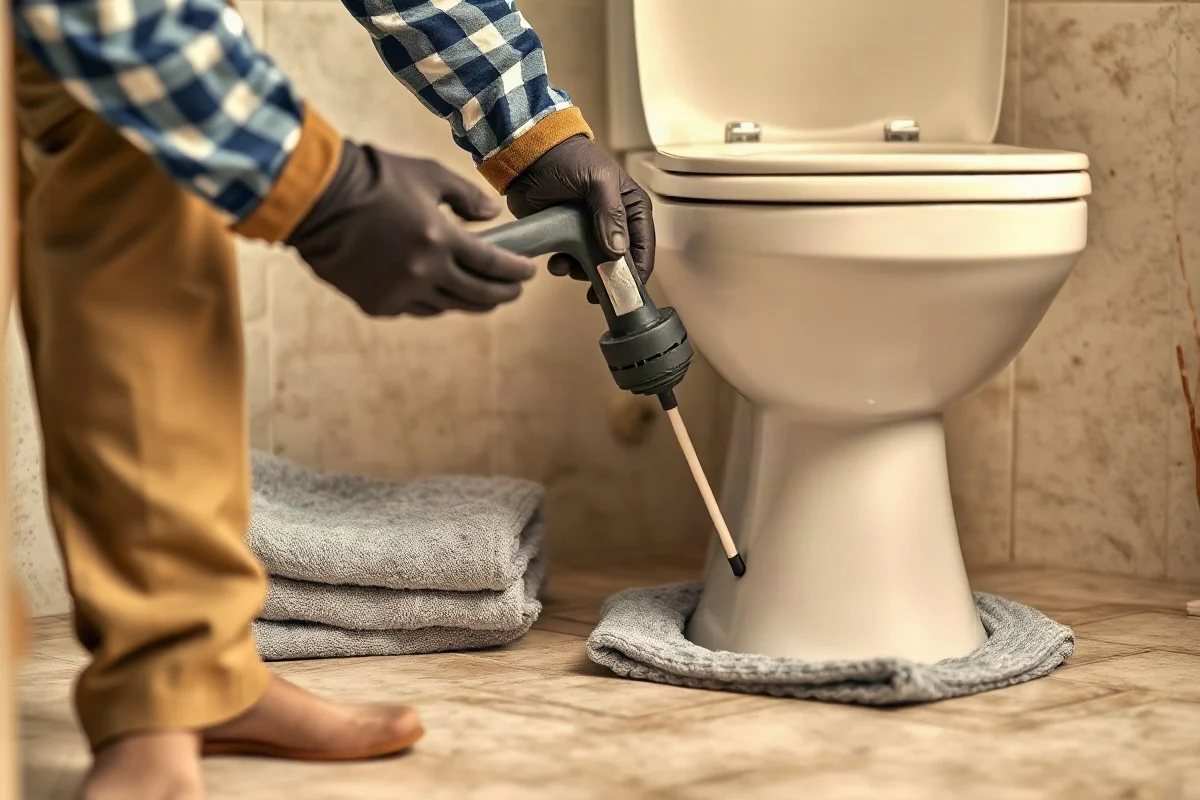
A single overflow that began after too much toilet paper or a normal flush may be caused by a localized bowl trap clog. In that situation, a toilet plunger with an extended flange can be a reasonable homeowner check. A flat sink plunger may not seal effectively on a toilet drain.
After shutting off the water, place the flange over the drain opening and press down gently to create a seal. Use controlled, repeated strokes rather than aggressive force. If the water level is high, remove some water first so it does not splash. Stop if the bowl begins rising again, the plunger cannot maintain a seal, or the blockage does not improve after a few careful attempts.
Never mix chemical drain cleaners in or around a toilet. These products can splash back, damage plumbing components, and create a hazard for anyone who later tries to plunge or disassemble the toilet. A toilet auger may help with a simple obstruction, but do not force a cable if you are unfamiliar with the tool or if the toilet is likely to be damaged.
Signs You Should Call a Plumber
The toilet overflows again after it seems clear
Repeated overflows usually mean the underlying problem has not been resolved. The blockage may be deeper in the branch drain, or multiple fixtures may be contributing to a larger drainage problem. If the toilet works briefly and then backs up again, professional diagnosis is safer than repeated plunging.
Other drains are slow or backing up
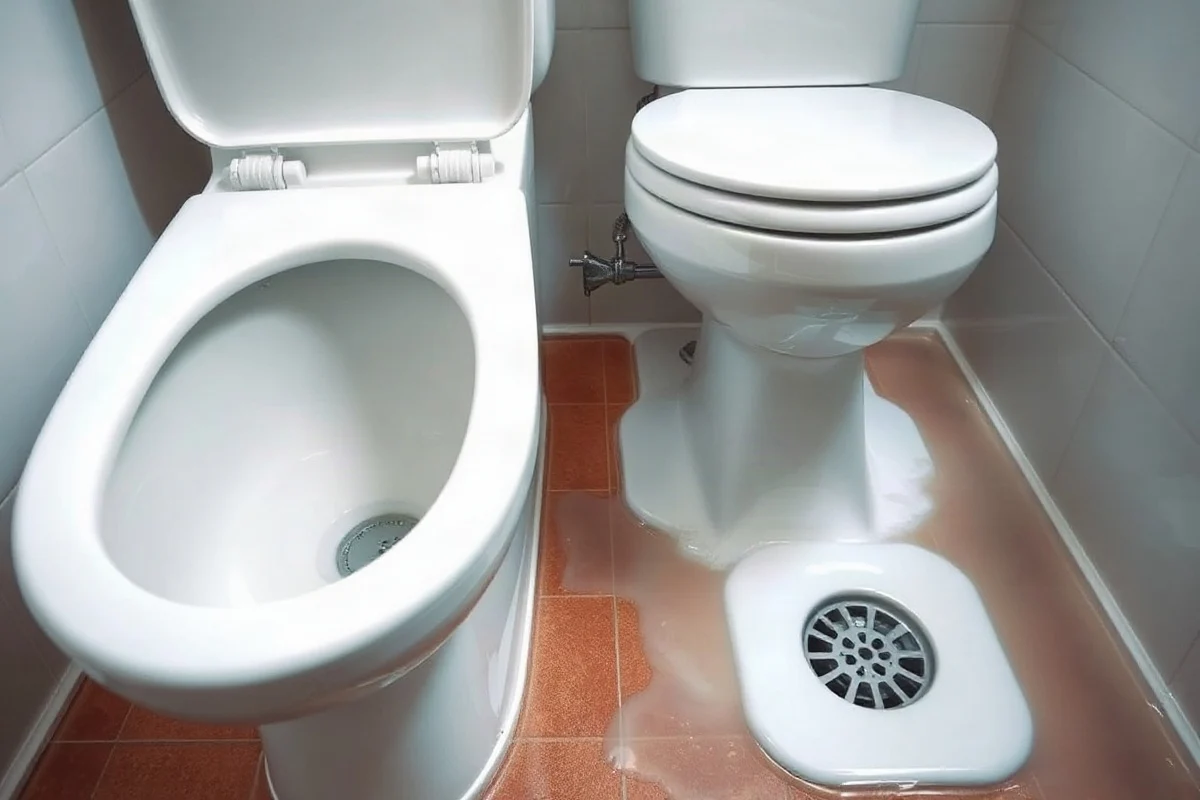
Notice whether the shower, bathtub, bathroom sink, or another toilet is draining slowly at the same time. When several fixtures show symptoms, the problem may be beyond the toilet itself. A plumber may need to inspect the drain line and determine whether a deeper obstruction or sewer-line issue is involved. Do not continue using affected fixtures until the cause is clear.
For broader drain symptoms, you can learn more about professional drain cleaning, but recurring backups should be evaluated rather than treated as an isolated clog.
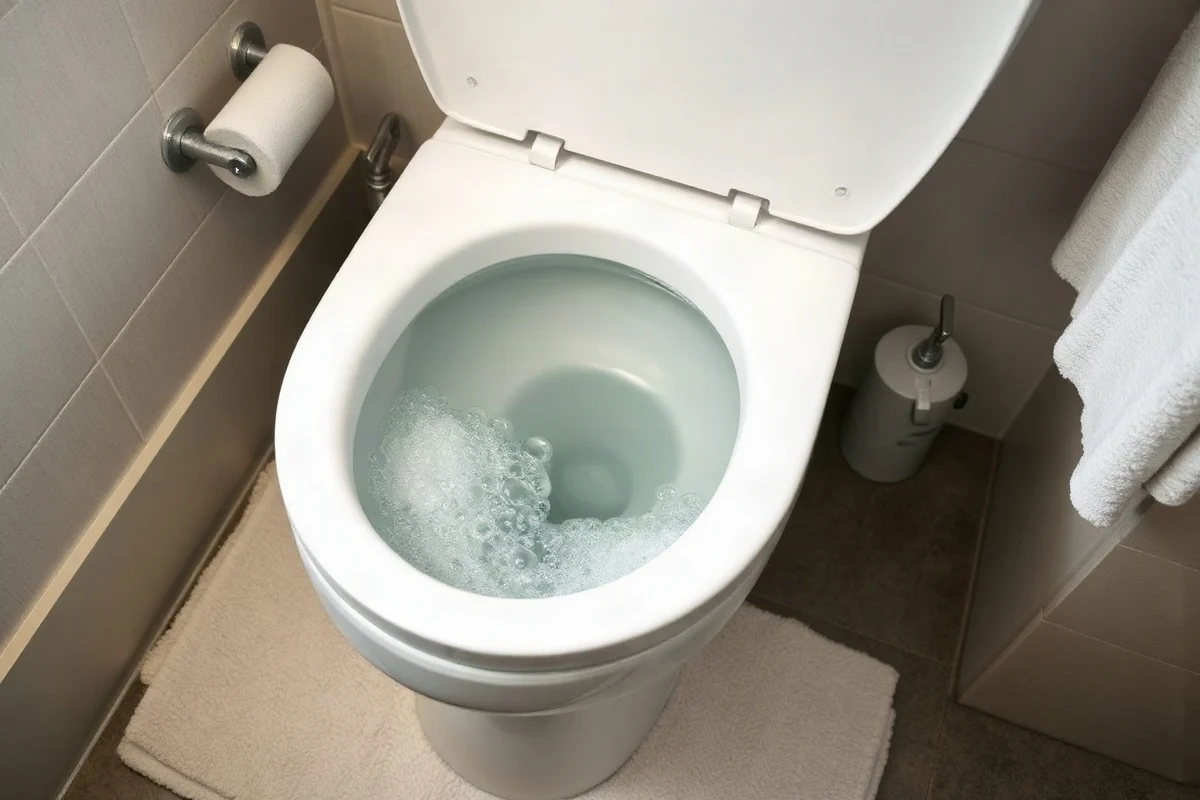
The bowl rises even when nobody flushes
If the water level rises on its own, wastewater may be backing up through the toilet from a restricted drain or sewer line. This is not a normal toilet adjustment issue. Close the shutoff valve, stop using nearby plumbing fixtures, and contact a qualified local plumber. Sewage exposure should be handled carefully because it can create health and sanitation concerns.
Water leaks from the base of the toilet
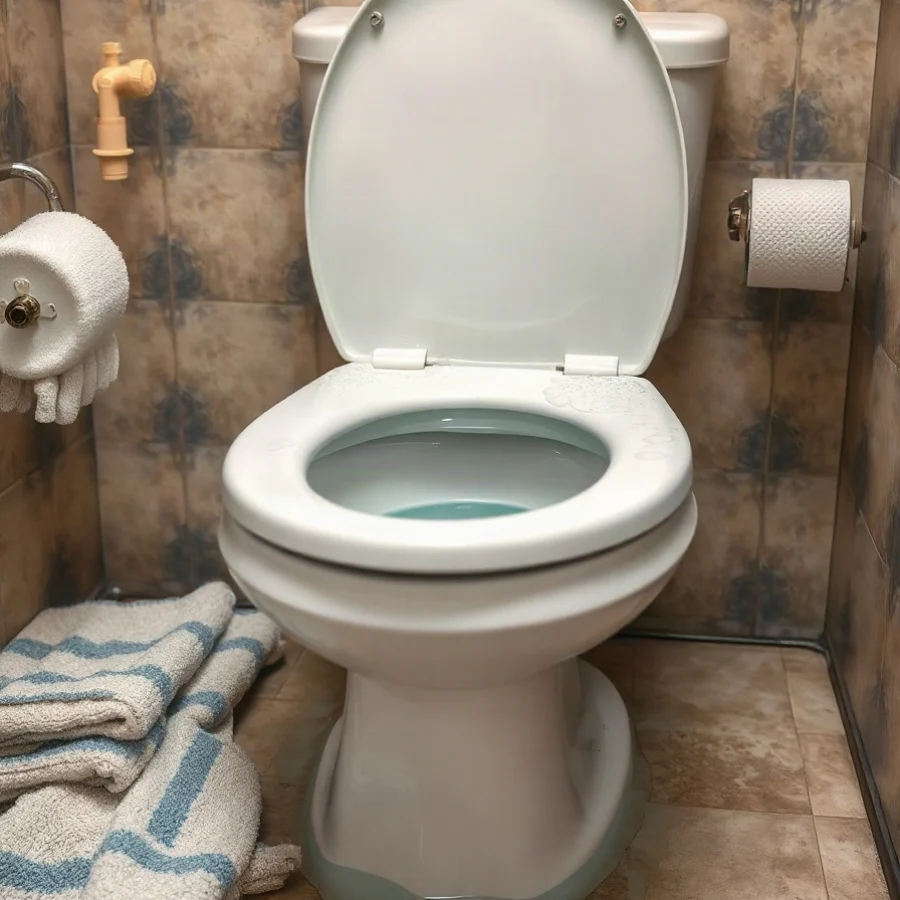
Water around the base may come from an overflowing bowl, a failed seal, a loose connection, a cracked toilet, or water running down from another location. Dry the area and observe whether new water appears when the toilet is flushed only after the immediate overflow has been controlled. Do not keep flushing to test it if water is entering the floor.
A leak at the base can damage subflooring and may become hidden beneath the toilet. If the floor feels soft, the ceiling below shows staining, or the leak continues with the shutoff valve closed, arrange professional inspection. More information about possible causes is available in this guide to toilet leaks.
The toilet tank or bowl is cracked
Porcelain cracks can worsen without warning. Do not lean on a cracked tank or attempt to patch a structural crack as a permanent repair. Close the shutoff valve and call a plumber to determine whether the damaged component can be replaced or whether the toilet should be replaced.
The shutoff valve will not close
A seized or damaged shutoff valve can prevent you from stopping the water supply to the toilet. Do not force it with pliers. If the valve or its connection begins dripping, the problem may become a separate leak requiring professional repair.
Common Causes of an Overflowing Toilet
Identifying the likely cause helps you describe the problem accurately, but symptoms alone may not prove which part has failed. Common possibilities include:
- A clogged toilet trap: Excess paper, unsuitable items, or a small object can restrict the built-in passage inside the toilet.
- A blocked branch drain: A deeper obstruction can cause the toilet to overflow even when the bowl appears to clear temporarily.
- A sewer-line restriction: Multiple fixtures backing up together can indicate a problem farther downstream.
- A failed flapper or fill valve: These parts can cause continuous filling, but a running toilet does not usually explain a bowl that backs up during drainage. The condition still needs to be distinguished from a clog.
- An object lodged in the toilet: Toys, hygiene products, wipes, and other items may not move through the trap easily. Do not flush an object repeatedly in an attempt to force it through.
- A damaged toilet or connection: Cracks, loose fittings, or a failed seal can allow water to escape even when the drain itself is open.
Repair or Replacement: What Usually Determines the Decision?
A plumber may repair an overflowing toilet by clearing an obstruction, replacing a fill valve or flapper, repairing the shutoff valve, resetting the toilet with a new seal, or correcting a damaged connection. The correct option depends on the failed component, the condition of the porcelain, the age and design of the toilet, and whether the drain line is also affected.
Replacement may make more sense when the bowl or tank is cracked, parts are difficult to source, the toilet has recurring problems, or a repair would not address substantial wear. A toilet that rocks, leaks repeatedly, or has damaged mounting hardware should be inspected rather than repeatedly tightened. Do not overtighten porcelain hardware, since the fixture can crack.
What Affects the Cost of Professional Help?
The cost of an overflowing toilet repair varies by the actual cause and the work required. Important factors can include:
- Whether the issue is a simple bowl clog or a blockage deeper in the drain system
- How difficult the toilet or drain access is
- Whether the toilet must be removed and reinstalled
- Which parts need replacement, such as a valve, seal, shutoff valve, or damaged fixture
- Whether multiple fixtures are affected
- Whether water damage, contaminated cleanup, or subfloor repairs are involved
- Whether service is requested outside a plumber’s normal business hours
Ask for a clear explanation of the diagnosis, the recommended repair, the parts involved, and the expected scope of work before authorizing nonemergency additions. Avoid choosing a provider solely on a low initial quote if the scope is vague. You can also review general information about plumbing cost factors when comparing estimates.
How to Choose the Right Plumber
For a routine clog, look for a local plumbing professional who explains the cause and proposed fix in plain language. For repeated backups, sewage exposure, concealed leaks, or possible sewer-line problems, choose a provider with experience diagnosing drainage and water-damage conditions.
Before work begins, ask:
- What do you believe is causing the overflow?
- What inspection or repair is needed first?
- Could the problem involve a deeper drain or sewer line?
- What is included in the estimate, and what conditions could change the scope?
- Will the toilet need to be removed, replaced, or reset?
- How will contaminated water or resulting damage be handled?
Use a qualified local professional for sewage exposure, major flooding, hidden leaks, structural damage, or work that may involve plumbing code requirements. If the situation is actively damaging the home and you cannot stop the water, treat it as an emergency and seek prompt local assistance through an emergency plumber service.
How to Reduce the Risk of Another Overflow
Only flush toilet paper and human waste unless the fixture manufacturer or local waste provider gives different guidance. Keep wipes, paper towels, hygiene products, cotton items, and cleaning materials out of the toilet, even when a product is marketed as flushable. Teach children not to flush toys or large amounts of paper.
Pay attention to warning signs such as bubbling, slow drainage, rising water, gurgling in nearby fixtures, or a toilet that frequently needs plunging. These symptoms are reasons to investigate early, before a minor restriction becomes a contaminated overflow. Do not ignore a toilet that rocks, leaks, or refills continuously. Prompt repair can help limit water damage and clarify whether the fixture or the drain system needs attention.
Comments
0No comments yet. Be the first to share a helpful note or question.
Leave a Comment
Your email address will not be published. Comments are reviewed before appearing on the site.