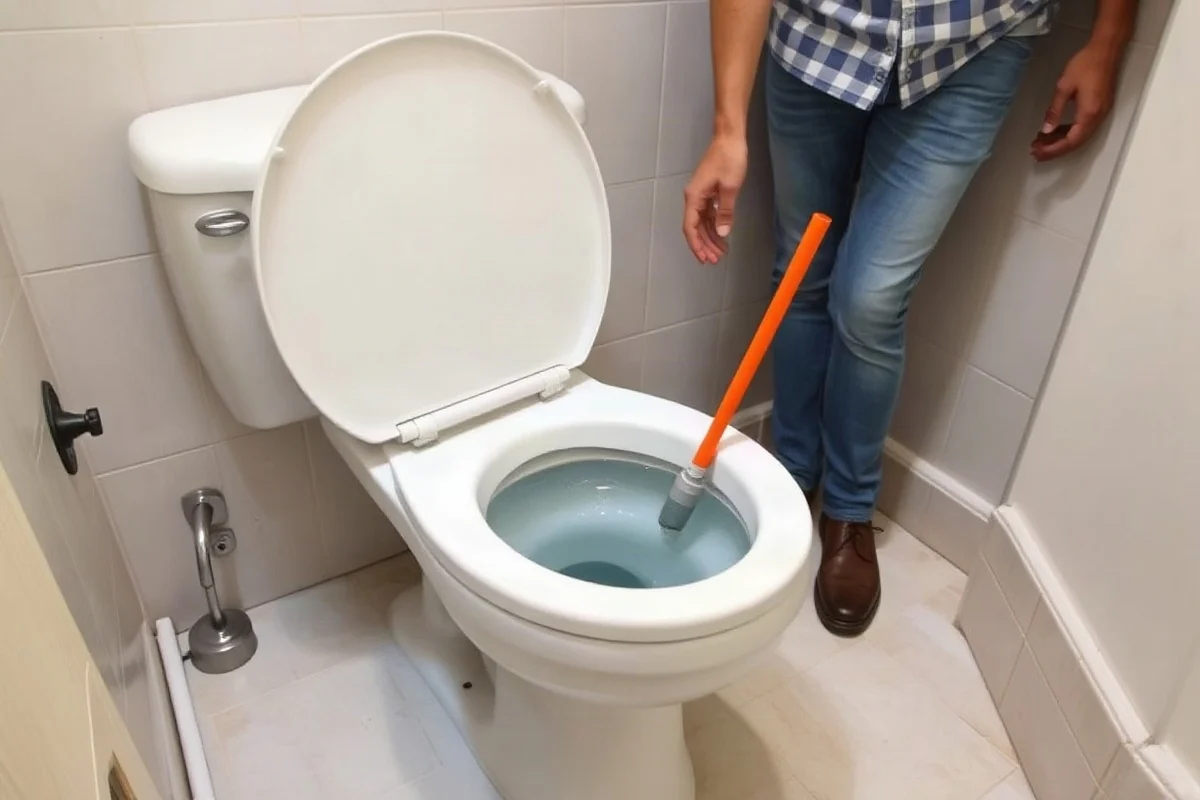
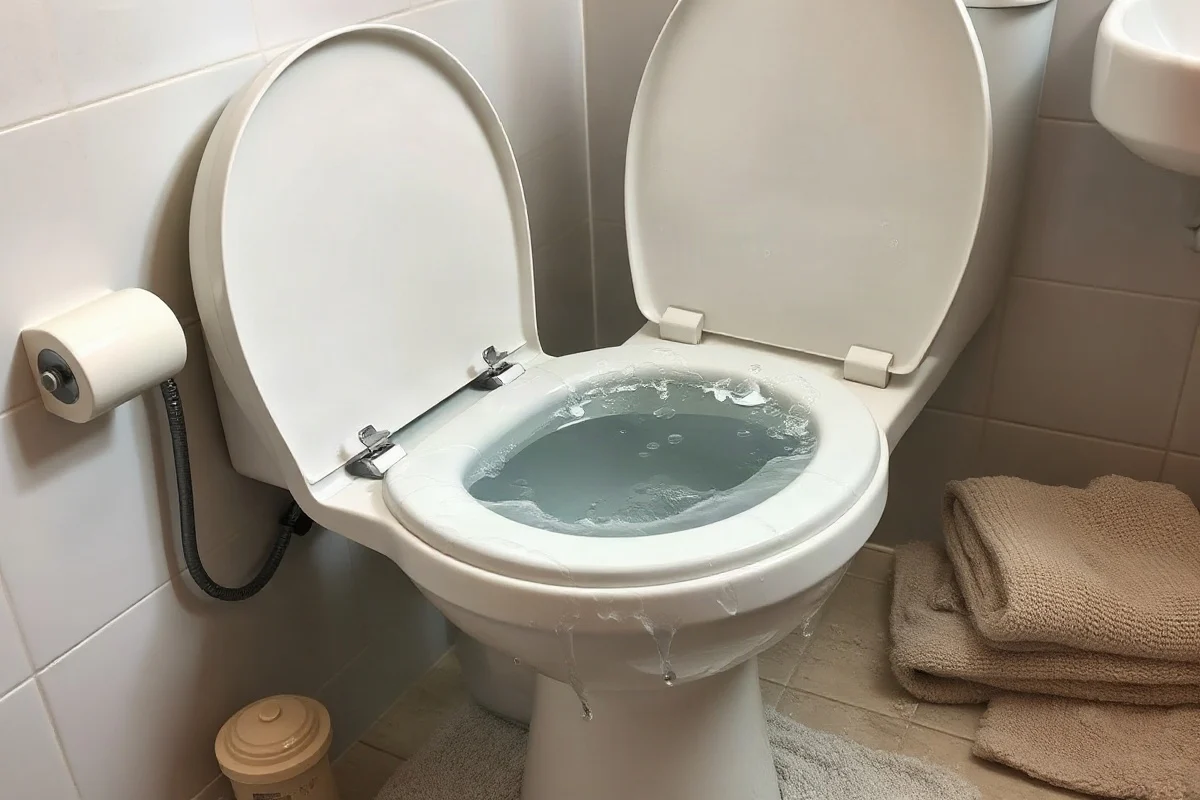
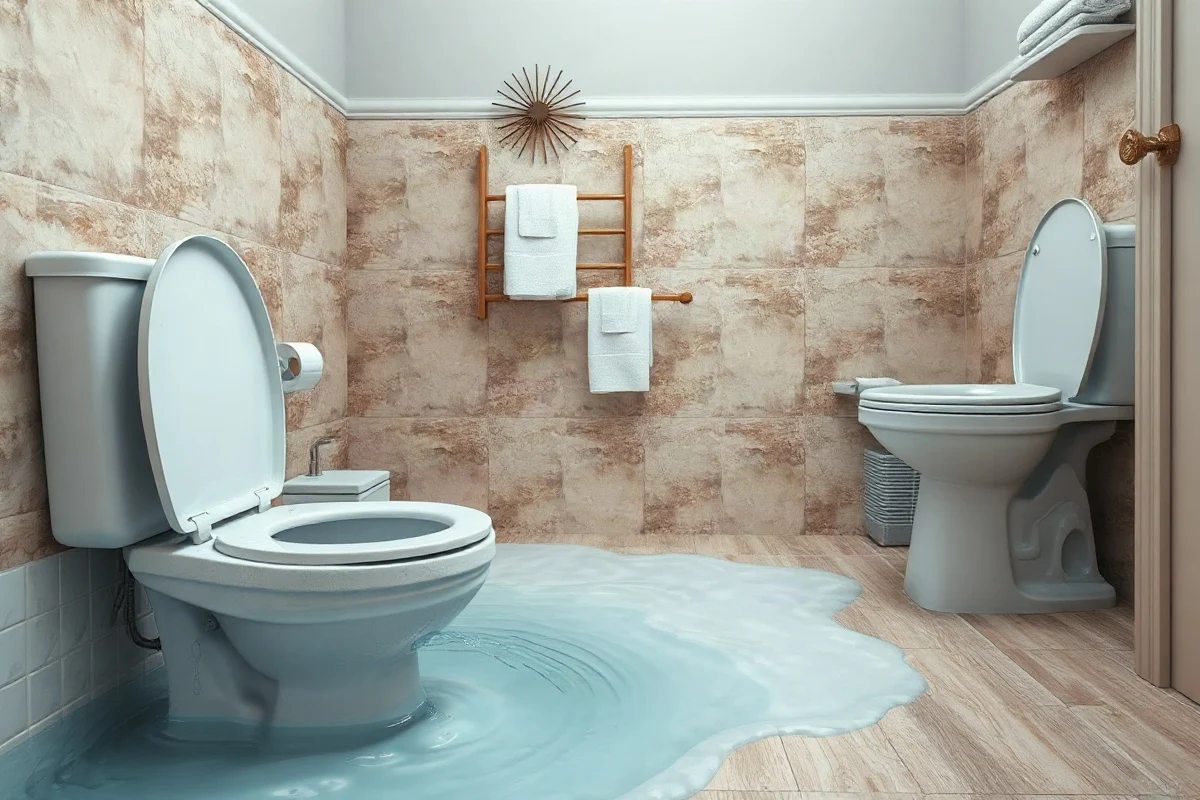
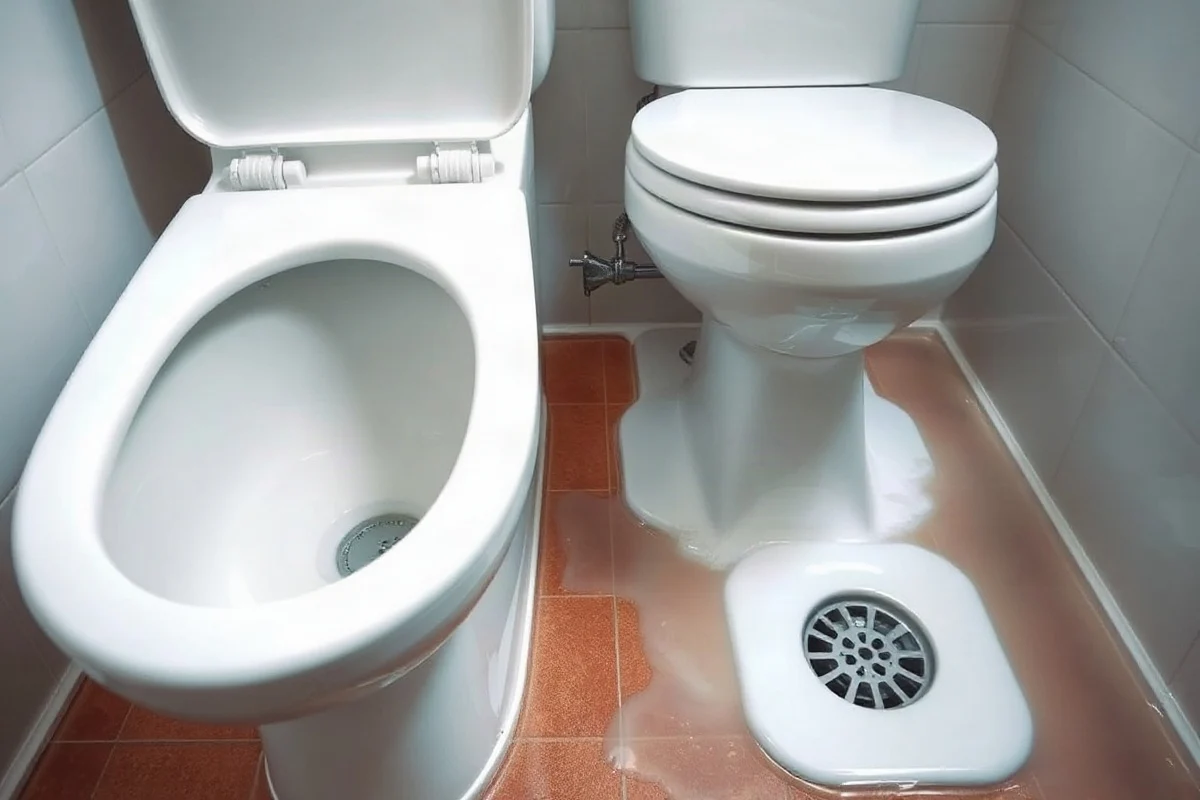
A toilet that drains slowly before it overflows usually has a partial clog somewhere in the toilet trap or drain line. Water can still pass through the restriction, but not quickly enough to keep up with a flush. As the obstruction becomes tighter, the bowl may rise higher, drain more slowly, or overflow during the next flush. Stop flushing, close the water supply valve if the bowl is rising, and investigate the cause before using the toilet again.
What a Slow-Draining Toilet Is Telling You
A normal flush sends water through the toilet’s built-in trap and into the branch drain. That flow carries waste away through the home’s drainage system. When something narrows the passage, the toilet may appear to work at first, but the water level rises and then falls slowly.
This pattern is different from a toilet that simply fills slowly after flushing. A slow refill often points to a supply valve, fill valve, or water-pressure issue. A bowl that rises during the flush and drains sluggishly points more strongly to a blockage or drainage problem.
Common Causes of a Toilet That Drains Slowly
A partial clog in the toilet trap
The curved passage inside the toilet is called the trap. It holds water to block sewer gases from entering the bathroom, but it can also catch excessive toilet paper, wipes, paper towels, hygiene products, small toys, and other objects. A partial obstruction allows some water through while restricting the main flow.
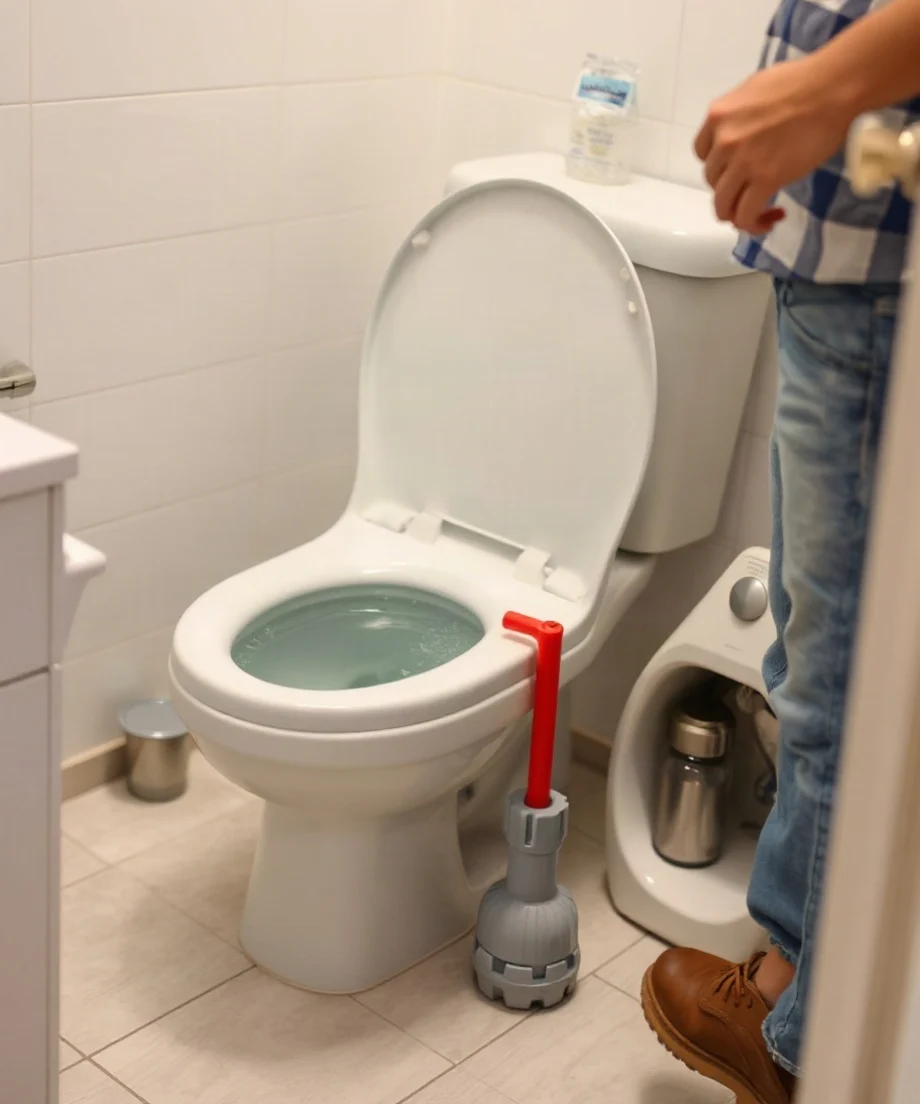
Nonflushable products are a frequent cause of recurring toilet problems. Even products labeled “flushable” may not break down as quickly as ordinary toilet paper and can contribute to blockages, especially in older or restricted drainage systems. Do not flush wipes, paper towels, tissues, cotton products, diapers, or household trash.
A blocked drain farther downstream
The clog may be beyond the toilet itself. If the toilet connects to a partially blocked branch drain, water from the bowl may drain slowly even when the trap is clear. You may also notice a nearby sink, tub, or shower draining slowly, or hear bubbling and gurgling when another fixture is used.
When several fixtures have the same problem, the restriction may be in a shared drain or the main sewer line rather than in the toilet. A professional drain cleaning service can help identify and remove a blockage without relying on repeated chemical treatments.
A problem with the plumbing vent
Drainage systems use vent pipes to balance air pressure and help wastewater flow smoothly. A blocked or damaged vent can cause slow draining, gurgling, unusual odors, or water movement in nearby fixtures. Leaves, debris, birds’ nests, ice, or a structural problem can affect a vent, depending on the home and local conditions.
Vent work often requires roof access or inspection of concealed plumbing. Homeowners should not climb onto a roof or dismantle vent piping just to investigate a slow toilet. A qualified local plumber can assess the vent safely.
A low-flow or weak flush
Sometimes the drain is not significantly blocked; the toilet simply does not deliver enough water or flushing force to move waste through the trap. Mineral buildup around the rim jets, an incorrect water level, a worn flapper, or a faulty fill valve can reduce flushing performance.
If the toilet has always flushed weakly, the design or installation may be part of the issue. If it recently became weak, inspect the tank components and water level only if you can do so safely and identify the parts. A toilet repair professional can determine whether a component should be adjusted, cleaned, or replaced.
An object lodged in the trap
A small object can become stuck in the trap and create repeated or unpredictable slow draining. This is common when a child drops a toy into the bowl or when a household item is accidentally flushed. Do not keep flushing to test the toilet. Each test can push water and waste closer to the rim.
If plunging does not resolve the problem, forcing a tool into the toilet can scratch the porcelain, push the object deeper, or damage the trap. An experienced plumber may need to use an appropriate auger or remove the toilet for access.
Safe Checks You Can Try First
These steps are appropriate for a typical minor clog when there is no sewage exposure, major flooding, electrical hazard, or visible damage. Wear gloves, protect the floor, and stop immediately if the bowl is close to overflowing.
1. Stop the flush and control the water
If the bowl starts rising, do not flush again. Turn the shutoff valve behind or near the toilet clockwise until it stops, without forcing it. If the valve does not work or water continues entering the tank, remove the tank lid and carefully lift the float mechanism or close the flapper temporarily. Avoid breaking or forcing old valves.
2. Check whether other fixtures are affected
Run a nearby sink briefly and observe the toilet. Do not use large amounts of water. Listen for gurgling and check whether the shower or tub drains normally. A problem limited to one toilet is more consistent with a local clog. Slow drainage in multiple fixtures suggests a larger drain or sewer issue.
3. Use a toilet plunger correctly
Use a flange-style toilet plunger rather than a flat sink plunger. There should be enough water in the bowl to cover the rubber portion. Position the flange over the drain opening to create a seal, then begin with gentle pushes to avoid splashing. Follow with controlled, firm strokes while keeping the seal in place.
After several attempts, pause and see whether the water level falls. If it does, flush only once while staying ready to shut off the water. If the bowl still drains slowly, stop plunging rather than continuing indefinitely. A stubborn blockage may need a closet auger or professional service.
4. Inspect only the easy-to-see tank components
If the water level in the bowl is normal but the flush is weak, look inside the tank with the lid removed. Check whether the water level appears unusually low and whether the flapper opens during a flush. Do not adjust parts if you are unsure how they work, and do not use improvised objects to hold a valve open.
Avoid chemical drain cleaners. They may not clear a toilet clog, can damage some plumbing components, and leave caustic liquid in the bowl. They also create a burn and splash hazard for anyone who later plunges or opens the toilet.
When to Stop DIY Troubleshooting
Call a qualified local professional if plunging does not restore normal drainage, the toilet repeatedly clogs, or the bowl rises whenever another fixture drains. Professional help is also appropriate when a foreign object may be lodged inside, when the toilet rocks or leaks at its base, or when you suspect a damaged drain, vent, or sewer line.
Seek prompt help for sewage coming out of a drain, wastewater entering the home, major flooding, a concealed leak, or contaminated water. Keep people and pets away from sewage, avoid contact with your eyes and skin, and do not attempt repairs involving electrical equipment in a wet area. For broader drainage concerns, a sewer line inspection may be needed.
Repair or Replace the Toilet?
A slow-draining toilet does not automatically need replacement. If the bowl, trap, tank, and connections are in good condition, clearing the obstruction or repairing a flush component is usually the first consideration. A plumber may use a toilet auger, inspect the drain, test the venting, or evaluate nearby fixtures before recommending a solution.
Replacement may make more sense when the porcelain is cracked, the toilet leaks repeatedly, the base is damaged, the flush performance remains poor after repairs, or replacement parts are difficult to match. A loose or leaking toilet should not be ignored because water can damage the flooring and subfloor beneath it.
Ask the professional to explain whether the restriction is inside the toilet, in the branch drain, or farther downstream. That distinction matters because replacing the toilet will not solve a clogged drain line or sewer problem.
What Affects the Cost of the Repair?
The total cost depends on the cause and the access required, not simply on the fact that the toilet is slow. Important factors can include:
- Whether the blockage is in the toilet trap, a branch drain, or the main sewer line.
- How difficult it is to reach the obstruction.
- Whether a toilet auger, drain machine, camera inspection, or other specialized equipment is appropriate.
- Whether damaged tank parts, a shutoff valve, wax seal, flange, or toilet must be repaired or replaced.
- Whether multiple fixtures are affected or sewage cleanup is required.
- The time of service, travel distance, site conditions, and any access work involved.
Because local rates and service conditions vary, request a clear explanation of the diagnostic process, labor, materials, and possible additional work before approving repairs. A plumbing cost guide can help you understand which factors commonly affect a service bill without promising a specific local price.
How to Choose the Right Plumber
Look for a plumber or plumbing company that regularly handles toilet blockages, drain cleaning, and sewer diagnostics. Before work begins, ask what they believe is causing the slow drainage, what inspection method they recommend, and whether the quoted work covers diagnosis or only a particular repair.
Ask for written details about the scope of work and any conditions that could change the total. You can also ask whether the technician is qualified for the type of work involved and whether the company carries appropriate insurance. Licensing, permit, and code requirements vary by location, so verify local requirements with the relevant authority rather than relying on a general online claim.
Avoid anyone who promises a guaranteed result without inspecting the problem, pressures you to replace the toilet immediately, or recommends harsh chemicals as the primary solution. For additional help comparing service options, see this guide to hiring a plumber.
Preventing Another Slow Drain
Flush only human waste and toilet paper. Keep wipes, paper towels, feminine hygiene products, cotton swabs, dental floss, and trash out of the toilet. Teach children not to treat the bowl as a container for toys or household objects.
Pay attention to early warnings such as a rising water level, gurgling, repeated plunging, or a bowl that drains more slowly than other fixtures. Addressing the problem while it is still partial can reduce the chance of an overflow. If the toilet continues to drain slowly after a basic plunge, leave it out of service and arrange an evaluation instead of repeatedly flushing it.
Comments
0No comments yet. Be the first to share a helpful note or question.
Leave a Comment
Your email address will not be published. Comments are reviewed before appearing on the site.